,

Virginian Stocks Mix Over 100 Seeds

R15,00

Excluding shipping

Availability: 437 in stock

Guaranteed Safe Checkout

Brighten your garden instantly with our premium, heirloom Virginian Stocks Mix seeds, offering over 100 seeds per pack to create a vibrant, fast-growing carpet of sweetly scented flowers.

Bring Quick Colour and Fragrance to Your Garden

Virginian Stocks (Malcolmia maritima) are a must-have for South African gardeners looking for maximum reward with minimal effort.

This heirloom, non-GMO variety is beloved for its rapid growth, often blooming just a few weeks after sowing.

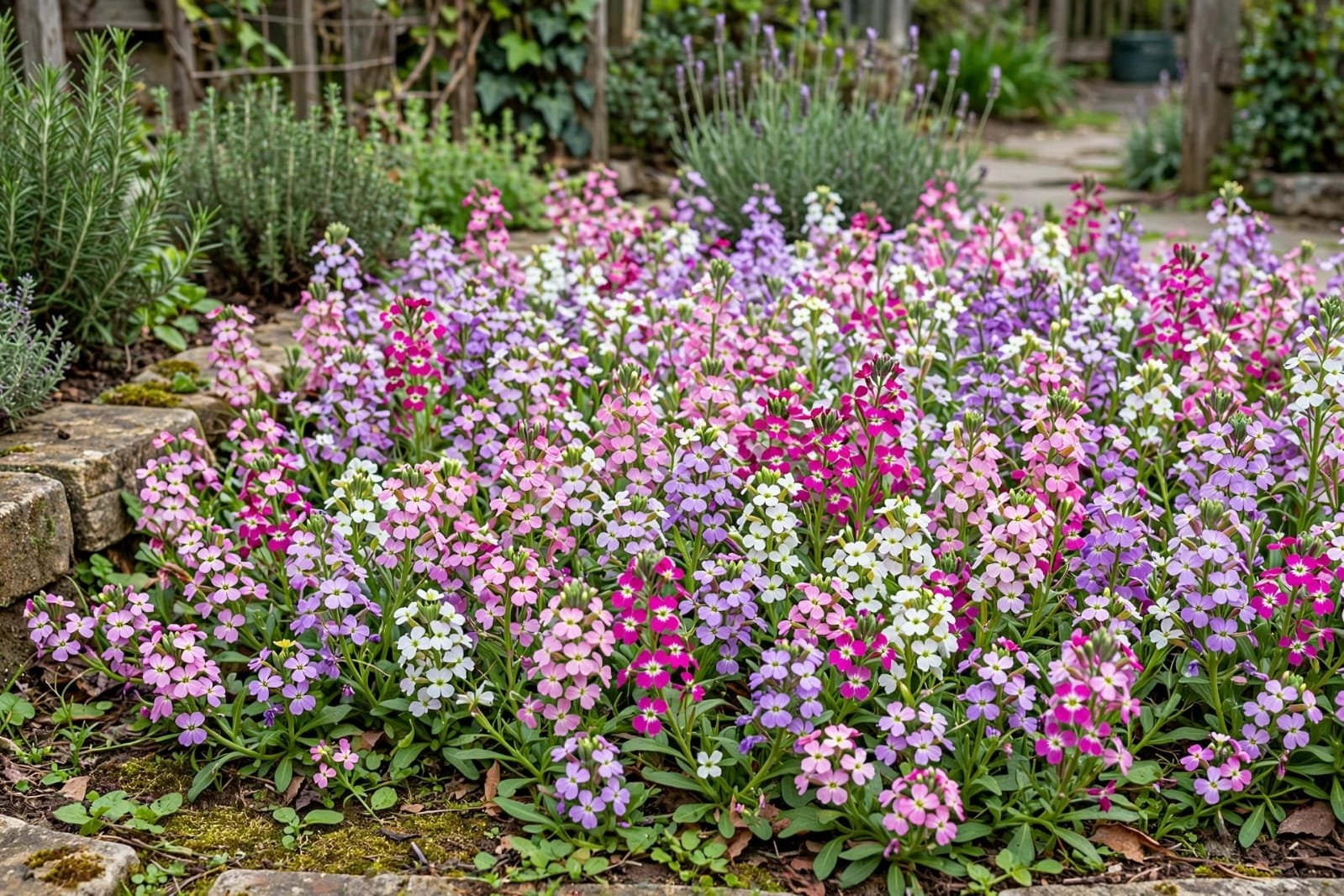
Our carefully curated mix features a beautiful tapestry of four-petalled flowers in soft shades of lilac, pink, purple, and white.

As a bonus, these delightful blooms release a sweet, gentle fragrance that intensifies in the evenings, making them perfect for planting near patios, walkways, or outdoor entertainment areas.

Why You’ll Love Our Virginian Stocks Mix

• Fast and Easy From Seed: One of the quickest annuals to go from seed to flower. Perfect for kids, beginners, or filling temporary gaps in your borders.
• Generous Seed Count: Every pack contains over 100 seeds, giving you plenty of coverage to broadcast over a large area or create thick, dense clusters.
• Heirloom & Non-GMO: Pure, natural genetics that have been passed down through generations. You can plant with confidence knowing your seeds are 100% natural and untreated.
• Pollinator Friendly: The bright, fragrant blooms act as a natural magnet for bees, butterflies, and other beneficial pollinators, boosting the biodiversity of your garden.
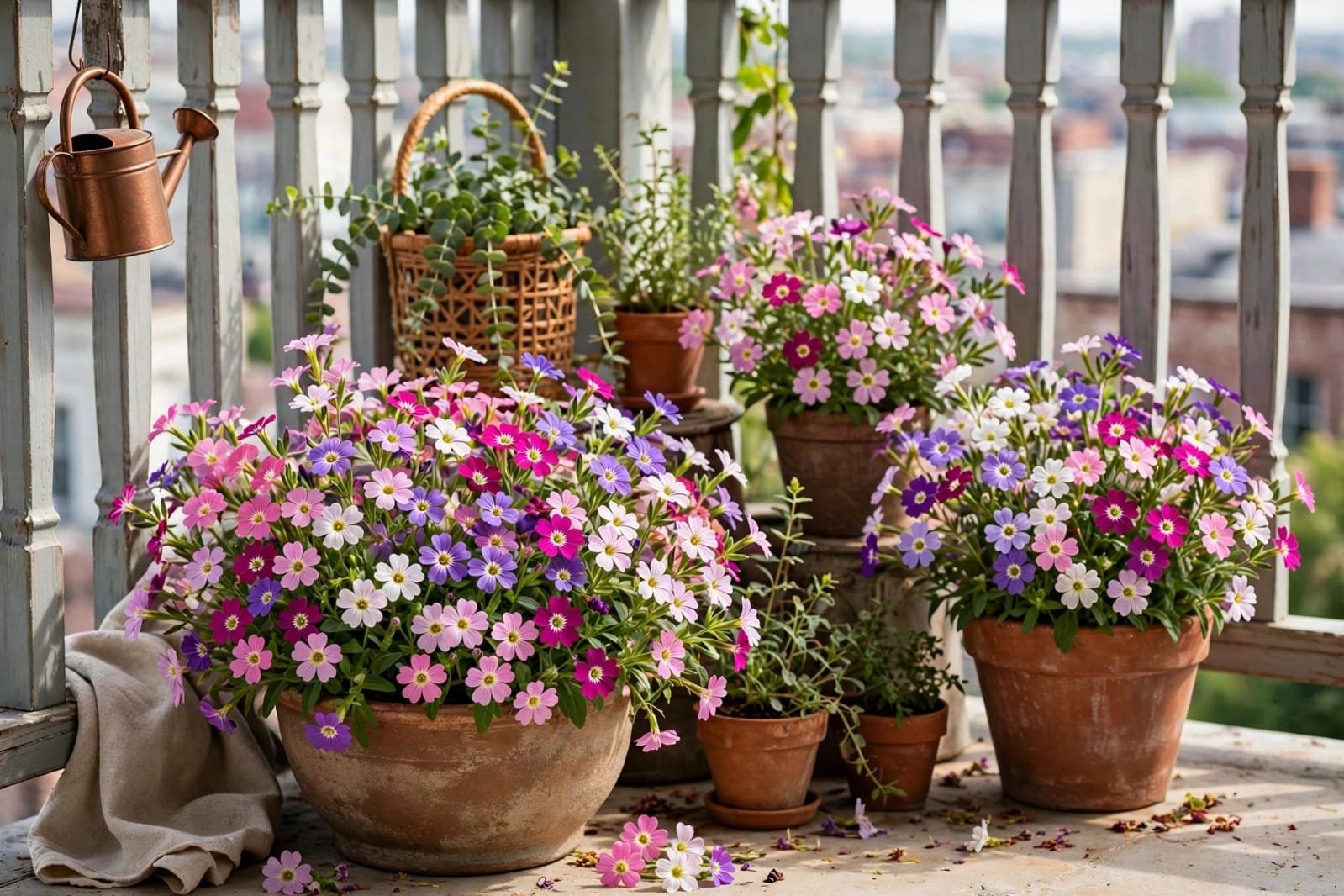
• Versatile Garden Performer: Growing to a compact height of 15–20 cm, they are ideal for cottage gardens, rockeries, window boxes, hanging baskets, and as a colorful groundcover.

South African Planting & Growing Guide

• When to Sow: In South Africa, sow from autumn through to early spring for a spectacular winter and spring show. In cooler, temperate regions, they can also be sown in late summer.
• Position: Throws best in full sun to partial shade.
• Soil: Prefers well-draining soil. They are highly adaptable and will grow well in average or poor soil types, provided the drainage is good.
• Sowing Method: Sow seeds directly where they are to flower. Lightly scatter the seeds over prepared soil and press them down gently. Cover with a very thin layer of fine soil or sand (approx. 2mm), as they need light to germinate.
• Watering: Keep the soil moist but not waterlogged until germination occurs (usually within 7 to 14 days). Once established, they have moderate water needs.

Product Specifications

• Seed Type: Heirloom, Non-GMO Annual
• Quantity: Over 100 seeds per pack
• Flowering Period: Winter, Spring, and early Summer
• Plant Height: 15cm – 20cm
• Plant Spacing: 10cm – 15cm apart (or broadcast thinly)

Reviews

There are no reviews yet.

Be the first to review “Virginian Stocks Mix Over 100 Seeds”

Your email address will not be published. Required fields are marked *

How to Grow Virginian Stocks from Seed

Grow a vibrant, fragrant carpet of colour in your garden with our step-by-step guide to planting and growing heirloom Virginian Stocks from seed in South Africa.

Overview: The Quickest Way to Garden Colour

Virginian Stocks (Malcolmia maritima) are the ultimate choice for South African gardeners seeking fast, low-maintenance results.

Because these hardy annuals sprout quickly and bloom within just a few weeks, they are perfect for filling empty border gaps, spilling over containers, or engaging children in weekend gardening projects.

Whether you are looking to blanket a sunny rockery or add a sweetly scented border along your walkway, this guide will show you exactly how to get the best results from your seed pack.

When to Plant Virginian Stocks in South Africa

Timing your planting ensures robust growth and maximum flowering. Because Virginian Stocks prefer cooler growing conditions, your sowing schedule will depend on your local climate:

• Temperate & Inland Regions (Highveld, Free State): Sow seeds from autumn through to early spring. Avoid mid-winter planting if you experience severe, ground-freezing frosts.
• Subtropical Regions (KZN Coast): Sow during the cooler autumn and winter months for a brilliant late-winter and spring display.
• Winter Rainfall Regions (Western Cape): Sow in autumn and early winter to take advantage of the natural seasonal rainfall.

Step 1: Choose the Perfect Location

Virginian Stocks are highly adaptable, but they perform best when given the right foundational environment:

• Sunlight: Select a spot that receives full sun to partial shade. At least 4 to 6 hours of direct daily sunlight yields the most prolific blooms.
• Soil Quality: These plants thrive in average, sandy, or even poor soils, provided there is excellent drainage. Heavy clay soils that retain water can cause the roots to rot.

Step 2: Prepare the Soil

1. Clear the Area: Remove all weeds, stones, and old plant debris from the designated planting bed.
2. Loosen the Earth: Dig over the top 10–15 cm of soil with a garden fork to loosen it up.
3. Smooth the Surface: Rake the soil until it forms a fine, crumbly texture and a level surface.

Step 3: Sow the Seeds (Direct Sowing Method)

Virginian Stocks have delicate root systems and do not transplant well. For the best success, sow your pack of over 100 seeds directly into their permanent garden home or final outdoor containers.

1. Broadcast Lightly: Scatter the seeds thinly and evenly over your prepared soil surface.
2. Press Into Soil: Gently press the scattered seeds down with your hand or the flat side of a rake so they make firm contact with the earth.
3. Barely Cover: Lightly sprinkle a very thin layer of fine sand or sieved soil over the seeds (no deeper than 2mm). Do not bury them deeply, as Virginian Stocks seeds require light to trigger germination.

Step 4: Water and Germinate

• Initial Watering: Use a watering can fitted with a fine rose spray (or a gentle mist setting on your hose) to moisten the soil. A harsh stream of water will wash the tiny seeds away.
• Moisture Balance: Keep the soil consistently damp but never waterlogged.
• Sprouting Time: Under ideal conditions, you will see the first green shoots emerge within 7 to 14 days.

Step 5: Care, Thinning, and Maintenance

• Thinning Out: Once the seedlings reach about 5 cm in height, thin them out by gently plucking out the weaker plants until the remaining seedlings are spaced roughly 10–15 cm apart. This gives them enough room to bush out.
• Watering Needs: Once established, Virginian Stocks are relatively drought-tolerant. Water them deeply once or twice a week during dry spells.
• Feeding: They do not require heavy feeding. If your soil is exceptionally poor, a single application of a balanced, water-soluble organic fertiliser when the plants are young will give them a gentle boost.
• Succession Planting Tip: Because Virginian Stocks grow fast and finish their life cycle quickly, sow a fresh batch of seeds every 2 to 3 weeks during the planting season to enjoy non-stop, continuous blooms for months.

Virginian Stocks Growing Guide

Master the art of growing a blanket of vibrant, honey-scented colour with our comprehensive, expert-approved Virginian Stocks growing guide tailored for South African conditions.

An Introduction to Malcolmia maritima

Virginian Stocks (Malcolmia maritima) are the ultimate choice for South African gardeners seeking fast, high-impact results with minimal effort.

Belonging to the Brassicaceae family, these hardy annuals are famous for their lightning-fast growth cycle, often bursting into full bloom just 4 to 8 weeks after sowing.

Featuring a lovely mix of delicate, four-petalled flowers in shades of lilac, soft pink, deep purple, and crisp white, they are equally prized for their sweet, perfume-like fragrance that intensifies during the late afternoon and evening.

Growing to a neat, compact height of 15–20 cm, they are highly versatile garden performers perfect for borders, rockeries, containers, and cottage garden designs.

Optimal Growing Conditions

To achieve a dense, healthy carpet of blooms, it is essential to align your planting with the species’ preferred environmental conditions:

• Sunlight Requirements: They thrive best in full sun, requiring at least 6 hours of direct sunlight daily to produce the maximum number of flowers. However, they can tolerate light partial shade, particularly in regions with scorching afternoon sun.
• Soil Preferences: These plants are remarkably adaptable and will easily grow in average, lean, or sandy soils. The most critical requirement is excellent drainage; waterlogged or heavy clay soils will quickly cause root rot. They prefer a relatively neutral to slightly alkaline soil pH (6.0 to 7.5).
• Climate Tolerance: Virginian Stocks are cool-season annuals. They display excellent frost hardiness once established, making them ideal for winter and spring colour across the South African Highveld and inland areas.

South African Planting Calendar

Because South Africa spans diverse climate zones, timing your seed sowing correctly is the key to success:
• Inland & Highveld (Gauteng, Free State): Sow from autumn (March to May) through to early spring (August to September). Avoid sowing during the dead of winter if your area experiences severe, black frosts.
• Winter Rainfall Regions (Western Cape): Autumn and early winter (April to June) are the absolute best times to sow, allowing the seedlings to establish naturally with the winter rains.
• Subtropical Regions (KwaZulu-Natal Coast): Sow strictly during the cooler autumn and winter months (May to July) to avoid the intense, humid summer heat which the plants dislike.

How to Sow and Propagate Virginian Stocks

Virginian Stocks have highly sensitive, delicate root systems and do not transplant well. Avoid buying them as seedlings in trays. For the highest success rate, always sow your pack of over 100 seeds directly into their final growing positions.

1. Prepare the Seedbed: Weed the area thoroughly and loosen the top 10 cm of soil with a garden fork. Rake it to a fine, crumbly tilth.
2. Broadcast the Seeds: Scatter the tiny seeds thinly and evenly across the soil surface. To ensure an even distribution, you can mix the seeds with a handful of fine horticultural sand before casting.
3. Press, Don’t Bury: Lightly press the seeds into the earth using your hands or the flat back of a rake so they make firm contact with the damp soil. Do not cover them deeply—sprinkle a mere 2mm of fine soil or sand over them at most, as these seeds require light to trigger germination.
4. Water Tenderly: Mist the area gently using a spray nozzle or a watering can fitted with a fine rose. A harsh spray will wash the seeds away or cause them to cluster. Keep the soil consistently moist but never soggy until sprouts appear. Germination typically takes 7 to 14 days.

Ongoing Care and Maintenance

• Thinning Seedlings: Once your seedlings reach roughly 5 cm in height, thin them out to a spacing of 10–15 cm apart. This prevents overcrowding, ensures good air circulation, and encourages the remaining plants to grow bushy and robust.
• Watering Routine: While establishing, give them regular water. Once fully established, Virginian Stocks are moderately drought-tolerant. Water deeply once or twice a week during dry winter or spring spells.
• Fertilisation: They do not require heavy feeding. In fact, over-fertilising with high-nitrogen food will result in lush green leaves but very few flowers. A single, weak application of a balanced, organic liquid fertilizer as they start budding is more than enough.
• Succession Planting Secret: Because individual plants complete their life cycle relatively quickly, sow a fresh batch of seeds from your pack every 2 to 3 weeks throughout the planting season. This ensures a non-stop, rolling wave of continuous fragrance and colour in your garden for months on end.

Virginian Stocks Other Names

Discover the alternative names, common aliases, and scientific classifications for Virginian Stocks (Malcolmia maritima) to help you identify and shop for this beloved garden favorite with confidence.

The Importance of Knowing Plant Names

When shopping for seeds online or researching garden layouts, plant names can sometimes get confusing. A single flower can have completely different names depending on the country, historical era, or seed merchant.

By understanding the botanical naming conventions and popular regional titles for Virginian Stocks, you can ensure you are buying the exact heirloom variety you want for your South African garden.

The Scientific Name: Botanical Classification

• Malcolmia maritima: This is the official binomial scientific name for Virginian Stocks. If you want to be 100% certain you are buying the correct plant, always look for this name on seed packets.
• The Meaning: The genus name Malcolmia honors William Malcolm, a prominent 18th-century English nurseryman. The specific epithet maritima translates to “of the sea” or “maritime,” referencing the plant’s native coastal habitats along the Mediterranean.
• The Family: It belongs to the Brassicaceae family (the mustard or cabbage family), which explains its hardy nature and four-petalled flower structure.

Common Names Around the World

Depending on where your gardening inspiration comes from, you might see this plant listed under several common names:

• Virginian Stock / Virginia Stock: This is the most widely recognized common name globally and in South Africa. Despite the name, the plant is actually native to Greece and Albania, not the American state of Virginia! The name likely stuck historically due to early colonial trade routes and plant introductions.
• Sea Stock: Directly translating its botanical name maritima, some coastal European gardening circles refer to it as Sea Stock due to its natural ability to tolerate sandy environments and salty sea breezes.
• Children’s Stock: Because a single pack of over 100 seeds sprouts so quickly and reliably, it earned this nickname in traditional English cottage gardens as the premier plant used to introduce children to the joy of growing flowers from seed.

Common Name Confusions to Avoid

It is incredibly easy to confuse Virginian Stocks with other popular species in the flower world. When browsing, make sure you don’t mistake it for these distinct plants:

• Evening Stock / Night-Scented Stock (Matthiola longipetala): While both bloom fast and smell incredible in the evening, Night-Scented Stock is a completely different genus. Its flowers are typically more muted and wispy, whereas Virginian Stocks provide a neat, colorful carpet of pink, purple, and white.
• Hoary Stock / Brompton Stock (Matthiola incana): This is the traditional, tall florist’s stock. It grows much taller (up to 80cm), produces dense vertical spikes of ruffled, double flowers, and is often grown as a biennial rather than a quick annual.

Shopping Basket
0
    0
    Your Cart
    Your cart is emptyReturn to Shop
    Scroll to Top