,

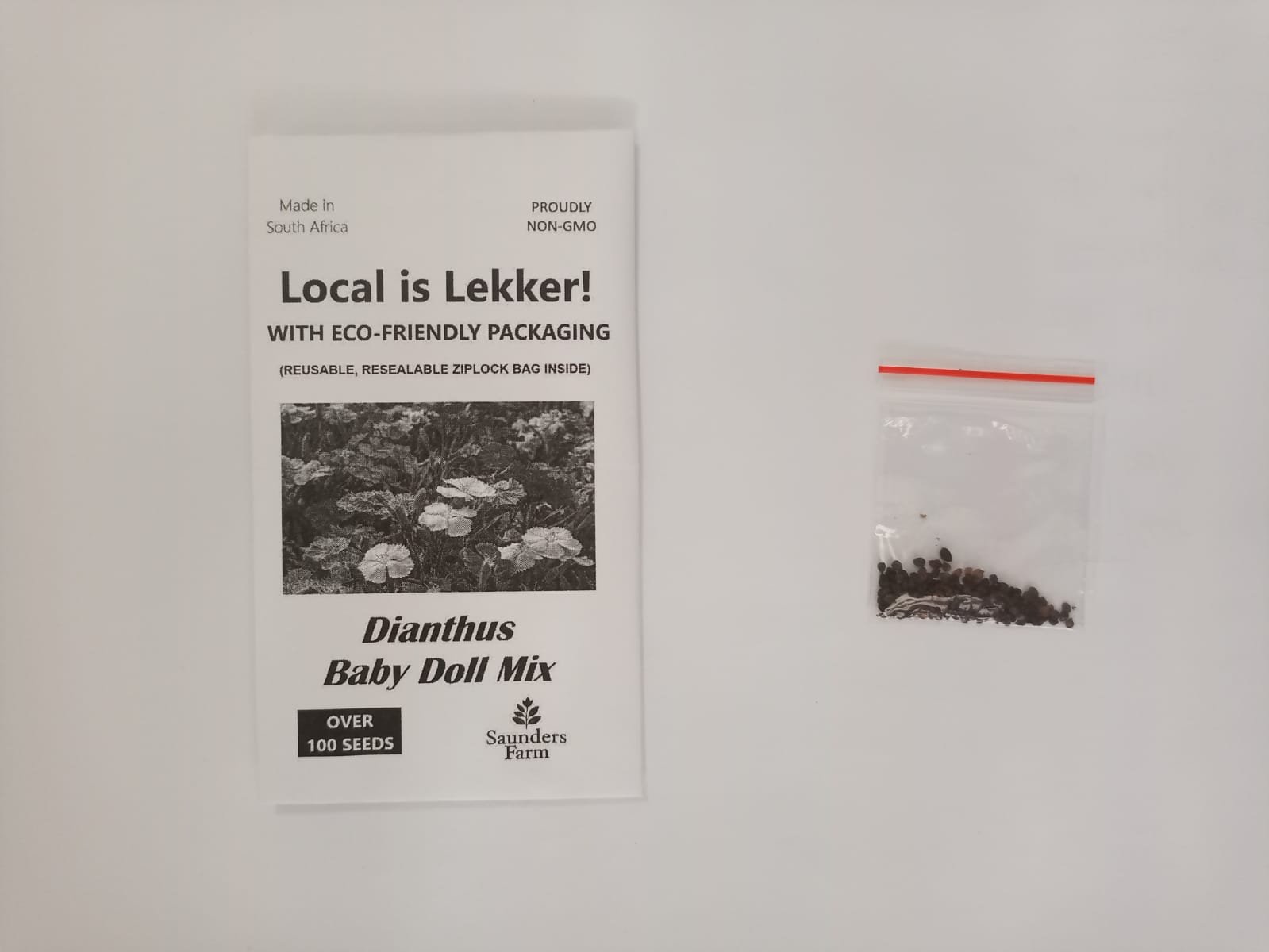
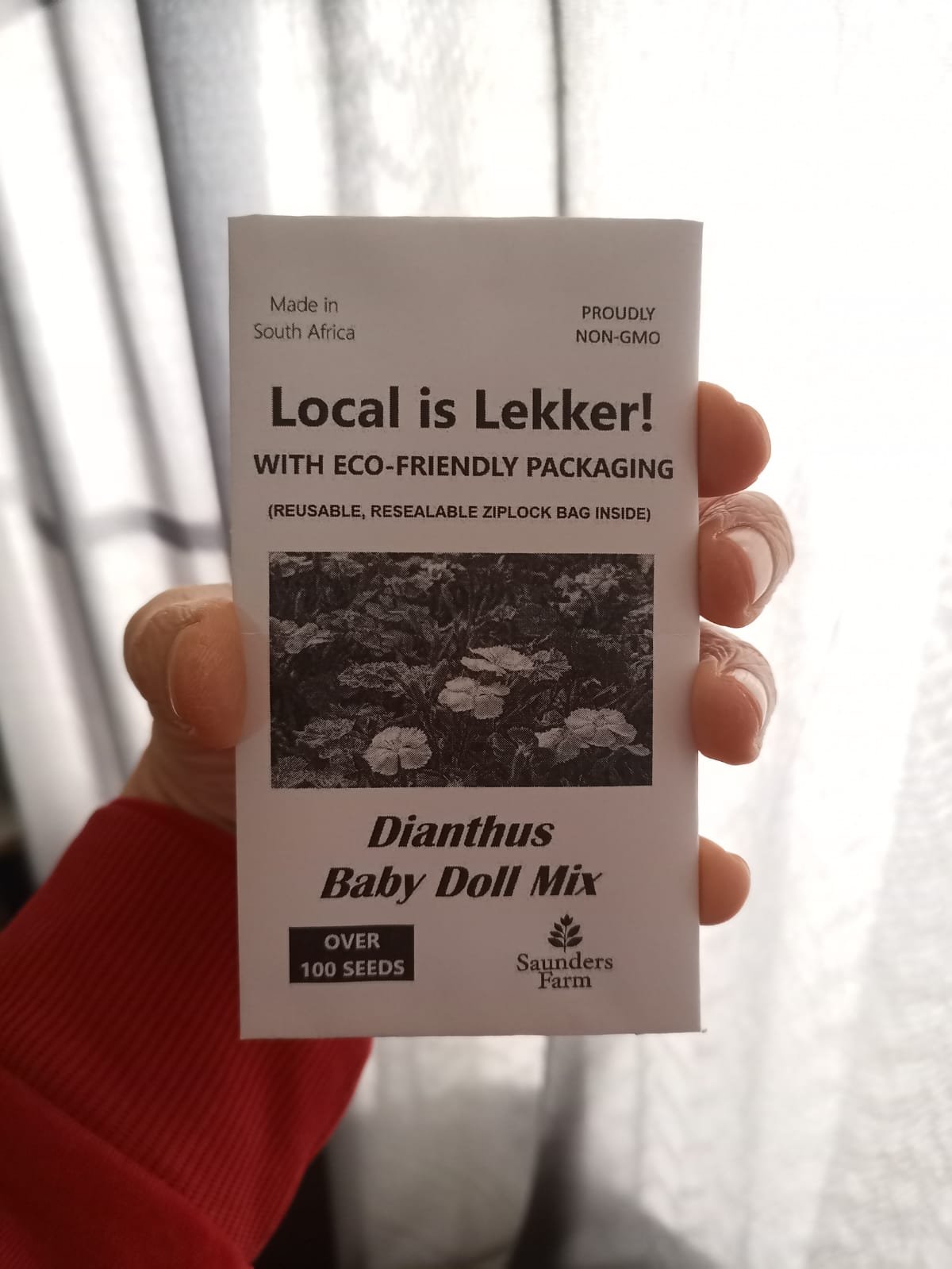
Dianthus Mix – Over 100 Seeds

R15.00

Excluding shipping
  • Over 100 Dainthus Mix (Baby Doll) Seeds
  • Join our WhatsApp Group to see when this product goes on special: https://chat.whatsapp.com/Ly1HQgXpYGXL2ffDGXUl4G
  • Proudly non-GMO
  • ECO-FRIENDLY: Biodegradable packaging with resealable, reusable plastic Ziplock bag inside
  • Made in South Africa, for South Africa

Availability: 78 in stock

Guaranteed Safe Checkout

Heirloom Dianthus Mix (Baby Doll) Seeds – Over 100 Seeds Per Pack

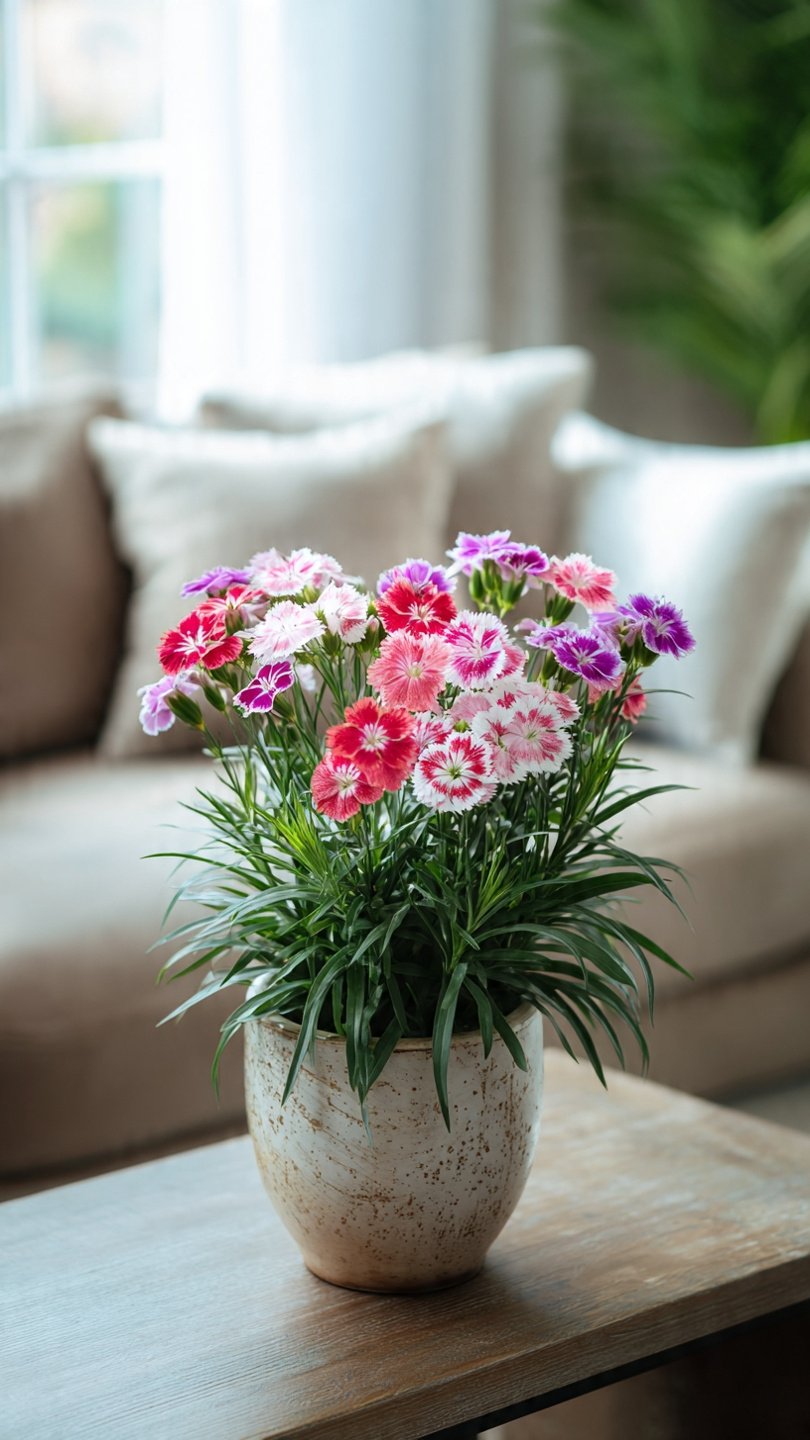
Bring a vibrant splash of vintage charm to your South African garden with our premium, heirloom Dianthus Mix (Baby Doll) seeds.

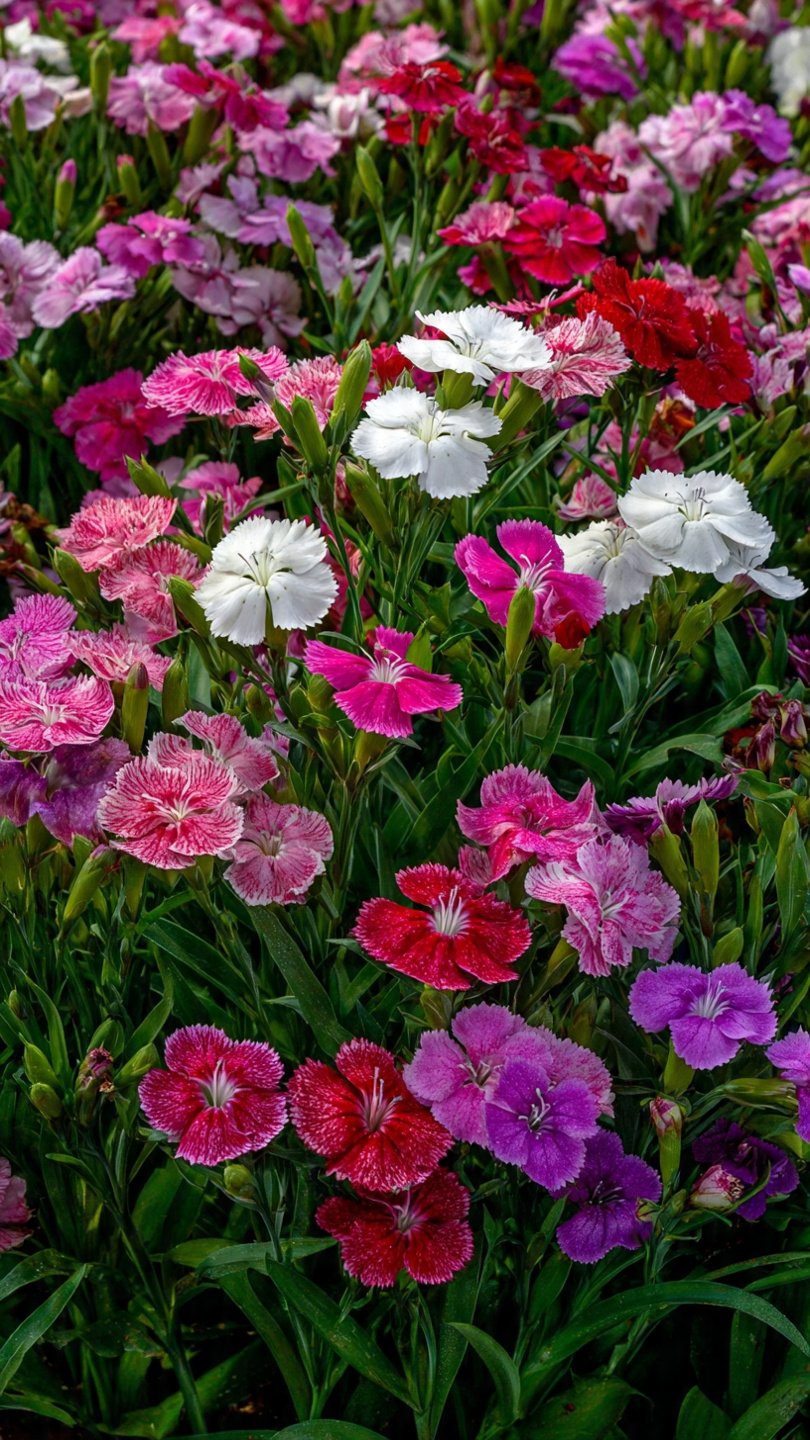
Known affectionately as “Pinks,” Dianthus Baby Doll is a beloved, low-growing biennial or short-lived perennial prized for its large, flat-petaled blossoms.

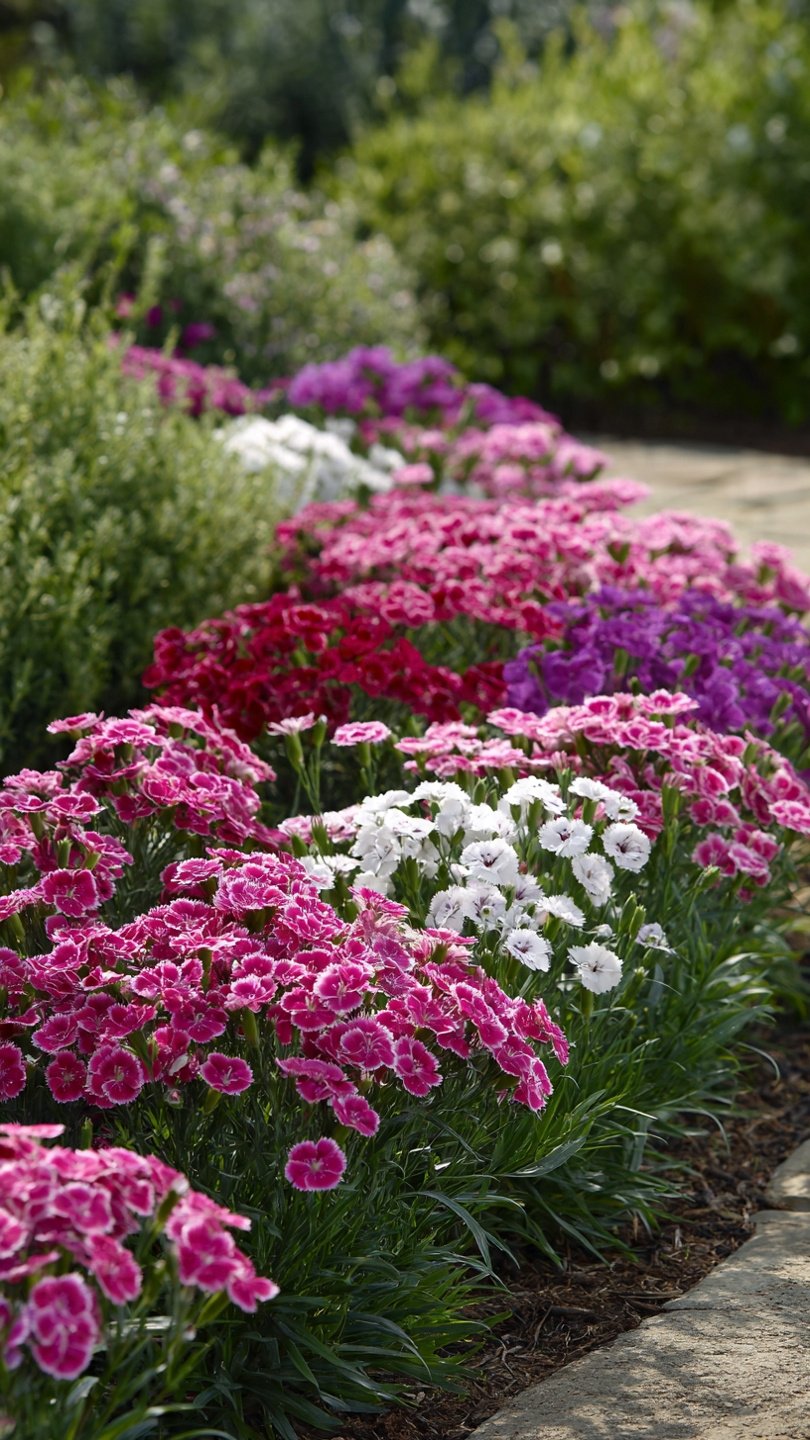
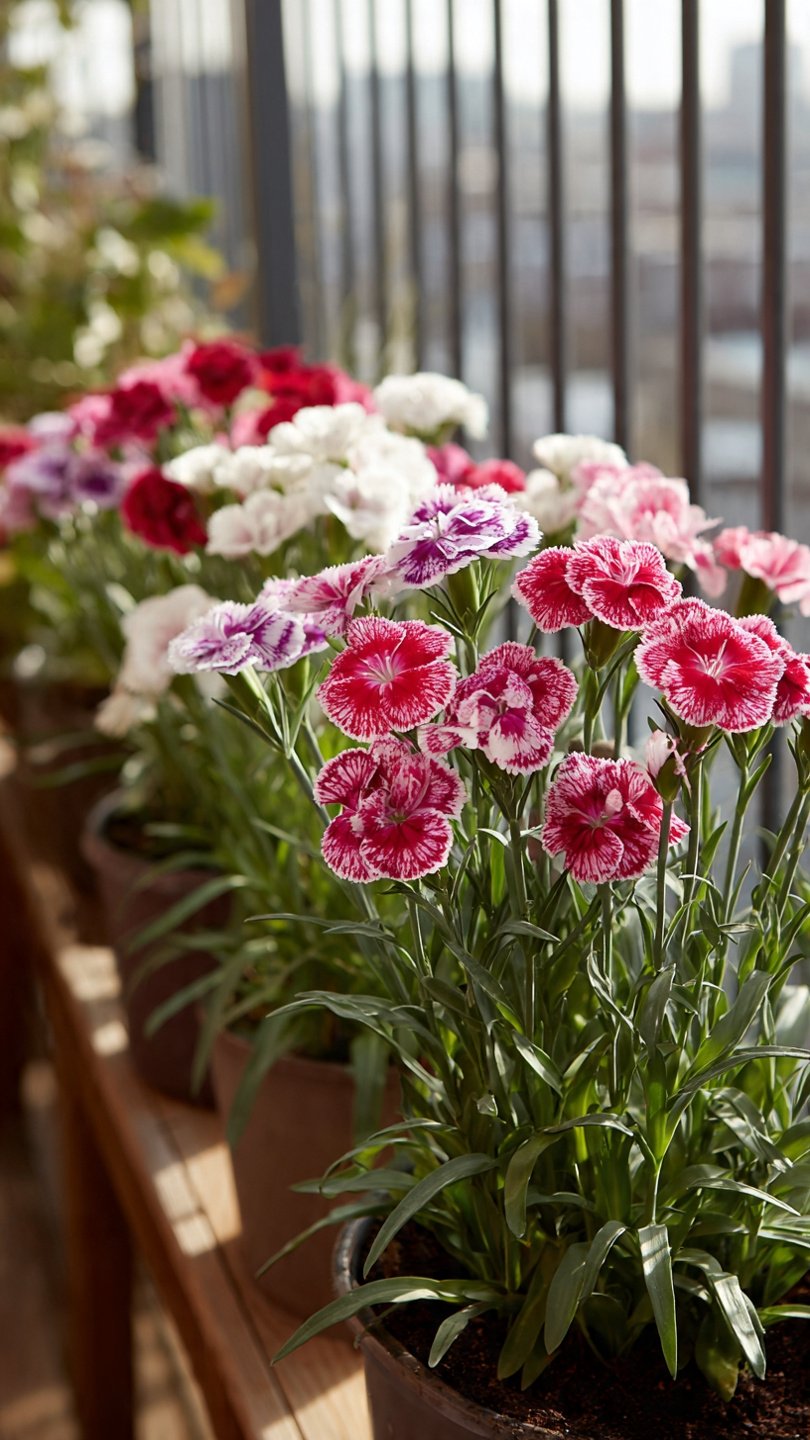
This exquisite mix showcases a stunning palette of single colors, bi-colors, and intricately zoned patterns in rich shades of pink, deep crimson, and stark white.

Perfect for border edges, rockeries, patio containers, and classic cottage gardens, these compact plants create dense carpets of color that fill the air with a sweet, clove-like fragrance.

Butterflies and bees absolutely adore them, making this mix an excellent choice for local biodiversity and pollinator gardens.

Our heirloom seeds are completely non-GMO, open-pollinated, and fully acclimatized to thrive across diverse South African climates.

Each packet is hand-packed with over 100 seeds, providing you with exceptional value and an abundance of seedlings to transform your landscape.

🌸 Why Choose Dianthus Baby Doll?

  1. Heirloom & Non-GMO: 100% natural, pure flower seeds preserved for generations.
  2. Prolific Bloomer: Produces eye-catching, fringed flowers from late spring right through summer.
  3. Compact Growth: Reaches a neat height of 15cm to 20cm, making it ideal for edging pathways.
  4. Exceptional Value: Every package contains over 100 seeds to easily fill your garden beds or seedling trays.
  5. Drought-Tolerant: Once established, Dianthus handles the hot South African sun with ease.

📅 South African Planting Guide

Best Planting Time: Autumn (March to May) for strong root establishment, or early Spring (August to September) for late summer blooms.

Sunlight Preference: Full sun to partial afternoon shade.

Sowing Depth: Cover very lightly with 2mm to 3mm of fine soil or vermiculite, as light aids germination.

Germination Time: 8 to 14 days under optimal conditions.

Plant Spacing: Space seedlings 15cm to 20cm apart to allow for a dense, mounding habit.

Soil Requirements: Prefers well-draining, fertile soil.

Dianthus prefers a neutral to slightly alkaline soil pH (6.5 to 7.5); adding a touch of agricultural lime to acidic soil will boost performance.
logo simple

Stop Killing Your Seeds!

5 Germination Mistakes Gardeners Must Stop Immediately

Get this free guide (5 minute read) and The Printable Monthly Growing Guide for South Africa (also free), via email:

We don’t spam! Read our privacy policy for more info.

Reviews

There are no reviews yet.

Be the first to review “Dianthus Mix – Over 100 Seeds”

Your email address will not be published. Required fields are marked *

How to Grow Dianthus from Seed

How to Grow Dianthus from Seed: The Complete South African Guide

Dianthus (Baby Doll)—often called “Pinks” due to their fringed, zig-zag edges—is one of the most rewarding flowers you can grow from seed.

These compact, heirloom plants fill South African gardens with carpets of pink, crimson, and white blossoms while releasing a delightful, clove-like fragrance.

Follow this step-by-step planting guide to help your customers successfully raise healthy, heavy-blooming Dianthus plants from seed.

📅 Quick Growth Overview

  • Best Sowing Time: March to May (Autumn) or August to September (Early Spring).
  • Sunlight Needs: Full sun to partial afternoon shade (minimum 6 hours of sun).
  • Soil Requirements: Rich, loose, fast-draining soil with a neutral to slightly alkaline pH (6.5 to 7.5).
  • Germination Time: 8 to 14 days.
  • Days to Bloom: 12 to 16 weeks from sowing.

Step 1: Sowing the Seeds

Dianthus seeds can be sown directly into garden beds, but starting them in seedling trays gives you far better control over moisture and germination rates.

Prepare the Medium: Fill your seedling trays with a fine, sterile, well-draining seed-starting mix.

Sowing Depth: Sow the seeds shallowly—only 2mm to 3mm deep. Dianthus seeds require a small amount of light to trigger germination, so do not bury them deeply.

Cover them with a very thin layer of fine vermiculite or sieved soil.

Watering: Mist gently with a spray bottle to settle the soil. Keep the mix consistently damp but never waterlogged.

Seed Value Note: Since each pack contains over 100 seeds, growers have plenty of seeds to fill multiple trays, ensuring massive drifts of color along pathways or borders.

Step 2: Seedling Care

Once the green shoots emerge within 8 to 14 days, move the trays to a bright location that receives plenty of indirect sunlight.

Thinning: If seedlings crowd each other out, use a small pair of scissors to snip away the weakest sprouts, leaving the strongest plants to develop.

Air Circulation: Keep the seedlings in a well-ventilated space to prevent fungal issues like “damping off” (where young stems suddenly collapse at soil level).

Step 3: Transplanting (6 – 8 Weeks Later)

Your Baby Doll Dianthus seedlings are ready for the garden when they have developed at least two sets of true leaves and stand roughly 5cm to 7cm tall.

Soil Adjustment: Dianthus hates acidic soil. If your South African garden soil is highly acidic, dig in a handful of agricultural lime a week before planting.

Ensure the soil drains perfectly; adding compost or river sand helps loosen heavy soil.

Spacing: Plant the seedlings 15cm to 20cm apart. This gives the compact mounds enough room to spread and knit together into a dense floral carpet.

Mulching: Apply a thin layer of organic mulch around the plants to keep the roots cool, but keep the mulch from directly touching the stems.

Step 4: Maintenance and Long-Term Care

Watering: Water at the base of the plant rather than overhead. Dianthus prefers to dry out slightly between waterings.

Weekly watering is usually sufficient once established, though they will need more during intense South African summer heatwaves.

Feeding: Feed your plants every 4 weeks with a balanced, water-soluble flower fertilizer to support continuous bud production.

The “Deadheading” Secret: This is the most crucial step for Dianthus. As individual flowers fade, pinch or snip them off right below the flower head.

“Deadheading” stops the plant from putting energy into setting seed, forcing it to continuously produce flush after flush of fresh flowers all season long.

Dianthus Medicinal / Nutritional Uses

Dianthus Medicinal and Nutritional Uses: Ancient Remedies & Modern Insights

Dianthus (Dianthus chinensis / Dianthus caryophyllus), popularly known as “Pinks” or Carnations, are celebrated globally for their fringed petals and spicy, clove-like fragrance.

However, these beautiful heirloom flowers are far more than just visual assets for South African gardens—they boast a rich history in traditional medicine and a surprising array of nutritional benefits.

This comprehensive guide details the culinary and therapeutic uses of the Dianthus plant.

🥗 Culinary & Nutritional Profile: Are Dianthus Edible?

Yes! The petals of heirloom, non-GMO Dianthus varieties (like Baby Doll) are entirely edible.

They feature a distinct, mildly sweet flavour profile with explicit notes of clove and nutmeg.

Antioxidant Powerhouse: The vibrant pink, red, and purple hues in Dianthus petals are caused by anthocyanins.

These are powerful plant pigments and antioxidants that neutralize free radicals, protecting human cells from oxidative stress and reducing systemic inflammation.

Essential Oils: Dianthus petals contain high levels of volatile essential oils, including eugenol (the same active therapeutic compound found in true cloves), which aids digestion and supports metabolic health.

Culinary Applications: Fresh petals are commonly used across South Africa to brighten up summer salads, steep into aromatic herbal syrups, garnish gourmet pastries, or freeze into decorative ice cubes for refreshing drinks.

Important Safety Note: Only consume Dianthus flowers that have been grown organically from seed.

Never eat flowers purchased from commercial florists, as they are heavily treated with systemic chemical pesticides.

🧪 Historical and Traditional Medicinal Uses

In traditional Western herbalism and Traditional Chinese Medicine (TCM)—where a specific variety known as Qu Mai (Dianthus superbus) is utilized—the aerial parts and flowers of the Dianthus plant have been trusted for centuries.

1. Digestive System Support

Historically, Dianthus flower infusions (herbal teas) were prescribed as a gentle digestive tonic.

The natural bitter and spicy compounds stimulated the digestive tract, helping to relieve flatulence, bloating, and minor stomach cramps.

2. Nervous System & Stress Relief

In European folk medicine, dried carnation and dianthus petals were steeped in hot water or wine to create a calming elixir.

The volatile oils act as a mild nervine, which helps soothe the nervous system, alleviate mild anxiety, reduce physical exhaustion, and promote better sleep.

3. Natural Diuretic Properties

In ancient herbal systems, preparations made from the leaves and stems of the plant were used to stimulate the kidneys.

By acting as a natural diuretic, it helped clear excess fluid retention, flush out the urinary tract, and support overall kidney health.

4. Skin Soothing & Topical Applications

Cooled, steeped Dianthus tea or poultices made from crushed petals were traditionally applied topically to the skin.

The natural anti-inflammatory and mild antiseptic properties of eugenol helped soothe swelling, ease the itch of insect bites, and promote the healing of minor skin irritations.

⚠️ Crucial Safety Guidelines

While Dianthus offers wonderful benefits for humans when grown organically, regarding household pets:

Toxic to Pets: Dianthus plants contain triterpenoid saponins. While mild, ingestion of the leaves or stems can cause gastrointestinal upset (vomiting or diarrhoea) and mild skin irritation in cats and dogs.

Plant your Dianthus in raised beds, hanging baskets, or areas inaccessible to curious pets.

Dianthus Growing Guide

The Ultimate Dianthus Growing Guide: From Seed to Bloom in South Africa

Dianthus (Baby Doll)—lovingly known as “Pinks”—is a striking, low-growing heirloom flower that brings vibrant, continuous colour and a sweet, clove-like fragrance to South African gardens.

Whether planted as borders, rockery fillers, or container accents, these hardy plants are highly rewarding and exceptionally easy to raise from seed.

This comprehensive guide provides you with everything you need to know to successfully grow Dianthus from seed to beautiful, full bloom.

📅 Quick Growth Reference

  • Best Sowing Windows: Autumn (March to May) or Early Spring (August to September)
  • Sunlight: Full Sun to Partial Afternoon Shade (6+ hours daily)
  • Soil Type: Loose, fertile, exceptionally well-draining soil
  • Soil pH: 6.5 to 7.5 (Neutral to slightly alkaline)
  • Germination Time: 8 to 14 days
  • Days to Bloom: 12 to 16 weeks from sowing

Step 1: Choosing the Perfect Garden Spot

Dianthus plants are highly adaptable, but they demand two non-negotiable conditions to thrive:

Abundant Sunlight: Select a spot that receives at least 6 hours of direct sunlight daily. In scorching interior regions of South Africa (like the Highveld), light afternoon shade is beneficial to prevent the colors from fading.

Excellent Drainage: Dianthus roots will quickly rot if left sitting in soggy, heavy clay soil. If your garden soil retains too much water, mix in coarse river sand and organic compost, or plant your seeds in raised beds and pots.

Step 2: Sowing the Seeds

While Dianthus can be scattered directly in the garden, starting them in seedling trays gives you a significantly higher success rate.

Prepare the Medium: Fill your seedling trays with a premium, fine-textured seed-starting mix.

The Golden Rule (Sow Shallowly): Dianthus seeds require a small amount of light to trigger germination. Press the seeds just 2mm to 3mm deep into the soil. Cover them with a very transparent layer of fine vermiculite or sieved soil.

Burying them too deeply will prevent them from sprouting.

Moisture Balance: Mist the trays gently with a spray bottle. Keep the soil evenly damp but never waterlogged.

Yield Capabilities: Because high-quality heirloom seed packs contain over 100 seeds, home gardeners have more than enough to fill multiple trays for a massive, striking landscape display.

Step 3: Nurturing Your Seedlings

Sprouting: Look for the first green shoots to emerge within 8 to 14 days. Once they sprout, move the trays to a bright, well-ventilated window or a sheltered patio.

Preventing Fungal Issues: Keep the seedling trays in a space with good air circulation to protect the young plants from “damping off”—a common fungal disease where tiny stems suddenly collapse at the soil line.

Step 4: Transplanting into the Garden

Your Baby Doll Dianthus seedlings are ready to go into their permanent home when they stand roughly 5cm to 7cm tall and have developed at least two sets of true leaves.

The Soil pH Trick: Dianthus detests highly acidic soil. If your garden soil has a low pH, dig in a small handful of agricultural lime a week before transplanting.

Spacing: Plant the seedlings 15cm to 20cm apart. This compact variety grows in neat mounds, and this spacing allows them to knit together into a dense, solid carpet of blossoms.

Step 5: Ongoing Care and Maintenance

Watering: Water at the base of the plant rather than overhead to keep the foliage dry. Dianthus prefers to dry out slightly between waterings.

Weekly deep watering is generally sufficient, though they will require more frequent watering during peak South African summer heatwaves.

Feeding: Apply a balanced, water-soluble flower fertilizer every 4 weeks throughout the spring and summer to fuel continuous bud production.

The “Deadheading” Secret: This is the most crucial maintenance step. As soon as individual flowers begin to fade and wither, pinch or snip them off right below the flower head.

This prevents the plant from wasting energy on setting seeds and forces it to continuously produce flush after flush of fresh flowers.

Step 6: Pests and Troubleshooting

Yellowing Leaves: This is almost always a sign of overwatering or poorly draining soil.

Reduce watering immediately and ensure the roots aren’t waterlogged.

Snails and Slugs: The tender young leaves of Dianthus are a favorite target for slugs and snails. Protect your seedlings early on using organic snail bait or beer traps around the perimeter of your flower beds.

Dianthus Other Names

Dianthus Names Around the World: Linguistic, Botanical, and Regional Guide

The Dianthus genus includes some of the most cherished flowers in garden history.

While botanists and commercial growers use its formal scientific name, these beautiful plants are known by many different common, historical, and regional names.

Understanding these terms helps South African gardeners identify varieties in international seed catalogs, explore traditional gardening literature, and improve their botanical knowledge.

This guide outlines the names and classifications of the Dianthus plant to boost your garden vocabulary.

🧬 The Ultimate Botanical Classification

Scientific Name: Dianthus

Family: Caryophyllaceae (The pink or carnation family)

Common Species: Dianthus chinensis (China Pinks/Baby Doll), Dianthus barbatus (Sweet William), and Dianthus caryophyllus (Clove Carnation).

The name Dianthus was coined by the ancient Greek botanist Theophrastus. It combines two Greek words: Dios (meaning divine or relating to the god Zeus) and anthos (meaning flower).

Together, the scientific name translates beautifully to “Divine Flower” or “Flower of the Gods.”

🇿🇦 Regional South African Names

In South Africa’s diverse, multilingual gardening community, Dianthus is recognized by several names across our official languages:

Pinks / Garden Pinks: English (The most common informal market terms used across the country).

Angelier / Grasangelier: Afrikaans (Commonly used by local gardeners to describe both standard dianthus and carnations).

Idiyanthasi: isiZulu

Idiyanthasi: isiXhosa

🌍 Why Are They Called “Pinks”? (The Historic English Term)

The most common everyday name for Dianthus is “Pinks.”

Contrary to popular belief, they were not named “Pinks” because of their color.

Historically, the name comes from the German or Middle English verb “to pink,” which means to cut a jagged or decorative edge (the same origin as “pinking shears” used in sewing).

Early English gardeners noted that the flower petals looked as though they had been delicately zig-zagged or fringed with scissors, leading to the name.

Ironically, the color pink was actually named after the flower, not the other way around!

🧅 Variety-Specific Common Names

Depending on the specific growth habit and species, the Dianthus family is split into highly popular common marketplace categories:

China Pinks: The common name for Dianthus chinensis (which includes the popular Baby Doll mix). They are heavily prized for their large, flat, vividly zoned blossoms.

Sweet William: The historic common name for Dianthus barbatus, known for producing massive, dense, umbrella-like clusters of flat flowers.

Carnations: The large, fully double-flowered, long-stemmed varieties (Dianthus caryophyllus) heavily used by commercial florists.

Cheddar Pinks: The common name for Dianthus gratianopolitanus, a low-growing, mat-forming rockery variety with highly fragrant, rose-pink flowers.

Maiden Pinks: The common name for Dianthus deltoides, a hardy perennial groundcover variety that forms vibrant carpets of color.

📜 Historical and Folk Nicknames

Throughout old European gardening texts and folklore, Dianthus plants accumulated several affectionate nicknames:

Gillyflower: An ancient English name used from the 14th to 17th centuries for fragrant carnations and clove-scented dianthus (derived from the French word girofle, meaning clove).

Sops-in-Wine: A Renaissance-era nickname given to highly scented Dianthus flowers because their spicy, clove-like petals were plucked and dropped into wine cups to add flavor to festive drinks.

Indian Pink: A historical, slightly inaccurate common name often found in older text catalogs referencing imported East Asian Dianthus chinensis varieties.

Shopping Basket
0
    0
    Your Cart
    Your cart is emptyReturn to Shop
    Scroll to Top