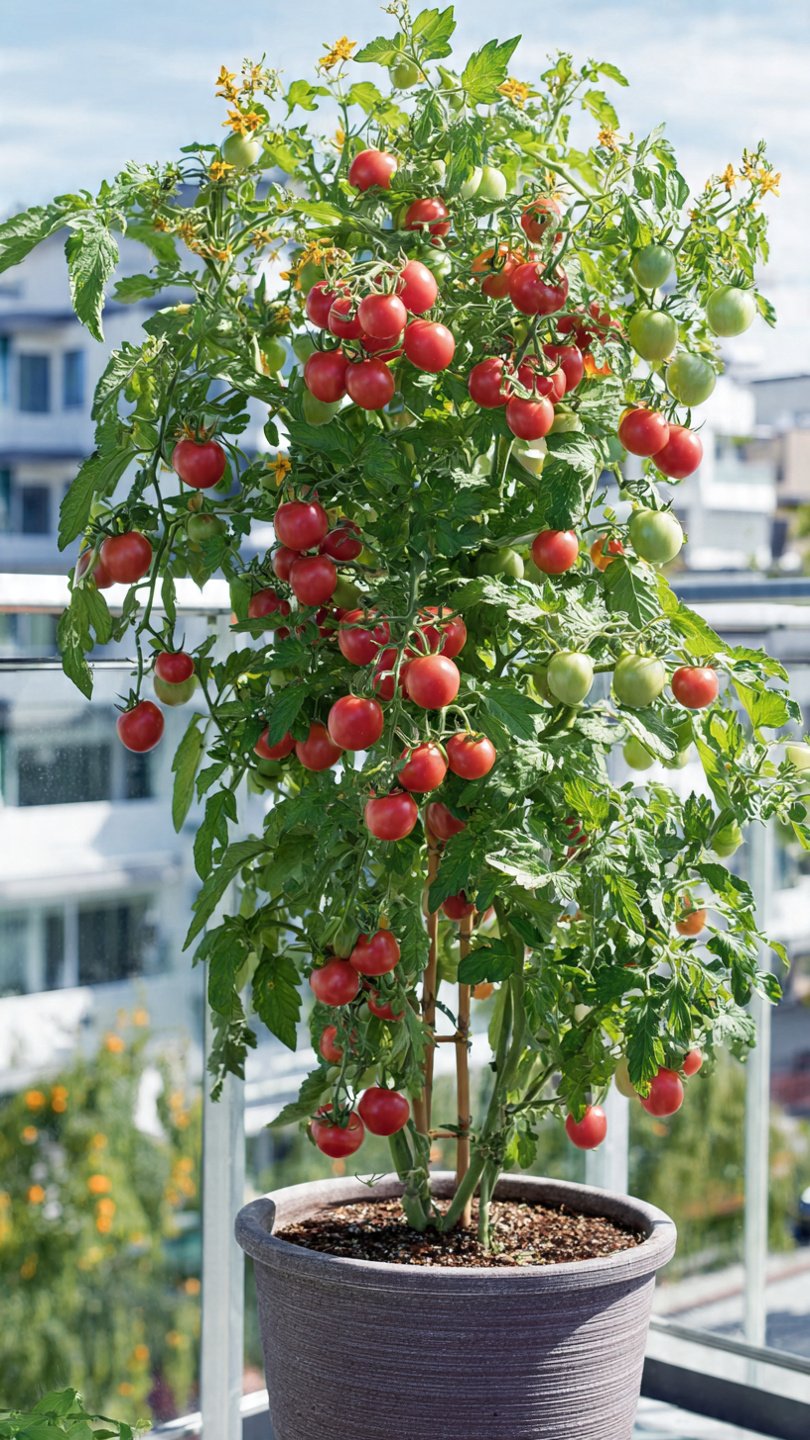
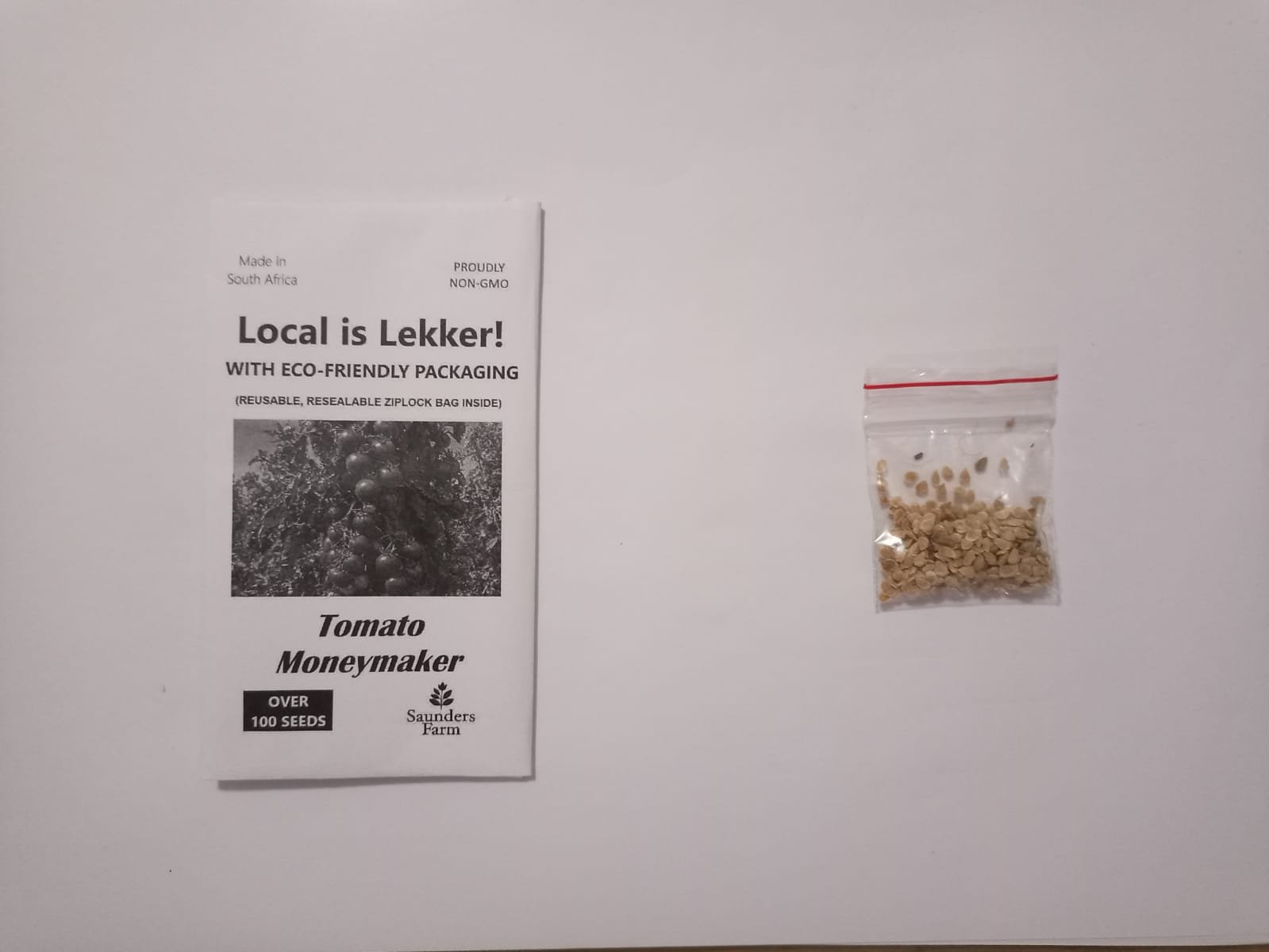
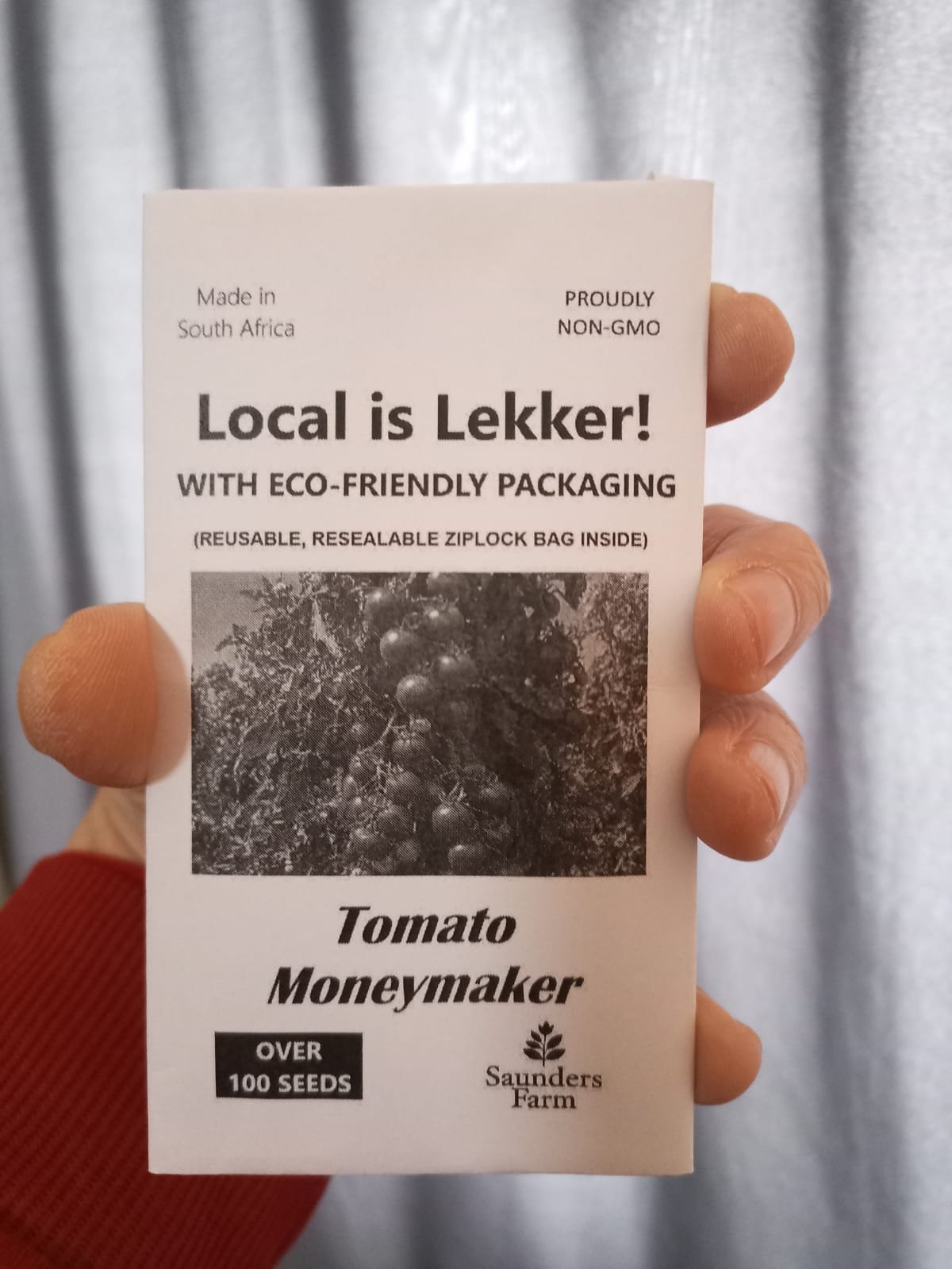
,

Tomato Moneymaker – Over 100 Seeds

R15.00

Excluding shipping
  • Over 100 Tomato (Floradade) Seeds
  • Join our WhatsApp Group to see when this product goes on special: https://chat.whatsapp.com/Ly1HQgXpYGXL2ffDGXUl4G
  • Proudly non-GMO
  • ECO-FRIENDLY: Biodegradable packaging with resealable, reusable plastic Ziplock bag inside
  • Made in South Africa, for South Africa

Availability: 110 in stock

Categories: ,
Guaranteed Safe Checkout

Grow heavy clusters of sweet, uniform tomatoes that live up to their name with our premium pack of over 100 Moneymaker Tomato Seeds.

This legendary heirloom, non-GMO variety is world-renowned for its exceptional reliability, high yields, and adaptability to the South African climate.

Moneymaker Tomato Seeds (100+ Seeds) – Heirloom & Non-GMO

Product Overview

If you are looking for an ultra-reliable, high-yielding crop that produces flawless fruit every single time, Moneymaker Tomatoes are the ultimate choice.

True to its name, this old-fashioned heirloom variety has been a favorite for generations because it guarantees a massive payout of sweet, juicy, medium-sized red tomatoes.

Packed with over 100 high-germination seeds, this packet offers incredible value for South African home gardeners, market growers, and allotment owners aiming for a continuous, heavy harvest.

Why Choose Moneymaker Tomato Seeds?

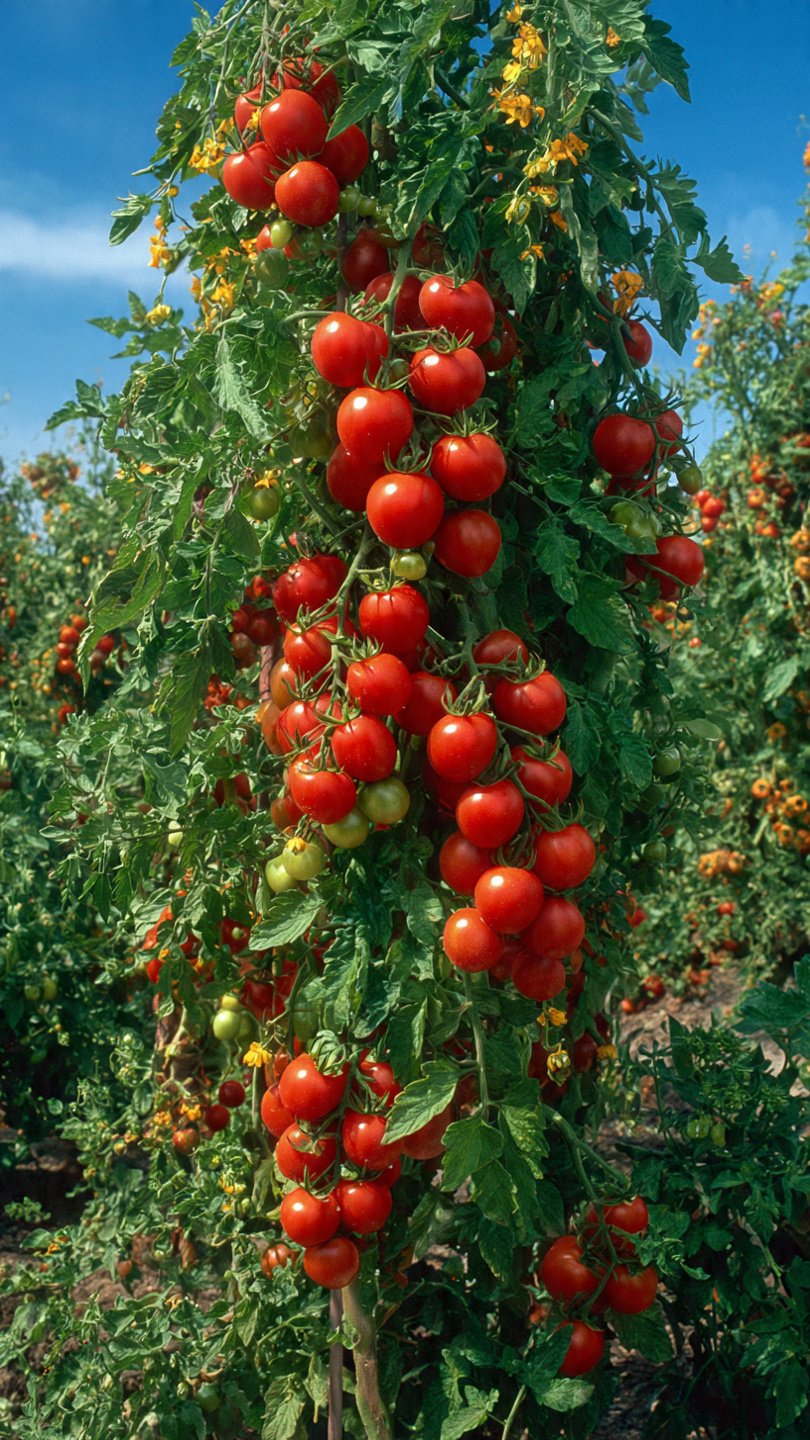
  1. Massive Yields: Produces long, heavy clusters (trusses) of uniform, smooth red fruits all season long.
  2. Highly Adaptable: Thrives in both hot summer regions and cooler coastal climates across South Africa.
  3. Superb Disease Resistance: Naturally hardy and highly resistant to common garden pests and tomato diseases.
  4. 100% Heirloom & Non-GMO: Pure, open-pollinated seeds that allow you to save your own seed for next year.
  5. The Perfect All-Rounder: Excellent sweet-to-acid balance, making them perfect for fresh slicing, salads, or cooking into traditional stews.

Quick Growing Specifications

  • Seed Count: 100+ premium seeds per packet
  • Type: Indeterminate (Vine tomato – requires a stake, trellis, or fence for support)
  • Sunlight: Full Sun (6 to 8 hours daily)
  • Sowing Depth: 5mm deep
  • Germination: 7 to 14 days
  • Maturity: 75 to 80 days from transplanting

How to Plant & Grow Moneymaker Tomatoes in South Africa

1. When to Sow

Inland / Frost Areas (Highveld): Sow indoors from August to September. Transplant out into the garden in October once all danger of frost has passed.

Subtropical / Frost-Free Areas: Best sown from February to September to bypass peak summer humidity and pest seasons, though they can grow year-round.

2. Sowing & Germination

Fill seedling trays with a quality seed-starting mix.

Sow seeds 5mm deep, cover lightly, and mist with a spray bottle to keep the soil damp but not waterlogged.

Keep trays in a warm, bright spot.

3. Transplanting & Staking

When seedlings are 10–15cm tall, plant them deeply into rich soil mixed with organic compost.

Because Moneymaker is an indeterminate vine variety, you must set up a sturdy stake, tomato cage, or trellis at the time of planting to support its heavy upward growth.

Space plants 50cm apart.

4. Care & Pruning

Water consistently at the base of the plant to keep the soil moist and prevent leaf diseases.

For maximum yield, gently snap off the “suckers” (the tiny shoots that grow in the V-shape between the main stem and branches) so the vine focuses all its energy on growing massive clusters of fruit.
logo simple

Stop Killing Your Seeds!

5 Germination Mistakes Gardeners Must Stop Immediately

Get this free guide (5 minute read) and The Printable Monthly Growing Guide for South Africa (also free), via email:

We don’t spam! Read our privacy policy for more info.

Reviews

There are no reviews yet.

Be the first to review “Tomato Moneymaker – Over 100 Seeds”

Your email address will not be published. Required fields are marked *

How to Grow Tomato from Seed

The Ultimate Guide: How to Grow Tomatoes from Seed in South Africa

Growing your own juicy, sun-ripened tomatoes from seed is one of the most rewarding projects a South African gardener can undertake.

Whether you are planting compact, heavy-yielding bush varieties like Floradade or tall, prolific climbing vines like Moneymaker, starting from seed gives you stronger plants, healthier roots, and a much wider choice of varieties.

This step-by-step guide covers everything you need to know to successfully grow tomatoes from seed to harvest in our unique local climate.

When to Plant Tomato Seeds in South Africa

Tomatoes are summer crops that love warmth and are highly sensitive to cold and frost.

Your planting calendar depends entirely on your local climate zone:

Highveld & Inland Areas (Gauteng, Free State, North West): Sow seeds indoors or under cover from August to September. Transplant them out into the garden beds in October, once all danger of late spring frost has completely passed.

Winter Rainfall Areas (Western Cape): Sow seeds indoors in August. Move them out into the garden from September to October as the soil and daytime temperatures begin to warm up.

Subtropical Regions (KZN Coast, Lowveld): You have a massive advantage! You can grow tomatoes almost all year round. However, sowing from February to September is ideal, as it helps you avoid the extreme mid-summer humidity and heavy seasonal pest pressure.

Essential Supplies You Will Need

  1. Before you get your hands dirty, gather these essential gardening tools:
  2. Premium, non-GMO tomato seeds (like Floradade or Moneymaker)
  3. Seedling trays, cell inserts, or small biodegradable peat pots
  4. High-quality, fine seed-starting mix (do not use heavy, compacted garden soil)
  5. A misting spray bottle for gentle watering
  6. A warm, sunny windowsill, a mini-greenhouse, or a plastic propagation dome
  7. Liquid organic seaweed fertilizer (such as Kelpak or Seagro)

Step 1: Sowing the Seeds

Fill your trays: Fill your seedling trays tightly with your seed-starting mix. Tap the tray gently on a flat surface to settle the soil, leaving about 1cm of space at the top.

Plant the seeds: Make a small indentation in the centre of each cell, roughly 5mm deep. Drop 1 to 2 seeds into each hole.

Cover and press: Lightly cover the seeds with a thin layer of soil mix or vermiculite. Gently press down so the seed makes good contact with the damp soil.

Water softly: Use a spray mist bottle to thoroughly moisten the soil without washing the tiny seeds away.

Step 2: Germination & Early Care

The Warmth Factor: Tomato seeds need warmth to germinate (ideally between 20°C and 25°C). Place your trays in a warm spot, like a sunny windowsill or on top of a warm appliance.

Keep it Moist: Check the trays daily. The soil should stay damp like a wrung-out sponge, never soggy or bone dry.

Sprouting Time: You will see the first green hooks emerge within 7 to 14 days.

As soon as they sprout, they need maximum sunlight. Move them to your brightest north-facing window, or put them outdoors in a protected spot during the day so they do not grow tall, thin, and “leggy.”

Step 3: Thinning & Feeding

Once your seedlings are a few centimetres tall, they will grow their first pair of “true leaves” (which look like miniature tomato leaves).

Thinning: If both seeds sprouted in a single cell, use a pair of scissors to snip the weaker seedling off at the soil line. Do not pull it out, as this can damage the roots of the remaining plant.

Feeding: Start feeding your young plants once a week with a half-strength mixture of liquid organic fertilizer to encourage strong root development.

Step 4: Hardening Off (Crucial Step!)

About a week before you want to plant your seedlings into the ground, you must “harden them off.”

Seedlings grown indoors are soft. Moving them directly into the harsh South African sun will burn them.

Day 1–2: Put the trays outside in a shaded, wind-protected spot for 2 hours, then bring them back inside.

Day 3–5: Increase their outdoor time by a few hours each day, gradually moving them into direct morning sunlight.

Day 6–7: Leave them outside all day and overnight. They are now tough enough for the garden!

Step 5: Transplanting into the Garden

Your seedlings are ready for the ground when they are about 10–15cm tall and have several sets of leaves.

Prepare the soil: Choose a spot that gets at least 6 to 8 hours of full sun daily. Dig in plenty of well-rotted compost and a handful of organic bone meal for strong roots.

The Deep Planting Trick: Dig a hole deeper than the seedling’s root ball. Pinch off the lowest leaves of the seedling and bury the plant deeply—all the way up to its first set of remaining leaves. Tomatoes can grow roots along their buried stems, which creates a massive, resilient root system!

Spacing: Space your plants 45cm to 60cm apart, depending on whether they are bush (determinate) or climbing (indeterminate) varieties.

Water deeply: Water the base of the plants thoroughly immediately after transplanting.

Top Tips for a Massive Tomato Harvest

Water the roots, not the leaves: Fungal diseases love wet tomato leaves. Always apply water directly to the soil at the base of the plant.

Mulch heavily: Cover the surrounding soil with a thick layer of straw, dried leaves, or bark mulch. This keeps the roots cool, retains soil moisture during hot summer days, and prevents soil-borne diseases from splashing onto the leaves.

Support early: Set up your wooden stakes, trellises, or tomato cages at the time of planting so you do not disturb the roots later on.

Tomato Medicinal / Nutritional Uses

The Health Benefits of Tomatoes: Nutritional & Medicinal Uses

Tomatoes are much more than a versatile, delicious ingredient for your backyard vegetable patch, evening braais, or home-cooked chakalaka.

This vibrant crop acts as a powerful functional food, packed with bioactive compounds that actively promote human health.

By planting premium, non-GMO heirloom seeds like Moneymaker or Floradade, you are quite literally growing a nutrient-dense pharmacy right in your garden.

Discover the impressive scientific benefits and nutritional breakdown of the humble tomato.

Tomato Nutritional Profile (Per 100g)

Tomatoes are exceptionally low in calories but highly dense in essential micronutrients. According to the USDA National Nutrient Database, a 100g serving of raw red tomatoes provides:

  • Calories: 18 kcal
  • Water: 94.5%
  • Carbohydrates: 3.9g
  • Fiber: 1.2g
  • Protein: 0.9g
  • Vitamin C: Around 14mg (approx. 15–20% of your Daily Value)
  • Vitamin K1: 7.9mcg (essential for bone health and blood clotting)
  • Potassium: 237mg (vital for regulating blood pressure)

Top 5 Medicinal & Health Benefits of Tomatoes

1. Packed with Lycopene for Heart Health

Tomatoes are the primary dietary source of lycopene, a potent antioxidant that gives red tomatoes their deep colour.

Clinical studies suggest that high blood levels of lycopene are directly linked to a reduced risk of strokes, heart disease, and lower LDL (bad) cholesterol.

2. Cancer-Prevention Properties

Peer-reviewed clinical trials indicate an inverse relationship between high tomato consumption and chronic diseases.

Specifically, the carotenoids and polyphenols found in abundance within tomato seeds and skins show strong potential in reducing the risk of prostate, lung, and stomach cancers.

3. Natural Sun and Skin Protection

The combination of lycopene, beta-carotene, and Vitamin C helps defend your skin against cellular aging.

Small-scale dermatological studies found that consuming tomato paste daily can reduce the risk of skin damage and UV-induced sunburns by up to 40%.

4. Lowers Blood Pressure & Supports Eyesight

With a rich dose of potassium, tomatoes help clear excess sodium from the bloodstream, protecting blood vessels.

Additionally, tomatoes contain lutein and zeaxanthin, key carotenoids that protect the eyes against blue light, eyestrain, and age-related macular degeneration.

5. Promotes Healthy Digestion and Hydration

Because tomatoes are more than 94% water and loaded with insoluble fibres (like cellulose and lignin), they seamlessly support optimal gut motility, prevent constipation, and keep you hydrated during blistering South African summer days.

How to Unlock Maximum Nutrition: Raw vs. Cooked

Interestingly, how you prepare your garden-fresh tomatoes dramatically changes their nutritional structure:

For Vitamin C: Eat them raw. Heat breaks down Vitamin C, so slicing raw heirloom tomatoes into fresh summer salads gives you the highest immune-boosting punch.

For Lycopene: Eat them cooked with a healthy fat. Cooking breaks down the tough plant cell walls, which multiplies the absorbable lycopene by up to 5 times.

Because lycopene is fat-soluble, drizzling your cooked tomato sauce with cold-pressed olive oil maximizes its absorption into your bloodstream.

Tomato Growing Guide

The Complete Tomato Growing Guide: From Planting to Harvest

Whether you are a complete beginner or an experienced green finger, growing juicy, sun-ripened tomatoes in South Africa is an incredibly rewarding experience.

While they are relatively easy to grow, getting a massive, pest-free harvest requires the right knowledge.

This complete guide will take you step-by-step through caring for your tomato plants, protecting them from pests, and harvesting them at peak flavor.

Understanding Your Tomato Type: Bush vs. Vine

Before you plant, it is vital to know which type of tomato you are growing, as they require completely different care:

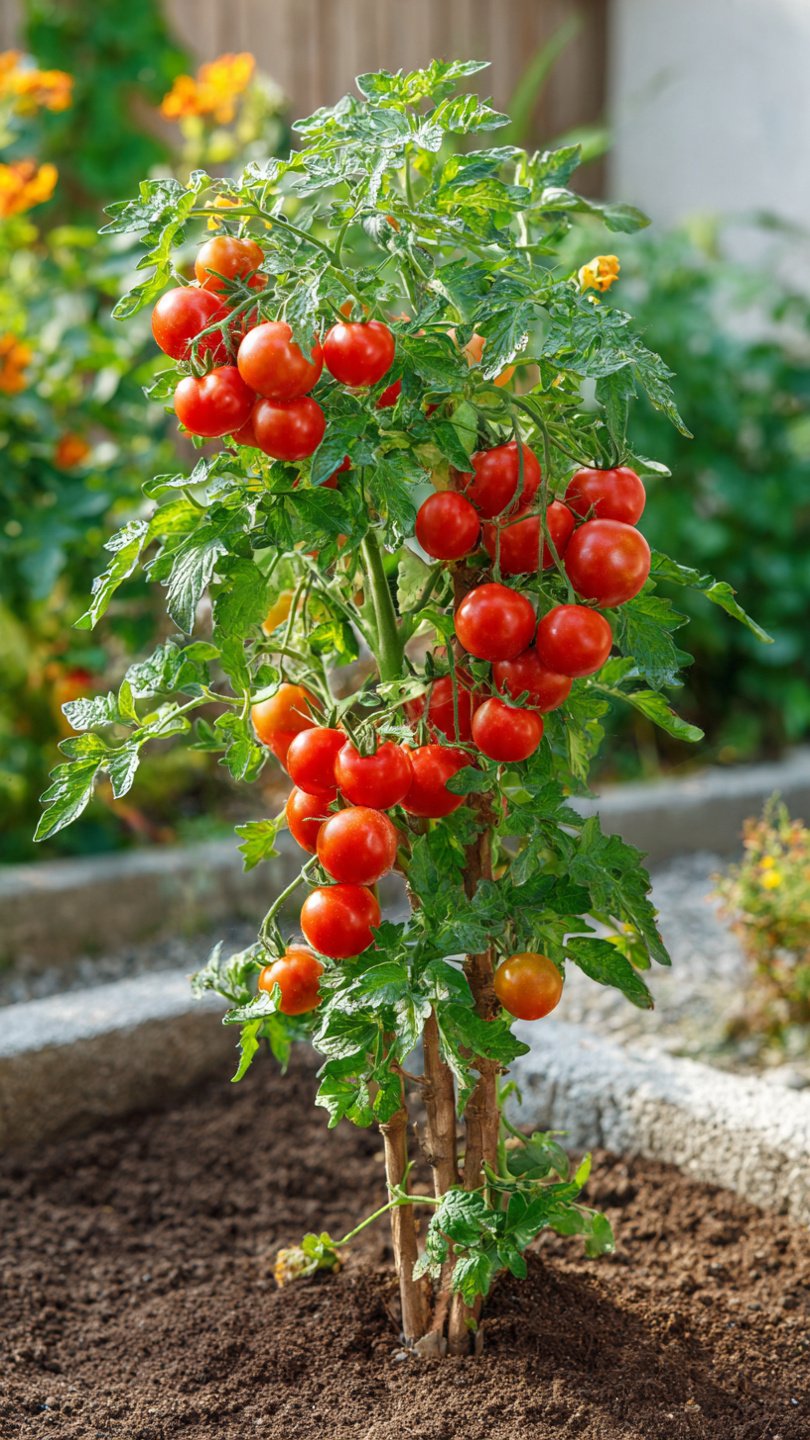
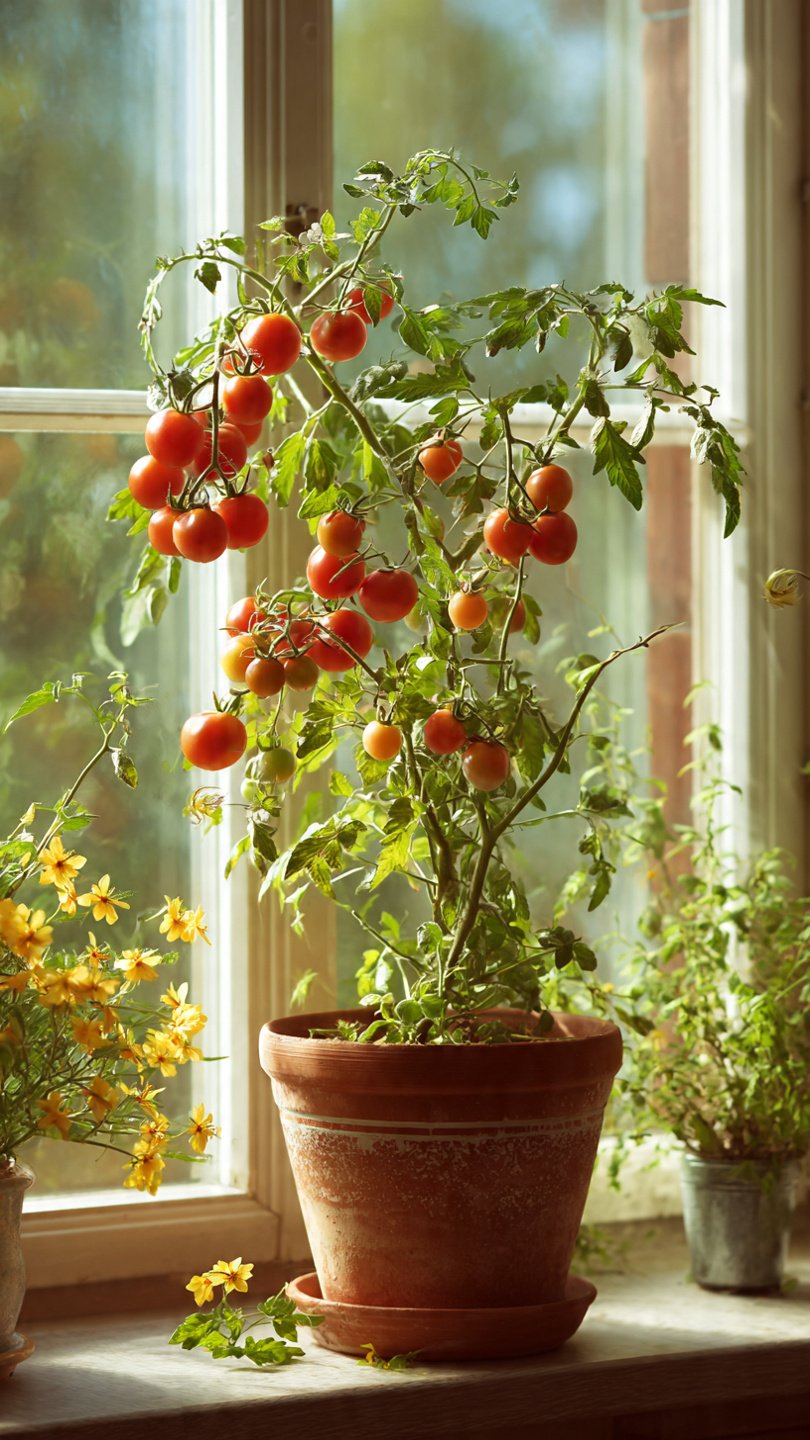
Determinate (Bush Varieties): These plants grow to a compact size (usually around 1–1.2 meters), set their fruit all at once, and then stop growing. Our popular heirloom Floradade Tomato Seeds are bush tomatoes. They need minimal staking and are perfect for smaller gardens or pots.

Indeterminate (Vine Varieties): These varieties keep growing and producing fruit all summer long until the first winter frosts arrive. Our premium Moneymaker Tomato Seeds belong to this group. They require tall stakes, trellises, or cages, as well as regular pruning to keep them under control.

1. Soil Preparation & Sun Requirements

Tomatoes are heavy feeders and absolute sun-lovers.

Sunlight: Choose a spot in your garden that receives at least 6 to 8 hours of direct, unfiltered sunlight daily.

The Soil: Tomatoes prefer well-draining, fertile soil with a slightly acidic to neutral pH (6.0 to 6.8). Two weeks before planting, dig deep into the bed and mix in plenty of rich organic compost and a handful of organic bone meal to give the roots a strong head start.

2. Watering Wisely (The Golden Rule)

Inconsistent watering is the number one cause of tomato failure in South Africa’s hot climate.

Water the Base: Never water your tomato plants from above. Wetting the leaves triggers fungal diseases like blight. Always apply water directly to the soil at the base of the plant.

Deep and Consistent: It is much better to water deeply 2 to 3 times a week than to give them a shallow sprinkle every day. Deep watering encourages the roots to grow downward, making the plant highly drought-resistant.

Mulch is Essential: Spread a 5cm layer of straw, bark chips, or dried grass clippings around your plants. This keeps the soil moist during scorching summer days and prevents water evaporation.

3. Feeding and Fertilizing for Maximum Yield

Because tomatoes work hard to produce heavy clusters of fruit, they need regular feeding:

Early Stage: While the plant is growing leaves, feed every two weeks with a balanced organic liquid fertilizer (like seaweed or fish emulsion) to encourage strong growth.

Flowering Stage: As soon as you see the first yellow blossoms appear, switch to a fertilizer high in Potassium and Calcium (like a specialized tomato food). Avoid high-nitrogen fertilizers at this stage, or you will get a massive green bush with absolutely no tomatoes!

4. Pruning and Supporting Your Plants

Staking: Install wooden stakes or tomato cages at the time of planting. Tie the main stem gently to the stake using soft twine or strips of old cloth as it grows.

Pruning Suckers (For Vine Varieties Only): “Suckers” are the tiny shoots that grow in the “V” space between the main stem and a leaf branch. Snip these off with your fingers on your Moneymaker vines so the plant focuses its energy on growing big fruit rather than unnecessary leaves.

Note: Do not prune bush varieties like Floradade, as this reduces your harvest!

5. Managing Common South African Tomato Pests & Deficiencies

Red Spider Mite: Tiny mites that cause leaves to turn yellow and speckled, often leaving fine webs under the leaves during hot, dry spells. Spray with organic neem oil.

American Bollworm: Green or brown caterpillars that burrow directly into your beautiful green tomatoes. Hand-pick them off or use an organic biological spray containing Bacillus thuringiensis (Bt).

Blossom End Rot: This causes the bottom of your tomatoes to turn black and leathery. This is not a disease—it is a calcium deficiency caused by irregular watering. Keep your watering consistent and add agricultural lime or crushed eggshells to your soil.

6. Harvesting Your Bounty

Leave your tomatoes on the vine for as long as possible to develop their sweet, natural sugars. They are ready to harvest when they are fully coloured (bright red) and feel slightly soft when gently squeezed.

To harvest, gently twist the fruit until it snaps off the vine, or use garden pruners to keep the stem intact. Never store fresh garden tomatoes in the fridge—the cold destroys their incredible homegrown texture and flavor!

Tomato Other Names

The Global Language of the Tomato: Regional, Cultural, and Botanical Names

The humble tomato is a true global citizen. While we simply call it a “tomato” in modern English, this beloved garden staple has traveled across continents and centuries, collecting a fascinating array of names along the way.

Understanding these different names is not just a fun history lesson—it also helps South African gardeners identify specific heirloom seed varieties and navigate international gardening advice.

Here is a breakdown of the botanical, regional, and historical names for the tomato.

1. The Botanical (Scientific) Name

Current Scientific Name: Solanum lycopersicum

Older Scientific Name: Lycopersicon esculentum

In the scientific community, the tomato belongs to the Solanaceae (nightshade) family, making it a close relative of potatoes, eggplants, and chili peppers.

The old name, Lycopersicon, translates literally from Greek to “wolf peach.” This ominous name arose because early Europeans believed the fruit was poisonous and associated it with witchcraft and wolves!

2. Local South African Names

South Africa’s rich linguistic diversity means the tomato goes by several beautiful local names across our provinces:

Tamatie (Afrikaans): Directly derived from the Dutch word, this is the most common regional variation you will hear in local nurseries and farming communities.

Utamatisi / Utomati (isiZulu & isiXhosa): Linguistic adaptations of the word “tomato” integrated beautifully into indigenous languages.

Tamati (Sesotho / Sepedi): The widely recognized term used across the central and northern regions of the country.

3. Romantic Historical Names

When tomatoes were first introduced to Europe from Central America, their vibrant colors inspired some incredibly poetic names:

Love Apple (English): In the 16th and 17th centuries, the English called tomatoes “love apples.” This was partly due to a mistranslation, but also because they were widely rumored to be a powerful aphrodisiac!

Pomodoro (Italian): Literally translating to “Apple of Gold” (pomo d’oro). The earliest tomatoes introduced to Italy were actually yellow, not red, prompting this beautiful golden description.

Pomme d’Amour (French): The French equivalent of “love apple,” cementing the fruit’s historical connection to romance and passion.

4. Indigenous Central American Roots

Tomatl / Xitomatl (Nahuatl / Aztec): This is where it all began! The modern word “tomato” comes from the Aztec word tomatl, which means “the swelling fruit.”

When Spanish explorers came across the crop in Mexico in the early 1500s, they adapted the word into Spanish as tomate, which eventually became the English tomato.

5. Culinary Names: Fruit or Vegetable?

Is it a fruit or a veggie? Legally, it depends on where you live!

Botanical Fruit (Berry): Botanically speaking, a tomato is a fleshy berry because it develops from the ovary of a flower and contains seeds.

Culinary Vegetable: Because of its savory flavor profile, chefs and gardeners worldwide classify and use it strictly as a vegetable.

Fun Fact: In 1893, the United States Supreme Court legally classified the tomato as a vegetable for tax and tariff purposes, proving that names can have legal consequences!

Why These Names Matter to Gardeners

When buying premium heirloom seeds—like our South African favorites, Floradade and Moneymaker—knowing these historical names helps you appreciate the centuries of natural breeding that went into your plant.

Heirloom seeds are “open-pollinated,” meaning they are direct descendants of the ancient tomatl variants grown hundreds of years ago!

Shopping Basket
0
    0
    Your Cart
    Your cart is emptyReturn to Shop
    Scroll to Top