,

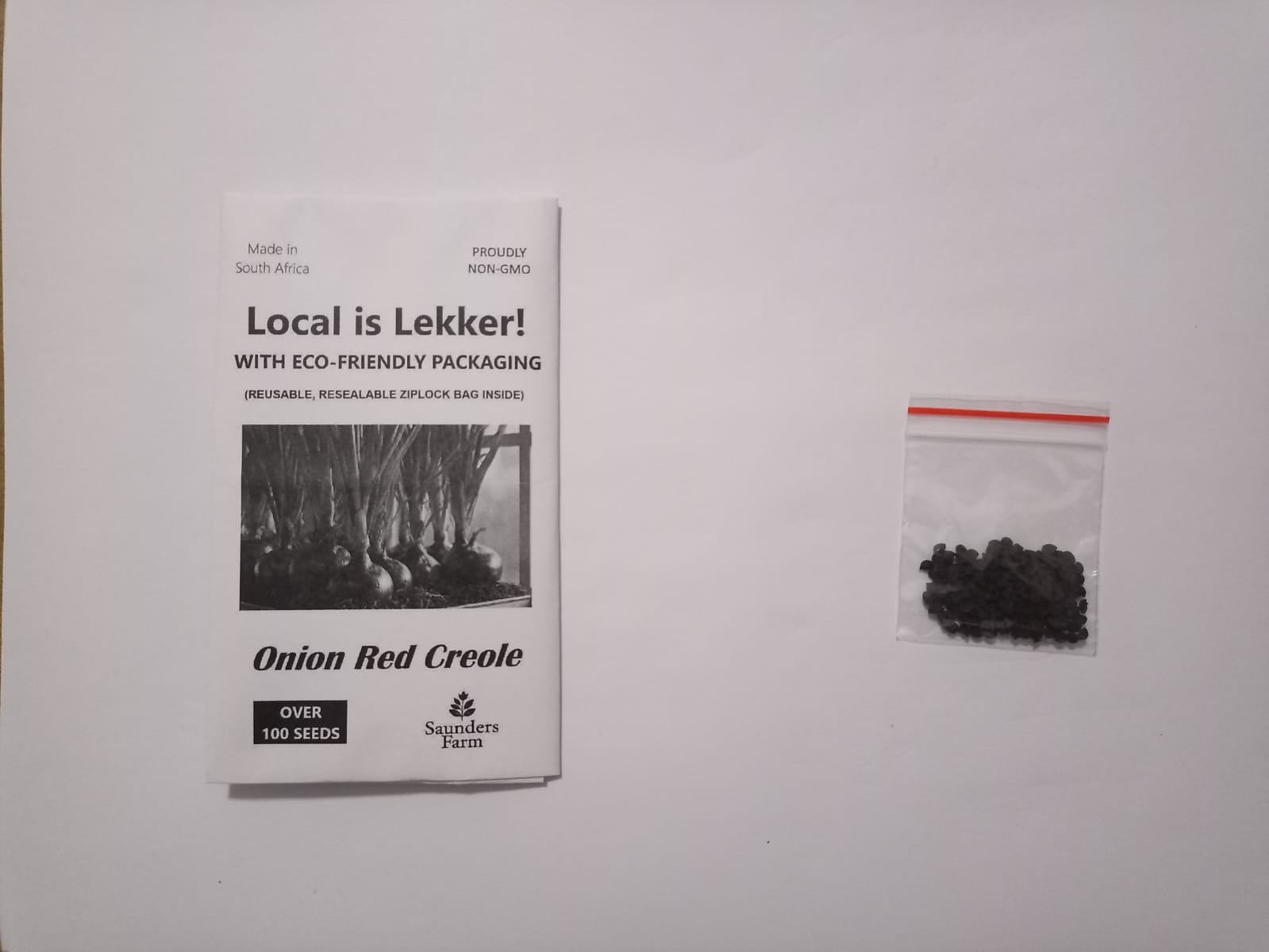
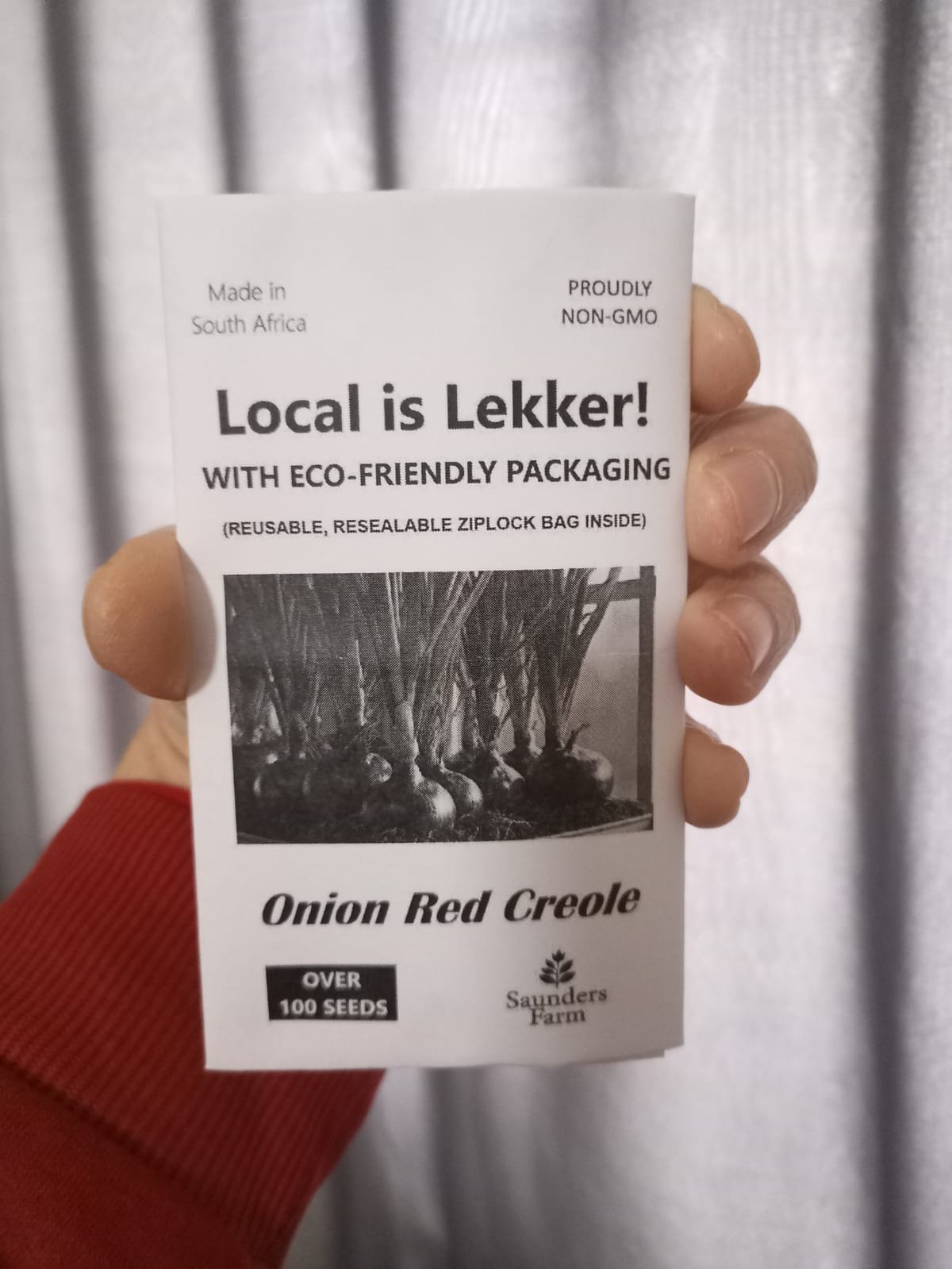
Onion Red Creole – Over 100 Seeds

R15.00

Excluding shipping
  • Over 100 Onion (Red Creole) Seeds
  • Join our WhatsApp Group to see when this product goes on special: https://chat.whatsapp.com/Ly1HQgXpYGXL2ffDGXUl4G
  • Proudly non-GMO
  • ECO-FRIENDLY: Biodegradable packaging with resealable, reusable plastic Ziplock bag inside
  • Made in South Africa, for South Africa

Availability: 17 in stock

Guaranteed Safe Checkout

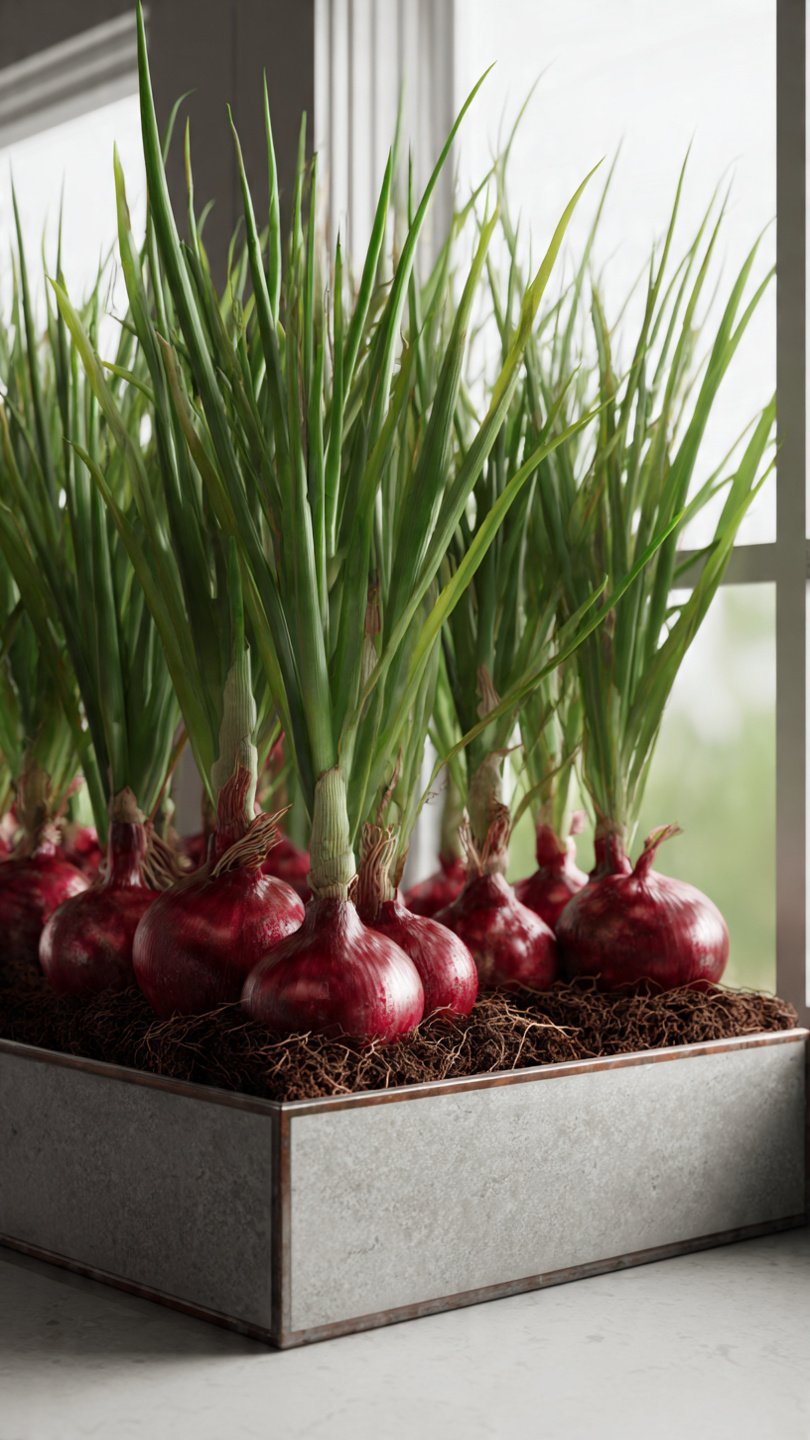
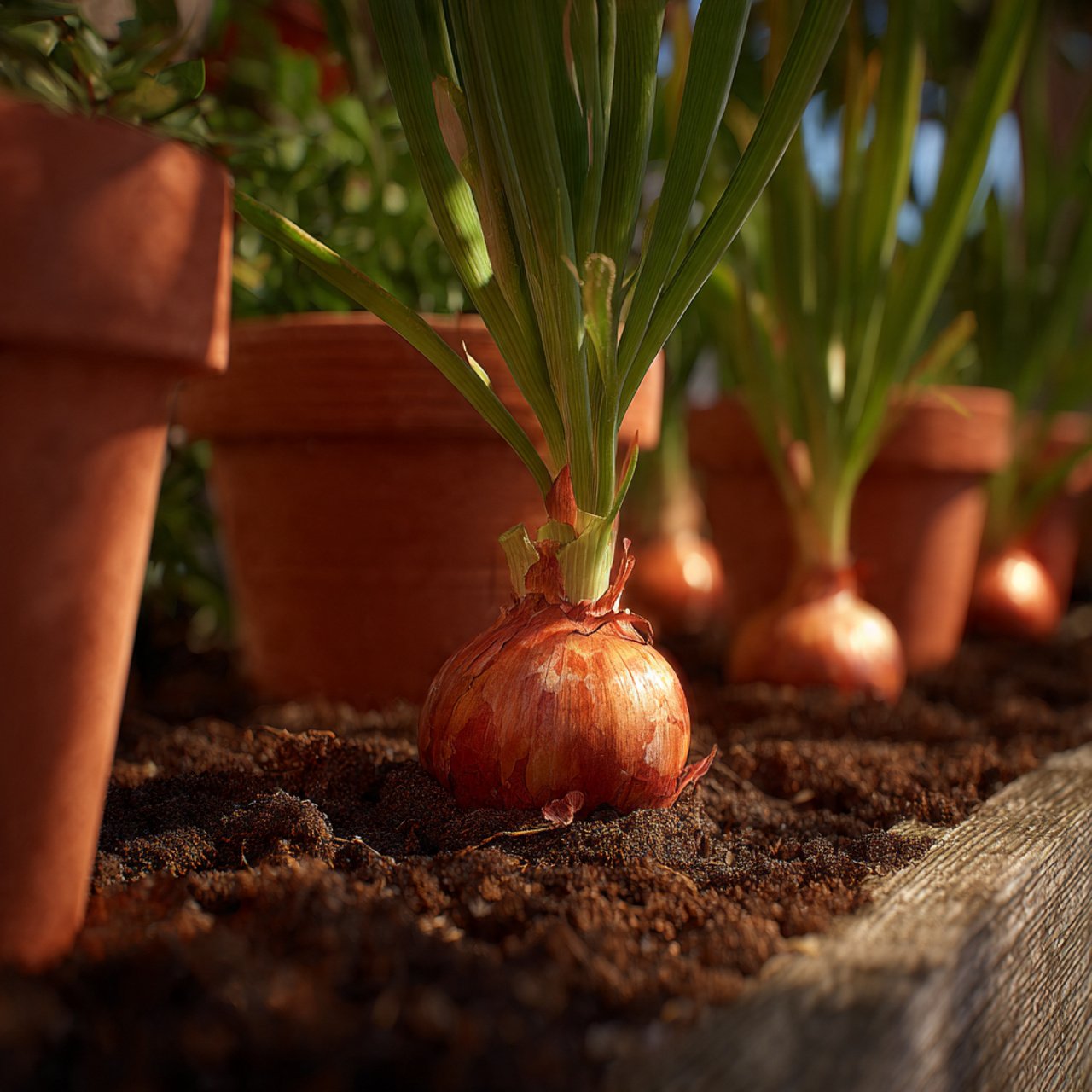
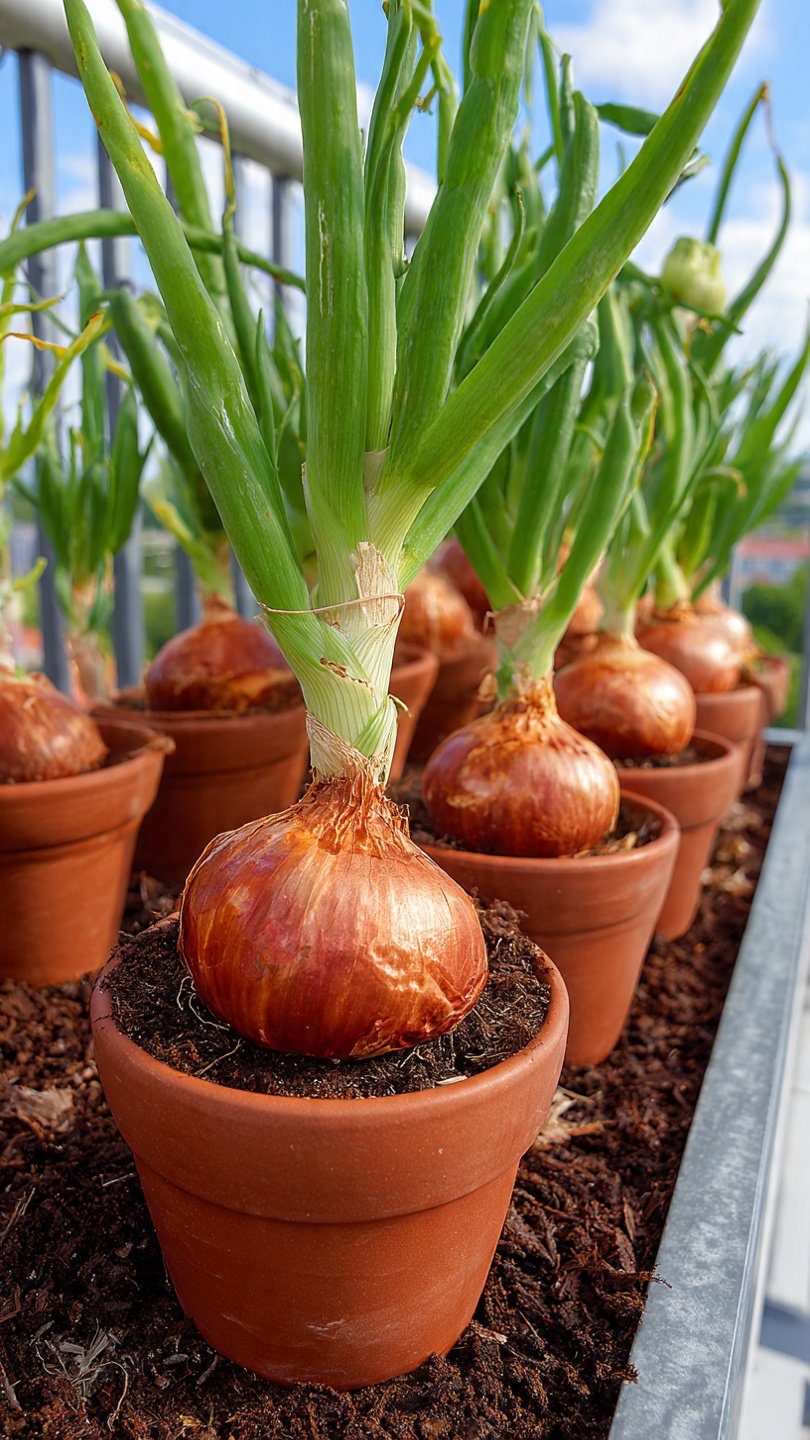
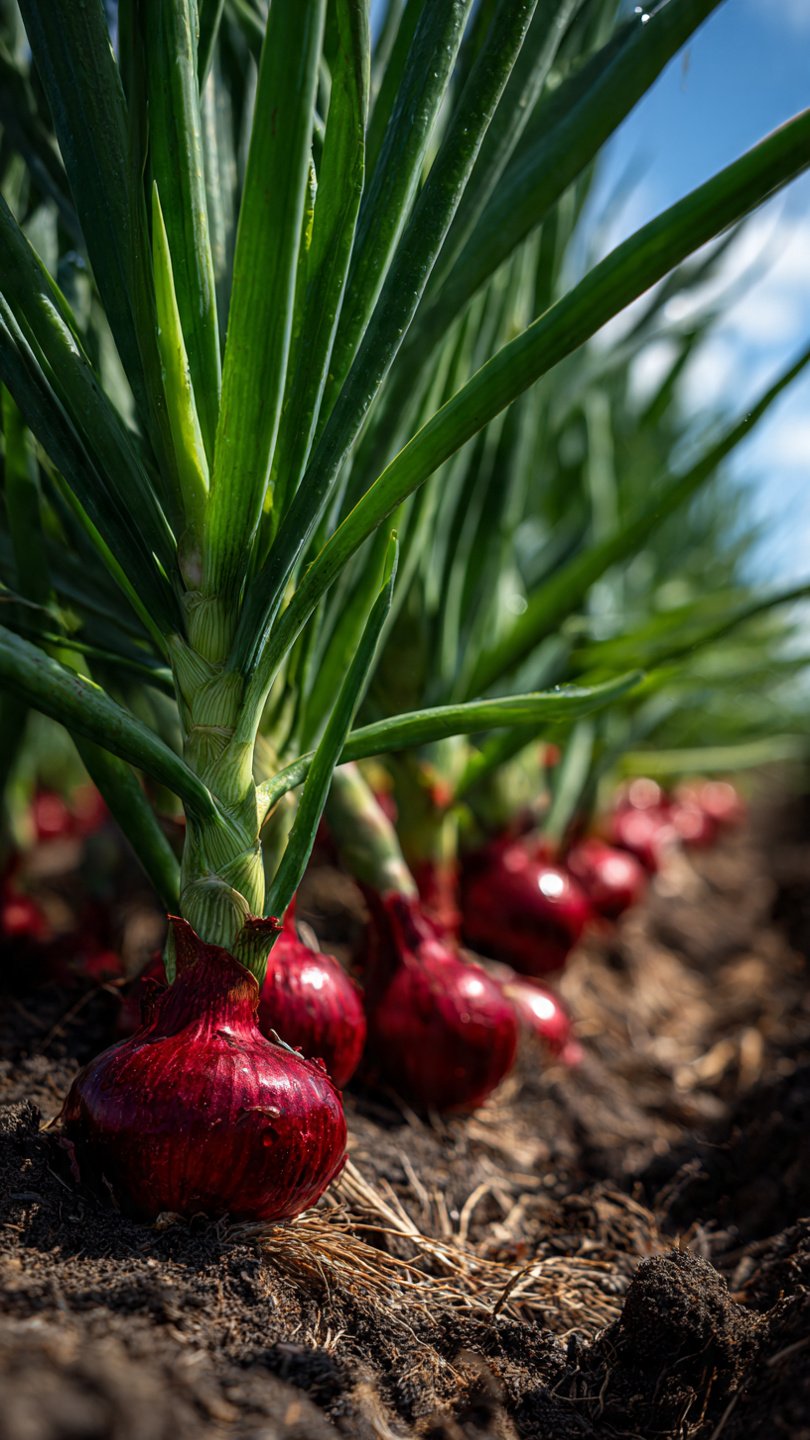
Red Creole Onion Seeds (Heirloom, Non-GMO) — Over 100 Seeds

Grow your own crisp, pungent, and beautifully vibrant red onions with our premium Red Creole Onion seeds.

Specifically adapted for warm climates, this heirloom variety is a favourite among South African gardeners for its reliability, excellent storage life, and robust flavour.

Whether you are building a backyard homestead or expanding your urban veggie patch, these non-GMO seeds offer an affordable and rewarding way to harvest nutrient-dense produce right from your garden.

Why Choose Red Creole Onion Seeds?

  1. South African Climate Approved: This open-pollinated variety performs exceptionally well in short-day conditions, making it perfect for South African growing seasons.
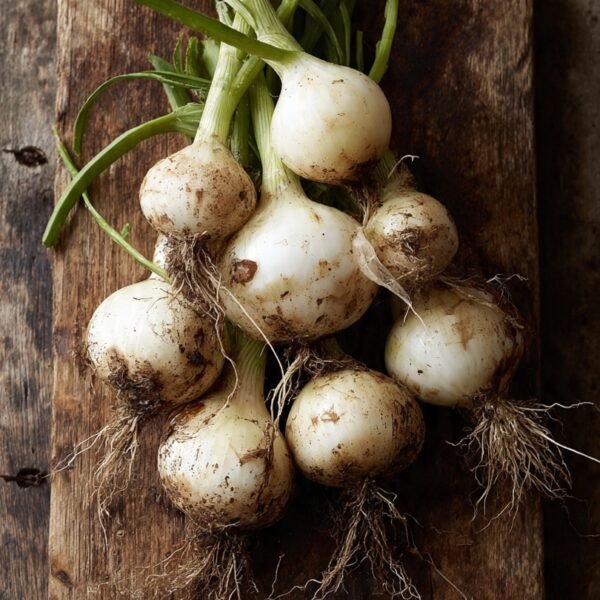
  2. Excellent Keeping Quality: Red Creole onions form firm, flat-round bulbs with a thick dark-red skin that stores better than most other red onion varieties.
  3. 100% Heirloom & Non-GMO: Pure, natural seeds unaltered by modern engineering, allowing you to save seeds from your harvest for future seasons.
  4. High Germination Rate: Each pack contains over 100 high-quality seeds, meticulously selected to ensure excellent sprout success.
  5. Rich Gourmet Flavour: Known for its spicy, pungent taste, it is the ultimate choice for raw salads, pickling, stir-fries, and traditional South African braais.

Quick Growing Guide for South Africa

  • When to Sow: Autumn to early winter (March to May) is the ideal window for most regions in South Africa.
  • Sunlight Requirements: Full sun (at least 6 to 8 hours of direct sunlight daily).
  • Soil Preference: Well-drained, fertile soil enriched with organic compost. Ideal pH is between 6.0 and 7.0.
  • Sowing Depth: 5mm deep in seed trays or directly into finely raked beds.
  • Spacing: Thin out seedlings to 8–10cm apart, with rows spaced 20–30cm apart.
  • Days to Harvest: Expect a rewarding harvest in approximately 160 to 180 days from sowing.

Product Specifications

Seed Variety: Onion (Allium cepa), Red Creole

Seed Type: Heirloom, Open-Pollinated, Non-GMO

Package Contents: Over 100 Premium Seeds

Sourcing: Proudly selected for South African home gardeners

logo simple

Stop Killing Your Seeds!

5 Germination Mistakes Gardeners Must Stop Immediately

Get this free guide (5 minute read) and The Printable Monthly Growing Guide for South Africa (also free), via email:

We don’t spam! Read our privacy policy for more info.

Reviews

There are no reviews yet.

Be the first to review “Onion Red Creole – Over 100 Seeds”

Your email address will not be published. Required fields are marked *

How to Grow Onions from Seed

How to Grow Onions From Seed: The Complete South African Guide

Growing onions (Allium cepa) from seed is highly cost-effective and gives you access to incredible heirloom varieties like Red Creole.

While many gardeners use onion sets (small bulbs), starting from seed actually produces healthier, more disease-resistant plants with a much longer storage life.

Follow this step-by-step guide to successfully grow big, firm, and flavorful onions right from seed in your South African garden.

Phase 1: Timing & Climate (When to Plant)

Onions are photoperiod-sensitive, meaning they rely on daylight hours to trigger bulb formation. In South Africa, short-day varieties (like Red Creole) are ideal.

The Golden Window: The best time to sow onion seeds in South Africa is from autumn to early winter (March to May).

Why Autumn?: Sowing during these cooler months allows the plant to develop a strong root system and plenty of lush leaf growth before the heat of summer triggers bulb development.

Phase 2: Preparing the Soil

Onions are heavy feeders and require the right soil environment to thrive.

Sunlight: Choose a permanent spot that receives 6 to 8 hours of full sun daily.

Soil Texture: Onions need loose, well-draining soil. Remove all rocks and hard clay lumps, as obstacles will deform the growing bulbs.

Nutrients: Dig in a generous amount of well-rotted organic compost or aged manure a few weeks before planting.

pH Level: Aim for a slightly acidic to neutral soil pH between 6.0 and 7.0.

Phase 3: Sowing the Seeds (Step-by-Step)

You can sow onion seeds directly into the ground, but starting them in seed trays or flat seedbeds gives you much better control over germination.

Fill the Trays: Use a high-quality, fine seed-starting mix.

Sow Deeply: Sow seeds 5mm deep. Press them down gently and cover lightly with soil or vermiculite.

Water Gently: Mist thoroughly with a spray bottle so you don’t wash the tiny seeds away. Keep the soil consistently moist but not waterlogged.

Germination: Tiny, green, loop-like shoots will emerge within 7 to 14 days.

Phase 4: Transplanting Seedlings

Your onion seedlings are ready to move to their permanent garden beds when they are about 10–15cm tall and roughly the thickness of a pencil (usually 6 to 8 weeks after sowing).

Hardening Off: Reduce watering slightly a week before transplanting to toughen up the seedlings.

Spacing: Plant seedlings 8 to 10cm apart in rows that are 20 to 30cm apart.

Planting Depth: Do not bury them too deep. Plant them just deep enough so they stand upright (about 1.5cm to 2cm deep). Planting too deeply restricts bulb growth.

Phase 5: Ongoing Care & Maintenance

Watering: Onions have shallow roots. Provide about 2.5cm of water per week. Water consistently, but stop watering immediately if the soil feels soggy to prevent root rot.

Weeding: Onions hate competition. Hand-weed carefully around the bulbs so you do not damage the shallow root systems with sharp garden tools.

Mulching: Apply a thin layer of organic mulch (like clean straw) to retain moisture and suppress weeds.

Phase 6: Harvesting & Curing

Your patience will pay off in roughly 160 to 180 days from sowing.

The Sign to Harvest: When the onions are mature, the green leaves will naturally turn yellow and fall over.

The Lift: Gently loosen the soil with a fork and lift the bulbs out of the ground.

Curing for Storage: Leave the harvested onions to dry in a warm, shaded, well-ventilated area for 2 to 3 weeks.

Once the roots feel brittle and the outer skins are completely papery, cut the tops off and store them in a cool, dark place.

Onion Medicinal / Nutritional Uses

The Power of the Layer: Medicinal & Nutritional Benefits of Onions

Onions (Allium cepa) are far more than just a kitchen staple used to add flavour to a traditional South African braai or stew.

For centuries, these pungent bulbs have been celebrated globally for their incredible medicinal properties and dense nutritional profile.

By growing your own onions from heirloom seeds, you are essentially planting a natural pharmacy in your backyard.

Here is a breakdown of why adding homegrown onions—especially vibrant varieties like Red Creole—to your daily diet is excellent for your health.

1. Packed with Immune-Boosting Nutrients

Onions are incredibly nutrient-dense, meaning they are low in calories but exceptionally high in essential vitamins and minerals.

Vitamin C: A powerful antioxidant that regulates immune health, aids collagen production, tissue repair, and iron absorption.

B Vitamins: Packed with folate (B9) and pyridoxine (B6), which play a vital role in metabolism, red blood cell production, and nerve function.

Potassium: A mineral many people lack, potassium supports normal cellular function, fluid balance, and healthy blood pressure levels.

2. Loaded with Cancer-Fighting Antioxidants

Antioxidants are compounds that inhibit cellular oxidation, a process that leads to cellular damage and contributes to diseases like cancer, diabetes, and heart disease.

The Quercetin Advantage

Onions are one of the richest dietary sources of quercetin, a potent flavonoid antioxidant.

Quercetin is highly praised for its ability to fight inflammation and lower blood pressure.

Anthocyanins in Red Onions

Varieties like the Red Creole Onion contain deep red anthocyanins. These specific plant pigments protect against certain types of cancer and manage cellular health.

3. Natural Antibacterial & Antimicrobial Properties

Historically, onions were used as a traditional remedy to fight off infections and illnesses long before modern medicine existed.

Fighting Harmful Bacteria

Studies show that onion extracts can inhibit the growth of dangerous bacteria, including E. coli and Staphylococcus aureus.

Allicin Power

When onions are crushed or chopped, they release sulfur-containing compounds like allicin, which possess strong antibacterial and antifungal properties.

4. Supports Heart Health & Circulation

Including onions in your meals regularly is a simple way to take care of your cardiovascular system.

Lowering Cholesterol

Research suggests that the antioxidants and sulfur compounds in onions can help decrease triglycerides and reduce LDL (bad) cholesterol levels.

Preventing Blood Clots

The natural compounds in onions act as mild blood thinners, reducing the risk of blood clot formation and supporting overall blood circulation.

5. Promotes Excellent Digestive & Gut Health

A healthy gut is the foundation of overall wellness, and onions are an incredible friend to your digestive system.

Rich in Prebiotics: Onions are loaded with prebiotics and fiber, particularly inulin and fructooligosaccharides.

Fuel for Good Bacteria: These prebiotics cannot be digested by your body, so they travel to your lower gut where they act as fuel for friendly gut bacteria (probiotics), ensuring a balanced and healthy microbiome.

💡 Quick Kitchen & Wellness Tip: Eat Raw or Cooked?

To get the absolute maximum medicinal benefit, enjoy some of your onions raw in salads or salsas.

Cooking onions can slightly reduce their vitamin C content and alter some of the volatile sulfur compounds.

However, cooked onions still retain a massive amount of fiber and heat-stable antioxidants like quercetin!

Onion Growing Guide

The Ultimate Onion Growing Guide for South African Gardeners

Onions (Allium cepa) are a rewarding, space-saving crop that forms the foundation of countless culinary dishes.

While they require a bit of patience, harvesting your own firm, flavorful onions straight from the garden is incredibly satisfying.

Whether you are planting heirloom Red Creole seeds or starting a fresh veggie patch, this step-by-step growing guide covers everything you need to know from seed to kitchen.

Quick Crop Overview

  • Position: Full sun (6–8 hours daily)
  • Soil Type: Loose, fertile, well-draining loam
  • Soil pH: 6.0 – 7.0 (Slightly acidic to neutral)
  • Sowing Depth: 5mmSpacing8–10cm apart (Plants) | 20–30cm apart (Rows)
  • Time to Harvest: 160 – 180 days

Step 1: Getting the Timing Right

Onions are highly sensitive to day length, which triggers the bulb-forming process. In South Africa, short-day varieties (like Red Creole) perform best because they bulb up when days are shorter.

Best Planting Window: Sow your onion seeds during autumn and early winter (March to May).

The Cycle: Planting in autumn allows the onion to spend the cool winter months building a robust root system and plenty of green leaves. When the temperatures warm up and days lengthen in spring, the plant stops making leaves and focuses entirely on swelling its bulb.

Step 2: Preparing the Perfect Bed

Onions are shallow-rooted and hate competing with weeds or heavy, compacted soil.

Clear and Dig: Select a spot in full sun. Dig the soil over thoroughly to a depth of 20cm, removing all rocks, sticks, and clay clumps. Obstacles in the soil will cause your onion bulbs to grow deformed.

Feed the Soil: Mix a generous amount of well-composted organic matter or aged manure into the soil. Onions are heavy feeders but dislike fresh manure, which can rot the roots.

Drainage is Key: If you have heavy clay soil, build a raised garden bed or add coarse river sand to improve drainage. Onions sitting in waterlogged soil will quickly rot.

Step 3: Sowing Onion Seeds

Starting onions from seed is highly cost-effective and produces healthier, more disease-resistant crops than using store-bought sets.

Seed Trays: Fill a seed tray with a fine, seed-starting mix.

Sow: Plant seeds 5mm deep, cover lightly with soil, and press down gently.

Moisture: Spray with a fine mist water bottle so you do not displace the tiny seeds. Keep the soil consistently moist but never soggy.

Germination: Expect to see fine, loop-like green shoots emerge within 7 to 14 days.

Step 4: Transplanting into the Garden

Your seedlings are ready to go into their permanent garden beds when they are about 10–15cm tall and roughly the thickness of a pencil (usually 6 to 8 weeks after sowing).

Depth Warning: Plant the seedlings just deep enough to stand upright (about 1.5 to 2cm deep). Do not bury them too deeply, or the bulb will not be able to expand properly above the soil surface.

Spacing: Space individual seedlings 8 to 10cm apart in rows that are 20 to 30cm apart.

Step 5: Onion Plant Care & Maintenance

Watering: Onions need regular, even watering—about 2.5cm of water per week. Uneven watering causes bulbs to split. Reduce watering as the onions reach maturity.

Weeding: Because onions have shallow roots, weeds can easily choke them out and steal their nutrients. Hand-weed carefully around the base of your plants instead of using sharp hoes that could slice the growing bulbs.

Feeding: Top-dress with a nitrogen-rich organic fertilizer every 3 to 4 weeks during the winter leaf-growth stage. Stop fertilizing entirely once you notice the bulbs starting to swell.

Step 6: Harvesting, Curing, and Storage

Your onion crop will be ready for harvest roughly 5 to 6 months after sowing.

Look for the Flop: You will know your onions are mature when the green leaves naturally turn yellow and fall over flat on the ground.

Lifting: Use a garden fork to gently pry the bulbs upward from beneath the soil on a dry, sunny day.

Curing: Lay the harvested onions out in a warm, shaded, well-ventilated area for 2 to 3 weeks. Let them dry until the outer skins turn completely papery and the roots feel brittle.

Storage: Cut the dried tops off (leaving about 2cm of stem) and store your onions in a cool, dark, dry place.

Well-cured heirloom red onions can store successfully for several months!

Onion Other Names

The Onion Glossary: Common, Local, and Botanical Names

The onion is a global culinary superstar, grown and loved on every continent. Because it is woven so deeply into different cultures, it goes by many names.

Whether you are browsing international seed catalogues, reading a global recipe, or chatting with local gardeners, knowing these alternative names is incredibly useful.

Here is a comprehensive guide to the names, translations, and botanical terms for the humble onion, with a special focus on our diverse South African languages.

1. The Scientific & Botanical Name

No matter what language is spoken locally, scientists and commercial seed breeders all over the world use the exact same botanical classification to identify this vegetable:

Botanical Name: Allium cepa

Family: Amaryllidaceae (the Amaryllis family)

Genus: Allium (this genus also includes garlic, leeks, chives, and shallots)

2. South African Local Names (Multilingual Guide)

South Africa is a beautiful, diverse nation with 12 official languages. If you are selling, swapping, or talking about onions with local farmers and backyard gardeners across the country, here is what they are called:

Afrikaans: Ui (singular) or Uie (plural)

isiZulu: Uanyanisiisi

Xhosa: Itswele / Uanyanisi

Sesotho / Sepedi: Anyele / Aliam

Setswana: Alie / Anyele

Xitsonga: Nyanyisi

Tshivenda: Aliumu / Phanyisi

3. Global & Regional Common Names

Depending on where your recipes or gardening books are published, you might run into these common English variations and regional names:

Bulb Onion / Common Onion: Used internationally to distinguish the standard large, paper-skinned bulb varieties (like Red Creole) from spring onions or bunching onions.

Red Onion / Purple Onion: Terms used interchangeably for varieties with deep red or purple skin and white flesh tinged with red.

Oignon: The French name, widely seen in classic culinary literature and gourmet cooking guides.

Cebolla: The Spanish name, heavily featured in Mexican and South American seed lines and recipes.

Piyaz / Pyaaz: The common name used across India and parts of the Middle East (frequently seen in traditional Asian recipes).

4. Names for Other Allium Varieties (Avoid the Confusion!)

It is easy to get confused when shopping for seeds online. Here is how to tell the common bulb onion apart from its close relatives based on their names:

Shallots (Allium cepa var. aggregatum): Smaller, clustered bulbs with a milder, sweeter garlic-onion flavor.

Spring Onions / Scallions / Green Onions: Onions harvested very early before the bulb forms, or specific varieties (Allium fistulosum) grown purely for their hollow green hollow leaves.

Leeks (Allium ampeloprasum): Broad, flat leaves with a thick white stalk, featuring a much subtler, sweeter taste than standard onions.

Shopping Basket
0
    0
    Your Cart
    Your cart is emptyReturn to Shop
    Scroll to Top