Grow Your Own Nutritious Garden
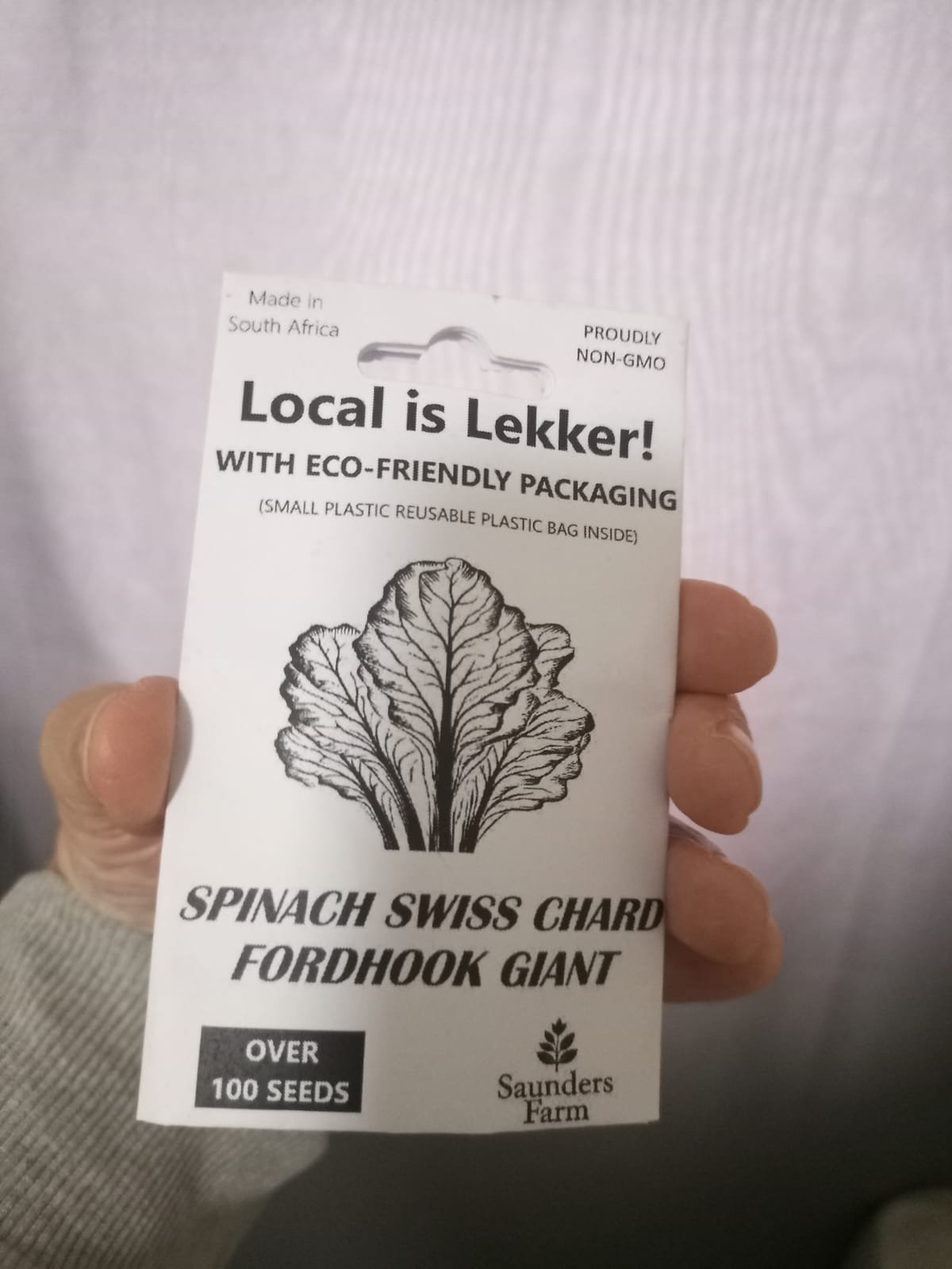
Transform your garden into a thriving hub of freshness with our premium Spinach Swiss Chard Fordhook Giant seeds. These seeds are specially selected for their robust growth, high nutritional value and adaptability; making them a top choice for gardeners of all experience levels. Whether you’re an experienced grower or just getting started, these seeds promise abundant rewards.
Exceptional Yield and Versatility
Spinach Swiss Chard Fordhook Giant is well-known for its highly productive harvests of large, tender, and delicious leaves. Perfect for salads, sautés, smoothies, or soups, this cultivar’s versatility in the kitchen ensures you’ll enjoy a wide array of culinary options. The plant’s hardiness allows it to thrive in diverse conditions, guaranteeing a resilient garden addition that keeps giving all year round.
Why Choose Spinach Swiss Chard Fordhook Giant Seeds?
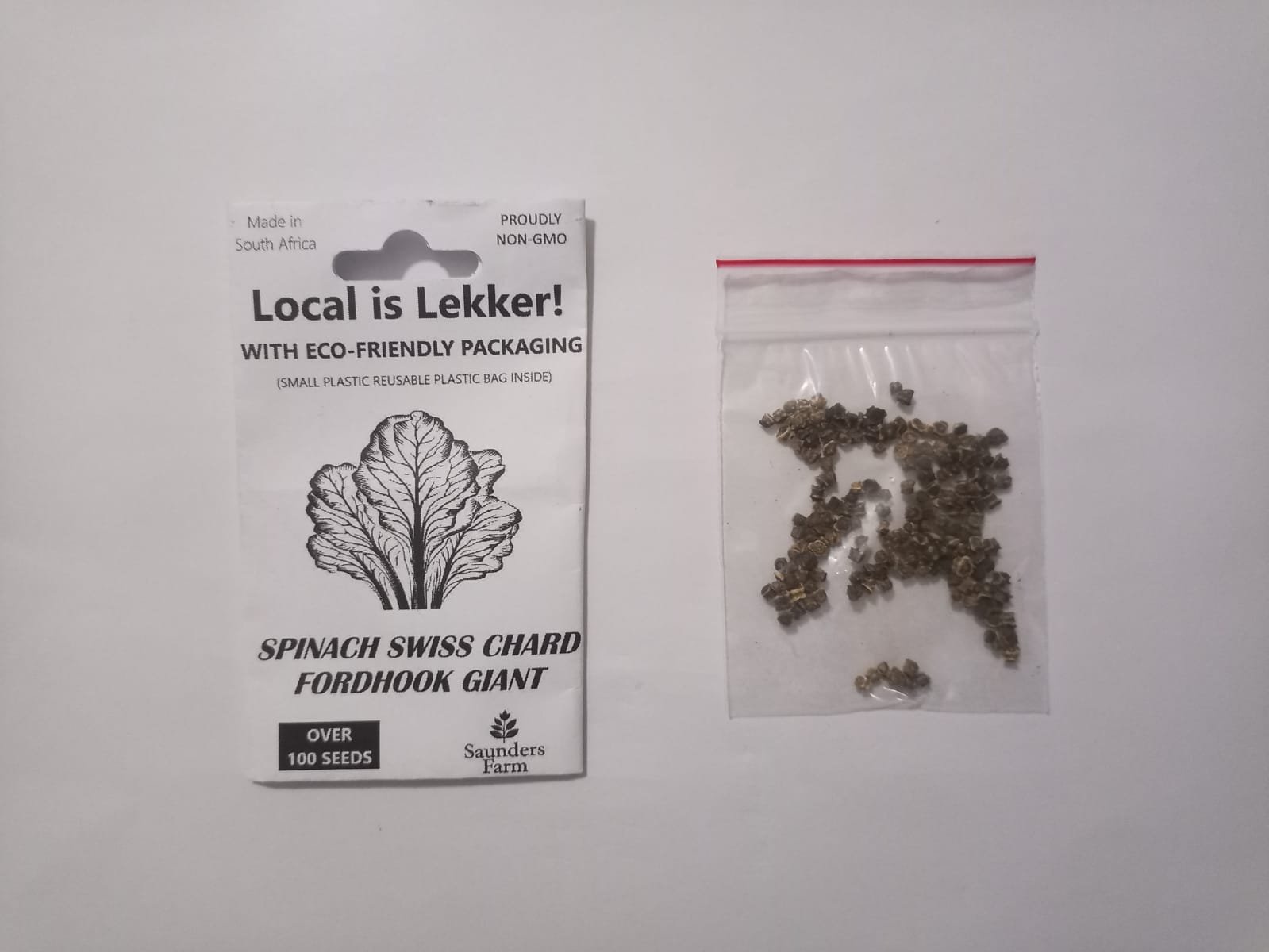
With over 100 seeds in each pack, you’ll have everything you need to create a lush and vibrant garden. These seeds are non-GMO and offer excellent germination rates, giving you peace of mind about their quality. Grow nutrient-dense vegetables rich in vitamins A, C, and K, along with essential minerals like magnesium and potassium, for a health boost straight from your backyard!
How to Grow Spinach from Seed
Growing your own Spinach Swiss Chard Fordhook Giant is incredibly rewarding and surprisingly easy, even for absolute beginners.
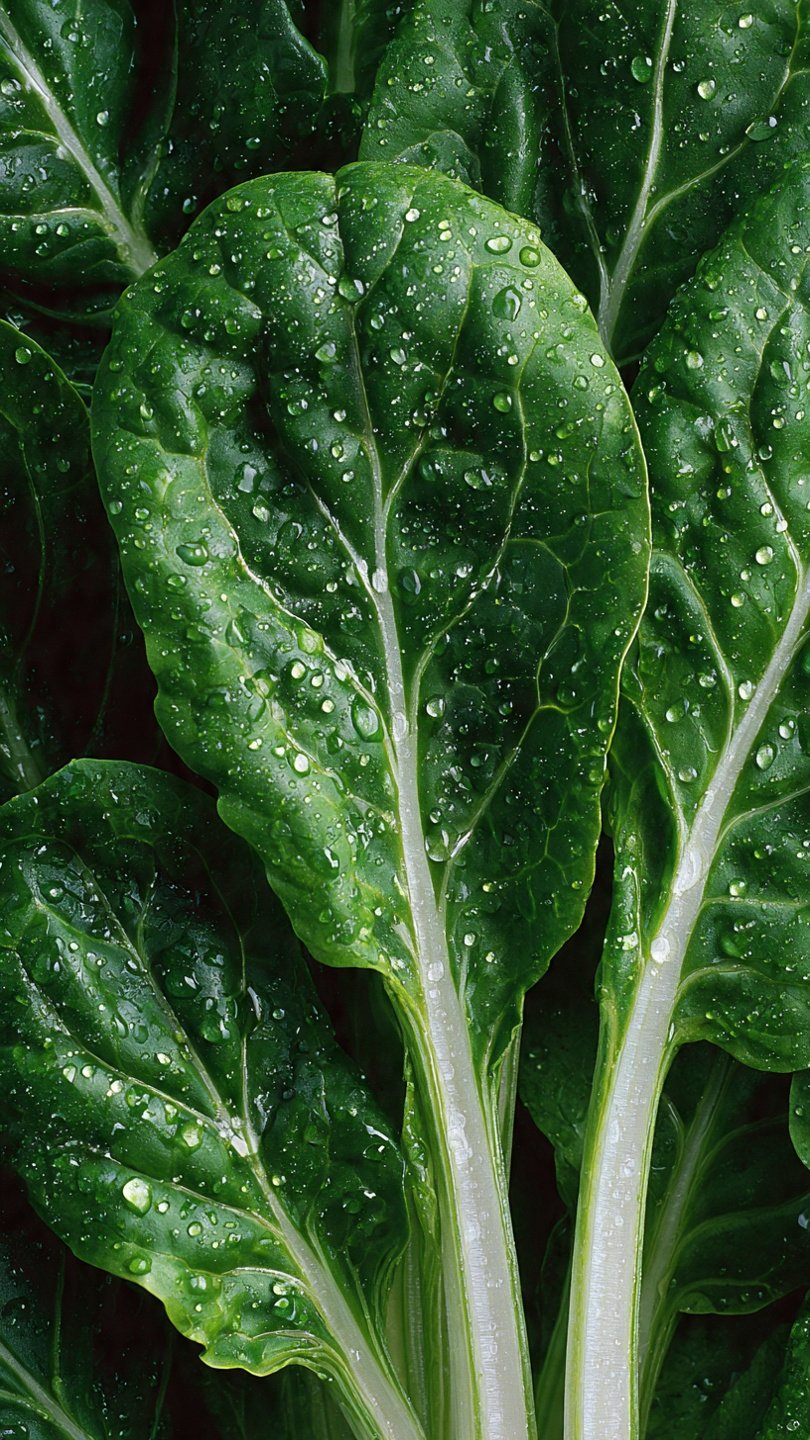
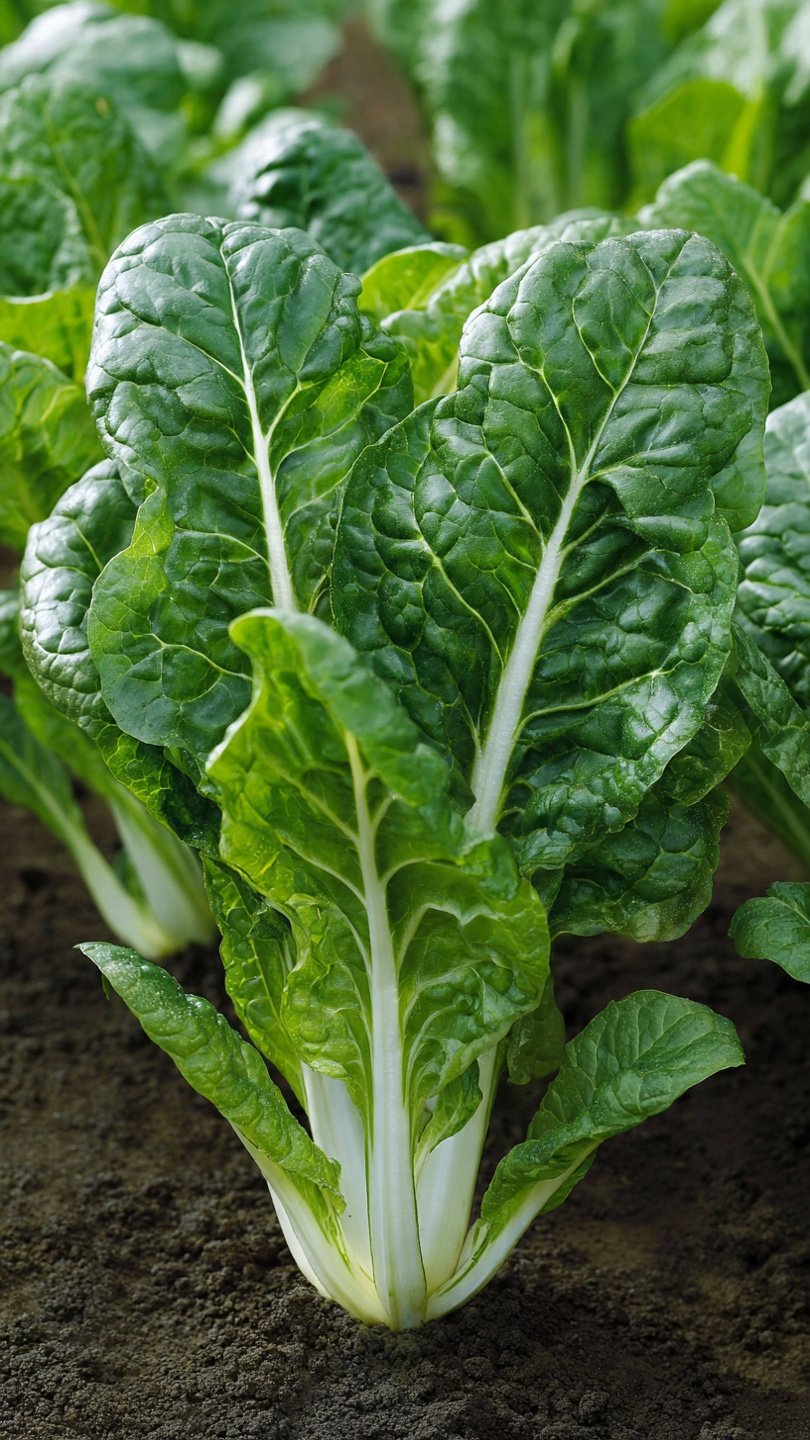
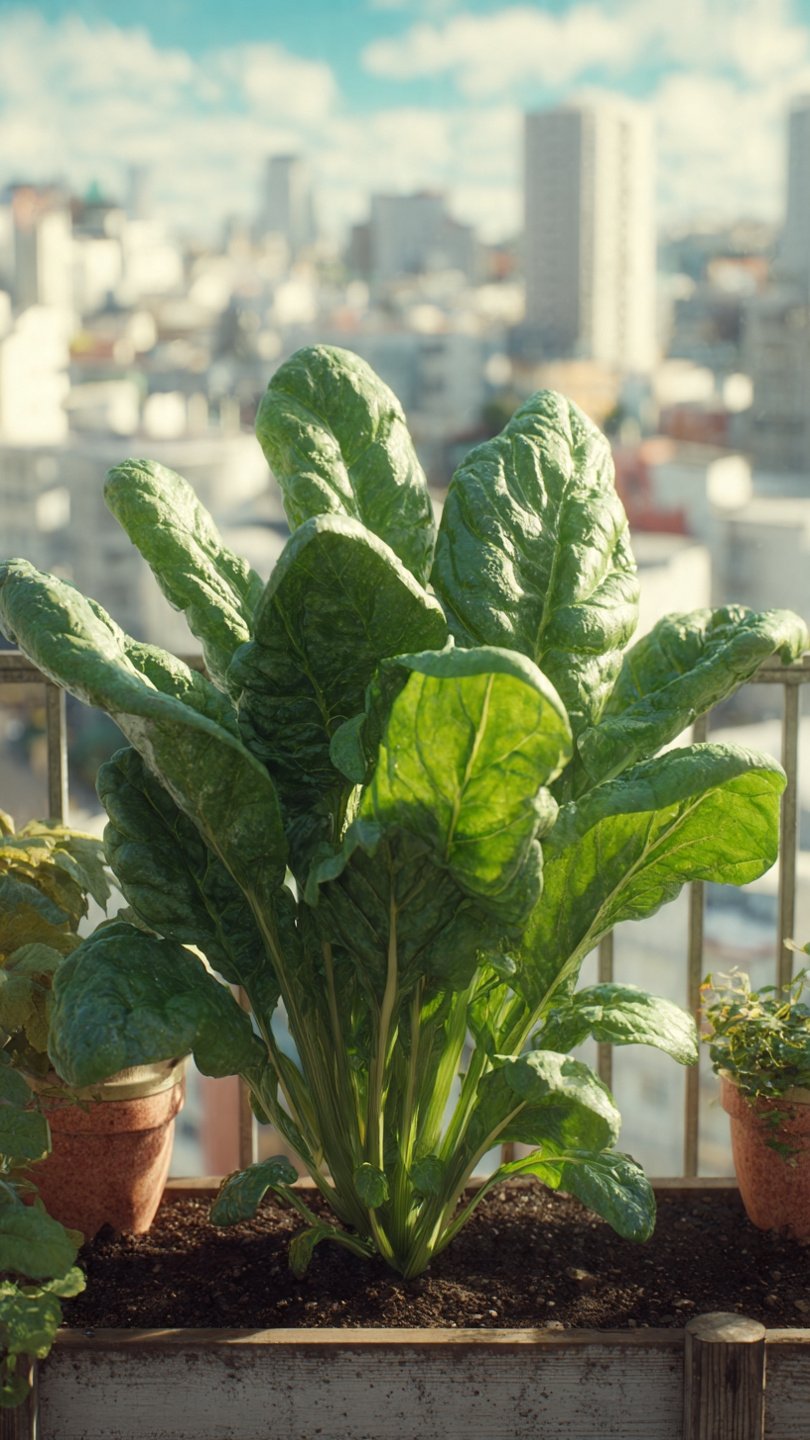
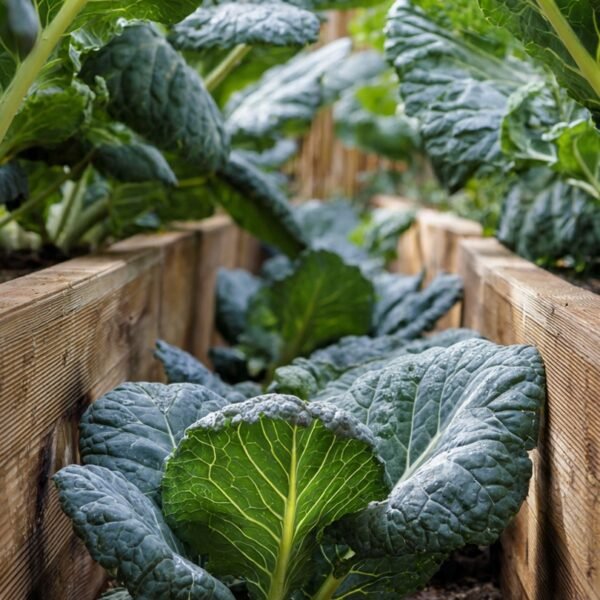
This “Fordhook Giant” variety is famous for its large, crinkled green leaves and thick white stalks, providing a continuous harvest of nutrient-dense greens. Follow this step-by-step guide to ensure your seeds get the best possible start.
1. When to Plant
In South Africa, Fordhook Giant is a hardy survivor. While it can be grown year-round, it thrives best when planted in early Spring or Autumn. It is heat-tolerant but produces the sweetest leaves during the cooler months.
2. Choosing the Right Spot
- Sunlight: Your spinach needs at least 6 hours of sunlight a day. In very hot regions, afternoon shade will help prevent the leaves from wilting.
- Soil: Use well-draining soil rich in organic matter. If you are planting in the ground, mix in some compost a week before sowing.
3. Sowing the Seeds
Swiss Chard seeds are actually small clusters (fruits) containing several seeds. (You get over 100 clusters per pack)
- Depth: Plant seeds about 1.5cm to 2cm deep.
- Spacing: Space seeds about 10cm apart. If planting in rows, keep the rows 30cm to 40cm apart.
- Watering: Water gently immediately after planting. Keep the soil consistently moist (but not soggy) until you see green shoots appearing.
4. Germination and Thinning
Expect to see sprouts in 7 to 14 days. Because each seed “cluster” contains multiple seeds, you might see two or three plants growing from the same spot.
- The Pro Tip: Once the seedlings are about 5cm tall, “thin” them out by removing the smaller ones. Aim for one strong plant every 20cm to 30cm. This gives the roots plenty of room to grow “giant” leaves!
5. Ongoing Care
- Water Regularly: Swiss Chard loves water. Consistent moisture keeps the leaves tender and prevents the plant from “bolting” (going to seed too early).
- Mulching: Add a layer of straw or dried leaves around the base of the plants to keep the roots cool and hold moisture in the soil.
- Feeding: If your leaves look a bit pale, use a nitrogen-rich liquid fertiliser every 2 to 3 weeks to boost growth.
6. Harvesting Your First Leaves
You can start harvesting baby leaves in about 35 days, or wait 60 days for full-sized leaves.
- The “Cut and Come Again” Method: Always harvest the outer leaves first by cutting them near the base. Leave the center of the plant intact, and it will keep producing new leaves for months!
Spinach Medicinal & Nutritional Uses
Spinach Swiss Chard Fordhook Giant is more than just a versatile kitchen staple—it is a legitimate superfood. Packed with a dense concentration of essential vitamins and minerals, this heirloom variety offers significant health benefits, especially when eaten fresh from your garden.
1. A Nutritional Powerhouse
Fordhook Giant is naturally low in calories but exceptionally high in vital nutrients. Just one cup of these greens provides:
- Vitamin K: Over 300% of your daily requirement, essential for bone health and proper blood clotting.
- Vitamin A: High levels of beta-carotene to support healthy vision, immune function, and glowing skin.
- Vitamin C: A powerful antioxidant that boosts your immune system and aids in tissue repair.
- Essential Minerals: Rich in Iron (to combat fatigue and anemia), Magnesium (for muscle and nerve function), and Potassium (to help regulate blood pressure).
2. Digestive and Heart Health
- High Dietary Fiber: The thick white stalks and crinkled leaves are excellent sources of insoluble fiber, which promotes healthy digestion, prevents constipation, and supports a healthy gut microbiome.
- Heart Support: Chard contains natural nitrates and antioxidants that help relax blood vessels, improving blood flow and lowering blood pressure.
3. Antioxidant & Medicinal Properties
Historically used in traditional wellness for its anti-inflammatory properties, modern science confirms that Swiss Chard contains over 13 different polyphenol antioxidants.
- Blood Sugar Regulation: It contains alpha-lipoic acid, an antioxidant shown to improve insulin sensitivity, making it a great addition to a diabetic-friendly diet.
- Eye Protection: Rich in lutein and zeaxanthin, these “eye vitamins” help protect your vision from age-related damage and cataracts.
- Anti-Inflammatory: Compounds like kaempferol help reduce chronic inflammation, which is linked to various long-term health conditions.
4. Culinary Tip for Maximum Nutrition
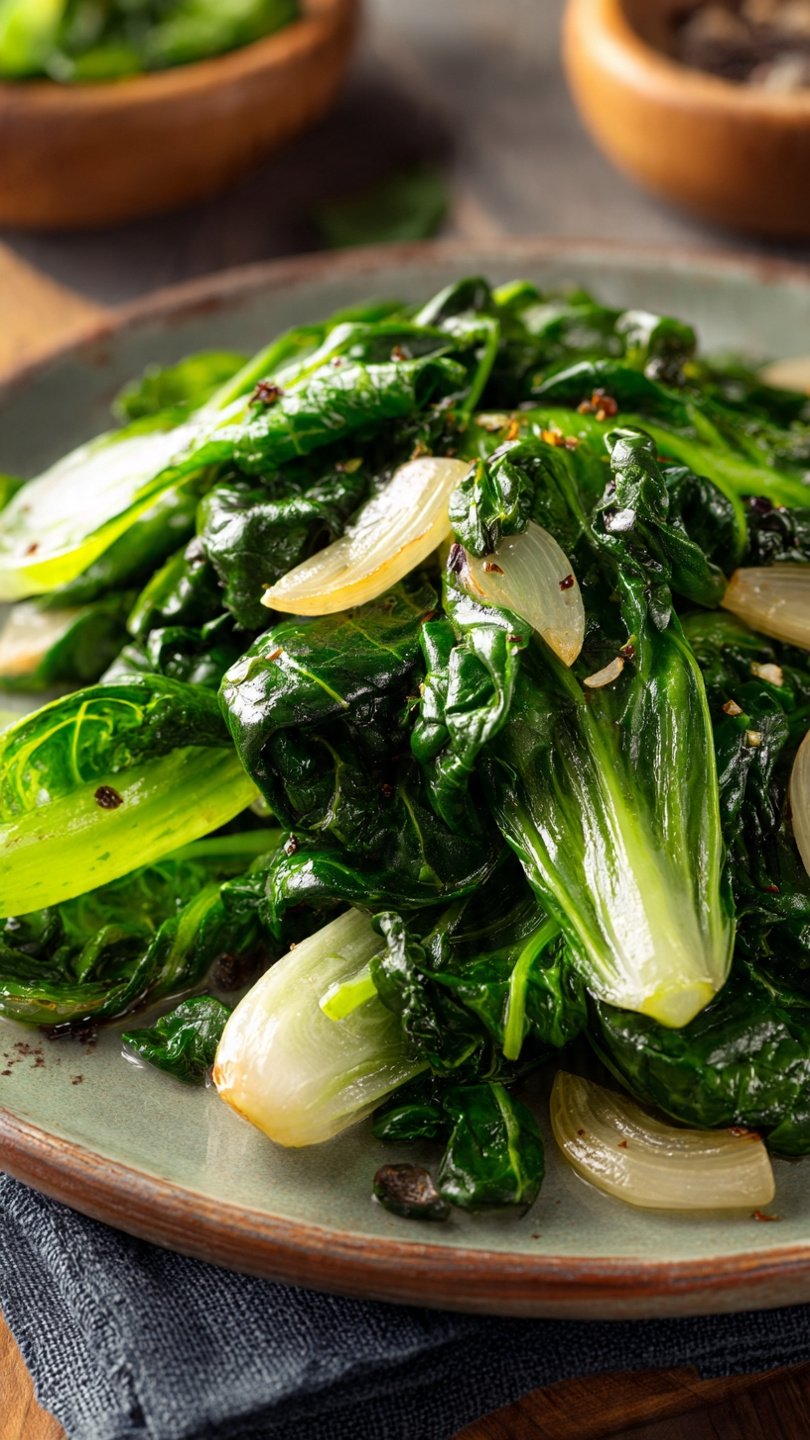
To get the most out of your harvest, try lightly steaming or sautéing your Fordhook Giant. This helps reduce oxalic acid (which can interfere with mineral absorption) while keeping the heat-sensitive vitamins intact.
Disclaimer: While highly nutritious, individuals on blood-thinning medication (like Warfarin) should maintain a consistent intake of Vitamin K-rich greens and consult their doctor.
Other Names for Spinach Swiss Chard Fordhook Giant
Depending on where you are in the world—or even where you are in South Africa—this versatile green goes by many different names. While it is technically a Swiss Chard, its thick, succulent leaves and usage in the kitchen mean it is frequently grouped with spinaches.
When searching for recipes or growing tips, you might find Fordhook Giant referred to as:
- Silverbeet: The most common name used in Australia and New Zealand.
- Perpetual Spinach: So named because it keeps growing back leaf after leaf as you harvest it.
- Leaf Beet: A nod to its botanical family (Beta vulgaris), the same family as beetroot.
- Seakale Beet: An older European name.
- Mangold: Commonly used in German and many Eastern European languages.
- Bietola: The traditional Italian name for this variety.
- Spinach: In many South African households, Swiss Chard is simply and affectionately called “Spinach.”
No matter what you call it, Fordhook Giant remains the gold standard for home gardeners looking for a reliable, heavy-cropping green.


Wokuhle (verified owner) –
I was referred by a friend. It was just an inquiry, but the minute I made contact I’ve always gotten everything I needed and more. I am thrilled to find a genuine supplier with authentic vibes, sustainability solutions, positive passion and honestly a pleasure to work with. I look forward to building a lasting relationship. I’m thrilled with my Swiss chard purchase!
Garry Saunders (verified owner) –
Thank you so much!