,

Thyme (German/English) – Over 100 Seeds

R15.00

Excluding shipping
  • Over 100 Thyme (Common: Thymus vulgaris) Seeds
  • Join our WhatsApp Group to see when this product goes on special: https://chat.whatsapp.com/Ly1HQgXpYGXL2ffDGXUl4G
  • Proudly non-GMO
  • ECO-FRIENDLY: Biodegradable packaging with resealable, reusable plastic Ziplock bag inside
  • Made in South Africa, for South Africa

Availability: 19 in stock

Guaranteed Safe Checkout

Winter Thyme Seeds (Heirloom & Non-GMO) – Over 100 Seeds

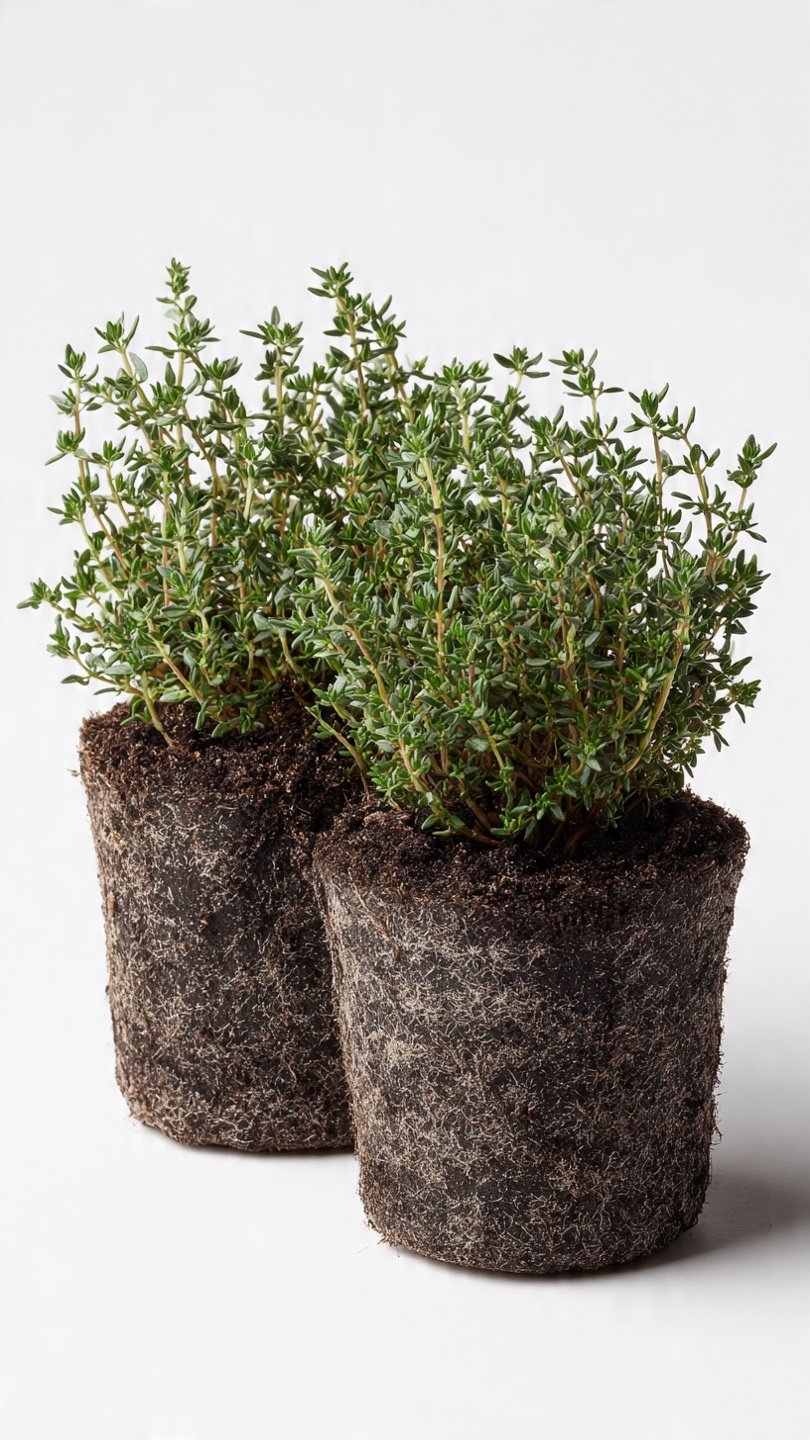
Grow your own continuous supply of aromatic herbs with our premium Winter Thyme seeds.

Specially selected for South African gardeners, Winter Thyme (Thymus vulgaris) is a robust, cold-hardy perennial variety that thrives across our diverse climate zones.

Whether you suffer through frosty Highveld winters or experience wet Western Cape winters, this resilient herb stays green and productive when other varieties fade.

Our heirloom, non-GMO Thyme seeds boast excellent germination rates. They are perfect for kitchen gardens, raised beds, container gardening, or as a water-wise groundcover.

Why Choose Our Winter Thyme Seeds?

  1. Cold-Hardy Perennial: Unlike delicate summer herbs, Winter Thyme withstands frost and drops in temperature, ensuring year-round harvesting.
  2. Heirloom & Non-GMO: 100% natural, open-pollinated seeds completely free from genetic modification.
  3. Excellent Value: Every packet contains over 100 seeds to help you establish a dense, lush herb patch.
  4. Water-Wise Choice: Once established, Thyme is highly drought-tolerant, making it ideal for water-conscious South African gardens.
  5. Culinary Essential: Delivers a rich, earthy, savory flavor that elevates local favorites like potjiekos, stews, roasted meats, and winter soups.

Quick Growing Guide for South Africa

  • Sowing Season: Spring (August to October) or Autumn (March to April).
  • Position: Full sun to partial shade.
  • Soil: Well-draining, sandy, or poor soil. Thyme hates wet feet!
  • Sowing Depth: Scatter seeds on the surface and press lightly into the soil. Do not bury deeply as they need light to germinate.
  • Germination: 14 to 21 days.
  • Harvesting: Snip sprigs as needed once the plant reaches 15 cm tall. Regular pruning encourages bushier growth.

Product Specifications

Seed Count: Over 100 seeds per pack

Variety: Winter Thyme (Thymus vulgaris)

Type: Perennial Herb

Planting Type: Open-pollinated heirloom

logo simple

Stop Killing Your Seeds!

5 Germination Mistakes Gardeners Must Stop Immediately

Get this free guide (5 minute read) and The Printable Monthly Growing Guide for South Africa (also free), via email:

We don’t spam! Read our privacy policy for more info.

Reviews

There are no reviews yet.

Be the first to review “Thyme (German/English) – Over 100 Seeds”

Your email address will not be published. Required fields are marked *

How to Grow Thyme from Seed

How to Grow Thyme from Seed: The Complete South African Guide

Thyme is a foundational herb for any kitchen garden. While many gardeners buy established plug plants, growing thyme from seed is incredibly rewarding and highly cost-effective.

Because thyme seeds are tiny and require specific conditions to sprout, following a few simple steps ensures excellent germination rates.

This comprehensive guide covers everything you need to know to successfully grow a lush, aromatic thyme patch from seed.

Quick Growing Facts

  • Sowing Time: Spring (August to October) or Autumn (March to April)
  • Germination Time: 14 to 21 days
  • Sunlight Requirements: Full sun (at least 6 hours of direct sunlight daily)
  • Soil Preference: Sandy, gritty, well-draining soil with a neutral pH
  • Time to Harvest: 90 to 100 days from sowing

Step-by-Step Seed Sowing Guide

Thyme seeds need light, warmth, and moisture to germinate. Because the seeds are exceptionally small, starting them indoors or in seed trays yields the highest success rates before transferring them to the garden.

Step 1: Choose the Right Container

Use seed trays, small biodegradable pots, or shallow containers with excellent drainage holes.

Fill the trays with a premium, lightweight seed-starting mix. Avoid heavy garden soil, which can smother the tiny seeds.

Step 2: Sow the Seeds Correctly

Gently mist the seed mix with water before planting so it is damp but not soggy.

Scatter the thyme seeds thinly across the surface of the soil.

Crucial Tip: Do not bury the seeds. Thyme seeds need light to germinate.

Press them very gently into the damp soil surface using your fingertips or a flat block so they make good contact with the mix.

Step 3: Maintain Moisture and Warmth

Spray the surface gently with a misting bottle to avoid washing the seeds away.

Cover the tray with a clear plastic lid or plastic wrap to lock in humidity.

Place the tray in a warm room (ideally between 18°C and 21°C) that receives bright, indirect sunlight.

Step 4: Thin and Harden Off

Remove the plastic cover as soon as the first green sprouts appear, which usually takes 2 to 3 weeks.

Keep the soil consistently moist but never waterlogged.

Once seedlings develop a few sets of true leaves, thin them out by removing the weaker sprouts, leaving the strongest seedlings spaced about 5 cm apart.

Transplanting into the Garden

When your thyme seedlings reach roughly 5 cm to 10 cm in height, they are ready to move to their permanent home outdoors.

Hardening Off

Spend 7 to 10 days gradually acclimating the young plants to outdoor conditions.

Move the trays into a sheltered outdoor spot for a few hours each day, slowly increasing their exposure to full sun and wind.

Choosing the Perfect Spot

Sunlight: Select the sunniest spot in your garden. Thyme loves heat and sunshine.

Soil Quality: Thyme hates “wet feet” and will suffer from root rot in heavy clay soil. If your garden soil is heavy, mix in plenty of coarse river sand or fine gravel to improve drainage.

You can also plant them in raised beds or pots to control soil conditions.

Spacing: Plant seedlings 20 cm to 30 cm apart to allow for their bushier, spreading growth habit.

Ongoing Care and Maintenance

Once established, thyme is an incredibly resilient, water-wise plant that thrives on neglect.

Watering: Water deeply only when the soil has dried out completely. Established thyme plants are highly drought-tolerant and rarely need supplementary watering, except during extreme heat waves.

Feeding: Thyme thrives in poor soils. Avoid high-nitrogen fertilizers, which cause weak, watery growth and dilute the potent essential oils that give thyme its rich flavor.

A light top-dressing of organic compost in spring is all it needs.

Pruning: Cut back the top third of the plant after it finishes flowering in summer. This prevents the herb from becoming woody and leggy, encouraging fresh, bushy growth.

Thyme Medicinal / Nutritional Uses

Thyme Medicinal and Nutritional Uses: A Guide to Nature’s Powerful Herb

Thyme (Thymus vulgaris) is highly celebrated as a kitchen essential, but this hardy perennial also boasts a rich history of medicinal and therapeutic applications.

Packed with volatile essential oils, vitamins, and antioxidants, it provides remarkable health benefits.

This guide serves as an informative resource, highlighting the science-backed health benefits and traditional uses of this versatile herb.

Key Nutritional Benefits of Thyme

Adding fresh thyme to daily meals delivers an array of vital nutrients. Even in small culinary doses, thyme contributes significantly to wellness:

Vitamin C: Supports healthy immune function and acts as a powerful cellular antioxidant.

Vitamin A: Promotes optimal eye health, clear skin, and robust mucous membranes.

Iron: Vital for healthy red blood cell production and oxygen transport throughout the body.

Manganese: Assists with healthy bone development and efficient carbohydrate metabolism.

Dietary Fibre: Aids digestive function and supports overall gut health.

Active Compounds: The Science Behind the Herb

The primary secret to thyme’s therapeutic power lies in its volatile essential oils, which can be extracted or consumed via teas and infusions:

Thymol: A potent, naturally occurring phenol with verified antibacterial, antifungal, and antiseptic properties.

Carvacrol: A strong antimicrobial compound that helps fight off various bacterial strains.

Flavonoids: Plant-based antioxidants like apigenin and luteolin that help reduce systemic inflammation.

Top Medicinal Uses for Thyme

1. Respiratory Support and Cough Relief

Thyme is a world-renowned natural remedy for the respiratory system. It acts as a natural expectorant, helping to loosen mucus in the airways.

Thyme tea or syrup is frequently used to soothe sore throats, ease irritating coughs, and alleviate symptoms of bronchitis or common colds.

2. Digestive Aid

Drinking a warm cup of thyme tea after a heavy meal can stimulate healthy digestion.

The carminative properties of the herb help relax the smooth muscles of the stomach, reducing bloating, gas, abdominal cramps, and indigestion.

3. Natural Antiseptic and Oral Health

Due to the high concentration of thymol, thyme infusions make an excellent, all-natural antimicrobial mouthwash.

It helps combat oral bacteria, fights bad breath, speeds up the healing of mouth ulcers, and supports overall gum health.

4. Heart Health and Blood Pressure Support

Studies suggest that thyme extracts may help lower heart rate and reduce high blood pressure.

The rich blend of antioxidants and potassium helps protect cardiovascular health and reduces oxidative stress on blood vessels.

5. Skin Health and Topical Healing

Diluted thyme essential oil or cooled thyme water can be applied topically to minor cuts, scrapes, and fungal skin issues like athlete’s foot.

Its antibacterial properties also make it a popular natural ingredient for targeting acne-prone skin.

How to Make a Simple Medicinal Thyme Tea

You can easily harness these benefits at home with a fresh herbal infusion:

  1. Place 2 to 3 sprigs of fresh thyme (or 1 teaspoon of dried thyme) into a mug.
  2. Pour over boiling water.
  3. Cover the mug with a saucer for 5 to 10 minutes to trap the beneficial essential oils.
  4. Strain, add a teaspoon of raw local honey or lemon if desired, and enjoy.

Disclaimer: While thyme is safe for standard culinary use, you should consult a healthcare professional before using concentrated thyme extracts or essential oils medicinally, especially if pregnant or nursing.

Thyme Growing Guide

Thyme Growing Guide: The Complete South African Guide

Thyme (Thymus vulgaris) is a must-have perennial herb for any South African garden. It is highly resilient, intensely aromatic, and wonderfully water-wise once established.

This fast-growing, low-maintenance plant thrives in our sunny climate and fits perfectly into kitchen gardens, patio containers, or water-conscious landscapes.

This comprehensive guide covers everything your customers need to know to successfully plant, grow, and harvest thyme at home.

Quick Plant Facts

  • Botanical Name: Thymus vulgaris
  • Plant Type: Perennial evergreen herb
  • Sun Exposure: Full sun (6 to 8 hours of direct sunlight daily)
  • Soil Type: Loose, sandy, sharply draining soil
  • Soil pH: 6.5 to 7.0 (neutral to slightly alkaline)
  • Time to Harvest: 90 to 100 days from seed

Sowing and Planting

Thyme loves warmth but handles cold winter temperatures incredibly well, making it a reliable year-round producer.

Planting Windows

Spring (August to October): Ideal for all regions across South Africa to allow plants to establish before the peak summer heat.

Autumn (March to April): Excellent for frost-free coastal areas and regions with winter rainfall like the Western Cape.

Planting from Seed

Prepare the container: Fill seed trays with a lightweight, free-draining seed-starting mix.

Sow shallowly: Scatter the tiny seeds across the damp soil surface. Press them down very gently. Do not bury them, as thyme seeds need light to germinate.

Keep damp: Mist the soil surface gently with a spray bottle to avoid washing the seeds away.

Germination: Sprouts will appear within 14 to 21 days when kept at temperatures around 18°C to 21°C.

Container Growing

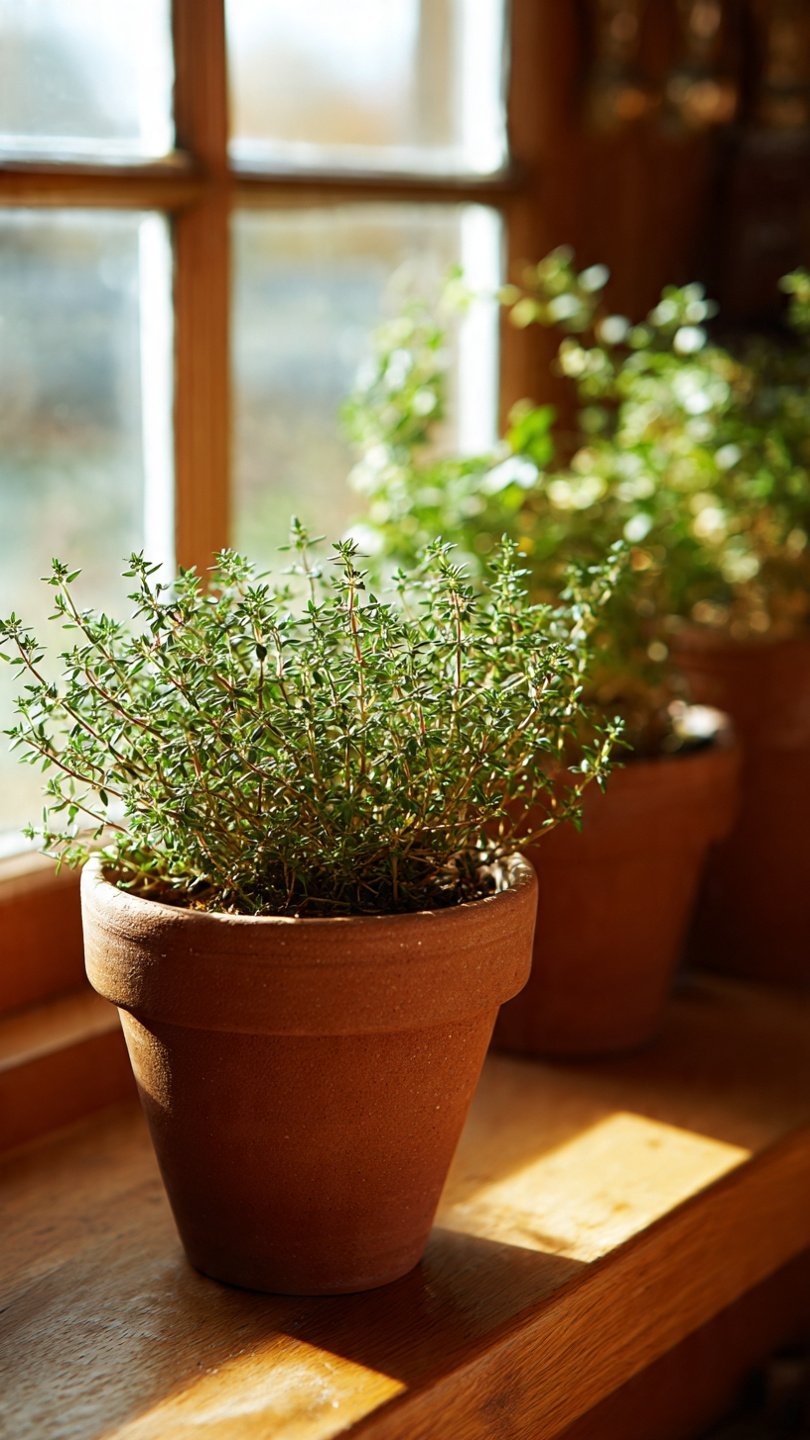
Thyme has a shallow, compact root system that makes it perfect for pots, window boxes, and hanging baskets.

Always choose pots with large drainage holes. Use a high-quality potting soil mixed with a handful of coarse river sand or perlite to maximize drainage.

Ongoing Care and Maintenance

The golden rule of growing thyme is to avoid overwatering and overfeeding.

It thrives on minimal attention.

Sunlight

Place your thyme plants in the brightest, sunniest spot available.

Lack of direct sunlight makes the stems weak, leggy, and significantly reduces the intense flavour of the essential oils in the leaves.

Watering

Young plants: Keep the soil consistently damp but never waterlogged until the roots establish.

Established plants: Water deeply only when the top few centimetres of soil have dried out completely. Thyme is highly drought-tolerant and handles dry spells with ease.

Overwatering quickly leads to root rot.

Feeding

Thyme naturally thrives in poor, gritty soils.

Avoid using high-nitrogen chemical fertilisers, as these force rapid, watery growth that dilutes the herb’s rich fragrance. A light top-dressing of organic compost at the start of spring is all it needs.

Pruning and Maintenance

Pruning: Cut the plant back by about one-third after it finishes flowering in late summer. This prevents the base from turning woody and brittle, stimulating fresh, bushy green growth.

Overwintering: Winter Thyme easily survives heavy Highveld frosts. If you live in an exceptionally cold area, apply a thin layer of organic mulch around the base of the plant to protect the root zone.

Harvesting Thyme

You can harvest thyme all year round once the plant reaches about 15 cm in height.

How to pick: Snip off individual sprigs using sharp kitchen shears. Always leave at least 10 cm of growth on the plant so it can regenerate.

Best time: Harvest in the morning after the dew dries but before the midday sun heats up the plant. This is when the aromatic essential oils are at their peak concentration.

Growth tip: Regular harvesting acts as a natural pruning mechanism, keeping the plant dense and preventing it from becoming leggy.

Managing Pests and Diseases

Thyme is naturally pest-resistant due to its potent essential oils, but a few common issues can arise from improper growing conditions.

Root Rot

This is the most common killer of thyme plants, caused by waterlogged soil and poor drainage.

Solution: Grow thyme in sandy or gravelly soil, use unglazed clay pots that allow moisture to evaporate, and significantly reduce your watering frequency.

Spider Mites and Aphids

These tiny pests can occasionally attack the plant during prolonged dry, dusty summer spells.

Solution: Knock them off the stems with a firm spray of water from the garden hose, or apply an organic insecticidal soap or neem oil spray if the infestation is severe.

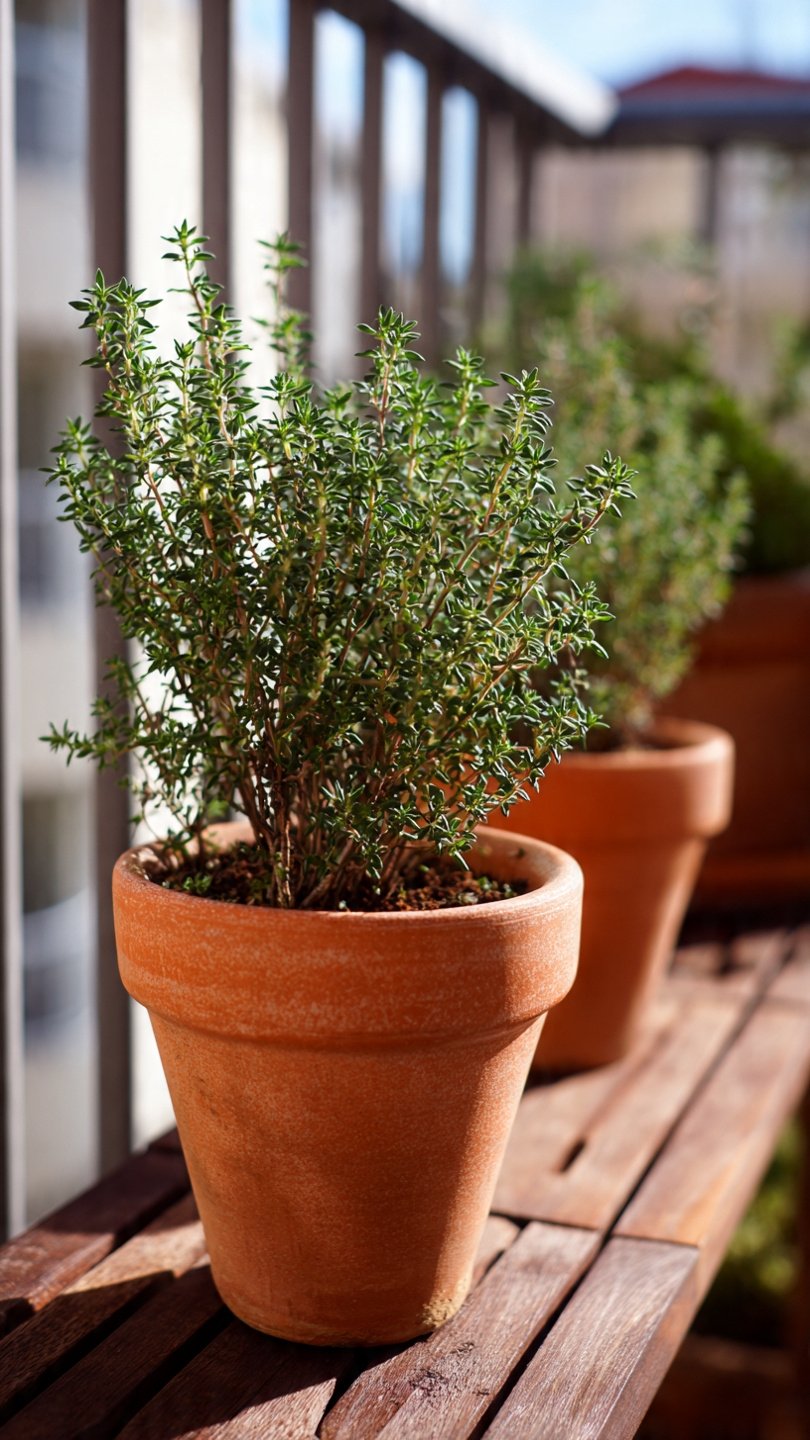
Thyme Other Names

Thyme: Names, Varieties, and Culinary Dialects

Thyme (Thymus vulgaris) is a cornerstone herb celebrated across global culinary, botanical, and medicinal traditions.

Because this hardy perennial has been cultivated for thousands of years, it goes by many different names depending on the region, language, and specific plant variety.

This guide clears up the terminology confusion and highlights how to identify different types of thyme.

The Common and Traditional Names

1. Garden Thyme / Common Thyme

Where it is used: Global standard English.

The Context: This is the overarching term for Thymus vulgaris. When a recipe or a gardening book simply says “thyme,” this is the exact plant it refers to.

2. Winter Thyme / English Thyme

Where it is used: South Africa, United Kingdom, and North America.

The Context: This name specifically denotes the ultra-hardy, cold-tolerant strains of Thymus vulgaris. It is called “Winter Thyme” because it maintains its grey-green foliage and survives harsh winter frosts far better than its delicate summer counterparts.

3. French Thyme / Summer Thyme

Where it is used: Culinary and horticultural circles globally.

The Context: This is a specific variety of common thyme known for narrower leaves and a slightly sweeter, more nuanced flavour. It is slightly more sensitive to extreme winter freezes than Winter Thyme.

4. Tomillo

Where it is used: Spain and Latin America.

The Context: This is the Spanish name for the herb, derived directly from its botanical roots. It is a staple descriptor in Mediterranean and Mexican cooking.

5. Za’atar (Cultural Context)

Where it is used: Middle East and North Africa.

The Context: While Za’atar is famously known as a delicious spice blend, the word itself historically refers to wild, thyme-like herbs (often Thymbra capitata or Thymus syriacus) natively harvested in the region.

Botanical Names vs. Common Varieties

Shoppers often get confused by the different species in the thyme family. Here is a breakdown of the most popular varieties without complicated tables:

Winter or Common Thyme (Thymus vulgaris)

Key Characteristics: Upright growth habit, woody stems, and highly concentrated essential oils. This is the primary variety used for heavy stews, potjiekos, and medicinal teas.

Lemon Thyme (Thymus citriodorus)

Key Characteristics: Features distinct green-and-yellow variegated leaves. It looks very similar to common thyme but emits an unmistakable, bright citrus aroma when the leaves are crushed.

Creeping Thyme (Thymus serpyllum)

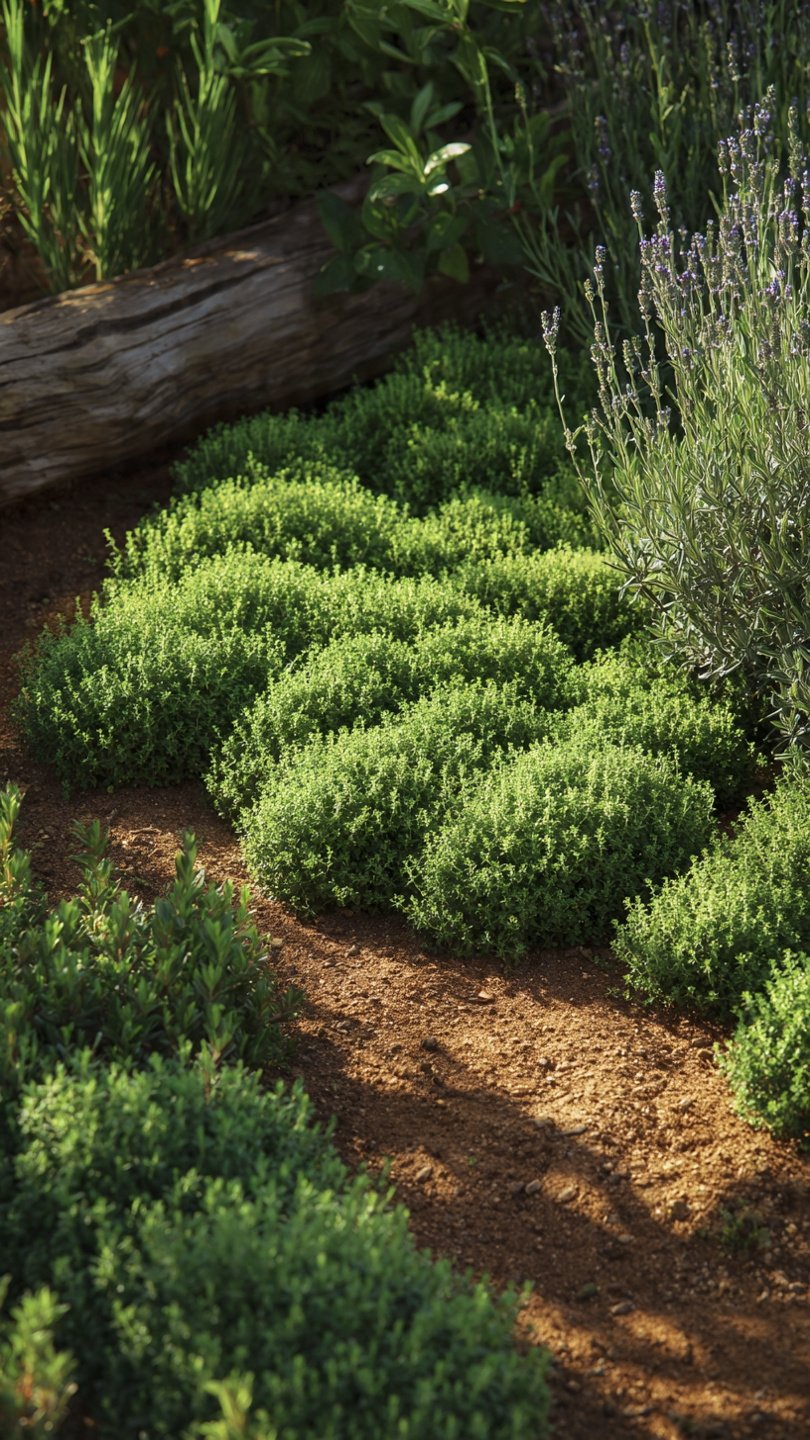
Key Characteristics: A low-growing, mat-forming variety. Instead of growing upright like Winter Thyme, it spreads horizontally, making it a popular choice for water-wise groundcover or planting between walkway paving stones.

Where Does the Word “Thyme” Come From?

The name originates from the ancient Greek word thymon, which is tied to the concept of “fumigate” or “make fragrant.”

In ancient times, the herb was burned in temples to clear the air and signify courage. The Romans later spread the herb across Europe, cementing its name into modern languages.

Shopping Basket
0
    0
    Your Cart
    Your cart is emptyReturn to Shop
    Scroll to Top