You must have an order with a minimum of 20 pcs to place your order, your current order total is 10 pcs.
, ,

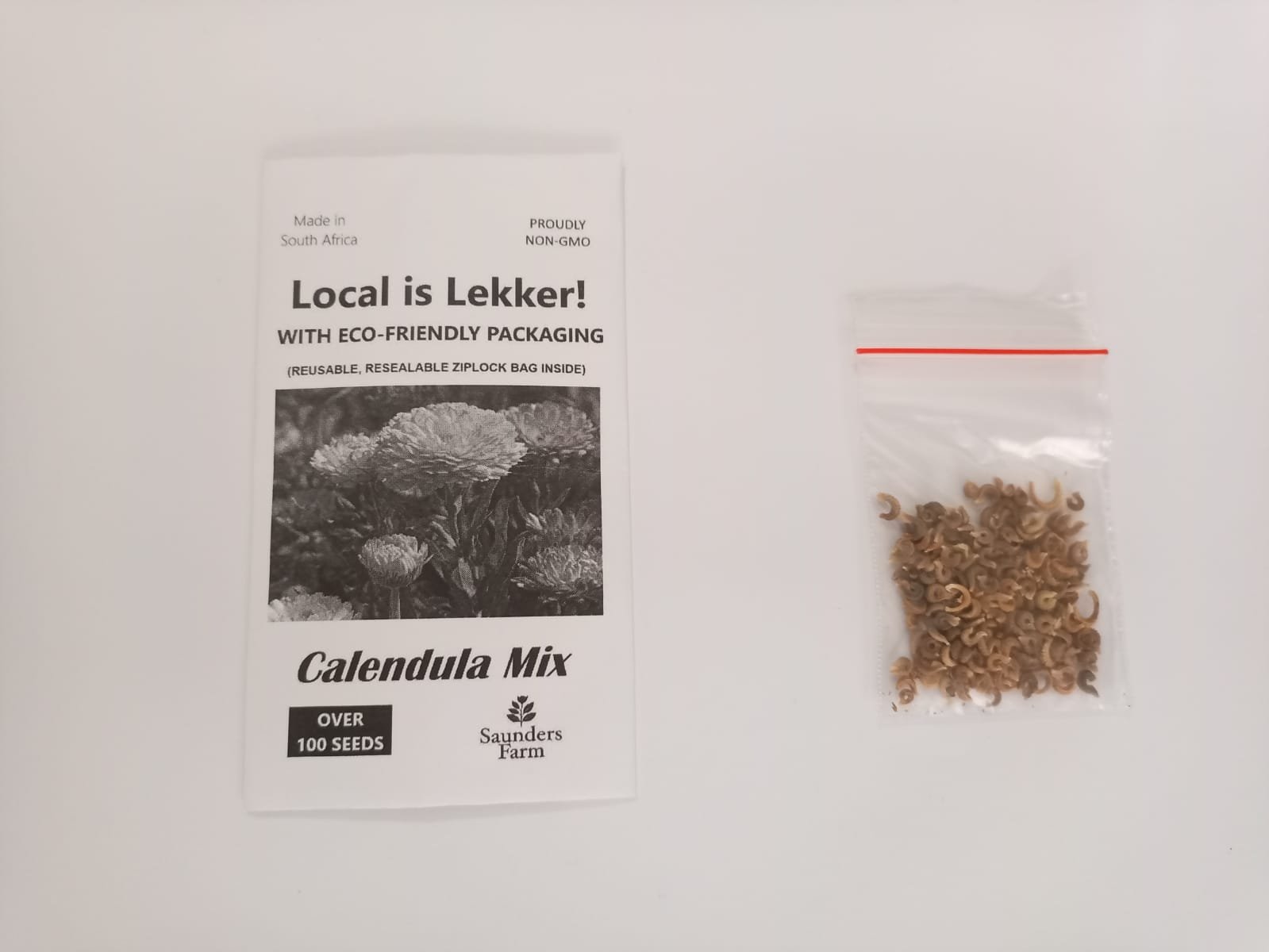
Calendula Mix – Over 100 Seeds

R15.00

Excluding shipping
  • Over 100 Calendula Mix (Pacific Beauty Mix) Seeds
  • Join our WhatsApp Group to see when this product goes on special: https://chat.whatsapp.com/Guxcttdini50Vfe7QjCMPH
  • Proudly non-GMO
  • ECO-FRIENDLY: Biodegradable packaging with resealable, reusable plastic Ziplock bag inside
  • Made in South Africa, for South Africa

Availability: 48 in stock

Guaranteed Safe Checkout

Heirloom Calendula Mix (Pacific Beauty Mix) Seeds – Over 100 Seeds Per Pack

Brighten up your South African garden with our premium, heirloom Calendula Mix (Pacific Beauty Mix) seeds.

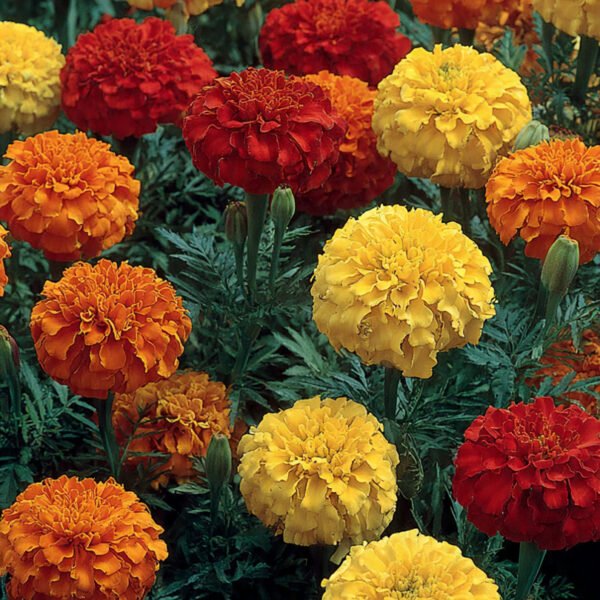
Commonly known as Pot Marigolds, Pacific Beauty is a legendary, heat-resistant and frost-resistant variety celebrated for its exceptionally sturdy stems and large, double-flowered blossoms.

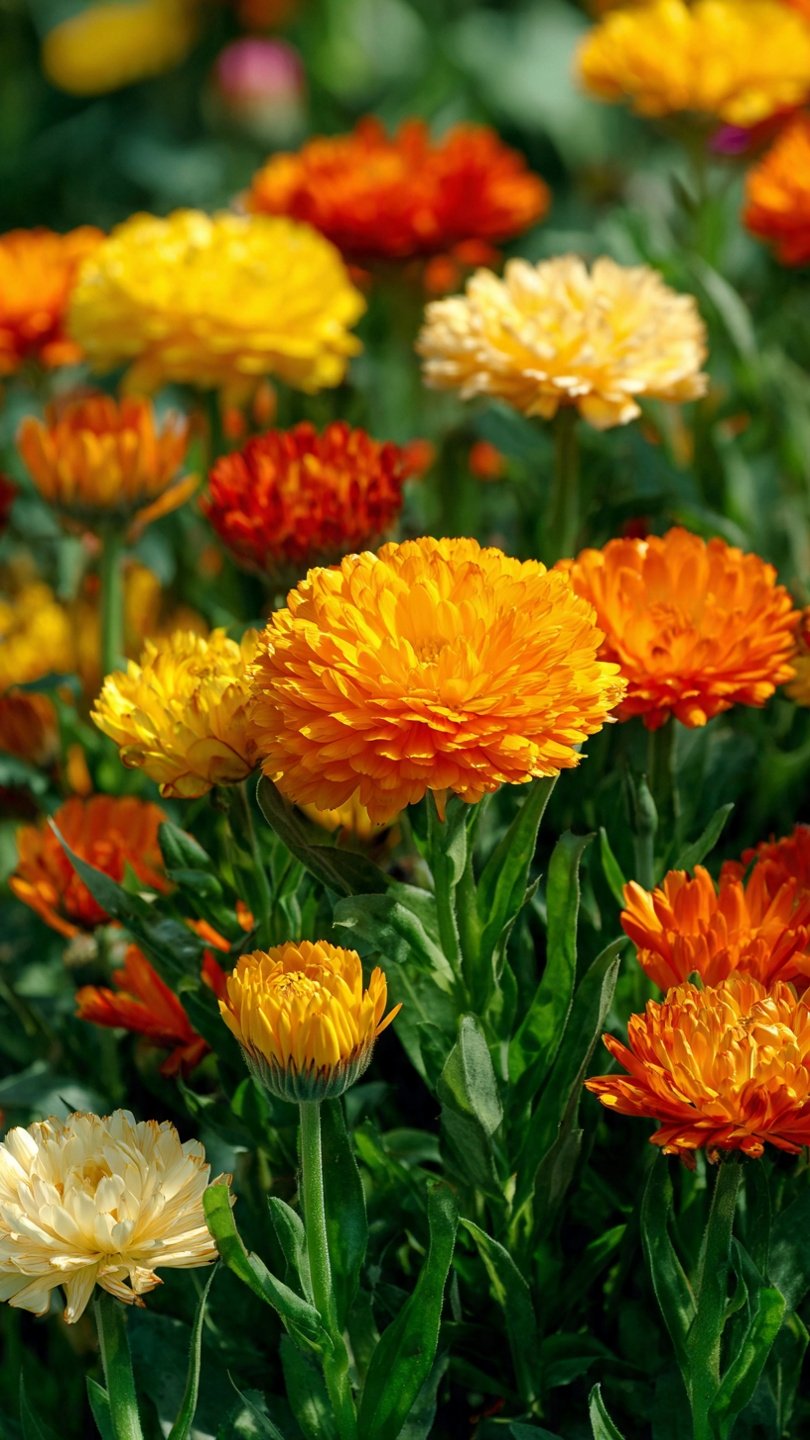
This magnificent mix offers a sunny palette of rich apricot, deep orange, golden yellow, and creamy lemon-yellow flowers that instantly elevate the visual appeal of any landscape.

Perfect for sunny borders, vegetable patch edges, container gardening, and cottage garden layouts, these robust annuals provide long-lasting color from winter right through summer.

Calendula is highly valued by local organic gardeners as an elite companion plant. Its bright blooms act as a natural trap crop for pests while simultaneously drawing in vital pollinators like bees and butterflies to boost your garden’s overall health.

Our heirloom seeds are completely non-GMO, open-pollinated, and fully adapted to thrive across South Africa’s diverse growing conditions.

Each packet is generously hand-packed with over 100 seeds, giving you incredible value and plenty of seeds to create a brilliant, golden floral display.

🌼 Why Choose Calendula Pacific Beauty Mix?

  1. Heirloom & Non-GMO: 100% natural, pure seed stock that lets you harvest and save your own seeds year after year.
  2. Edible & Medicinal: Petals can be used raw in fresh salads, brewed into soothing teas, or infused into homemade skin balms.
  3. Heat, Frost & Drought Tolerant: Specifically bred to handle warm conditions better than standard marigolds, making it perfect for South African summers.
  4. Exceptional Value: Every package contains over 100 seeds to easily fill your flower beds or starter trays.
  5. Natural Pest Repellent: Emits a subtle scent that deters unwanted garden insects while attracting beneficial predatory bugs.

📅 South African Planting Guide

  • Best Planting Time: Autumn (March to May) across most of South Africa for beautiful late winter and spring blooms, or early Spring (August to September) in frost-heavy areas.
  • Sunlight Preference: Full sun to very light partial afternoon shade.
  • Sowing Depth: Sow seeds 5mm to 6mm deep. Calendula seeds require darkness to germinate, so ensure they are fully covered with soil.
  • Germination Time: Quick and reliable sprouting within 7 to 14 days.
  • Plant Spacing: Space individual seedlings 20cm to 30cm apart to allow the bush-like plants room to branch out.
  • Soil Requirements: Highly adaptable to most soil types, but thrives best in loose, well-draining soil with average fertility.

Reviews

There are no reviews yet.

Be the first to review “Calendula Mix – Over 100 Seeds”

Your email address will not be published. Required fields are marked *

How to Grow Calendula From Seed

How to Grow Calendula from Seed: The Complete South African Guide

Calendula (Pacific Beauty Mix)—widely known as Pot Marigold—is one of the most versatile, cheerful, and easiest flowers you can grow from seed.

Famous for its brilliant orange and yellow double-blooms, this heirloom plant serves as an exceptional companion vegetable partner, a vibrant garden border, and a valuable medicinal herb.

Follow this step-by-step planting guide to successfully raise healthy, heavy-blooming Calendula plants from seed.

📅 Quick Growth Overview

  • Best Sowing Time: March to May (Autumn across most of South Africa) or August to September (Spring in frost-heavy regions).
  • Sunlight Needs: Full sun to very light partial afternoon shade (6+ hours daily).
  • Soil Requirements: Adaptable to poor soil, but prefers loose, well-draining, average-fertility ground.
  • Germination Time: 7 to 14 days.
  • Days to Bloom: 60 to 70 days from sowing.

Step 1: Sowing the Seeds

Calendula seeds are large, crescent-shaped, and incredibly easy to handle. They can be sown directly into garden beds or started in seedling trays for a higher success rate.

Sowing Depth: Plant the seeds 5mm to 6mm deep. Unlike some flower seeds, Calendula seeds require total darkness to trigger germination, so ensure they are fully covered with soil or seedling mix.

Method 1 (Seedling Trays): Fill trays with a quality seed-starting mix, press one seed into each cell, and cover completely.

Method 2 (Direct Sowing): Rake your garden soil to a fine texture, sow seeds in shallow furrows, and cover them over gently.

Watering: Water thoroughly with a fine mist spray. Keep the soil evenly moist but never waterlogged until sprouts emerge.

Seed Value Note: Since each premium heirloom packet contains over 100 seeds, gardeners have more than enough seed stock to plant successive crops or establish massive, dense floral drifts.

Step 2: Seedling Care and Spacing

Once the sturdy green seedlings sprout within a week or two, they grow rapidly.

Thinning Direct Seedlings: If you sowed directly into the ground, thin out the young plants once they reach 5cm tall so they don’t crowd each other out.

Sunlight Exposure: Ensure your tray seedlings get immediate access to bright, direct light so they don’t become leggy or weak.

Step 3: Transplanting into the Garden

Your Pacific Beauty Mix seedlings are ready for transplanting when they stand about 7cm to 10cm tall and have developed several sets of true leaves.

Garden Spacing: Plant individual seedlings 20cm to 30cm apart. Calendula grows into bushy, branching little shrubs, and proper spacing ensures good airflow around the lower leaves.

The Companion Plant Advantage: Plant these seedlings along the borders of vegetable patches. Calendula works brilliantly next to tomatoes, carrots, and brassicas, acting as a natural trap crop that keeps pests away from vegetables.

Step 4: Ongoing Care and Maintenance

Watering: Calendula is remarkably drought-tolerant once its root system establishes. Water deeply once a week during mild weather, increasing to twice a week during hot, dry South African summer spells.

Always water at the base of the plant to keep the leaves dry.

Feeding: Avoid over-fertilizing. Calendula actually blooms better in average, less-fertile soils. Too much nitrogen-rich fertilizer will give you massive green leaves but very few flower buds.

The Pinching and Deadheading Secret: To create a bushy, high-yielding plant, pinch out the central growing tip when the young plant is about 15cm tall.

Additionally, as individual flowers fade, snip them off immediately. This continuous “deadheading” prevents the plant from setting seed early and forces it to pump out new flowers for months on end.

Step 5: Harvesting the Flowers

If you want to use Calendula for its medicinal or culinary properties, harvesting correctly is key.

The Best Time: Pick the flowers in the morning after the morning dew has completely evaporated, but before the heat of the midday sun sets in.

Which to Pick: Snip fully opened flower heads cleanly from the stem.

Drying for Later Use: Spread the flower heads out face-down on a clean paper towel or a drying screen in a warm, dry, shaded room for 1 to 2 weeks.

Once the petals feel completely crisp and papery, strip them from the green flower base and store them in an airtight glass jar away from direct sunlight.

Calendula Medicinal / Nutritional Uses

Calendula Medicinal and Nutritional Uses: The Ultimate Golden Herb Guide

Calendula (Calendula officinalis), widely known as Pot Marigold, is a timeless heirloom plant celebrated for its cheerful orange and yellow petals.

Beyond its striking visual appeal in South African cottage gardens and its role as an elite companion vegetable partner, Calendula is one of the most versatile, deeply researched medicinal herbs in traditional apothecary.

Whether your customers grow the robust Pacific Beauty Mix from seed for home remedies or to brighten their salads, this plant delivers an exceptional array of therapeutic and nutritional benefits.

This comprehensive guide details the safe usage, medical history, and nutritional properties of this golden super-herb.

🥗 Culinary & Nutritional Profile: The Golden Petal Superfood

The vibrant, sun-kissed petals of heirloom, non-GMO Calendula are completely edible. They feature a unique flavor profile—mildly tangy, slightly peppery, and subtly sweet—making them an excellent addition to fresh kitchen recipes.

Elite Antioxidant Profile: The deep orange and brilliant yellow hues of the petals are packed with high concentrations of carotenoids (specifically lutein and beta-carotene) and flavonoids.

These compounds act as fierce antioxidants that shield human cells from environmental oxidative damage and help calm systemic internal inflammation.

The “Poor Man’s Saffron”: Throughout European and early South African history, dried Calendula petals were dropped into soups, stews, rice dishes, and butter to impart a luxurious, rich golden color and a mild, earthy depth of flavor at a fraction of the cost of true saffron.

Essential Trace Minerals: Consuming fresh petals in salads adds small but valuable amounts of essential plant sterols, vitamin C, and trace minerals directly to your daily diet.

Important Safety Note: Only eat Calendula flowers that have been raised organically from seed. Never consume flowers sourced from commercial florists or commercial nurseries, as they are routinely treated with systemic chemical pesticides that cannot be washed away.

🧪 Top 5 Medicinal and Therapeutic Uses

The true value of Calendula lies in its active plant compounds, including triterpenoids, volatile essential oils, and plant mucilage, which provide powerful healing properties.

1. Accelerated Skin Healing and Tissue Repair

Calendula is world-renowned for its ability to dramatically speed up skin regeneration. Topical applications like creams, salves, and infused oils increase blood flow and oxygen to damaged skin tissues.

This stimulates the production of collagen, making it an incredible natural remedy for healing minor burns, cuts, scratches, sunburns, and stubborn eczema.

2. Soothing Severe Diaper Rash and Inflamed Skin

Because Calendula is exceptionally gentle yet powerful, it is a primary ingredient in natural baby care products. Applying a Calendula-infused balm significantly reduces the redness, swelling, and discomfort of painful diaper rashes, chapped lips, and dry, cracked winter skin without the risk of synthetic chemical irritations.

3. Natural Antibacterial and Antifungal Support

The active plant resins and volatile essential oils inside Calendula petals display robust antimicrobial activity.

Lab studies demonstrate that Calendula extracts effectively fight off specific fungal strains, making it a popular traditional wash for mild fungal skin issues like athlete’s foot or ringworm, as well as an antiseptic rinse for cleaning minor surface wounds.

4. Relieving Sore Throats and Improving Oral Health

When brewed into a strong herbal tea and left to cool, Calendula acts as an outstanding natural mouthwash and gargle.

Its astringent and anti-inflammatory properties help soothe painful, swollen sore throats, ease the discomfort of mouth ulcers (canker sores), and reduce the swelling of irritated, bleeding gums (gingivitis).

5. Gentle Digestive Tract Soothing

When consumed internally as a warm herbal tea, Calendula’s natural plant mucilage and anti-spasmodic properties gently coat the lining of the digestive tract.

Traditional herbalists frequently recommend a mild Calendula infusion to help calm minor stomach cramps, alleviate chronic acid reflux, and support the healing of irritated stomach linings.

🧼 How to Make a Simple Calendula Herbal Infusion

Utilize your bountiful harvests (remember, each of your seed packs contains over 100 seeds, yielding an abundance of flowers!) by making a basic home remedy.

Harvest & Dry: Pick fully opened flower heads in the morning, dry them thoroughly for 2 weeks in a shaded room, and strip the papery petals away from the green base.

Steep: Place 2 tablespoons of dried petals into a mug and pour over 250ml of boiling water.

Cover & Wait: Cover the mug with a small saucer to prevent the medicinal volatile oils from escaping in the steam. Let it steep for 10 to 15 minutes.

Apply or Drink: Strain out the petals. Drink warm as a soothing digestive tea, or let it cool completely to use as a soothing facial skin wash or oral gargle.

⚠️ Important Safety & Allergy Information

While Calendula is incredibly safe for the vast majority of people, it is crucial to display accurate safety guidelines:

The Asteraceae Family Allergy: Individuals who are highly allergic to plants in the Asteraceae/Compositae family (such as ragweed, chrysanthemums, daisies, or standard marigolds) should use Calendula with caution or perform a small skin patch test first, as it can occasionally trigger a mild localized allergic skin reaction.

Pregnancy Caution: While topical skin use is completely safe, pregnant or breastfeeding women should avoid consuming Calendula internally as a tea, as it can traditionally stimulate pelvic blood flow.

Calendula Growing Guide

The Complete Calendula Growing Guide: From Seed to Bloom in South Africa

Calendula (Pacific Beauty Mix)—affectionately known as Pot Marigold—is a highly rewarding, sun-loving heirloom flower that fills South African gardens with continuous, bright color.

Producing massive double-blooms in striking shades of apricot, gold, and yellow, this hardy annual is exceptionally easy to grow from seed.

It serves as an elite companion vegetable partner, a dazzling border accent, and a valuable medicinal herb.

This comprehensive planting guide provides you with all the practical knowledge required to successfully cultivate Calendula from seed to vibrant, full bloom.

📅 Quick Growth Reference

  • Best Sowing Windows: Autumn (March to May) nationwide, or Early Spring (August to September) in frost-heavy regions
  • Sunlight: Full Sun to Very Light Partial Afternoon Shade (6+ hours daily)
  • Soil Type: Loose, well-draining soil (highly adaptable to average or poor soils)
  • Soil pH: 6.0 to 7.0 (Slightly acidic to neutral)
  • Germination Time: 7 to 14 days
  • Days to Bloom: 60 to 70 days from sowing

Step 1: Choosing and Preparing the Planting Site

Calendula is incredibly resilient, but selecting the right location ensures an absolute explosion of blossoms:

Maximize the Sun: Choose a garden bed that receives a minimum of 6 hours of direct sunlight every day.

In scorching hot inland regions, a little bit of light afternoon shade will help prolong the lifespan of individual flowers.

Prioritize Drainage: Calendula adapts well to poor, sandy, or nutrient-deficient soils, but it will quickly rot if left sitting in heavy, waterlogged clay.

If your soil holds too much water, build raised beds or mix in coarse river sand to open up the soil structure.

Step 2: Sowing the Seeds

Calendula seeds are uniquely shaped like little brown crescents or hooks.

They are large, easy to handle, and can be direct-sown straight into your garden rows or started in seedling trays for a higher success rate.

The Golden Rule (Sow in Darkness): Calendula seeds require total darkness to trigger germination.

Press the seeds 5mm to 6mm deep into the soil or seed-starting mix. Ensure they are fully covered; leaving them exposed to light will prevent them from sprouting.

Moisture Management: Mist the soil gently using a spray bottle or a fine hose nozzle. Keep the ground consistently moist but never soggy until the green shoots appear.

Exceptional Packet Value: Because high-quality heirloom packets contain over 100 seeds, home gardeners have a generous amount of seed stock to sow multiple successive rows or fill large patio pots.

Step 3: Nurturing Young Seedlings

Sprouting Time: Look for sturdy green sprouts to push through the soil within 7 to 14 days. Once sprouted, ensure tray seedlings receive immediate access to bright, direct sunlight so they do not become weak and leggy.

Thinning Direct Seedlings: If you sowed seeds straight into the garden beds, thin out the young plants once they reach about 5cm tall so they have adequate space to grow.

Step 4: Transplanting into the Garden

Your Pacific Beauty Mix seedlings are ready to move into their permanent homes when they stand roughly 7cm to 10cm tall and have developed several sets of true leaves.

Garden Spacing: Space individual plants 20cm to 30cm apart. Calendula grows into a bushy, branching little shrub, and this spacing allows for excellent air circulation around the lower leaves.

The Companion Planting Advantage: Plant Calendula seedlings along the edges of their vegetable patches.

Calendula works brilliantly next to tomatoes, carrots, and brassicas, acting as a natural trap crop that keeps pests away from food crops.

Step 5: Ongoing Care for Continuous Blooms

Watering: Calendula is remarkably drought-tolerant once established. Provide a deep, thorough watering once a week during mild weather, increasing to twice a week during hot, dry summer spells.

Always apply water directly to the base of the plant to keep the foliage dry.

Feeding: Avoid over-fertilizing! Calendula actually flowers much better in average, less-fertile soils. Excessive nitrogen-rich fertilizer will force the plant to grow massive green leaves but very few flower buds.

The Pinching & Deadheading Secret: This is the most crucial maintenance step. Pinch out the central growing tip when the young plant is about 15cm tall to encourage a bushy, multi-branched habit.

Additionally, as individual flowers fade, snip them off immediately near the stem. Continuous “deadheading” stops the plant from setting seed early and forces it to pump out fresh blossoms for months on end.

Step 6: Pests and Troubleshooting

Powdery Mildew: This appears as a fine, white, powdery coating on the leaves, usually during humid weather or from overhead watering.

Prevent this by spacing plants correctly and watering the soil directly rather than the leaves.

Aphids and Snails: Young Calendula stems are a favorite target for aphids and snails. Monitor your beds regularly and protect your crops early using organic snail bait or a gentle spray of organic insecticidal soap.

Calendula Other Names

Calendula Names Around the World: Linguistic, Botanical, and Regional Guide

The Calendula genus contains some of the most historically significant and deeply cherished flowers in botanical history.

While gardeners and herbalists frequently use its formal scientific name, these radiant golden flowers are known by a rich tapestry of common, historical, and regional names across different cultures.

Understanding these alternative names helps South African gardeners identify specific varieties in international seed packets, explore global herbal remedies, and interpret traditional gardening literature.

This comprehensive guide outlines the names and classifications of the Calendula plant to expand your botanical vocabulary.

🧬 The Ultimate Botanical Classification

Scientific Name: Calendula officinalis

Family: Asteraceae / Compositae (The daisy, sunflower, or aster family)

Common Species: Calendula officinalis (Pot Marigold / Common Calendula), Calendula arvensis (Field Marigold).

The genus name Calendula was created by early European botanists and stems from the Latin word calendae, which translates to “the first day of the month” or “little calendar.”

This beautiful name was chosen because the plant blooms nearly every single month of the year in mild climates.

The species name officinalis is a historical designation given to plants, herbs, and flowers that were kept in an official apothecary shop (officina) for medicinal use.

🇿🇦 Regional South African Names

Within South Africa’s diverse, multilingual gardening and farming communities, Calendula is recognized under several popular regional names:

Pot Marigold / Calendula: English (The standard everyday marketplace and nursery terms used across the country).

Gousblom / Tuingousblom: Afrikaans (Literally translating to “gold flower,” traditionally used to describe bright yellow and orange daisy-like blooms).

Ikhalendula: isiZulu

Ikhalendula: isiXhosa

🌍 Why Is It Called “Pot Marigold”? (The Historic English Term)

The most common point of confusion for home gardeners is the everyday name “Pot Marigold.”

The “Pot” Origin: Historically, European cooks routinely plucked the edible petals and dropped them into the cooking pot to flavor and color winter stews, broths, and rice dishes, giving rise to the name “Pot” Marigold.

The “Marigold” Origin: The name “Marigold” is a Renaissance-era tribute to the Virgin Mary, where early Christians referred to the bright golden flower as “Mary’s Gold.”

The Big Confusion: It is vital to note that Pot Marigold (Calendula officinalis) is entirely distinct from French or African Marigolds (Tagetes family).

While Tagetes marigolds are excellent for deterring soil pests, they are not edible and do not possess the same medicinal properties as true Calendula.

🌍 International Names (Major World Languages)

If you explore international seed exchanges, global wellness blogs, or overseas culinary recipes, you will regularly encounter Calendula under these primary translations:

Souci / Souci des jardins: French (Derived from the Latin solsequium, meaning “sun-follower”).

Caléndula / Maravilla: Spanish (The term maravilla means “marvel” or “wonder,” highlighting its beautiful look).

Ringelblume: German (Literally meaning “ring flower” or “curled flower,” referencing the distinctly curved, hook-like shape of its seeds).

Calendola / Fiorrancio: Italian (The traditional term fiorrancio translates directly to “orange flower”).

Calendula / Maravilha: Portuguese

Nogotki (Ноготки): Russian (Translating to “little nails,” describing the curved, claw-like seed appearance).

📜 Historical and Folk Nicknames

Throughout ancient herbal texts and old European folklore, Calendula picked up several affectionate and descriptive nicknames:

The Poor Man’s Saffron: A highly popular historical term used by cooks who couldn’t afford real saffron. They used dried, ground Calendula petals to impart a luxurious golden-yellow color to cheeses, butter, and rice.

Summer’s Bride: An old English folk name given because the flower heads instinctively open their petals at sunrise and close them completely at sunset.

Spouse of the Sun: A medieval poetic nickname used by early herbalists who observed the flower’s natural relationship with daylight tracking (heliotropism).

Marybud: A Shakespearean-era English term found in classic literature referencing the tightly closed flower buds before they open into full golden double-blooms.

Shopping Basket
10
    10
    Your Cart
    cape gooseberry over 100 seeds
    Cape Gooseberry - Over 100 Seeds
    Qty: 1
    Price: R15.00
    R15.00
    onion red creole over 100 seeds
    Onion Red Creole - Over 100 Seeds
    Qty: 1
    Price: R15.00
    R15.00
    tomato moneymaker over 100 seeds
    Tomato Moneymaker - Over 100 Seeds
    Qty: 1
    Price: R15.00
    R15.00
    cabbage over 100 seeds
    Cabbage - Over 100 Seeds
    Qty: 1
    Price: R15.00
    R15.00
    beetroot over 100 seeds
    Beetroot - Over 100 Seeds
    Qty: 1
    Price: R15.00
    R15.00
    eggfruit over 100 seeds
    Eggfruit - Over 100 Seeds
    Qty: 1
    Price: R15.00
    R15.00
    onion texas grano over 100 seeds
    Onion Texas Grano -Over 100 Seeds
    Qty: 1
    Price: R15.00
    R15.00
    dill over 100 seeds
    Dill - Over 100 Seeds
    Qty: 1
    Price: R15.00
    R15.00
    basil over 100 seeds
    Basil - Over 100 Seeds
    Qty: 1
    Price: R15.00
    R15.00
    calendula mix over 100 seeds
    Calendula Mix - Over 100 Seeds
    Qty: 1
    Price: R15.00
    R15.00
    Scroll to Top