
,

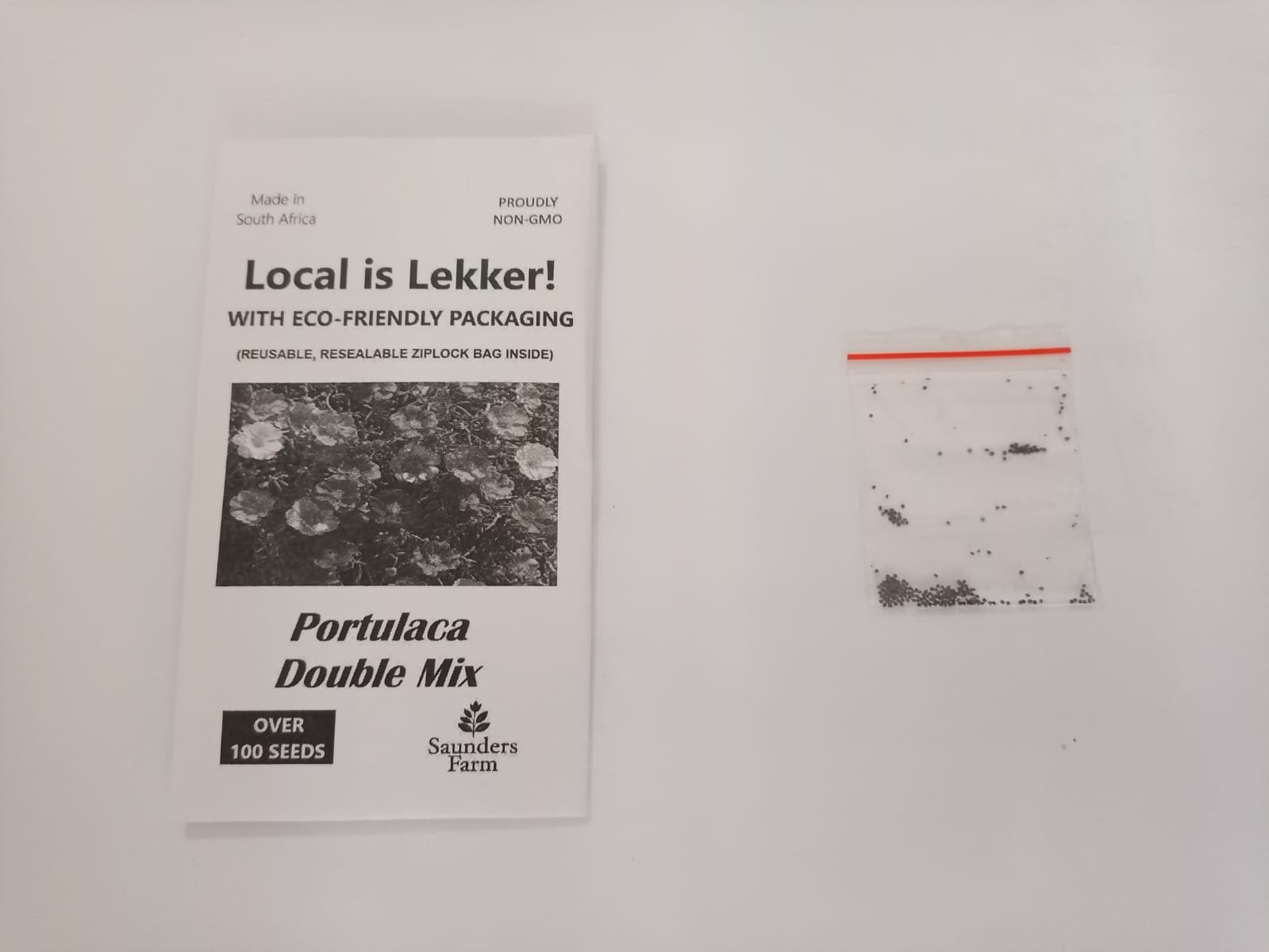
Portulaca Double Mix – Over 100 Seeds

R15.00

Excluding shipping
  • Over 100 Portulaca (Grandiflora) Seeds
  • Join our WhatsApp Group to see when this product goes on special: https://chat.whatsapp.com/Ly1HQgXpYGXL2ffDGXUl4G
  • Proudly non-GMO
  • ECO-FRIENDLY: Biodegradable packaging with resealable, reusable plastic Ziplock bag inside
  • Made in South Africa, for South Africa

Availability: 149 in stock

Guaranteed Safe Checkout

Portulaca Daydream Double Mix Seeds (Heirloom & Non-GMO) – Over 100 Seeds

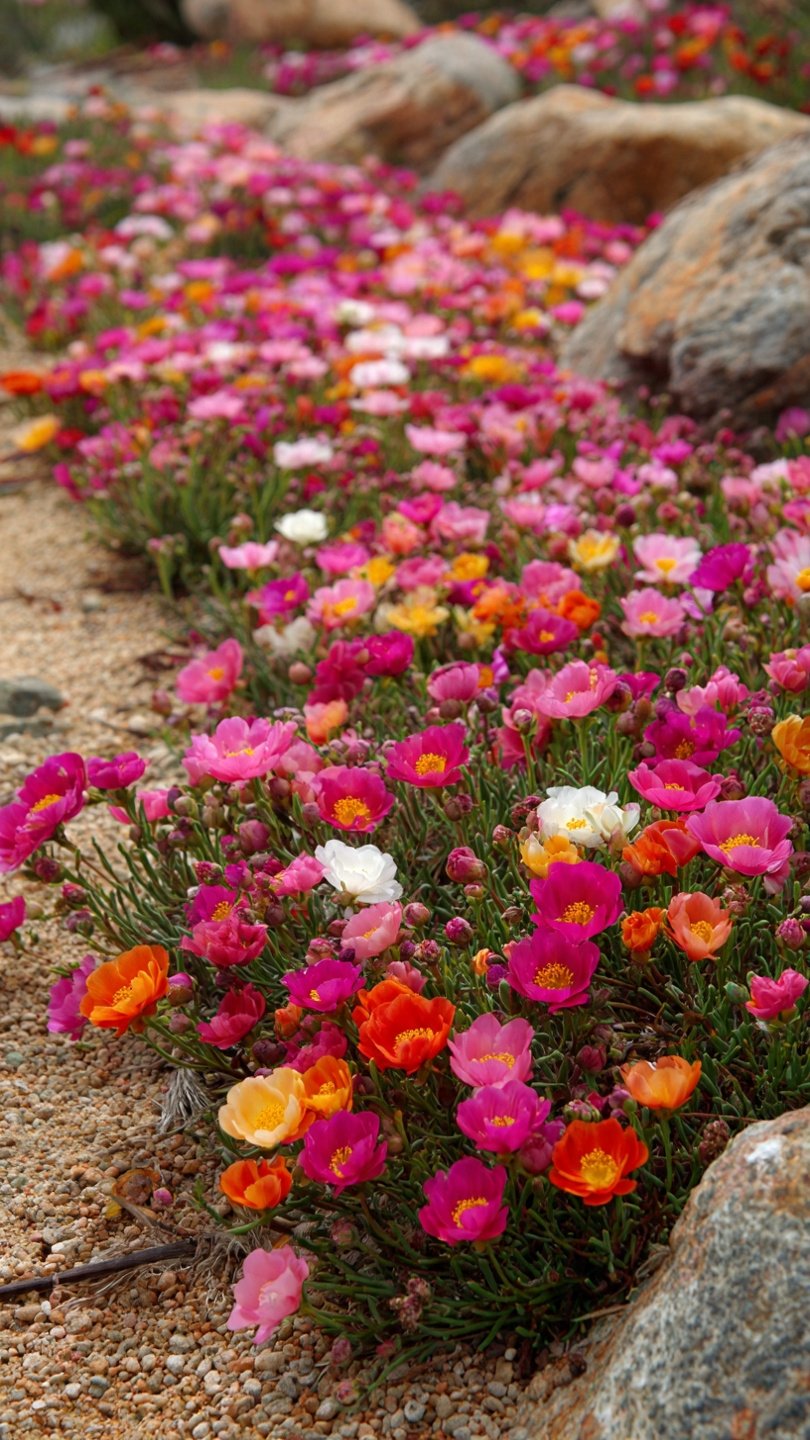
Bring an explosion of vibrant, carefree color to your garden with our premium Portulaca Daydream Double Mix seeds (Portulaca grandiflora).

Affectionately known in South Africa as the “Moss Rose” or “Vygie” lookalike, this spectacular annual groundcover is a sun-loving champion.

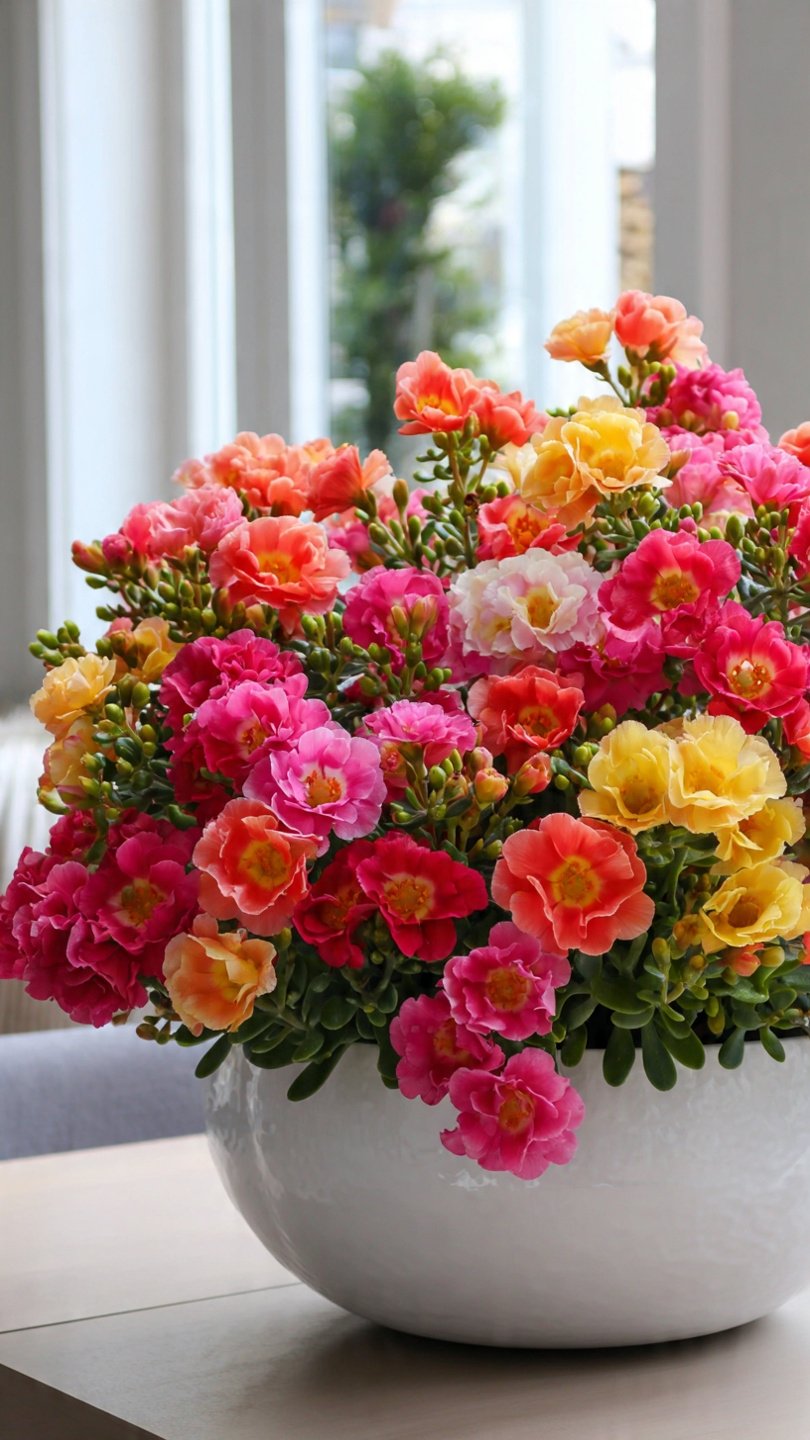
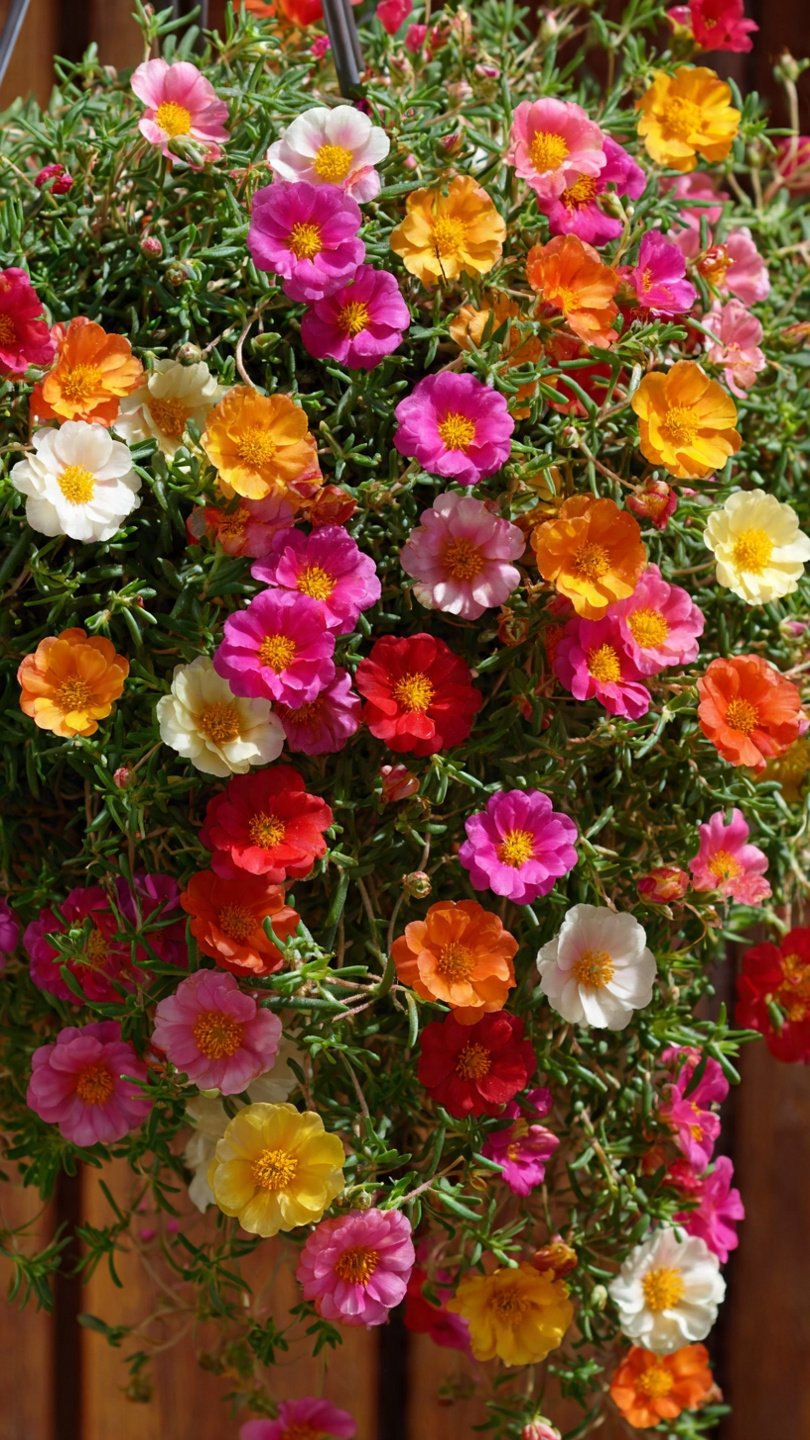
The Daydream Double Mix treats you to a stunning carpet of fully double, ruffled blooms that resemble miniature roses in brilliant shades of pink, red, yellow, orange, and white.

Our heirloom, non-GMO Portulaca seeds are perfectly adapted to the intense South African sun.

They deliver an incredibly high success rate, whether you are planting them along hot garden borders, rockeries, retaining walls, or hanging baskets.

Why Choose Our Portulaca Daydream Double Mix Seeds?

  1. Drought-Defying Performance: Portulaca is a succulent-like plant that hoards water in its fleshy leaves, making it a highly water-wise choice for water-restricted areas.
  2. Heirloom & Non-GMO: 100% pure, open-pollinated seeds containing no genetic modifications—just natural, resilient beauty.
  3. Over 100 Seeds Per Pack: Every packet is packed with over 100 seeds, giving you more than enough to establish a dense, flowering groundcover.
  4. Thrives in Poor Soil: These tough little plants actually prefer sandy, gravelly, or nutrient-poor soil where other flowers struggle to survive.
  5. All-Day Pollinator Magnet: Watch your garden come alive as bees and butterflies flock to the double blooms all through the warm summer months.

Quick Growing Guide for South Africa

  • Sowing Season: Spring to Summer (September to January) once all danger of frost has passed and soil temperatures warm up.
  • Position: Absolute full sun. The flowers physically close up on cloudy days and open wide to greet the sun.
  • Soil: Sandy, sharply draining soil is essential. Avoid heavy clay or waterlogged areas.
  • Sowing Depth: Portulaca seeds are tiny and require light to germinate. Press them gently onto the damp soil surface; do not cover them with soil.
  • Germination: 7 to 14 days under warm, bright conditions.
  • Care Tip: Once established, water very sparingly. Let the soil dry out completely between waterings to encourage maximum blooming.

Product Specifications

Seed Count: Over 100 seeds per pack

Variety: Portulaca Grandiflora (Daydream Double Mix)

Common Name: Moss Rose / Sun Rose

Plant Type: Drought-Tolerant Summer Annual

Planting Type: Open-pollinated heirloom
logo simple

Stop Killing Your Seeds!

5 Germination Mistakes Gardeners Must Stop Immediately

Get this free guide (5 minute read) and The Printable Monthly Growing Guide for South Africa (also free), via email:

We don’t spam! Read our privacy policy for more info.

Reviews

There are no reviews yet.

Be the first to review “Portulaca Double Mix – Over 100 Seeds”

Your email address will not be published. Required fields are marked *

How to Grow Portulaca From Seed

How to Grow Portulaca from Seed: The Complete South African Guide

Portulaca (Portulaca grandiflora), fondly known across South Africa as the Moss Rose or Sun Rose, is one of the toughest and most rewarding summer annuals you can grow.

With their succulent-like leaves and brilliant, rose-like double blooms, these plants create a vibrant carpet of colour in the hottest spots of the garden.

Growing portulaca from seed is highly economical and surprisingly easy, provided you follow a few critical rules regarding light and water.

This step-by-step guide will help you achieve a flawless germination rate.

Quick Growing Facts

  • Sowing Time: Spring and summer (September to January)
  • Germination Time: 7 to 14 days
  • Sunlight Requirements: Absolute full sun (minimum 6 to 8 hours of direct sunlight)
  • Soil Preference: Sandy, gravelly, sharply draining soil
  • Time to Flower: 60 to 70 days from sowing

Step-by-Step Seed Sowing Guide

Portulaca seeds are microscopic and require high soil temperatures and direct light to wake up.

For the absolute best results, starting them in seed trays indoors or on a warm patio gives you far more control than sowing them straight into the ground.

Step 1: Prepare the Ideal Soil Mix

Portulaca seedlings will rot instantly in heavy, moisture-retaining soil.

Use a lightweight seed-starting mix blended with an equal part of coarse river sand or perlite.

Fill your seed trays or small pots and mist the soil thoroughly with a spray bottle so it is evenly damp.

Step 2: Sow the Tiny Seeds

Because the seeds are tiny, sprinkle them thinly over the surface of the damp soil.

The Golden Rule: Do not cover portulaca seeds with soil. They require direct light to trigger germination.

Use your fingers or a flat board to press the seeds very gently into the soil surface so they make secure contact, but remain completely uncovered.

Step 3: Provide Warmth and Light

Cover the tray with a clear plastic dome or a sheet of cling wrap to trap high humidity.

Place the tray in a consistently warm spot (ideally between 21°C and 26°C) that receives bright light.

A sunny windowsill or a warm garden greenhouse is perfect.Mist the soil gently whenever the surface begins to look dry.

Never pour water directly onto the tray, as this will wash the microscopic seeds away.

Step 4: Thin the Seedlings

Remove the plastic cover immediately once the first tiny green sprouts appear.

When the seedlings develop their first set of true, fleshy leaves, thin them out by clipping away the weaker sprouts. Leave the strongest plants spaced about 5 cm apart.

Transplanting and Planting Out

Once all danger of late spring frost has completely passed and your seedlings are roughly 5 cm tall, they are ready to brave the garden.

Hardening Off

Move your seed trays outdoors into a sheltered, semi-shaded spot for a few hours a day.

Gradually increase their exposure to full sun over 7 to 10 days to prevent the young leaves from scorching.

Selecting the Perfect Spot

Sunlight: Pick the hottest, sunniest, most baked spot in your garden. Portulaca flowers physically close up on cloudy days or in the shade, so full sun is mandatory.

Location: They are perfect for rockeries, dry banks, retaining walls, gaps in paving stones, or cascading over the edges of hanging baskets.

Spacing: Plant your seedlings 15 cm to 20 cm apart. They will quickly spread horizontally to knit together into a dense, flowering groundcover.

Ongoing Care: The Art of Neglect

Portulaca thrives on a bit of tough love. Over-caring for these plants is the fastest way to damage them.

Watering: Once established, portulaca is exceptionally drought-tolerant. Only water deeply when the soil is bone dry. If the weather is overcast or rainy, skip watering entirely.

Feeding: Portulaca prefers nutrient-poor soil. Do not use heavy organic manures or high-nitrogen fertilisers, which trigger excess leaf growth at the expense of flowers.

A single application of a balanced, diluted liquid fertiliser in mid-summer is more than enough.

Deadheading: The plants are self-cleaning, meaning the spent flowers drop off naturally. You do not need to spend time deadheading them to keep the blooms coming all summer long.

Portulaca Medicinal / Nutritional Uses

Portulaca Medicinal and Nutritional Uses: A Guide to the Powerful Moss Rose

Portulaca (Portulaca grandiflora), widely loved in South Africa as the vibrant Moss Rose, is famous for its ability to blanket hot, dry garden spaces with brilliant colour.

However, many gardeners are surprised to learn that the Portulaca family also carries a rich history of traditional medicinal uses and surprising nutritional properties.

While its close relative, Portulaca oleracea (common purslane), is the primary culinary variety, Portulaca grandiflora contains similar active plant compounds that have been utilized in traditional wellness practices for centuries.

This guide provides an informative overview of the nutritional attributes and historical medicinal uses of this resilient plant.

Nutritional Profile of Portulaca

Like most plants in the succulent family, portulaca leaves and stems are highly efficient at storing nutrients alongside water.

The plant contains a variety of essential elements that support overall health:

Antioxidants: Rich in natural pigments like betalains, which give the flowers their brilliant pink and red hues, helping to neutralise free radicals in the body.

Vitamin C: Contains ascorbic acid, which plays an essential role in supporting a healthy immune system and promoting skin health.

Vitamin A: Provides beta-carotene, a vital nutrient for maintaining sharp vision and healthy cellular function.

Essential Minerals: Contains trace amounts of potassium, magnesium, and calcium within its fleshy, water-storing leaves.

Traditional Medicinal Uses

In various traditional medicine systems—particularly in South American and Asian folk medicine—Portulaca grandiflora has been used to address a variety of everyday ailments.

1. Soothing Skin Irritations

Historically, the most common topical use of the moss rose mimics that of Aloe Vera.

The thick, mucilaginous juice extracted by crushing the fresh leaves has been applied directly to the skin to soothe minor burns, insect bites, sunburns, and localized eczema.

Its cooling properties help reduce immediate redness and swelling.

2. Anti-Inflammatory Support

Traditional extracts made from the aerial parts of the plant (leaves and stems) have been utilized to help lower internal inflammation.

The plant contains natural flavonoids and phenolic compounds that help suppress inflammatory pathways in the body.

3. Traditional Detoxification and Liver Support

In Chinese traditional medicine, the plant is known as Ban Zhi Lian or related variants and has been used in herbal mixtures to help clear toxins from the body.

It was traditionally brewed into tonics to support liver function and to assist in clearing mild internal heat and infections.

4. Natural Pain Alleviation

In certain cultural practices, boiled leaf poultices were applied to sore joints or bruised muscles.

The natural compounds within the plant are believed to act as mild, localized analgesics, helping to dull throbbing muscular discomfort.

Cultural Culinary Notes

While Portulaca grandiflora is predominantly grown as an ornamental flower today, its leaves are technically edible and possess a slightly sour, salty flavor profile.

However, if you are looking to cultivate portulaca strictly as a leafy green vegetable for salads and stir-fries, you should ideally look for its sibling variety, Common Purslane (Portulaca oleracea), which features broader leaves and is universally recognized as a nutritional superfood due to its exceptionally high levels of Omega-3 fatty acids.

Disclaimer

This guide is for educational purposes only. You should never ingest ornamental plants from the garden if they have been treated with chemical pesticides, and you should always consult a medical professional or qualified herbalist before using any plant for therapeutic purposes.

Portulaca Growing Guide

Portulaca Growing Guide: The Complete South African Guide

Portulaca (Portulaca grandiflora), warmly known across South Africa as the Moss Rose or Sun Rose, is a brilliant, low-growing annual that delivers a spectacular explosion of summer colour.

It is famously water-wise, heat-tolerant, and practically thrives on neglect. If you have a baking-hot spot in your garden where other flowers simply scorch and wither, portulaca is the ultimate solution.

This comprehensive guide covers everything you need to know to successfully plant, grow, and maintain a beautiful, flowering carpet of portulaca at home.

Quick Plant Facts

  • Botanical Name: Portulaca grandiflora
  • Common Names: Moss Rose, Sun Rose, Vygie lookalike
  • Plant Type: Summer annual succulent groundcover
  • Sun Exposure: Absolute full sun (6 to 8 hours of intense direct sunlight)
  • Soil Type: Sandy, gravelly, sharply draining soil
  • Time to Flower: 60 to 70 days from seed

Sowing and Planting

Portulaca is native to hot regions, meaning it absolutely loves the intense South African summer heat.

Sowing Windows

Spring to Mid-Summer (September to January): Plant once all danger of frost has completely passed and soil temperatures have warmed up thoroughly. Sowing too early in cold soil will delay growth or cause the seeds to rot.

How to Start Seeds

Prepare the soil mix: Fill seed trays or pots with a very loose, free-draining seed-starting mix. Blend in coarse river sand or perlite to maximize drainage.

Sow on the surface: Scatter the tiny seeds thinly across the damp soil surface.

Do not bury the seeds: Portulaca seeds are microscopic and require direct light to trigger germination.

Press them very gently onto the surface so they make contact with the soil, but leave them completely uncovered.

Water with a mist bottle: Spray the surface gently. Never pour water directly onto the tray, as this will wash away or bury the tiny seeds.

Germination: When kept in a warm, bright spot (21°C to 26°C), sprouts will appear within 7 to 14 days.

Container and Hanging Basket Growing

Because portulaca has a shallow, fibrous root system and a beautiful cascading growth habit, it looks spectacular in containers.

Use shallow pots or hanging baskets with plenty of drainage holes.

Plant them in a high-quality potting soil mixed with equal parts grit or coarse sand.

Ongoing Care and Maintenance

The number one mistake gardeners make with portulaca is overwatering or overfeeding.

This plant thrives when treated with a bit of tough love.

Sunlight

Place your portulaca in the brightest, most sun-baked spot available. The flowers physically open up wide in response to direct morning sunlight and close up tightly on cloudy days, during rainy weather, or at dusk.

Watering

Fleshy leaves: Portulaca hoards water in its succulent-like leaves and stems.

Frequency: Once established, water deeply only when the soil has dried out completely. If the weather is overcast or humid, do not water at all.

Persistent overwatering will quickly lead to root rot and kill the plant.

Soil and Feeding

Poor soil preference: Portulaca genuinely prefers nutrient-poor, sandy, or stony soils.

Avoid heavy fertilisers: High-nitrogen fertilisers will force the plant to produce lush green leaves instead of flowers. A single, weak application of a balanced liquid fertiliser in mid-summer is all it ever needs.

Pruning and Pinching out

Pinching: Pinching off the growing tips of young stems when they are about 10 cm long encourages the plant to branch out, resulting in a much bushier plant with double the amount of flower buds.

Self-cleaning: You do not need to spend time deadheading faded blooms. Portulaca is self-cleaning, meaning the spent flowers drop off naturally to make room for fresh ones.

Managing Common Issues

Leggy Growth

If your portulaca looks thin, stretched, and has very few flowers, it is not getting enough light.

Move the plant or clear away overhanging foliage to expose it to absolute full sun.

Stem and Root Rot

If the stems turn mushy, black, or collapse at the base, the soil is holding far too much water.

Cut back your watering schedule immediately and ensure the plant is growing in a sandy, sharply draining mix.

Portulaca Other Names

Portulaca: Names, Varieties, and Regional Dialects

Portulaca (Portulaca grandiflora) is a beloved, sun-loving annual famous for painting dry, rocky garden spaces with brilliant jewel-toned colours.

Because this plant has migrated across the globe and integrated into many different cultures, it has collected a wide variety of charming common names, nicknames, and regional identifiers.

This guide clears up the confusion for you and helps you identify portulaca across different gardening conversations and international recipe or landscaping books.

The Most Common Names

1. Moss Rose / Moss-Rose Rose

Where it is used: Global standard English (South Africa, United Kingdom, USA, Australia).

The Context: This is the most popular universal nickname for Portulaca grandiflora. The name comes from the plant’s low-growing, mat-forming growth habit—which looks like a plush carpet of green moss—combined with its ruffled blooms that look remarkably like miniature roses.

2. Sun Rose / Rock Rose

Where it is used: South Africa, United Kingdom, and parts of Europe.

The Context: It earned the name “Sun Rose” because of its fascinating biological behavior: the flowers require direct, intense heat and sunlight to physically open.

They close tightly at night, on heavily overcast days, or when planted in shady spots.

3. Vygie Lookalike (Local South African Context)

Where it is used: South Africa.

The Context: While true Vygies belong to a completely different plant family (Aizoaceae), many local South African gardeners informally refer to Portulaca as a summer-flowering vygie lookalike.

This is due to its fleshy, succulent-like leaves and its ability to cover dry, baked banks in an identical carpet of electric color.

4. Eleven O’Clock / Time Flower

Where it is used: Parts of the Caribbean, Asia, and local regional dialects.

The Context: In many warm climates, the flowers consistently open at a specific time in the late morning once the sun hits its peak warmth.

This punctual blooming routine led to the colloquial names “Eleven O’Clock,” “Ten O’Clock Flower,” or “Office Hour Flower.”

5. Verdolaga / Ma-Chi-Xian (Botanical & Culinary Context)

Where it is used: Latin America (Verdolaga) and China (Ma-Chi-Xian).

The Context: These names generally refer to the broader Portulaca family. In Spanish and Chinese traditional cultures, these terms are heavily tied to the wild, leafy green vegetable strains rather than the strictly ornamental flower varieties.

Portulaca grandiflora vs. Portulaca oleracea

Shoppers frequently mix up the different members of the portulaca family. Differentiating between these two distinct species will prevent confusion:

Moss Rose (Portulaca grandiflora)

Key Characteristics: Grown strictly for its stunning ornamental beauty. It features narrow, needle-like succulent leaves and large, ruffled, double or single flowers in shades of pink, yellow, red, orange, and white.

Common Purslane (Portulaca oleracea)

Key Characteristics: Grown primarily as a highly nutritious, edible leafy vegetable or treated as a common garden weed.

It features flat, paddle-shaped leaves, thick reddish stems, and very tiny, inconspicuous yellow flowers that lack the showy appeal of the Moss Rose.

Where Does the Name “Portulaca” Come From?

The botanical name Portulaca is derived from the Latin word potula, meaning “little gate” or “door.”

This refers directly to the unique lid-like opening on the plant’s tiny seed capsules, which bursts open like a small trapdoor to scatter its microscopic seeds when they are fully ripe.

Shopping Basket
0
    0
    Your Cart
    Your cart is emptyReturn to Shop
    Scroll to Top