You must have an order with a minimum of 20 pcs to place your order, your current order total is 3 pcs.
,

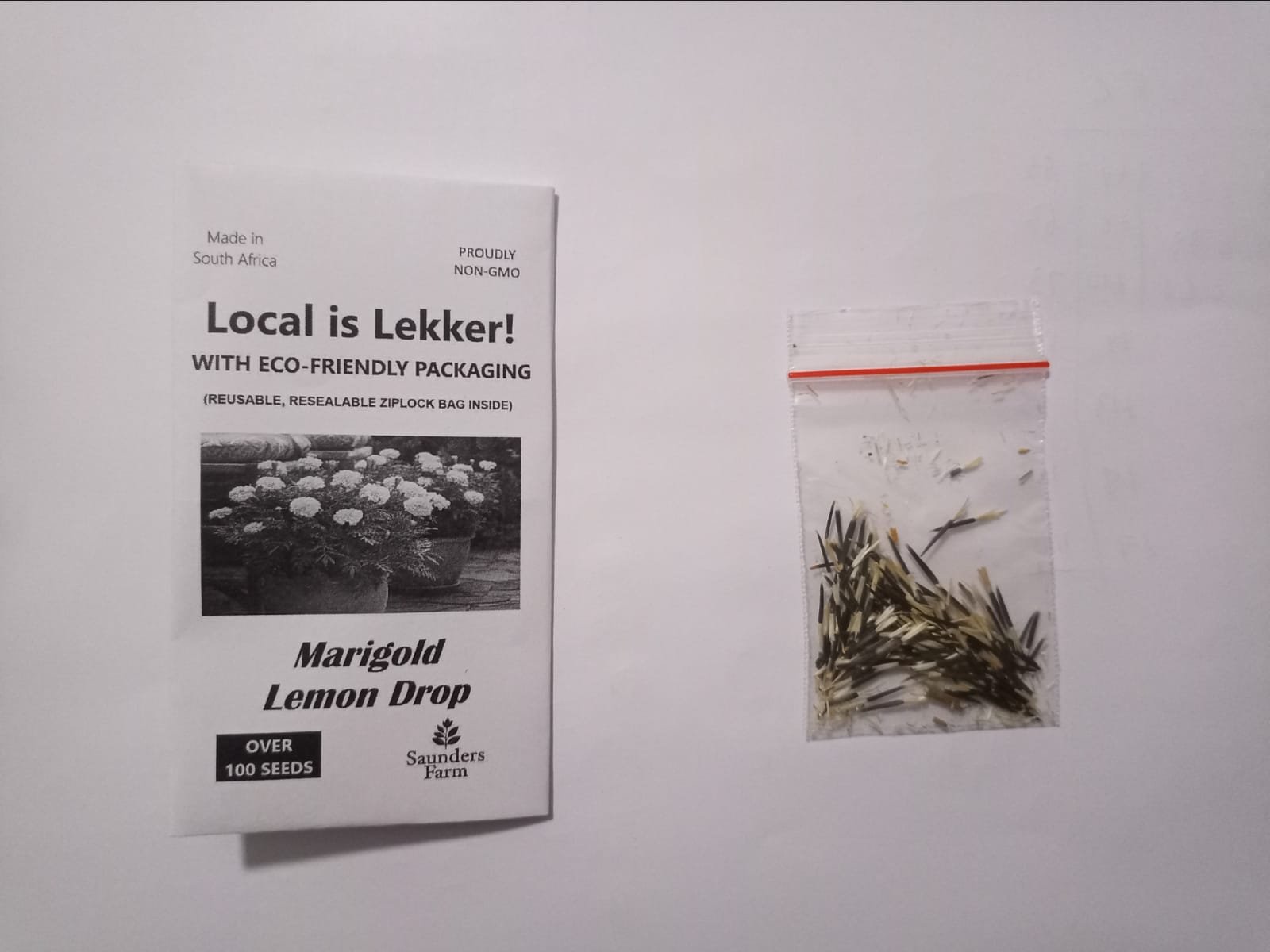
Marigold Lemon Drop – Over 100 Seeds

R15.00

Excluding shipping
  • Over 100 Mixed Giant Marigold (Crackerjack) Seeds
  • Join our WhatsApp Group to see when this product goes on special: https://chat.whatsapp.com/Ly1HQgXpYGXL2ffDGXUl4G
  • Proudly non-GMO
  • ECO-FRIENDLY: Biodegradable packaging with resealable, reusable plastic Ziplock bag inside
  • Made in South Africa, for South Africa

Availability: 94 in stock

Guaranteed Safe Checkout

Marigold Lemon Drop Seeds (100+ Seeds) | Heirloom & Non-GMO

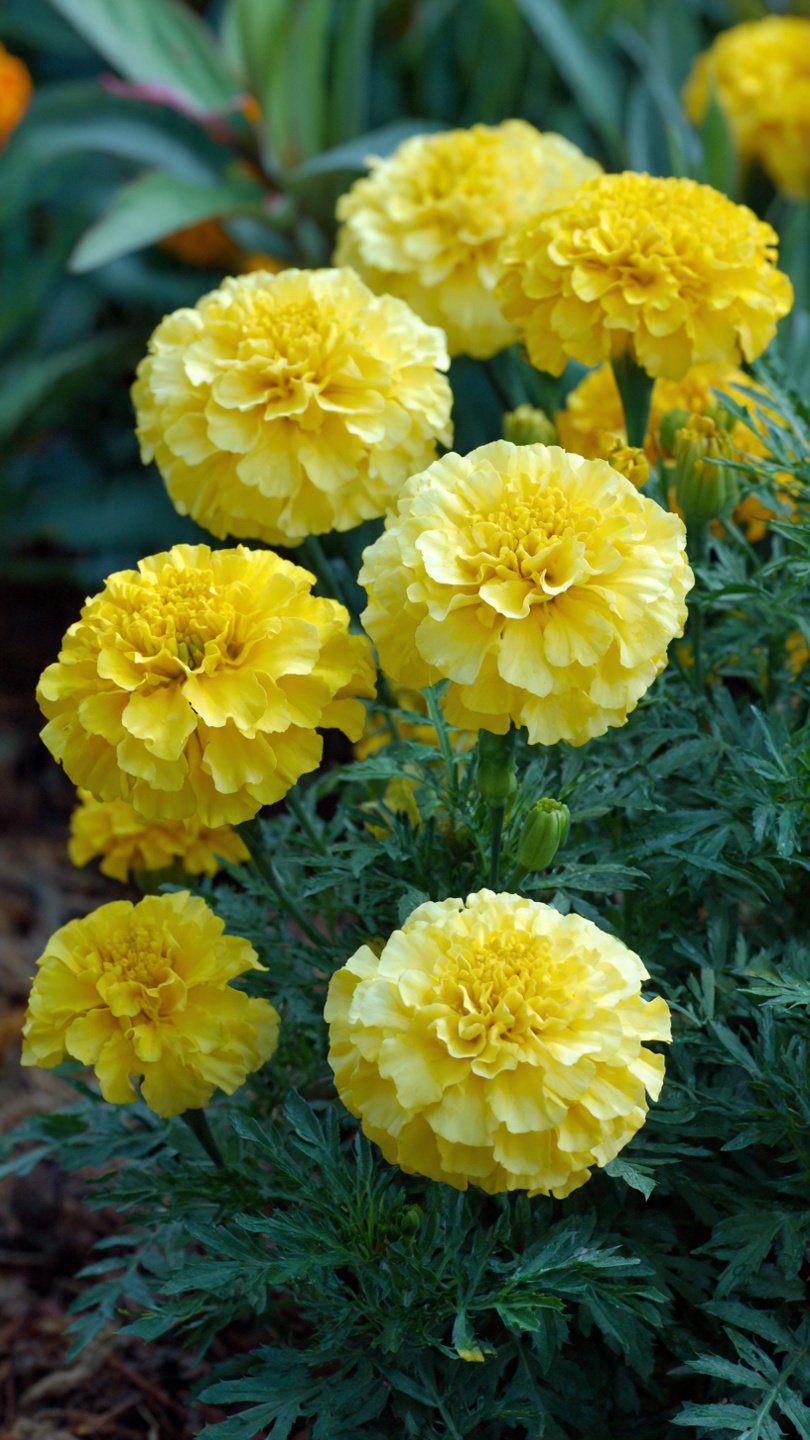
Brighten your garden borders with the cheerful, sun-kissed color of our Marigold Lemon Drop seeds. This premium variety produces compact, bushy plants blanketed in canary-yellow, double-crested blooms.

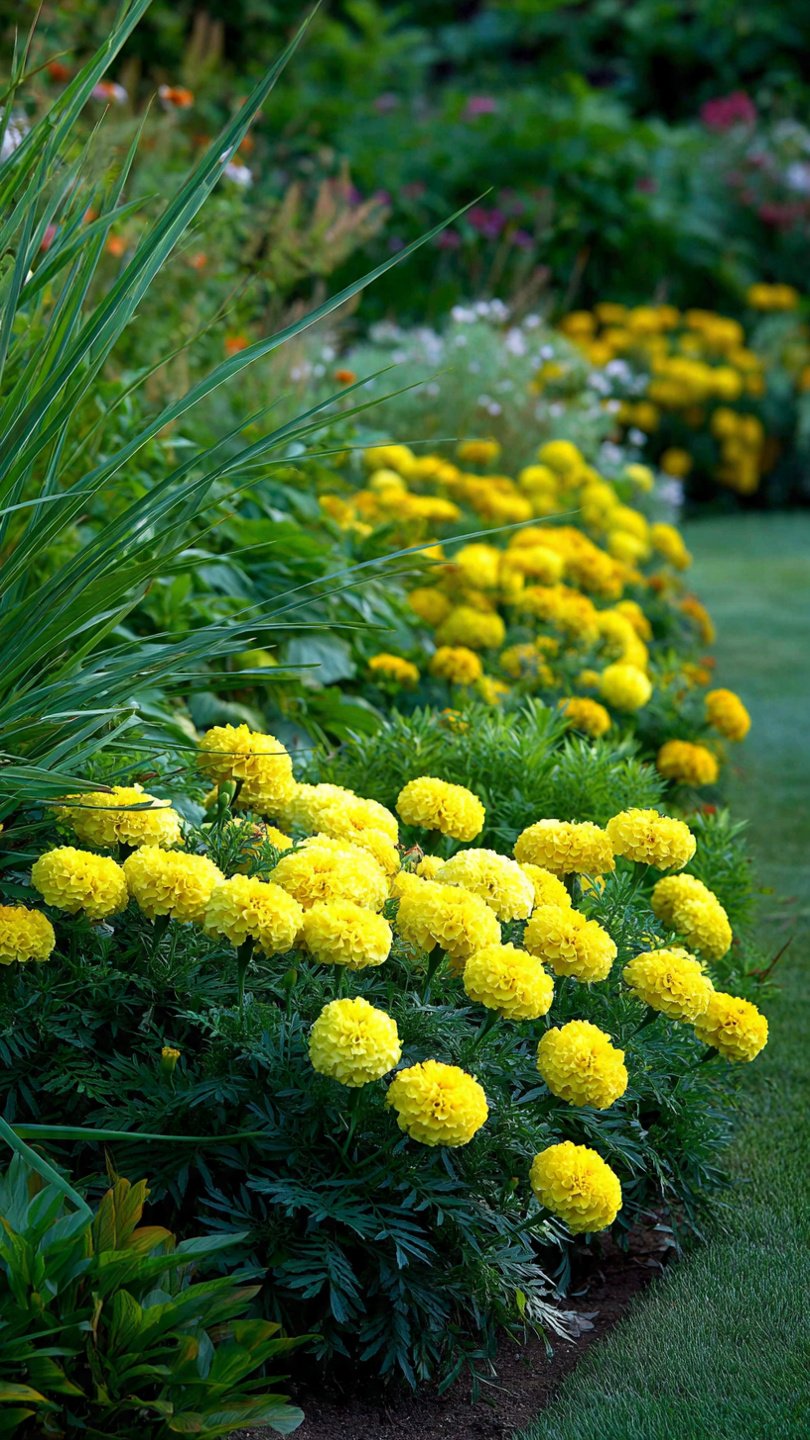
Growing to a tidy height of just 20cm to 30cm, this French marigold is the ultimate choice for South African gardeners looking to line pathways, fill containers, or add a splash of color to small garden spaces.

Our heirloom, non-GMO seeds are highly resilient, drought-tolerant, and exceptionally well-suited to thrive in sunny South African climates.

Why Choose Marigold Lemon Drop?

  1. Compact Variety: Tidy, dwarf growth habit perfect for pots and borders.
  2. Prolific Blooms: Continuous display of bright, lemon-yellow double flowers.
  3. Bulk Quantity: Over 100 premium, high-germination seeds in every pack.
  4. 100% Pure: Certified heirloom and completely non-GMO variety.
  5. Organic Pest Control: Highly effective companion plant for veggie patches.
  6. Heat Resistant: Thrives effortlessly in harsh South African summer heat.

South African Planting & Care Guide

Best Planting Time: Sow from early spring through to autumn.

Sunlight Requirements: Full sun ensures maximum, dense flowering.

Soil Preference: Grows well in poor soil, provided it is well-drained.

Sowing Depth: Plant seeds 5mm deep in trays or directly into beds.

Spacing: Space seedlings 15cm to 20cm apart for a dense border effect.

Watering: Low to moderate watering once established.

logo simple

Stop Killing Your Seeds!

5 Germination Mistakes Gardeners Must Stop Immediately

Get this free guide (5 minute read) and The Printable Monthly Growing Guide for South Africa (also free), via email:

We don’t spam! Read our privacy policy for more info.

Reviews

There are no reviews yet.

Be the first to review “Marigold Lemon Drop – Over 100 Seeds”

Your email address will not be published. Required fields are marked *

How to Grow Marigold From Seed

How to Grow Lemon Drop Marigolds From Seed: The Complete South African Guide

Growing compact marigolds from seed is one of the quickest, most rewarding ways to bring bright color and natural pest protection to small garden spaces.

If you want neat, low-growing borders or stunning potted displays, our Lemon Drop Marigold Seeds are the perfect choice.

This heirloom French marigold variety produces tidy, bushy plants covered in cheerful, canary-yellow, double-crested blooms.

This step-by-step guide will show you exactly how to plant, germinate, and care for your Lemon Drop seeds to ensure a dense carpet of vibrant sunny color.

Quick Overview: Lemon Drop Planting Profile

Best Planting Time: Early spring to late autumn (September to March)

Sunlight Requirements: Full sun (at least 6 hours of direct sunlight daily)

Germination Time: 5 to 10 days

Time to Flower: 8 to 10 weeks from sowing

Mature Plant Height: 20cm to 30cm tall

Sowing Depth: 5mm deep

Step-by-Step: Sowing Your Lemon Drop Marigold Seeds

Because Lemon Drop Marigolds are a dwarf variety, they are exceptionally versatile. They handle small pots, window boxes, and tight garden borders beautifully.

You can sow these seeds either in seedling trays or directly into their final growing positions.

Option 1: Starting Seeds in Seedling Trays or Pots (Recommended)

Starting your seeds in trays gives you maximum control over moisture and protects fragile young sprouts from harsh weather and garden pests.

Prepare the Trays: Fill seedling trays or small starter pots with a high-quality, fine seed-starter potting mix. Mist the soil thoroughly until damp but not muddy.

Sow the Seeds: Place 1 or 2 marigold seeds into each tray cell. Gently cover them with a thin 5mm layer of soil. Marigold seeds need darkness to trigger germination.

Moisten Gently: Use a spray bottle to mist the surface lightly. Avoid heavy pouring, which can wash the shallow seeds away.

Provide Warmth: Place the tray in a warm, bright spot outdoors or on a sunny windowsill.

Thin Your Seedlings: Once the seedlings sprout and display their first set of jagged “true leaves”, snip the weaker seedling at soil level. Leave one strong plant per cell to develop a robust root system.

Option 2: Sowing Directly Into the Garden or Final Containers

Lemon Drop seeds sprout rapidly when sown directly into warm soil after all risk of winter frost has passed.

Prepare the Spot: Choose a sunny border, pathway edge, or outdoor container. Clear away any weeds, large stones, and clumps.

Plant and Space: Sow your seeds 5mm deep.

Crucial Step: Because Lemon Drop marigolds have a neat, compact growth habit, space your planting holes 15cm to 20cm apart. This closer spacing creates a beautiful, solid hedge of dense yellow flowers once mature.

Water In: Water the bed or container gently using a fine-spray garden hose nozzle. Keep the soil surface consistently moist until sprouts break through.

Caring for Your Compact Lemon Drop Marigolds

Once established, Lemon Drop marigolds are incredibly tough, resilient, and drought-tolerant. Follow these simple maintenance rules to support continuous blooming:

Container Care: If growing in pots or window boxes, ensure the containers have good drainage holes. Potted marigolds dry out faster than garden beds, so check the soil frequently and water whenever the top 2cm of soil feels dry.

Watering Ground Plants: Water deeply at the base of the plant once or twice a week during hot dry spells. Avoid overhead sprinklers. Wetting the dense, double flower heads traps moisture, which triggers blossom rot and powdery mildew.

Feeding: Do not over-fertilize. High-nitrogen fertilizers cause lush green bushes with zero flowers. A light layer of organic compost mixed into the soil at planting time is all they need.

Deadheading for Endless Blooms: Lemon Drop marigolds will bloom continuously until winter frost if you remove old flowers. As soon as a cheerful yellow blossom begins to fade, pinch or snip the stem off cleanly just above the next set of leaves. This forces the plant to immediately redirect its energy into opening up fresh buds.

Local Gardeners’ Tip: The Ultimate Container Shield

Because Lemon Drop marigolds stay short and bushy, they make the perfect “living mulch” for your potted vegetables.

Plant them directly into the same containers as your potted patio tomatoes, chili bushes, or bush beans.

The pungent aroma of Lemon Drop foliage acts as an organic shield, driving away flying pests like aphids and whiteflies.

At the same time, their roots actively protect container soil from destructive root-knot nematodes, keeping your balcony or patio veggie harvest completely healthy and organic.

Marigold Medicinal / Nutritional Uses

Marigold Medicinal and Nutritional Uses: A Guide to the Lemon Drop Variety

Beyond their cheerful yellow color and exceptional ability to protect potted vegetables from pests, dwarf marigolds carry a long history of traditional wellness and culinary applications.

Our Lemon Drop Marigold Seeds produce a premium variety of French Marigolds belonging to the species Tagetes patula.

While European herbalism frequently highlights Calendula officinalis (Pot Marigold) for topical skin salves, Tagetes patula (French Marigold) stands out in modern studies and traditional practices for its rich essential oils, unique digestive benefits, and powerful antioxidant content.

This comprehensive guide explores how to safely harvest and utilize the compact, double-crested blossoms of your Lemon Drop harvest for health, wellness, and cooking.

⚠️ Vital Health & Safety Disclaimer

Botanical Identification: Ensure you are harvesting from true Tagetes patula (like our Lemon Drop Mix). These plants have highly aromatic foliage with a distinct, sharp, and slightly citrusy scent.

Allergy Warning: Individuals allergic to the Asteraceae daisy family (including ragweed, chrysanthemums, and daisies) should avoid skin contact, topical application, or consumption of marigold products.

Pregnancy Caution: Pregnant or breastfeeding individuals must strictly avoid the internal use of Tagetes extracts, oils, or teas, as certain compounds can stimulate uterine contractions.

Consult a Professional: This guide is for informational and educational purposes only. Always consult a qualified healthcare practitioner or medical professional before incorporating any new plant into your wellness routine.

Medicinal Uses of Tagetes Patula (French Marigolds)

The blossoms and leaves of the Lemon Drop variety are highly valued for their dense concentration of volatile essential oils (including marigold oil, tagetone, and ocimene) and therapeutic flavonoids.

1. Natural Digestive and Spasm Relief

In traditional medicine systems across Central America and Africa, mild herbal infusions made from French marigold leaves and petals are used to calm the gut.

Application: Used traditionally to help soothe painful stomach cramps, ease bloating, and relieve indigestion after heavy meals.

2. Powerful Antimicrobial and Fungal Defense

Modern research has shown that Tagetes patula possesses exceptionally strong antifungal and antibacterial properties, largely due to naturally occurring compounds called thiophenes in its roots and oil.

Topical Skin Wash: Infusing dried Lemon Drop petals into a cooled liquid wash helps cleanse minor skin abrasions.

Application: Used traditionally as a natural wash to soothe minor fungal skin irritations, calm itchy insect bites, or wash superficial scratches.

3. Respiratory Steam Inhalation

The pungent essential oils released by the Lemon Drop variety act as natural decongestants when steeped in hot water.

Application: Breather in the steam from boiling water infused with fresh flower heads to help break up stubborn mucus, clear nasal passages, and soothe throat irritation during cold seasons.

Nutritional Benefits: Cellular and Eye Protection

Don’t let their small size fool you—the bright, canary-yellow petals of the Lemon Drop variety are packed with vital nutrients that offer deep cellular defense.

1. High Lutein Content for Vision Support

The intense yellow coloration of the Lemon Drop bloom is caused by high levels of lutein, a potent carotenoid antioxidant.

Filtering Blue Light: Lutein naturally deposits in the human retina, where it acts as a shield against harmful blue light from digital screens and intense sun.

Oxidative Stress: Regular intake of dietary lutein helps neutralize free radicals, protecting eye tissues from long-term degeneration.

2. Vitamin C and Flavonoids

Fresh marigold petals contain trace amounts of Vitamin C and a diverse profile of flavonoids that support the body’s natural immune pathways and promote healthy skin cell repair.

Culinary Uses in the Kitchen

Because the Lemon Drop variety has a tighter, slightly sweeter, and more citrus-forward aroma than giant marigolds, it is a favorite choice for creative home chefs and bakers.

Zesty Summer Garnishes: Pluck the individual yellow petals away from the bitter green base and toss them into light summer salads, cold pasta salads, or over fruit platters for a stunning pop of color and a mild, peppery-citrus flavor.

Edible Cake Decorations: Use the whole, clean, compact flower heads to decorate birthday cakes, cupcakes, or platters. They add a professional, gourmet look to home-baked goods.

Marigold Infused Vinegar: Drop a handful of clean, dried Lemon Drop petals into white wine vinegar or apple cider vinegar. Let it sit in a dark cupboard for two weeks to create a vibrant, golden-hued salad dressing base with a subtle herbal tang.

Decorative Ice Cubes: Freeze individual clean petals or small whole flower buds inside ice cube trays to add a beautiful, festive touch to summer iced teas and cocktails.

How to Harvest and Store Your Lemon Drop Blooms

Because Lemon Drop flowers are highly compact and grow close to the ground, they can gather dirt or morning dew easily.

Follow these steps to harvest them cleanly:

Pick in the Sunshine: Harvest your flower heads on a dry, warm morning after the morning dew has fully dried. Choose fully opened, healthy blossoms.

Discard the Bitter Parts: Shake the blooms gently to remove any hidden garden insects. If using them for cooking or teas, pull the yellow petals out of the green base cup (the green cup is bitter and should not be eaten).

Dry Gently: Spread the petals or small whole heads out in a single layer on a mesh screen or paper towel. Keep them in a warm, dry room completely away from direct sunlight to preserve their bright color and essential oils.

Storage: Once the petals are completely crisp and brittle to the touch (usually 5 to 7 days), place them into an airtight glass jar. Store the jar in a dark cupboard to keep them potent for up to a full year.


Marigold Growing Guide

Marigold Growing Guide: How to Care for Your Lemon Drop Variety

Marigolds are legendary for being tough, but when growing a compact dwarf variety like our Lemon Drop Marigold Seeds, tailored care helps them truly shine.

This heirloom variety produces magnificent French Marigolds (Tagetes patula) that reach a neat height of just 20cm to 30cm and carry dense, canary-yellow, double-crested blooms.

Because these plants stay short and bushy, they are the absolute best choice for container gardening, window boxes, and low garden borders.

This comprehensive growing guide covers everything you need to know to ensure your Lemon Drop marigolds thrive in your South African garden or patio.

Environmental Requirements for Lemon Drop Marigolds

To support their continuous blooming and tight, bushy shape, ensure your planting location meets these three environmental conditions:

Full Sun: Lemon Drop marigolds require at least 6 to 8 hours of direct, unfiltered sunlight daily. If you plant them in the shade, they will stretch out, become leggy, and produce very few yellow flowers.

Extreme Heat Tolerance: These plants absolutely love intense South African summer heat. Once their root systems establish, they are highly drought-resistant, making them perfect for hot brick pathways and sunny balconies.

Wind Resistance: Unlike tall varieties that snap easily, the low profile of the Lemon Drop variety makes it naturally wind-resistant. They easily withstand harsh Highveld afternoon thunderstorms and strong coastal winds without needing any stakes or supports.

Soil Preparation and Planting Depth

Lemon Drop marigolds adapt to average soils, but giving them a healthy, free-draining foundation ensures a dense carpet of blooms.

Prioritise Drainage: The biggest threat to French marigolds is waterlogged soil, which rots the roots. If you are planting in garden beds with heavy clay, thoroughly dig in coarse river sand and organic compost to loosen it up.

The Perfect Potting Mix: If planting in pots or window boxes, never use ordinary garden soil, which packs down too tightly. Use a premium, lightweight potting soil mix mixed with a handful of perlite to keep the root zone aerated.

Sowing Depth: Plant your seeds exactly 5mm deep. Covering them too deeply will prevent the sprouts from breaking through, while leaving them exposed makes them easy targets for birds.

The Border Spacing Rule: Space your plants 15cm to 20cm apart. Because Lemon Drop marigolds stay small, planting them closer together allows them to knit into a beautiful, solid hedge of seamless yellow color.

Watering and Fertilization Schedules

Balancing water and food is the secret to growing a neat, flower-packed border rather than a clump of dark green leaves.

How to Water

In Garden Beds: Water the base of the plants deeply once or twice a week during dry spells. Avoid overhead sprinklers; wetting the dense, double flower heads traps moisture inside the blossom, causing them to rot.

In Pots and Containers: Potted plants dry out much faster than garden beds. Check your pots every day during mid-summer. Insert your finger 2cm into the soil; if it feels dry, water the pot thoroughly until water runs out of the bottom drainage holes.

How to Fertilize

Avoid High Nitrogen: Never use high-nitrogen fertilizers (like standard lawn foods or chicken manure) on your marigolds. High nitrogen forces the plant to grow leaves instead of flowers.

Recommended Feeding: A light layer of organic compost dug into the soil before planting is usually all they need. For potted Lemon Drops, apply a single, diluted dose of a potassium-rich organic flower fertilizer (such as a liquid seaweed or kelp feed) mid-season to boost continuous bud production.

Managing Pests, Diseases, and Deadheading

Snails and Slugs: Because Lemon Drop marigolds grow low to the ground, tender young seedlings are an easy snack for snails, especially after seasonal rains. Protect your young sprouts early using organic snail bait or copper tape around your containers.

Powdery Mildew: This presents as a white, powdery dusting on the leaves during humid, overcast summer periods. Prevent it entirely by spacing your plants correctly to maximize air circulation and watering strictly at ground level.

Deadheading for Non-Stop Blooms: To keep your Lemon Drop plants pumping out cheerful yellow flowers until the winter cold hits, you must “deadhead” them. As soon as a blossom begins to fade and turn brown, pinch or snip the stem off cleanly just above the next set of leaves. This tells the plant to immediately redirect its energy into opening up fresh, vibrant buds.

Marigold Other Names

Marigold Other Names: Understanding the Lemon Drop (French Marigolds)

When shopping for flower seeds online, botanical terminology can easily cause confusion.

Many South African gardeners search for “marigolds” without realizing the name covers completely different plant species.

Our Marigold Lemon Drop Seeds produce compact, busy plants belonging to the species Tagetes patula.

Understanding the different common names, historical terms, and botanical classifications for this specific variety will help you see why it is so unique and ensure you are planting the right flower for your small garden spaces.

This guide clarifies the common names, regional terms, and scientific classifications used for the Lemon Drop variety in South Africa and around the world.

The Core Classification: Tagetes vs. Calendula

The most frequent mix-up in gardening centers happens between True Marigolds (Tagetes) and Pot Marigolds (Calendula).

While both belong to the broad daisy family (Asteraceae), they are entirely different plants.The Lemon Drop is a true Tagetes patula.

Common Global Names for the Lemon Drop Variety

Depending on which gardening book, blog, or seed catalog you read, the Lemon Drop variety (Tagetes patula) may be referred to by several distinct common names:

1. French Marigolds

This is the most widespread common name for the Tagetes patula species.

Interestingly, these plants are not native to France at all—they originate in Mexico and Central America.

They earned the name “French Marigold” in the 16th century after being introduced to French gardens, where breeders heavily hybridized them to create the compact, double-flowered varieties we love today.

2. Dwarf Marigolds

Because Lemon Drop plants maintain a tidy, low-growing height of just 20cm to 30cm, they are universally categorized as “Dwarf Marigolds.”

This sets them apart from their giant cousins, the African Marigolds (Tagetes erecta), which can tower up to 90cm high.

3. Spreading Marigolds

In some older botanical texts, you may see them referred to as spreading marigolds.

This name describes their bushy, multi-branched growth habit, which allows a few closely spaced plants to weave together and blanket the ground in solid yellow color.

Local South African Context: The Khakibos Family

If you chat with local farmers or experienced gardeners across South Africa, you will definitely hear the name Khakibos (Khaki weed).

The Genetic Link: Khakibos (Tagetes minuta) is a direct, wild cousin of our ornamental Lemon Drop variety.

The Difference: While Lemon Drop marigolds are planted intentionally for their beautiful canary-yellow blooms and neat borders, wild Khakibos grows as a tall, rugged weed along South African roadsides and velds, sporting tiny, inconspicuous flowers and dull khaki-green foliage.

The Shared Power: Both wild Khakibos and your cultivated Lemon Drop marigolds share a highly pungent aroma that insects hate.

South Africans have used wild Khakibos for generations as a natural flea and tick repellent for pets.

Planting Lemon Drop seeds brings that exact same natural pest-repelling power into your garden containers and flower beds, but with the added bonus of beautiful, bright blossoms.

Cultural and Regional Names

The Tagetes patula species holds deep cultural significance worldwide, earning it unique names in different languages:

Cempasúchil Chiquito (Mexico): While giant marigolds are the main attraction during Mexico’s traditional Day of the Dead (Día de los Muertos) festivals, these smaller French marigolds are often called cempasúchil chiquito (little marigolds) or clemolito.

They are used alongside the larger blooms to delicately decorate smaller gravesites and household altars.

Genda (India): Like all true marigolds, the Lemon Drop variety is embraced across India. Because of its prolific blooming and bright yellow color, it is frequently harvested to make smaller, vibrant religious garlands and festival decorations.

Shopping Basket
3
    3
    Your Cart
    cape gooseberry over 100 seeds
    Cape Gooseberry - Over 100 Seeds
    Qty: 1
    Price: R15.00
    R15.00
    fennel over 100 seeds
    Fennel - Over 100 Seeds
    Qty: 1
    Price: R15.00
    R15.00
    Scroll to Top