
,

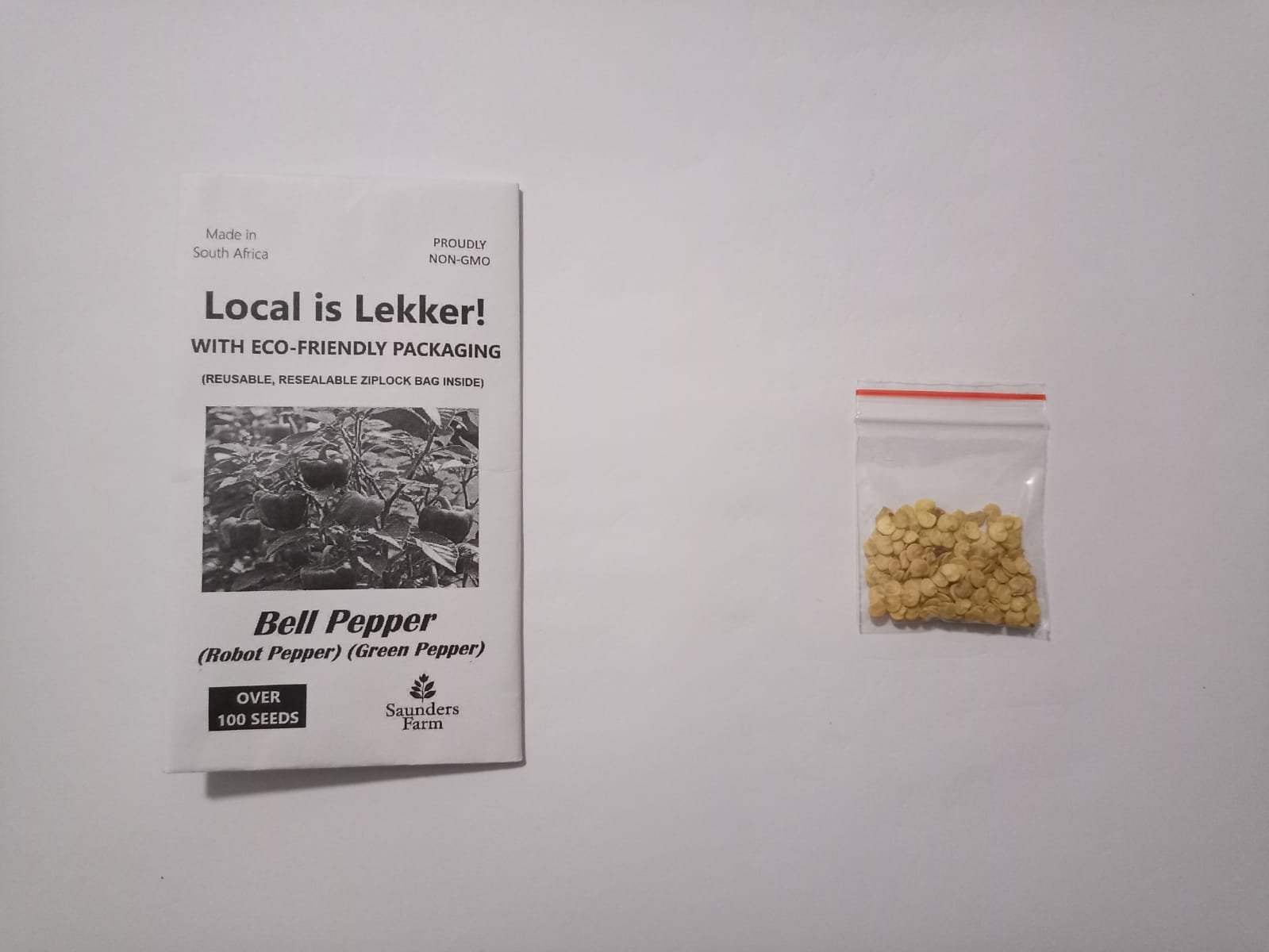
Bell Pepper (Robot Pepper) – Over 100 Seeds

R15.00

Excluding shipping
  • Over 100 Green Pepper (Capsicum California Wonder) Seeds
  • Join our WhatsApp Group to see when this product goes on special: https://chat.whatsapp.com/Ly1HQgXpYGXL2ffDGXUl4G
  • Proudly non-GMO
  • ECO-FRIENDLY: Biodegradable packaging with resealable, reusable plastic Ziplock bag inside
  • Made in South Africa, for South Africa
  • Comment below to sign up for new product alerts

Availability: 28 in stock

Guaranteed Safe Checkout

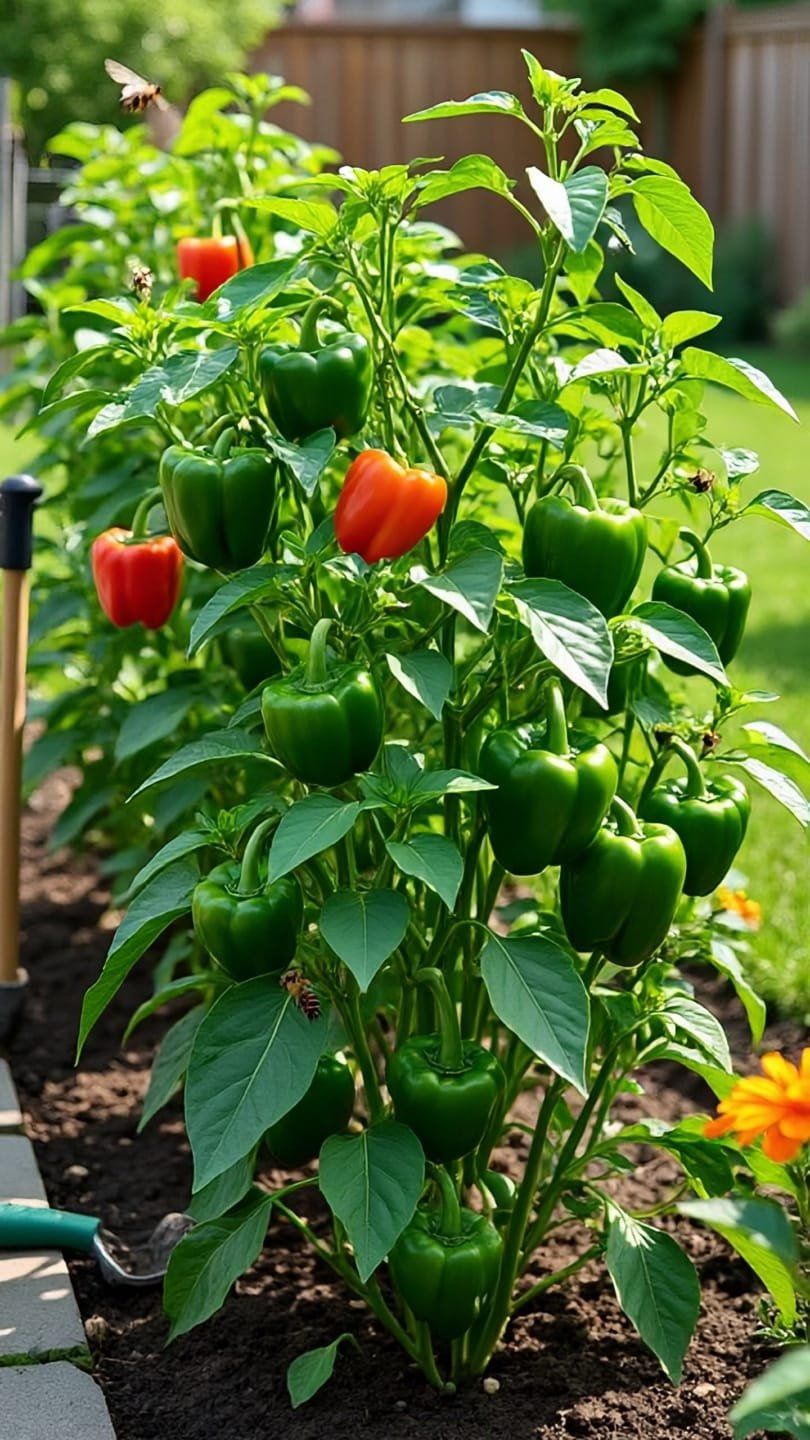
Bring heavy-yielding, sweet crunch to your veggie patch with our California Wonder Green Pepper Seeds (Capsicum annuum).

As the gold standard of heirloom bell peppers, this non-GMO variety produces large, blocky, thick-walled peppers that transition from a crisp, glossy dark green to a sweet, vibrant red if left to ripen on the bush.

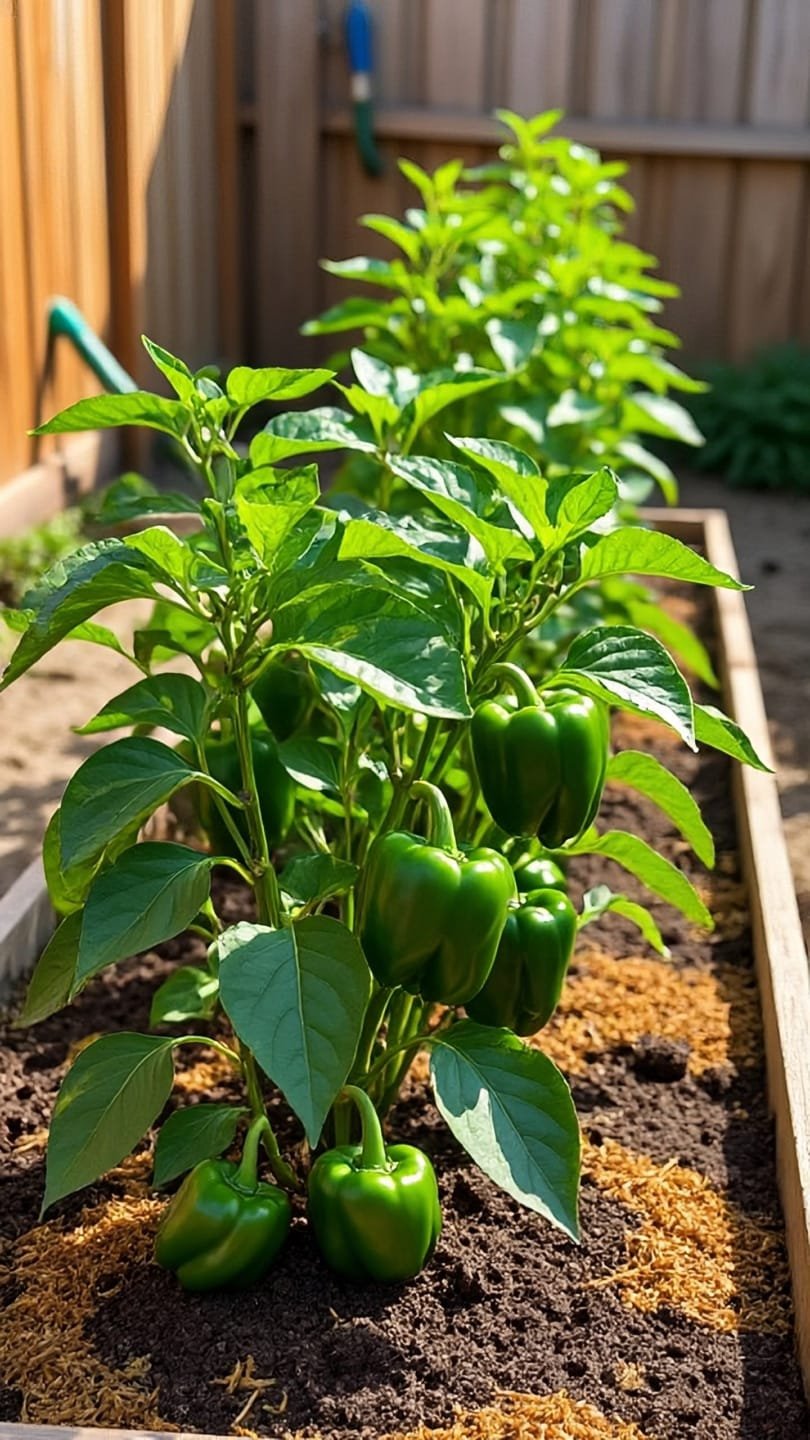
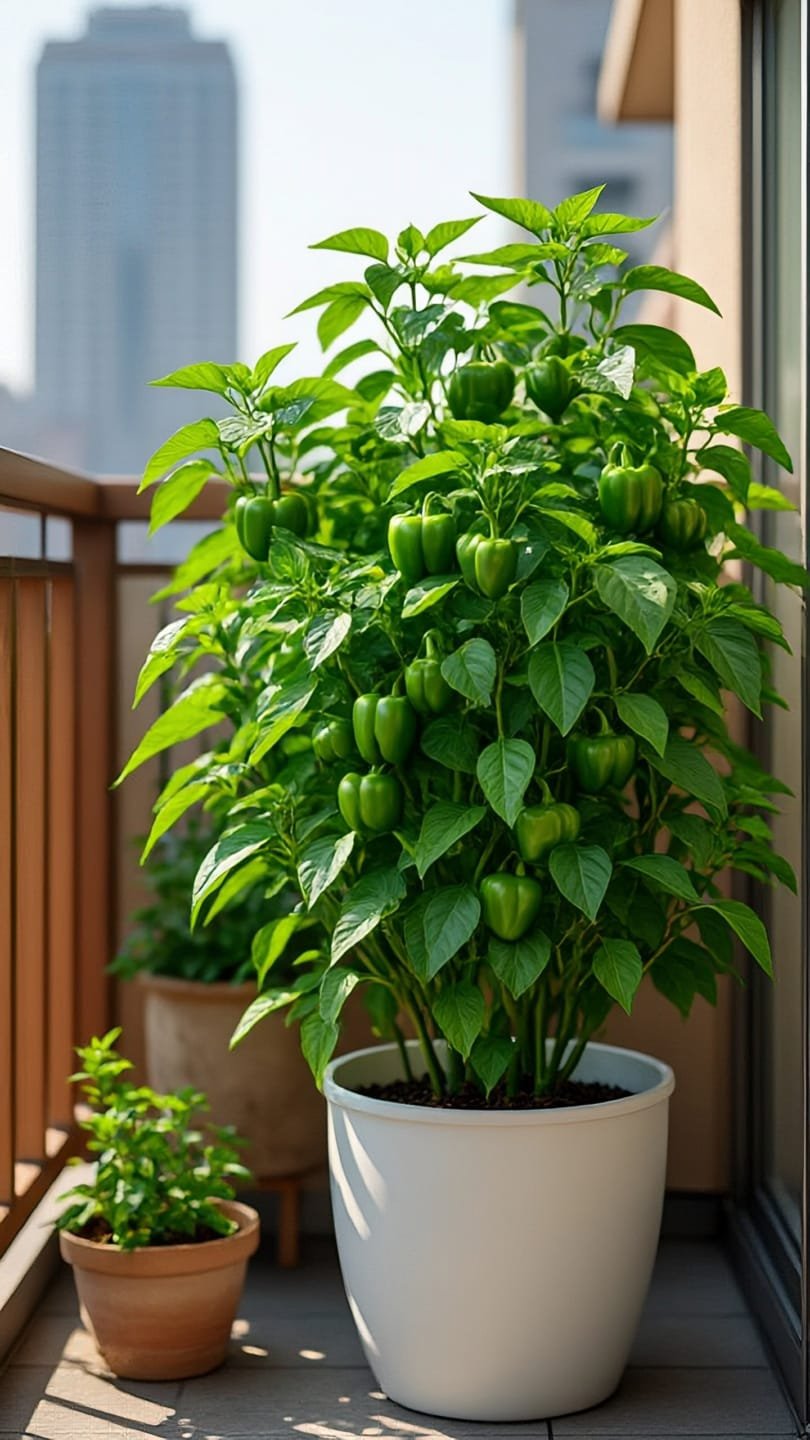
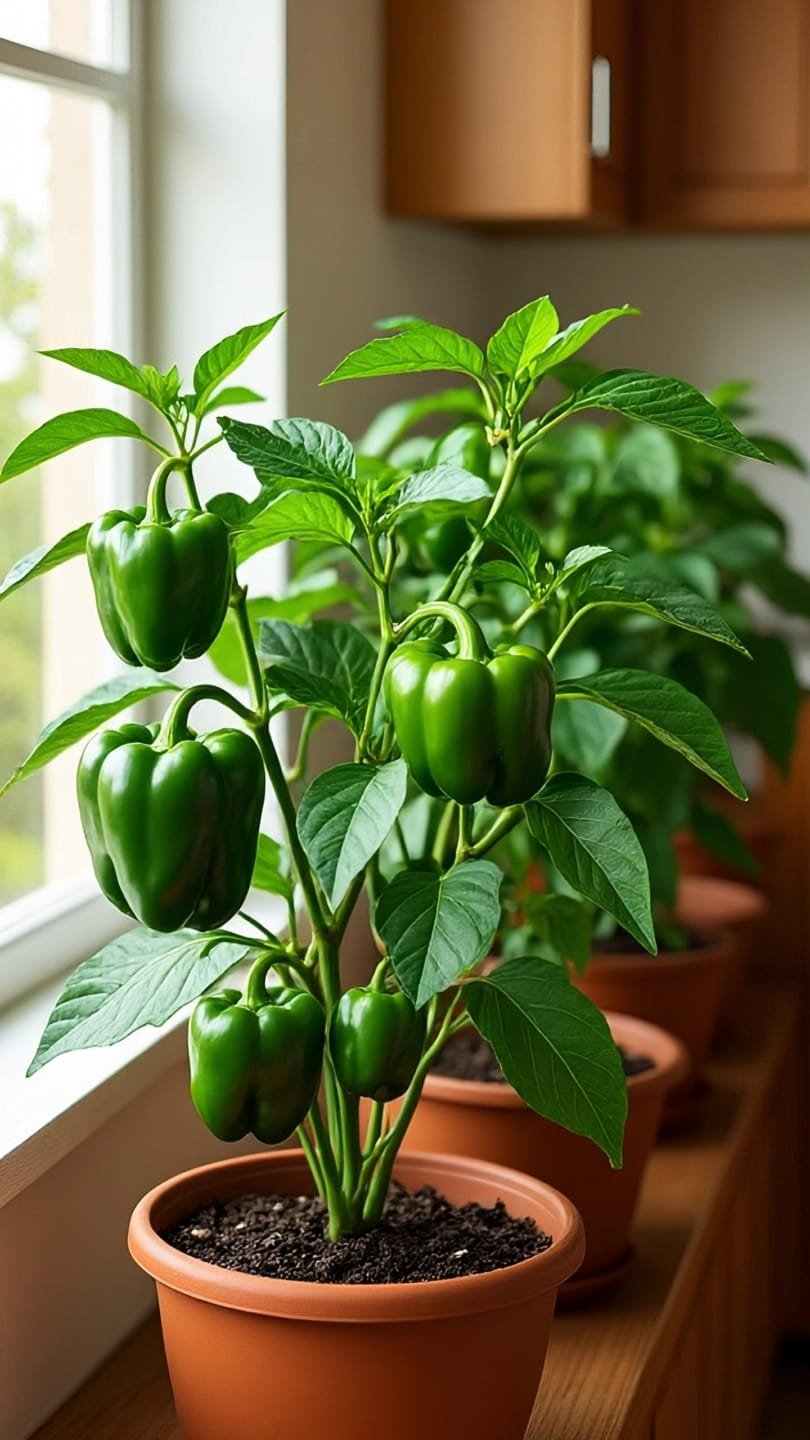
Exceptionally well-suited to warm South African summers, this resilient plant thrives in home gardens, raised beds, and large containers.

Each premium seed packet contains over 100 seeds, offering an abundant harvest of homegrown sweet peppers for stir-fries, salads, and fresh stuffing.

Why You Will Love Our California Wonder Green Pepper

  • Massive, Thick-Walled Fruit: Produces classic, four-lobed bell peppers perfect for stuffing, slicing, and roasting.
  • Heirloom & Non-GMO: Grow with confidence using pure, natural vegetable genetics passed down for generations.
  • Generous Packet Size: Every single pack contains over 100 seeds to maximize your seasonal vegetable yield.
  • Prolific Producer: Upright, bushy plants provide excellent leaf cover to protect developing peppers from harsh South African sun-scald.
  • Sweet & Crisp Flavor: Deliciously mild and sweet with zero heat, making it a guaranteed family favorite at the dinner table.

South African Planting & Care Guide

  • When to Sow: Sow indoors from July to August using a heating pad, or sow directly outdoors from September to December once all danger of frost has passed.
  • Position: Plant in a warm, sheltered spot that receives full sun (at least 6 to 8 hours of direct sunlight daily).
  • Soil Preference: Thrives in rich, loamy, well-draining soil mixed with plenty of organic compost.
  • Sowing Method: Sow seeds 5mm deep in seedling trays or directly into beds. Keep soil warm and damp.
  • Spacing: Space growing plants 40cm to 50cm apart to give them room to branch out.
  • Harvesting: Clip the stems with shears when peppers are large, firm, and dark green, roughly 75 days after transplanting.

Product Specifications

  • Botanical Name: Capsicum annuum ‘California Wonder’
  • Common Name: Green Bell Pepper / Sweet Pepper
  • Seed Count: Over 100 seeds per pack
  • Life Cycle: Warm-season annual (tender perennial in frost-free areas)
  • Plant Height: 60cm – 80cm
  • Sun Requirements: Full Sun
logo simple

Stop Killing Your Seeds!

5 Germination Mistakes Gardeners Must Stop Immediately

Get this free guide (5 minute read) and The Printable Monthly Growing Guide for South Africa (also free), via email:

We don’t spam! Read our privacy policy for more info.

Reviews

There are no reviews yet.

Be the first to review “Bell Pepper (Robot Pepper) – Over 100 Seeds”

Your email address will not be published. Required fields are marked *

How to Grow Green Pepper from Seed

How to Grow Green Peppers from Seed: The Complete South African Guide

Sweet green bell peppers—especially the classic heirloom California Wonder (Capsicum annuum)—are a must-have for any South African vegetable garden.

They are highly productive, packed with Vitamin C, and incredibly versatile in the kitchen. Growing sweet peppers from seed is a highly rewarding process.

Because pepper seeds require consistent warmth to germinate, starting them properly ensures strong, resilient bushes that will yield crisp, juicy fruit all summer long.

With each premium pack containing over 100 seeds, you have plenty of seeds to fill your garden beds, containers, and share with fellow gardeners.

1. When to Plant Green Peppers in South Africa

Peppers are tender, warm-season crops that are highly sensitive to frost. They need warm soil to sprout and long, hot days to produce fruit.

Highveld & Frost-Prone Inland Areas: Sow seeds indoors using a sunny windowsill or heating pad from July to August. Move them outdoors into the garden in September or October, once all risk of frost has passed.

Western Cape (Winter Rainfall): Sow indoors in August and transplant outside into sunny beds from October onwards, as the weather warms up.

Subtropical Regions (e.g., KZN Coast, Lowveld): You can grow peppers almost all year round! For best results, sow seeds from February to August to avoid the extreme, humid heat of mid-summer.

2. Sowing the Seeds: Step-by-Step

While you can scatter pepper seeds directly into the ground in very warm areas, starting them in seedling trays gives you the highest success rate.

Step 1: Fill Trays: Fill a seedling tray with a high-quality, fine seed-starting mix. Lightly press it down.

Step 2: Sow Depth: Place your seeds on the mix and cover them with roughly 5mm of soil or vermiculite. Do not bury them too deeply, or the tiny sprouts will struggle to reach the surface.

Step 3: Moisture & Warmth: Mist the tray thoroughly with a spray bottle. Place the tray in a warm spot (ideally between 21°C and 27°C).

Step 4: Germination: Pepper seeds can be slow to wake up. Expect them to sprout within 10 to 14 days, though some can take up to 3 weeks if conditions are cool. Keep the soil damp but never soggy.

3. Transplanting into the Garden

Once your seedlings have developed at least two sets of true leaves and stand about 8cm to 10cm tall, they are ready to be hardened off (gradually exposed to outdoor conditions over a week) and planted out.

Sunlight: Choose a location that receives full sun (at least 6 to 8 hours of direct sunlight daily).

Soil Preparation: Dig plenty of rich, well-rotted organic compost into your garden beds. Peppers thrive in loose, fertile, well-draining soil with a slightly acidic to neutral pH.

Spacing: Space your pepper plants 40cm to 50cm apart, leaving 60cm between rows. This ensures good airflow and prevents the spreading branches from tangling.

4. Ongoing Care and Maintenance

Watering: Keep the soil consistently moist, especially once the plants start flowering and setting fruit. Water deeply at the base of the plant twice a week (more often during scorching hot summer spells).

Mulch around the base with straw or dried leaves to retain soil moisture.

Feeding: Peppers are heavy feeders. Once the plants begin to show their first flowers, feed them every two weeks with a liquid, potassium-rich organic fertilizer (like liquid organic seaweed or fish emulsion) to boost fruit development.

Avoid high-nitrogen fertilizers, which create huge leafy bushes but no peppers.

Support: California Wonder peppers produce large, heavy fruit. Insert a sturdy stick or small bamboo stake next to each plant at transplanting time and tie the main stem loosely with soft string to keep the plant upright.

5. Harvesting Your Peppers

The Green Stage: Your peppers are ready to harvest as soon as they reach their full size (roughly blocky, four-lobed, and 10cm long) and feel firm to a gentle squeeze.

This is usually around 75 days after transplanting. Use a sharp pair of pruning shears to snip the stem; tearing them off by hand can snap the branches.

The Red Stage: If you leave your green peppers on the bush for a few weeks longer, they will naturally ripen into bright red bells.

Red peppers are significantly sweeter and contain even higher nutritional content, but harvesting them green encourages the bush to continuously produce more flowers and fruit.

Green Pepper Medicinal / Nutritional Uses

Green Pepper Medicinal and Nutritional Uses: A Complete Guide

The green bell pepper—most notably the beloved heirloom California Wonder (Capsicum annuum)—is far more than a crunchy addition to your favourite stir-fry or salad.

While highly celebrated for its mild, sweet flavour and culinary versatility, this vibrant garden staple boasts a phenomenal nutritional blueprint and a long history of traditional wellness applications.

By sowing a packet of over 100 seeds in your vegetable patch, you are not just growing fresh ingredients; you are cultivating a powerhouse of natural health benefits right at home.

The Nutritional Profile of Green Bell Peppers

Green peppers are harvested before they turn fully red, giving them a crisp texture, a slightly tangy flavor, and a distinct, highly concentrated set of life-giving nutrients:

An Absolute Vitamin C Bomb: Many people turn to citrus fruits for immunity, but green bell peppers are an exceptional source of Vitamin C.

A single medium green pepper provides well over 100% of your daily recommended intake, which is vital for tissue repair, immune defense, and glowing skin.

Loaded with Vitamin B6 and Pyridoxine: Essential for the metabolism of red blood cells and protein building, Vitamin B6 plays a massive role in regulating your mood, supporting brain health, and sustaining natural daily energy levels.

High in Retinol Equivalents (Vitamin A): Green peppers contain excellent levels of beta-carotene, which the human body converts into Vitamin A. This crucial vitamin supports clear night vision, eye health, and a robust immune system.

Rich in Dietary Fiber: Low in calories but high in structural fiber, incorporating green peppers into your daily diet stimulates smooth digestion, supports stable blood sugar regulation, and leaves you feeling full for longer.

Medicinal & Wellness Benefits of Green Peppers

Because they belong to the diverse Capsicum family, sweet green peppers contain a rich mixture of phytochemicals, antioxidants, and natural enzymes that actively promote physical well-being.

1. Potent Antioxidant Defense

Green peppers are loaded with antioxidant compounds, including lutein, capsanthin, and violaxanthin.

These natural compounds hunt down and neutralize free radicals in the body, which helps lower systemic inflammation and protects cellular structures from chronic damage.

2. Supports Cardiovascular and Heart Health

The combination of potassium, Vitamin C, and fiber found in sweet peppers is incredibly beneficial for your heart.

Potassium helps naturally balance blood pressure levels, while the active antioxidants prevent cholesterol from oxidizing in the bloodstream, lowering the risk of heart disease.

3. Enhances Iron Absorption

An iron deficiency can leave you feeling chronically exhausted and sluggish.

Because green peppers are exceptionally high in Vitamin C, eating them alongside iron-rich plant foods (like spinach, lentils, or beans) significantly boosts your body’s ability to absorb non-heme iron, naturally combating anemia.

4. Promotes Eye Health and Vision Protection

As we age, our eyes become vulnerable to macular degeneration. Green peppers are rich in lutein and zeaxanthin—two carotenoids that accumulate in high quantities in the human retina.

Regularly eating green peppers helps protect your eyes from oxidative damage caused by blue light and environmental stressors.

Easy Ways to Lock in the Nutrients

To get the absolute most out of your home-grown harvest, try using your fresh green peppers in these simple, healthy ways:

Raw Slices: Dip fresh, crisp green pepper strips into hummus or yogurt dressings to keep 100% of the raw Vitamin C intact.

Lightly Sautéed: Toss them quickly into a stir-fry with a splash of healthy olive oil. The healthy fats actually help your body absorb the fat-soluble Vitamin A and antioxidants more efficiently.

Healthy Stuffed Peppers: Cut the tops off your four-lobed California Wonder peppers, scoop out the seeds, and stuff them with lean mince, brown rice, or spiced lentils for a wholesome, nutrient-dense dinner.

Green Pepper Growing Guide

The Ultimate Green Pepper Growing Guide (Capsicum annuum ‘California Wonder’)

Sweet green bell peppers are a staple in any productive South African vegetable patch.

The heirloom California Wonder variety is particularly famous for producing heavy yields of large, thick-walled, blocky sweet peppers that hold up beautifully to stuffing, grilling, and fresh slicing.

Peppers are warm-season crops that love heat and sunshine.

Whether you are planting in garden beds, raised boxes, or large containers, this comprehensive guide will help you transform a single packet of over 100 seeds into a prolific backyard harvest.

Quick Plant Overview

  • Plant Type: Warm-Season Annual
  • Days to Maturity: 75 to 80 days from transplanting
  • Sunlight: Full sun (6 to 8 hours minimum)
  • Spacing: 40cm to 50cm apart
  • Fruit Type: Sweet, mild, and crunch-heavy (zero heat)

Ideal Sowing Times for South African Regions

Green peppers are highly sensitive to frost and cold air. They need warm soil temperatures (above 20°C) to germinate and thrive.

Highveld & Cold Inland Areas: Sow seeds indoors from July to August using a sunny windowsill or heating pad. Transplant outside into the garden from September to December, once all risk of frost has passed.

Western Cape & Coastal Regions: Sow seeds indoors in August. Move them to outdoor beds from October onwards as daylight hours lengthen and the soil warms up.

Subtropical Regions (KZN Coast & Lowveld): You can grow peppers virtually year-round. Sow seeds from February to August to avoid the scorching, high-humidity peaks of mid-summer.

Step 1: Soil Preparation

Prioritize Drainage: Peppers hate sitting in heavy, waterlogged mud. Choose a sandy loam or loose, well-draining garden bed.

Feed the Soil: Dig in a generous layer of rich, well-rotted organic compost a week before planting. Peppers love nutrients but prefer them naturally derived.

Keep Nitrogen Low: Avoid applying synthetic, high-nitrogen fertilizers early on. Excess nitrogen forces the plant to grow massive green leaves while failing to produce flowers or fruit.

Step 2: Sowing Your Green Pepper Seeds

While you can sow seeds directly into the soil in hot climates, starting them in seedling trays gives you maximum control over moisture and temperature. With over 100 seeds per pack, you have plenty to work with.

Sow Depth: Press seeds into a high-quality seed-starting mix at a depth of 5mm.

Moisture: Mist the tray thoroughly with a spray bottle. Never flood the tray, as this can cause the seeds to rot before waking up.

Germination Window: Keep the trays in a warm spot. Seedlings will emerge within 10 to 14 days, though cooler weather can stretch this to 21 days.

Step 3: Transplanting and Spacing

Once your seedlings reach about 10cm tall and have developed at least two sets of true leaves, they are ready for the garden.

Hardening Off: Move your trays outdoors into a sheltered, shady spot for a few hours each day, gradually increasing their sun exposure over a week to prevent shock.

Planting Distance: Space your individual pepper bushes 40cm to 50cm apart, leaving roughly 60cm between your rows. This provides excellent air circulation, which prevents fungal diseases.

Step 4: Ongoing Care and Maintenance

Watering Strategy: Keep the soil consistently moist but never soggy. Water deeply at the base of the plant twice a week.

Mulch around the roots with clean straw or bark chunks to lock in soil moisture during hot summer spells.

Staking Support: California Wonder peppers produce heavy, four-lobed fruits. Push a sturdy wooden or bamboo stake into the soil next to each plant at transplanting time and tie the main stem loosely with soft twine to keep it upright.

Feeding Regime: Once the plant begins to produce its first small white flowers, feed it every two weeks with a liquid, potassium-rich organic fertilizer (such as liquid seaweed) to boost fruit size and thickness.

Step 5: Harvesting Your Crop

Green Peppers: Clip the fruit using sharp pruning shears when they are large, dark green, and firm to the touch (about 75 days after transplanting). Pulling the fruit by hand can easily snap the brittle branches.

Ripening to Red: If left on the plant for a few extra weeks, your green peppers will naturally mature into bright red bell peppers. Red peppers are significantly sweeter, but harvesting them while green encourages the bush to continuously produce new flowers and fruit.

Green Pepper Other Names

Green Pepper Other Names: A Complete Botanical & Common Name Guide

When you search for fresh, crunchy green peppers to add to your vegetable patches, you might not always use the exact term “Green Pepper.”

Because this global kitchen staple has been cultivated across various continents, languages, and centuries, it has collected a fascinating variety of common names, regional titles, and scientific classifications.

Understanding these alternative names helps you pick the right seeds, understand historical plant origins, and read international recipes with ease.

Every premium seed packet in our South African online store contains over 100 seeds of this exceptionally diverse vegetable, ensuring a heavy harvest no matter what name you prefer to call it!

1. The Official Scientific Name

To ensure you are buying the exact heirloom variety known for heavy yields and mild, sweet flesh, always look for the botanical label:

Capsicum annuum ‘California Wonder’: This is the definitive scientific classification for this specific heirloom.

Capsicum is the genus encompassing all peppers and chillies, annuum means “annual” (though they can behave as short-lived perennials in frost-free subtropical climates), and ‘California Wonder’ is the precise cultivar name.

2. Popular English Common Names

Depending on the country of origin, cooking shows, or gardening books you read, English-speaking growers refer to this plant by several descriptive names:

Green Bell Pepper: The most globally recognized common name. The word “bell” directly references the classic, hollow, rounded bell shape of the fruit.

Sweet Pepper: Used primarily to differentiate this mild, crisp variety from its spicy, heat-packing chilli cousins.

Capsicum: If you open an Australian, New Zealand, or Indian seed catalog or recipe book, you will rarely see the word “pepper.” Instead, they refer to the entire sweet pepper family simply as capsicums.

Bullnose Pepper: A historical heirloom term. While ‘California Wonder’ is the modern standard, older generations often referred to thick, blocky, multi-lobed sweet peppers as bullnose varieties due to their blunt, sturdy appearance.

3. Local and Regional South African Names

Groenrissie (Afrikaans): In South Africa, the direct translation and most common regional name for a green pepper is groenrissie.

Interestingly, the word rissie is used locally for both sweet peppers and hot chillies, so specifying “groen” (green) or “soet” (sweet) helps differentiate it.

Soetrissie (Afrikaans): This translates directly to “sweet pepper” and is used by local gardeners to emphasize that the California Wonder contains zero heat and is perfectly family-friendly.

4. Global Language Variations

If you love exploring international cuisine and sourcing global recipes for your homegrown harvest, you will frequently run across these names:

Pimiento / Pimentón (Spanish): Used widely across Spain and Latin America.

Poivron (French): The culinary term used in French cooking circles specifically for sweet bell peppers.

Paprika (European/Hungarian): In many parts of Central and Eastern Europe, the word paprika refers to the actual fresh, crunchy bell pepper plant itself, not just the ground spice found on supermarket shelves.

Why Knowing These Names Helps with Shopping

When you buy our non-GMO, heirloom seeds, you are getting the authentic Capsicum annuum ‘California Wonder’ that beautifully satisfies all of these global descriptions.

Shopping Basket
0
    0
    Your Cart
    Your cart is emptyReturn to Shop
    Scroll to Top