You must have an order with a minimum of 20 pcs to place your order, your current order total is 3 pcs.
, ,

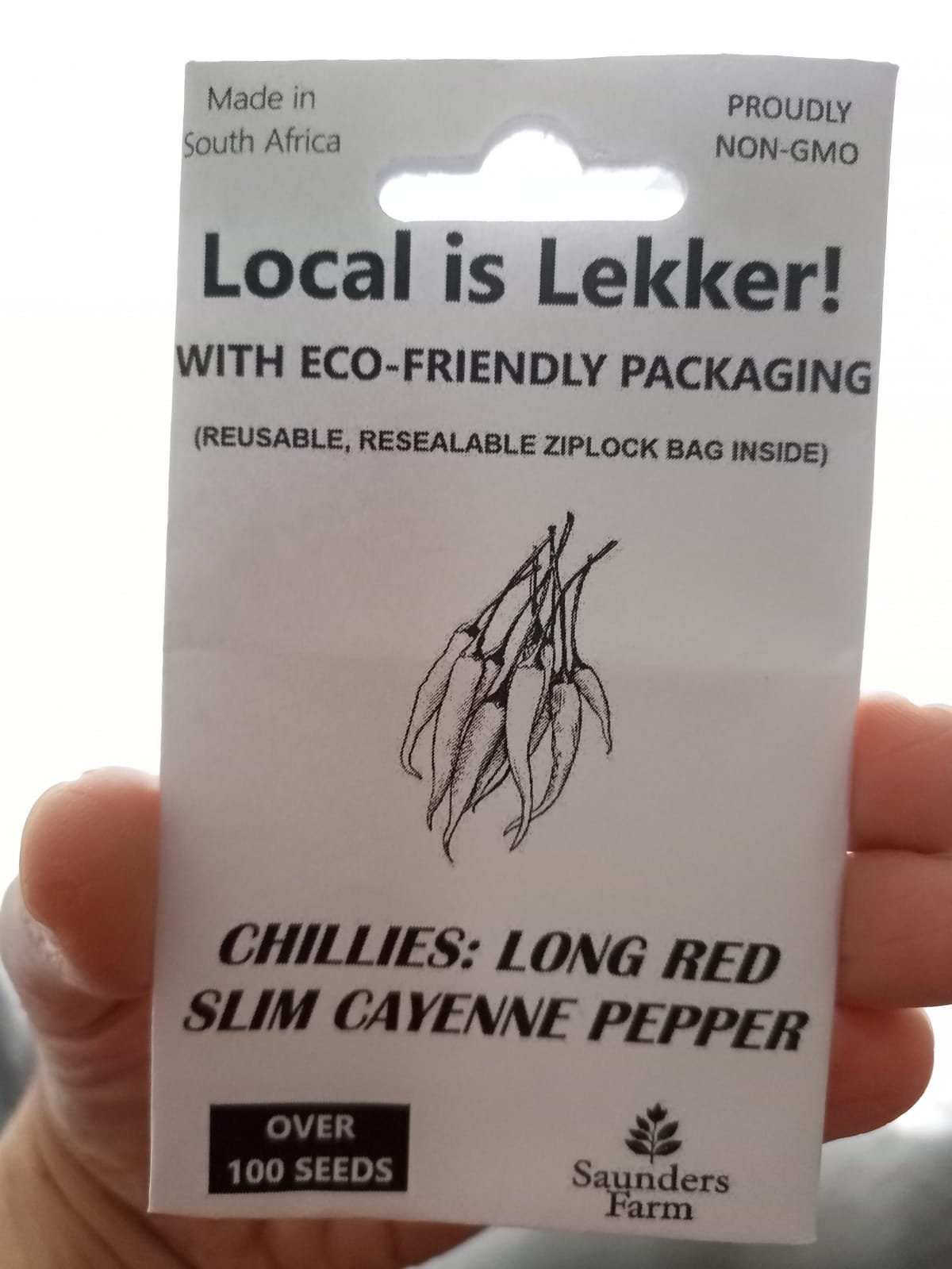
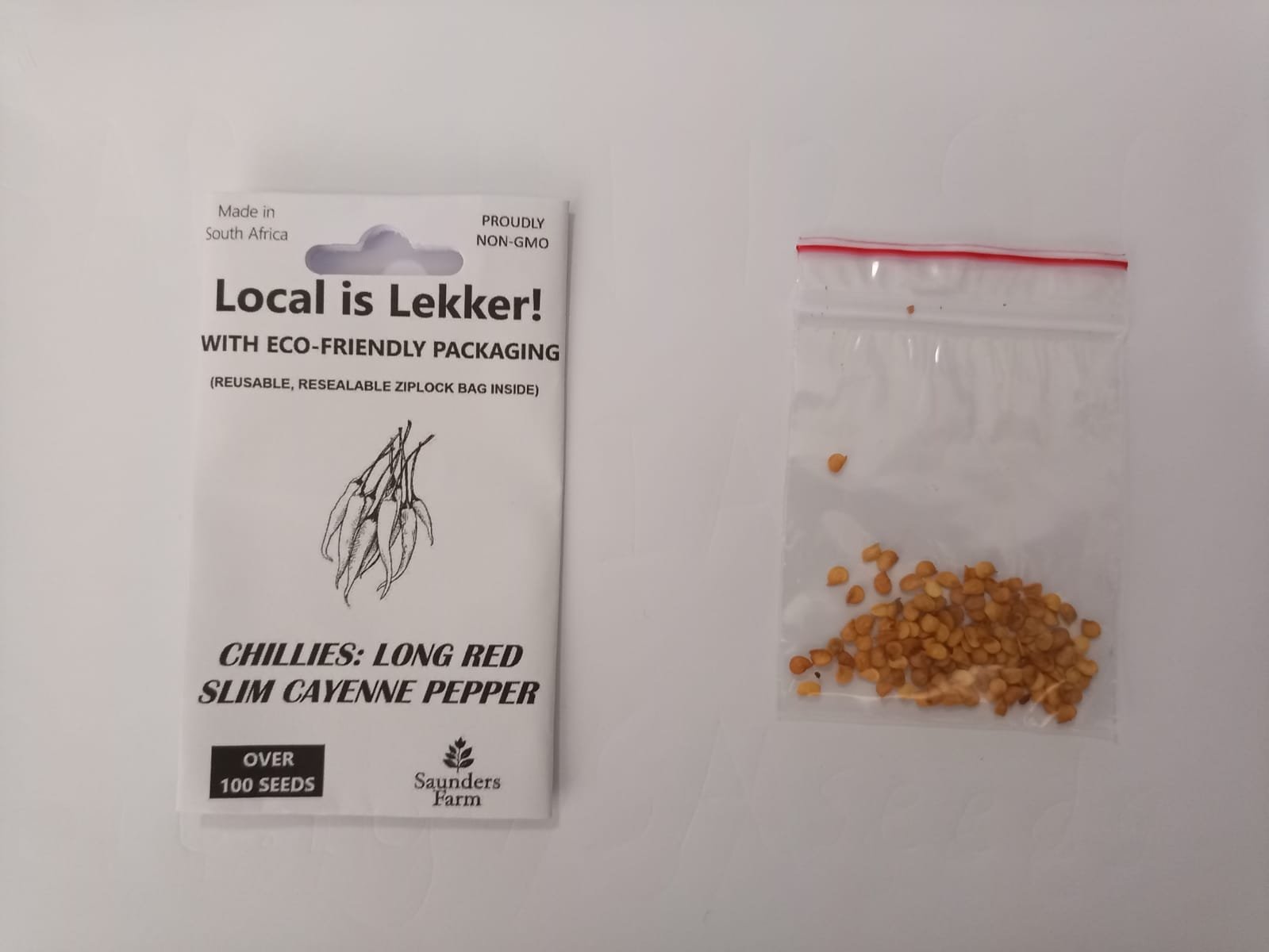
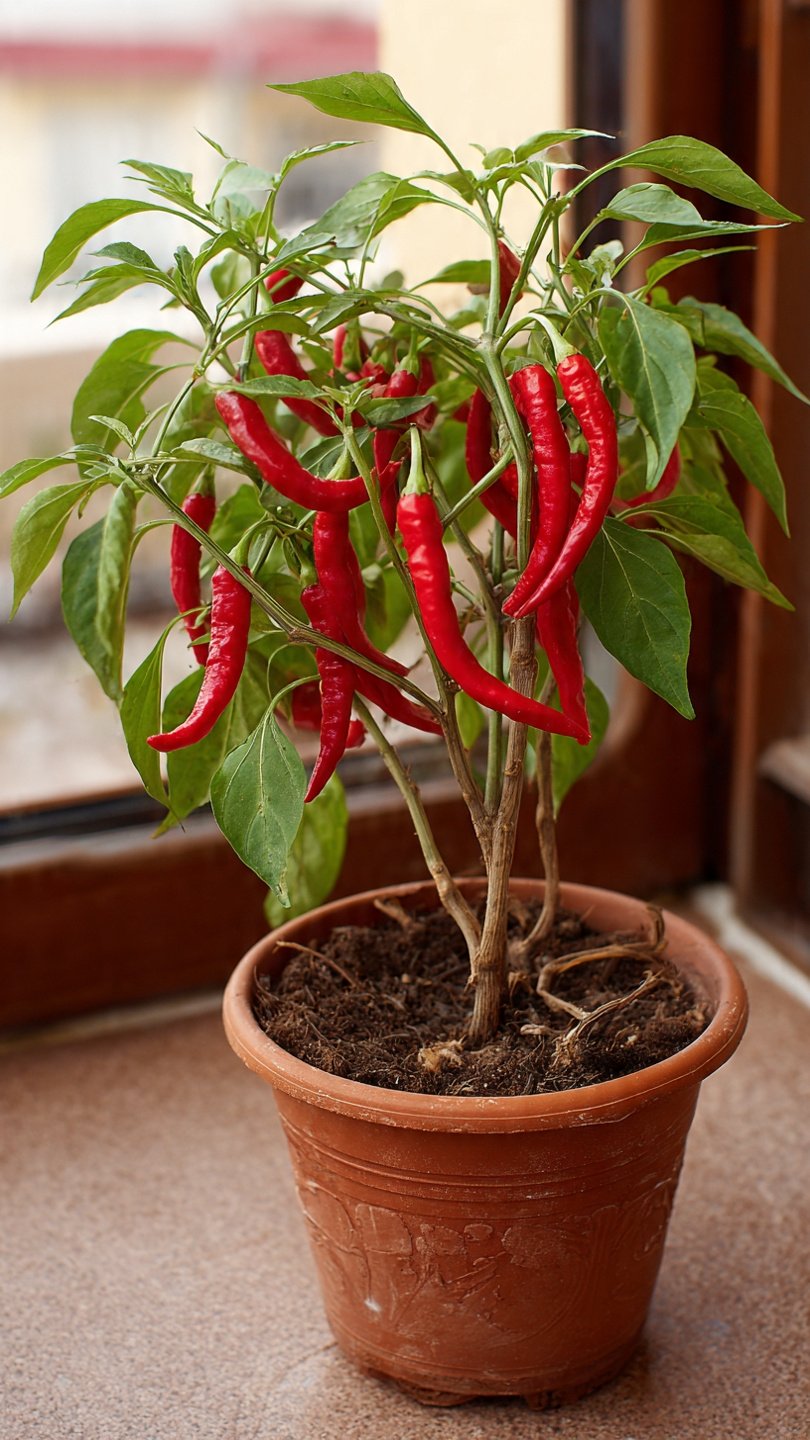
Long Red Slim Cayenne Pepper – Over 100 Seeds

R15.00

Excluding shipping
  • Over 100 Long Red Slim Cayenne Pepper Seeds
  • Join our WhatsApp Group to get the best discount codes (sent once a week): https://chat.whatsapp.com/Ly1HQgXpYGXL2ffDGXUl4G
  • Proudly non-GMO
  • ECO-FRIENDLY: Biodegradable packaging with resealable, reusable plastic Ziplock bag inside
  • Made in South Africa, for South Africa

Availability: 72 in stock

Categories: , , Tags: , ,
Guaranteed Safe Checkout

Spice up your garden with premium Long Red Slim Cayenne Pepper seeds.

This high-yield pack contains over 100 high-quality seeds, perfect for growing your own fiery chillies at home.

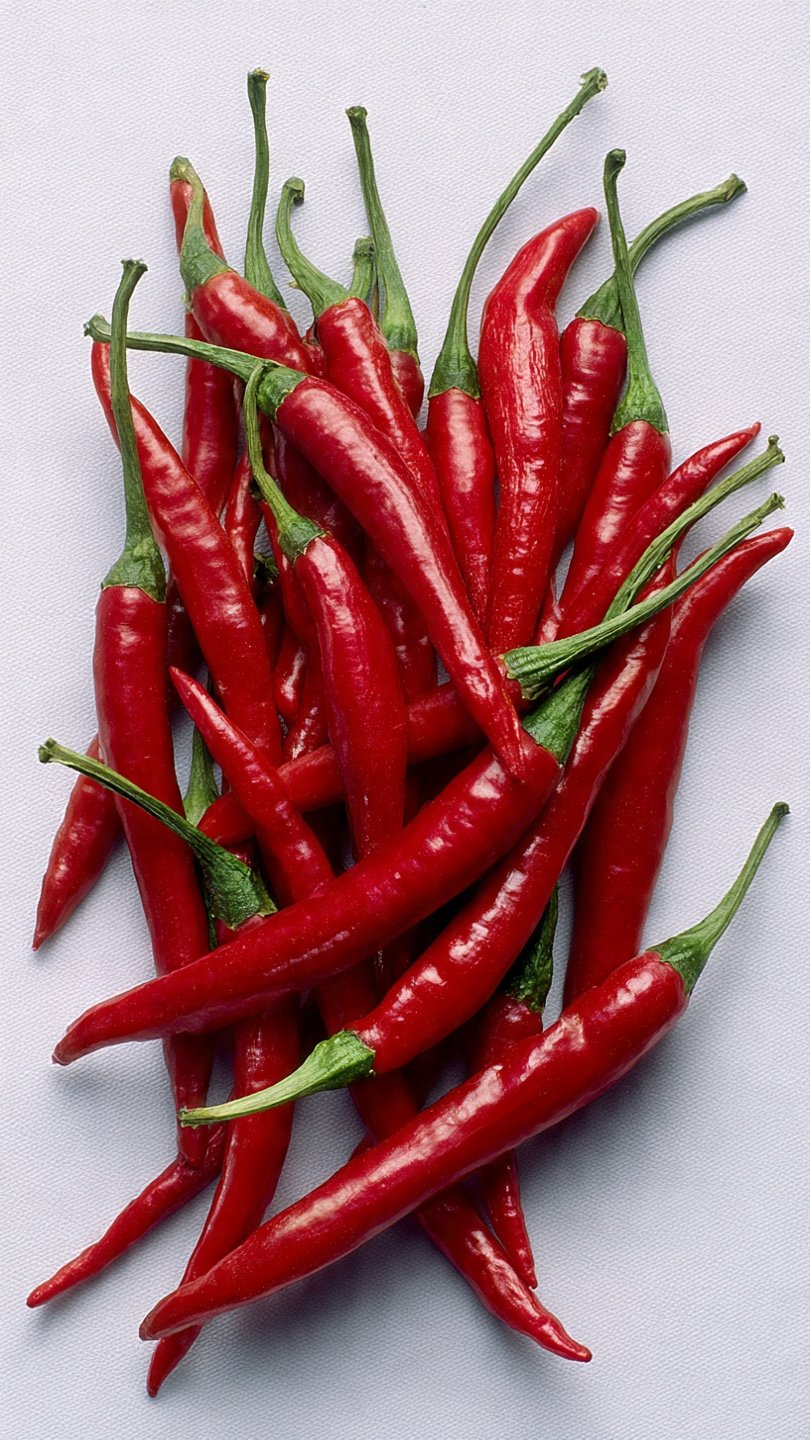
Known for their slender shape and vibrant red color, these peppers are a must-have for any spice enthusiast or home gardener looking to add a kick to their culinary creations.

Long Red Slim Cayenne Pepper

Grow an abundant harvest of classic, fiery peppers with our Long Red Slim Cayenne Pepper seeds. This generous pack provides over 100 seeds, ensuring a bountiful supply of hot chillies right from your backyard.

The Long Red Slim Cayenne is a favorite among gardeners for its reliable growth, high productivity, and versatile heat.

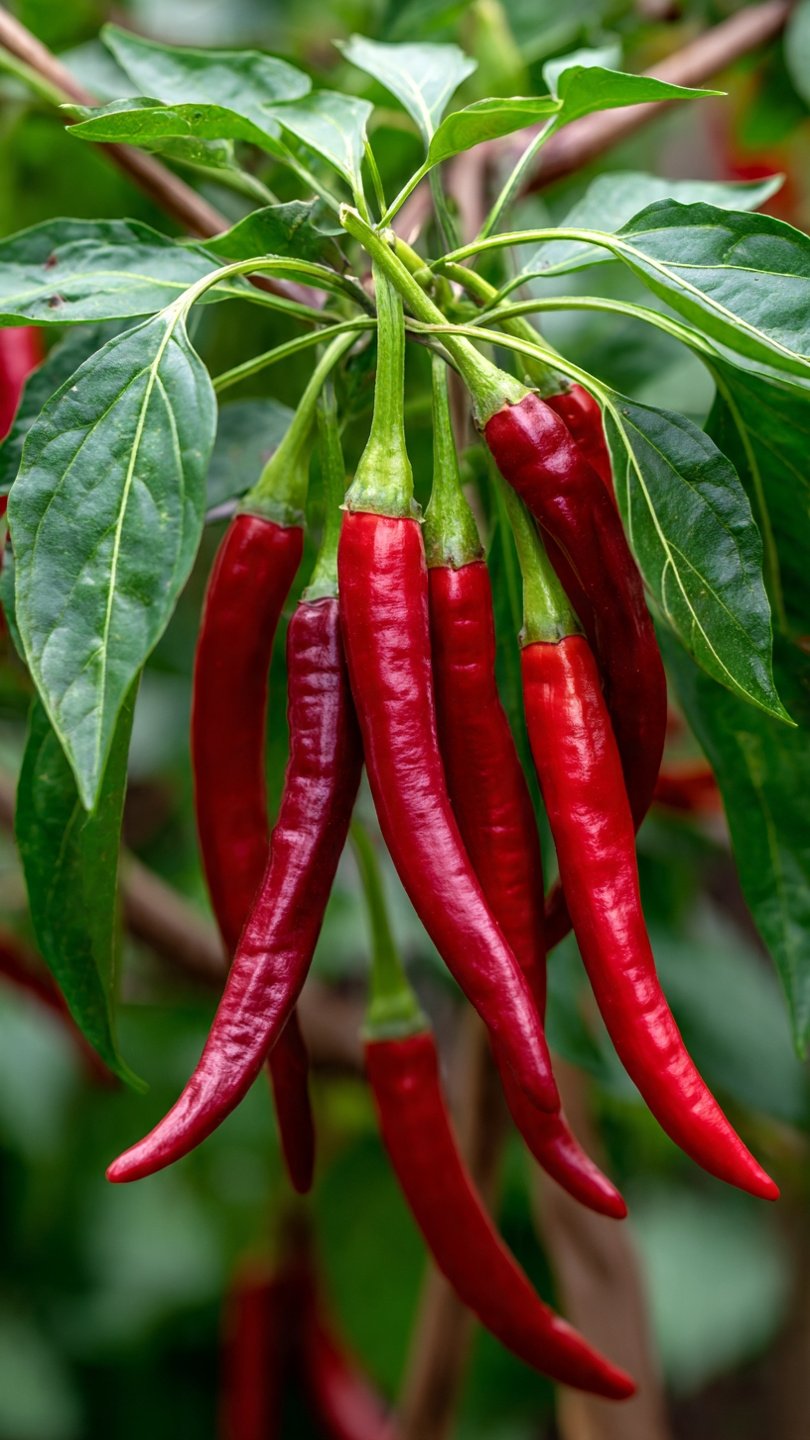
These slender, wrinkled peppers mature from dark green to a brilliant, glossy red.

Reaching up to 15 cm in length, they pack a pungent punch that ranks between 30,000 and 50,000 on the Scoville scale.

Whether you want to spice up fresh salsas, dry them into chili powder, or make your own hot sauce, these versatile chillies are up to the task.

Key Features

Abundant Supply: Pack contains over 100 premium heirloom seeds

Versatile Use: Ideal for fresh dishes, drying, flaking, or hot sauces

High Yield: Highly productive plants yield dozens of chillies per vine

Easy to Grow: Thrives in full sun, pots, raised beds, or traditional gardens

Distinctive Heat: Delivers a classic, sharp cayenne punch (30,000–50,000 SHU)

Growing Instructions

Planting Depth: 6 mm deep in well-drained, fertile soil

Sprouting Time: Seeds germinate within 10 to 14 days

Sunlight: Requires full sun for at least 6 to 8 hours daily

Spacing: Space plants 45 to 60 cm apart to allow for spread

Harvesting: Pick when peppers turn completely red for maximum heat

logo simple

Stop Killing Your Seeds!

5 Germination Mistakes Gardeners Must Stop Immediately

Get this free guide (5 minute read) and The Printable Monthly Growing Guide for South Africa (also free), via email:

We don’t spam! Read our privacy policy for more info.

Reviews

There are no reviews yet.

Be the first to review “Long Red Slim Cayenne Pepper – Over 100 Seeds”

Your email address will not be published. Required fields are marked *

How to grow chillies from seed

Growing your own hot chillies from seed in South Africa is an easy, deeply rewarding experience.

Whether you want to plant fiery Long Red Slim Cayenne Peppers or sweet varieties, our diverse climate offers the perfect environment for a massive harvest.

This complete guide covers everything from sowing timelines to caring for your pepper plants in South African conditions.

When to Plant Chillies in South Africa

Chilli plants love high heat and are highly sensitive to frost.

Highveld & Inland (Johannesburg, Pretoria, Bloemfontein): Sow seeds indoors from July to August.

Transplant them outdoors in September or October once all danger of frost has passed.

Subtropical Regions (Durban, Lowveld): You can grow chillies all year round, but the best planting window is between February and September.

Winter Rainfall Regions (Cape Town): Sow seeds indoors in August and move them into the garden by late October when the soil warms up.

Tools and Materials

You Will Need

  • Premium chilli seeds (like our high-yield packs)
  • Seedling trays or small biodegradable peat pots
  • High-quality, fine seedling starter mix (do not use heavy garden soil)
  • A plastic dome cover or clear plastic wrap
  • A spray bottle for gentle watering
  • A warm, sunny windowsill or a heated seedling mat

Step-by-Step Guide: How to Grow Chillies from Seed

Prepare and Sow

Fill your seedling trays with a well-draining seedling starter mix.

Press the soil down gently to eliminate large air pockets.

Drop two seeds per cell at a depth of about 6 mm.

Cover lightly with soil or vermiculite.

Provide Heat and Moisture

Chillies need consistent warmth to germinate.

Mist the soil thoroughly with a spray bottle so it is damp but not waterlogged.

Cover the tray with plastic wrap to trap humidity.

Place the tray in a warm spot that stays between 21°C and 30°C.

Manage Germination

Chilli seeds can be stubborn. They generally take 10 to 21 days to sprout.

As soon as the first green shoots emerge, remove the plastic cover immediately.

Move the tray to a highly sunny windowsill or under a grow light to stop the seedlings from getting weak and leggy.

Thin the Seedlings

When your seedlings reach about 5 cm tall and develop their first set of “true leaves” (the second set of leaves that look like miniature chilli leaves), pinch off the weaker of the two plants in each cell at soil level.

This ensures the strongest plant gets all the nutrients.

Harden Off and Transplant

Before moving your young plants directly into the harsh South African sun, you must acclimatise them.

Move your trays outdoors into a sheltered, semi-shaded spot for a few hours daily over 7 to 10 days, gradually increasing their sun exposure.

Transplant them into the ground or large pots (minimum 30 cm diameter) filled with compost-rich soil.

Space your plants 45 to 60 cm apart.

Essential Care for South African Chilli Plants

Sunlight: Chillies require at least 6 to 8 hours of direct sunlight daily to produce hot fruit.

Watering: Water deeply at the base of the plant twice a week, rather than shallowly every day.

During blistering summer heatwaves, you may need to water every alternate day.

Avoid wetting the leaves to prevent fungal diseases.

Feeding: Feed your plants with a balanced organic liquid fertiliser every two weeks once flowers appear.

Look for fertilizers high in potassium (like those formulated for tomatoes) to encourage prolific fruiting.

Mulching: Apply a layer of organic mulch (like straw or wood chips) around the base of the plant to retain soil moisture during hot dry spells.

Harvesting Your Chillies

Your chillies will be ready to harvest roughly 75 to 90 days after transplanting.

For options like the Long Red Slim Cayenne, you can pick them while they are green for a milder, sharper bite, or wait until they turn a brilliant, glossy red for maximum Scoville heat and sweetness.

Always use sharp shears to cut the peppers off the branch to avoid tearing the plant.

Chilies Medicinal Uses

Unlock the incredible health benefits of home-grown chillies right from your garden.

Beyond adding a fiery kick to your favorite South African dishes, hot peppers like the Long Red Slim Cayenne Pepper have been used for centuries as potent natural remedies.

The secret behind the medicinal power of chillies lies in capsaicin, the active chemical compound that gives them their signature heat.

When you purchase and plant our premium chilli seeds, you are growing a sustainable, backyard pharmacy.

Below is a comprehensive guide to how chillies support your health and well-being.

Top 5 Medicinal Uses of Chillies

1. Powerful, Natural Pain Relief

Capsaicin is a globally recognized, medically approved topical analgesic.

It works by binding to heat-detecting nerve receptors and depleting Substance P, a chemical transmitter that sends pain signals to your brain.

Arthritis & Muscle Aches: Regular use of capsaicin-infused creams or homemade salves can dramatically lower pain associated with rheumatoid arthritis, osteoarthritis, and sore muscles.

Nerve Pain: It is heavily utilized to ease diabetic neuropathy and post-shingles nerve pain.

2. Metabolism Boost and Weight Management

If you are looking to support a healthy lifestyle, eating hot chillies can give your body a metabolic edge.

Thermogenesis: Capsaicin triggers thermogenesis, temporarily increasing your core temperature and boosting your resting metabolic rate.

Appetite Suppression: Consuming chillies helps naturally curb cravings, reduce overall caloric intake, and increase feelings of fullness after a meal.

3. Cardiovascular and Heart Health Support

In South Africa, where cardiovascular issues are common, adding a bit of heat to your plate can protect your heart.

Cholesterol Regulation: Studies show that capsaicin can lower total cholesterol, triglycerides, and bad LDL cholesterol while helping to stabilize blood pressure.

Improved Circulation: Chillies thin the blood naturally and inhibit platelet aggregation, which lowers the risk of dangerous blood clots and improves overall vascular health.

4. Relief from Sinus Congestion and Winter Colds

Nothing clears out a stubborn, blocked nose faster than a hot dish made with fresh chillies.

Natural Decongestant: The fiery heat stimulates secretions that thin out thick mucus in your nasal passages, offering immediate relief from sinus infections, allergies, and the common winter flu.

5. Surprising Gastrointestinal Benefits

Many people assume that spicy food damages the stomach, but scientific research proves the exact opposite when chillies are consumed in moderation.

Ulcer Prevention: Capsaicin stimulates the nerves in your stomach lining to produce protective digestive fluids rather than excess acid.

H. Pylori Protection: It helps inhibit the growth of Helicobacter pylori, the primary bacteria responsible for painful stomach ulcers.

Nutritional Profile: What’s Inside a Single Chilli?

Chillies are dense powerhouses of essential vitamins and protective plant compounds.

When you eat them fresh from the vine, your body absorbs:

Capsaicin

Fights inflammation, blocks pain, and boosts metabolism.

Vitamin C

Contains more per gram than oranges; vital for strong immunity and skin repair.

Vitamin A & Beta-Carotene

Powerful antioxidants that support eye health and fight cell aging.

Flavonoids & Carotenoids

Protect the heart, brain, and blood vessels from cellular oxidative damage.

Safe Usage and Precautions

While chillies offer extraordinary medicinal benefits, their high potency means they must be handled with care

Protect Your Eyes

Always wear gloves when cutting or harvesting hot peppers, and wash your hands thoroughly with soap afterward. Water will not wash away capsaicin easily—use milk or vegetable oil to soothe skin burns.

Listen to Your Gut

Excessive consumption can irritate the gastrointestinal tract, leading to temporary heartburn or stomach cramps.

Always start with small amounts and build up your spice tolerance over time.

Chillies Growing Guide

Mastering the art of cultivating hot, healthy peppers in South Africa is simple when you understand our unique climate.

Whether you are planting our high-yield Long Red Slim Cayenne Peppers or cultivating mild sweet varieties, this definitive chillies growing guide covers everything you need to know.

From selecting the perfect soil mix to harvesting a massive yield, follow these proven steps to transform your premium seeds into a backyard abundance.

Understanding South Africa’s Chilli Growing Seasons

Chillies are tropical perennials that thrive in high heat and are completely intolerant of frost.

To get the maximum yield, align your planting calendar with your specific South African region:

The Highveld & Inland (Gauteng, Free State, North West)

Sow your seeds indoors using a sunny windowsill or heating pad from July to August.

Move the young plants into the garden in September or October once the threat of winter frost is completely gone.

The Winter Rainfall Region (Western Cape)

Begin your seeds indoors around August.

Wait until late October to plant them outside, as the soil takes longer to warm up in this region.

Subtropical Zones (KwaZulu-Natal Coast, Lowveld)

You are blessed with the perfect climate.

You can plant chillies all year round, though February through September offers the absolute best growing window.

Essential Setup: Soil, Pots, and Spacing

To get the most out of your high-quality seeds, you need to provide the right foundation

The Perfect Soil

Chillies demand loose, well-draining soil rich in organic matter.

Mix dynamic organic compost and a handful of bone meal into your garden beds.

Avoid heavy clay soil, which holds too much water and causes root rot.

Pot Cultivation

If you are short on garden space, chillies thrive in containers.

Choose a pot with a minimum diameter of 30 cm and excellent drainage holes.

Correct Spacing

Space your chilli plants 45 cm to 60 cm apart in rows.

This ensures adequate airflow between the branches, which drastically reduces the risk of fungal diseases during humid summer months.

The 4 Pillars of Chilli Plant Care

1. Maximising Sunlight

Chillies are sun-lovers.

They require a minimum of 6 to 8 hours of direct sunlight every day.

A lack of sunlight results in tall, weak, “leggy” plants that produce very few flowers and fruit.

2. Mastering the Watering Schedule

The golden rule of chilli watering is deep and infrequent.

Water the base of the plant thoroughly twice a week.

Increase this to every alternate day during intense, scorching mid-summer heatwaves.

Never water the leaves; damp foliage in the afternoon sun creates the perfect breeding ground for powdery mildew.

3. Feeding for Maximum Fruit

Chillies are hungry plants, but giving them the wrong nutrients will ruin your crop

Early Growth: Use a balanced organic liquid fertilizer to build strong stems and green leaves.

Flowering & Fruiting: As soon as you see the first yellow-white blossoms appear, switch to a fertilizer high in potassium (such as a liquid tomato food).

This shifts the plant’s energy away from growing leaves and forces it to produce dozens of hot chillies.

4. Mulching for Water Retention

The South African summer sun evaporates soil moisture rapidly.

Apply a 5 cm layer of organic mulch—such as straw, lucerne, or wood chips—around the base of your plants.

This keeps the roots cool, retains moisture, and stops weeds from stealing nutrients.

Defending Your Crop: Common South African Pests

Keep a close eye on your plants so you can catch these common garden invaders early

Aphids: Tiny green or black insects that cluster on new growth and suck the sap.

Spray them down with a strong blast of water or use an organic neem oil solution.

Red Spider Mites: These microscopic pests thrive in hot, dry conditions and leave fine webs under the leaves. Keep the air around the plants humid and use an organic insecticidal soap.

Blossom End Rot: This causes the bottom of your chillies to turn black and leathery.

It is not a disease, but rather a calcium deficiency caused by inconsistent watering.

Keep your soil moisture steady to prevent it.

Harvesting Your Chillies

Your chillies will generally be ready to pick 75 to 90 days after transplanting.

For varieties like the Long Red Slim Cayenne, you can harvest them while they are still dark green for a sharper, crisp flavor.

Alternatively, leave them on the vine until they turn a glossy, fiery red to unlock their full sweetness and maximum Scoville heat.

Always use sharp garden shears to snip the stem; pulling the fruit by hand can snap the branches.

Chilies Other Names

Understanding the many names of the humble chilli is the secret to finding the perfect variety for your South African garden.

Depending on where you live, your cultural background, or the recipe you are cooking, what we call “chillies” might be known by completely different names.

When you purchase our high-yield Long Red Slim Cayenne Pepper seeds, you are growing a world-famous variety that wears many different titles across the globe and right here at home.

This guide breaks down the global and local terminology to ensure you always know exactly what you are planting, harvesting, and cooking.

Global and Local Names for “Chillies”

The word “chilli” has evolved significantly as it traveled from its origins in Central America to the kitchens of South Africa.

Here are the most common terms you will encounter:

1. Chillies / Chilis / Chilies

The Origin: Derived from the ancient Nahuatl (Aztec) word chīlli.

South African Usage: This is the most common spelling and term used across South Africa, the United Kingdom, and Australia.

In the United States, it is more commonly spelled “chili” (with one ‘l’).

2. Peppers / Hot Peppers

The Origin: When Christopher Columbus arrived in the Americas, he tasted the spicy fruit and mistakenly thought it was related to black peppercorns (Piper nigrum), which were highly valuable in Europe at the time.

South African Usage: Locals often use “peppers” to refer broadly to both sweet bell peppers and hot chillies. To avoid confusion in the garden, look for terms like “hot peppers” or “chilli peppers.”

3. Capsicums

The Origin: This is the scientific, botanical genus name for all chilli plants (Capsicum).

South African Usage: While Australians use “capsicum” to describe sweet bell peppers, South African gardeners use the term scientifically. All hot chillies—from the mildest jalapeño to our fiery cayenne—belong to the Capsicum annuum or Capsicum chinense families.

4. Spices / Nature’s Heat

South African Usage: In everyday local culinary terms, chillies are frequently grouped broadly under “spices” or “hot spices,” even though botanically they are fruits.

Other Names for the “Long Red Slim Cayenne Pepper”

Our signature product, the Long Red Slim Cayenne Pepper, is an heirloom favorite with an incredible history.

Because it is used in so many different ways worldwide, it is known by several alternative names.

If you are searching for any of the following terms, you are looking for this exact high-yield variety:

Cayenne Pepper / Cayenne Chilli: The most common streamlined name. It is named after the city of Cayenne in French Guiana.

Finger Chilli / Red Finger Chilli: In many South African supermarkets and local fresh produce markets, these are sold loose or in punnets simply labeled as “Red Finger Chillies” due to their long, slender, finger-like shape.

Gini-Mirs (or Red Gini-Mirs): Used frequently within South Africa’s vibrant South Asian communities, deriving from traditional terms for hot, slender drying chillies.

Chabai / Chaba / Siling Mahaba: If you enjoy Southeast Asian cooking, this specific slim profile is highly prized in Malaysian, Indonesian, and Filipino dishes, where long slim cayennes are the go-to hot pepper.

Cow Horn Pepper: Though some cow horn varieties grow slightly thicker, the Long Red Slim is frequently grouped into this category because of the way the pods gracefully curve as they mature on the vine.

Red Hot Chili Pepper: The literal description used by everyday home cooks looking for a classic, reliable source of pure, sharp heat.

How Names Change Based on How You Eat Them

Another reason chillies have so many names is that their title often changes depending on whether they are fresh, dried, or ground.

For example, our Long Red Slim Cayenne Pepper transforms into these popular products:

Cayenne Powder / Ground Cayenne: When you harvest your abundant crop, dry the pods, and grind them down, you get the fiery red powder found in almost every spice rack in South Africa.

Chilli Flakes / Crushed Chilli: Coarsely crushing the dried red pods creates the perfect pizza topper.

Chilli Powder: Be careful in the spice aisle! In South Africa, “Chilli Powder” is often a blend of ground hot chillies mixed with other spices like cumin and garlic, whereas “Pure Cayenne Powder” is 100% pure pepper heat.

Shopping Basket
3
    3
    Your Cart
    cape gooseberry over 100 seeds
    Cape Gooseberry - Over 100 Seeds
    Qty: 1
    Price: R15.00
    R15.00
    fennel over 100 seeds
    Fennel - Over 100 Seeds
    Qty: 1
    Price: R15.00
    R15.00
    Scroll to Top