, ,

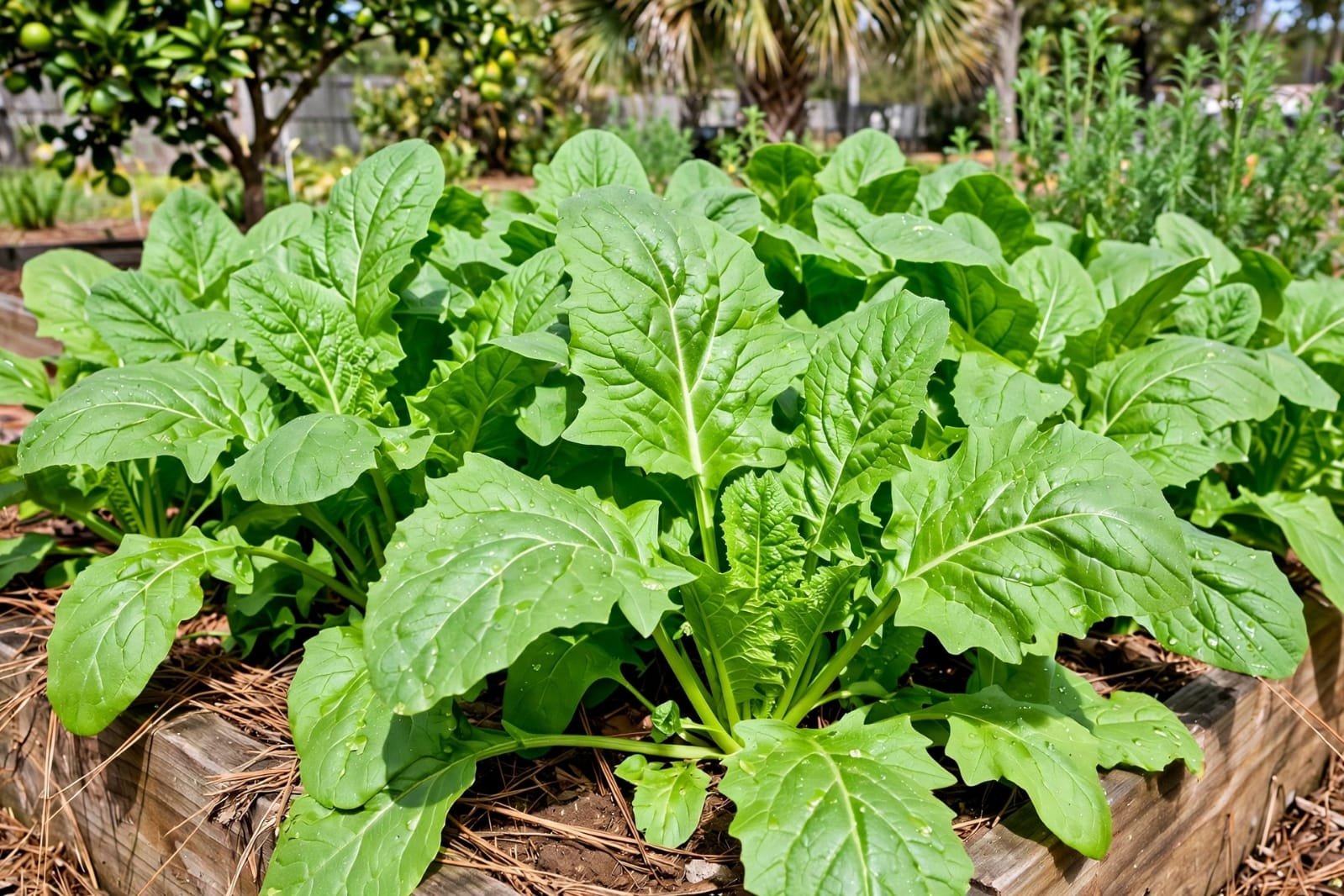
Mutshaina Mustard Spinach

R15,00

Excluding shipping
  • Over 100 Mutsaina (Mustard Spinach) Seeds
  • Also known as leaf mustard, Indian mustard, Chinese mustard, or Oriental mustard
  • Join our WhatsApp Group to see when this product goes on special: https://chat.whatsapp.com/Guxcttdini50Vfe7QjCMPH
  • Proudly non-GMO
  • Made in South Africa, for South Africa

Availability: 968 in stock

Guaranteed Safe Checkout

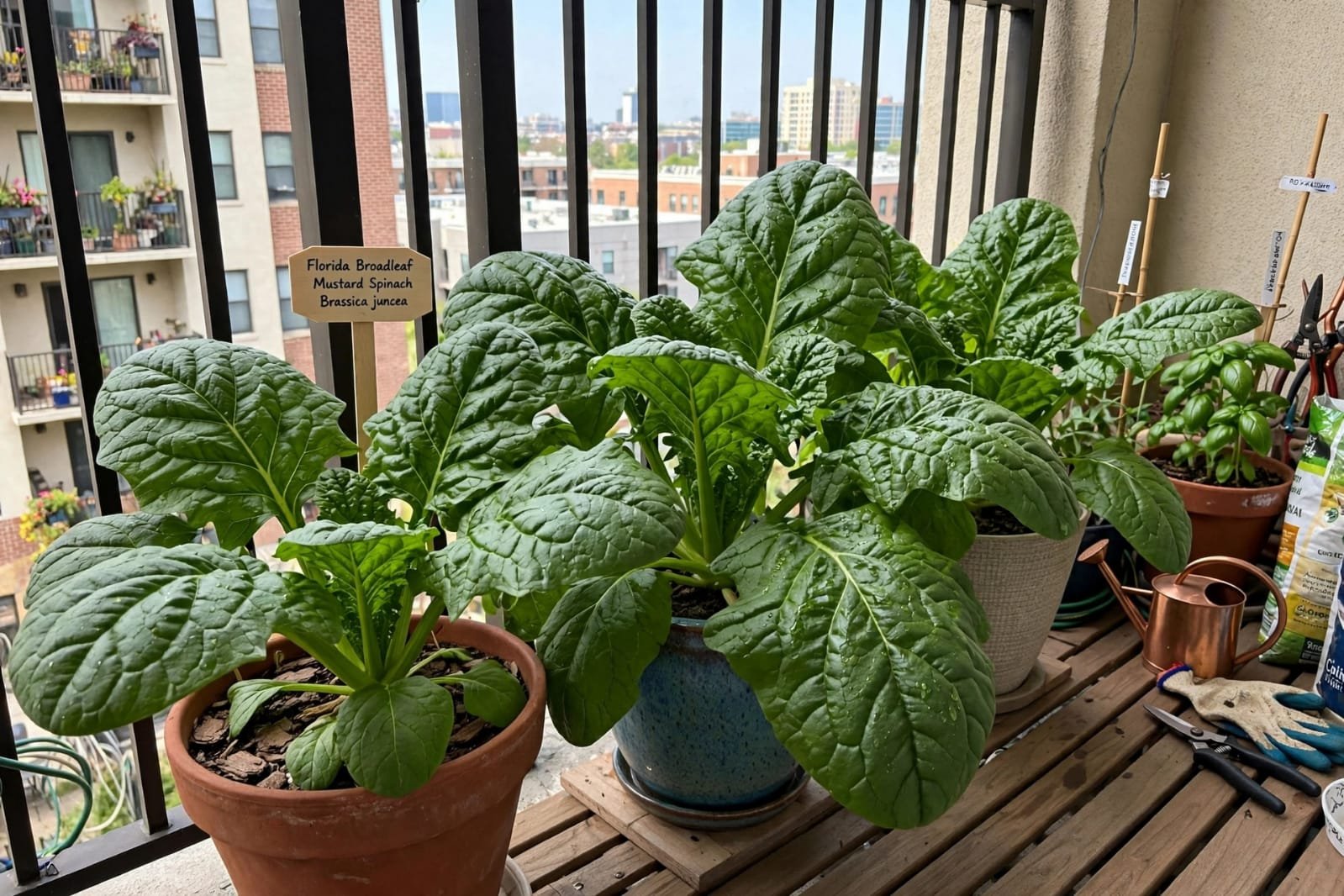
Mustard Spinach (Florida Broadleaf) Seeds

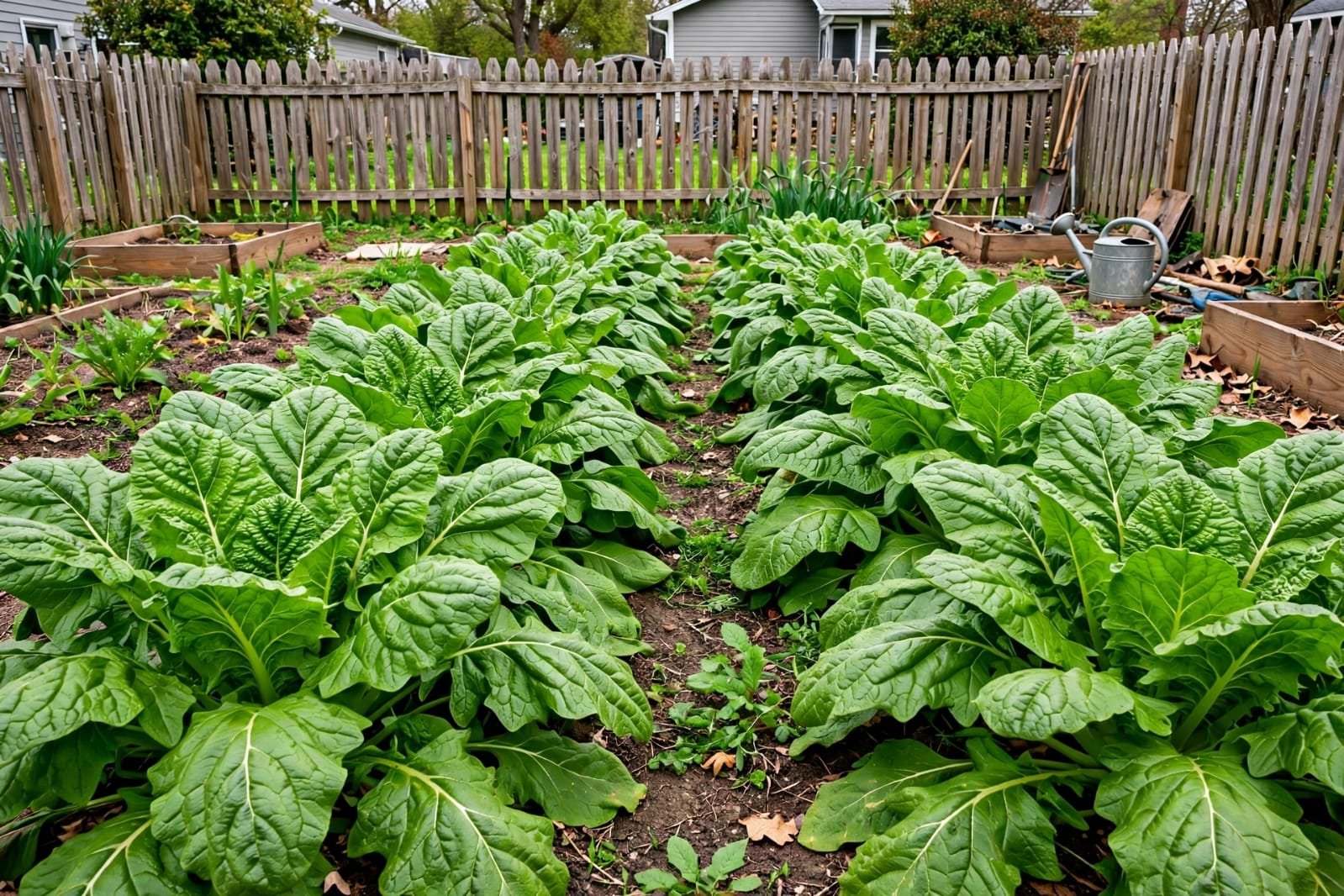
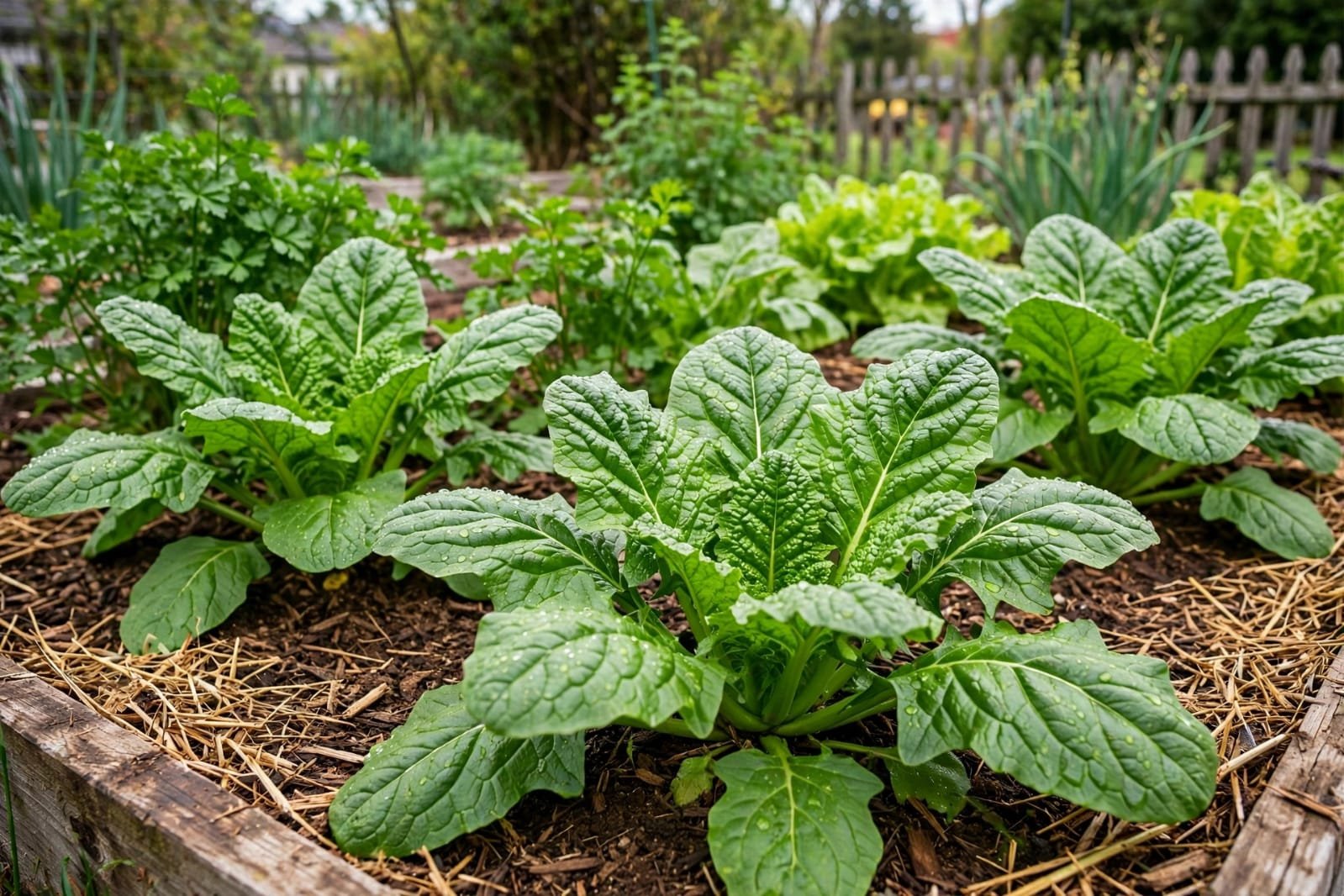
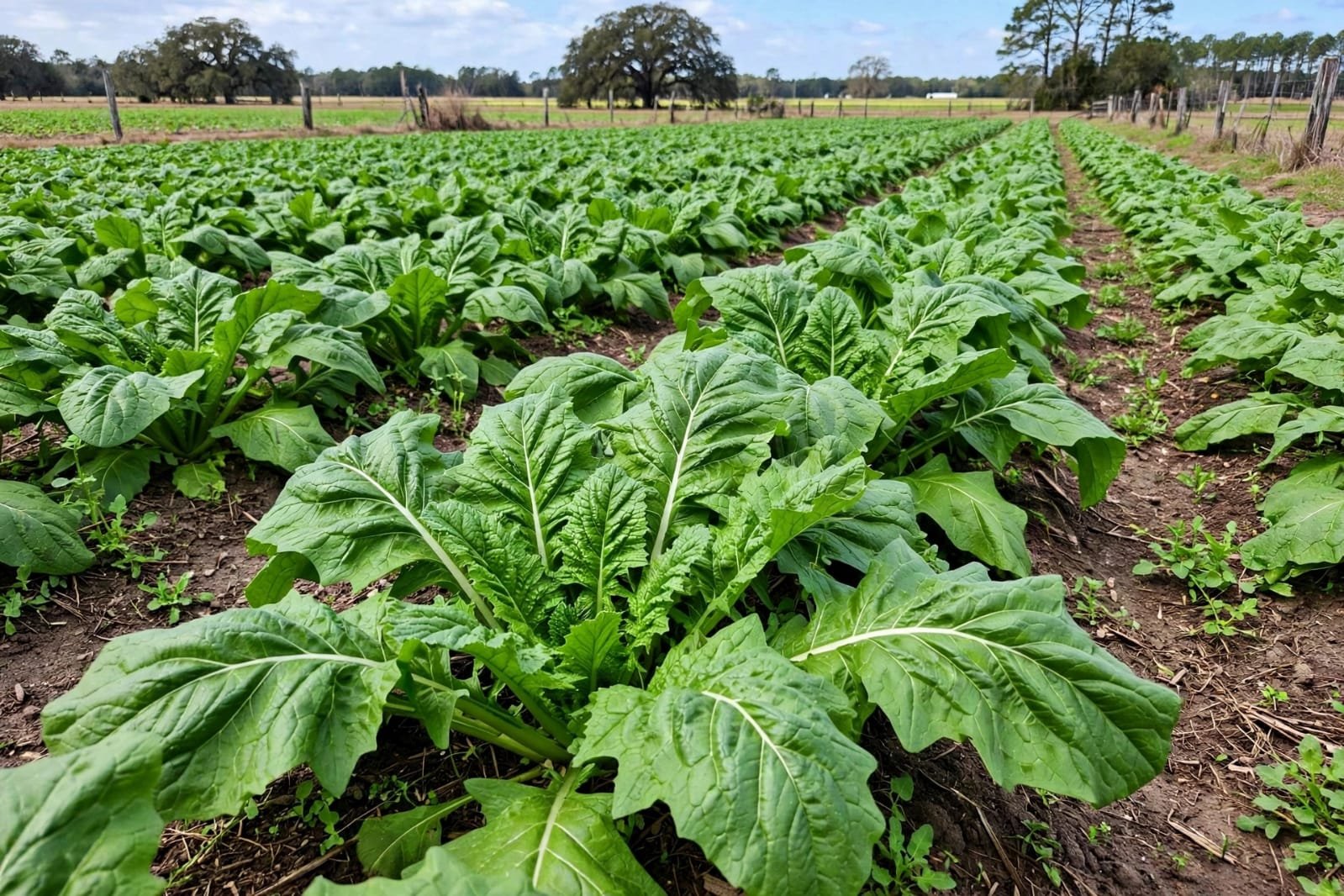
Grow your own abundant, nutrient-rich winter greens with our premium Mutshaina Mustard Spinach (Florida Broadleaf) seeds.

Known locally across South Africa as a variant of the beloved Mutshaina, this heirloom vegetable is a fast-growing, heavy-yielding backyard favourite that bridges the gap between traditional spinach and bold mustard greens.

Each budget-friendly packet contains over 100 seeds, giving you an incredible harvest of broad, bright green, tender leaves for just R15!

Why Grow Our Florida Broadleaf Mustard Spinach?

  1. Fast-Growing & Heavy Yields: Ready to harvest as tender baby leaves in just 35 days, or let the plants mature fully by day 45 to 55 for huge, meaty leaves.
  2. 100% Heirloom & Non-GMO: Safe, natural seeds that allow you to grow clean, healthy food for your family.
  3. Exceptional Cold Tolerance: Unlike regular summer spinach, this variety thrives through cold South African winters and handles light frost beautifully.
  4. Versatile Kitchen Staple: Enjoy it raw in salads when small, or use full-sized leaves to bulk up local stews, stir-fries, and traditional braised greens. It has a mild, pleasantly peppery kick that mellows out when cooked!

Quick Planting Guide for South Africa:

  • When to Plant: Best sown from early autumn through to spring, though it can be grown year-round in milder regions.
  • Sowing Depth & Spacing: Sow directly 6mm deep into rich, well-composted soil. Space rows about 30cm to 45cm apart to allow the large leaves room to expand.
  • Sunlight & Water: Thrives in full sunlight and requires regular, consistent watering (about twice a week).
  • Harvesting Tip: Harvest the outer leaves using the “come-and-gain-again” method, allowing the centre to keep producing for a longer, continuous harvest window!

Add a pack to your cart today to build your minimum order of 20 seed packs, and enjoy affordable nationwide courier delivery straight to your door!

Reviews

There are no reviews yet.

Be the first to review “Mutshaina Mustard Spinach”

Your email address will not be published. Required fields are marked *

How to Grow Mutshaina from Seed

How to Grow Mutshaina (Mustard Spinach) from Seed: The Complete South African Guide

If you are looking for a fast-growing, heavy-yielding, and highly nutritious leafy green to add to your backyard garden, Mutshaina (also widely sold as Florida Broadleaf Mustard Spinach) is the ultimate choice.

Loved across South Africa for its thick, meaty texture and pleasantly peppery kick, this hardy heirloom vegetable produces far more food per square metre than traditional English spinach.

At Saunders Farm, our budget-friendly seed packets contain over 100 seeds for just R15, making it easy and affordable for any South African to grow an abundant food garden.

Here is our step-by-step guide to successfully planting and harvesting your own Mutshaina from seed

1. When to Plant Mutshaina in South Africa

Mutshaina is a versatile crop that can technically be grown year-round, but it truly thrives as a cool-season annual.

Frost-Prone Interior (Gauteng, Free State, Highveld): Sow from February to April for an autumn-winter harvest, and again from July to September.

Winter-Rainfall Regions (Western Cape): Sow between February and May to let the plants grow during the wet, cool winter months.

Subtropical & Coastal Areas (KZN, Lowveld): Plant from April to August during the coolest, least humid months of the year.

Gardening Tip: While established Mutshaina handles light frost beautifully (which actually makes the leaves taste sweeter!), planting during extreme midsummer heat can cause the plant to “bolt” (go to seed prematurely) and make the leaves overly bitter.

2. Preparing the Soil

Mutshaina is a leafy green, meaning it loves nitrogen-rich, fertile soil to grow those massive, fleshy leaves.

Pick a spot in your garden that receives full sunlight (at least 6 hours of sun a day).

Dig plenty of well-rotted compost or aged kraal manure into your soil before planting to give the seeds a powerful nutrient boost.

Ensure the soil is loose, well-draining, and raked flat.

3. Sowing Your Mutshaina Seeds

While you can start them in seed trays, Mutshaina has delicate roots and actually grows best when directly sown exactly where it is meant to grow.

Depth: Make shallow rows in your garden bed. Plant the seeds roughly 6mm to 10mm deep. Do not bury them too deep, as the tiny seeds won’t have the energy to push through heavy soil.

Sowing: Drop a few seeds every few centimetres along your row.

Watering: Gently water the bed using a fine mist or spray nozzle. Keep the soil consistently moist but never waterlogged.

Germination: You will see the first bright green seedlings pop up in just 3 to 7 days.4.

Thinning and Spacing

Once your seedlings develop 3 or 4 true leaves, they will start overcrowding each other.

To get those iconic massive broadleaves, you must space them out.

Thin your seedlings out so that individual mature plants are spaced roughly 30cm to 45cm apart.

Don’t waste the thinnings! The tiny plants you pull out are tender, delicious microgreens that can be washed and thrown straight into a salad or a pot of food.

5. Water and Ongoing Care

Watering: Mutshaina leaves are crisp because they hold a lot of water. Water deeply twice a week (or more in hot, dry weather) rather than giving them shallow daily sprinkles.

Watering at soil level early in the morning prevents fungal diseases on the leaves.

Mulching: Spread a layer of straw, dried leaves, or grass clippings around the base of your plants to keep the roots cool and hold moisture in the soil.

Feeding: About 4 weeks after planting, top-dress the soil along the rows with a handful of organic, nitrogen-rich fertilizer or fresh compost to supercharge leaf production.

6. How to Harvest Mutshaina

Your Mutshaina will be ready for a continuous harvest in just 35 to 45 days.

Instead of pulling up the entire plant, use the “come-and-again-again” method:

Always harvest the largest, outer leaves first by pulling down and twisting them off sharply at the base.

Leave the smaller, inner leaves intact at the centre of the plant so it can keep growing new leaves for weeks to come.

Cook your freshly picked Mutshaina traditional style—braised slowly with onions, tomatoes, and a little cooking oil—for an authentic, nutrient-packed South African meal!

Mutshaina Medicinal and Nutritional Uses

Mutshaina (Mustard Spinach): Medicinal Benefits & Nutritional Value

Across South Africa, Mutshaina (scientifically known as Brassica juncea and commonly sold as Florida Broadleaf Mustard Spinach) is celebrated as an essential, high-yielding garden green.

But beyond its delicious, mildly peppery taste, this heirloom plant is an absolute powerhouse of nutrition and traditional wellness.

Adding this leafy superfood to your diet can significantly boost your daily vitamin intake. Growing it at home from affordable heirloom seed packets—which contain over 100 seeds for just R15 at Saunders Farm—is one of the cheapest ways to secure premium nutrition for your family.

Here is a breakdown of why Mutshaina is as good for your body as it is for your budget:

The Incredible Nutritional Profile of Mutshaina

Gram for gram, mustard spinach is one of the most nutrient-dense foods you can grow.

Just one cup of raw Mutshaina leaves delivers massive amounts of essential micronutrients:

Vitamin K (120% of your Daily Value): Critical for bone strength, preventing osteoporosis, and maintaining healthy blood clotting.

Vitamin C (44% of your Daily Value): A potent immune system booster that protects your body against seasonal colds and flu while building healthy skin collagen.

Vitamin A (9% Daily Value raw, soaring up to 96% when cooked): Vital for keeping your eyes naturally lubricated, maintaining night vision, and supporting immune health.

Loaded with Minerals: Packed with dietary iron to combat fatigue, calcium for strong teeth and bones, and magnesium for muscle function.

High in Dietary Fibre: Contains 2 to 3 grams of fibre per serving, which slows down digestion, prevents constipation, and supports a healthy gut microbiome.

Top 4 Medicinal & Health Benefits

1. Keeps Your Heart Healthy & Lowers Cholesterol

Mutshaina contains unique plant compounds that bind to bile acids in your digestive tract. This forces your body to use up stored cholesterol, naturally lowering your overall cholesterol levels over time.

Studies show that eating dark green vegetables like mustard spinach regularly keeps your arteries clear and reduces the long-term risk of heart disease.

2. Excellent for Managing Blood Sugar (Diabetes-Friendly)

With only 15 calories and minimal carbohydrates per cup, Mutshaina can be eaten freely without spiking your blood sugar.

The high dietary fibre content slows down the emptying of the stomach, helping to blunt sudden glucose spikes after a meal.

Furthermore, the natural plant compounds (isothiocyanates) found in the Brassica family have shown positive trends in improving insulin sensitivity.

3. Powerful Eye Protection

The bright green pigment in the leaves is rich in lutein and zeaxanthin, two highly researched antioxidants that act as “internal sunglasses”. They filter out harmful blue light and protect your retinas from oxidative damage, directly lowering your risk of age-related vision loss and cataracts.

4. Natural Detoxification & Anti-Inflammatory Properties

Chronic inflammation is the root cause of many long-term illnesses, including arthritis and heart disease.

The beta-carotene, Vitamin E, and specific flavonoids in Mutshaina work actively to reduce low-grade inflammation inside tissues.

Additionally, the natural sulphur-containing compounds inside the leaves assist the liver in filtering out toxins.

Traditional and Functional Uses

Clearing Sinuses & Colds: Because Mutshaina leaves have a mild, natural heat (similar to horseradish or ginger), eating them hot can naturally clear out congested airways, soothe a sore throat, and open up blocked sinuses.

The Smart “Lean Green”: Because it is low in calories but very filling, it is a perfect food for sustainable weight management.

Important Safety Note: Because Mutshaina is extremely high in Vitamin K (which helps blood clot), individuals who are currently taking prescription blood thinners should maintain a consistent intake rather than introducing sudden, large amounts to their diet.

Mutshaina Growing Guide

The Ultimate Mutshaina (Mustard Spinach) Growing Guide

Growing your own food is one of the most rewarding ways to feed your family fresh, healthy meals.

If you want a vegetable that grows incredibly fast, thrives in cold weather, and yields basket after basket of crunchy greens, Mutshaina is the plant for you.

Commonly known in seed shops as Mustard Spinach or Florida Broadleaf, Mutshaina (Brassica juncea) produces massive, fleshy green leaves with a mild, peppery bite.

This comprehensive growing guide covers everything from preparing your beds to troubleshooting common backyard garden pests.

Quick Reference Growth Profile

  • Days to Harvest: 35 days (baby leaves) to 45–55 days (full size)
  • Sowing Depth: 6mm to 10mm
  • Plant Spacing: 30cm to 45cm apart
  • Sunlight: Full sun (6+ hours) to morning sun with afternoon shade
  • Ideal Planting Season: Autumn, winter, and early spring

Step 1: Choosing the Perfect Location

Mutshaina is highly resilient, but it produces the tenderest, sweetest leaves when grown under the right conditions:

Sunlight: Choose a spot that gets at least 6 hours of direct sunlight daily. In the scorching hot summer months, a spot with morning sun and light afternoon shade will prevent the leaves from turning tough and bitter.

Soil Requirements: Like all leafy brassicas, Mutshaina needs fertile, loose, well-draining soil with plenty of organic matter. It prefers a slightly acidic to neutral soil pH (around 6.0 to 7.0).

Step 2: Preparing Your Garden Beds

Do not skip soil preparation! The faster your Mutshaina grows, the more tender and delicious the leaves will taste.

Stunted or slow growth leads to strong, overly pungent leaves.

Clear the area of weeds and large rocks. Turn the soil over to a depth of about 20cm to 30cm.

Mix in a generous, 5cm layer of well-rotted compost or aged kraal manure to give your seeds a massive nitrogen boost.

Rake the soil flat and water it lightly a day before sowing.

Step 3: Sowing Mutshaina Seeds

While you can transplant seedlings started in trays, Mutshaina grows strongest when sown directly into the ground because it avoids root shock.

Make Rows: Draw shallow lines in the soil spaced 40cm apart.

Plant: Plant the seeds roughly 6mm to 10mm deep. Drop two to three seeds every 10cm.

Cover and Water: Lightly press the soil over the seeds and gently mist the area with water. Keep the soil damp but never muddy.

Germination: Seedlings will quickly emerge within 3 to 7 days.

Step 4: Thinning for Massive Broadleaves

When your seedlings are about 5cm tall with a few true leaves, they will look overcrowded. To grow large, iconic Mutshaina leaves, you must space them out.

Thin the seedlings so that the remaining plants are spaced 30cm to 45cm apart.

Gently snip or pull the extra seedlings out.

Do not throw them away! These thinnings are highly nutritious microgreens that taste fantastic in fresh salads.

Step 5: Ongoing Care and Watering

Water Regularly: Mutshaina leaves are highly succulent and require consistent moisture. Water deeply twice a week during cool weather, or up to three times a week during dry winter spells.

Always water at the base of the plant to keep the leaves dry.

Mulching: Spread a clean layer of straw, dried grass, or leaf mulch around the plants. This traps moisture in the soil, stops weeds from popping up, and keeps the shallow roots cool.

Feeding: Six weeks after sowing, top-dress your rows with an organic, nitrogen-rich fertilizer or worm castings to keep the leaf production high.

Step 6: Troubleshooting Garden Pests

While Mutshaina is naturally tough, keep an eye out for these common South African garden visitors:

Aphids: Tiny green or black insects that cluster under the leaves. Spray them off with a strong blast of water from your hose, or use an organic neem oil spray.

Cabbage Loopers & Caterpillars: These will chew large, ragged holes in the broadleaves. Hand-pick them off in the early morning, or protect your crop using a light, breathable insect netting over your beds.

Snails and Slugs: They love tender young seedlings. Scatter organic snail bait or use crushed eggshells around the base of your plants to deter them.

Step 7: The Continuous Harvest

Your Mutshaina is ready to start feeding your kitchen in just 35 to 45 days!

To enjoy a continuous harvest for months without killing the plant, practice the “come-and-again-again” method:

Snap off only the large, fully expanded outer leaves near the base of the stem.

Leave the smaller, young leaves growing at the absolute centre intact.The plant will continuously push out new growth from the centre, giving you a steady supply of greens for your traditional stews and braised dishes!

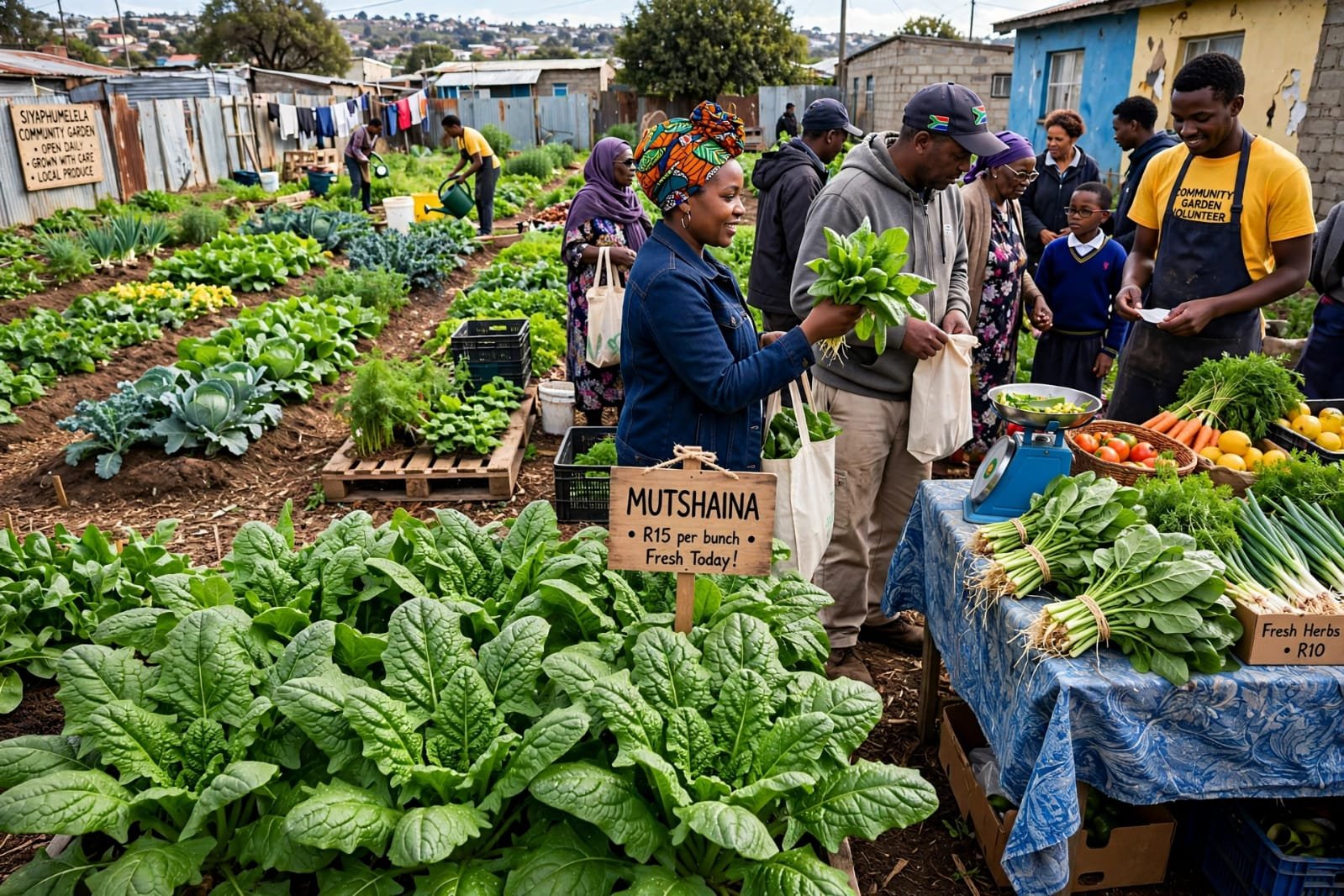
Mutshaina Other Names

The Many Names of Mutshaina: A Guide to South African & International Varieties

If you have spent any time browsing South African gardening forums, local food markets, or traditional seed catalogs, you might have noticed a lot of names for the exact same leafy green.

One grower calls it Mutshaina, an international chef calls it Mustard Greens, a seed packet labels it Florida Broadleaf, and a greengrocer lists it as Mustard Spinach.

Are they all the same plant? Yes!

To help you navigate the seed catalog and grocery aisles, here is the complete breakdown of the global and local names used for Mutshaina.

The Botanical Identity: Brassica juncea

Before diving into the cultural names, it helps to understand the science. Mutshaina belongs to the species Brassica juncea.

This means it is a close relative of cabbage, broccoli, kale, and canola.

Unlike true spinach (Spinacia oleracea) or Swiss Chard (Beta vulgaris), Mutshaina is biologically a leaf mustard. It is grown specifically for its large, tender, succulent leaves rather than its roots or oil seeds.

Local South African Names

Because South Africa is rich in diverse cultures and languages, this hardy winter green has earned several beautiful regional names:

Mutshaina (or Mutshayina): This is the most common name used across the northern parts of South Africa, particularly in Venda (Tshivenda) and regions throughout Limpopo and Gauteng.

It translates directly as “mustard spinach” or “leaf mustard” in everyday local culinary contexts.

Mustard Spinach: This is the preferred retail and agricultural term used across South African nurseries and commercial seed houses.

It is a brilliant descriptive name because the crop looks and cooks like spinach, but carries a subtle mustard zest.

Mustard Greens: A common blanket term used by local commercial farmers and fresh produce markets (like the Johannesburg and Tshwane Fresh Produce Markets) to categorize any leafy green from the mustard family.

International & Cultural Names

Because Brassica juncea is native to Asia and highly adaptable, it has travelled the globe and picked up unique names in different international cuisines:

Florida Broadleaf: This is the specific heirloom cultivar name developed in the United States that has become the absolute standard for home gardeners in South Africa.

It describes the massive, oval, smooth, deep green leaves that lack the sharp spines or heavy frills of other mustard varieties.

Indian Mustard / Rai: In India and across South Asian diaspora communities in South Africa, it is known as Rai or Sarson.

While some Indian varieties are grown for small black seeds to make spice oil, the leaf variants are used to make the famous northern Indian dish, Sarson ka Saag.

Chinese Mustard / Gai Choy: In East Asian cuisines and local specialty markets, it is frequently called Gai Choy (or Jie Cai).

Asian varieties can range from wrapped, heading mustards to broad-leaved greens like our local Florida Broadleaf.

Oriental Mustard: A historical trade term often used in international seed markets to differentiate spicy Asian leaf brassicas from Western oilseed crops.

Why the Name Confusion Matters for Gardeners

Understanding these names makes you a smarter shopper and a better gardener:

Don’t Buy the Same Seed Twice: If you buy a packet of Florida Broadleaf, a packet of Mutshaina, and a packet of Mustard Spinach, you are planting the exact same crop!

Unlocks Hundreds of Recipes: Knowing that Mutshaina is the same as Indian Rai or American Mustard Greens opens up an incredible world of international culinary recipes. You can braise it local-style with onions and tomatoes, slow-simmer it southern-USA style with smoked meats, or stir-fry it ginger-garlic style for an Asian side dish.

Shopping Basket
0
    0
    Your Cart
    Your cart is emptyReturn to Shop
    Scroll to Top