Master the art of cultivating fresh, crisp Asian greens with our ultimate Pak Choi Growing Guide, specially optimized for South African conditions.
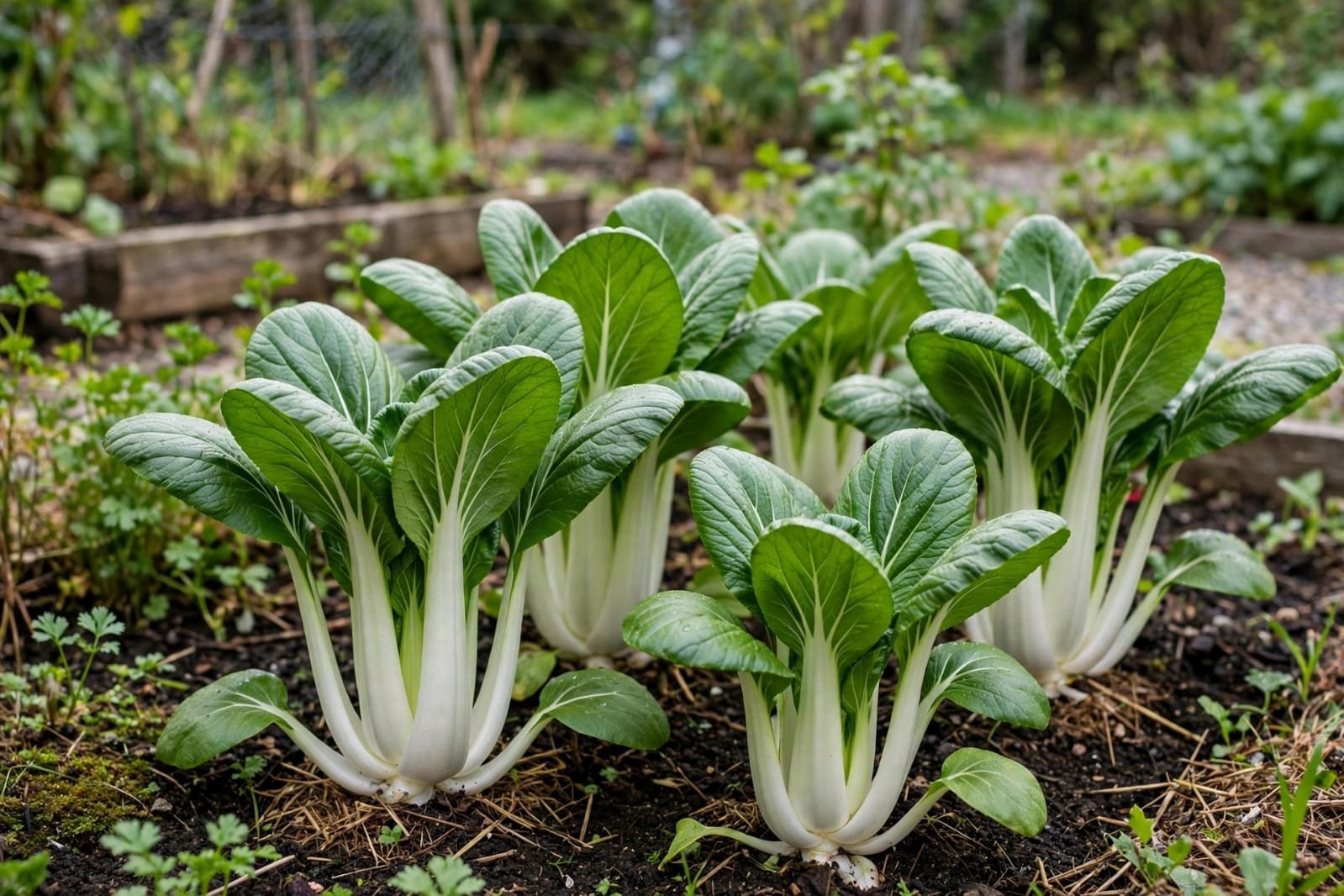
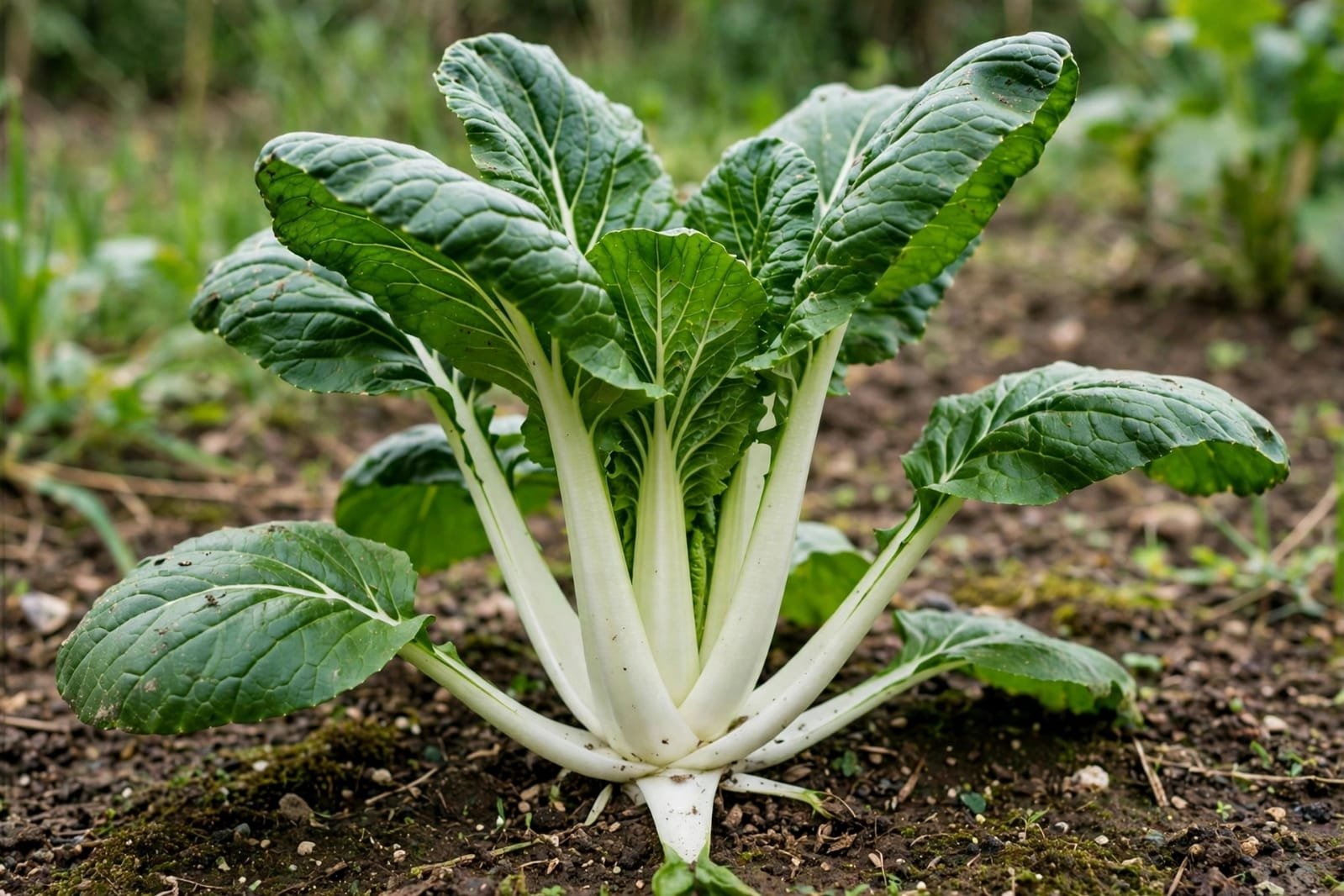
Growing Pak Choi (White Stemmed), also widely known as Bok Choy, from seed is an incredibly fast and rewarding project.
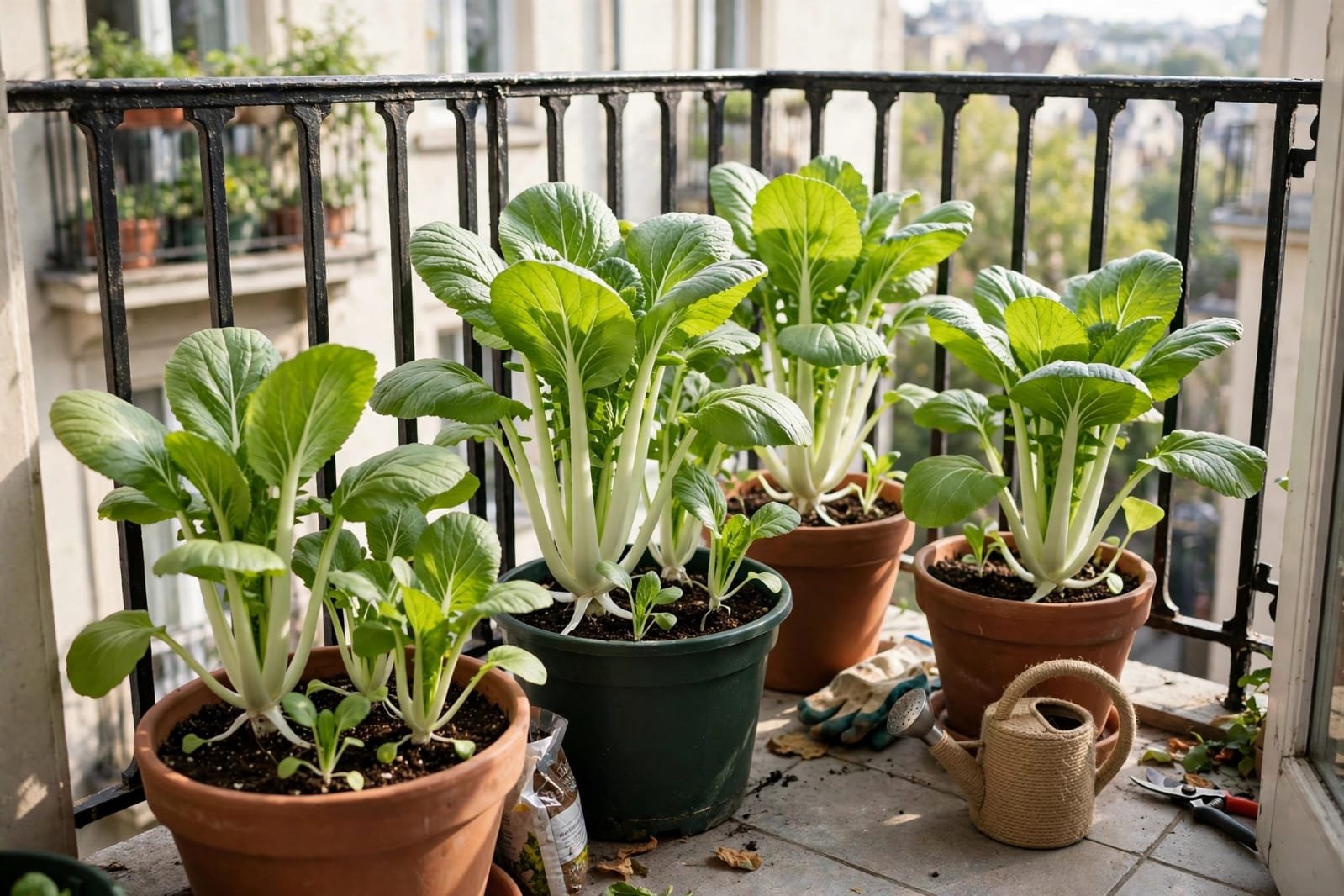
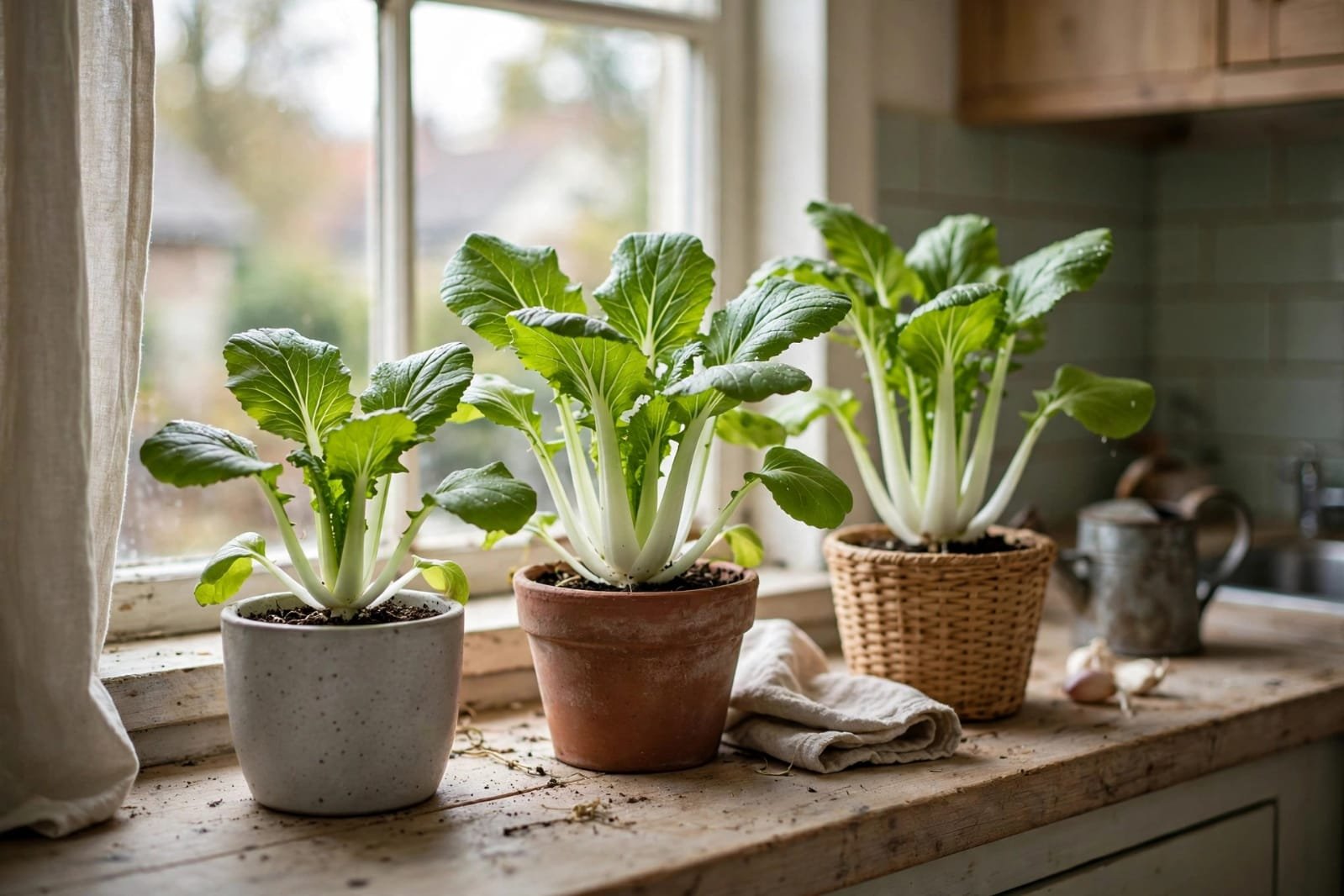
It is the perfect choice for busy home growers, urban balcony gardeners, and traditional homesteaders alike.
Because each of our premium heirloom packets contains over 100 seeds, you can space out your planting to enjoy a steady, non-stop supply of succulent white stems and tender green leaves all season long.
Quick-Reference Planting Profile
- Sowing Depth: 1 cm deep
- Seed Spacing: 2 to 3 cm apart initially
- Final Plant Spacing: 15 to 20 cm apart (up to 25 cm for large heads)
- Row Spacing: 30 cm apart
- Sunlight Preference: Full sun (at least 6 hours) to partial afternoon shade
- Time to Maturity: 30 days (baby leaf) to 50 days (full mature heads)
- Best Planting Seasons: Autumn (March to May) and Spring (August to September)
Step 1: Time Your Planting for Success
Pak Choi is a cool-season vegetable that grows best in moderate, mild weather. If you plant it during the scorching, mid-summer heat of a South African summer, the plant experiences stress and will “bolt.”
Bolting means it will prematurely shoot up a flower stalk to produce seeds, making the juicy white stems tough, woody, and bitter.
Autumn Sowing (Highly Recommended): Sowing from March to May is ideal for most regions in South Africa. The cooling weather allows the heads to form beautifully without the risk of heat stress.
Spring Sowing: Sowing in August or September provides a fantastic, rapid crop that you can harvest completely before the intense summer heat sets in.
Step 2: Prepare a Rich, Moisture-Retentive Bed
Pak Choi grows exceptionally fast, which means it needs constant access to rich nutrients and water to keep its stems crisp and juicy.
Soil Type: Aim for a loose, well-draining loam packed with organic matter. Pak Choi thrives in a soil pH between 6.0 and 7.5.
Soil Preparation: Dig over your chosen garden bed to a depth of roughly 15 to 20 cm. Mix in a generous layer of high-quality, well-rotted organic compost or aged manure.
Nutrient Boost: Because it is a leafy crop, Pak Choi loves nitrogen. Adding a handful of organic, slow-release nitrogen fertilizer (like organic poultry manure pellets) to the soil prior to sowing will give your seedlings an excellent head start.
Step 3: Sow Your Seeds Directly
While Pak Choi can be started in seed trays, it performs best and faces less transplant shock when sown directly into its final growing position.
Create shallow, straight furrows in your prepared soil about 1 cm deep. If planting multiple rows, space them 30 cm apart. Drop your heirloom seeds thinly along the furrow, aiming for roughly 2 to 3 cm of space between each seed.
Lightly cover the furrows with fine soil or sifted compost and press down gently to ensure firm seed-to-soil contact.
Water the area thoroughly using a watering can with a fine rose attachment or a garden hose set to a gentle mist. Keep the soil consistently damp. Germination is incredibly fast, taking just 4 to 8 days.
Step 4: Thin Your Seedlings
To get those iconic, thick, spoon-shaped white stalks, your Pak Choi plants need room to expand. Overcrowded plants will grow tall, thin, and stringy.
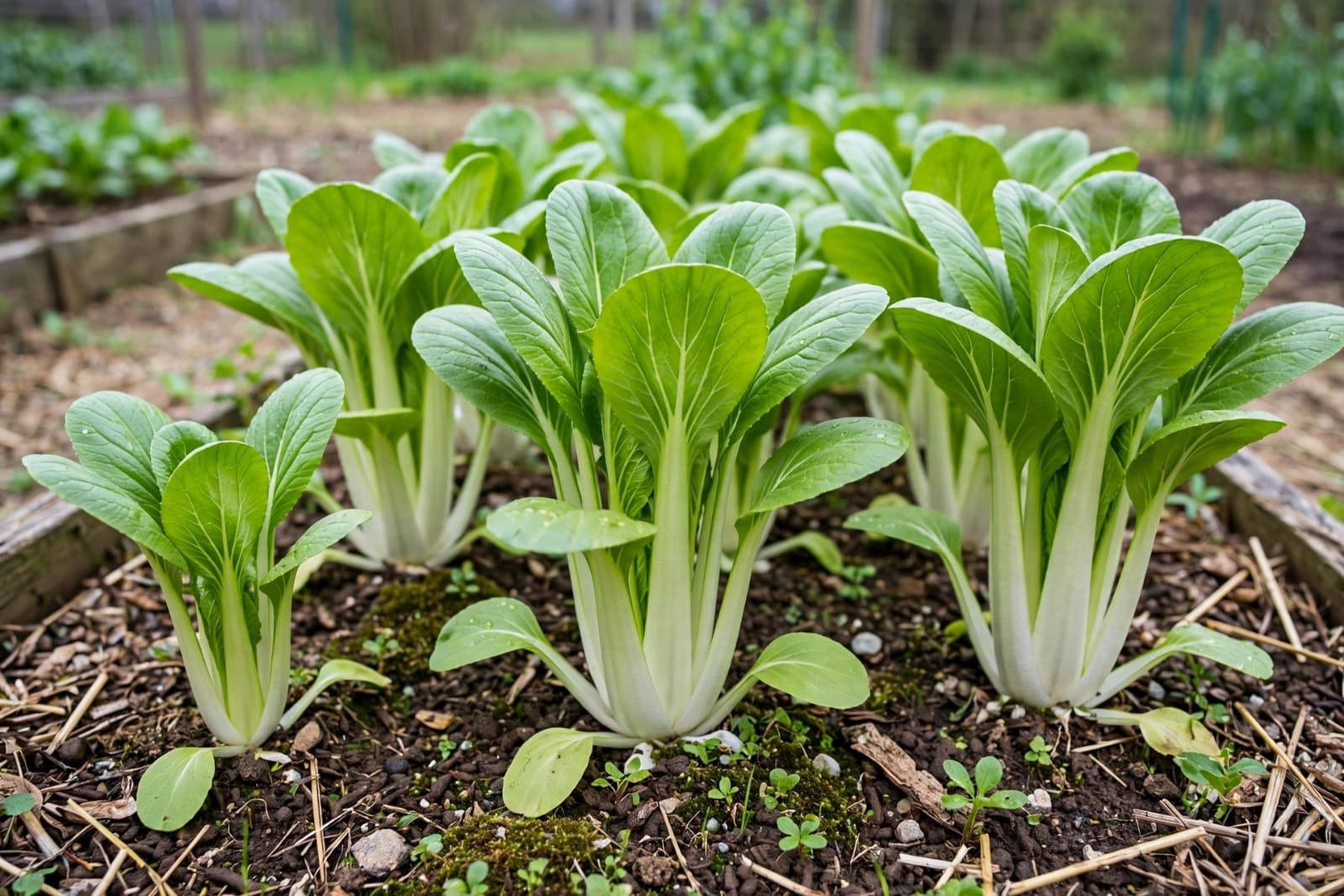
When your seedlings are about 5 cm tall, thin them out to a final spacing of 15 to 20 cm apart.
Do not pull them out: Pulling unwanted seedlings can disturb the delicate, shallow roots of the neighboring plants you want to keep. Instead, use a sharp pair of scissors to snip the unwanted seedlings off at soil level.
Gardener’s Tip: Save the thinnings! These tender baby Pak Choi leaves are incredibly delicious and make a gourmet addition to fresh raw salads or quick stir-fries.
Step 5: Ongoing Care and Watering (The Secret to Sweet Stems)
Consistent Moisture: Pak Choi has shallow roots and consists mostly of water. It requires regular, deep watering 2 to 3 times a week (more often during dry, windy periods).
Never let the soil dry out completely, as water stress triggers immediate bolting and ruins the texture.
Mulching: Spread a thin layer of organic mulch, such as clean straw or fine bark, around the base of the plants. This keeps the roots cool, retains soil moisture, and prevents dirt from splashing into the clean white stalks when it rains.
Shade Cloth Protection: If an unseasonal heatwave hits, erecting a temporary 40% shade cloth over your Pak Choi patch will keep the plants cool and prevent them from going to seed early.
Step 6: Harvesting Your Bounty
Our non-GMO White Stemmed Pak Choi offers ultimate harvesting flexibility depending on what you are cooking:
The Continuous Harvest: You can start harvesting individual outer leaves as soon as the plant reaches 10 to 15 cm tall. Leave the inner core intact, and the plant will continue pushing out new leaves for weeks.
The Whole Head Harvest: To harvest the entire mature head, wait until the base feels firm, compact, and heavily filled out (usually around 45 to 50 days). Use a sharp knife to slice the head off cleanly right at the soil line.

Reviews
There are no reviews yet.