,

Pak Choi Over 100 Seeds

R15,00

Excluding shipping

Availability: 30 in stock

Guaranteed Safe Checkout

Bring the fresh, crisp flavors of Asian cuisine to your backyard with our premium White Stemmed Pak Choi seeds.

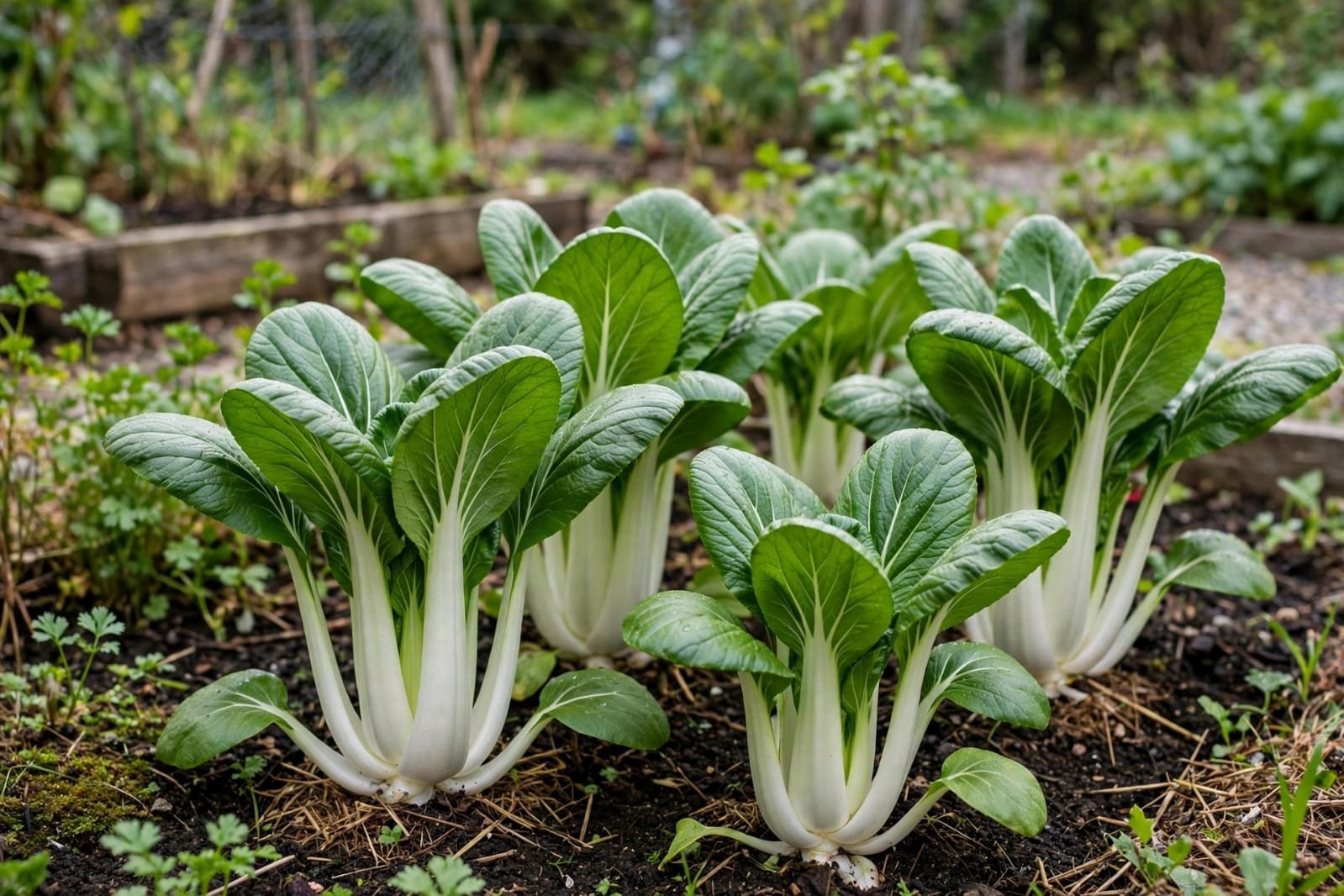
Also known as Bok Choy, this classic heirloom variety is a favorite among South African gardeners for its rapid growth, succulent white stems, and tender dark green leaves.

Perfect for vegetable patches, raised beds, or quick-yielding container gardens, these non-GMO seeds perform exceptionally well across South Africa’s diverse growing regions.

Each packet contains over 100 seeds, providing an abundant supply to sow in successive batches for a continuous garden harvest.

White Stemmed Pak Choi is incredibly fast-growing, reaching baby leaf maturity in just 30 days and full maturity in 45 to 50 days.

The crisp, thick white stalks offer a mild, refreshing crunch with a subtle peppery undertone, making it the perfect homegrown ingredient for quick stir-fries, nourishing soups, or fresh raw salads.

These open-pollinated heirloom seeds are completely non-GMO and thrive in loose, fertile soil with full sun to partial shade.

Pak Choi is highly versatile, growing beautifully during the cooler autumn months or as a quick spring crop before the peak summer heat.

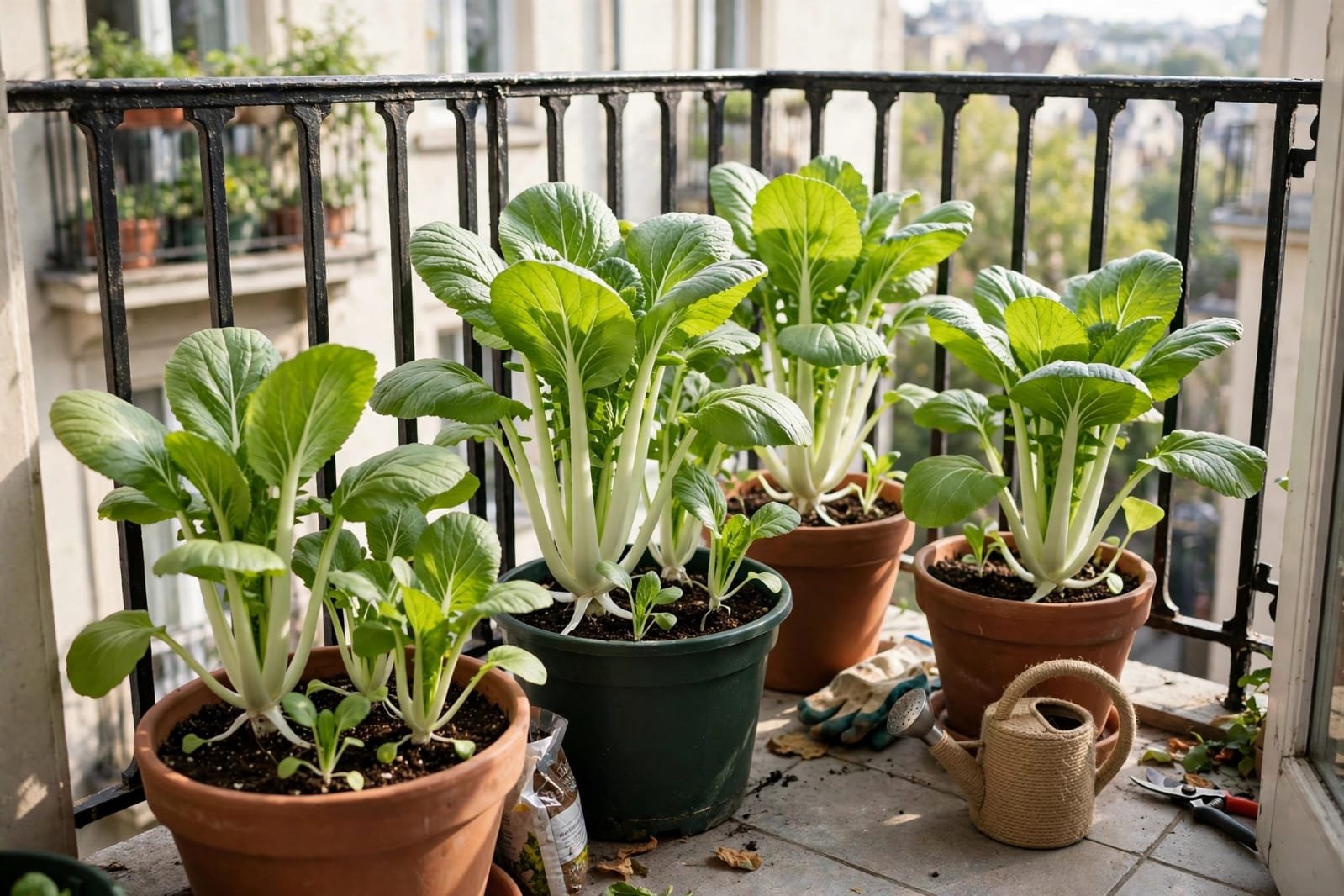
Whether you are an urban balcony gardener or a dedicated suburban homesteader, these hardy greens offer an easy, rewarding, and highly nutritious growing experience.

Reviews

There are no reviews yet.

Be the first to review “Pak Choi Over 100 Seeds”

Your email address will not be published. Required fields are marked *

How to Grow Pak Choi from Seed

Learn how to grow Pak Choi (White Stemmed) from seed in South Africa with our simple, step-by-step planting guide.

Also widely known as Bok Choy, Pak Choi is one of the fastest, most rewarding Asian greens you can cultivate. It delivers crisp, juicy white stalks and tender green leaves in just a matter of weeks.

Quick Growing Facts

  • Sowing Depth: 1 cm deep
  • Plant Spacing: 15 to 20 cm apart
  • Row Spacing: 30 cm apart
  • Sunlight Requirements: Full sun to partial shade
  • Time to Maturity: 30 days (baby leaf) to 50 days (full heads)
  • Best Planting Seasons: Autumn (March to May) and Spring (August to September)

Step 1: Choose the Best Time to Plant

Pak Choi is a cool-season biennial grown as an annual. It thrives best in mild, moderate weather. If planted during the scorching mid-summer months, the plants are highly prone to “bolting”—which means they will prematurely shoot up to produce seeds, causing the stems to become tough and bitter.

Autumn Sowing: For most of South Africa, late summer to autumn (March to May) is the absolute best time to plant, ensuring a stress-free winter harvest.

Spring Sowing: A secondary planting window occurs in late winter to early spring (August to September) for a quick harvest before the summer heat intensifies.

Step 2: Prepare Your Growing Bed

Pak Choi requires rich, moisture-retentive soil to fuel its rapid, succulent growth.

Soil Quality: Choose a spot with loose, well-draining soil packed with organic matter. Pak Choi prefers a soil pH between 6.0 and 7.5.

Soil Prep: Dig over your planting area down to 15–20 cm. Mix in a generous layer of well-rotted compost or organic aged manure.

Nutrient Needs: Because Pak Choi grows rapidly and is harvested for its leaves and stems, it appreciates steady nitrogen. Adding an organic, slow-release nitrogen fertilizer at planting time gives it an excellent head start.

Step 3: Sowing the Seeds

Because our premium heirloom packets contain over 100 seeds, you can practice “succession planting”—sowing a new small batch every two weeks to guarantee a steady, continuous supply rather than harvesting all your heads at once.

Make shallow furrows 1 cm deep, leaving roughly 30 cm of space between your rows. Sow the seeds thinly along the furrow, aiming for about 2 to 3 cm apart.

Lightly cover the seeds with soil or compost and press down gently to ensure firm seed-to-soil contact. Water thoroughly using a watering can with a fine rose or a hose on a mist setting to avoid washing away the delicate seeds.

Keep the soil consistently damp. Seeds germinate very quickly, usually within 4 to 8 days.

Step 4: Thinning and Spacing

Giving your Pak Choi room to breathe is essential for it to develop those signature, thick, spoon-shaped white stalks.

Once seedlings are about 5 cm tall, thin them to a final spacing of 15 to 20 cm apart (or up to 25 cm for very large heads).

Don’t waste the thinnings! Snip the unwanted seedlings off at soil level rather than pulling them. These tender baby leaves are incredibly delicious and can be washed and eaten immediately in stir-fries or fresh salads.

Step 5: Ongoing Care and Maintenance

Watering (The Secret to Crisp Stems): Pak Choi has a shallow root system and is composed mostly of water. It requires frequent, consistent watering. Water deeply 2 to 3 times a week (more often in dry or windy South African conditions). Never let the soil dry out completely, as water stress triggers immediate bolting.

Mulching: Spread a thin layer of organic mulch (like clean straw or fine bark) around the base of the plants. Mulch keeps the root system cool, retains moisture, and stops mud from splashing onto the pristine white stems.

Shade Protection: If a sudden unseasonal warm spell hits, erecting a temporary 40% shade cloth over your Pak Choi patch will protect it from bolting.

Step 6: Harvesting Your Pak Choi

One of the best traits of our non-GMO White Stemmed Pak Choi is its ultimate harvesting versatility.

The “Cut-and-Come-Again” Method: You can start harvesting individual outer leaves as soon as the plant is 10–15 cm tall. The plant will continue to push out new growth from the center.

Harvesting Whole Heads: To harvest the entire mature head, wait until the base feels firm and compact (usually 45 to 50 days from sowing). Use a sharp knife to slice the plant off cleanly right at the soil level.

Pak Choi Medicinal and Nutritional Uses

Unlock the exceptional health benefits of White Stemmed Pak Choi with our comprehensive guide to its medicinal and nutritional uses.

While South African gardeners value Pak Choi (Bok Choy) for its fast growth and satisfying culinary crunch, it is equally revered as a highly therapeutic, disease-fighting superfood.

Every premium seed packet contains over 100 seeds, giving you an endless, affordable backyard supply of one of the most nutrient-dense leafy greens on the planet.

The Nutritional Powerhouse: Low Calorie, High VitalityPak Choi is a nutritional heavyweight. It ranks exceptionally high on the Aggregate Nutrient Density Index (ANDI), delivering a massive dose of micronutrients for very few calories.

A single serving of homegrown White Stemmed Pak Choi provides:

Vitamin K: Critical for optimizing bone density, skeletal health, and proper blood clotting pathways.

Vitamin C: A powerful antioxidant that fuels your immune system, protects cellular health, and stimulates radiant collagen production.

Vitamin A (Beta-Carotene): Essential for maintaining sharp vision, supporting eye health, and protecting cellular membranes.

Folate (Vitamin B9): Vital for DNA synthesis, cellular repair, and cardiovascular health. It is a critical nutrient for pregnant women.

Bioavailable Calcium: Unlike spinach, Pak Choi is exceptionally low in oxalates, meaning your body can easily absorb its high calcium content to build strong bones.

Medicinal & Health Benefits of Pak Choi

1. Packed with Cancer-Fighting Glucosinolates

As a proud member of the brassica family, Pak Choi is loaded with glucosinolates. When you chew or chop the crisp white stems, these compounds convert into bioactive molecules called isothiocyanates.

Peer-reviewed medical studies indicate that these substances actively assist the liver in detoxifying carcinogens, reduce chronic cellular damage, and help protect the body against certain cancers.

2. Reduces Chronic Inflammation

Chronic, systemic inflammation is a leading root cause of many modern health issues, including arthritis and metabolic disorders.

Pak Choi contains a broad spectrum of powerful antioxidants, including quercetin, kaempferol, and beta-carotene. These natural compounds scavenge dangerous free radicals and suppress inflammatory pathways throughout the body.

3. Supports Heart Health and Blood Pressure Regulation

Incorporating Pak Choi into a traditional South African diet is a fantastic way to care for your cardiovascular system:

Potassium, Calcium, and Magnesium: This trio of essential minerals naturally dilates blood vessels, allowing the body to excrete excess sodium and maintain healthy blood pressure levels.

Vitamin B6 and Folate: These B-vitamins work in tandem to prevent the buildup of homocysteine, an amino acid that can damage blood vessels and increase the risk of heart disease when left unchecked.

4. Enhances Digestion and Weight Management

If you are looking to support your metabolic health or manage your weight, White Stemmed Pak Choi is the perfect garden companion. It has a high water content and is rich in dietary fibre.

The fibre acts as a natural prebiotic, promoting smooth digestion, preventing constipation, and feeding the beneficial bacteria living in your gut microbiome.

5. Protects Eye Health and Vision

The striking dark green leaves of Pak Choi are packed with lutein and zeaxanthin. These specific carotenoids concentrate in the retina, where they act as natural internal sunglasses, filtering out harmful blue light and protecting aging eyes from macular degeneration and cataracts.

Traditional and Wellness Uses

Cooling Food Therapy: In traditional Eastern medicine practices, Pak Choi is classified as a highly “cooling” food. It has historically been consumed to soothe internal heat, reduce fevers, ease digestive inflammation, and calm stomach ulcers.

Hydration and Detoxification: Due to its immense water and mineral content, raw or lightly steamed Pak Choi juice has traditionally been used as a natural tonic to restore hydration, flush out the kidneys, and clear up inflammatory skin conditions.

How to Prepare Pak Choi for Maximum Nutrition

To preserve the delicate, health-promoting enzymes in your homegrown harvest, cooking style matters:

Avoid Boiling: Boiling leaches water-soluble vitamins (like Vitamin C and Folate) out of the plant and into the water.

Steam or Stir-Fry Lightly: Toss the chopped stalks and leaves into a hot pan with a splash of healthy oil (like sesame or olive oil) for just 2 to 3 minutes. The healthy fats significantly boost your body’s absorption of fat-soluble vitamins like Vitamin A and Vitamin K!

Pak Choi Growing Guide

Master the art of cultivating fresh, crisp Asian greens with our ultimate Pak Choi Growing Guide, specially optimized for South African conditions.

Growing Pak Choi (White Stemmed), also widely known as Bok Choy, from seed is an incredibly fast and rewarding project.

It is the perfect choice for busy home growers, urban balcony gardeners, and traditional homesteaders alike.

Because each of our premium heirloom packets contains over 100 seeds, you can space out your planting to enjoy a steady, non-stop supply of succulent white stems and tender green leaves all season long.

Quick-Reference Planting Profile

  • Sowing Depth: 1 cm deep
  • Seed Spacing: 2 to 3 cm apart initially
  • Final Plant Spacing: 15 to 20 cm apart (up to 25 cm for large heads)
  • Row Spacing: 30 cm apart
  • Sunlight Preference: Full sun (at least 6 hours) to partial afternoon shade
  • Time to Maturity: 30 days (baby leaf) to 50 days (full mature heads)
  • Best Planting Seasons: Autumn (March to May) and Spring (August to September)

Step 1: Time Your Planting for Success

Pak Choi is a cool-season vegetable that grows best in moderate, mild weather. If you plant it during the scorching, mid-summer heat of a South African summer, the plant experiences stress and will “bolt.”

Bolting means it will prematurely shoot up a flower stalk to produce seeds, making the juicy white stems tough, woody, and bitter.

Autumn Sowing (Highly Recommended): Sowing from March to May is ideal for most regions in South Africa. The cooling weather allows the heads to form beautifully without the risk of heat stress.

Spring Sowing: Sowing in August or September provides a fantastic, rapid crop that you can harvest completely before the intense summer heat sets in.

Step 2: Prepare a Rich, Moisture-Retentive Bed

Pak Choi grows exceptionally fast, which means it needs constant access to rich nutrients and water to keep its stems crisp and juicy.

Soil Type: Aim for a loose, well-draining loam packed with organic matter. Pak Choi thrives in a soil pH between 6.0 and 7.5.

Soil Preparation: Dig over your chosen garden bed to a depth of roughly 15 to 20 cm. Mix in a generous layer of high-quality, well-rotted organic compost or aged manure.

Nutrient Boost: Because it is a leafy crop, Pak Choi loves nitrogen. Adding a handful of organic, slow-release nitrogen fertilizer (like organic poultry manure pellets) to the soil prior to sowing will give your seedlings an excellent head start.

Step 3: Sow Your Seeds Directly

While Pak Choi can be started in seed trays, it performs best and faces less transplant shock when sown directly into its final growing position.

Create shallow, straight furrows in your prepared soil about 1 cm deep. If planting multiple rows, space them 30 cm apart. Drop your heirloom seeds thinly along the furrow, aiming for roughly 2 to 3 cm of space between each seed.

Lightly cover the furrows with fine soil or sifted compost and press down gently to ensure firm seed-to-soil contact.

Water the area thoroughly using a watering can with a fine rose attachment or a garden hose set to a gentle mist. Keep the soil consistently damp. Germination is incredibly fast, taking just 4 to 8 days.

Step 4: Thin Your Seedlings

To get those iconic, thick, spoon-shaped white stalks, your Pak Choi plants need room to expand. Overcrowded plants will grow tall, thin, and stringy.

When your seedlings are about 5 cm tall, thin them out to a final spacing of 15 to 20 cm apart.

Do not pull them out: Pulling unwanted seedlings can disturb the delicate, shallow roots of the neighboring plants you want to keep. Instead, use a sharp pair of scissors to snip the unwanted seedlings off at soil level.

Gardener’s Tip: Save the thinnings! These tender baby Pak Choi leaves are incredibly delicious and make a gourmet addition to fresh raw salads or quick stir-fries.

Step 5: Ongoing Care and Watering (The Secret to Sweet Stems)

Consistent Moisture: Pak Choi has shallow roots and consists mostly of water. It requires regular, deep watering 2 to 3 times a week (more often during dry, windy periods).

Never let the soil dry out completely, as water stress triggers immediate bolting and ruins the texture.

Mulching: Spread a thin layer of organic mulch, such as clean straw or fine bark, around the base of the plants. This keeps the roots cool, retains soil moisture, and prevents dirt from splashing into the clean white stalks when it rains.

Shade Cloth Protection: If an unseasonal heatwave hits, erecting a temporary 40% shade cloth over your Pak Choi patch will keep the plants cool and prevent them from going to seed early.

Step 6: Harvesting Your Bounty

Our non-GMO White Stemmed Pak Choi offers ultimate harvesting flexibility depending on what you are cooking:

The Continuous Harvest: You can start harvesting individual outer leaves as soon as the plant reaches 10 to 15 cm tall. Leave the inner core intact, and the plant will continue pushing out new leaves for weeks.

The Whole Head Harvest: To harvest the entire mature head, wait until the base feels firm, compact, and heavily filled out (usually around 45 to 50 days). Use a sharp knife to slice the head off cleanly right at the soil line.

Pak Choi Other Names

Discover the diverse local and global names for this popular Asian green with our comprehensive guide to Pak Choi terminology.

While gardeners across South Africa love planting our premium heirloom White Stemmed Pak Choi seeds, this versatile leafy green goes by many different names depending on the region, culture, and grocery aisle you find yourself in.

Understanding these alternative names can help you source exciting international recipes and confidently browse global gardening forums. Because each of our premium seed packets contains over 100 seeds, you will have plenty of opportunities to experiment with growing and cooking this globally celebrated vegetable.

The Big Linguistic Debate: Pak Choi vs. Bok Choy

By far the most common point of confusion for home gardeners is the regional naming split between English-speaking countries:

Pak Choi (UK, Australia, South Africa, and Europe): In South Africa and across most of the Commonwealth, Pak Choi is the preferred spelling. It directly mirrors the Cantonese pronunciation of the vegetable.

Bok Choy (North America): If you are reading American gardening blogs or watching cooking videos from the United States and Canada, you will almost exclusively see it spelled Bok Choy.

Note: Both terms translate literally to “white vegetable” in Cantonese, and they refer to the exact same plant (Brassica rapa subsp. chinensis).

Local South African and African Names

In South Africa’s diverse culinary landscape, Pak Choi is steadily carving out its own identity:

Chinese Cabbage (Sinese Kool): Locally, Pak Choi is often broadly grouped under the umbrella term Chinese Cabbage (or Sinese Kool in Afrikaans).

However, it is important to know that true Pak Choi does not form tight, dense heads like standard Napa cabbage; instead, it grows in a loose, open rosette shape with distinct, succulent stems.

Mutshaina / Moroho / Imifino: While these traditional terms generally refer to indigenous African leafy greens or wild mustard leaves (like Brassica cernua), many local communities and smallholders adopt Pak Choi into these categories due to its similar growing habits, nutritional profile, and use in traditional braised green dishes.

Global and Regional Variations

1. White-Stemmed vs. Green-Stemmed Varieties

When searching for seeds or recipes, you will often find names that describe the physical appearance of the crop:

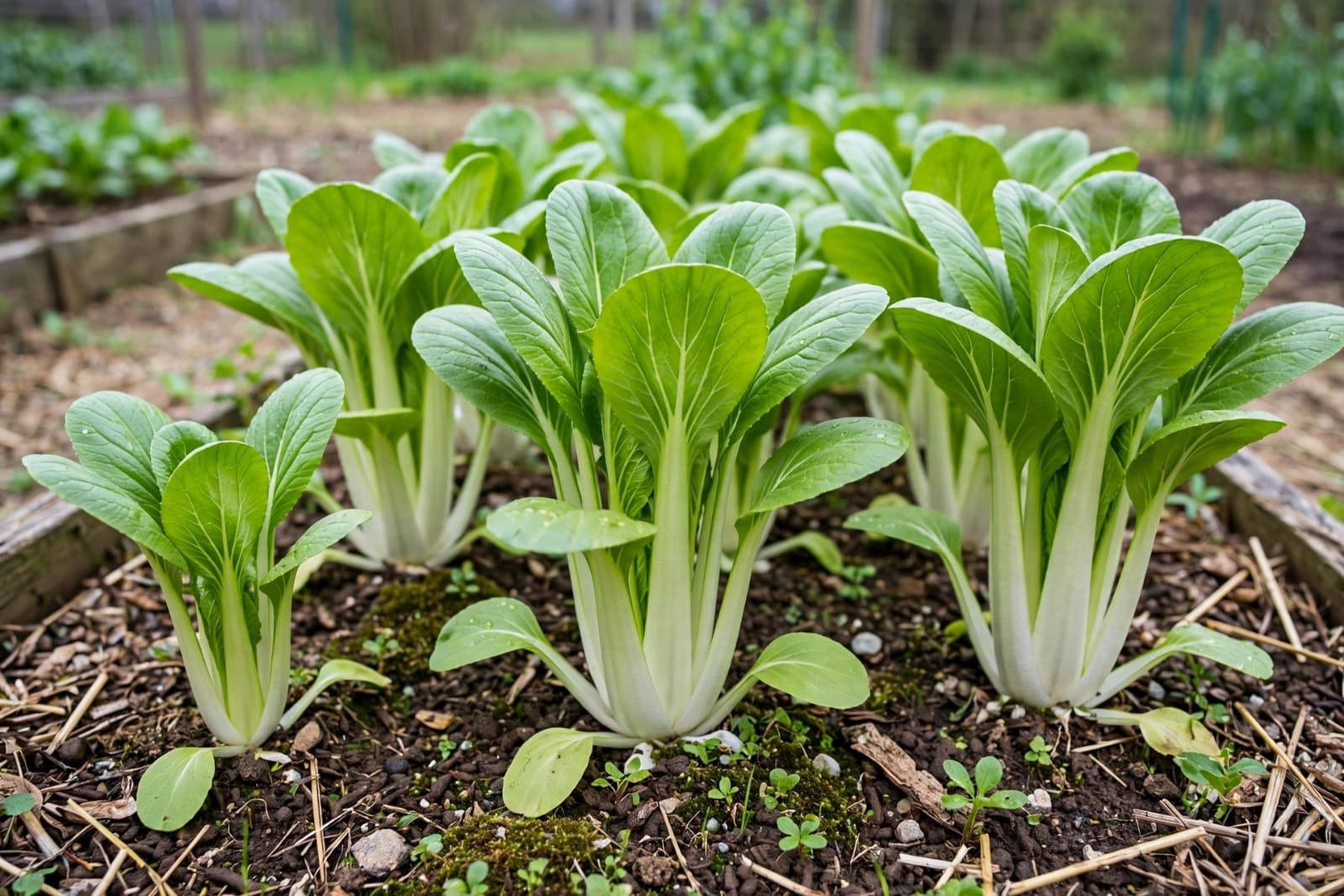
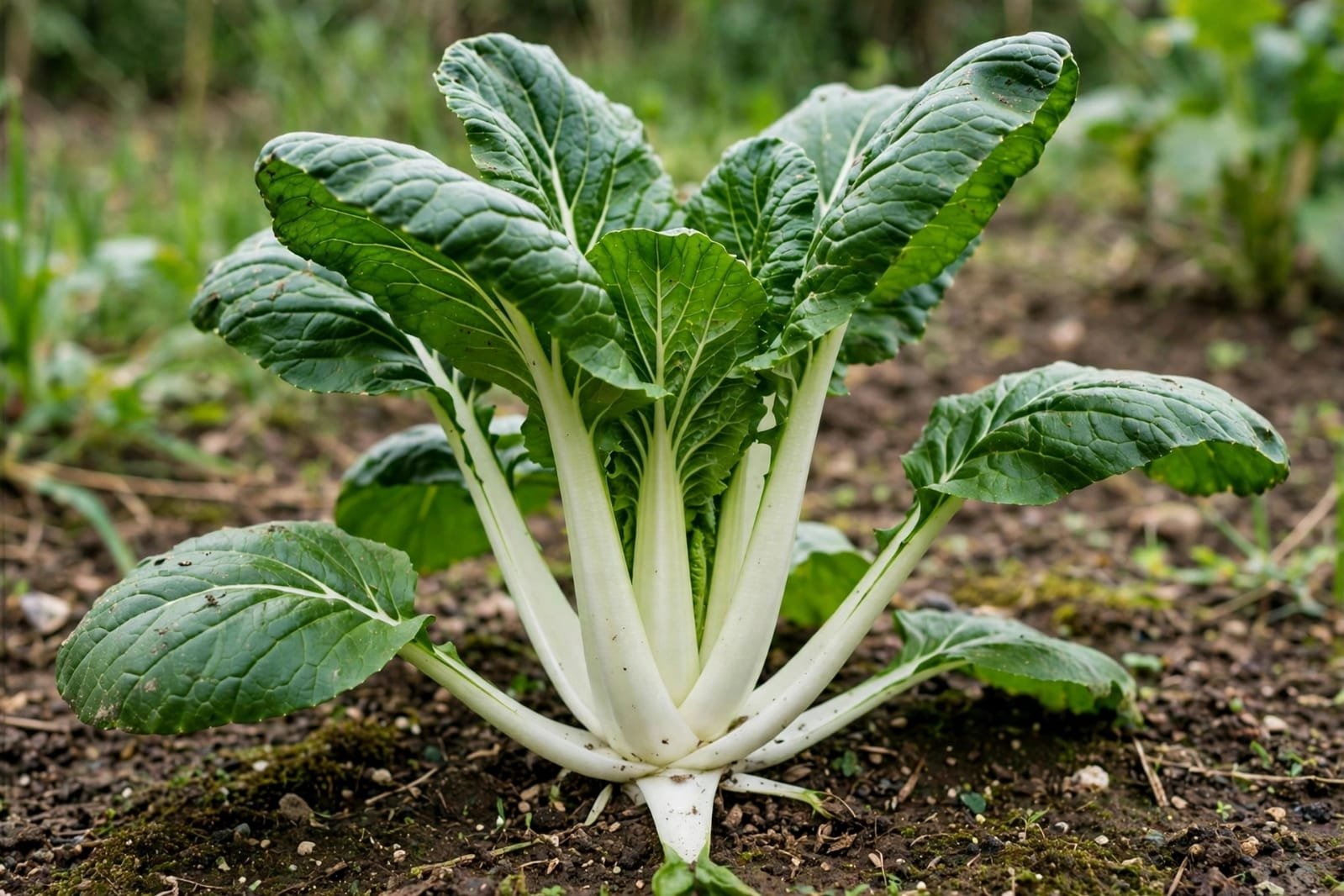
White-Stemmed Pak Choi: This is the classic heirloom variety we stock, characterized by its snow-white, spoon-shaped stalks and dark green leaves. Globally, it is sometimes called White Celery Mustard or Paak Tsai.

Shanghai Bok Choy: This is a distinct, separate variety featuring jade-green stems and lighter green leaves. It is generally smaller, less crisp, and has a milder flavor than the robust white-stemmed variety.

2. Size-Based Naming

Depending on when the vegetable is harvested, you may see it marketed under different names in supermarkets and seed catalogs:

Baby Pak Choi: Harvested early at around 30 days when the heads are small and tender. It is often cooked whole in upscale restaurants.

Anju / Ching-Genseng: Specific East Asian terms used to describe highly compact, dwarf, or intermediate growth stages of the plant.

3. Regional Asian Names

Bai Cai / Qing Cai (Mandarin): In Mainland China, the linguistic terms shift depending on the dialect. In Mandarin, it is frequently called Bai Cai (white vegetable) or Qing Cai (green vegetable).

Cheonggyeongchae (Korean): In Korean cuisine, where it is a highly popular addition to fresh side dishes and hot pots, it is known natively as cheonggyeongchae.

Taisai (Japanese): While Japan has its own closely related greens like Tatsoi and Komatsuna, classic white-stemmed Pak Choi is historically referred to as Taisai.

Scientific Name: The Botanical Identity

No matter what local name or spelling variant is used around the world, this plant shares a single, universal scientific name:

Brassica rapa subsp. chinensis

This scientific classification firmly establishes Pak Choi as a proud member of the Brassicaceae (mustard and cabbage) family.

This means it is a close cousin to other cool-season garden staples like turnips, kale, broccoli, and radishes.

Shopping Basket
0
    0
    Your Cart
    Your cart is emptyReturn to Shop
    Scroll to Top