You must have an order with a minimum of 20 pcs to place your order, your current order total is 3 pcs.
,

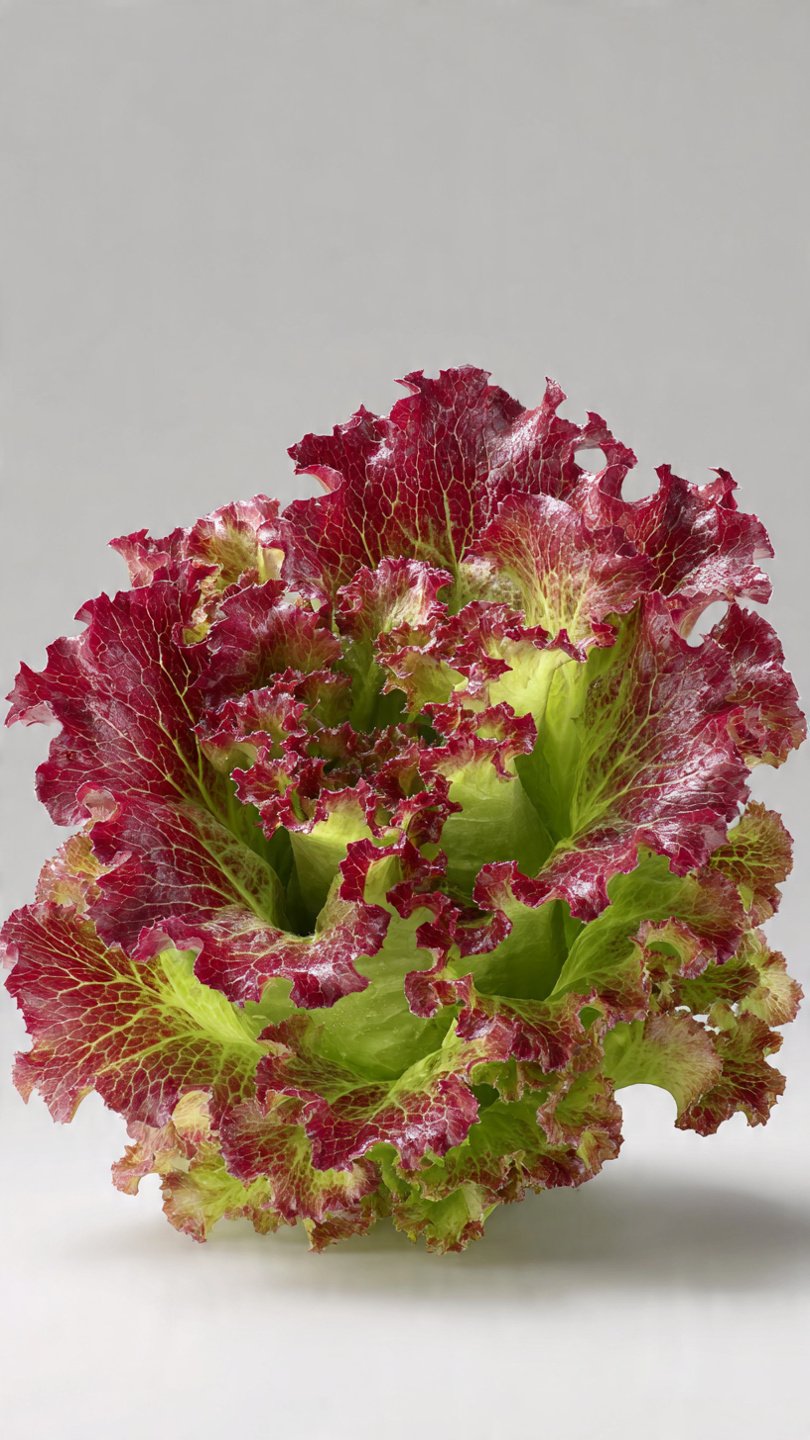
Lettuce Lollo Rossa – Over 100 Seeds

R15.00

Excluding shipping
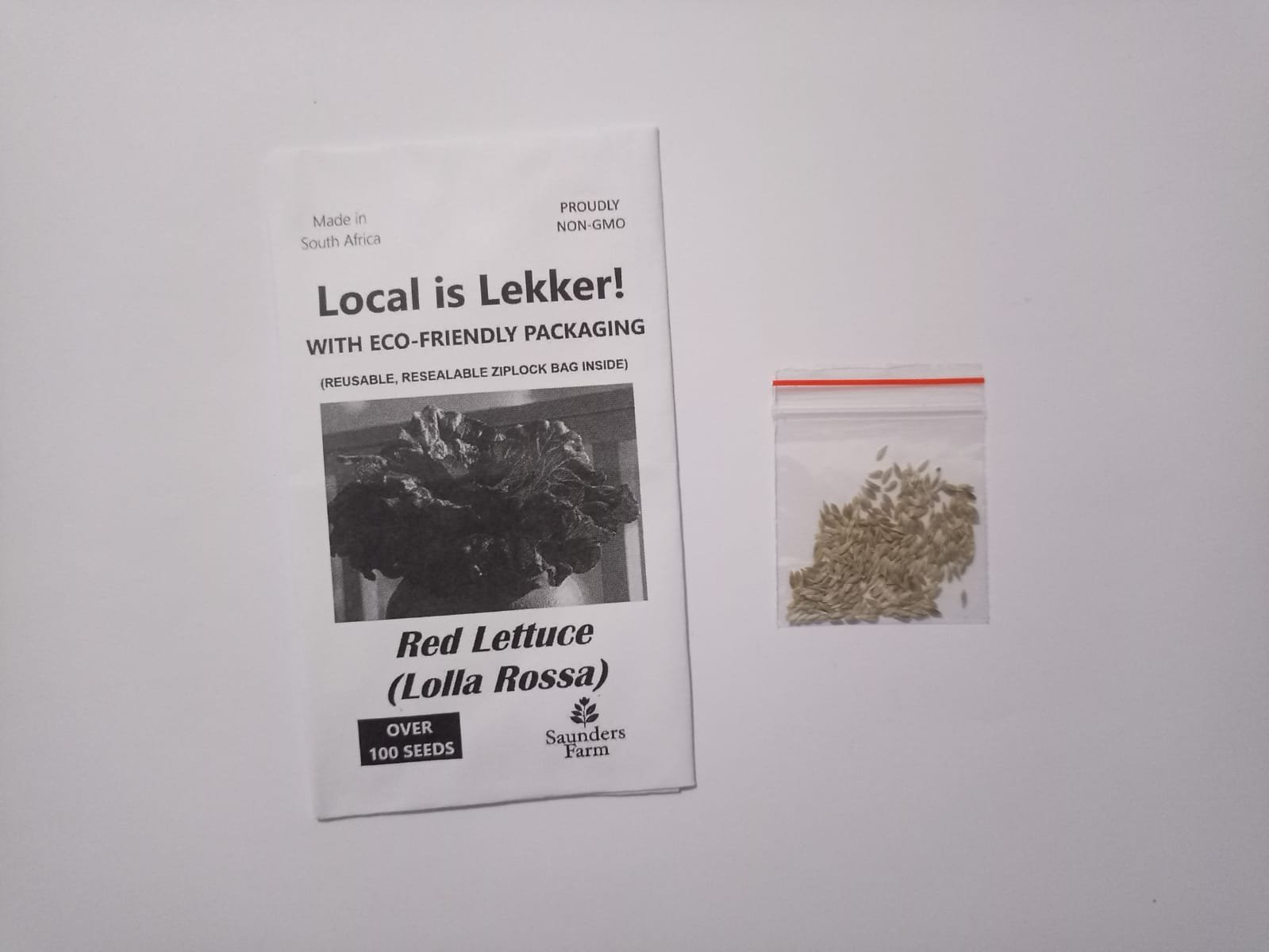
  • Over 100 Lettuce (Lollo Rossa / Lolla Rossa) Seeds
  • Join our WhatsApp Group to see when this product goes on special: https://chat.whatsapp.com/Ly1HQgXpYGXL2ffDGXUl4G
  • Proudly non-GMO
  • ECO-FRIENDLY: Biodegradable packaging with resealable, reusable plastic Ziplock bag inside
  • Made in South Africa, for South Africa

Availability: 101 in stock

Guaranteed Safe Checkout

Lettuce (Lollo Rossa) Seeds | Heirloom & Non-GMO (Over 100 Seeds)

Bring restaurant-quality gourmet elegance to your garden and dinner plate.

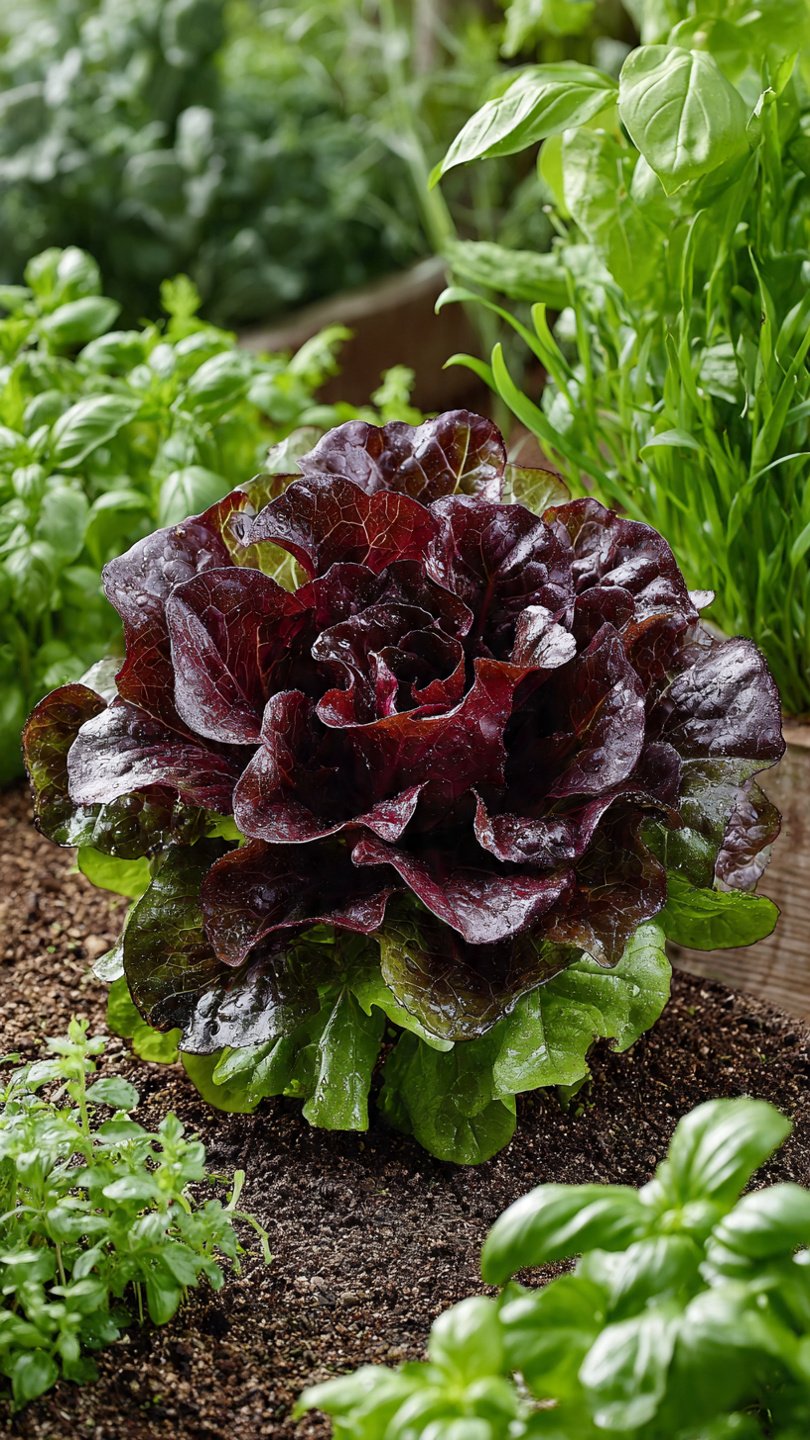
This premium seed pack contains over 100 high-germination, non-GMO heirloom seeds of the striking Lollo Rossa loose-leaf lettuce variety (Lactuca sativa).

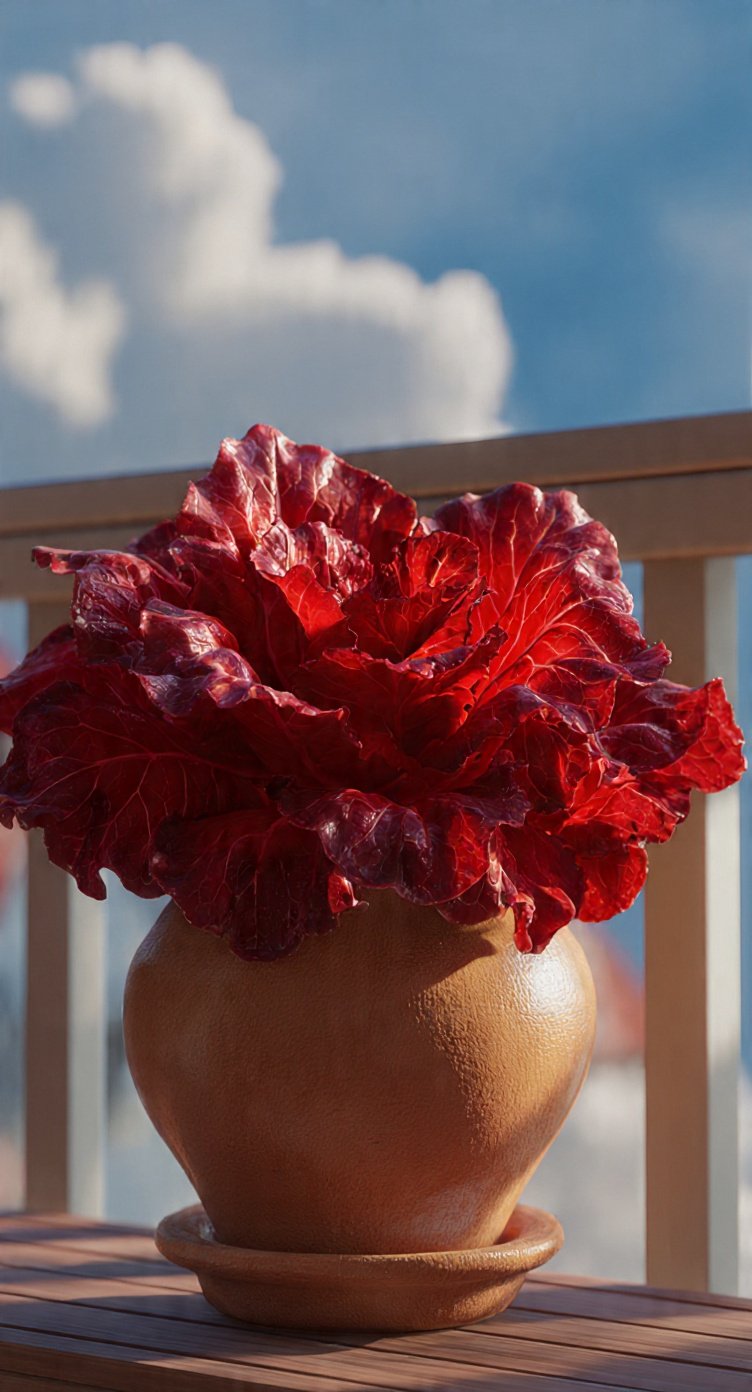
Known worldwide for its dramatic, deeply curled, frilly leaves with intense dark-burgundy tips, it is the ultimate cut-and-come-again crop for South African home gardeners, raised beds, and container vegetable patches.

Unlike traditional head lettuce, Lollo Rossa is a loose-leaf variety. This means you do not have to wait for a tight heart to form—you can harvest tender baby leaves sequentially all season long.

Its mild, slightly nutty flavor and highly textured leaves are perfect for catching salad dressings and elevating your home-cooked meals.

Why Choose Our Heirloom Lollo Rossa Lettuce Seeds?

  1. Over 100 Premium Seeds: A generous pack size offering incredible value.
  2. 100% Heirloom & Non-GMO: Pure, unadulterated plant genetics that allow you to harvest and save your own seed stock.
  3. Cut-and-Come-Again Harvest: Snip off individual outer leaves as needed; the plant will continuously grow new foliage from the center for months.
  4. Naturally Bolt-Resistant: Possesses excellent resilience against warm weather, meaning the leaves stay sweet and tender without turning bitter prematurely.
  5. Striking Visual Appeal: The intense red and burgundy edges are rich in anthocyanins (natural antioxidants), making it as healthy as it is beautiful.

South African Planting & Growing Guide

Lollo Rossa thrives in mild weather but adapts beautifully across South Africa’s distinct regional climates:

When to Plant

Highveld & Inland: Sow from August to March. Protect from extreme mid-winter frost unless grown under a frost cloth or indoors.

Western Cape: Sow from September to April as the spring and summer weather warms up, or year-round in highly sheltered conditions.

Subtropical Regions (KZN/Lowveld): Plant primarily during the cooler winter window (March to August) to avoid severe summer humidity.

  • Position: Full morning sun with partial afternoon shade. Providing afternoon shade is the secret to keeping red lettuce leaves tender and preventing leaf scorch during blazing summer heatwaves.
  • Sowing Depth: 3mm to 5mm deep. Lettuce seeds require light to trigger germination, so cover them very lightly with fine soil.
  • Spacing: For harvesting as baby leaves, sow seeds 2cm to 3cm apart. If growing full, loose-leaf rosettes, space or thin the plants to 20cm apart.
  • Germination Time: 7 to 10 days under moist conditions.
  • Days to Harvest: Pick tender, frilly baby leaves in just 30 to 35 days, or wait 55 to 60 days for full-sized, beautiful rosettes.

Quick Gardening Tips for Success

Watering: Keep the soil evenly moist. Lettuce has a shallow root system and prefers consistent, light watering every morning over heavy drenching once a week.

Soil: Plant in a loose, well-draining soil mix enriched with plenty of organic compost.

Companion Planting Tip: Plant Lollo Rossa next to your Marigold Lemon Drop or Marigold Crackerjack Mix to naturally deter common garden pests like aphids and slugs while making your garden look beautiful.
logo simple

Stop Killing Your Seeds!

5 Germination Mistakes Gardeners Must Stop Immediately

Get this free guide (5 minute read) and The Printable Monthly Growing Guide for South Africa (also free), via email:

We don’t spam! Read our privacy policy for more info.

Reviews

There are no reviews yet.

Be the first to review “Lettuce Lollo Rossa – Over 100 Seeds”

Your email address will not be published. Required fields are marked *

How to Grow Lettuce Lolla Rossa from Seed

How to Grow Lollo Rossa Lettuce from Seed: The Complete South African Guide

With its highly textured, curly leaves and brilliant dark-burgundy edges, Lollo Rossa (often spelled Lolla Rossa) is the ultimate gourmet loose-leaf lettuce variety.

Unlike heavy head-forming crisphead varieties, Lollo Rossa grows as an open rosette of frilly leaves. This makes it an exceptionally easy, fast, and forgiving crop to cultivate from seed.

This comprehensive guide covers everything you need to know to successfully grow abundant, beautiful Lollo Rossa lettuce in your South African garden.

When to Sow Lollo Rossa Seeds in South Africa

Lollo Rossa loves mild weather and cooler temperatures, which intensify its rich red pigments.

However, its excellent heat tolerance allows for an extended growing season across South Africa:

Highveld & Inland (Gauteng, Free State, North West): Sow from August to March. Avoid the freezing mid-winter months unless you are growing indoors on a sunny windowsill or using a protective frost cloth.

Western Cape (Mediterranean Climate): Sow from September to April. Providing afternoon shade during the peak of summer will keep the leaves tender and prevent them from scorching.

Subtropical Regions (KZN Coast, Lowveld): Plant exclusively during the cooler winter window from March to August to protect the plant from severe summer humidity and root rot.

What You Will Need

  1. Gather these basic items before you start planting:
  2. Premium Lollo Rossa lettuce seeds (like our heirloom, non-GMO packs)
  3. High-quality seedling trays or a wide, shallow pot (minimum 15cm deep)
  4. Sterile seed starting mix or rich potting soil
  5. A gentle water spray bottle
  6. Organic compost for garden bed preparation

Step-by-Step Guide to Sowing Lollo Rossa Seeds

Because Lollo Rossa is a loose-leaf variety, you can grow it using two different methods: direct sowing for close-spaced baby salad leaves, or seedling trays for growing large, beautiful individual rosettes.

Step 1: Prepare Your Growing Medium

If planting in garden beds, dig in plenty of well-rotted organic compost to create a loose, well-draining environment.

If planting in pots or trays, use a premium potting mix. Lettuce has delicate, shallow roots and will struggle to grow in heavy, compacted clay soil.

Step 2: Sow the Seeds (The Golden Rule of Light)

Depth: Press the seeds into the soil very shallowly, roughly 3mm to 5mm deep.

The Secret: Lettuce seeds require light to trigger germination! Dust a paper-thin layer of fine soil or vermiculite over the seeds. If you bury them too deep, they will remain dormant and fail to sprout.

Spacing: For baby leaves, space seeds 2cm to 3cm apart in wide rows. For full-sized rosettes, sow 2 seeds per cell in a seedling tray.

Step 3: Moisture Management

Mist the soil thoroughly using a gentle water spray bottle. A heavy stream from a watering can will wash the shallow seeds away.

Keep the soil consistently damp but never waterlogged. Your Lollo Rossa seedlings will emerge within 7 to 10 days.

Caring for Your Lollo Rossa Lettuce

Sunlight and the “Red Color” Secret:

Lollo Rossa needs a good amount of direct sunlight to develop its intense burgundy tips. However, harsh afternoon sun in South Africa can cause the leaves to wilt or turn bitter.

The ideal position is a spot that receives 6 hours of morning sun followed by dappled afternoon shade.

Watering: Lettuce is comprised of over 90% water. Because its roots are shallow, it cannot dig deep for moisture.

Give your plants short, frequent waterings every morning. If the soil dries out completely, the plant will become stressed, instantly turning the leaves bitter.

Feeding: To keep the leaves lush and fast-growing, feed your Lollo Rossa every 2 weeks with an organic, nitrogen-rich liquid fertilizer or fish emulsion.

How to Harvest Using the “Cut-and-Come-Again” Method

The greatest benefit of growing Lollo Rossa is that it is a highly productive “cut-and-come-again” crop.

You do not need to pull up or harvest the entire plant all at once.

Baby Leaf Harvest (30–35 Days): When the outer frilly leaves reach about 5cm to 8cm long, use a clean pair of kitchen scissors to snip them off just above the soil line.

The Golden Rule: Always leave the tiny, young leaves growing directly out of the very center of the plant completely untouched. The plant will continuously push out fresh growth from the center.

Continuous Supply: By harvesting only the mature outer leaves, a single patch of Lollo Rossa can provide your kitchen with fresh salad greens every few days for several months!

Lettuce Lollo Rossa Medicinal / Nutritional Uses

Lettuce Lollo Rossa Nutritional Benefits & Medicinal Uses: A Complete Wellness Guide

The Lollo Rossa (or Lolla Rossa) lettuce variety (Lactuca sativa) is far more than just a beautiful, decorative garnish for a restaurant plate.

Its intense, deep-burgundy frilled leaves serve as a visual indicator of a massive concentration of vital micronutrients and health-boosting plant compounds.

Compared to pale green head lettuces, Lollo Rossa contains significantly higher levels of antioxidants, making it an exceptional superfood to cultivate in your backyard vegetable patch.

This comprehensive, science-backed guide breaks down the complete nutritional profile, medicinal properties, and health benefits of integrating Lollo Rossa lettuce into your daily meals.

Lollo Rossa Nutritional Profile

Because Lollo Rossa is a loose-leaf variety with high surface-area exposure to daylight, it synthesizes an abundance of vitamins and protective phytonutrients.

One cup (approx. 30g) of fresh, raw Lollo Rossa leaves provides a dense dose of clean nutrition:

Anthocyanins: The natural plant pigments responsible for the striking red and purple coloration. These double as highly potent, systemic antioxidants.

Vitamin K1: Essential for strong bone mineralization, structural integrity, and normal blood clotting function.

Vitamin A (Beta-Carotene): A crucial micronutrient for cellular repair, clear vision, and robust immune health.

Vitamin C: A powerful antioxidant that fuels the immune system and plays a key role in collagen production for healthy skin.

Folate (Vitamin B9): Crucial for proper cellular repair, DNA synthesis, and supporting healthy pregnancies.

Quercetin: A natural plant flavonoid with strong anti-inflammatory and antihistamine properties.

Top 5 Medicinal and Health Benefits of Lollo Rossa Lettuce

1. Exceptional Antioxidant Defense (The Red Leaf Advantage)

The prominent dark-red tips of Lollo Rossa are packed with anthocyanins. Clinical research shows that red-leafed lettuces possess up to four times the antioxidant capacity of standard green lettuces.

These antioxidants directly hunt down and neutralize free radicals in the body, lowering systemic oxidative stress and protecting your cells from long-term damage.

2. Natural Management of Chronic Inflammation

Chronic internal inflammation is a primary root cause of many modern lifestyle conditions, including arthritis and heart disease.

Lollo Rossa is incredibly rich in quercetin, a natural anti-inflammatory flavonoid.

Quercetin acts to stabilize cell membranes and suppress inflammatory pathways in the body, offering a safe, dietary method to help manage chronic inflammation.

3. Promoting Heart Health and Circulation

Lollo Rossa supports your cardiovascular system in two distinct ways. First, its high antioxidant profile prevents LDL (bad) cholesterol from oxidizing in your arteries.

Second, it provides a natural source of minerals like potassium, which plays a major role in regulating fluid balance, relaxing blood vessels, and maintaining a healthy, balanced blood pressure.

4. Sleep Induction and Anxiety Relief

Like its green crisphead relatives, the stems and mature leaves of Lollo Rossa secrete a milky white fluid containing lactucarium.

Often historically referred to as “lettuce opium,” lactucarium has safe, very mild sedative properties.

Eating a fresh serving of Lollo Rossa greens with your evening meal can naturally calm the central nervous system, ease mild anxiety, and help prepare your body for deep, restful sleep.

5. Highly Effective Hydration and Weight Management

Comprised of over 95% naturally filtered plant water, Lollo Rossa is an excellent way to maintain cellular hydration during scorching hot South African summer days.

It provides highly bulk-forming dietary fiber that aids digestion and keeps you feeling full, yet it carries a near-zero glycemic index (GI), making it completely safe and highly beneficial for individuals managing type 2 diabetes.

Maximizing the Medicinal Value of Your Harvest

To ensure you get the absolute highest level of nutritional value out of your homegrown Lollo Rossa crop, keep these simple serving tips in mind:

Eat it Raw: Vitamin C and folate are highly sensitive to heat and will quickly break down if exposed to cooking temperatures. Enjoy Lollo Rossa fresh in raw gourmet salads or layered into wraps and burgers to keep its enzyme profile completely intact.

Pair with Healthy Fats: Many of the most powerful nutrients in Lollo Rossa—including Vitamin A, Vitamin K, and carotenoids—are fat-soluble. This means your digestive system cannot fully absorb them without the presence of healthy fats.

Always drizzle your salad with a splash of cold-pressed olive oil, or toss in some sliced avocado to unlock the maximum bioavailable health benefits!

Lettuce Lolla Rossa Growing Guide

The Ultimate Lollo Rossa Lettuce Growing Guide: From Seed to Salad

Growing your own gourmet greens is one of the quickest ways to elevate your kitchen dishes.

Lollo Rossa (also commonly spelled Lolla Rossa) is a premium Italian loose-leaf lettuce variety (Lactuca sativa) that produces a loose rosette of deeply curled, frilly leaves tipped with a rich, dark burgundy colour.

Because it is a loose-leaf variety rather than a tight head-forming lettuce, it is incredibly easy to maintain, highly productive, and adapts beautifully to South African backyard spaces.

This comprehensive guide covers everything you need to know to grow, care for, and continually harvest Lollo Rossa lettuce at home.

1. Selecting and Preparing the Ideal Spot

While lettuce is generally known as a cool-season crop, the robust heirloom genetics of Lollo Rossa give it excellent versatility across South Africa’s diverse regional climates.

Sunlight Requirements: Lollo Rossa needs a good amount of light to develop its intense burgundy tips, but intense afternoon heat will cause the leaves to wilt or scorch. The golden rule for South African gardens is to plant it in a spot that receives full morning sun with dappled afternoon shade.

Soil Conditions: Lettuce has a shallow, fine root system that requires loose, highly fertile, and well-draining soil. It struggles to grow in heavy, compacted clay that traps stagnant water.

Bed Preparation: Dig a generous 5cm layer of well-rotted organic compost into the top layer of your garden bed a few days before planting to give the soil a rich nutrient structure.

2. Container Gardening: The Perfect Salad Bowl

If you have a small balcony, concrete patio, or limited garden beds, you are in luck!

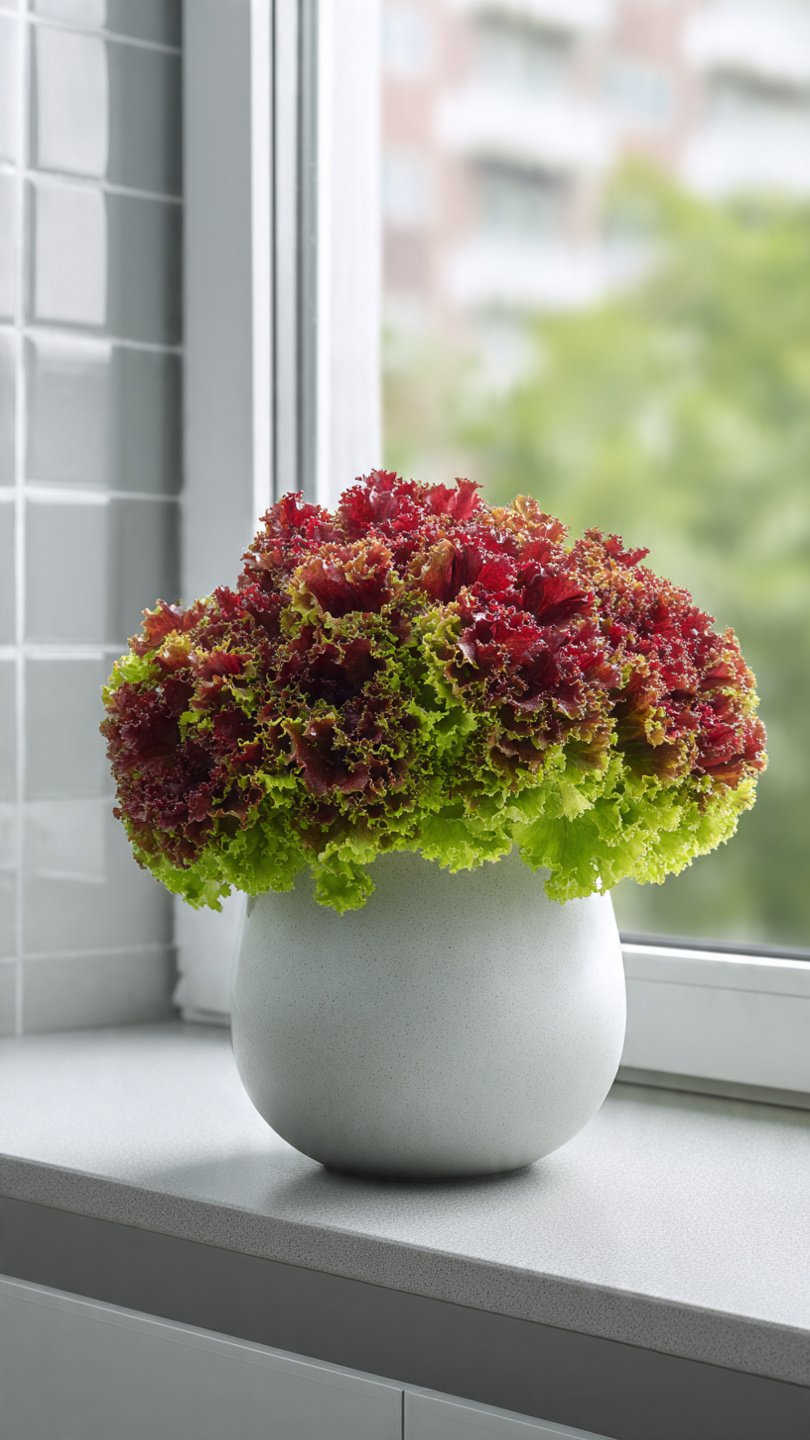
Lollo Rossa is one of the absolute best crops for container gardening due to its shallow roots and compact, decorative growth habit.

Choosing a Pot: Select a wide, shallow container, trough, or window box planter that is at least 15cm to 20cm deep. Ensure the pot has plenty of drainage holes at the bottom.

The Best Potting Mix: Always fill your containers with a premium, lightweight potting soil mixed with a handful of organic compost. Never use regular garden soil in a pot, as it packs down tightly and suffocates the delicate roots.

Density: Plant a few seeds closely together across the surface of a wide round pot to create a beautiful, edible “salad bowl” arrangement.

3. Essential Ongoing Care for Lush Leaves

Once your seeds sprout out of the dirt, keeping a few basic, low-maintenance weekly habits will ensure your Lollo Rossa stays sweet, crisp, and continuously productive.

Master Your Watering

Lettuce leaves are made up of over 95% water. Because their root system is close to the surface, they cannot dig deep into the ground to find moisture during a dry spell.

Give your lettuce short, frequent waterings every morning rather than one heavy flooding once a week.

Keep the soil consistently damp, like a wrung-out sponge. If the soil dries out completely, the plant will become stressed, which instantly triggers a bitter taste in the leaves.

Feeding for Rapid Growth

Because you are growing Lollo Rossa strictly for its tender foliage, it loves a steady supply of nitrogen.

Feed your plants every 2 weeks with an organic liquid fertilizer, fish emulsion, or a liquid seaweed kelp spray.

Avoid fertilizers high in phosphorus (like bone meal) once the plant is established, as too much phosphorus shifts the plant’s energy toward flowering rather than leaf production.

Mulching the Beds

Always spread a thin layer of fine mulch (like clean straw or crushed dried leaves) around the base of your lettuce plants.

Mulch keeps the shallow root systems beautifully cool, prevents weed seeds from sprouting, and stops muddy water from splashing onto your frilly leaves when you water.

4. Troubleshooting Common South African Lettuce Problems

When growing lettuce in South Africa, you may run into a few common garden setbacks. Here is how to identify and fix them without using harsh chemicals:

Plants Suddenly Bolt (Flower)

The Symptom: Your lettuce plants suddenly grow tall, thin, and start producing clusters of yellow flowers.

The Cause: This is called “bolting” and is naturally triggered by intense summer heat waves or long daylight hours.

The Solution: Harvest the entire plant immediately before the leaves turn bitter. For your next batch, choose a cooler time of year or a more shaded spot in the garden.

Slugs and Snails Eating the Leaves

The Symptom: You notice large, ragged holes chewed all over your beautiful frilly leaves, often accompanied by a shiny, silvery trail.

The Cause: Slugs and snails love tender salad greens and are highly active during damp nights.

The Solution: Check your plants after dark with a torch to hand-pick them off, or scatter eco-friendly, pet-safe snail baits around the perimeter of your garden beds.

Aphids Under the Leaves

The Symptom: Clusters of tiny green, white, or black insects gather on the undersides of the leaves or along the tender central stems.

The Cause: Aphids thrive in mild weather and are strongly attracted to fast-growing, tender new foliage.

The Solution: Spray the undersides of the leaves thoroughly with a gentle mixture of water and organic insecticidal soap or neem oil early in the morning.

Leaves Not Turning Red

The Symptom: Your Lollo Rossa grows beautifully but the leaves stay a pale, washed-out green with completely green tips.

The Cause: The plant is not getting enough sunlight to synthesize its red anthocyanin pigments.

The Solution: Move your containers to a brighter location or clear away overhanging weeds. Lollo Rossa must have direct morning sun to develop its rich burgundy color.

5. How to Harvest for a Continuous Supply

To get the absolute best value out of your seed pack, use the highly efficient “Cut-and-Come-Again” harvesting method rather than pulling up the whole plant:

Wait until your outer frilly leaves reach roughly 5cm to 8cm long (usually 30 to 35 days after planting).

Using clean kitchen scissors or your thumb and forefinger, snip or pinch off only the outermost leaves just above the soil line.

Always leave the small, young leaves growing directly out of the very center of the plant (the crown) completely untouched.

The plant will continuously push out fresh new leaves from the center, allowing you to return to the exact same plant for a fresh salad harvest every few days for several months!

Lettuce Lolla Rossa Other Names

The Many Names of Lollo Rossa Lettuce: Botanical, Cultural, and Culinary Terms

Exploring the history and names of your garden vegetables is a fantastic way to deepen your knowledge as a grower.

Lollo Rossa (Lactuca sativa), with its iconic frilly edges and deep burgundy trim, is one of the most recognizable gourmet lettuces in the world.

Depending on where you are reading a recipe, browsing an international seed catalog, or shopping locally in South Africa, this beautiful loose-leaf crop goes by several distinct names.

This guide breaks down its botanical, historical, and regional terms.

1. The Botanical Name & Family

Scientific Name: Lactuca sativa var. crispa

The “Crispa” Distinction: While all cultivated lettuce belongs to the Lactuca sativa species, loose-leaf varieties with highly texturized, ruffled leaves carry the botanical varietal name crispa (meaning “curly” or “wrinkled”).

Linguistic Roots: The genus name Lactuca comes from the Latin word for milk (lac). This refers to the milky white, slightly bitter sap that flows through the lettuce stems, which contains a natural compound historically used as a mild, calming sedative.

2. The Italian Connection: Where the Name Comes From

Lollo Rossa is an authentic Italian heirloom variety that rose to global fame in the 1960s. Its naming history is deeply tied to Italian pop culture:

Lollo Rossa (Red Lollo): In Italy, Rossa simply means “Red.” The name “Lollo” was inspired by the famous 1950s and 60s Italian actress and international style icon, Gina Lollobrigida.

The lettuce’s dense, exceptionally curly, and voluminous leaves perfectly resembled the trendy, highly sculpted curly hairstyles she wore on screen!

Lollo Bionda (Blonde Lollo): Lollo Rossa has a famous sister variety. When grown completely green without the red edges, the exact same curly loose-leaf structure is called Lollo Bionda (which translates directly to “Blonde Lollo”).

3. Alternative Spelling and Culinary Names

When searching for seed varieties or looking up gourmet salad ideas, you will frequently see this lettuce listed under a few alternative names:

Lolla Rossa: This is the most common alternative spelling used across English-speaking countries and many international seed companies. Both Lollo and Lolla refer to the exact same frilly red heirloom plant.

Red Coral Lettuce: In many parts of North America and Asia, Lollo Rossa is sold in supermarkets under the name Red Coral.

This descriptive culinary name comes from the way a full, mature rosette looks when flipped upside down—resembling a vibrant piece of ocean coral.

Continental Red Leaf: In fine-dining culinary circles, it is often grouped broadly under the term Continental Red Leaf, alongside other premium European loose-leaf salad varieties like Oakleaf and Batavia.

4. Local South African Context

Because the South African market traditionally relies heavily on smooth-leafed Swiss chard and crunchy Iceberg lettuce, Lollo Rossa occupies a specialized niche locally:

Gourmet Baby Leaf / Salad Mix: If you buy a premium pre-packaged “Gourmet Salad Mix” or “Baby Leaf Accord” at a local South African supermarket, the beautiful, highly textured purple-red frills mixed in with the greens are almost always young Lollo Rossa leaves.

Slaai / Rooi Slaai: In casual local gardening terms, it is simply celebrated as a premium variety of loose-leaf rooi slaai (red lettuce), prized because it doesn’t form a hard head and can be picked leaf-by-leaf for daily meals.

Shopping Basket
3
    3
    Your Cart
    cape gooseberry over 100 seeds
    Cape Gooseberry - Over 100 Seeds
    Qty: 1
    Price: R15.00
    R15.00
    fennel over 100 seeds
    Fennel - Over 100 Seeds
    Qty: 1
    Price: R15.00
    R15.00
    Scroll to Top