,

Brussel Sprouts

R15,00

Excluding shipping

Availability: 63 in stock

Guaranteed Safe Checkout

Grow your own abundant winter harvest with our premium Brussel Sprouts seeds (Long Island Improved).

A favorite among South African home growers, this classic heirloom variety is famous for producing heavy yields of tightly folded, sweet, and nutty green sprouts.

Unlike store-bought varieties, home-grown Long Island sprouts develop an incredibly rich flavor—especially after experiencing a touch of typical South African winter frost!

Product Features

  • Seed Count: Over 100 seeds per pack.
  • Variety: Brassica oleracea var. gemmifera (‘Long Island Improved’).
  • Quality: 100% heirloom, non-GMO, open-pollinated seeds.
  • Type: Hardy cool-season biennial grown as a winter annual.
  • Maturity: Ready to harvest in approximately 90 to 110 days from transplanting.
  • Growth Habit: Semi-dwarf, compact stalks reaching roughly 50cm to 60cm in height.

Why You’ll Love Growing Long Island Brussel Sprouts

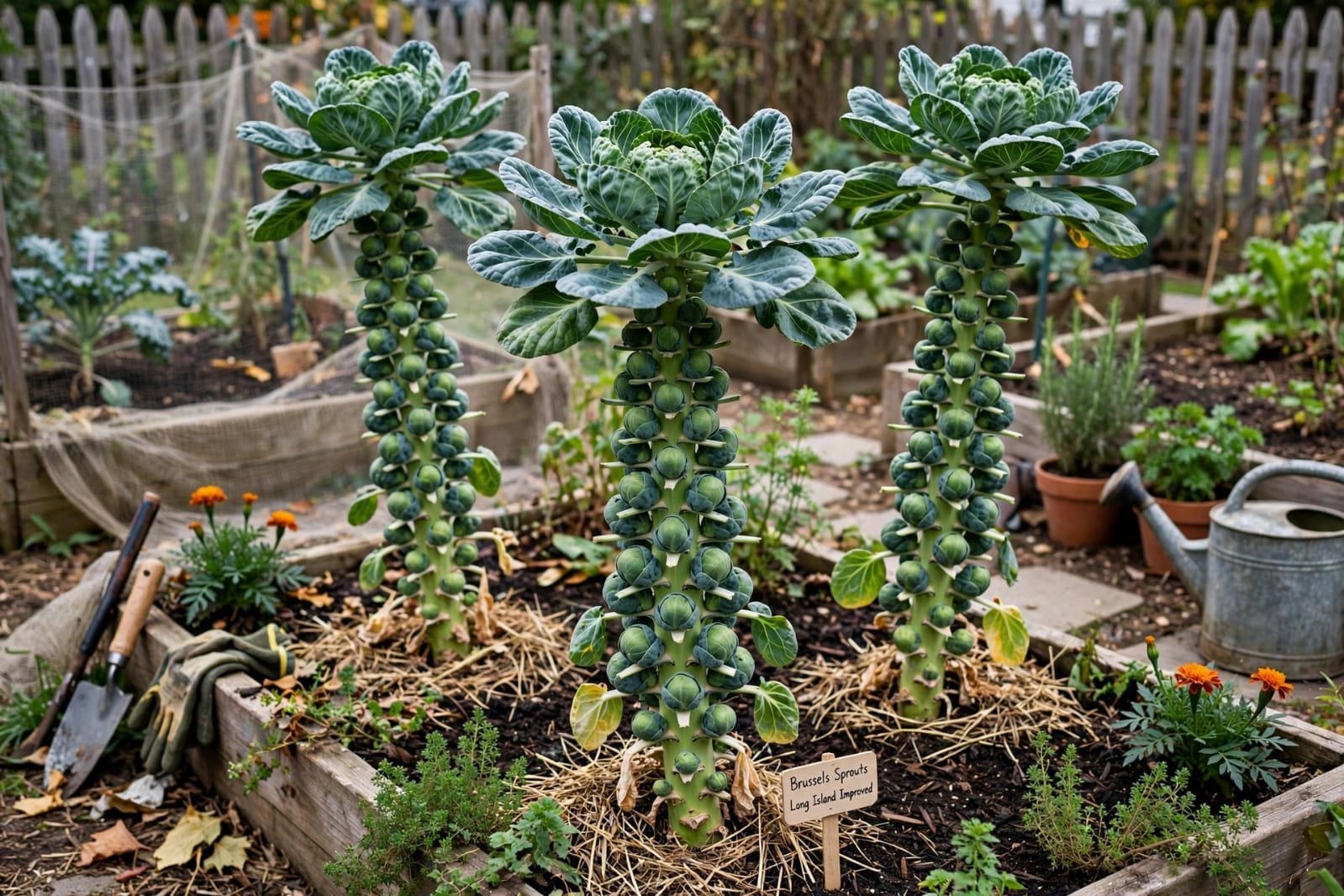
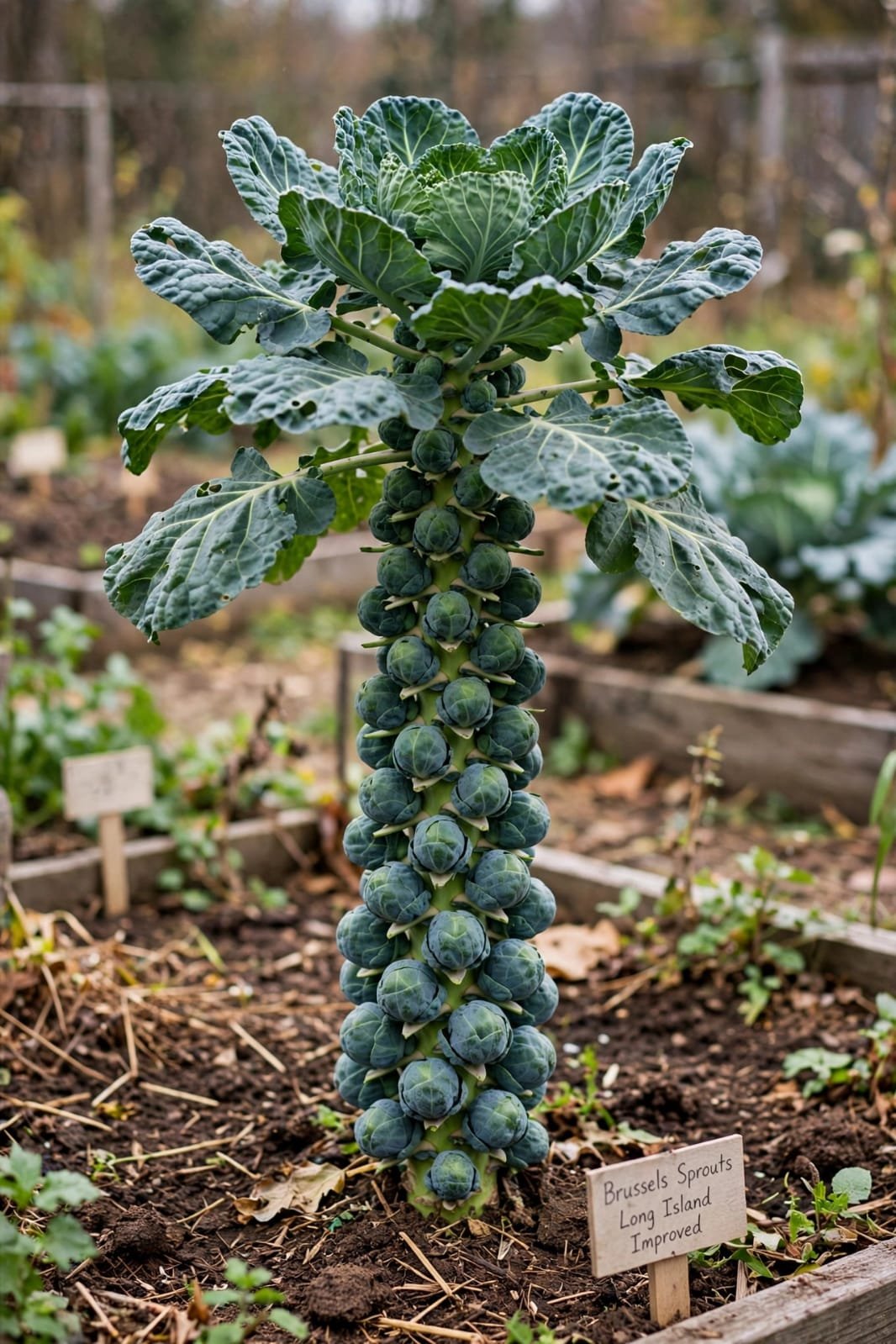
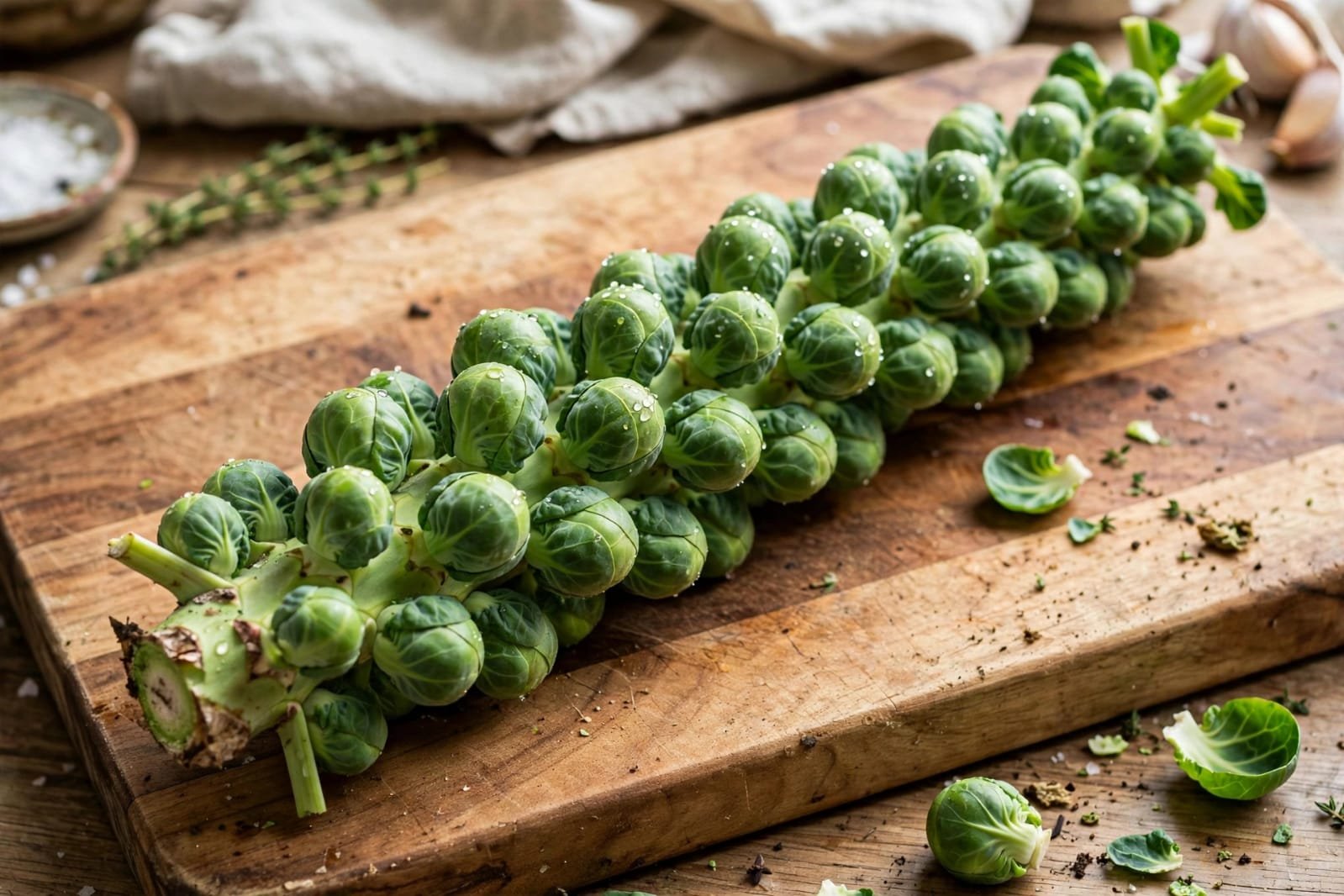
  1. Heavy-Yielding Stalks: This variety packs a punch, producing 50 to 100 tightly tucked sprouts tightly arranged along a single, sturdy central stem.
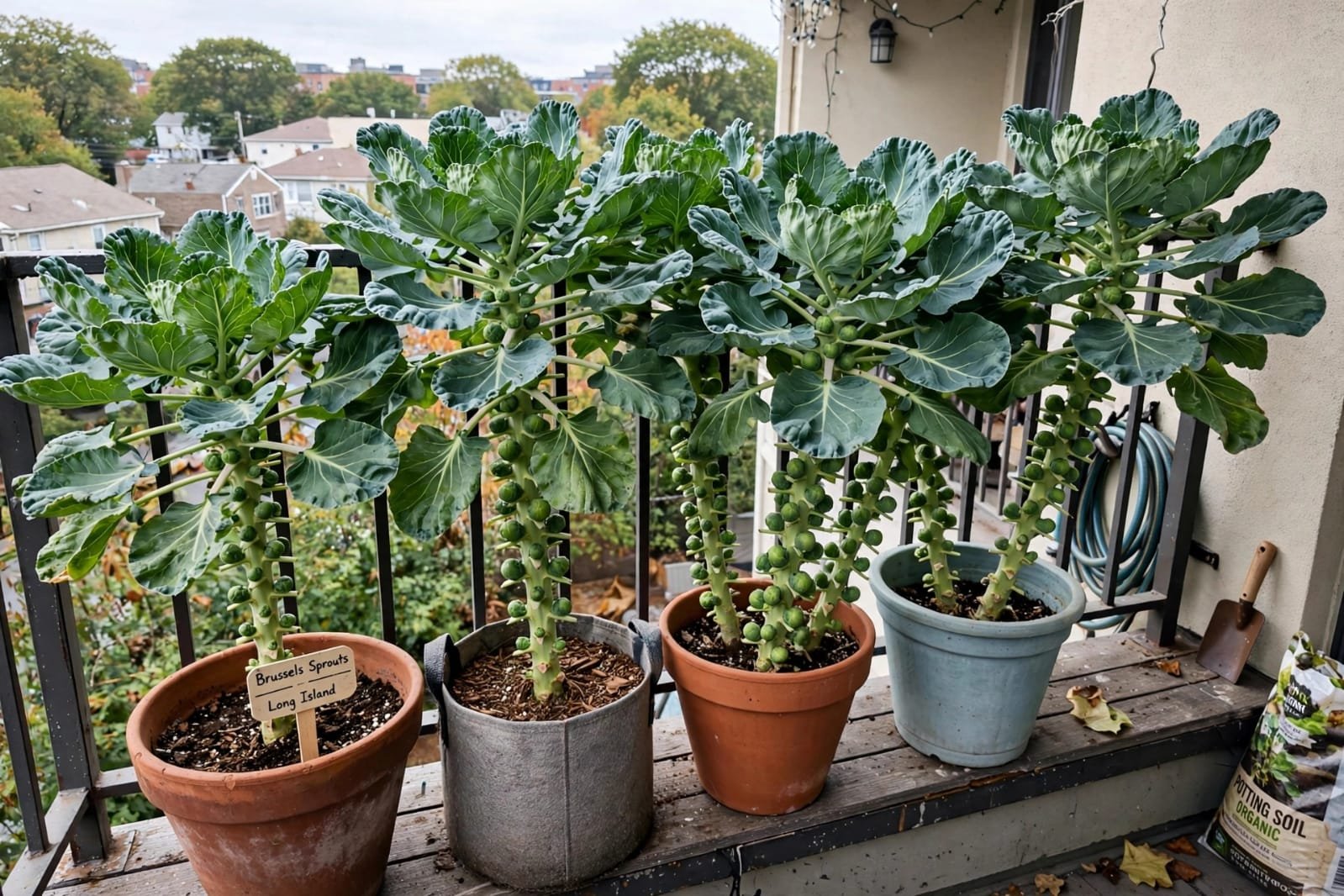
  2. Compact Growth: Being a semi-dwarf heirloom, it takes up far less room in your vegetable garden layout than other varieties, making it excellent for smaller raised beds or large pots.
  3. Frost Enhanced Flavor: The plants are exceptionally frost-hardy. Cold weather converts the starches inside the sprouts into natural sugars, removing bitterness and leaving them crisp and sweet.
  4. Extended Harvest Season: Sprouts mature from the bottom of the stalk upward, allowing you to pick them progressively over several weeks for fresh, farm-to-table winter meals.

South African Planting & Care Guide

  • When to Plant: Sow from mid-summer to autumn (January to April). Sowing during these months ensures the plants grow during late summer and mature perfectly during the cool autumn and winter months.
  • Position: Full sun (requires at least 6 hours of direct sunlight daily).
  • Soil Preference: Thrives in rich, firm, clay-loam soil that drains well. Mix in plenty of well-rotted manure or organic compost before planting, as brassicas are heavy feeders.
  • Sowing Depth: Sow seeds 6mm deep in seed trays or protected seedbeds.
  • Germination: Takes 7 to 12 days. Keep the soil mix consistently damp but never waterlogged.
  • Spacing: Transplant seedlings outdoors when they are about 10cm tall, spacing them 45cm to 60cm apart to allow for thick stem development and proper airflow.

Reviews

There are no reviews yet.

Be the first to review “Brussel Sprouts”

Your email address will not be published. Required fields are marked *

How to Grow Brussel Sprouts from Seed

How to Grow Brussel Sprouts from Seed: A Complete South African Guide

Growing Brussel Sprouts (Long Island Improved) from seed is one of the most rewarding winter projects for South African vegetable gardeners.

Known for producing heavy yields of tightly folded, sweet, and nutty green sprouts, this compact heirloom variety outperforms store-bought alternatives in both crunch and flavor.

Because sprouts develop their richest, sweetest flavor after experiencing a touch of typical winter frost, timing your planting is key. This comprehensive guide will show you exactly how to grow Brussel Sprouts successfully from seed to harvest under South African conditions.

📋 Quick Growing Overview

  • Difficulty: Moderate (requires patience and timing)
  • Sowing Season: Mid-summer to autumn (January to April)
  • Sunlight: Full sun (6+ hours of direct sunlight daily)
  • Germination Time: 7 to 12 days
  • Sowing Depth: 6mm deep
  • Time to Harvest: 90 to 110 days from transplanting
  • Ideal Soil pH: 6.5 to 7.5 (Neutral to slightly alkaline)

1. Choosing the Perfect Location

Brussel Sprouts belong to the brassica family, meaning they love cool weather and are heavy feeders. To give your plants the best start, pick a garden spot with:

Maximum Sun exposure: Select a position that receives full sun. Insufficient sunlight results in thin, weak stalks and loose, fluffy sprouts rather than firm, tight heads.

Rich, Firm, and Well-Drained Soil: Brassicas prefer heavy, fertile loam or clay-loam soils that drain perfectly but hold onto nutrients. Work a generous amount of well-rotted manure or organic compost into the bed a few weeks before planting.

Crucial tip: Press and firm down the soil bed before transplanting; loose soil causes loose sprouts.

Wind Protection: Because these stalks grow top-heavy with up to 100 sprouts, choose a spot sheltered from harsh winter winds, or plan to stake them early.

2. Sowing Brussel Sprout Seeds

Each pack of our premium heirloom seeds contains over 100 seeds, giving you plenty of inventory to plan a continuous winter harvest.

Starting seeds in trays is highly recommended over direct sowing, as it protects delicate sprouts from the harsh mid-summer afternoon sun.

Step-by-Step Seed Tray Sowing

Fill a seed tray with a high-quality, fine seed-starting mix.Press your seeds down to a depth of 6mm. Cover lightly with soil or vermiculite.

Mist the tray thoroughly using a fine spray nozzle. Keep the soil mix consistently damp but never waterlogged.Place the tray in a sheltered area out of blistering heat.

Germination takes roughly 7 to 12 days.

3. Transplanting and Spacing

When your seedlings reach about 10cm tall (usually 4 to 6 weeks after sowing) and have developed a few sets of true leaves, they are ready for the garden.

Hardening Off: Move your trays into direct sunlight for a few hours daily for a week to prepare them for life outdoors.

Deep Planting: Plant the seedlings slightly deeper in the garden bed than they were in the tray—right up to their first set of leaves. This anchors the root system tightly.

Spacing: Space individual plants 45cm to 60cm apart. Rows should be spaced 75cm apart. Giving them room ensures excellent airflow, which drastically reduces the risk of whitefly and aphids common to brassicas.

4. Ongoing Care and Maintenance

Brussel Sprouts require steady, consistent growth to form tight, sweet heads:

Watering: Water deeply and consistently, especially during dry winter spells. Uneven watering leads to bitter sprouts. Always water the base of the plant to keep the leaves dry.

Feeding: As heavy feeders, give them a liquid organic fertilizer high in nitrogen and potassium every 3 to 4 weeks to support large stalk production.

Mulching: Apply a thick layer of organic mulch around the base of the stems to retain vital soil moisture and keep shallow root networks cool.

The “Topping” Trick: If winter is drawing to a close and your lower sprouts are large but the top sprouts are still tiny, pinch off the growing tip at the very top of the stalk about 3 weeks before your final harvest. This forces the plant to stop growing upward and directs all remaining energy into swelling the existing sprouts.

5. Harvesting Your Sprouts

Bottom to Top: Sprouts mature progressively from the bottom of the stalk upward. Always harvest the lower, firmest sprouts first, allowing the smaller upper heads more time to develop.

How to Pick: Twist the sprout sharply downward until it snaps cleanly away from the central stalk. Alternatively, cut them away cleanly with a sharp garden knife.

Leaf Removal: As you pick the sprouts, snap off the leaf directly underneath each sprout to keep the stem clean and make accessing the upper yields easier.

🙋 Frequently Asked Questions

Why are my Brussel Sprouts loose and leafy instead of tight heads?

This is usually caused by warm weather during the maturing phase, too much nitrogen fertilizer later in the growth cycle, or loose soil. Ensure you plant in mid-summer so they mature in winter frost, and firm down your soil tightly at planting time.

Are Brussel Sprouts frost-hardy in South Africa?

Yes! Long Island Brussel Sprouts are exceptionally frost-hardy. In fact, frost causes the plant to convert its internal starches into sugars, removing bitter undertones and giving you sweet, farm-fresh winter meals.

Brussel Sprouts Medicinal and Nutritional Uses

Brussel Sprouts: Medicinal History, Nutritional Value, and Wellness Guide

While many South African home growers love Brussel Sprouts (Long Island Improved) for their hardy winter growth and sweet, nutty flavor on the dinner table, this heirloom brassica is also an absolute powerhouse when it comes to health properties.

Long gone are the days of overcooked, bitter sprouts. Today, Brassica oleracea is recognized as a functional superfood. Packed with sulfur-rich compounds, critical vitamins, and protective antioxidants, harvesting fresh sprouts from a single seed pack of over 100 seeds provides an abundance of medicine right from your backyard.

🧬 Scientific & Medicinal Properties of Brussel Sprouts

The unique cellular makeup of Brussel Sprouts has made them a prime subject in modern nutritional science and clinical oncology research:

1. High Glucosinolate Content & Cancer Prevention

Brussel sprouts contain exceptionally high levels of glucosinolates, the sulfur-containing compounds responsible for their distinct aroma. When you chew or chop the sprouts, these compounds break down into active biological molecules called isothiocyanates (specifically sulforaphane and indole-3-carbinol).

Clinical laboratory studies indicate that these molecules:

  1. Support the body’s natural cellular detoxification pathways.
  2. Help eliminate environmental toxins and carcinogens.
  3. Actively protect DNA structures from mutating or degrading.

2. Powerful Anti-Inflammatory Support

Chronic inflammation is the root cause of many modern health issues, including heart disease, diabetes, and joint stiffness.

Brussel sprouts are rich in kaempferol, a highly potent antioxidant flavonoid. Kaempferol has been shown to reduce inflammatory markers in the body, protecting blood vessels and soothing joint tissue.

3. Cardiovascular and Heart Health

The high fiber content in fresh sprouts binds to bile acids in the digestive tract, which helps the body naturally regulate and lower cholesterol levels.

Additionally, the high concentrations of potassium found in brassicas help maintain healthy blood pressure levels by counteracting the negative vascular effects of dietary sodium.

4. Blood Sugar Regulation

Brussel sprouts are an excellent dietary inclusion for individuals managing Type 2 diabetes or insulin resistance.

They are packed with alpha-lipoic acid (ALA), an antioxidant that has been clinically shown to improve insulin sensitivity, lower fasting glucose levels, and help protect against diabetic nerve damage.

🥗 Nutritional Value of Brussel Sprouts

Ounce for ounce, few winter vegetables can compete with the dense nutritional profile of homegrown sprouts:

Vitamin K (Extremely High): A single cup of cooked Brussel sprouts provides over 150% of your daily recommended intake. Vitamin K is a vital nutrient necessary for optimal bone mineralization and proper blood clotting.

Vitamin C Boost: Brussel sprouts are packed with more Vitamin C than typical citrus fruits. This heavy dose of ascorbic acid boosts winter immunity, aids in tissue repair, and stimulates internal collagen production for healthy skin.

Digestive Fiber: The plant is loaded with prebiotic soluble and insoluble fiber. This feeds the beneficial bacteria in your gut microbiome, easing digestion, preventing constipation, and supporting overall metabolic health.

Essential Minerals: A fresh winter harvest supplies highly bioavailable amounts of folate (critical for cellular growth), iron (for red blood cell health), and calcium for general skeletal strength.

🍽️ Maximizing Nutrition in the Kitchen

To get the absolute most wellness out of your harvest, how you prepare your sprouts matters:

Avoid Boiling: Over-boiling sprouts not only ruins the texture and causes a strong sulfur smell, but it also leaches out up to 50% of the water-soluble vitamins (like Vitamin C and Folate).

Opt for Roasting or Steaming: Lightly steaming or roasting your sprouts with a drizzle of olive oil preserves the glucosinolates and unlocks the fat-soluble vitamins (like Vitamin K and Vitamin A) for easier absorption by your digestive system.

🙋 Frequently Asked Questions

Are Brussel sprouts safe for everyone to eat?

While highly nutritious, individuals taking prescription blood-thinning medications (like Warfarin) should maintain consistent daily intake of Brussel sprouts. This is because the exceptionally high levels of Vitamin K in brassicas naturally assist with blood clotting.

Can eating too many Brussel sprouts cause bloating?

Because they are rich in complex fibers and sulfur compounds, eating massive quantities can sometimes cause mild gas or bloating if your digestive system isn’t used to a high-fiber diet. Increasing your intake gradually easily prevents this.

Brussel Sprouts Growing Guide

The Ultimate Brussel Sprouts (Brassica oleracea) Growing Guide for South Africa

Growing Brussel Sprouts (Long Island Improved) from seed is one of the most rewarding winter projects for South African vegetable gardeners.

Known for producing heavy yields of tightly folded, sweet, and nutty green sprouts, this compact heirloom variety outperforms store-bought alternatives in both crunch and flavor.

Because sprouts develop their richest, sweetest flavor after experiencing a touch of typical winter frost, timing your planting is key.

This comprehensive guide will show you exactly how to grow Brussel Sprouts successfully from seed to harvest under South African conditions.

📋 Quick Growing Overview

  • Sowing Season: Mid-summer to autumn (January to April)
  • Sunlight: Full sun (6+ hours of direct sunlight daily)
  • Germination Time: 7 to 12 days
  • Sowing Depth: 6mm deep
  • Time to Harvest: 90 to 110 days from transplanting
  • Ideal Soil pH: 6.5 to 7.5 (Neutral to slightly alkaline)
  • Water Needs: Moderate to high (requires consistent moisture)

Step 1: Choosing the Perfect Location

Brussel Sprouts belong to the brassica family, meaning they love cool weather and are exceptionally heavy feeders.

To give your plants the best start, pick a garden spot with:

Maximum Sun Exposure: Select a position that receives full sun. Insufficient sunlight results in thin, weak stalks and loose, fluffy sprouts rather than firm, tight heads.

Rich, Firm, and Well-Drained Soil: Brassicas prefer heavy, fertile loam or clay-loam soils that drain perfectly but hold onto nutrients. Work a generous amount of well-rotted manure or organic compost into the bed a few weeks before planting.

Crucial tip: Press and firm down the soil bed before transplanting; loose soil causes loose sprouts.

Wind Protection: Because these stalks grow top-heavy with up to 100 sprouts, choose a spot sheltered from harsh winter winds, or plan to stake them early.

Step 2: Sowing Brussel Sprout Seeds

Each pack of our premium heirloom seeds contains over 100 seeds, giving you plenty of inventory to plan a continuous winter harvest.

Starting seeds in trays is highly recommended over direct sowing, as it protects delicate seedlings from the harsh mid-summer afternoon sun.

Step-by-Step Seed Tray Sowing

Fill a seed tray with a high-quality, fine seed-starting mix. Press your seeds down to a depth of 6mm. Cover lightly with soil or vermiculite.

Mist the tray thoroughly using a fine spray nozzle. Keep the soil mix consistently damp but never waterlogged. Place the tray in a sheltered area out of blistering heat.

Germination takes roughly 7 to 12 days.

Step 3: Transplanting and Spacing

When your seedlings reach about 10cm tall (usually 4 to 6 weeks after sowing) and have developed a few sets of true leaves, they are ready for the garden.

Hardening Off: Move your trays into direct sunlight for a few hours daily for a week to prepare them for life outdoors.

Deep Planting: Plant the seedlings slightly deeper in the garden bed than they were in the tray—right up to their first set of leaves. This anchors the root system tightly.

Spacing: Space individual plants 45cm to 60cm apart. Rows should be spaced 75cm apart. Giving them room ensures excellent airflow, which drastically reduces the risk of whitefly and aphids common to brassicas.

Step 4: Ongoing Care and Maintenance

Brussel Sprouts require steady, consistent growth to form tight, sweet heads:

Watering: Water deeply and consistently, especially during dry winter spells. Uneven watering leads to bitter sprouts. Always water the base of the plant to keep the leaves dry.

Feeding: As heavy feeders, give them a liquid organic fertilizer high in nitrogen and potassium every 3 to 4 weeks to support large stalk production.

Mulching: Apply a thick layer of organic mulch around the base of the stems to retain vital soil moisture and keep shallow root networks cool.

The “Topping” Trick: If winter is drawing to a close and your lower sprouts are large but the top sprouts are still tiny, pinch off the growing tip at the very top of the stalk about 3 weeks before your final harvest. This forces the plant to stop growing upward and directs all remaining energy into swelling the existing sprouts.

Step 5: Harvesting Your Sprouts

Bottom to Top: Sprouts mature progressively from the bottom of the stalk upward. Always harvest the lower, firmest sprouts first, allowing the smaller upper heads more time to develop.

How to Pick: Twist the sprout sharply downward until it snaps cleanly away from the central stalk. Alternatively, cut them away cleanly with a sharp garden knife.

Leaf Removal: As you pick the sprouts, snap off the leaf directly underneath each sprout to keep the stem clean and make accessing the upper yields easier.

🙋 Frequently Asked Questions

Why are my Brussel Sprouts loose and leafy instead of tight heads?

This is usually caused by warm weather during the maturing phase, too much nitrogen fertilizer later in the growth cycle, or loose soil.

Ensure you plant in mid-summer so they mature during cold winter frost, and firm down your soil tightly at planting time.

Are Brussel Sprouts frost-hardy in South Africa?

Yes! Long Island Brussel Sprouts are exceptionally frost-hardy. In fact, frost causes the plant to convert its internal starches into sugars, removing bitter undertones and giving you sweet, farm-fresh winter meals.
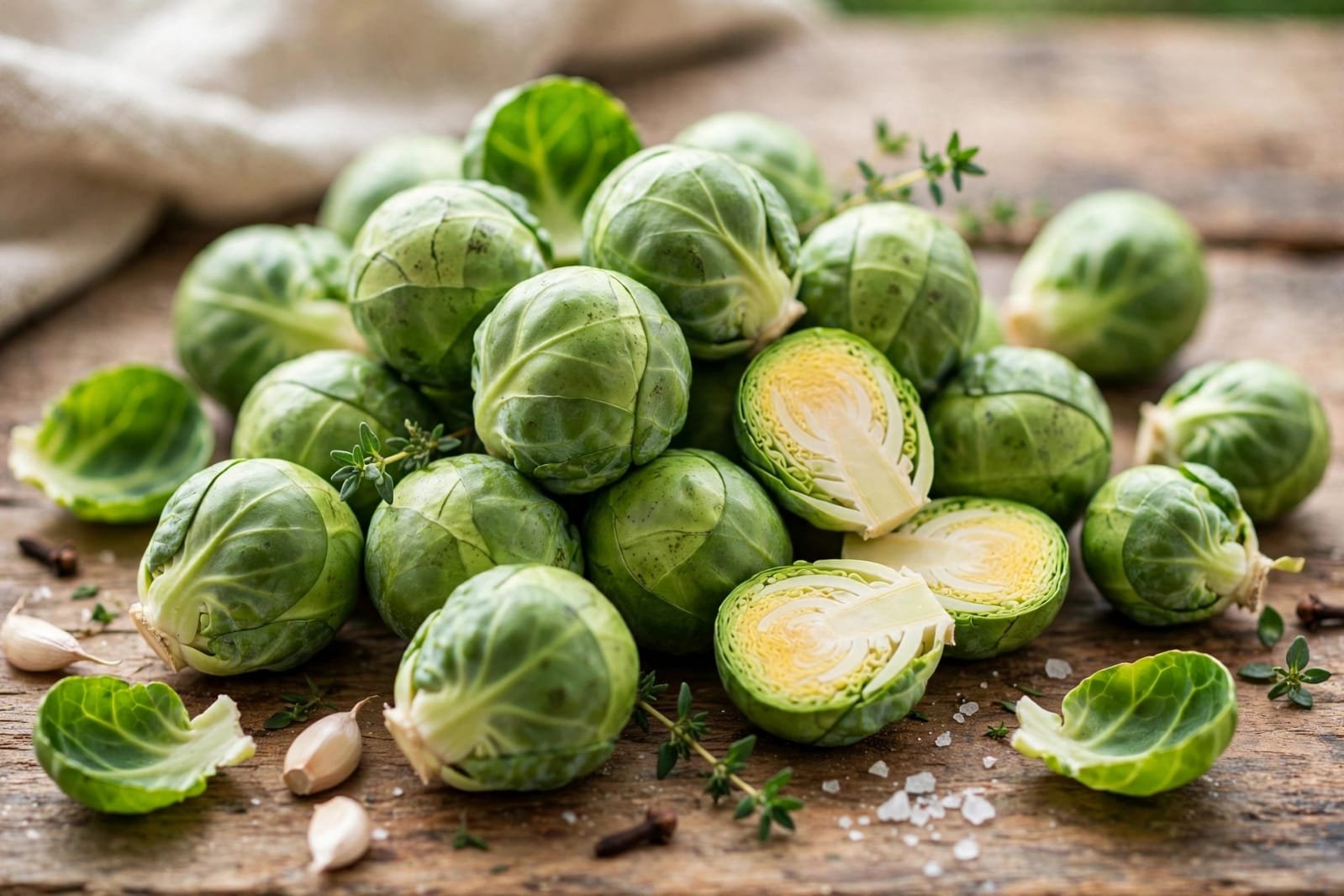
Brussel Sprouts Other Names

A Guide to Brussel Sprouts Names: Botanical, Common, and Regional Terms

When browsing heirloom seed collections, planning a winter vegetable patch, or exploring international culinary recipes, you might run into a few different names for the same tight, bud-like green vegetable.

While most South Africans know them simply as Brussel Sprouts (often spelled Brussels Sprouts), this cold-hardy vegetable carries a variety of botanical, historical, and regional names worldwide.

Understanding these naming variations will help you navigate online gardening communities effortlessly and ensure you are buying high-quality, authentic seeds for your backyard.

The Official Scientific Name: Brassica oleracea var. gemmifera

The exact botanical classification for this plant is Brassica oleracea var. gemmifera.

Breaking down this complex scientific name reveals exactly how this plant grows and where it fits into the cabbage family:

Brassica oleracea is the massive parent plant species that covers wild cabbage. Through centuries of selective breeding, this single species gave rise to kale, cabbage, broccoli, and cauliflower.

Gemmifera comes from Latin and literally translates to “gem-bearing” or “bud-bearing.”

This botanical tag perfectly describes its unique growth habit. Instead of growing one single massive head at ground level like a cabbage, it produces up to 100 tiny, gem-like cabbage buds wrapped tightly along a tall, sturdy vertical stalk.

Our stock specifically features the ‘Long Island Improved’ cultivar, a historic semi-dwarf heirloom highly prized for its exceptional yield and tight, uniform buds.

Common Names and Spelling Debates

Depending on where you live or what seed catalog you are reading, you will see a few common variations:

Brussels Sprouts vs. Brussel Sprouts: Grammatically, the correct historical name is Brussels sprouts (with an “s” at the end of Brussels).

The vegetable earned this name because it became immensely popular when cultivated heavily in Belgium during the 13th century, centered around the capital city of Brussels.

However, in modern everyday South African English and commercial seed trade, dropping the “s” to say Brussel Sprouts has become widely accepted and highly searched online.

Mini Cabbages / Little Cabbages: Often used casually by home cooks and children’s food bloggers. While they look exactly like miniature cabbages, they are technically distinct lateral buds that swell up in the leaf axils of the plant.

Regional and Language Translations

If you are chatting with local South African farmers, cooking from traditional Dutch cookbooks, or trading heritage seeds across borders, look out for these specific language terms:

Spruitjies / Brusselse Spruitjies (Afrikaans): The direct and highly popular local translation used throughout South Africa. If a local gardener talks about planting spruitjies in their winter vegetable beds, they are referring directly to these delicious stalks.

Spruitkool (Dutch): Translating literally to “sprout cabbage,” this is the historical name used in the Netherlands, where many of South Africa’s early agricultural traditions originated.

Choux de Bruxelles (French): The name used in classical culinary literature and high-end restaurant menus worldwide.

Repollitos de Bruselas (Spanish): Meaning “little cabbages of Brussels,” used across Spanish-speaking agricultural markets.

Why True Heirloom Sourcing Matters

When shopping for seeds online, making sure you look for the specific cultivar name ‘Long Island Improved’ protects your garden layout.

Many commercial, mass-produced varieties found in grocery stores are modern F1 hybrids bred strictly for machine harvesting, meaning all the sprouts mature at the exact same second.

Our authentic, unhybridized heirloom packs guarantee you get over 100 seeds of a variety that matures progressively from the bottom of the stalk upward.

This lets you pick a fresh handful of sweet spruitjies for dinner week after week, rather than harvesting the entire plant all at once!

Shopping Basket
0
    0
    Your Cart
    Your cart is emptyReturn to Shop
    Scroll to Top