Cabbage Nutritional Value and Medicinal Benefits: A Scientist’s Guide
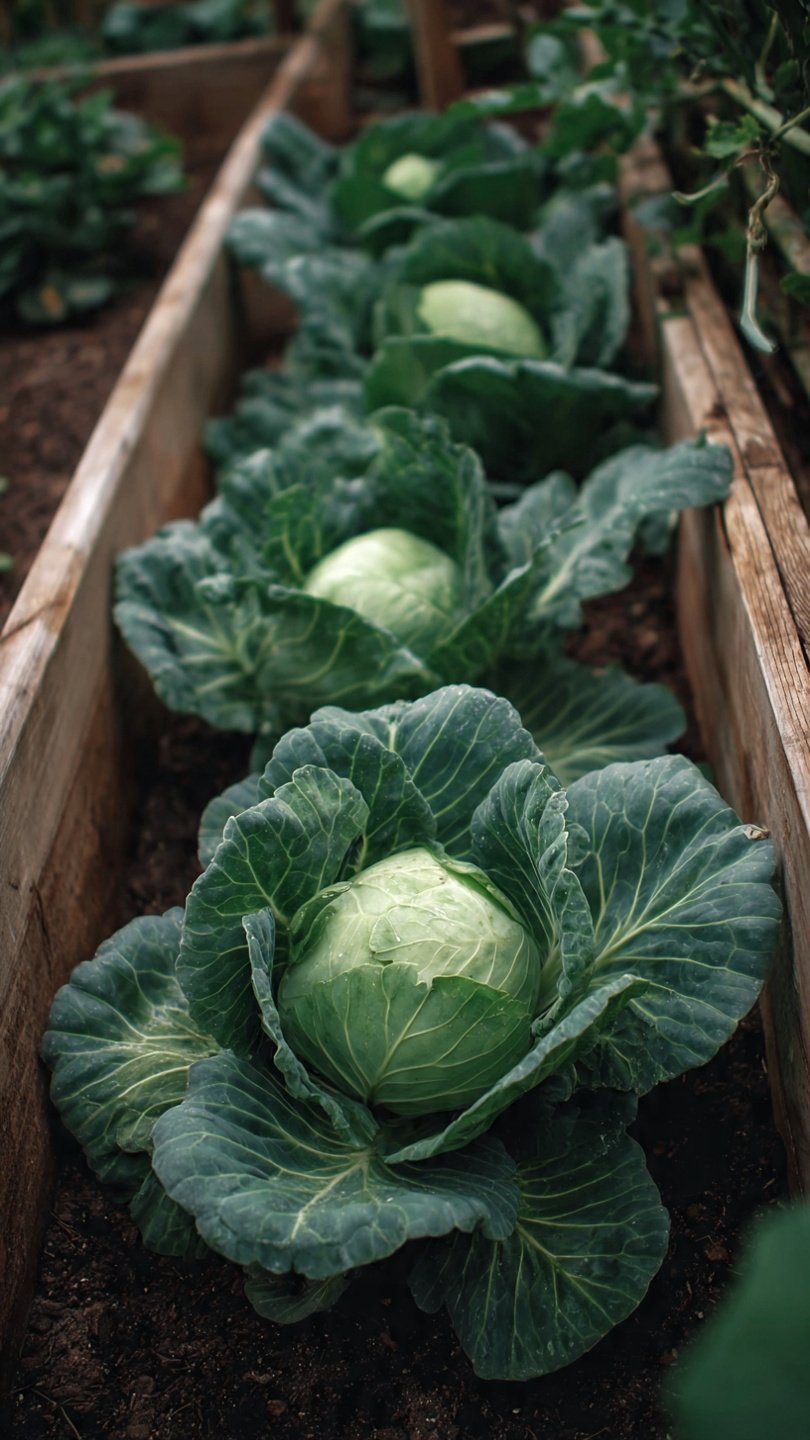
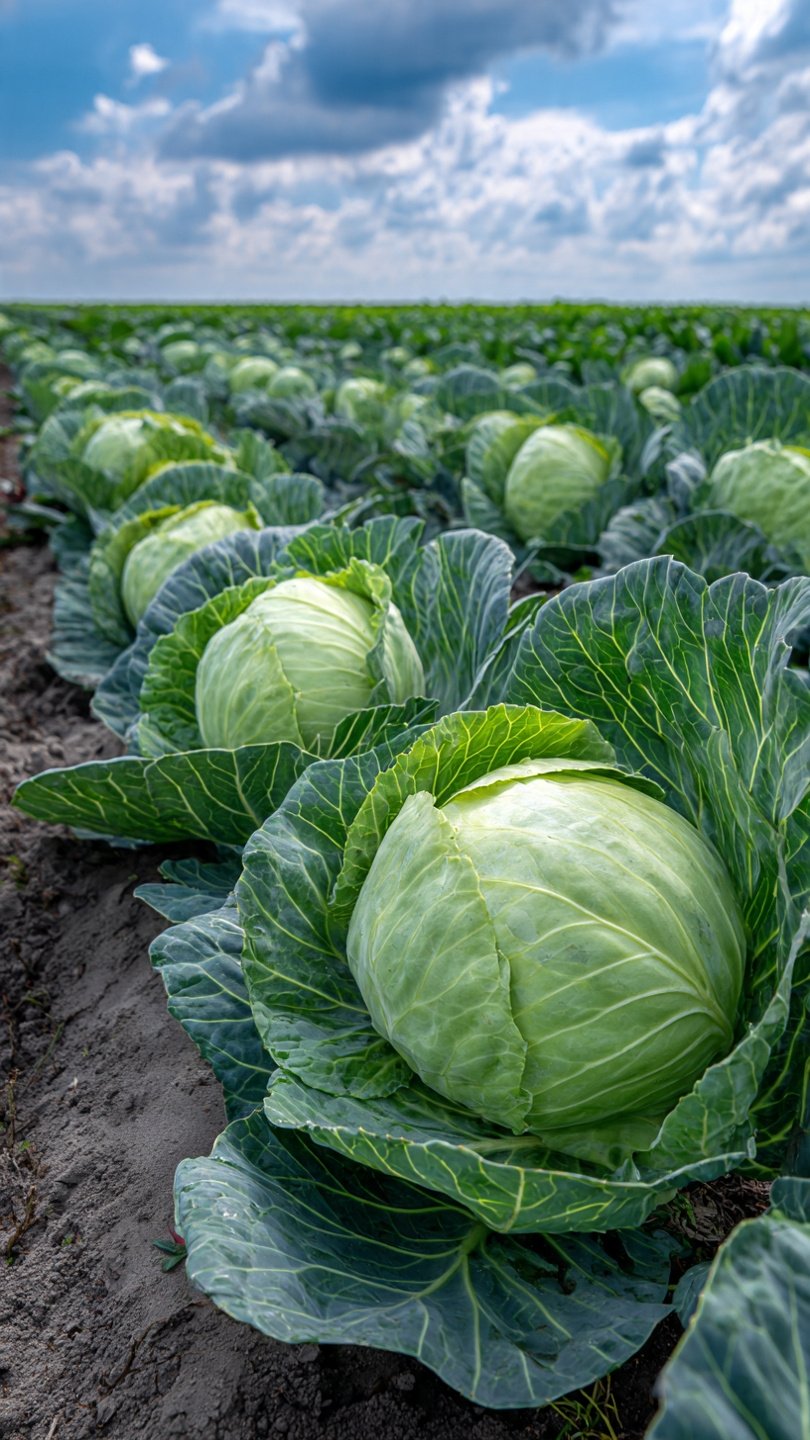
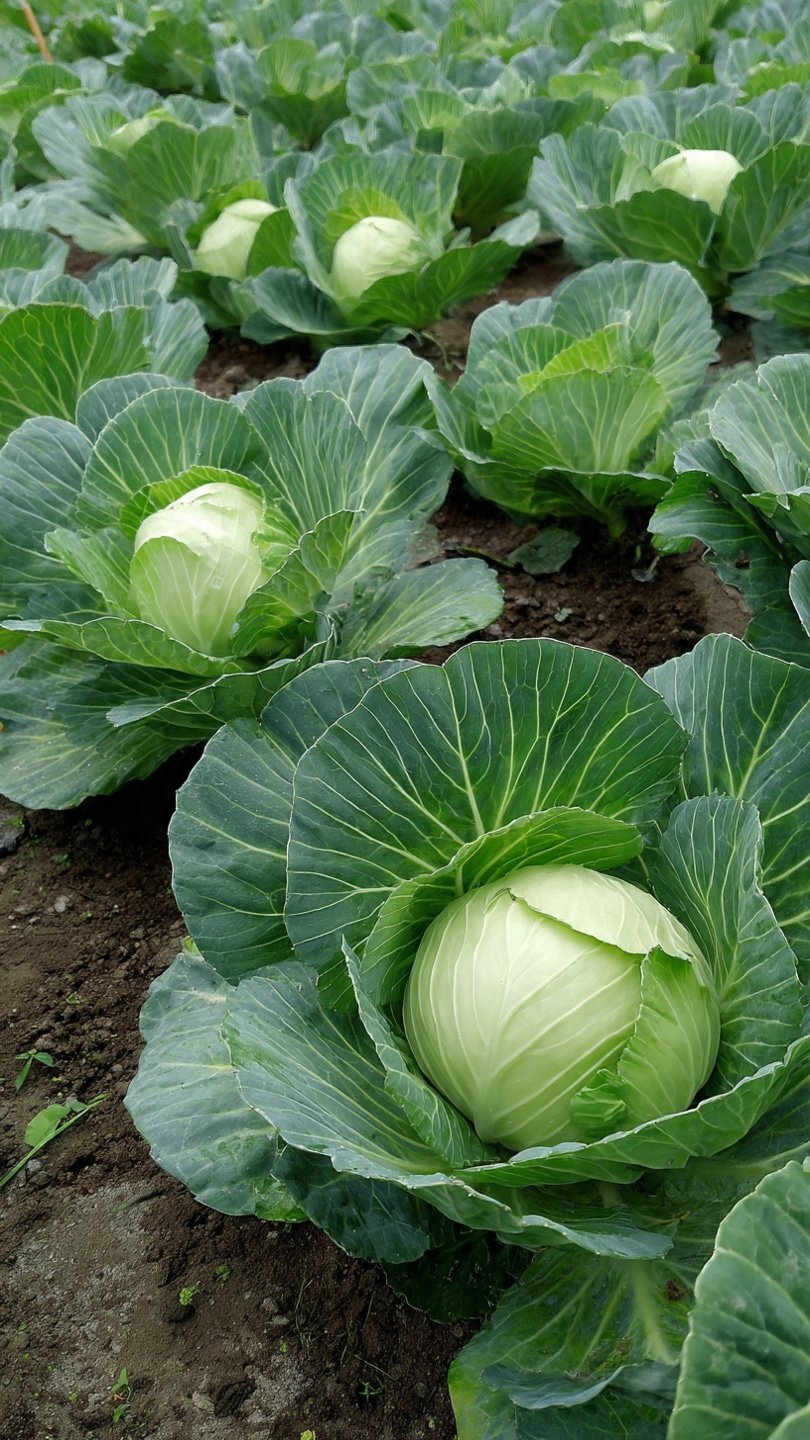
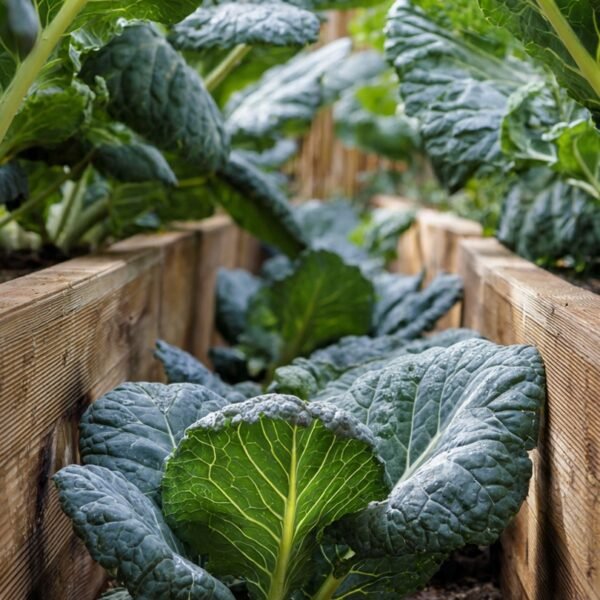
Homegrown Copenhagen Market cabbage is far more than a simple kitchen staple for coleslaw or stews.
This versatile cruciferous vegetable is an affordable, nutrient-dense superfood backed by extensive nutritional and medical research.
Incorporating cabbage into your daily diet delivers an abundance of vitamins, minerals, and unique bioactive compounds that target chronic health conditions.
Nutritional Profile (Per 100g Raw Cabbage)
Data from the USDA FoodData Central highlights that raw green cabbage is exceptionally low in calories and glycemic load, making it a perfect foundation for health-conscious diets:
- Calories: 25 kcal
- Dietary Fibre: 2.5g (both soluble and insoluble)
- Vitamin C: 36.6mg (an exceptional antioxidant boost)
- Vitamin K: 76mcg (critical for blood clotting and bone density)
- Folate (B9): 43mcg (vital for DNA synthesis and prenatal health)
- Manganese: 0.16mg (supports metabolic pathways)
- Antioxidants: High concentrations of polyphenols and sulfur-based compounds.
Key Medicinal & Health Benefits
1. Powerful Gastrointestinal and Ulcer Healing Properties
Historically, cabbage juice has been used as a traditional remedy for digestive issues.
Medical science supports this use due to cabbage’s high concentration of glutamine, an amino acid that acts as a primary fuel source for the cells lining the stomach and small intestine.
Drinking raw cabbage juice or eating fresh cabbage helps rebuild the gut lining, reduces systemic inflammation, and accelerates the healing of gastric ulcers.
2. Advanced Cardiovascular and Arterial Protection
Cabbage contains potent plant pigments called anthocyanins and specific sulfur compounds known as glucosinolates.
Clinical studies demonstrate that regular intake of these compounds correlates with a lower risk of heart attacks and strokes.
Cabbage also contains plant sterols (phytosterols), which naturally block the absorption of bad (LDL) cholesterol in your digestive tract, keeping blood vessels clear.
3. Natural Cancer-Prevention Mechanisms
As a member of the Brassica family, cabbage is loaded with glucosinolates. When chewed or chopped, these compounds break down into biologically active molecules like indoles and isothiocyanates.
Peer-reviewed research suggests these molecules help detoxify carcinogens, protect cells from DNA damage, and actively induce apoptosis (programmed cell death) in cancerous cells.
4. Regulates Blood Pressure and Fluid Balance
With a solid ratio of potassium to sodium, cabbage acts as a natural, mild diuretic. Potassium relaxes the walls of your blood vessels and encourages the excretion of excess sodium through urine.
This mechanical adjustment lowers overall blood pressure, reducing stress on the heart muscle and preventing fluid retention.
5. Potent Anti-Inflammatory Action
Chronic inflammation is the root cause of conditions like arthritis, heart disease, and autoimmune disorders.
Cabbage is rich in sulforaphane and kaempferol, two highly researched antioxidants with proven anti-inflammatory properties.
These compounds lower circulating inflammatory markers in the bloodstream, easing joint pain and systemic oxidative stress.
Preserving the Medicine: Raw vs. Fermented vs. Cooked
To capture the maximum therapeutic and medicinal benefit from your harvest, alter your preparation techniques:
Raw / Juiced: Best for treating ulcers and maximizing your intake of heat-sensitive Vitamin C.
Fermented (Sauerkraut / Kimchi): Fermenting Copenhagen Market cabbage creates a probiotic powerhouse. The fermentation process multiplies beneficial lactic acid bacteria, significantly boosting gut health, immunity, and nutrient absorption.
Lightly Steamed: Perfect for lowering cholesterol. Steaming allows the fiber components in cabbage to bind more effectively with bile acids in your digestive tract, carrying cholesterol out of the body more efficiently.
Avoid boiling, which destroys the cancer-fighting glucosinolates.





Reviews
There are no reviews yet.