Complete Lettuce Growing Guide: From Seed to Salad Bowl
Growing your own crisp, organic lettuce is highly rewarding.
This comprehensive guide covers everything you need to know about growing lettuce successfully in South Africa, ensuring a continuous harvest of fresh, crunchy salad greens.
Optimal Growing Conditions for Lettuce
To get the best yield from your seeds, it helps to understand what lettuce plants prefer:
Climate: Lettuce is a cool-season crop. It thrives in autumn, winter, and spring.
Sunlight: Full sun (6 hours daily) during cooler months. Morning sun and afternoon shade are ideal during warmer months to prevent wilting.
Soil: Rich, loose, well-draining soil with plenty of organic matter. Aim for a soil pH between 6.0 and 7.0.
Planting Calendar for South Africa
While lettuce can be grown year-round in milder regions, timing your planting helps prevent your crops from bolting (going to seed prematurely and turning bitter).
Highveld & Inland (Inland Plateau): Sow from February to September. Avoid the scorching mid-summer heat and extreme mid-winter frost.
Coastal Regions (Western & Eastern Cape): Sow from February to October. Protect from heavy winter downpours if necessary.
Subtropical Regions (KwaZulu-Natal coast / Lowveld): Sow during the cooler autumn and winter months (April to August).
How to Plant Lettuce Seeds Step-by-Step
Whether you choose direct sowing or starting in seed trays, lettuce seeds are incredibly easy to germinate.
Step 1: Prepare the Bed or Container
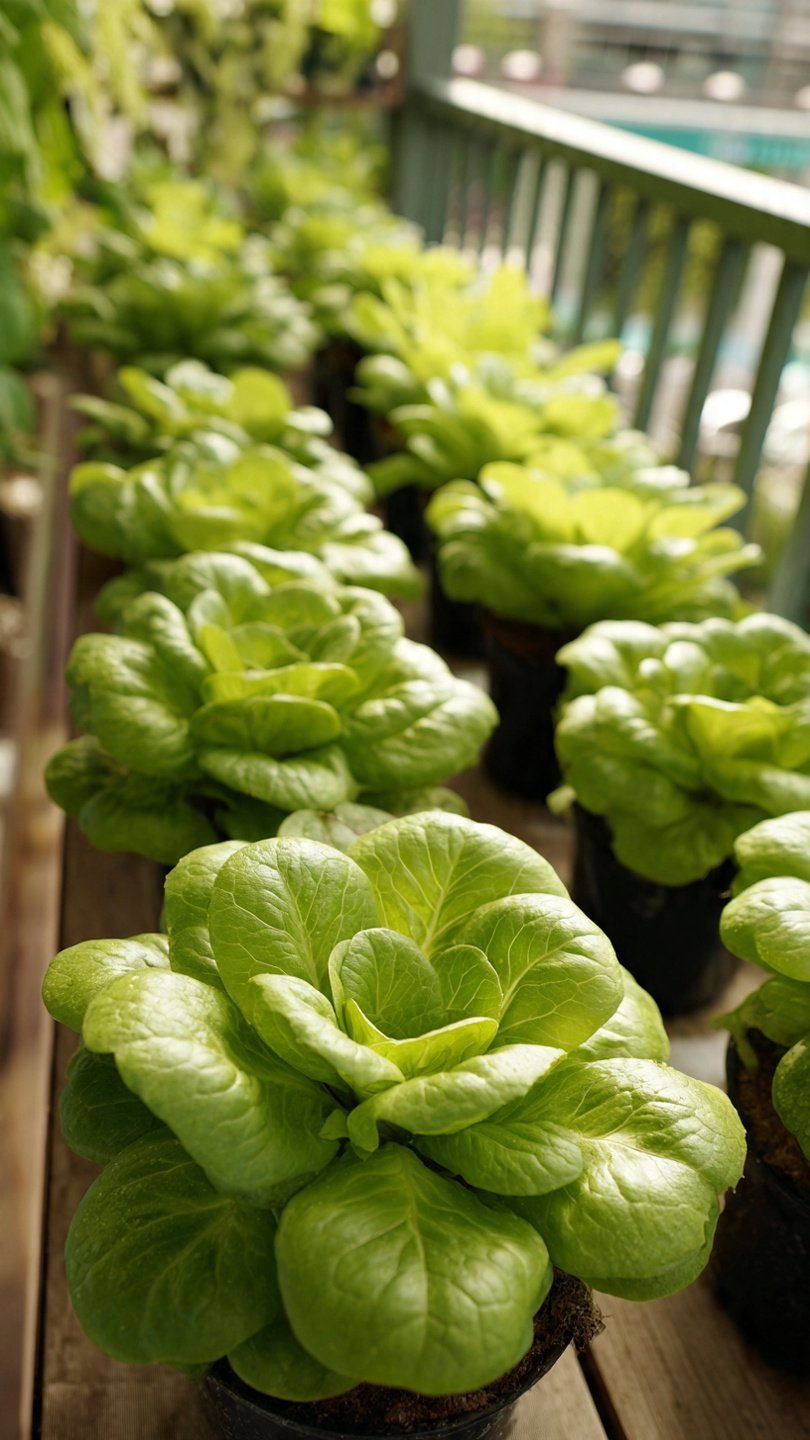
Dig in a generous amount of well-rotted compost into your garden bed. If using containers, choose a premium potting mix and ensure the pot has excellent drainage holes.
Step 2: Sow the Seeds
Depth: Sow seeds very shallowly, about 3mm to 5mm deep. Lettuce seeds require a small amount of light to trigger germination.
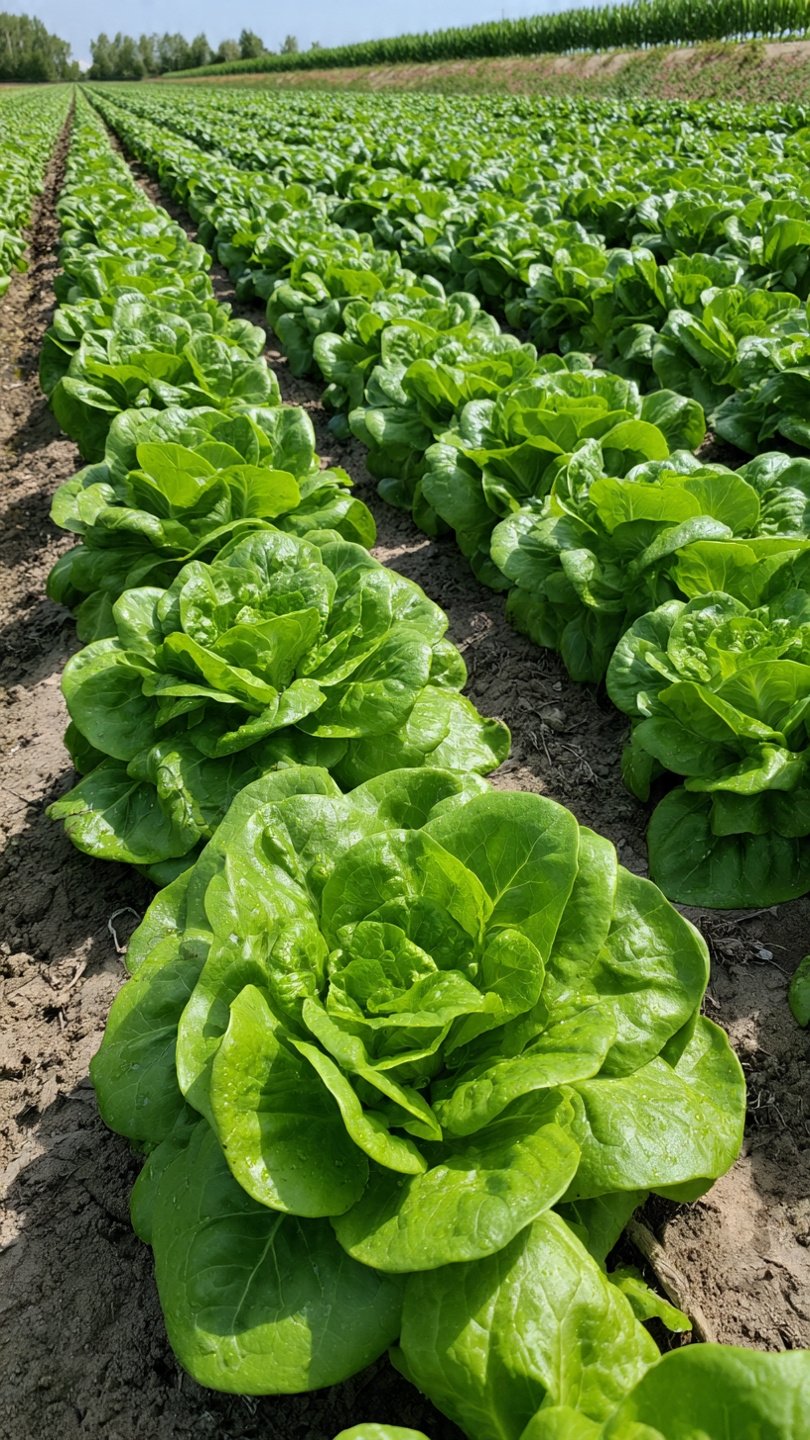
Spacing: Space rows roughly 30cm apart.
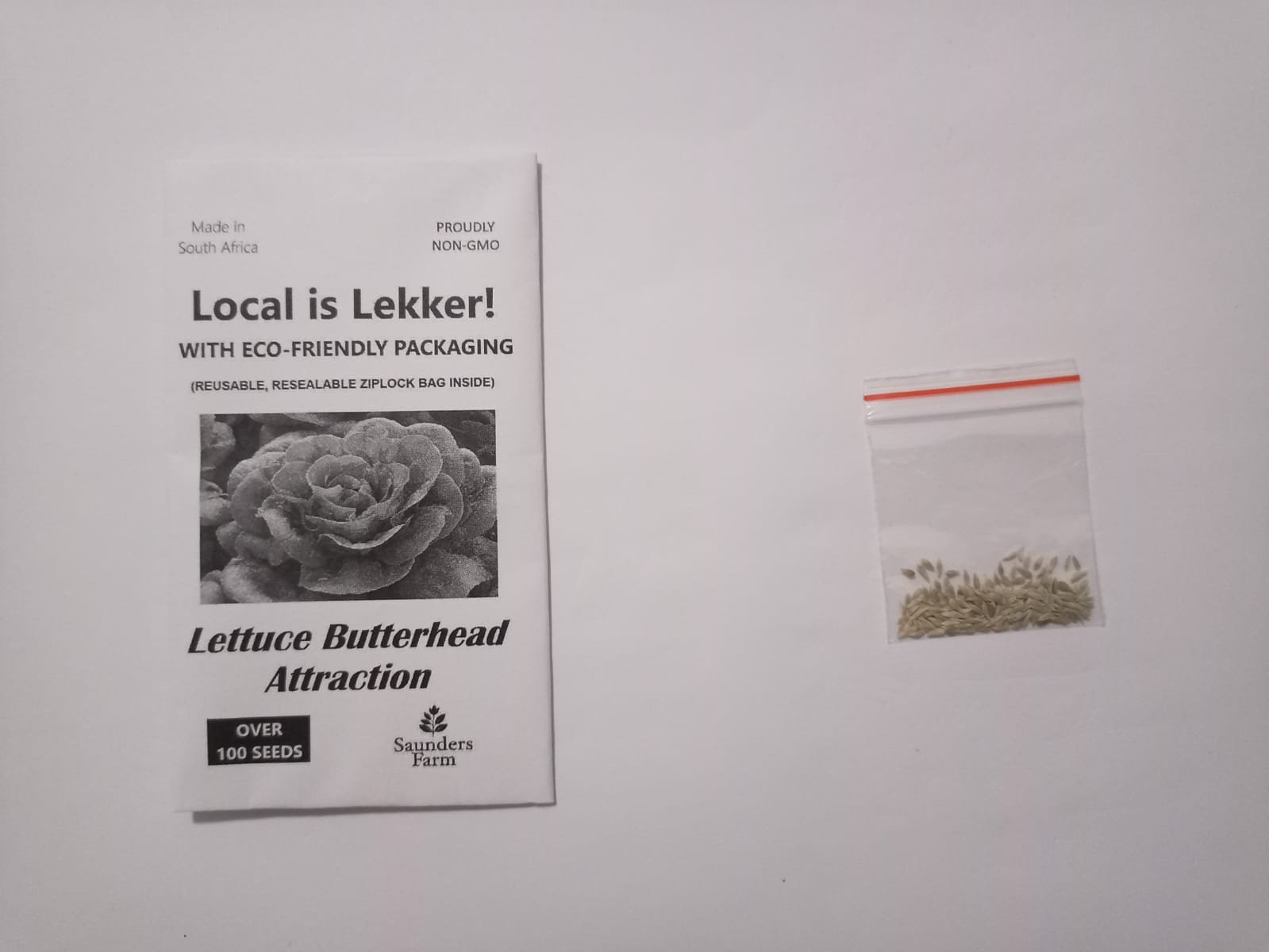
Quantity: Use high-quality seed packs containing over 100 seeds so you can stagger your planting every two to three weeks for a continuous supply.
Step 3: Watering for Germination
Keep the soil surface consistently damp but not soggy. Use a fine-mist spray bottle or a watering can with a gentle rose attachment to avoid washing away the tiny seeds.
Sprouts will appear in 7 to 14 days.
Step 4: Thinning Out Seedlings
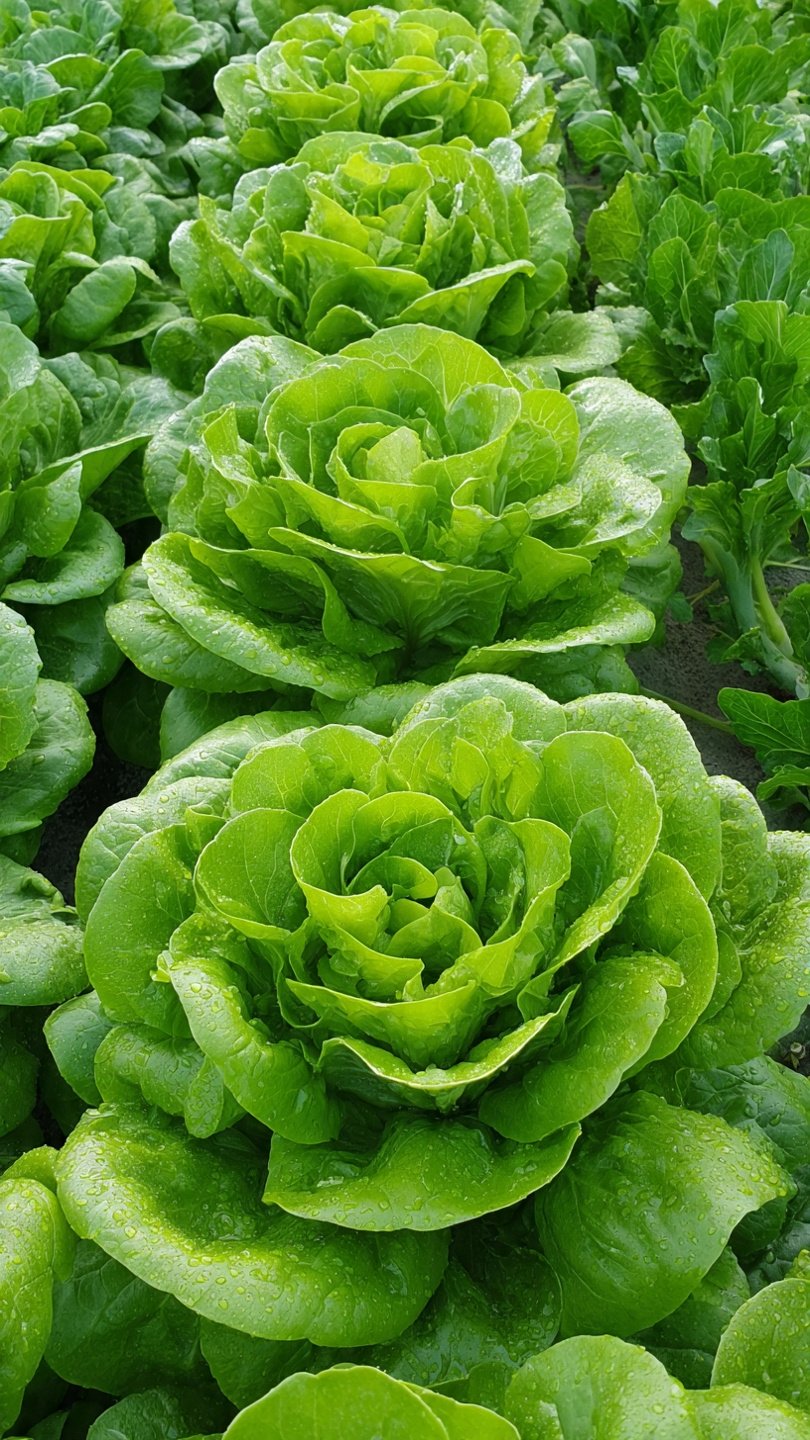
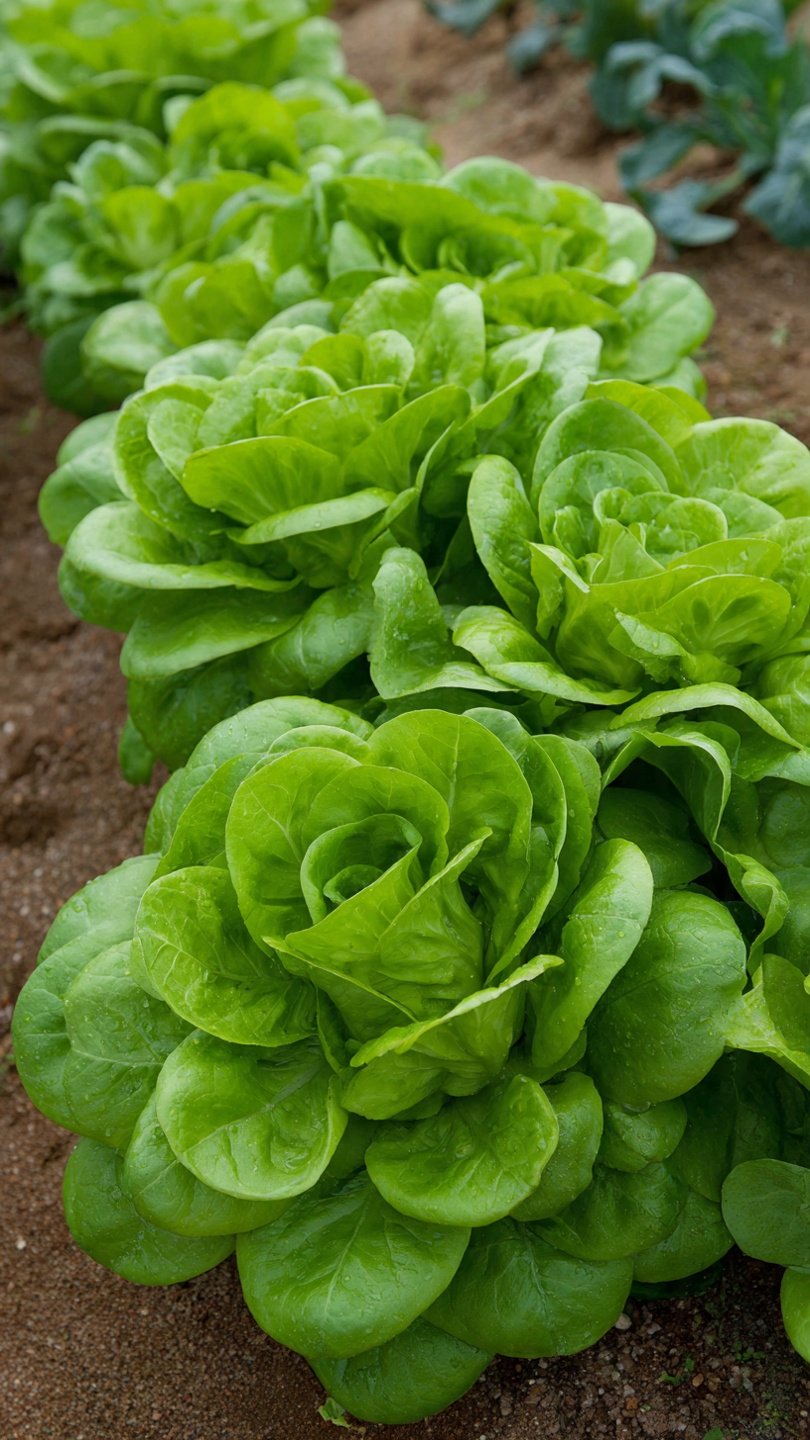
When your seedlings reach about 5cm tall, thin them out. Space leaf lettuce varieties 15cm apart, and head lettuce varieties (like Butterhead Attraction) 25cm apart.
You can replant the thinned seedlings or eat them as nutritious microgreens.
Ongoing Care and Maintenance
Watering: Lettuce has a shallow root system. It needs frequent, shallow watering rather than infrequent, deep watering. Water early in the morning to reduce the risk of fungal diseases.
Mulching: Apply a thin layer of organic mulch (like straw or bark chips) around the base of the plants. This keeps the roots cool and retains soil moisture.
Feeding: Apply a nitrogen-rich organic liquid fertiliser every two weeks to promote fast, lush leaf growth.
Common Pests and Diseases
Snails and Slugs: These are the biggest threat to young lettuce leaves. Use organic snail bait, beer traps, or crushed eggshells around your plants.
Aphids: Tiny insects that cluster under leaves. Wash them off with a sharp stream of water or spray with an organic insecticidal soap.
Fungal Rot: Can occur in overcrowded gardens. Ensure proper plant spacing to allow good air circulation.
Harvesting Your Lettuce
Cut-and-Come-Again Method: For loose-leaf varieties, snip off the older outer leaves as needed. The inner leaves will continue to grow for future harvests.
Whole Head Harvest: For head lettuce varieties, wait until the center feels firm. Use a sharp knife to cut the entire head off at the soil level.


Reviews
There are no reviews yet.