, ,

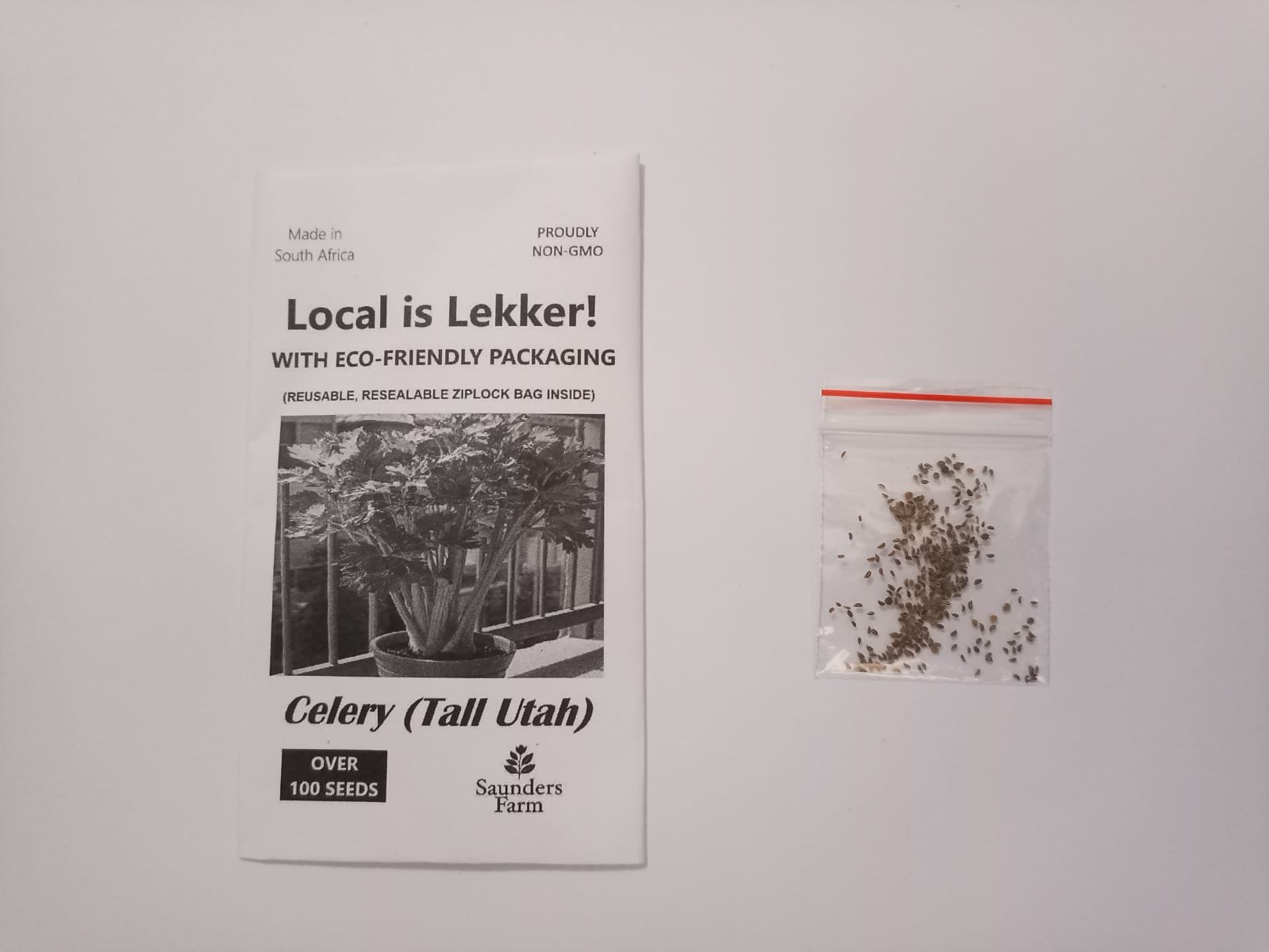
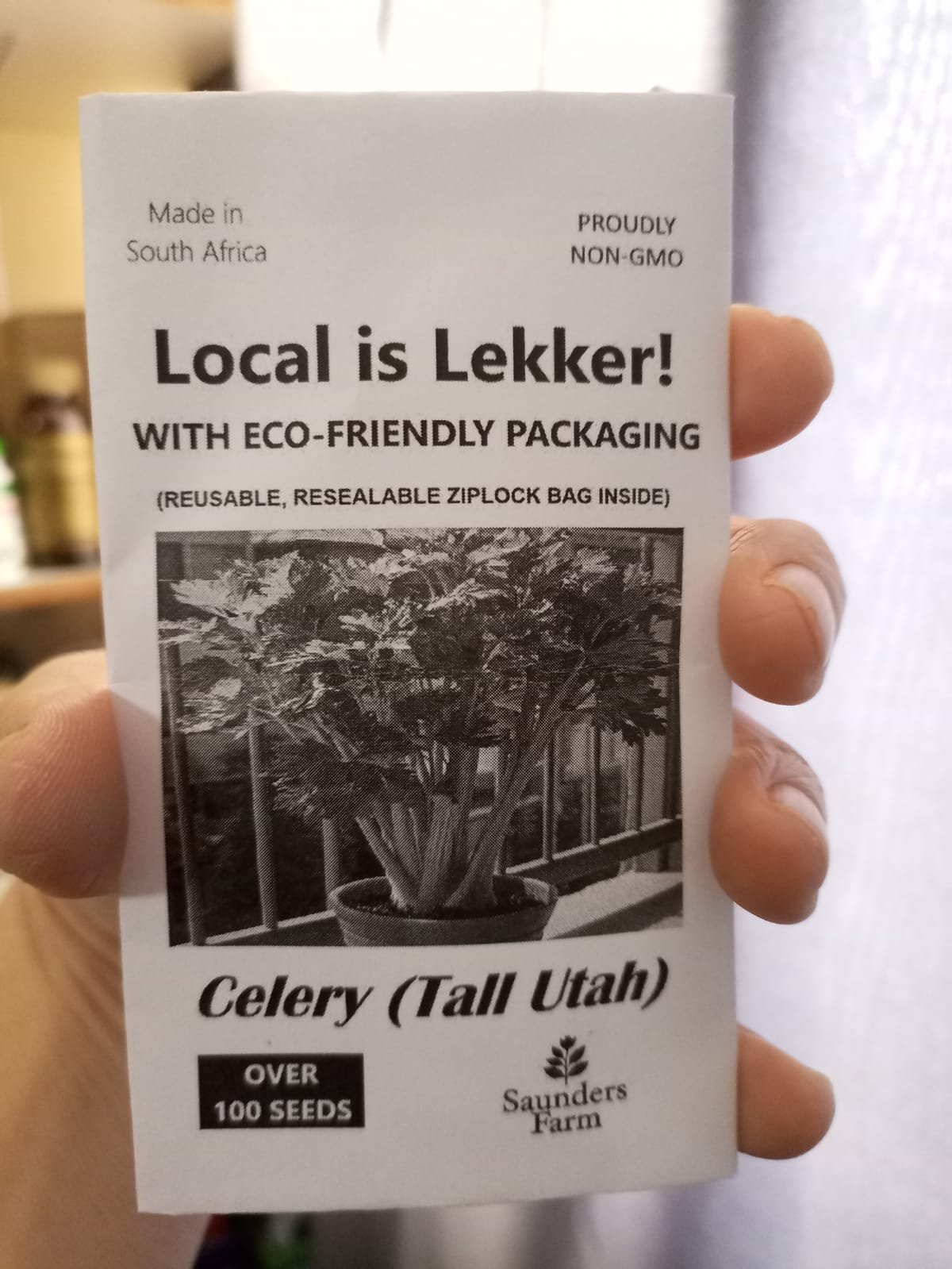
Celery (Tall Utah) – Over 100 Seeds

R15.00

Excluding shipping
  • Over 100 Celery (Tall Utah) Seeds
  • Join our WhatsApp Group to see when this product goes on special: https://chat.whatsapp.com/Ly1HQgXpYGXL2ffDGXUl4G
  • Proudly non-GMO
  • ECO-FRIENDLY: Biodegradable packaging with resealable, reusable plastic Ziplock bag inside
  • Made in South Africa, for South Africa

Availability: 167 in stock

Guaranteed Safe Checkout

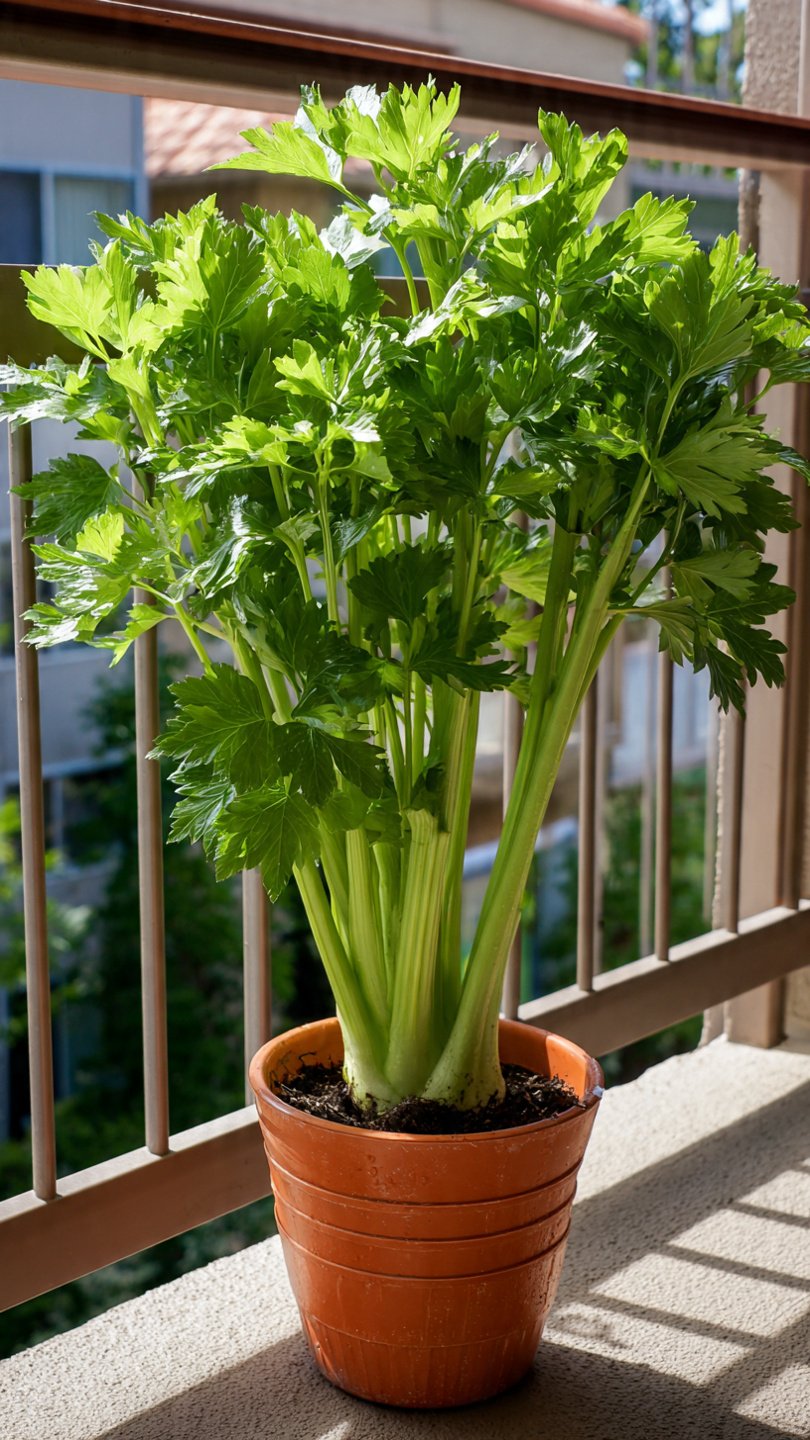
Celery Tall Utah Seeds (100+ Heirloom Seeds)

Grow crisp, juicy celery right in your South African garden with our premium Tall Utah Celery seeds.

This heirloom variety is famous for its thick, stringless stalks and rich, aromatic flavor that far surpasses store-bought alternatives.

Perfect for fresh salads, hearty potjies, and healthy green juices.

Key Product Highlights

  1. Premium Quality: Over 100 high-germination seeds per pack.
  2. 100% Natural: Heirloom, non-GMO, and open-pollinated seeds.
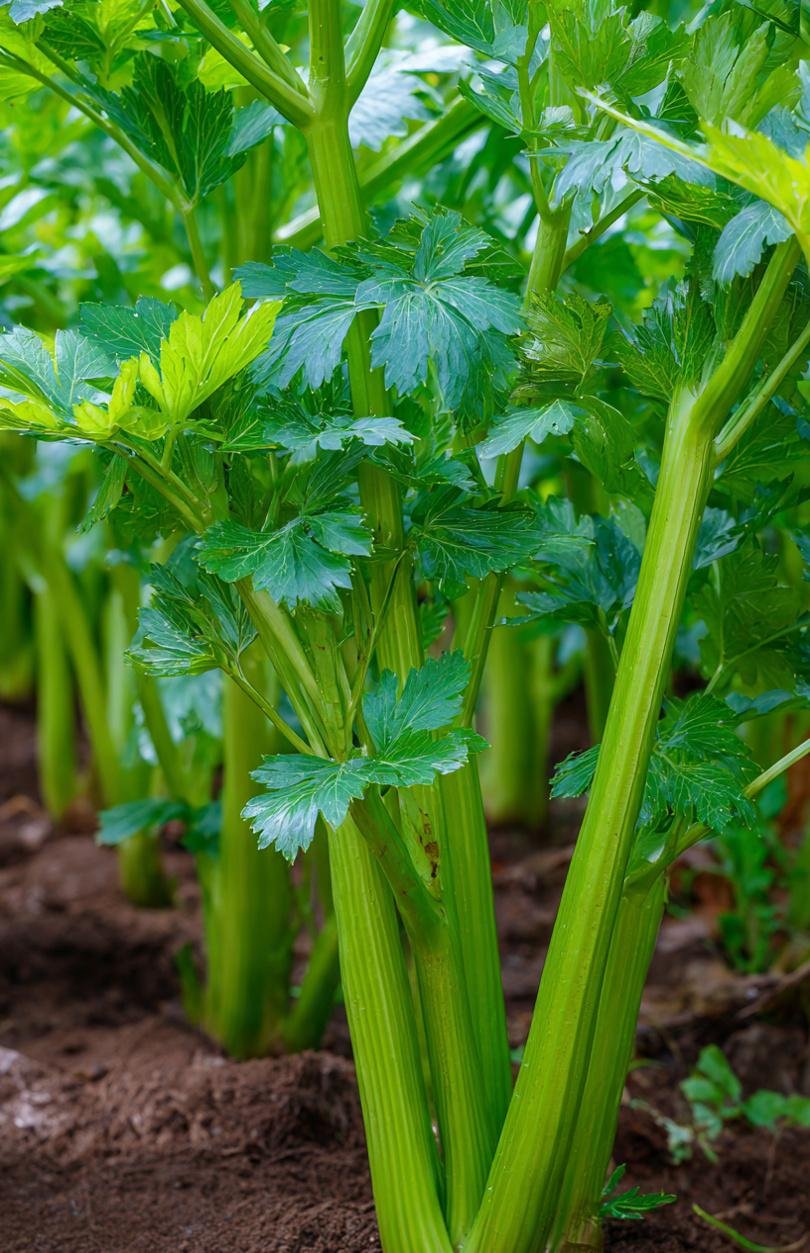
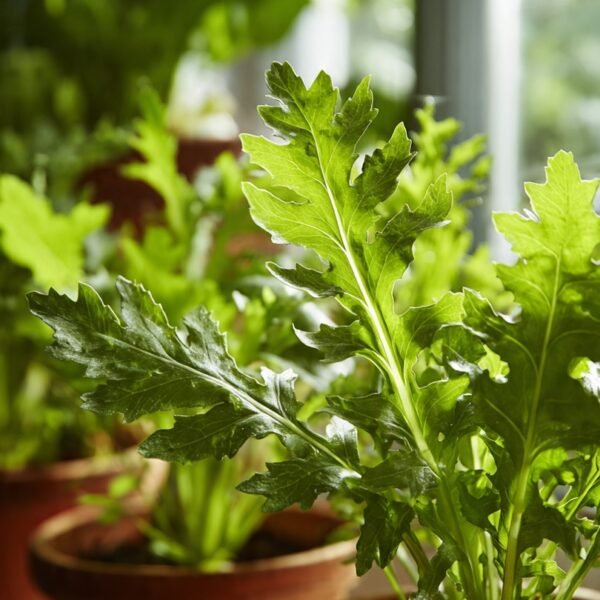
  3. Excellent Growth: Produces dark green, crisp, and tightly packed stalks.
  4. Disease Resistant: Naturally resistant to western celery mosaic and boron deficiency.

Why Grow Tall Utah Celery?

Tall Utah is the gold standard for home gardeners and market growers alike.

Unlike commercial varieties, this heirloom option retains its sweet, crisp crunch without becoming woody or bitter.

It thrives in South African conditions when given consistent moisture and rich soil, making it a highly rewarding addition to your backyard vegetable patch.

Quick Growing Guide for South Africa

When to Plant

Cool/Temperate Regions: Sow from August to April.

Subtropical Regions: Sow during the cooler autumn months (April to July).

Sowing and Spacing

Depth: Sow seeds shallowly (about 2mm deep) as they need light to germinate.

Germination: Takes 14 to 21 days; keep soil constantly moist but not waterlogged.

Spacing: Transplant seedlings 20cm to 25cm apart in rows spaced 40cm apart.

Ideal Growing Conditions

Sunlight: Full sun to very light afternoon shade.

Soil: Rich, fertile compost-heavy soil with a pH between 6.0 and 7.0.

Watering: High water requirements; water deeply and regularly to keep stalks juicy.

Harvest: Approximately 100 to 120 days from transplanting.

logo simple

Stop Killing Your Seeds!

5 Germination Mistakes Gardeners Must Stop Immediately

Get this free guide (5 minute read) and The Printable Monthly Growing Guide for South Africa (also free), via email:

We don’t spam! Read our privacy policy for more info.

Reviews

There are no reviews yet.

Be the first to review “Celery (Tall Utah) – Over 100 Seeds”

Your email address will not be published. Required fields are marked *

How to Grow Celery from Seed

How to Grow Celery from Seed: The Complete South African Guide

Celery has a reputation for being tricky to grow, but with the right timing and care, you can harvest crisp, juicy stalks right from your backyard.

Follow this step-by-step guide to successfully grow our Heirloom Tall Utah Celery from seed to harvest in South African conditions.

1. When to Plant Celery in South Africa

Celery loves cool weather and plenty of moisture.

Getting your timing right prevents the plants from bolting (going to seed prematurely) due to extreme heat or frost.

  • Highveld & Inland (Temperate): Sow indoors from August to October for summer crops, or January to March for autumn/winter crops.
  • Cape & Coastal (Mediterranean): Sow from August to November, or February to April to take advantage of the winter rainfall.
  • Subtropical Regions (KZN Coast/Lowveld): Sow during the cooler autumn and winter months (April to July) to avoid intense summer heat and humidity.

2. Step-by-Step Seed Sowing Guide

Celery seeds are tiny and require light and constant moisture to germinate. For the best results, start your seeds indoors or in a greenhouse using seed trays.

Step 1: Prepare Your Seed Tray

Fill a seedling tray with a fine, high-quality seed-starting mix. Press it down gently and water thoroughly before sowing so the soil is completely damp.

Step 2: Sow the Seeds Shallowly

Place 2 to 3 celery seeds in each cell. Do not bury them deeply. Celery seeds need light to germinate.

Press them gently into the surface of the soil and cover with a paper-thin layer of fine vermiculite or sieved compost (no more than 2mm deep).

Step 3: Keep Soil Constantly Moist

Mist the tray daily with a spray bottle. The soil must never dry out during germination. To lock in moisture, cover the tray with a clear plastic dome or plastic wrap until sprouts appear.

Step 4: Wait for Germination

Place the tray in a warm, bright area out of direct sunlight. Celery seeds are slow starters; germination typically takes 14 to 21 days.

Remove the plastic cover as soon as the first green shoots appear.

3. Transplanting into the Garden

Once your seedlings reach about 8cm to 10cm tall and have 3 to 4 true leaves, they are ready to move to their permanent home.

Hardening Off: Gradually acclimatise seedlings to outdoor conditions over 7 days by placing them outside for a few hours longer each day.

Soil Preparation: Celery is a heavy feeder. Dig plenty of well-rotted compost and aged manure into your garden bed. Aim for a rich, moisture-retaining soil with a pH between 6.0 and 7.0.

Spacing: Plant seedlings 20cm to 25cm apart in rows spaced 40cm apart. Plant them at the exact same depth they were growing in the seedling tray—do not bury the crown.

4. Ongoing Care and Maintenance

Water Relentlessly

Celery is made mostly of water. If the soil dries out, the stalks will become tough, stringy, and bitter. Water deeply at least 2 to 3 times a week, and daily during hot, dry summer spells.

Mulch Heavily

Apply a thick layer of organic mulch (like straw, bark, or sugar cane dunder) around the base of the plants. This keeps the roots cool, retains soil moisture, and suppresses weeds.

Feed Regularly

Because celery grows continuously for months, it needs regular nutrients. Feed your plants every 2 weeks with a nitrogen-rich liquid organic fertiliser (such as liquid fish emulsion or seaweed extract).

To Blanch or Not to Blanch?

Our Tall Utah variety is a “green” celery that does not require blanching (covering the stalks to turn them white).

However, if you prefer a milder, sweeter taste, you can tie the stalks together with soft twine 2 to 3 weeks before harvesting, or wrap the lower stalks in brown paper to block out the sun.

5. Harvesting Your Celery

Your celery will be ready to harvest roughly 100 to 120 days after transplanting.

Cut-and-Come-Again: You do not have to harvest the whole plant at once. Harvest individual outer stalks as you need them for cooking; the plant will keep producing new stalks from the centre.

Whole Harvest: To harvest the entire bunch, slice the plant off at the soil level using a sharp knife.

Celery Medicinal and Nutritional Uses

Celery: Health Benefits, Nutritional Value, and Medicinal Uses

Many people think of celery as a crunchy, low-calorie snack or a base for soups. However, this ancient heirloom vegetable is packed with powerful vitamins, minerals, and antioxidants.

From ancient traditional medicine to modern green juicing trends, celery is celebrated globally for its incredible health-boosting properties.

Adding homegrown, non-GMO Tall Utah Celery to your daily diet can significantly improve your wellness.

Here is everything you need to know about the nutritional and medicinal benefits of celery.

1. Nutritional Profile of Fresh Celery

Celery is an incredibly nutrient-dense food. It is exceptionally low in calories and carbohydrates, making it a staple for weight management, keto, and low-GI diets, while delivering a high volume of essential nutrients.

A single cup (approx. 100g) of raw celery provides:

  1. Vitamin K: Crucial for bone health and proper blood clotting.
  2. Vitamin A & C: Powerful antioxidants that boost the immune system and support skin health.
  3. Potassium & Folate: Essential for heart function, cellular health, and muscle recovery.
  4. Dietary Fibre: Supports a healthy digestive tract.
  5. High Water Content: Made of roughly 95% water, making it incredibly hydrating.

2. Key Medicinal Benefits of Celery

Reduces Inflammation

Celery and celery seeds contain over 25 anti-inflammatory compounds. Chronic inflammation is linked to many illnesses, including arthritis and osteoporosis.

Plant compounds like apigenin found in celery help soothe inflammation throughout the body, providing natural relief for aching joints.

Lowers High Blood Pressure

Traditional Chinese medicine has used celery extracts to treat hypertension for centuries. Celery contains a phytochemical called phthalides.

This compound relaxes the tissues of artery walls, increasing blood flow and reducing blood pressure naturally.

Supports Healthy Digestion

The soluble and insoluble fibre in celery acts as a natural prebiotic, feeding the good bacteria in your gut.

Additionally, celery contains unique polysaccharides that have been shown to protect the stomach lining, reduce instances of stomach ulcers, and prevent bloating.

Neutralises Acid and Enhances Hydration

With its high water content and abundance of alkaline minerals like magnesium, iron, and sodium, celery has a deeply alkalising effect on the body.

It helps neutralise stomach acid, making it a popular natural remedy for acid reflux and heartburn.

3. The Power of Celery Seeds

While the stalks are excellent for daily eating, celery seeds hold a highly concentrated amount of the plant’s medicinal power.

Natural Diuretic: Celery seeds help the body flush out excess water and toxins by increasing urine output. This makes it an excellent traditional remedy for fluid retention (oedema).

Uric Acid Flusher: By promoting kidney health and elimination, celery seed extracts help flush excess uric acid from the body, offering relief to those suffering from gout.

4. How to Enjoy Celery for Maximum Health Benefits

To get the most out of your homegrown celery harvest, try incorporating it into your routine in these ways:

Fresh Celery Juice: Drink pure, strained celery juice on an empty stomach in the morning for a concentrated dose of vitamins, hydration, and digestive support.

Raw Stalks: Eat them fresh with hummus or peanut butter to preserve the heat-sensitive Vitamin C and dietary fibre.

Medicinal Teas: Crush a teaspoon of celery seeds and steep them in hot water for 10 minutes to create a soothing, anti-inflammatory tea.

Celery Growing Guide

The Ultimate Celery Growing Guide for South African Gardeners

Growing crisp, juicy celery at home is incredibly rewarding. While it has a reputation for being a challenging vegetable to grow, following a few basic rules ensures a bumper harvest.

This comprehensive guide covers everything you need to know about growing our heirloom, non-GMO Tall Utah Celery from seed to harvest in South African conditions.

Quick Reference Facts

Difficulty: Moderate

Germination Time: 14 to 21 days

Days to Harvest: 100 to 120 days from transplanting

Ideal Soil pH: 6.0 to 7.0

Sunlight: Full sun to light afternoon shade

1. When to Plant Celery in South Africa

Celery thrives in cool, mild weather. Planting at the wrong time can cause the plants to bolt (go to seed prematurely) or become tough and bitter due to heat stress.

Highveld & Inland Regions: Sow indoors from August to October (for a summer crop) or January to March (for an autumn/winter crop).

Cape & Coastal Regions: Sow from August to November, or February to April during the cooler, rainy seasons.

Subtropical Regions (KZN Coast/Lowveld): Sow during the cool autumn and winter months only (April to July) to avoid intense summer heat and humidity.

2. Soil Preparation

Celery is a heavy feeder with a shallow root system. It requires rich, fertile soil that retains moisture well but drains properly.

Organic Matter: Dig a 5cm to 10cm layer of well-rotted compost or aged manure into your garden bed before planting.

Moisture Retention: Mix in coco peat or peat moss to help hold moisture around the shallow roots.

pH Level: Ensure your soil is slightly acidic to neutral (6.0 to 7.0).

3. How to Sow Celery Seeds

Because celery seeds are tiny, it is best to start them indoors or in a greenhouse using seed trays.

Fill Trays: Use a fine, sterile seed-starting mix. Water the tray thoroughly before sowing.

Sow Shallowly: Place 2 to 3 seeds on top of the soil in each cell. Do not bury them. Celery seeds need light to germinate. Press them gently into the soil and cover with a paper-thin layer of vermiculite (no more than 2mm).

Maintain Moisture: Mist daily with a spray bottle. The soil must never dry out. Cover the tray with clear plastic wrap to lock in humidity.

Provide Light: Place the tray in a warm, bright area out of direct sunlight. Sprouts will appear in 14 to 21 days. Remove the plastic wrap immediately once they emerge.

4. Transplanting Seedlings

Move your seedlings to the garden bed when they are 8cm to 10cm tall and have developed 3 to 4 true leaves.

Hardening Off: Move trays outdoors into a sheltered spot for a few hours each day over one week to acclimate them to the weather.

Spacing: Space seedlings 20cm to 25cm apart in rows that are 40cm apart.

Planting Depth: Plant them at the exact same level they were growing in the tray. Do not bury the central growing crown.

5. Ongoing Care and Maintenance

Watering (The Golden Rule)

Celery stalks are mostly water. If the soil dries out, the stalks will become dry, stringy, and bitter. Water deeply at least 2 to 3 times a week, and daily during hot summer spells.

Mulching

Apply a 5cm layer of organic mulch (straw, bark, or sugar cane mulch) around the plants. This keeps the soil damp, cools the roots, and stops weeds from stealing nutrients.

Feeding

Celery needs continuous feeding to stay tender. Feed your plants every 14 days with a high-nitrogen liquid organic fertilizer, such as fish emulsion or seaweed extract.

Blanching (Optional)

Our Tall Utah variety is a green celery that naturally stays sweet without blanching. However, if you prefer pale, ultra-mild stalks, wrap the lower 20cm of the stalks in brown paper or cardboard 2 to 3 weeks before harvesting to block out the sun.

6. Harvesting Your Celery

Your crop will be ready to pick roughly 100 to 120 days after transplanting.

Cut-and-Come-Again: You do not need to pull up the whole plant. Cut individual outer stalks off at the base as you need them. The plant will continue to grow new stalks from the center.

Whole Bunch Harvest: Slice the entire plant off at the soil line using a sharp knife.

Celery Other Names

Celery Varieties, Botanical Classifications, and Alternative Names

When customers search for celery seeds, they often use different common names, traditional terms, or regional names.

Understanding these names helps you find exactly what you need for your garden, kitchen, or natural home remedies.

This guide covers the botanical classification of our heirloom Tall Utah Celery and the various names this versatile plant goes by around the world and across South Africa.

1. The Botanical Name

  • Scientific Name: Apium graveolens var. dulce: All cultivated sweet celery varieties belong to the Apium graveolens species, which is part of the Apiaceae (parsley) family.
  • The “Dulce” Variety: The suffix dulce means “sweet” in Latin. This distinguishes the crisp, upright stalks we eat fresh from its wild, bitter ancestors.
  • Tall Utah: This is the specific heirloom cultivar name, famous for its excellent disease resistance, dark green color, and stringless stalks.

2. Common Regional and Language Names in South Africa

South Africa’s rich cultural diversity means celery is known by a few different names across our official languages:

Afrikaans: Selery (pronounced similarly to the English name).

isiZulu & isiXhosa: Iseleri (adapted from the English common name).

Traditional / Herbalist Terms: In local nurseries and traditional herb markets, it is sometimes grouped generally under izilimo (cultivated vegetables) or noted for its water-loving nature.

3. Culinary and Structural Names

Depending on how it is grown, sold, or used in recipes, celery is referred to by several names in the culinary world:

Stalk Celery / Pascal Celery: This is the universal commercial name for the crisp, green stalks that form tight bunches (like our Tall Utah). It distinguishes it from varieties grown strictly for their roots or leaves.

Salad Celery: A common term used by home gardeners to describe sweet, stringless varieties meant to be eaten raw in salads.

A Bunch or Head of Celery: The commercial term for the entire clustered plant structure harvested together.

4. Botanical Relatives (Often Confused with Celery)

People searching for celery often mix it up with its close botanical cousins. Knowing the difference ensures you buy the right seeds:

Celeriac (Apium graveolens var. rapaceum): Also known as Turnip-rooted Celery or Celery Root. This variety is grown specifically for its large, bulbous, earthy-tasting underground root rather than its stalks.

Leaf Celery (Apium graveolens var. secalinum): Also called Cutting Celery or Chinese Celery. This variety looks like flat-leaf parsley. It produces thin, fibrous stalks and highly aromatic leaves used predominantly as a cooking herb or garnish.

Wild Celery: This refers to the untamed, highly bitter parent plant (Apium graveolens) or, confusingly, to Vallisneria americana, an unrelated freshwater aquatic grass used in fish aquariums.

Shopping Basket
0
    0
    Your Cart
    Your cart is emptyReturn to Shop
    Scroll to Top