Marigold Medicinal and Nutritional Uses: A Guide to the Crackerjack Mix
Beyond their striking visual appeal and legendary pest-repelling abilities, giant marigolds have a rich history of traditional therapeutic and culinary uses.
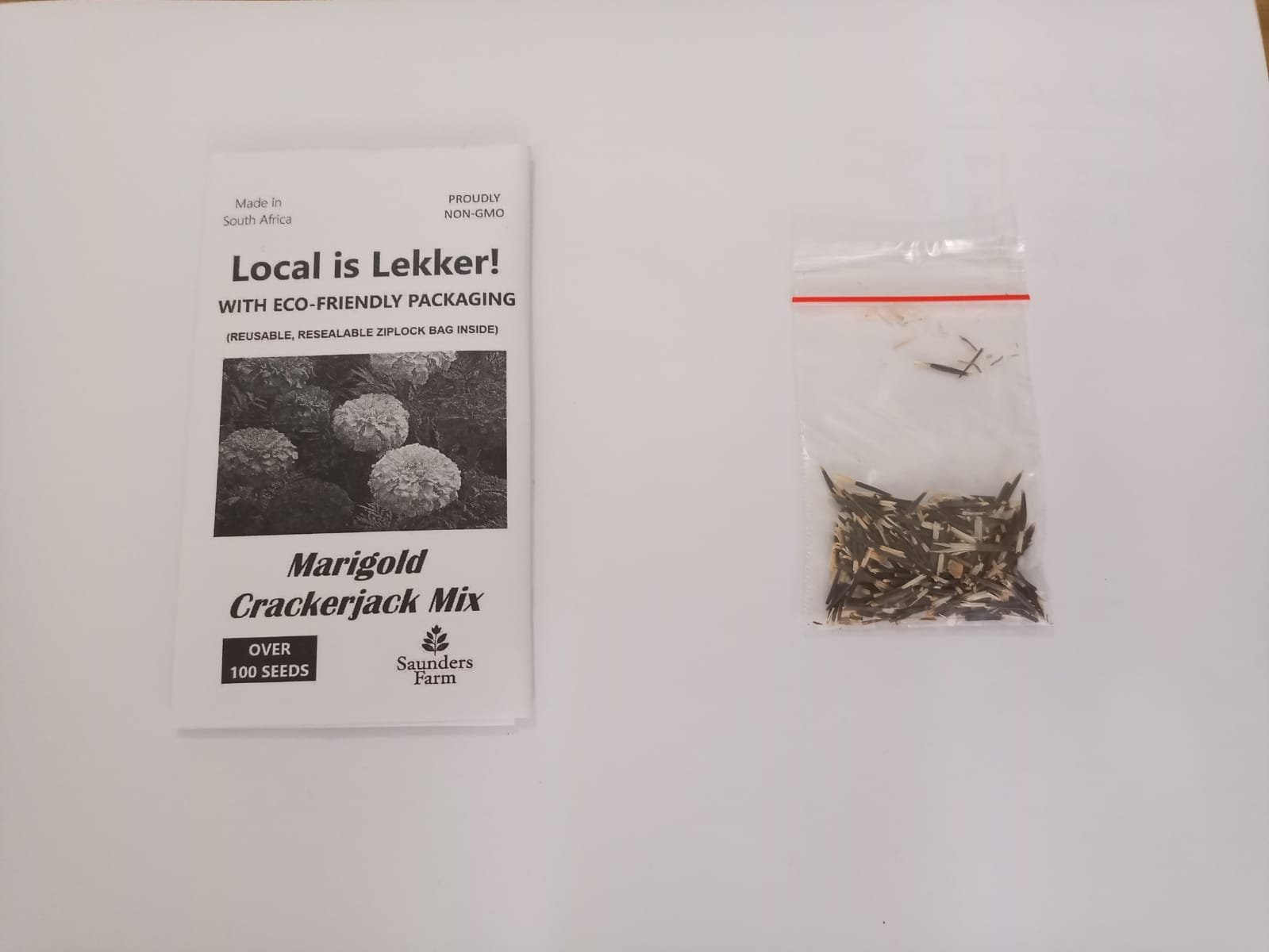
Our Crackerjack Mix Marigold Seeds produce magnificent African Marigolds belonging to the Tagetes erecta species.
While historical European herbalism often highlights Calendula officinalis (Pot Marigold) for skin balms, Tagetes erecta (African or Mexican Marigold) stands out globally as a powerhouse for cellular health, eye nutrition, and traditional wellness remedies.
This comprehensive guide explores how to safely harvest and utilize the massive, vibrant orange and yellow blossoms from your Crackerjack Mix for health, wellness, and cooking.
⚠️ Vital Health & Safety Disclaimer
Botanical Identification: Ensure you are harvesting from true Tagetes erecta (like our Crackerjack Mix). These plants have highly aromatic, deeply divided foliage with a strong, sharp scent.
Allergy Warning: Individuals allergic to the Asteraceae daisy family (including ragweed, chrysanthemums, and daisies) should avoid skin contact, topical application, or consumption of marigold products.
Pregnancy Caution: Pregnant or breastfeeding individuals must strictly avoid the internal use of Tagetes extracts or teas, as certain compounds can stimulate uterine activity.
Consult a Professional: This guide is for educational purposes only. Always consult a qualified healthcare practitioner or medical professional before incorporating any wild or cultivated plant into your wellness routine.
Nutritional Benefits: The Ultimate Eye-Health Flower
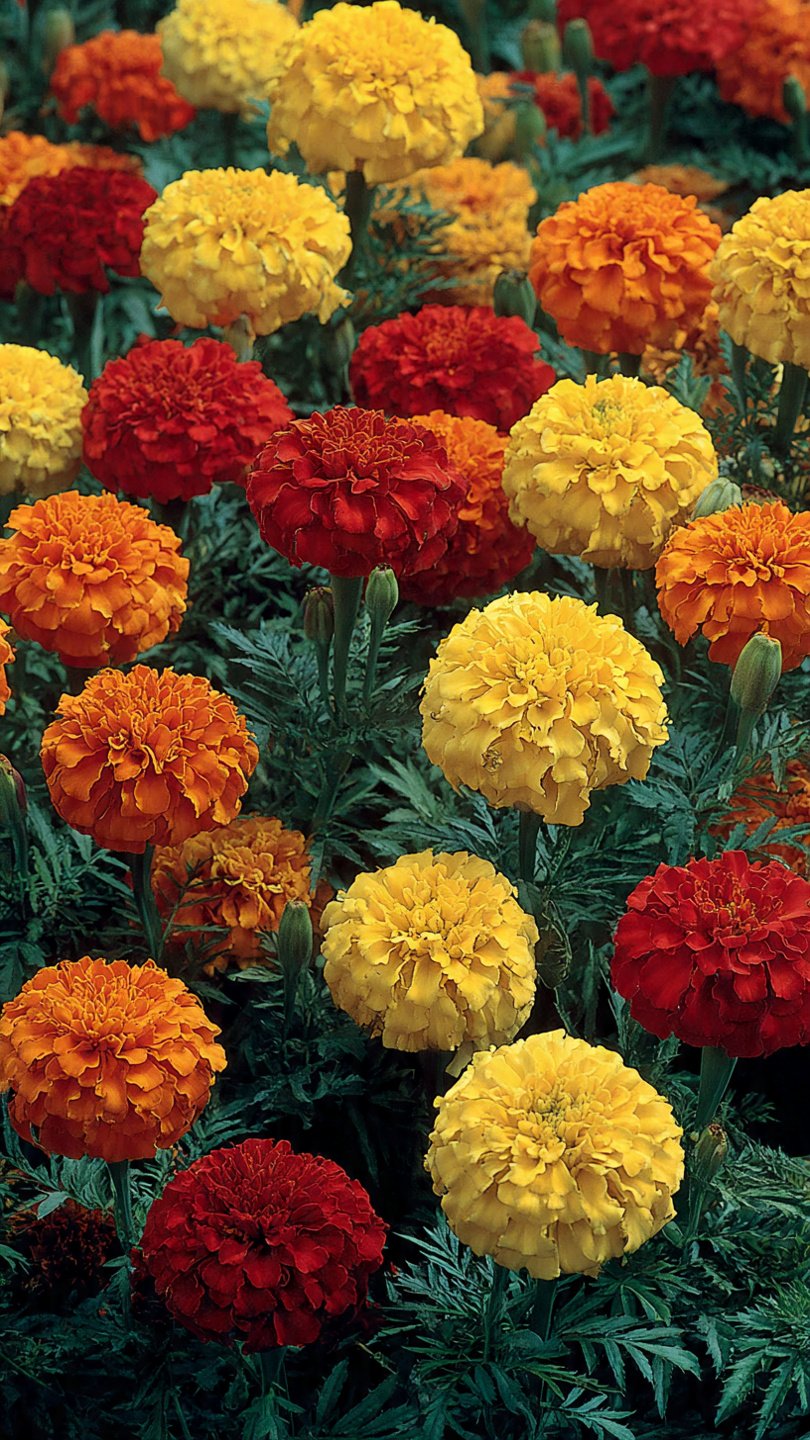
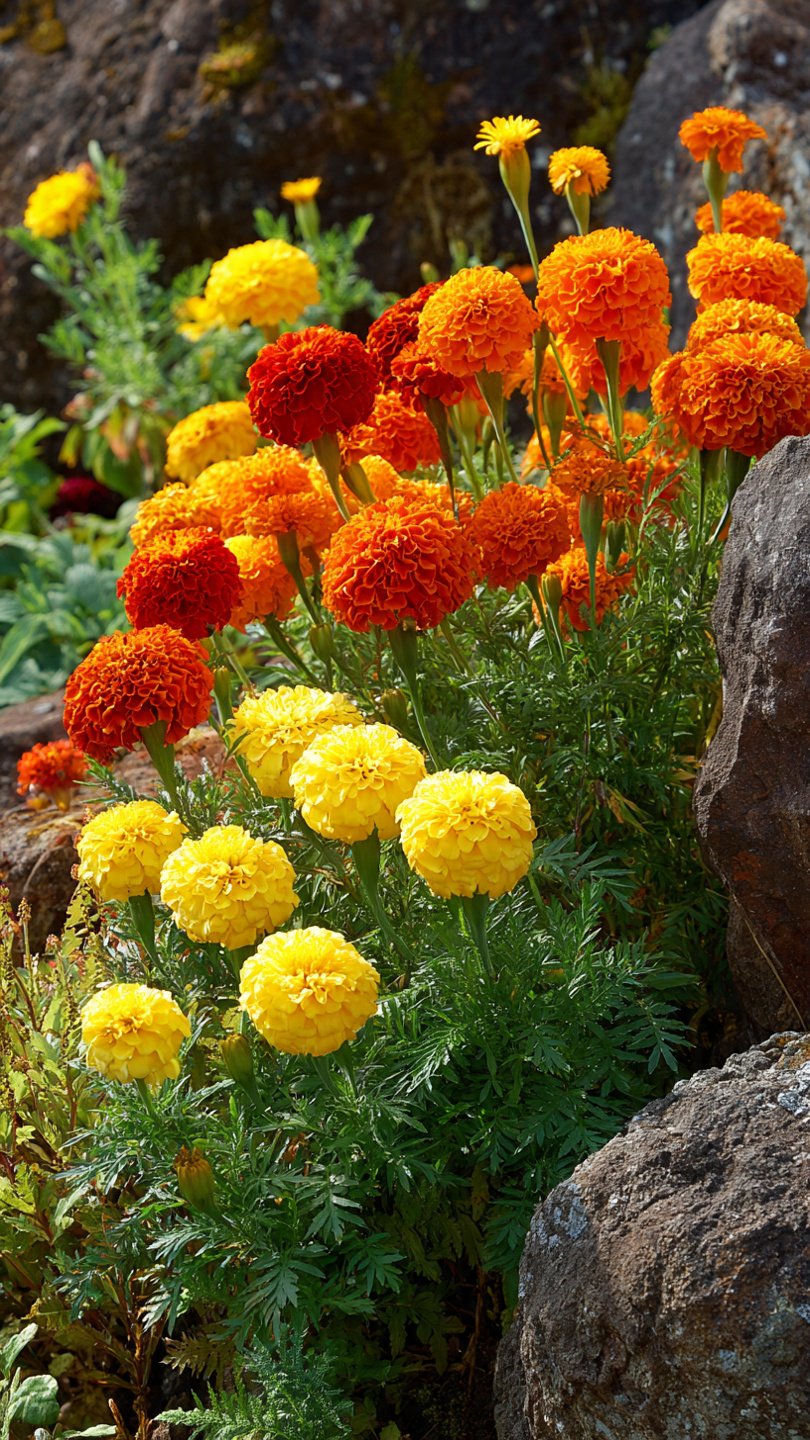
The standout feature of the Crackerjack Mix is the intense saturation of its orange and yellow petals. These pigments are not just for show; they indicate an exceptionally high concentration of lutein and zeaxanthin.
1. Rich Source of Lutein
Tagetes erecta is the primary commercial source used globally to extract lutein for high-quality eye health supplements.
Macular Protection: Lutein and zeaxanthin naturally accumulate in the human retina, acting as internal “sunglasses” that filter out damaging blue light.
Preventing Degradation: Consuming these carotenoid antioxidants regularly helps protect eyes from oxidative stress and reduces the long-term risk of age-related macular degeneration (AMD).
2. Free Radical Defense
The dense carotenoids and flavonoids found throughout the giant petals of the Crackerjack variety neutralise free radicals in the body.
This supports overall cellular repair and helps lower systemic inflammation.
Medicinal Uses of Tagetes Erecta
In traditional Mexican, Mesoamerican, and African medicine systems, the leaves and heavy flower heads of Tagetes erecta are valued for their targeted therapeutic properties.
1. Digestive Comfort
Mild herbal infusions made from dried Crackerjack petals have a long history of use as a digestive aid.
Application: Used traditionally to help soothe stomach aches, relieve flatulence, and ease abdominal cramps or occasional diarrhea.
2. Respiratory Steam Relief
The foliage and flower heads of the Crackerjack variety are packed with pungent essential oils (including piperitone and limonene) that carry natural antimicrobial properties.
Application: Steeping fresh flowers in boiling water creates a highly aromatic steam inhalation. Breathing in this vapor helps break up stubborn mucus, clear congested sinuses, and soothe a raw, scratching throat during winter cold seasons.
3. Traditional Skin Wash
Infusing dried Crackerjack petals into a strong liquid wash offers mild antiseptic and anti-inflammatory benefits when cooled.
Application: Used as a gentle topical wash to soothe minor skin rashes, clean shallow scratches, or take the sting out of irritating summer insect bites.
Culinary Uses in the Kitchen
The massive blossoms of the Crackerjack Mix yield a generous amount of petals, making them incredibly fun and rewarding to use in e-commerce baking and cooking trends.
The Poor Man’s Saffron: Dried and ground orange Crackerjack petals can be used as a natural, budget-friendly food coloring. Pluck and grind the petals to add a beautiful, rich golden hue to rice, grains, vegan cheeses, and homemade pasta.
Vibrant Floral Butter: Finely chop fresh, clean petals and whip them into softened farm butter along with a pinch of sea salt. It creates a stunning, conversation-starting spread for braai bread.
Bright Garnishes: Pull the individual petals away from the green, bitter seed base and toss them into summer salads, potato salads, or over iced cakes for a striking pop of natural color and a mild, slightly citrusy flavor.
How to Harvest and Store Your Crackerjack Blossoms
Because Crackerjack flower heads are so large and dense, they hold moisture easily. Proper harvesting and drying techniques are essential to prevent mold:
The Perfect Timing: Snip your massive flower heads on a dry, sunny morning after the morning dew has fully evaporated. Select fully opened, healthy blooms.
Prep the Petals: Shake the blooms gently to dislodge any hidden garden insects. For culinary or internal use, pull the colorful petals away from the hard green base (the green receptacle tastes very bitter and should be discarded).
Dry Thoroughly: Spread the individual petals out in a thin, single layer on a mesh screen, drying rack, or paper towel. Place them in a warm, dry room out of direct sunlight.
Storage: Once the petals feel completely crisp, brittle, and paper-dry to the touch (usually 5 to 10 days), transfer them into an airtight glass jar. Store the jar in a cool, dark cupboard to preserve the vibrant medicinal pigments for up to 12 months.


Reviews
There are no reviews yet.