The Ultimate Tomato Growing Guide: From Seed to Harvest in South Africa
Growing tomatoes is one of the most rewarding projects you can undertake in your home garden.
Tomatoes thrive in the South African climate, but getting a massive harvest of juicy, sweet fruit requires the right care, positioning, and maintenance.
This comprehensive guide covers everything you need to know to successfully grow tomatoes in South Africa, whether you are planting in garden beds, raised containers, or pots.
1. Choosing the Right Spot: Sun & Soil
Tomatoes are sun-lovers. To get a heavy yield, you must give them the right environment right from the start.
Sunlight: Tomatoes need at least 6 to 8 hours of direct sunlight every day. A north- or west-facing spot in your garden is usually ideal.
Soil Requirements: Tomatoes prefer loose, fertile, well-draining soil with a slightly acidic to neutral pH (6.0 to 6.8).
Preparation: Two weeks before planting, dig in plenty of well-rotted organic compost. Mix in a handful of bone meal to encourage strong root development and prevent future fruit issues.
2. Understanding Tomato Types: Bush vs. Vine
Before you set up your garden space, check your seed packet to see which growth habit your tomato variety has:
Determinate (Bush Tomatoes)
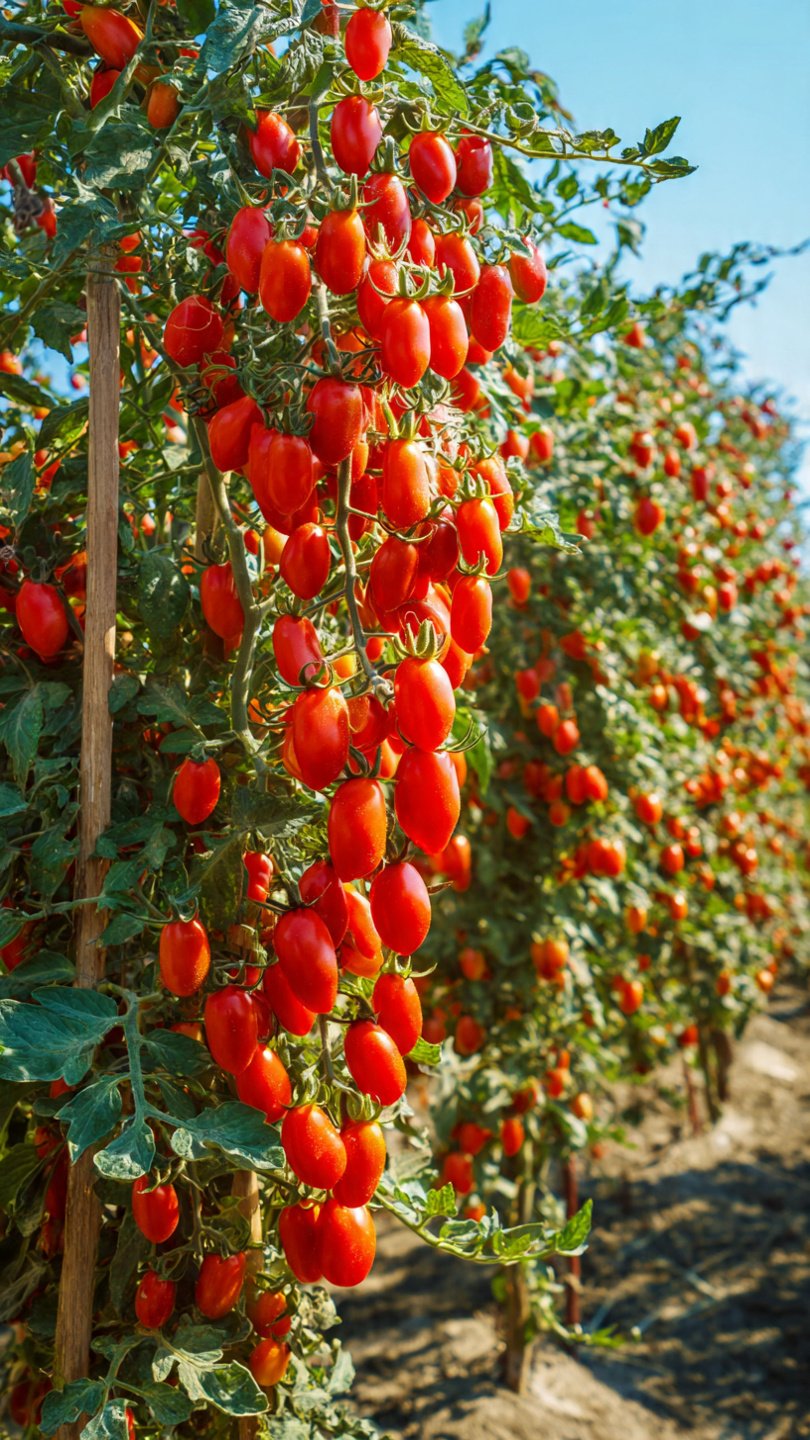
How they grow: They grow to a fixed size (usually about 1 to 1.2 metres tall), flower, and set all their fruit at roughly the same time.
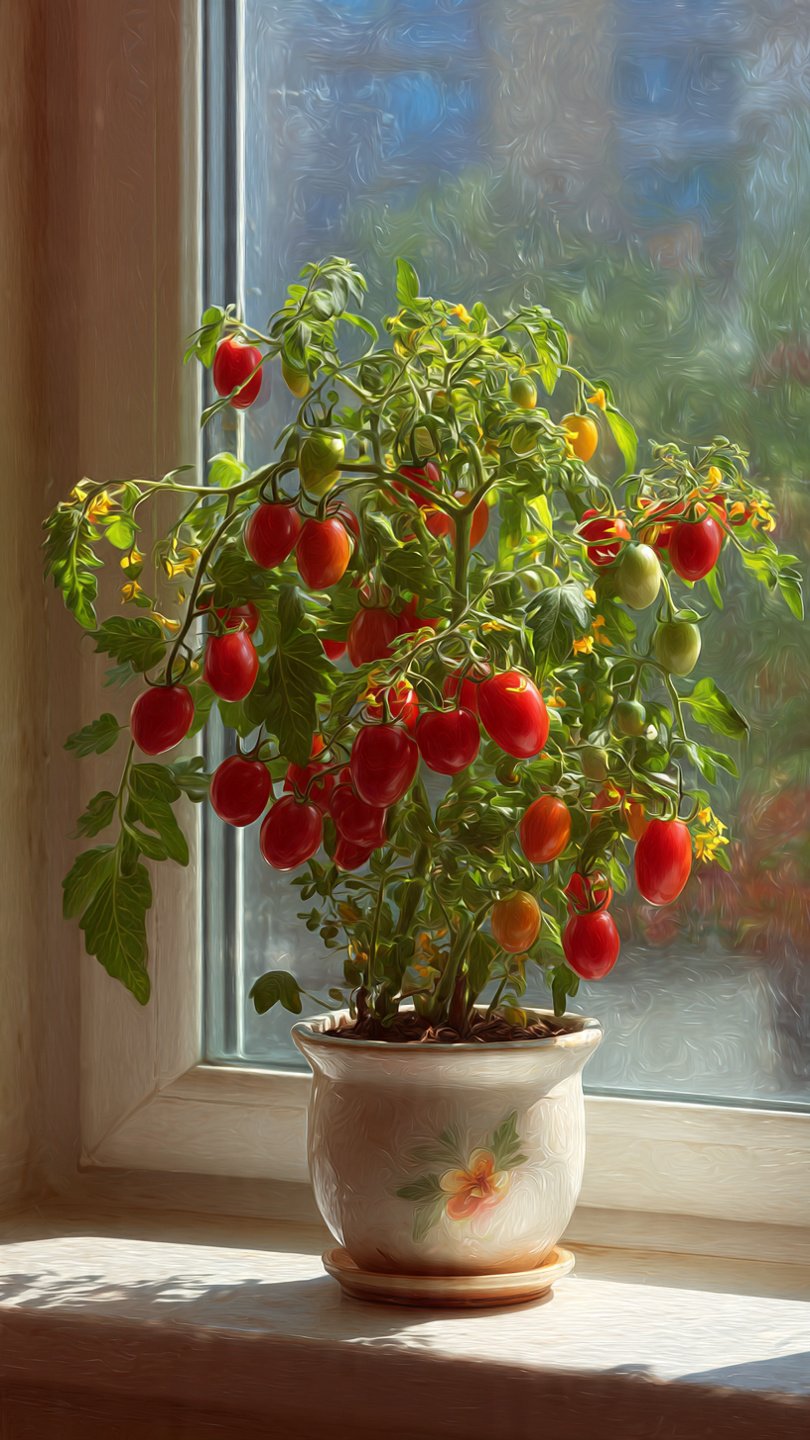
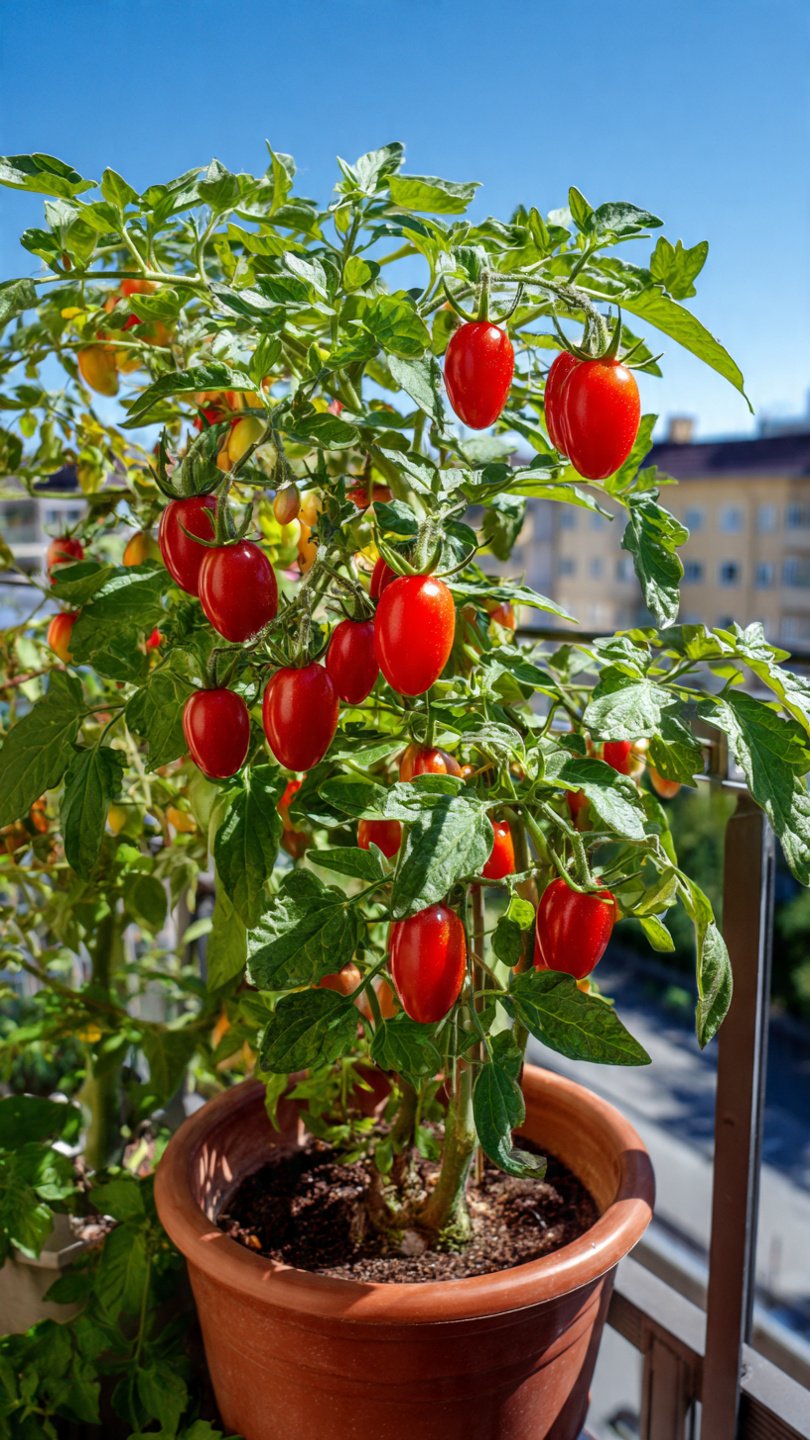
Best for: Small gardens, pots, balconies, and gardeners who want a big harvest all at once for making sauces, relishes, or chakalaka.
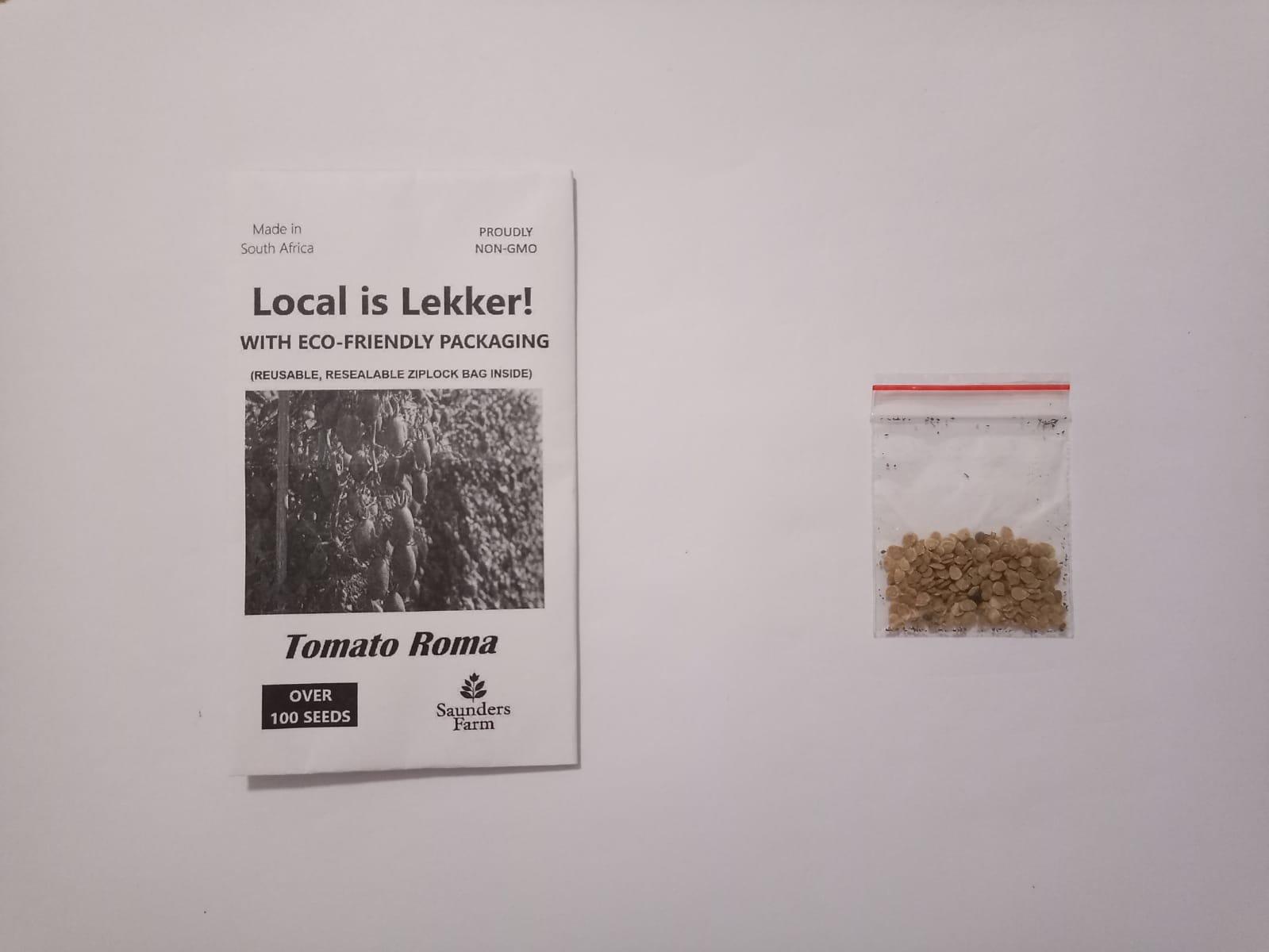
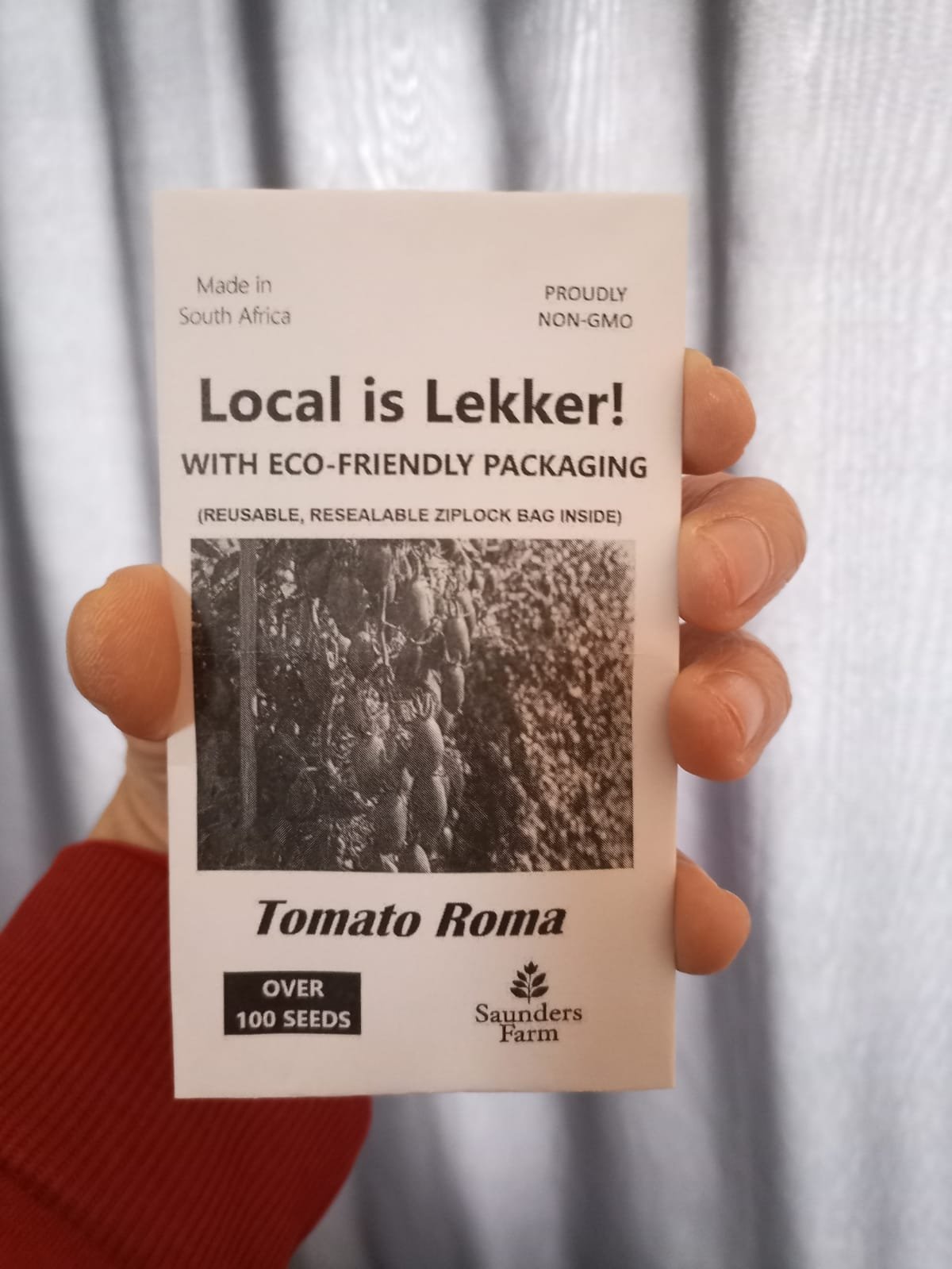
Example: Roma tomatoes.
Indeterminate (Vine Tomatoes)
How they grow: They keep growing, vining, and producing fruit continuously all season long until the winter frost arrives.
Best for: Large garden beds, polytunnels, and a steady, ongoing supply of fresh tomatoes for daily salads.
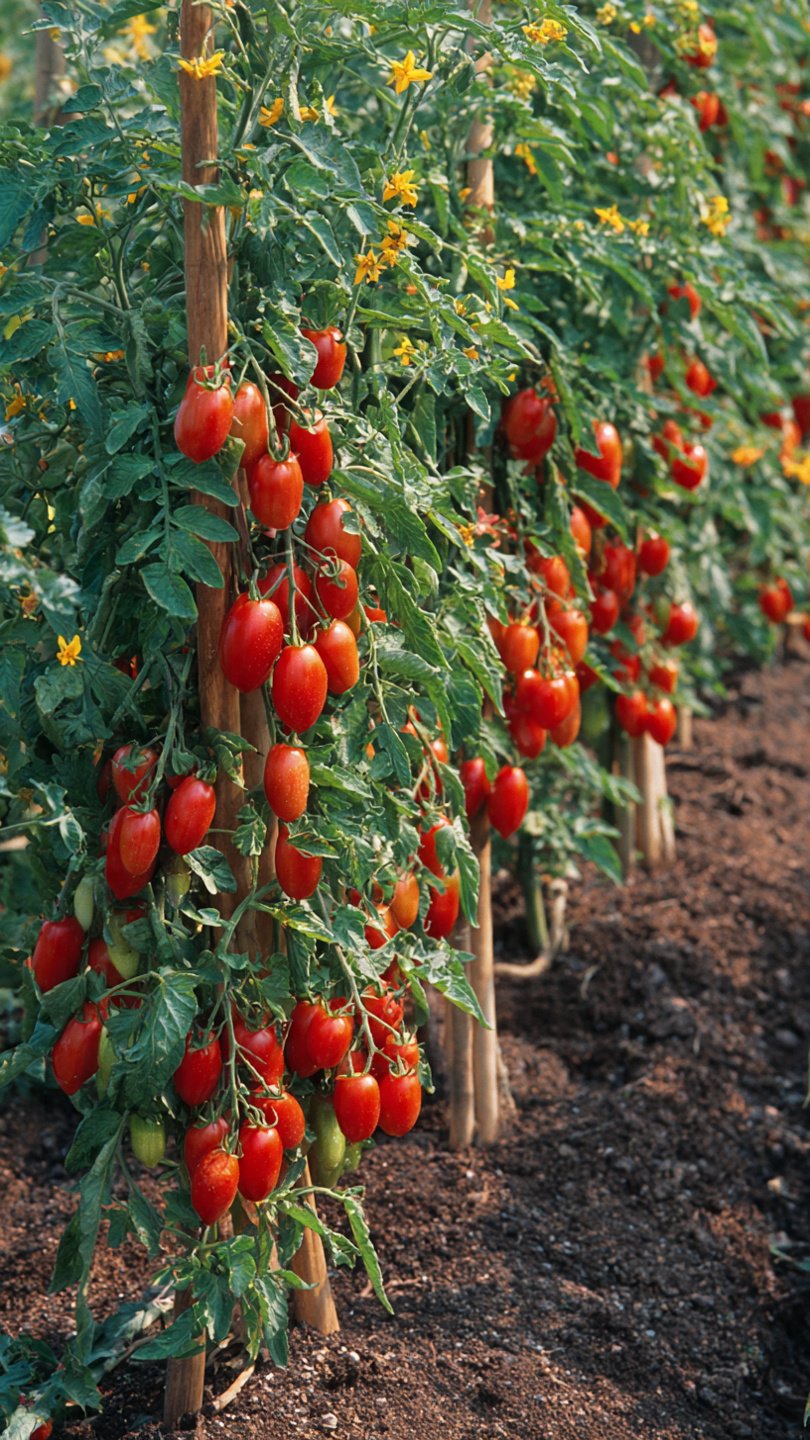
Support needed: These must have a tall, sturdy trellis, stake, or tomato cage to climb up.
3. Essential Ongoing Care
Once your tomato plants are growing vigorously in the ground, they require specific weekly maintenance.
Watering Rules
Water the soil, not the leaves: Wetting the leaves triggers fungal diseases like early blight. Always aim your watering can or hose hose directly at the base of the plant.
Water deeply and consistently: Inconsistent watering (letting the soil dry out completely and then flooding it) causes the fruit to swell too fast and crack open.
Water deeply 2 to 3 times a week, increasing to daily watering during extreme mid-summer heatwaves.
The Power of Mulching
Apply a 5cm layer of organic mulch (straw, bark chips, or dried lawn clippings) around the base of your plants.
Mulch keeps the roots cool, stops weeds from stealing nutrients, and prevents soil moisture from evaporating during scorching afternoon heat.
Fertilising for Fruit
Tomatoes are incredibly hungry plants.
Early stage: Feed them with a nitrogen-rich organic fertiliser every 2 weeks to build strong stems and green leaves.
Flowering stage: As soon as you see the first yellow blossoms appear, switch to a fertiliser high in potassium and phosphorus (like a liquid seaweed or tomato-specific food).
This shifts the plant’s energy away from leaves and into producing massive, juicy tomatoes.
4. Pruning and Staking
To keep your plants healthy and maximize your yields, you need to manage how they grow.
Staking: Put stakes or cages into the ground at the time of planting. Trying to drive a stake into the ground later will damage the plant’s mature root system. Tie the main stem loosely to the stake using soft twine or cloth strips.
Pruning Suckers: For vine (indeterminate) tomatoes, look at the “V” joint between the main stem and a leaf branch. You will see a tiny new shoot growing out of that joint—this is a “sucker.”
Pinch these off with your fingers when they are small.
Pruning suckers forces the plant to focus its energy on growing fruit rather than excess wild branches.
Airflow: Snip off any leaves that touch the ground. This stops soil-borne fungi from jumping onto your plant.
5. Troubleshooting Common South African Tomato Problems
Black, sunken spots on the bottom of the fruit
Cause: Blossom-End Rot (Calcium deficiency caused by uneven watering)
Solution: Water your plants on a strict, consistent schedule. Add bone meal or agricultural lime to the soil.
Fine webs on leaves, yellow speckling
Cause: Red Spider Mites (Very common in hot, dry weather)
Solution: Spray the undersides of the leaves with an organic insecticidal soap or neem oil early in the morning.
Leaves curling upwards
Cause: Physiological Leaf Roll (Stress from extreme heat or wind)
Solution: This is normal during heatwaves. Ensure the plant is deeply watered and well-mulched; the leaves will recover.
Yellowing lower leaves with target-like black spots
Cause: Early Blight (Fungal infection)
Solution: Remove infected leaves immediately. Destroy them (do not compost). Spray the plant with a copper-based organic fungicide.
6. Harvesting Your Bounty
For the absolute best flavour, leave your tomatoes on the vine until they are fully and evenly coloured.
They should feel slightly soft when gently squeezed.
If birds or pests are attacking your ripe fruit, you can pick them slightly early when they are showing a strong blush of colour.
Place them on a warm windowsill indoors, and they will finish ripening to perfection!
Never store fresh tomatoes in the fridge, as cold temperatures destroy their texture and rich, home-grown aroma.

Reviews
There are no reviews yet.