,

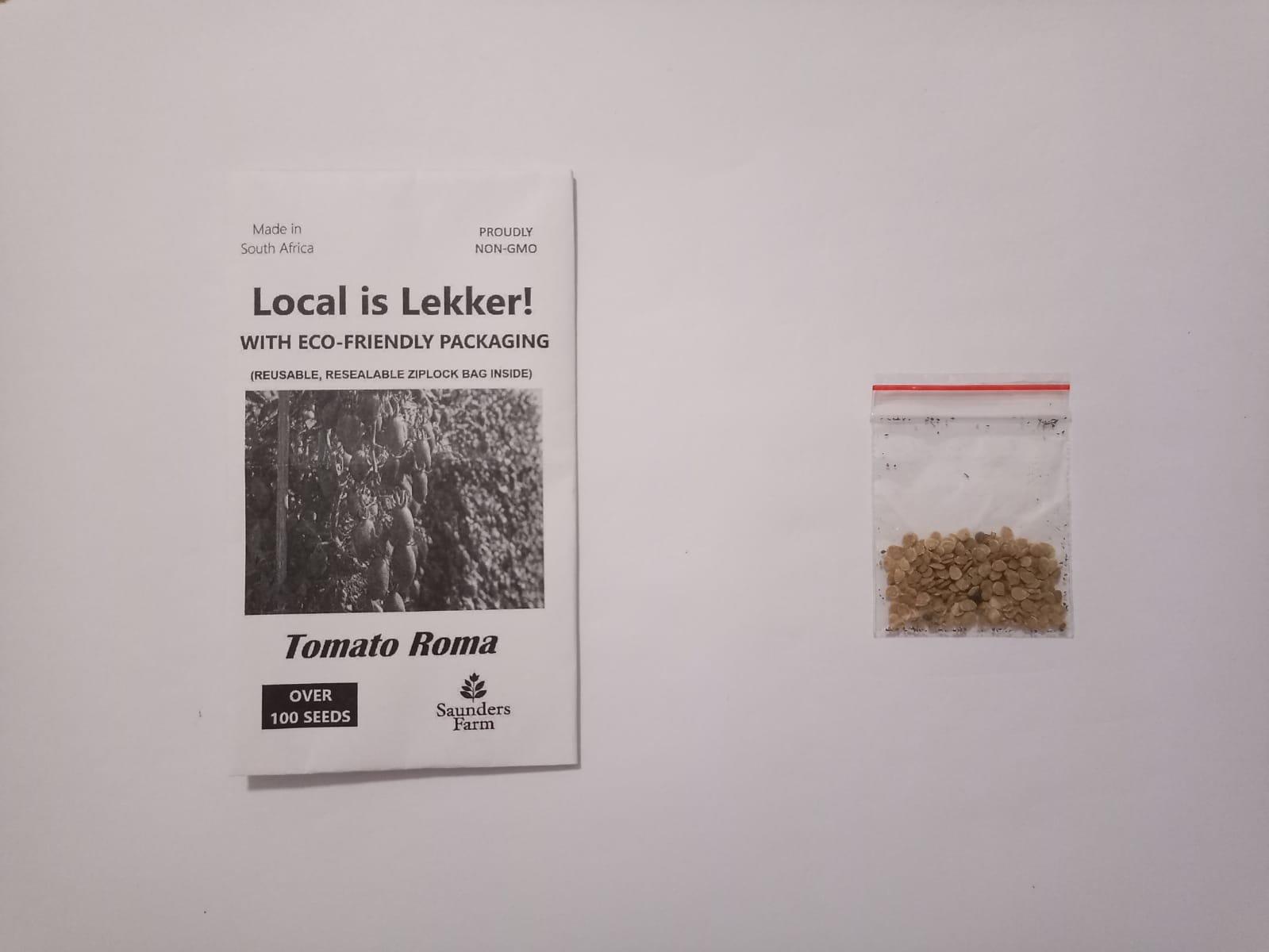
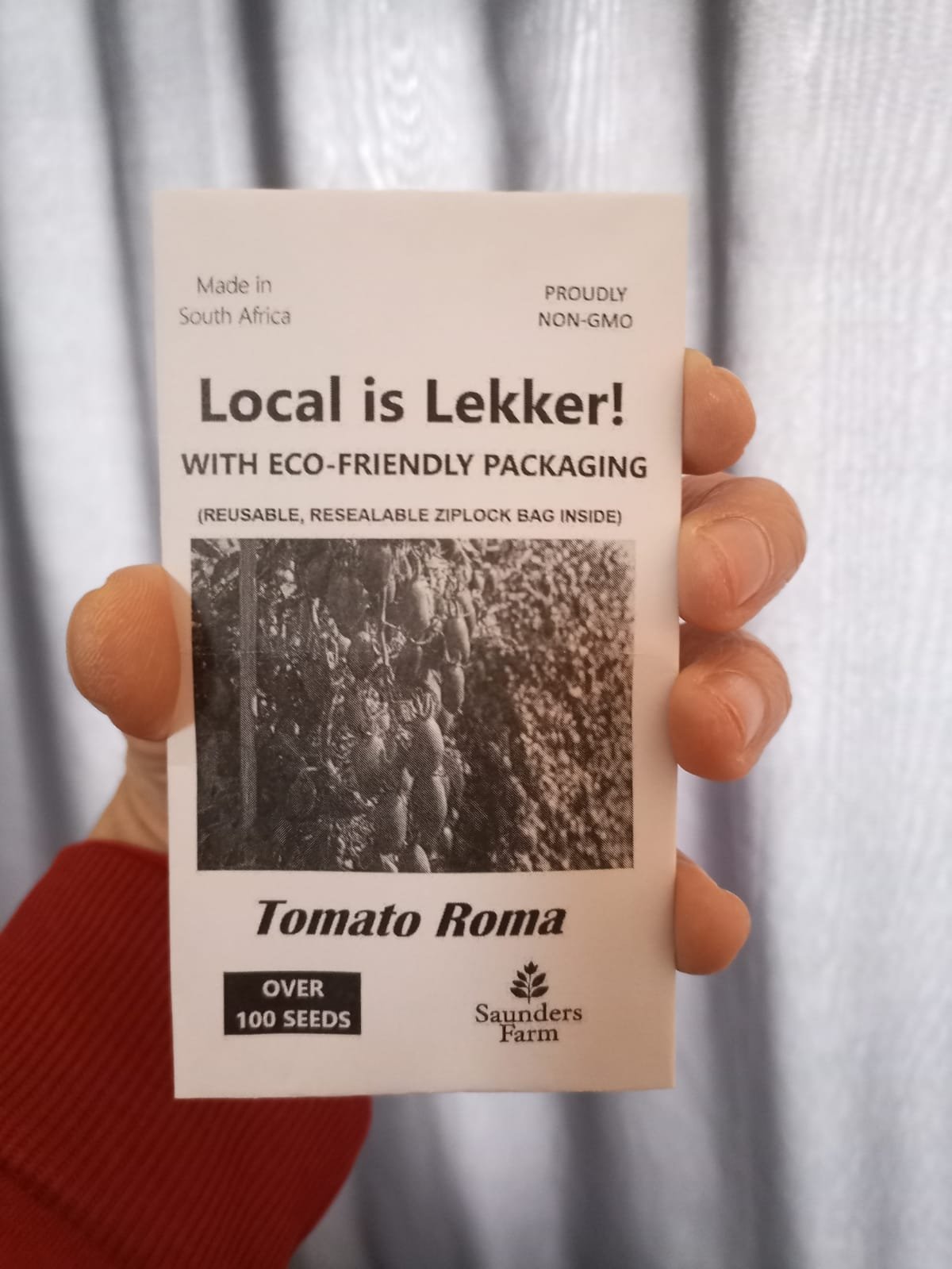
Tomato Roma – Over 100 Seeds

R15.00

Excluding shipping
  • Over 100 Tomato Roma Seeds
  • Join our WhatsApp Group to see when this product goes on special: https://chat.whatsapp.com/Ly1HQgXpYGXL2ffDGXUl4G
  • Proudly non-GMO
  • ECO-FRIENDLY: Biodegradable packaging with resealable, reusable plastic Ziplock bag inside
  • Made in South Africa, for South Africa

Availability: 24 in stock

Guaranteed Safe Checkout

Roma Tomato Seeds | Heirloom & Non-GMO (Over 100 Seeds)

Grow your own abundant harvest of rich, fleshy Roma tomatoes right here in South Africa.

This premium pack contains over 100 high-germination, non-GMO heirloom seeds, perfect for home gardeners, allotment owners, and smallholders looking for a reliable, heavy-yielding crop.

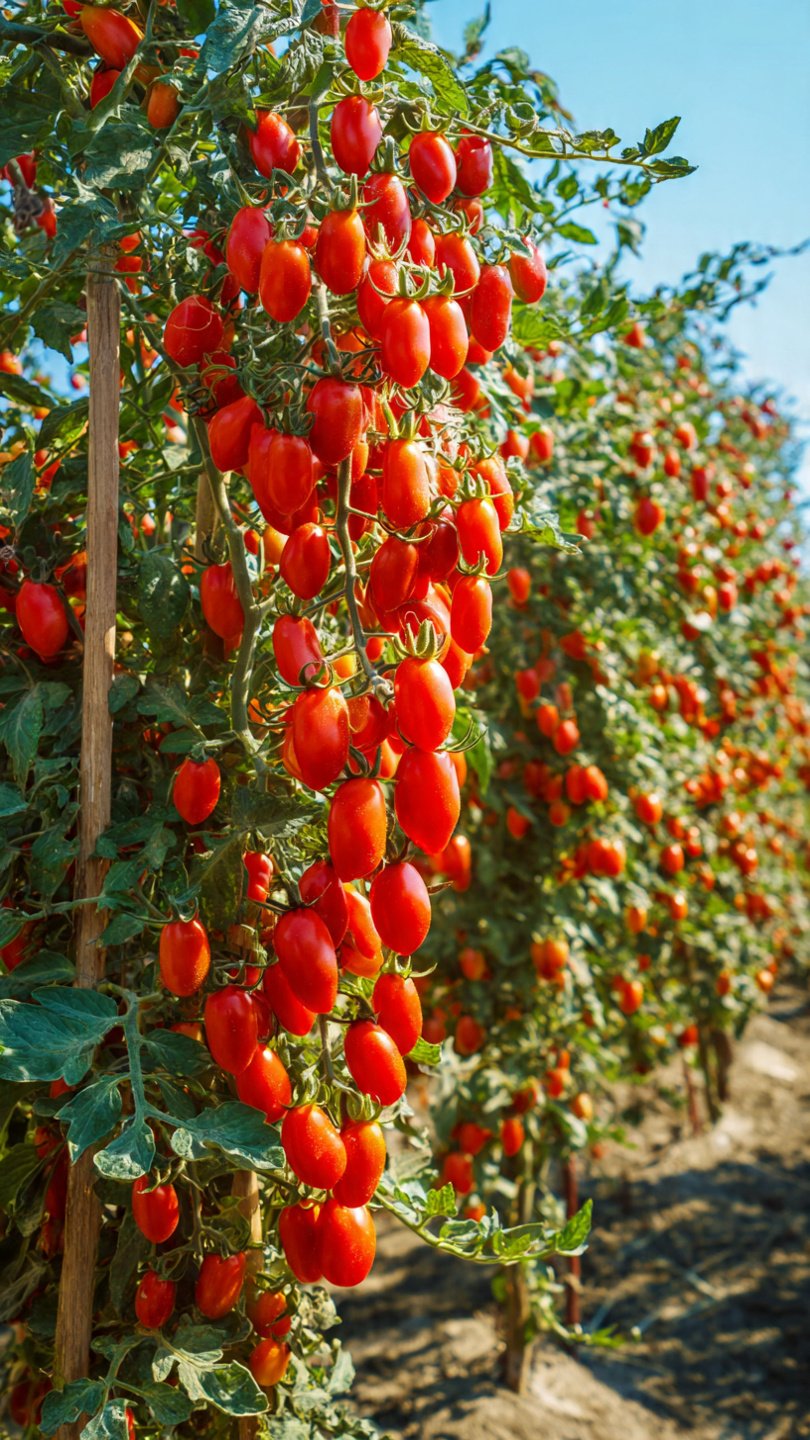
Roma tomatoes (Solanum lycopersicum) are the ultimate choice for making rich homemade tomato breeds, chakalaka, stews, sauces, and sun-dried treats.

Known for their iconic pear shape, thick flesh, and low seed count, they deliver an intense, classic tomato flavour that store-bought varieties simply cannot match.

Why Choose Our Heirloom Roma Tomato Seeds?

  1. 100+ Premium Seeds: Exceptionally generous pack size provides excellent value for money.
  2. 100% Heirloom & Non-GMO: Pure, natural genetics passed down through generations.
  3. Save Your Own Seeds: Being an heirloom variety, you can harvest and save seeds from your crop for next season.
  4. Disease Resistant: Naturally hardy plants that display strong resistance to common garden pests and wilts.
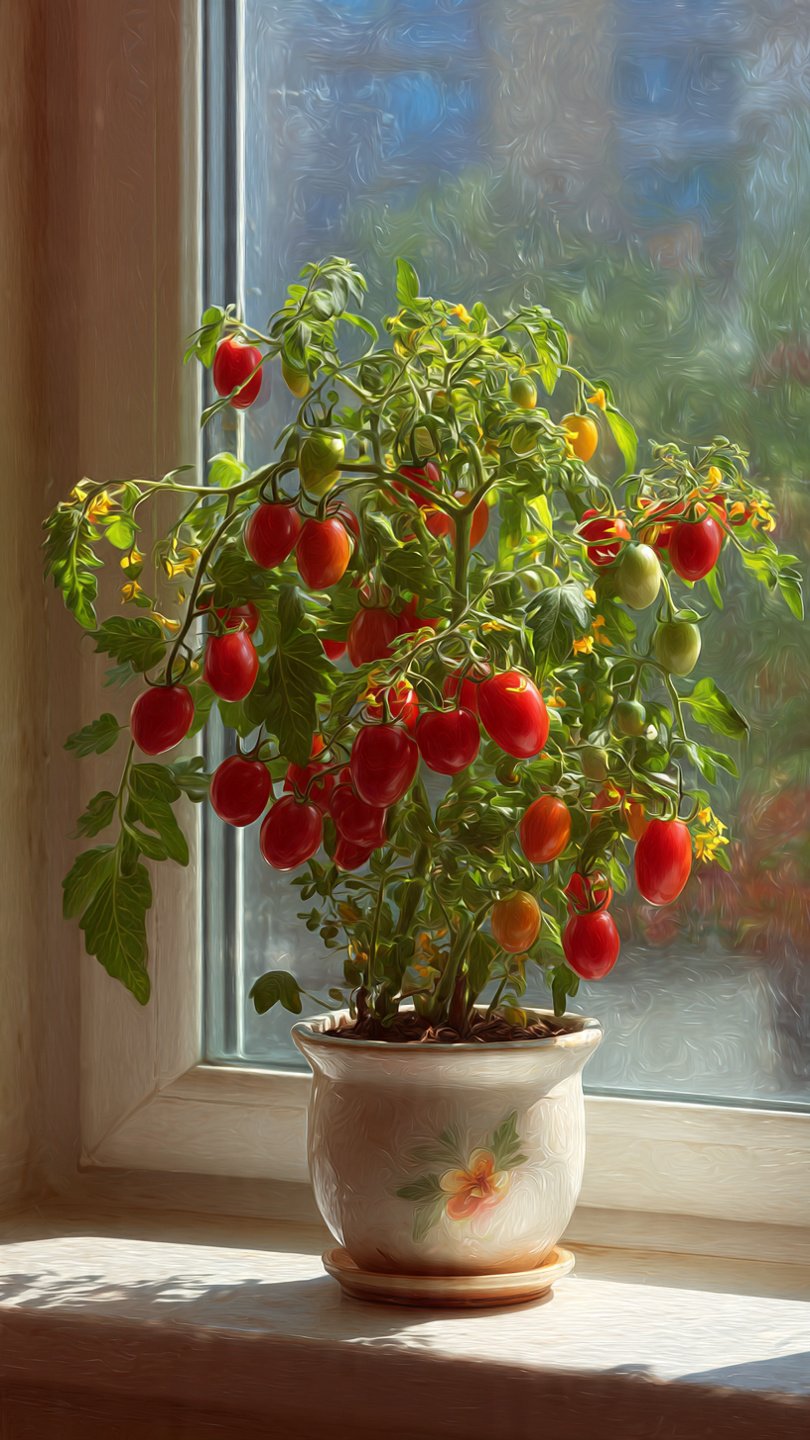
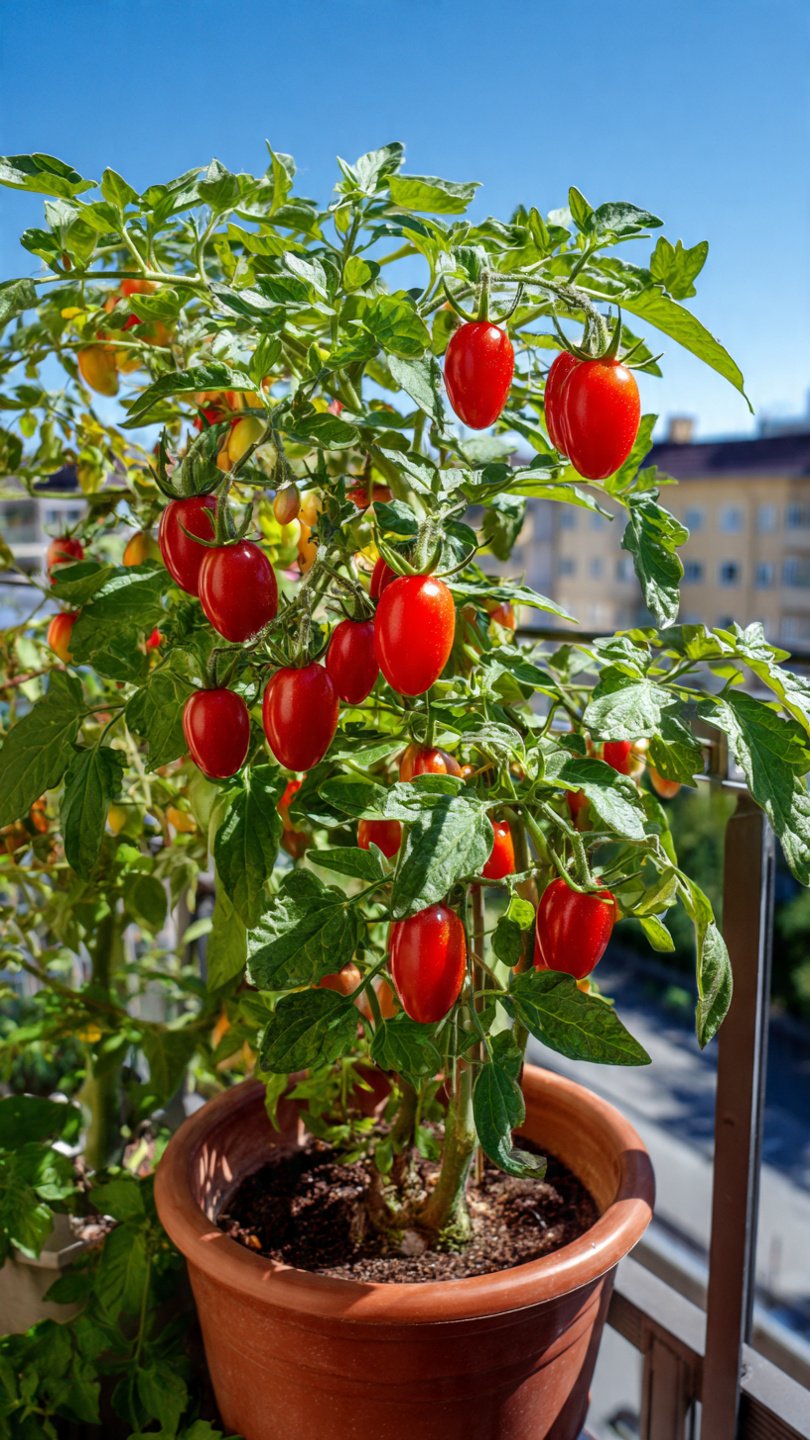
  5. Determinate Growth: These “bush” tomatoes grow to a compact, manageable size, making them ideal for both garden beds and large containers.

South African Planting & Growing Guide

Roma tomatoes thrive in our warm climate, but timing depends slightly on your specific region:

When to Plant:

  • Highveld & Inland: Sow indoors from August, or transplant outdoors after the last frost (September to October).
  • Subtropical Regions (KZN/Lowveld): Can be planted almost year-round, but Autumn/Winter is ideal to avoid intense summer pest pressure.
  • Western Cape: Sow from September to November as the weather warms up.

Position: Full sun (Minimum 6 to 8 hours of direct sunlight daily).

Sowing Depth: 5mm deep in seed trays or directly into fertile, well-draining soil.

Germination Time: 7 to 14 days under warm conditions.

Days to Harvest: Approximately 75 to 80 days from transplanting.

Quick Gardening Tips for Success

Watering: Water deeply at the base of the plant rather than overhead to prevent fungal diseases like early blight.

Soil: Enrich your soil with plenty of organic compost and a handful of bone meal before planting out.

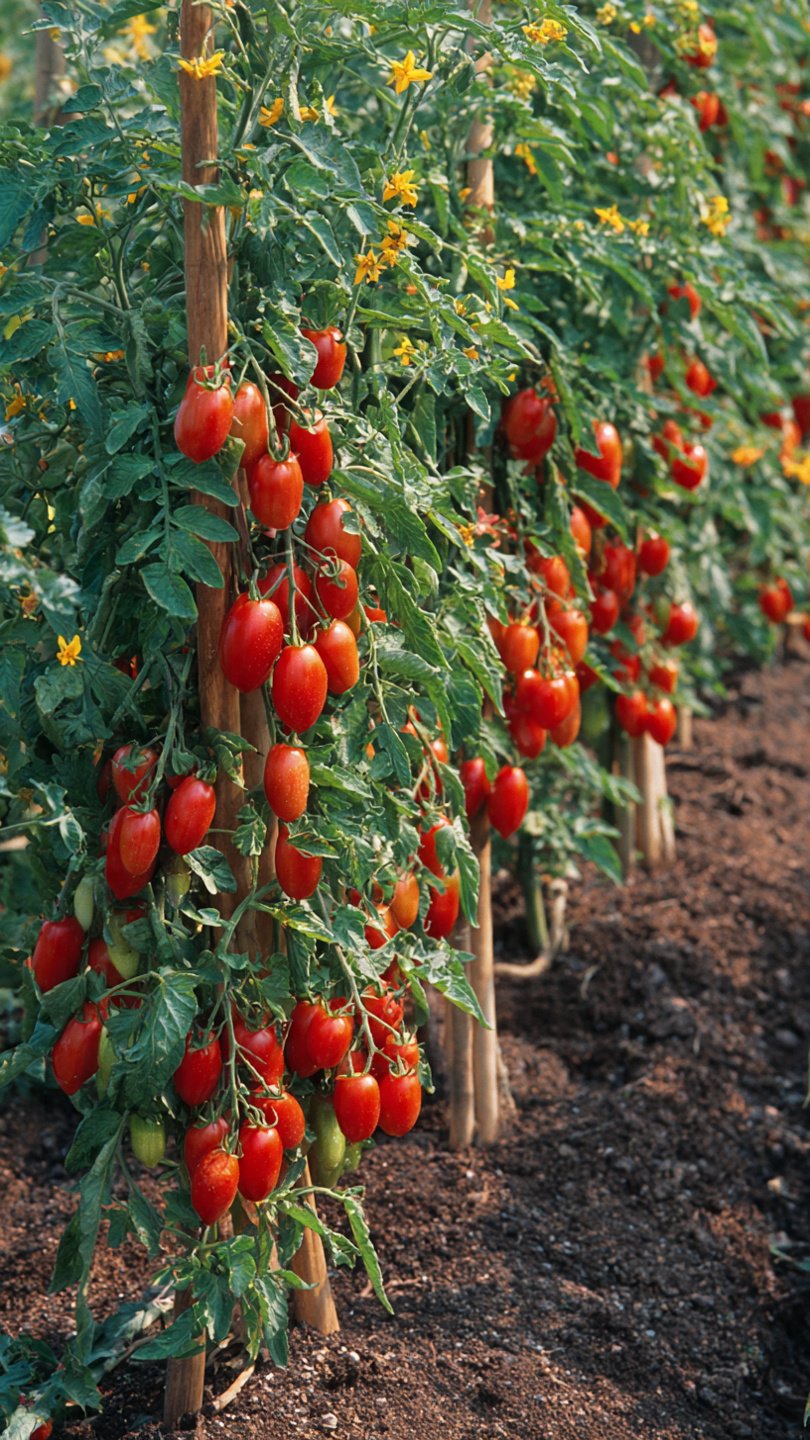
Support: While determinate, a small stake or tomato cage helps keep the heavy clusters of fruit off the ground.

logo simple

Stop Killing Your Seeds!

5 Germination Mistakes Gardeners Must Stop Immediately

Get this free guide (5 minute read) and The Printable Monthly Growing Guide for South Africa (also free), via email:

We don’t spam! Read our privacy policy for more info.

Reviews

There are no reviews yet.

Be the first to review “Tomato Roma – Over 100 Seeds”

Your email address will not be published. Required fields are marked *

How to Grow Tomato from Seed

How to Grow Tomatoes from Seed: The Complete South African Guide

Growing tomatoes from seed is one of the most rewarding projects for any South African gardener.

Whether you are planting fleshy heirloom Romas for homemade chakalaka or sweet cherry tomatoes for summer salads, starting from seed gives you access to a much wider variety of plants than buying seedlings.

This step-by-step guide covers everything you need to know to successfully grow abundant, healthy tomato plants from scratch in South African conditions.

When to Sow Tomato Seeds in South Africa

Tomatoes are warm-season crops that are highly sensitive to frost. Timing your planting depends entirely on your local climate:

Highveld & Inland (Gauteng, Free State): Sow seeds indoors from August to get a head start. Transplant them out into the garden in September or October, safely after the last winter frost.

Western Cape (Mediterranean Climate): Sow seeds indoors or in a greenhouse from September. Move them out into the garden from October to November once the spring soil warms up.

Subtropical Regions (KZN Coast, Lowveld): You have a massive advantage! You can grow tomatoes almost year-round. However, planting in Autumn and Winter (March to August) is highly recommended to avoid the intense humidity and pest pressures of summer.

What You Will Need

Before you begin, gather these essential supplies:

  1. High-quality tomato seeds (like our premium heirloom, non-GMO packs)
  2. Seedling trays, small pots, or recycled egg cartons
  3. Seed starting mix (a fine, sterile, well-draining soil mix)
  4. A spray bottle for gentle watering
  5. Plastic wrap or a clear dome cover (optional, to trap humidity)
  6. Plant labels to track your varieties

Step-by-Step Guide to Sowing Tomato Seeds

Step 1: Prepare the Trays

Fill your seedling trays or pots with a high-quality seed starting mix.

Avoid using heavy garden soil, as it compacts too easily and can harbor diseases that kill delicate seedlings.

Gently press the mix down to remove air pockets, leaving about 1cm of space at the top.

Step 2: Sow the Seeds

Make a small indent in the center of each cell, roughly 5mm deep.

Drop 1 to 2 seeds into each hole. Covering them too deeply will prevent them from emerging.

Gently brush a thin layer of soil mix over the seeds and press down lightly to ensure the seeds make good contact with the damp soil.

Step 3: Water Gently

Use a spray bottle filled with room-temperature water to thoroughly moisten the soil. Avoid pouring water directly from a watering can, as the heavy stream can wash the tiny seeds away or bury them too deep.

Step 4: Create a Greenhouse Effect

To speed up germination, cover your trays with plastic wrap or a clear plastic lid. This traps heat and humidity.

Place the tray in a warm spot indoors (like a sunny windowsill or on top of a refrigerator).

Tomatoes do not need light to germinate, but they do need a consistent temperature of around 20°C to 25°C.

Step 5: Monitor Germination

Check your trays daily. Your tomato seedlings will pop up out of the soil within 7 to 14 days.

The moment you see the first green shoots emerge, remove the plastic cover immediately and move the tray to a position that receives maximum sunlight.

Caring for Young Tomato Seedlings

Sunlight: Seedlings need at least 6 to 8 hours of direct sunlight daily.

If they do not get enough light, they will become “leggy”—meaning they grow tall, thin, and weak as they stretch toward the light.

Watering: Keep the soil consistently moist but never waterlogged. Water from the bottom by placing your tray in a shallow basin of water for a few minutes, or continue using a gentle spray bottle.

Thinning: If both seeds germinated in a single cell, use a small pair of scissors to snip off the weaker seedling at soil level. This leaves the strongest plant to grow without competition.

Transplanting into the Garden

1. Hardening Off (Crucial Step!)

Before moving your indoor-grown seedlings straight into the harsh South African sun, you must “harden them off.”

Over a period of 7 to 10 days, place your trays outside in a sheltered, shady spot for a few hours a day, gradually increasing their exposure to direct sunlight and wind.

This prevents shock and sunburn.

2. Preparing the Bed

Choose a spot in your garden that gets full sun. Dig in plenty of well-rotted organic compost and a handful of organic fertilizer or bone meal to feed the soil.

3. Plant Them Deeply

When your seedlings are about 10cm to 15cm tall and have a few sets of “true leaves,” they are ready for the ground.

The Golden Rule of Tomato Planting: Plant them deep! Remove the lowest set of leaves and bury the seedling right up to its top cluster of leaves.

Tomatoes have the unique ability to grow extra roots all along their buried stems, resulting in a much stronger, more drought-resistant root system.

4. Mulch and Water

Water the newly transplanted seedlings deeply at the base. Apply a thick layer of organic mulch (like straw, dried leaves, or bark chippings) around the plants.

Mulch keeps the roots cool, retains soil moisture during hot South African afternoons, and prevents soil-borne diseases from splashing onto the leaves.

Tomato Medicinal / Nutritional Uses

Tomato Nutritional Benefits & Medicinal Uses: A Complete Science-Backed Guide

Beyond being a delicious staple in South African kitchens, tomatoes (Solanum lycopersicum) function as a genuine nutritional powerhouse.

From boosting heart health to protecting your skin under the African sun, integrating tomatoes into your daily diet offers extraordinary wellness benefits.

This comprehensive, science-backed guide breaks down the complete nutritional profile, health properties, and optimal ways to consume tomatoes to unlock their medicinal potential.

Tomato Nutritional Profile

Tomatoes are naturally low in calories but exceptionally rich in vital micronutrients, minerals, and dietary fibers.

Eating just one medium-sized raw tomato (roughly 100g) delivers an impressive array of vitamins:

  • Vitamin C (approx. 28% RDI): A potent antioxidant that fuels the immune system and accelerates tissue healing.
  • Potassium: Supports healthy nerve function, fluid balance, and blood pressure regulation.
  • Vitamin K1: Essential for strong bone mineralization and proper blood clotting.
  • Folate (Vitamin B9): Crucial for cellular repair, normal tissue growth, and fetal development during pregnancy.
  • Dietary Fibre: Contains both soluble and insoluble fibers (like pectin and cellulose) that prevent constipation and support gut health.

Top 5 Medicinal and Health Benefits of Tomatoes

1. Superior Heart Health Support

Clinical research shows a direct link between tomato consumption and a reduced risk of cardiovascular disease.

The combination of lycopene, potassium, and vitamin C works together to help lower LDL (bad) cholesterol, improve blood vessel elasticity, and naturally regulate blood pressure.

Regular intake has been shown to reduce the risk of hypertension and stroke.

2. Natural UV Skin Protection

Living in South Africa means managing heavy sun exposure. Tomatoes contain carotenoids like beta-carotene and lycopene.

Studies indicate that consuming these plant compounds over 10–12 weeks helps build internal UV resistance, reducing skin sensitivity to sunburn.

Furthermore, high vitamin C levels stimulate collagen production, keeping skin firm and healthy.

3. Cancer-Preventing Properties

The most celebrated compound in tomatoes is lycopene, a highly effective antioxidant.

Extensive medical reviews show that diets rich in lycopene help neutralize free radicals and decrease cellular oxidative stress.

This antioxidant action is specifically linked to a lower risk of prostate, lung, and stomach cancers.

4. Advanced Vision Protection

Tomatoes protect your eyes from light-induced degeneration. They are packed with lutein, zeaxanthin, and vitamin A.

These compounds filter out harmful blue light from digital screens and shield the retina, significantly lowering the long-term risk of age-related macular degeneration and cataracts.

5. Blood Sugar Management

With a low glycemic index (GI), tomatoes are an excellent dietary inclusion for individuals managing type 2 diabetes.

The fiber and antioxidant content assists in regulating blood glucose levels, preventing drastic insulin spikes while lowering chronic internal inflammation.

Raw vs. Cooked Tomatoes: Which is Healthier?

Interestingly, the medicinal value of a tomato shifts dramatically depending on how it is prepared.

Both methods provide distinct advantages:

Cooked Tomatoes (The Lycopene Boost)

Applying heat breaks down the tough plant cell walls of the fruit. This process dramatically increases the bioavailability of lycopene, making it much easier for your body to absorb.

Health tip: Simmering your tomatoes into a chakalaka, relish, or pasta sauce with a splash of healthy fat (like olive oil) multiplies lycopene absorption even further, as lycopene is fat-soluble!

Raw Tomatoes (The Vitamin C Powerhouse)

Vitamin C is highly heat-sensitive and breaks down during the cooking process.

Eating tomatoes fresh and raw in salads ensures you get 100% of their uncompromised Vitamin C, live enzymes, and hydration benefits.

Tomato Growing Guide

The Ultimate Tomato Growing Guide: From Seed to Harvest in South Africa

Growing tomatoes is one of the most rewarding projects you can undertake in your home garden.

Tomatoes thrive in the South African climate, but getting a massive harvest of juicy, sweet fruit requires the right care, positioning, and maintenance.

This comprehensive guide covers everything you need to know to successfully grow tomatoes in South Africa, whether you are planting in garden beds, raised containers, or pots.

1. Choosing the Right Spot: Sun & Soil

Tomatoes are sun-lovers. To get a heavy yield, you must give them the right environment right from the start.

Sunlight: Tomatoes need at least 6 to 8 hours of direct sunlight every day. A north- or west-facing spot in your garden is usually ideal.

Soil Requirements: Tomatoes prefer loose, fertile, well-draining soil with a slightly acidic to neutral pH (6.0 to 6.8).

Preparation: Two weeks before planting, dig in plenty of well-rotted organic compost. Mix in a handful of bone meal to encourage strong root development and prevent future fruit issues.

2. Understanding Tomato Types: Bush vs. Vine

Before you set up your garden space, check your seed packet to see which growth habit your tomato variety has:

Determinate (Bush Tomatoes)

How they grow: They grow to a fixed size (usually about 1 to 1.2 metres tall), flower, and set all their fruit at roughly the same time.

Best for: Small gardens, pots, balconies, and gardeners who want a big harvest all at once for making sauces, relishes, or chakalaka.

Example: Roma tomatoes.

Indeterminate (Vine Tomatoes)

How they grow: They keep growing, vining, and producing fruit continuously all season long until the winter frost arrives.

Best for: Large garden beds, polytunnels, and a steady, ongoing supply of fresh tomatoes for daily salads.

Support needed: These must have a tall, sturdy trellis, stake, or tomato cage to climb up.

3. Essential Ongoing Care

Once your tomato plants are growing vigorously in the ground, they require specific weekly maintenance.

Watering Rules

Water the soil, not the leaves: Wetting the leaves triggers fungal diseases like early blight. Always aim your watering can or hose hose directly at the base of the plant.

Water deeply and consistently: Inconsistent watering (letting the soil dry out completely and then flooding it) causes the fruit to swell too fast and crack open.

Water deeply 2 to 3 times a week, increasing to daily watering during extreme mid-summer heatwaves.

The Power of Mulching

Apply a 5cm layer of organic mulch (straw, bark chips, or dried lawn clippings) around the base of your plants.

Mulch keeps the roots cool, stops weeds from stealing nutrients, and prevents soil moisture from evaporating during scorching afternoon heat.

Fertilising for Fruit

Tomatoes are incredibly hungry plants.

Early stage: Feed them with a nitrogen-rich organic fertiliser every 2 weeks to build strong stems and green leaves.

Flowering stage: As soon as you see the first yellow blossoms appear, switch to a fertiliser high in potassium and phosphorus (like a liquid seaweed or tomato-specific food).

This shifts the plant’s energy away from leaves and into producing massive, juicy tomatoes.

4. Pruning and Staking

To keep your plants healthy and maximize your yields, you need to manage how they grow.

Staking: Put stakes or cages into the ground at the time of planting. Trying to drive a stake into the ground later will damage the plant’s mature root system. Tie the main stem loosely to the stake using soft twine or cloth strips.

Pruning Suckers: For vine (indeterminate) tomatoes, look at the “V” joint between the main stem and a leaf branch. You will see a tiny new shoot growing out of that joint—this is a “sucker.”

Pinch these off with your fingers when they are small.

Pruning suckers forces the plant to focus its energy on growing fruit rather than excess wild branches.

Airflow: Snip off any leaves that touch the ground. This stops soil-borne fungi from jumping onto your plant.

5. Troubleshooting Common South African Tomato Problems

Black, sunken spots on the bottom of the fruit

Cause: Blossom-End Rot (Calcium deficiency caused by uneven watering)

Solution: Water your plants on a strict, consistent schedule. Add bone meal or agricultural lime to the soil.

Fine webs on leaves, yellow speckling

Cause: Red Spider Mites (Very common in hot, dry weather)

Solution: Spray the undersides of the leaves with an organic insecticidal soap or neem oil early in the morning.

Leaves curling upwards

Cause: Physiological Leaf Roll (Stress from extreme heat or wind)

Solution: This is normal during heatwaves. Ensure the plant is deeply watered and well-mulched; the leaves will recover.

Yellowing lower leaves with target-like black spots

Cause: Early Blight (Fungal infection)

Solution: Remove infected leaves immediately. Destroy them (do not compost). Spray the plant with a copper-based organic fungicide.

6. Harvesting Your Bounty

For the absolute best flavour, leave your tomatoes on the vine until they are fully and evenly coloured.

They should feel slightly soft when gently squeezed.

If birds or pests are attacking your ripe fruit, you can pick them slightly early when they are showing a strong blush of colour.

Place them on a warm windowsill indoors, and they will finish ripening to perfection!

Never store fresh tomatoes in the fridge, as cold temperatures destroy their texture and rich, home-grown aroma.

Tomato Other Names

The Global Language of Tomatoes: Botanical, Historical, and Regional Names

Understanding the different names for tomatoes can help you navigate international seed catalogues, explore traditional recipes, and trace the fascinating history of this backyard favorite.

This quick guide covers the scientific, historical, and regional names for tomatoes to help you expand your gardening and culinary knowledge.

1. The Scientific Name

Botanical Name: Solanum lycopersicum (formerly Lycopersicon esculentum)

The Meaning: The modern scientific name translates to “wolf peach.”

Historically, because tomatoes belong to the nightshade (Solanaceae) family, they were once feared and associated with myths of witchcraft and poison, leading to this dramatic botanical classification.

2. Historical & Romantic Names

Before the tomato became a global kitchen staple, it traveled the world under several unique, romantic, and sometimes fearful titles:

Love Apple: When tomatoes were introduced to France (Pomme d’amour) and England in the 16th century, they were widely rumored to have aphrodisiac properties.

Golden Apple: The Italian name Pomodoro (derived from Pomo d’oro) literally translates to “apple of gold.” This suggests that the very first tomatoes brought to Europe from Central America were likely bright yellow or orange varieties rather than red!

Peruvian Apple: Early European botanists frequently referred to the crop by its geographical origin, as the wild ancestors of the modern tomato trace directly back to Peru and the coastal regions of South America.

3. Indigenous & Regional Names

The tomato’s journey across different cultures and continents gave rise to distinct regional names that are still used today:

Tomatl: The original word comes from the indigenous Nahuatl language spoken by the Aztecs in Mexico. It means “the swelling fruit.”

Spanish explorers adapted this native word into tomate, which eventually became the English tomato.

Kamatis: In the Philippines and throughout Tagalog-speaking communities, tomatoes are known locally as kamatis, keeping a direct linguistic tie to the original Aztec name.

Tamatar: Across India and Pakistan, Hindi and Urdu speakers refer to the tomato as tamatar, a major ingredient used to form the base of traditional curries and gravies.

4. Local South African Context

While South Africans universally use the English name tomato or the Afrikaans tamatie, we often categorize our tomatoes by their functional usage in local cuisine rather than alternative names:

Jam Tomatoes (Roma / Paste Tomatoes): Fleshy, oblong varieties with low water content, prized across the country for making homemade tomato bredie, smooth relishes, and chakalaka.

Salad Tomatoes (Round / Money-maker Types): Standard juicy, slicing tomatoes found on every South African braai side-salad plate.

Cocktail Tomatoes (Cherry / Grape Tomatoes): Tiny, sweet, bite-sized varieties used for quick snacking or lunchboxes.

Shopping Basket
0
    0
    Your Cart
    Your cart is emptyReturn to Shop
    Scroll to Top