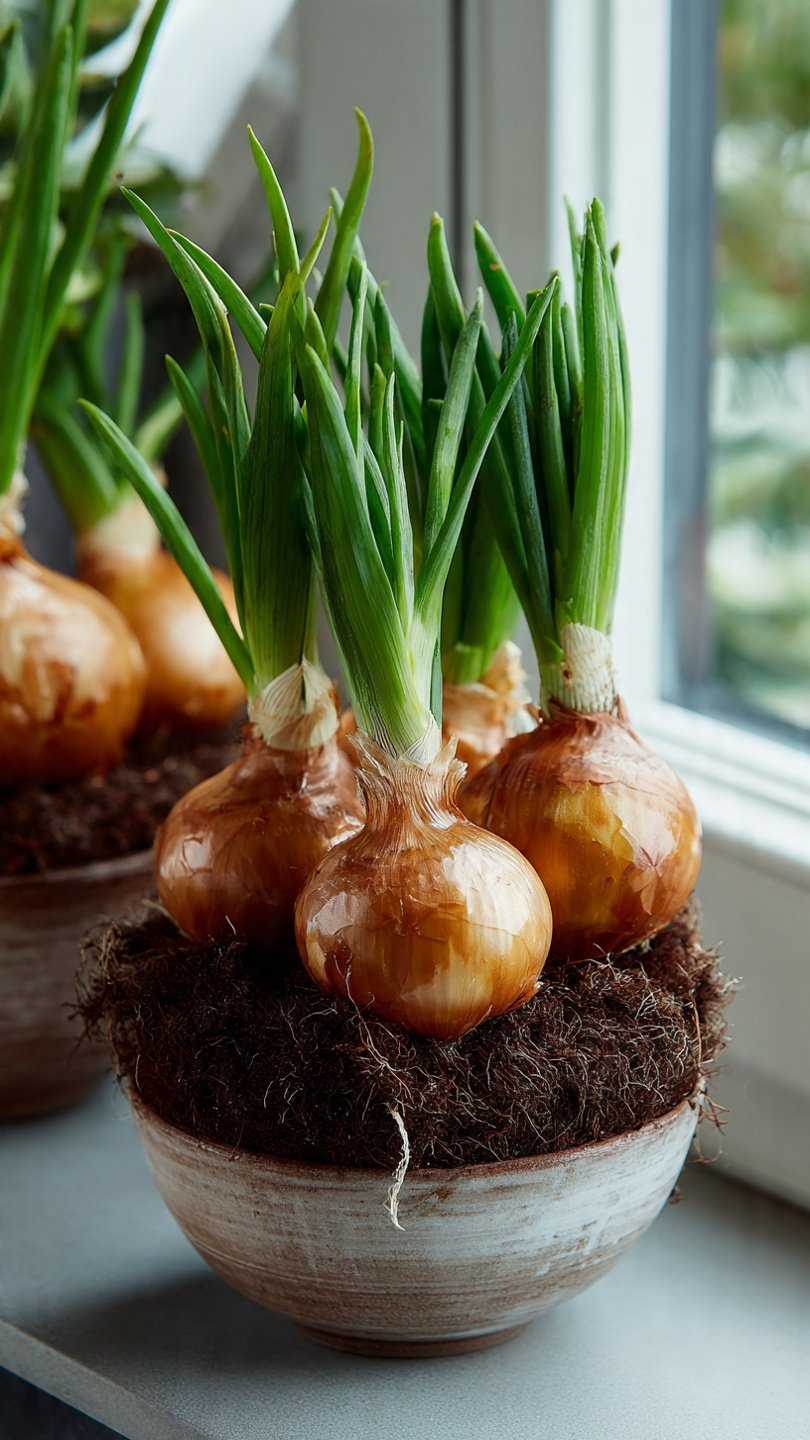
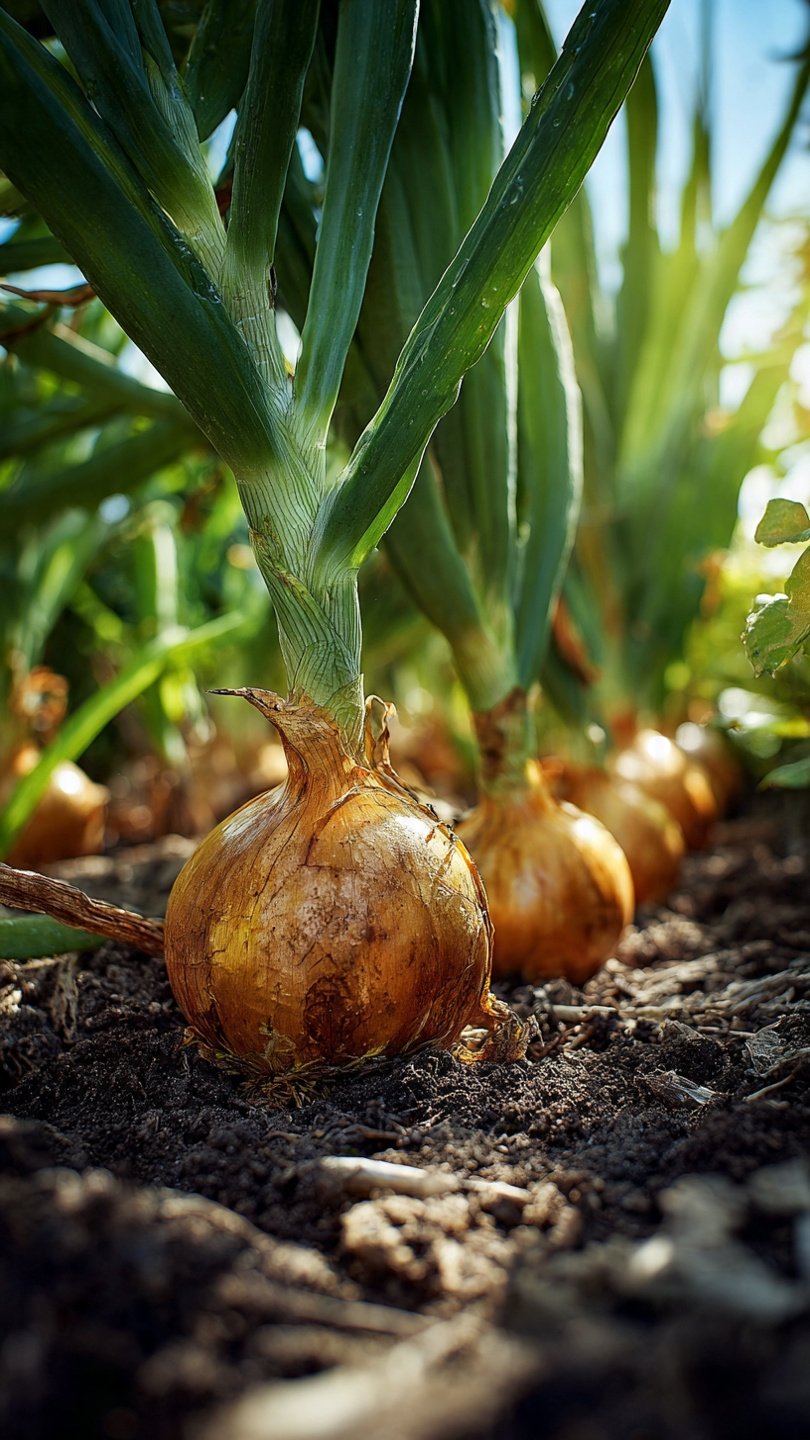
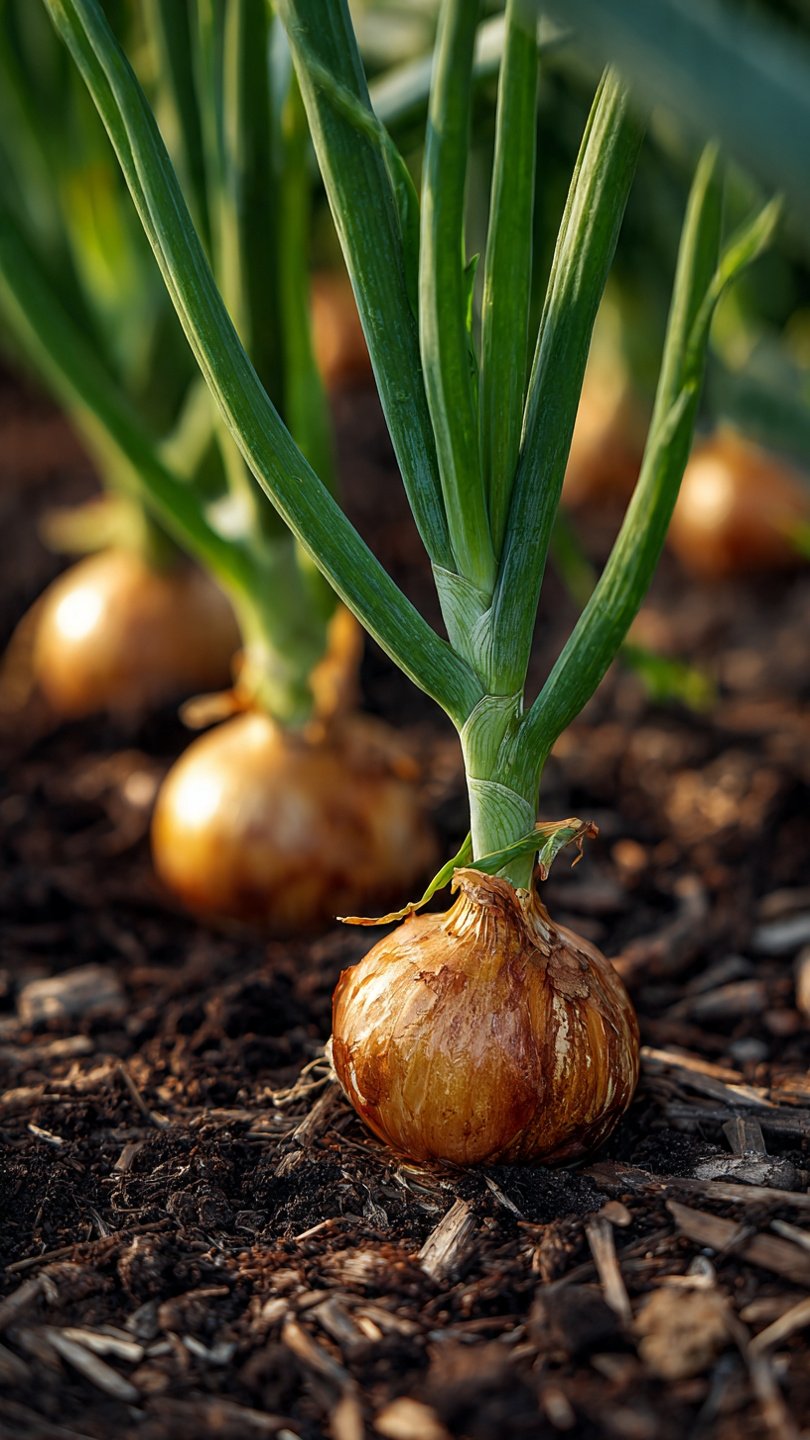
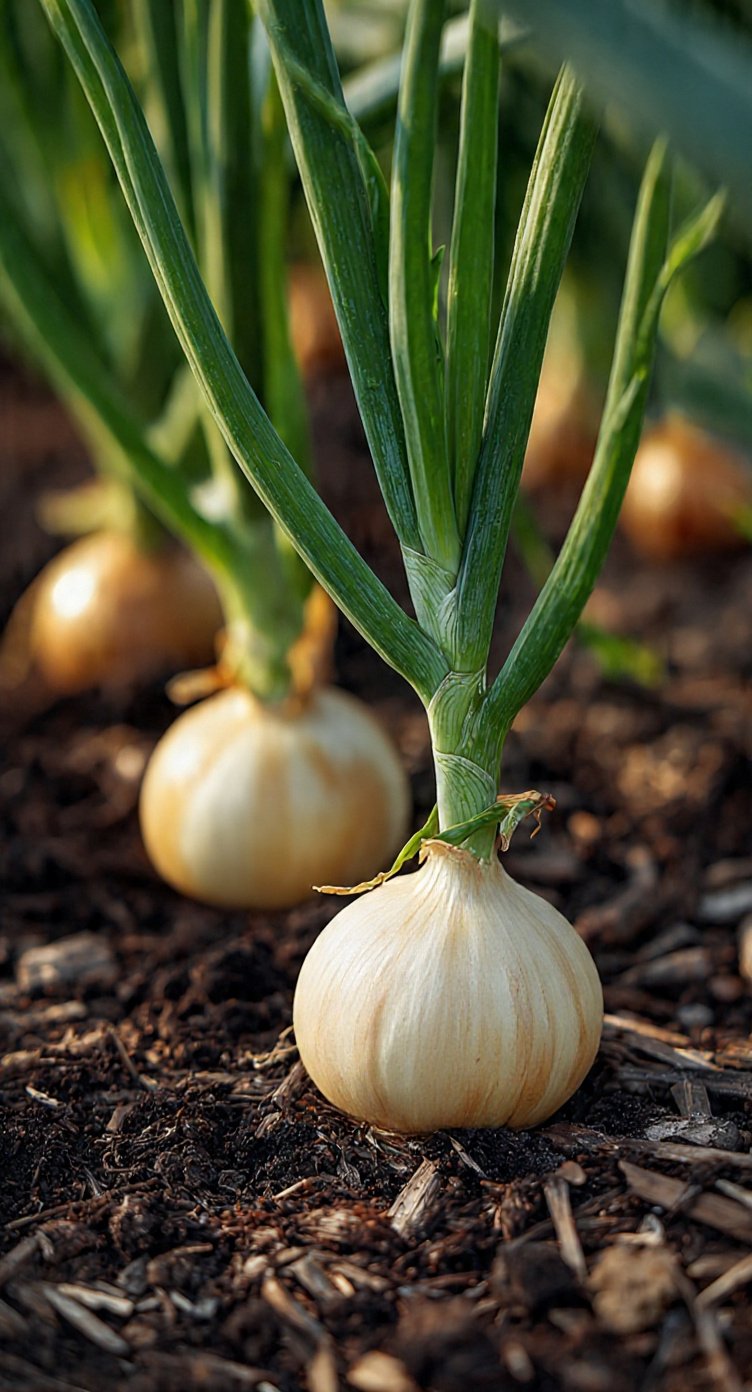
,

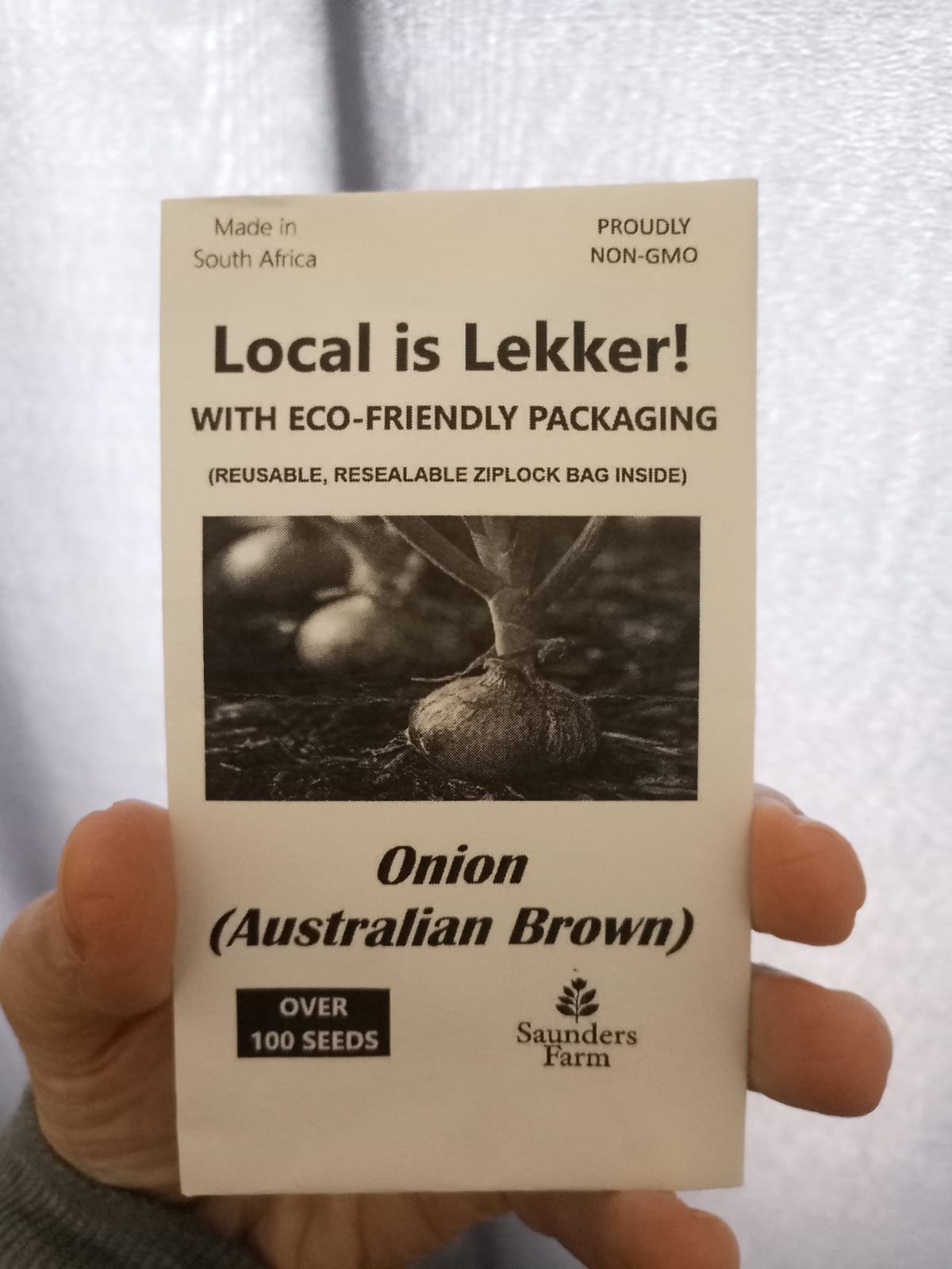
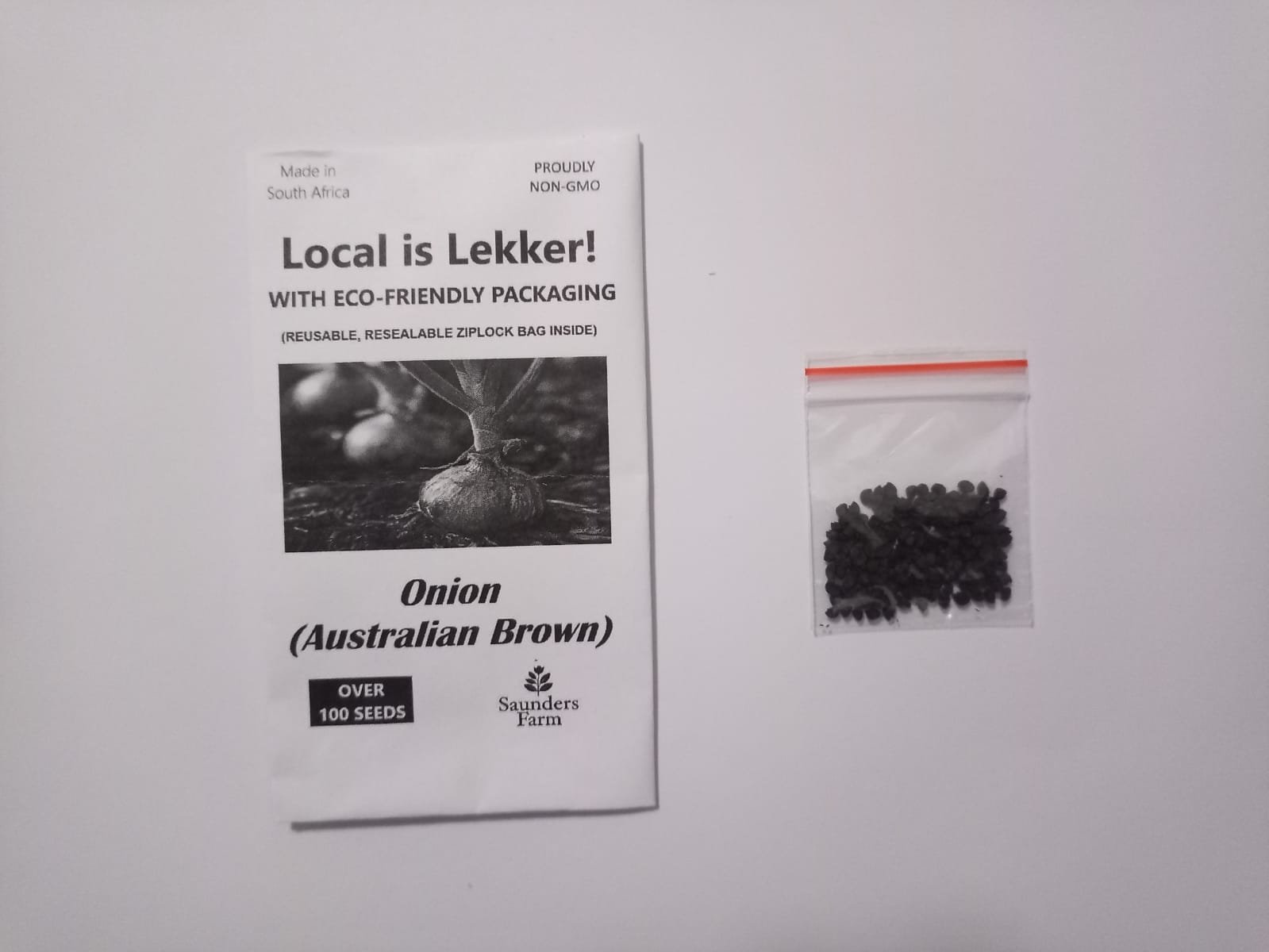
Onion Australian Brown – Over 100 Seeds

R15.00

Excluding shipping
  • Over 100 Onion (Australian Brown) Seeds
  • Join our WhatsApp Group to see when this product goes on special: https://chat.whatsapp.com/Ly1HQgXpYGXL2ffDGXUl4G
  • Proudly non-GMO
  • ECO-FRIENDLY: Biodegradable packaging with resealable, reusable plastic Ziplock bag inside
  • Made in South Africa, for South Africa

Availability: 33 in stock

Guaranteed Safe Checkout

🧅 Australian Brown Onion Seeds (Heirloom, Non-GMO)

Grow a South African kitchen staple right in your backyard with our premium Australian Brown Onion seeds.

This reliable heirloom variety is famous for its exceptional storage life and robust, pungent flavor, making it a must-have for local vegetable gardens.

🌟 Key Product Features

Abundant Pack: Over 100 seeds per packet.

100% Heirloom: Pure, time-tested genetics.

Non-GMO: Naturally sourced, chemical-free seeds.

Long Storage: Keeps for months after harvest.

Hardy Variety: Adapted to diverse climate conditions.

🇿🇦 Why Grow Australian Brown Onions in South Africa?

Australian Brown onions are perfectly suited to South African growing seasons.

This variety produces medium to large globes with thick, brown skins and firm, yellowish-white flesh.

It is highly regarded by local gardeners for its drought tolerance once established and its ability to withstand standard winter temperatures in cooler regions.

🌱 Quick Planting & Growing Guide

Best Planting Time: Autumn (March to May) for most SA regions.

Sowing Depth: 5mm to 10mm deep in seed trays or direct rows.

Spacing: Thin out seedlings to 10cm apart.

Sunlight Needs: Full sun, minimum 6 hours daily.

Time to Harvest: 6 to 7 months from sowing.

logo simple

Stop Killing Your Seeds!

5 Germination Mistakes Gardeners Must Stop Immediately

Get this free guide (5 minute read) and The Printable Monthly Growing Guide for South Africa (also free), via email:

We don’t spam! Read our privacy policy for more info.

Reviews

There are no reviews yet.

Be the first to review “Onion Australian Brown – Over 100 Seeds”

Your email address will not be published. Required fields are marked *

How to Grow Brown Onions from Seed

🌱 How to Grow Australian Brown Onions from Seed: The Ultimate South African Guide

Growing your own Australian Brown onions from seed is highly rewarding.

This heirloom, non-GMO variety is famous across South Africa for its incredible storage life and robust flavor.

Follow this step-by-step guide to achieve a bumper harvest.

📅 1. When to Plant Onion Seeds in South Africa

Timing is critical for onion growing. Australian Brown onions are a short-to-intermediate day variety, making autumn the perfect planting window.

Best Months: March, April, and May.

Why Autumn?

Onions need cool weather to grow foliage, and warm weather later to form big bulbs.

☀️ 2. Choosing the Perfect Location

Onions need the right environment to thrive.

Sunlight: Full sun is non-negotiable. Choose a spot getting at least 6 to 8 hours of direct daily sunlight.

Soil: Well-draining, loose, sandy loam soil is best. Clay soils restrict bulb growth.

pH Level: Aim for a slightly acidic to neutral soil pH between 6.0 and 7.0.

🌱 3. Sowing Onion Seeds Step-by-Step

Every packet of our premium seeds contains over 100 seeds, giving you plenty of chances to grow a massive harvest.

You can start them in seed trays or sow them directly.

Step 1: Prepare the soil by digging in well-rotted compost

Avoid fresh manure, as excess nitrogen causes lush leaves but tiny bulbs.

Step 2: Sow seeds 5mm to 10mm deep

Step 3: Space rows about 20cm to 30cm apart

Step 4: Keep the soil consistently moist but never waterlogged

Germination takes 10 to 14 days.

✂️ 4. Transplanting and Thinning

Once your seedlings reach the thickness of a pencil (usually 6 to 8 weeks after sowing), it is time to space them out.

Thinning: Space individual plants 10cm apart within the rows.

Depth: If transplanting, bury the white base of the seedling, keeping the green leaves entirely above ground.

💦 5. Care and Maintenance

Watering: Onions have shallow roots. Water them lightly and regularly (about 25mm of water per week). Reduce watering when the bulbs begin to mature.

Weeding: Weeds steal nutrients and water. Hand-weed carefully around your onions to avoid damaging the shallow root systems.

🧺 6. Harvesting and Curing Australian Brown Onions

Your onions will be ready to harvest around 6 to 7 months after sowing (typically spring to early summer).

The Maturity Sign: The green leaves will naturally turn yellow and fall over.

Harvesting: Gently lift the bulbs from the soil using a garden fork on a dry day.

Curing for Storage: Leave the harvested onions in a warm, dry, shaded place with good airflow for 2 to 3 weeks.

Once the skins are paper-dry and the roots feel brittle, clip the tops and store them in crates or net bags.

Brown Onion Medicinal and Nutritional Uses

🧅 Brown Onion Nutritional Benefits and Medicinal Uses: The Complete Guide

Onions are much more than a flavorful base for South African potjies and stews.

The Australian Brown onion is a nutritional powerhouse packed with bioactive compounds that support long-term health.

Adding this heirloom variety to your vegetable garden provides your family with a sustainable source of vitamins and natural remedies.

This comprehensive guide details the scientifically backed nutritional profiles and traditional medicinal uses of brown onions.

🥗 1. Nutritional Profile of Brown Onions

Brown onions are incredibly nutrient-dense, meaning they offer a high amount of beneficial vitamins and minerals while remaining exceptionally low in calories.

A single serving of brown onion provides:

Vitamin C: A powerful antioxidant that supports immune function, skin health, and tissue repair.

Vitamin B6 (Pyridoxine): Essential for metabolism, red blood cell production, and nervous system health.

Folate (Vitamin B9): Crucial for cellular function and highly important for pregnant women.

Potassium: A vital mineral that aids cellular fluid balance, nerve signals, and kidney function.

Dietary Fiber: Promotes healthy digestion and gut microbiome balance.

🛡️ 2. Key Medicinal Properties & Health Benefits

The pungent aroma and sharp flavor of the Australian Brown onion come from its rich concentration of sulfur-containing compounds and flavonoids.

These elements provide several distinct health benefits.

Exceptional Source of Quercetin

Brown onions contain significantly higher levels of quercetin than white or sweet onions.

Quercetin is a potent antioxidant and anti-inflammatory flavonoid linked to:

Lowering Blood Pressure: Helps maintain blood vessel elasticity.

Heart Health: Reduces LDL (bad) cholesterol oxidation and prevents plaque buildup in arteries.

Allergy Relief: Acts as a natural antihistamine by stabilizing mast cells.

Natural Antimicrobial and Antibacterial Agent

Historically used to fight infections, onions contain compounds like allicin that inhibit the growth of harmful bacteria.

Research shows onion extracts can effectively combat common pathogens like Escherichia coli (E. coli) and Staphylococcus aureus.

Blood Sugar Regulation

Regular consumption of brown onions may help control blood glucose levels.

Specific compounds, such as allyl propyl disulfide, interact with insulin to assist in lowering blood sugar, making onions highly beneficial for individuals managing type 2 diabetes.

Bone Density Support

Studies suggest that onions help reduce oxidative stress, boost antioxidant levels, and decrease bone loss.

Regular consumption is linked to improved bone density, particularly in menopausal women at risk for osteoporosis.

🏡 3. Traditional and Home Remedies

For generations, South Africans have utilized onions in home remedies to treat everyday ailments.

Cough and Cold Syrup: A traditional remedy involves layering sliced brown onion with raw honey or brown sugar in a jar.

After a few hours, a thick syrup forms. This syrup is taken by the spoonful to soothe sore throats and ease chest congestion.

Insect Bites and Stings: Rubbing a freshly cut slice of raw brown onion directly onto a bee sting or mosquito bite helps neutralize pain and reduce localized swelling due to its natural anti-inflammatory enzymes.

Earache Relief: Some traditional practices involve warming a small piece of baked onion, wrapping it in a clean cloth, and holding it against the outer ear to ease discomfort.

(Note: Never insert anything directly into the ear canal).

Brown Onion Growing Guide

🧅 The Complete Brown Onion Growing Guide: From Seed to Harvest

Growing Australian Brown onions from seed is one of the most rewarding projects for any South African vegetable gardener.

This premium heirloom, non-GMO variety produces large, firm bulbs with an exceptional storage life.

Every single packet of our premium seeds contains over 100 seeds, giving you an abundant supply to establish a highly productive crop.

Use this comprehensive, step-by-step growing guide to maximize your yield.

📅 1. When to Plant Brown Onions in South Africa

Timing is everything when growing onions. Because they are sensitive to day length, planting at the wrong time will prevent proper bulb formation.

Ideal Sowing Window: Autumn (March to May) across most South African regions.

The Reason: Onions need the cool winter months to grow strong, healthy green leaves. As daylight hours increase in spring and early summer, the plant stops growing leaves and begins channeling energy into building a large bulb.

☀️ 2. Site Selection and Soil Preparation

Onions are heavy feeders and require specific soil conditions to expand their bulbs freely.

Sunlight Requirement: Select a spot that receives full sun (at least 6 to 8 hours of direct sunlight daily). Shady spots result in small bulbs and weak plants.

Soil Type: Onions thrive in loose, well-draining, sandy loam soil. Heavy clay soils compress the roots and restrict bulb growth.

Soil Fertility: Dig plenty of well-rotted organic compost into your garden bed two weeks before planting. Avoid fresh manure or fertilizers too high in nitrogen, as this triggers excessive leaf growth at the expense of the bulb.

Soil pH: Aim for a slightly acidic to neutral pH between 6.0 and 7.0.

🌱 3. How to Sow Brown Onion Seeds

You can sow your seeds directly into the garden bed or start them in seedling trays for better control.

Option A: Starting in Seedling Trays (Recommended)

Fill a seed tray with high-quality seedling mix.

Sow the seeds 5mm to 10mm deep.

Mist with water gently to keep the soil moist but not soggy.

Place the tray in a warm, sunny spot.

Germination takes 10 to 14 days.

Option B: Direct Sowing

Make shallow furrows 5mm to 10mm deep, spaced 25cm to 30cm apart.

Drop seeds along the furrow and cover lightly with fine soil or sand.

Water gently using a fine spray rose on your watering can to avoid washing the seeds away.

✂️ 4. Thinning and Transplanting

If you started your seeds in trays, they will be ready to transplant out into the garden after 6 to 8 weeks, or when the stems are roughly the thickness of a pencil.

Spacing: Space your onion plants 10cm apart in rows that are 25cm to 30cm apart.

Close spacing results in smaller salad onions; proper spacing allows the Australian Brown variety to reach its full size.

Planting Depth: When transplanting, bury the seedling only deep enough to anchor it (about 1cm to 2cm).

Do not bury the green leaves, as this causes the bulb to rot.

💦 5. Ongoing Care and Maintenance

Watering: Onions have incredibly shallow root systems. They require consistent moisture—about 25mm of water per week. Water lightly and frequently rather than heavily once a week.

Weeding: Because onions do not produce thick shade leaves, weeds can easily overrun them and steal nutrients. Hand-weed around your onion plants carefully to avoid damaging the shallow onion roots with garden tools.

Mulching: Apply a thin layer of organic mulch (like clean straw) around the plants to conserve soil moisture and suppress weeds.

🧺 6. Harvesting, Curing, and Storage

Your Australian Brown onions will be fully mature and ready to harvest roughly 6 to 7 months after sowing (typically mid-spring to early summer).

The Maturity Sign: You will know they are ready when the green leaves turn yellow, go limp, and naturally fall over onto the ground.

Lifting the Bulbs: Choose a dry, sunny day. Carefully loosen the soil around the bulbs with a garden fork and lift them gently out of the ground.

Curing: Do not store them immediately. Lay the harvested onions out in a warm, dry, well-ventilated area away from direct sunlight for 2 to 3 weeks.

Curing dries out the outer skins and prevents rotting.

Storage: Once the outer skins are completely paper-dry and the roots feel brittle, trim the green tops to about 2cm above the bulb.

Store your onions in net bags, crates, or wire baskets in a cool, dark, dry place.

Australian Brown onions are legendary for keeping for months under these conditions.

Brown Onion Other Names

🧅 Brown Onion Alternative Names and Varieties: The Complete Reference Guide

When sourcing seeds or reading international recipes, the naming conventions for onions can easily become confusing.

The Australian Brown onion is an heirloom favorite globally, but it is known by several different names depending on the culinary tradition, region, or historical context.

Understanding these alternative names helps South African gardeners buy the correct seeds, master international recipes, and optimize their vegetable patches.

This guide breaks down the most common alternative names and classifications for the classic brown onion.

🌍 1. Regional and Culinary Names

Yellow Onion (North America)

In American and Canadian recipes, brown onions are almost universally referred to as Yellow Onions.

The Connection: While the outer skin of the Australian Brown is a deep, coppery brown, the inner flesh is a creamy, yellowish-white.

If a recipe from an American cooking website calls for a “large yellow onion,” our Australian Brown is the exact, perfect match to use.

Cooking Onion (United Kingdom & Europe)

In British, Irish, and European supermarkets and seed catalogs, you will frequently see brown onions labeled simply as Cooking Onions.

The Connection: This name distinguishes them from milder, sweeter onions (like red onions or salad onions) that are eaten raw.

Because brown onions have a high sulfur content, they are highly pungent when raw but become incredibly sweet and rich when cooked, making them the default choice for everyday culinary bases.

📜 2. Botanical, Historical, and Horticultural Names

Allium cepa (Botanical/Scientific Name)

All bulb onions belong to the Amaryllidaceae family under the scientific name Allium cepa.

The Classification: When looking for high-quality, non-GMO heirloom seeds, verifying the botanical name ensures you are purchasing a true bulb-producing onion rather than a bunching onion or a shallot.

Short-Day or Intermediate-Day Onion (Horticultural Type)

In gardening circles, onions are grouped by how many hours of daylight they need to form a bulb.

The Classification: The Australian Brown variety is classified as a short-to-intermediate day onion.

In South Africa, this means it reacts perfectly to our autumn and winter light cycles, triggering large bulb development as the days lengthen into spring.

Brown Globe (Historical Cultivar Group)

In older agricultural texts and historical seed banks, you may find this specific shape and color profile categorized under the Brown Globe group.

This refers explicitly to the tight, rounded, globe-like shape and the thick, protective brown protective jacket that gives the variety its exceptional storage qualities.

🇿🇦 3. South African Vernacular Names

In South Africa’s diverse culinary landscape, the brown onion is the absolute backbone of local cooking, referred to across languages:

Bruin Uie (Afrikaans): Directly translating to “brown onions,” this is the standard term used in local agricultural markets and traditional Afrikaans recipes like boerekos and potjies.

Anyanisi / IEnyanis (isiZulu / isiXhosa): The localized terms for standard cooking onions found in everyday food markets across the country.

Shopping Basket
0
    0
    Your Cart
    Your cart is emptyReturn to Shop
    Scroll to Top