,

Baby Spinach – Over 100 Seeds

R15.00

Excluding shipping
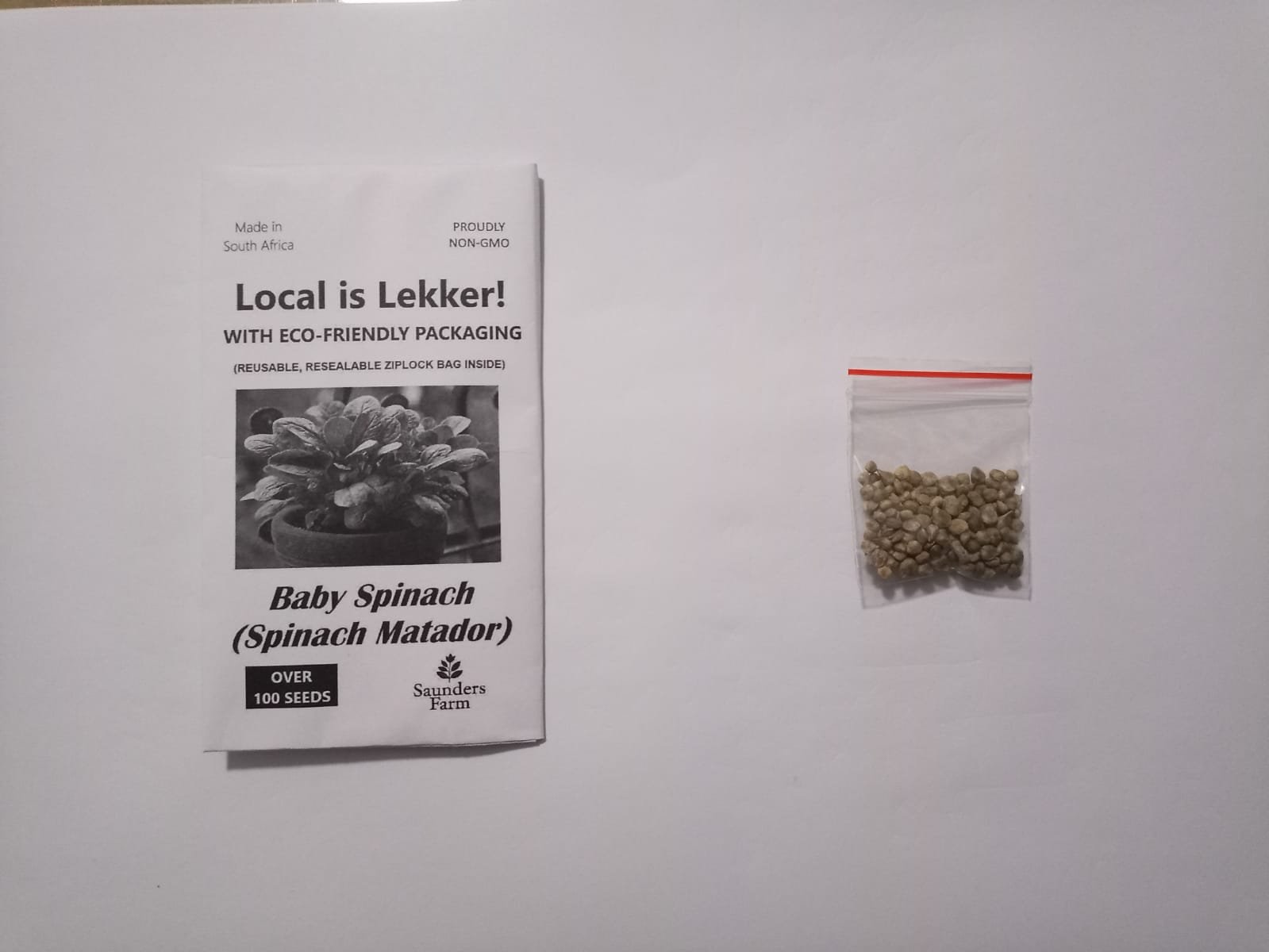
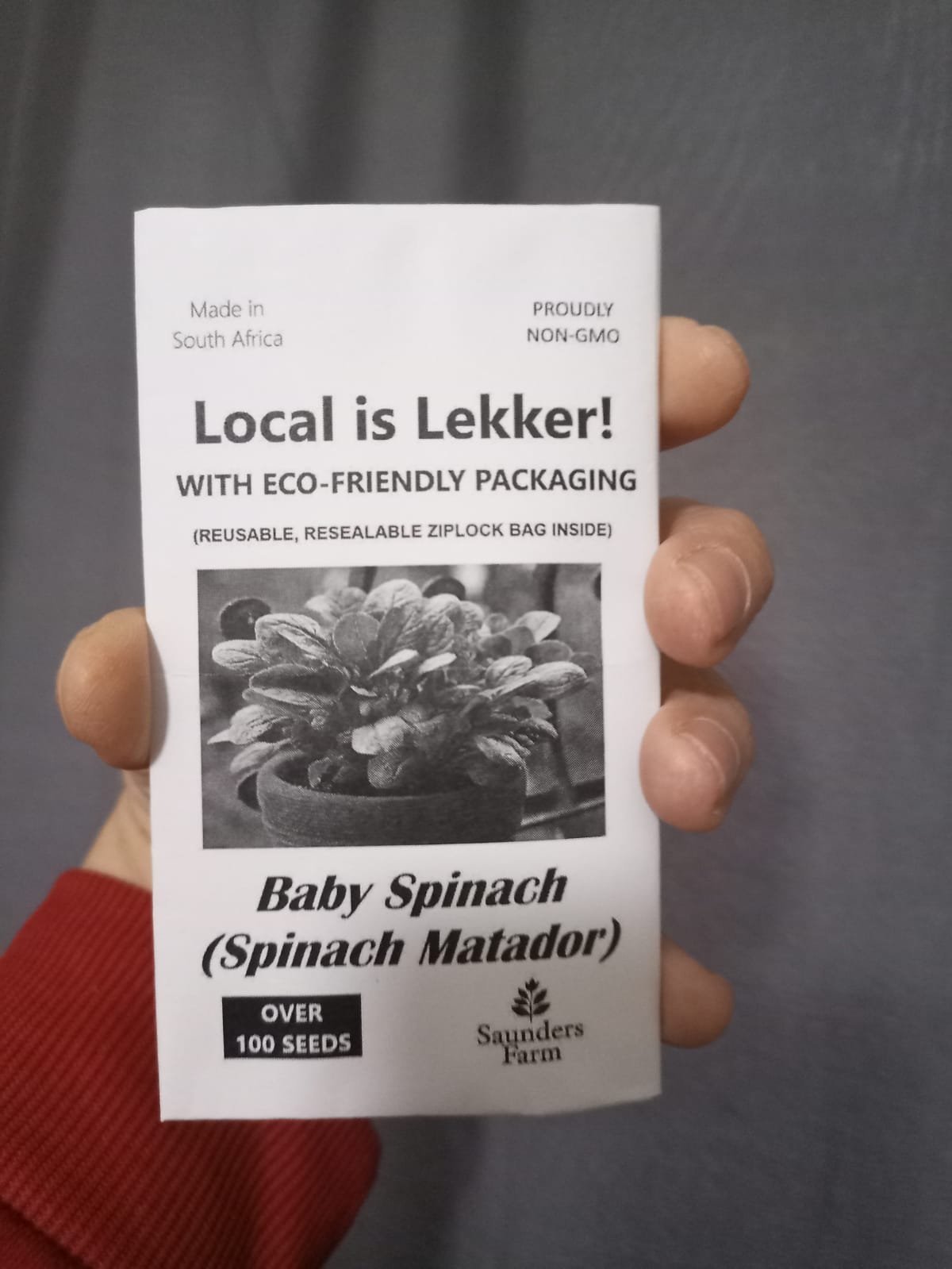
  • Over 100 Baby Spinach (Matador) Seeds
  • Join our WhatsApp Group to see when this product goes on special: https://chat.whatsapp.com/Ly1HQgXpYGXL2ffDGXUl4G
  • Proudly non-GMO
  • ECO-FRIENDLY: Biodegradable packaging with resealable, reusable plastic Ziplock bag inside
  • Made in South Africa, for South Africa

Availability: 341 in stock

Guaranteed Safe Checkout

Baby Spinach (Matador) Seeds | Heirloom & Non-GMO (Over 100 Seeds)

Grow a continuous harvest of tender, nutrient-rich greens right in your backyard.

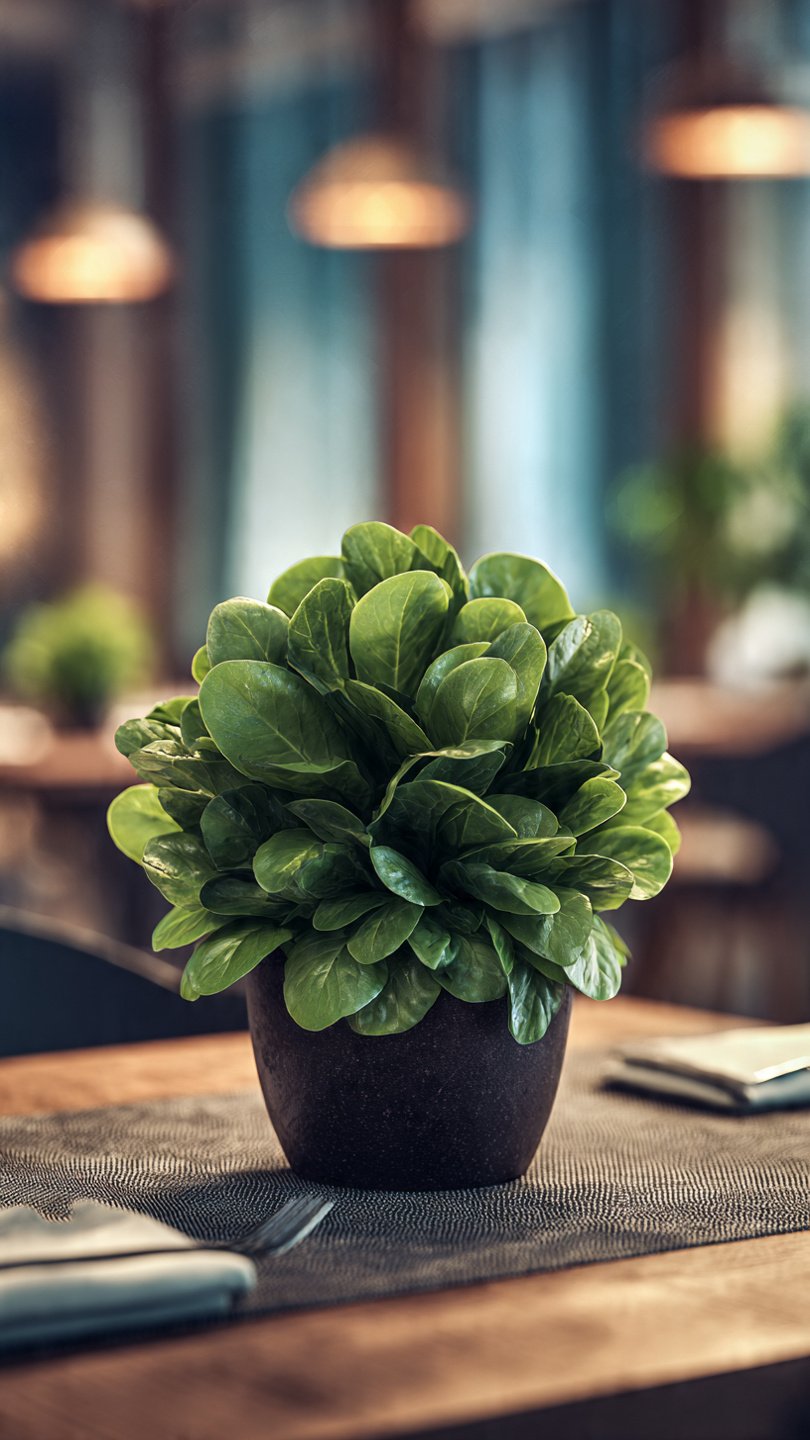
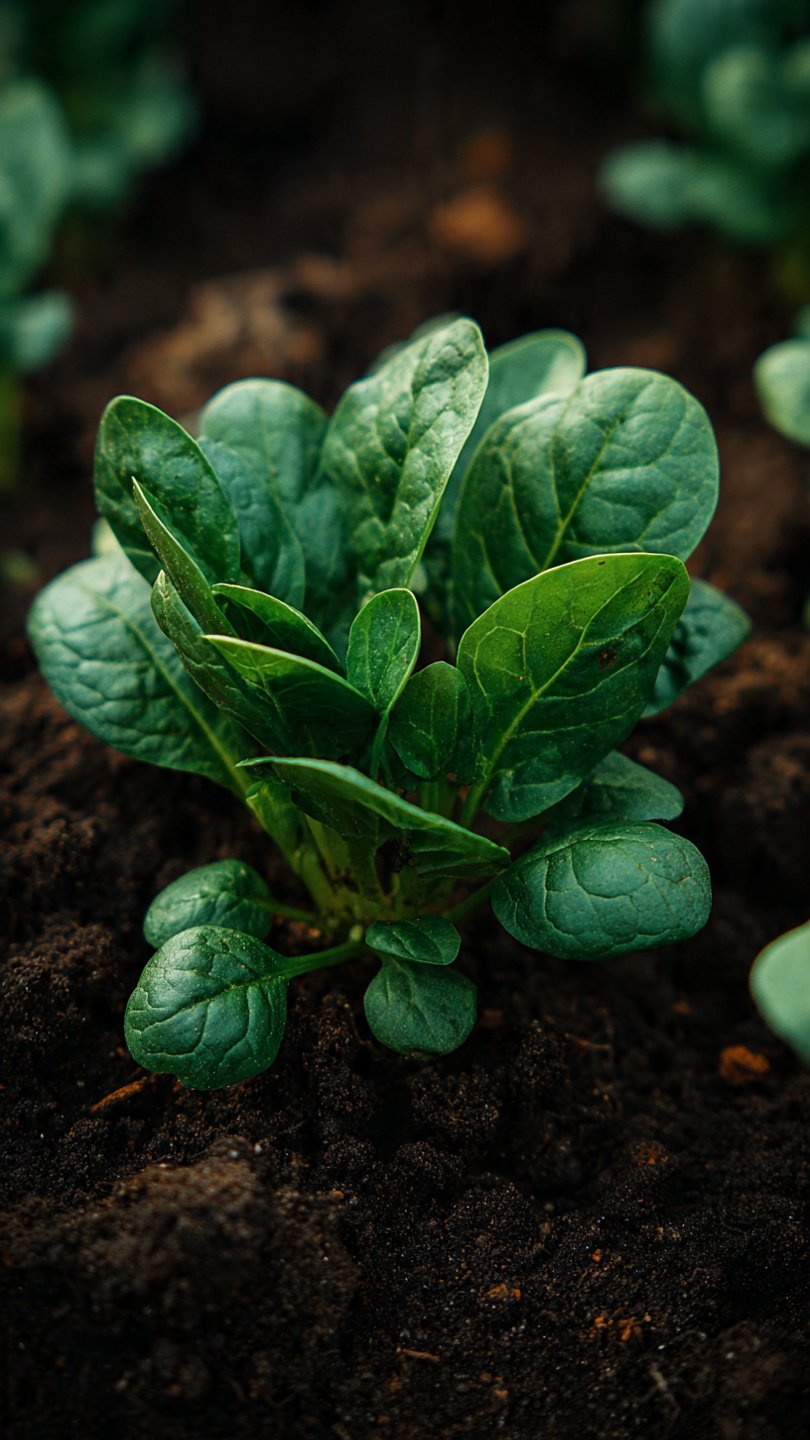
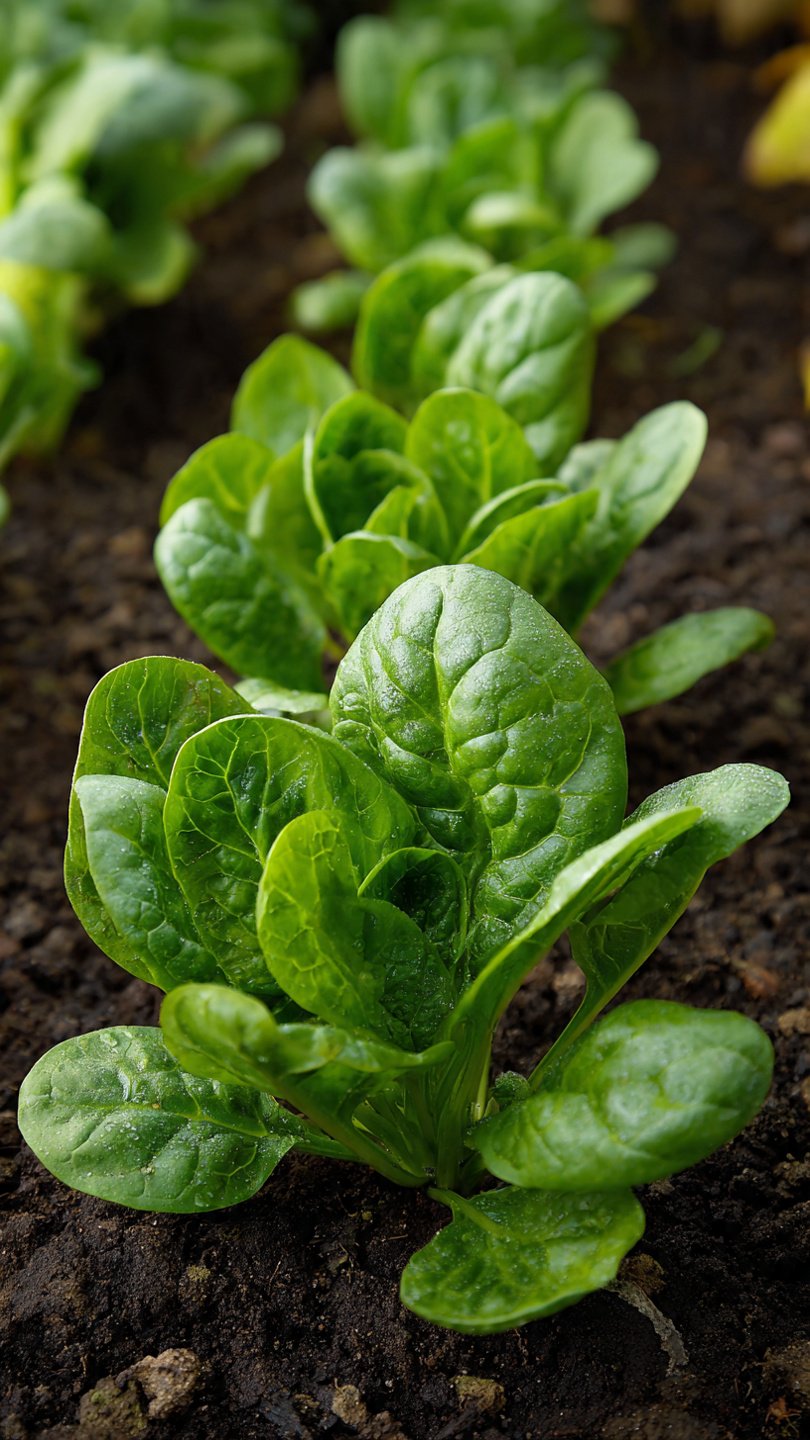
This premium pack contains over 100 high-germination, non-GMO heirloom seeds of the popular Matador baby spinach variety (Spinacia oleracea).

It is the perfect choice for South African home gardeners, urban farmers, and container gardeners looking for a fast-growing, reliable crop.

The Matador variety is celebrated for its deep green, oval leaves, smooth texture, and sweet, mild flavor.

Because it is naturally slow to bolt (go to seed), you will enjoy an extended harvesting window for fresh salads, green smoothies, stir-fries, and healthy side dishes.

Why Choose Our Heirloom Matador Spinach Seeds?

  1. Over 100 Premium Seeds: A generous pack size that offers exceptional value for money.
  2. 100% Heirloom & Non-GMO: Pure, unadulterated plant genetics passed down through generations.
  3. Slow to Bolt: Exceptionally heat-tolerant compared to other varieties, meaning it stands up better to warm days without turning bitter.
  4. Perfect for Baby Leaves: Specifically selected for quick, tender “cut-and-come-again” harvesting.
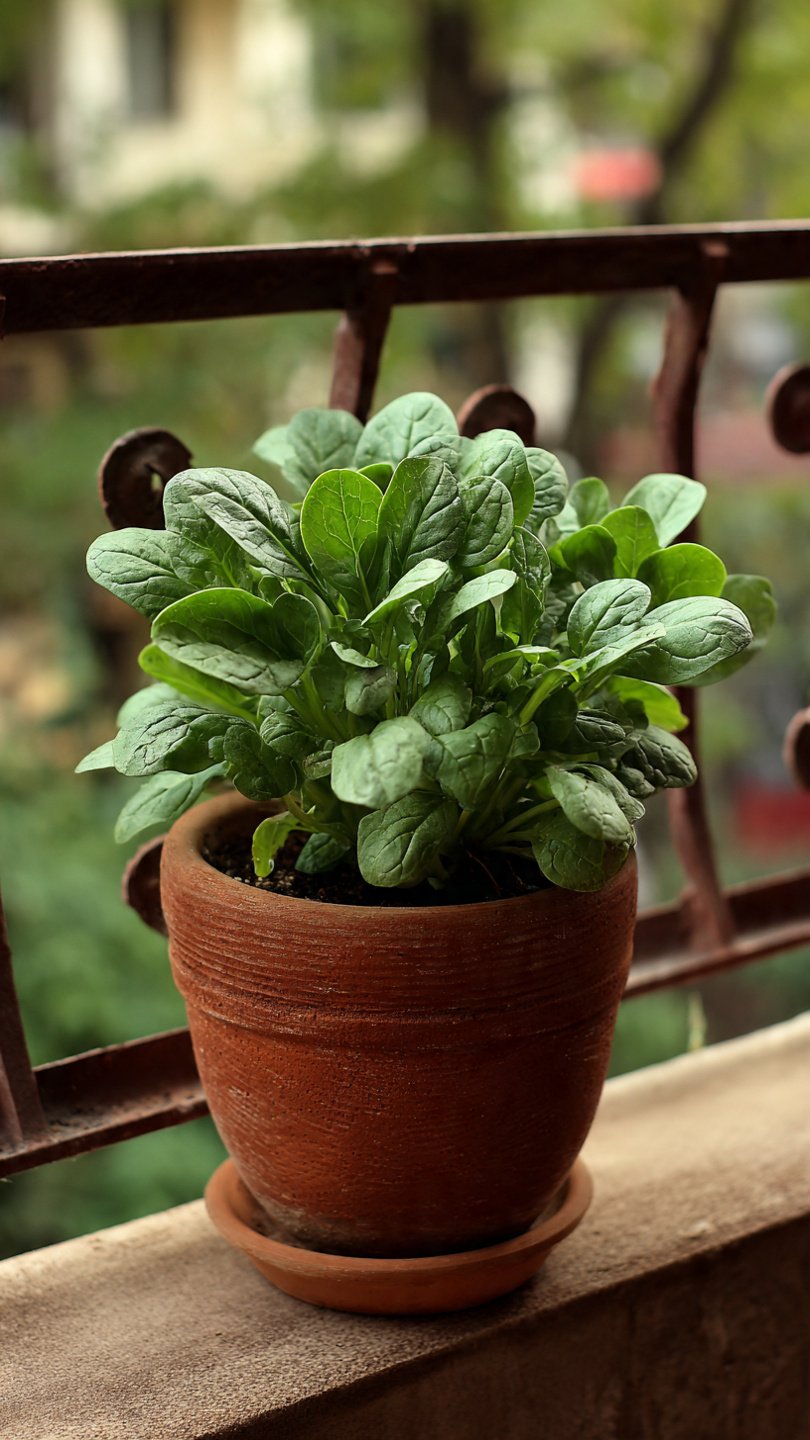
  5. Container Friendly: Features a compact root system that thrives in small pots, window boxes, raised beds, or large vegetable patches.

South African Planting & Growing Guide

Spinach is generally a cool-season crop, but the Matador variety’s heat tolerance makes it highly versatile across South Africa’s diverse climate regions:

When to Plant:

Highveld & Inland: Best sown from February to August (Autumn through Winter) to avoid the extreme mid-summer heat.

Western Cape: Sow from March to September during the cooler, rainy winter months.

Subtropical Regions (KZN/Lowveld): Plant exclusively during the cooler winter window from April to July.

  • Position: Full sun to partial shade (Partial afternoon shade is highly beneficial during warmer months).
  • Sowing Depth: 10mm deep directly into rich, well-draining soil or seedling trays.
  • Spacing: Space rows 20cm apart. Thin seedlings out to 10cm apart for baby spinach leaves.
  • Germination Time: 7 to 12 days.
  • Days to Harvest: Pick tender baby leaves in just 35 to 40 days!

Quick Gardening Tips for Success

Harvesting: Use the “cut-and-come-again” method. Snip off the outer leaves as needed, leaving the center of the plant intact to continuously produce new growth.

Soil & Feeding: Spinach loves nitrogen. Enrich your soil with plenty of organic compost before planting, and feed with an organic liquid fertilizer every two weeks.

Watering: Keep the soil consistently moist. Short, frequent waterings are better for spinach than occasional heavy flooding.
logo simple

Stop Killing Your Seeds!

5 Germination Mistakes Gardeners Must Stop Immediately

Get this free guide (5 minute read) and The Printable Monthly Growing Guide for South Africa (also free), via email:

We don’t spam! Read our privacy policy for more info.

Reviews

There are no reviews yet.

Be the first to review “Baby Spinach – Over 100 Seeds”

Your email address will not be published. Required fields are marked *

How to Grow Baby Spinach from Seed

How to Grow Baby Spinach from Seed: The Complete South African Guide

Growing your own crisp, tender baby spinach is one of the quickest and most rewarding ways to fill your plate with homegrown nutrients.

Unlike large, thick-stemmed Swiss chard (often sold as “spinach” in South African supermarkets), true baby spinach (Spinacia oleracea) is sweet, delicate, and ready to harvest in just a few weeks.

This step-by-step guide covers everything you need to know to successfully grow abundant, tender baby spinach from seed in South African conditions.

When to Sow Spinach Seeds in South Africa

Spinach is traditionally a cool-season crop that thrives when days are mild and nights are cold.

However, high-quality heirloom varieties like Matador offer excellent heat tolerance, allowing for an extended growing season:

Highveld & Inland (Gauteng, Free State, North West): Sow from February to August. Planting in autumn and winter prevents the plants from getting stressed by extreme summer heat.

Western Cape (Winter Rainfall Region): Sow from March to September. The cool, damp winter months provide the absolute perfect growing conditions for spinach.

Subtropical Regions (KZN Coast, Lowveld): Plant exclusively during the cooler winter window from April to July to avoid intense summer humidity and pest pressures.

What You Will Need

Before you get your hands dirty, gather these basic gardening supplies:

  1. Premium baby spinach seeds (like our heirloom, non-GMO Matador packs)
  2. High-quality organic compost
  3. A rake or hand trowel
  4. A watering can with a fine rose spray or a gentle hose nozzle
  5. Organic mulch (straw, dried leaves, or fine bark mulch)

Step-by-Step Guide to Sowing Spinach Seeds

Spinach seedlings have sensitive roots and do not like being transplanted. For the best results, sow your seeds directly into their permanent home—whether that is a garden bed, a raised box, or a wide, shallow pot.

Step 1: Prepare the Soil

Spinach is a heavy feeder that loves nitrogen-rich, well-draining soil. Clear your planting area of weeds and rocks.

Dig in a generous layer of well-rotted organic compost (about one bucket per square meter). Rake the soil until it is fine, level, and crumbly.

Step 2: Sow the Seeds

Depth: Make shallow rows in the soil roughly 10mm (1cm) deep.

Spacing for Baby Leaves: Drop seeds about 2cm to 3cm apart along the row. Because you are harvesting them when they are small and tender, they can be grown much closer together than traditional large spinach varieties.

Row Spacing: Space your parallel rows about 20cm apart to allow enough room for easy harvesting and weeding.

Cover: Lightly brush soil over the seeds and press down gently with your hands to ensure good soil-to-seed contact.

Step 3: Water and Germinate

Water the area thoroughly using a gentle mist or a fine-spray watering can. Keep the soil consistently damp but never waterlogged.

Your baby spinach seedlings will sprout out of the soil within 7 to 12 days.

Caring for Your Baby Spinach Plant

Sunlight: Spinach grows best in full sun during the chilly winter months. However, if you are planting in early autumn or late spring, choose a spot that gets partial afternoon shade to keep the soil cool and prevent the plants from drying out.

Watering: Spinach has a shallow root system. It prefers short, frequent waterings rather than heavy drenching once a week. Check the soil daily; if the top centimeter feels dry, it is time to water.

Feeding: Since you are growing spinach for its leaves, it requires plenty of nitrogen. Feed your plants with an organic liquid seaweed or fish emulsion fertilizer every 2 to 3 weeks to keep the leaves lush and fast-growing.

The Secret to Baby Spinach: The “Cut-and-Come-Again” Harvest

The best part about growing baby spinach is that you don’t have to pull up the whole plant to enjoy it.

The Timeline: Your baby spinach leaves will be ready to pick in just 35 to 45 days from sowing.

The Technique: Once the leaves reach about 5cm to 8cm long, use a clean pair of kitchen scissors or your thumb and forefinger to snip off the outer leaves just above the soil line.

The Golden Rule: Always leave the tiny, young leaves in the center of the plant untouched. The plant will continuously produce new growth from the center, allowing you to harvest from the exact same patch every few days for several weeks!

Baby Spinach Medicinal & Nutritional Uses

Baby Spinach Nutritional Benefits & Medicinal Uses: A Complete Wellness Guide

True baby spinach (Spinacia oleracea) is widely regarded as one of the ultimate global superfoods.

While many South Africans grew up eating Swiss chard (often locally called “spinach”), true baby spinach is a distinct, delicate leaf packed with an entirely unique concentration of bioavailable vitamins, minerals, and healing antioxidants.

This comprehensive, science-backed guide breaks down the complete nutritional profile, medicinal properties, and health benefits of incorporating baby spinach into your daily diet.

Baby Spinach Nutritional Profile

Baby spinach leaves are picked when they are young and tender, which means they are incredibly dense in nutrients while remaining exceptionally low in calories.

Eating just one cup (approx. 30g) of raw baby spinach provides a substantial dose of daily essentials:

  • Vitamin K1 (approx. 120% RDI): An absolute powerhouse vitamin critical for proper blood clotting and bone mineralization.
  • Vitamin A (Beta-Carotene): Essential for maintaining clear vision, immune cellular defense, and rapid skin cell renewal.
  • Vitamin C: A powerful antioxidant that stimulates collagen production and accelerates tissue healing.
  • Iron (Non-Heme): Vital for the production of hemoglobin, which carries oxygen throughout your red blood cells.
  • Folate (Vitamin B9): Crucial for proper DNA synthesis, cellular function, and tissue development during pregnancy.
  • Magnesium: Supports over 300 biochemical reactions in the body, including muscle relaxation, nerve conduction, and energy production.

Top 5 Medicinal and Health Benefits of Baby Spinach

1. Advanced Cardiovascular & Blood Pressure Regulation

Baby spinach is naturally rich in organic nitrates, which your body converts into nitric oxide.

Nitric oxide acts as a natural vasodilator—it relaxes and widens your blood vessels, which significantly improves blood circulation and naturally lowers high blood pressure.

Regular consumption directly reduces structural strain on the heart.

2. Combating Iron-Deficiency Anemia

For individuals dealing with fatigue or anemia, baby spinach is an excellent plant-based source of dietary iron.

Medicinal Tip: Plant-based (non-heme) iron is absorbed much more effectively when paired with Vitamin C.

Eating baby spinach raw alongside citrus fruits, tomatoes, or a squeeze of fresh lemon juice multiplies your body’s iron absorption rate.

3. Eye Health & Macular Protection

Baby spinach is packed with two critical carotenoids: lutein and zeaxanthin.

These compounds accumulate in the retina of the human eye, acting as natural sunblocks that filter out damaging blue light.

Clinical studies show that a diet rich in these antioxidants significantly lowers the risk of developing cataracts and age-related macular degeneration (AMD).

4. Powerful Anti-Inflammatory & Cancer-Preventing Properties

Chronic internal inflammation is a primary driver of many modern lifestyle diseases. Baby spinach contains over a dozen distinct antioxidant plant compounds, including kaempferol and quercetin.

These compounds aggressively neutralize free radicals, lowering systemic oxidative stress and helping to inhibit the growth of abnormal cancer cells, particularly in the colon and prostate.

5. Blood Sugar Control & Insulin Sensitivity

With a near-zero glycemic index (GI), baby spinach is highly recommended for managing type 2 diabetes.

It contains a unique antioxidant known as alpha-lipoic acid, which clinical trials have shown to naturally lower blood glucose levels, increase insulin sensitivity, and help prevent peripheral nerve damage caused by diabetes.

Raw vs. Cooked Baby Spinach: The Nutritional Difference

To get the absolute most medicinal value out of your harvest, it helps to understand how preparation changes the leaf’s chemistry:

Eating it Raw (Maximizing Vitamins)

When eaten raw in fresh summer salads or blended into green smoothies, you receive 100% of the delicate, heat-sensitive Vitamin C and Folate.

Raw spinach also retains its active live enzymes and high water content for deep hydration.

Eating it Lightly Cooked (Maximizing Minerals)

Raw spinach naturally contains oxalic acid, a plant compound that can bind to minerals like iron and calcium, making them harder for your body to absorb.

Gently steaming or quick-wilting your baby spinach for just 1 to 2 minutes breaks down the oxalic acid.

This unlocks the trapped iron, calcium, and magnesium, making them significantly more bioavailable to your digestive system.

Baby Spinach Growing Guide

The Ultimate Baby Spinach Growing Guide: From Seed to Table in South Africa

Growing your own baby spinach (Spinacia oleracea) is one of the fastest, easiest ways to bring fresh superfoods into your kitchen.

Unlike giant Swiss chard varieties, true baby spinach grows into compact clusters of tender, mild leaves that are perfect for salads and smoothies.

This comprehensive growing guide covers everything you need to know to successfully grow, maintain, and continuously harvest baby spinach right here in South Africa.

1. Choosing the Perfect Location

Baby spinach is highly adaptable, but getting thick, succulent leaves depends entirely on giving the plants the right balance of sun and heat protection.

Sunlight: Spinach loves full sun during our chilly autumn and winter months (6 to 8 hours daily). However, if you are planting in spring or early autumn, choose a spot that gets dappled afternoon shade to protect the leaves from scorching.

Soil Requirements: Spinach needs loose, fertile, crumbly soil that drains exceptionally well. It hates sitting in soggy, compacted clay.

Bed Preparation: Spinach is a heavy surface feeder. Dig a generous 5cm layer of well-rotted organic compost into the top layer of your soil a few days before planting to give it an instant nutrient boost.

2. Container Gardening: Perfect for Small Spaces

If you don’t have a massive vegetable patch, you are in luck! Baby spinach has a shallow, compact root system, making it one of the absolute best crops for container gardening.

Pot Size: Choose a wide, shallow pot or window box planter that is at least 15cm to 20cm deep.

Soil Mix: Fill your pots with a premium potting soil mixed with a handful of organic compost. Never use regular garden soil in pots, as it packs down too tightly and suffocates the roots.

Spacing: Space your seeds roughly 3cm apart across the surface of the pot for a dense, lush “salad bowl” effect.

3. Essential Ongoing Care & Maintenance

Once your seeds have sprouted, a few simple weekly habits will ensure your baby spinach grows rapidly and stays sweet.

Watering Rules

Because spinach has shallow roots, it cannot dig deep into the ground to find water during a dry spell.

Water your spinach shortly and frequently rather than doing one massive weekly drenching.Keep the soil consistently damp, like a wrung-out sponge.

If the soil dries out completely, the plant will go into shock and stop producing new leaves.

Feeding for Lush Leaves

Since you are harvesting spinach strictly for its green leaves, it requires a steady supply of nitrogen.

Feed your plants every 2 weeks with an organic liquid fertilizer, fish emulsion, or liquid seaweed kelp spray.

Avoid fertilizers high in phosphorus (like bone meal) once the plant is established, as too much phosphorus encourages the plant to flower rather than grow leaves.

Mulching

Always spread a thin layer of fine mulch (like clean straw or crushed dried leaves) around your spinach plants.

Mulch keeps the shallow roots beautifully cool and stops muddy water from splashing onto your clean leaves when it rains.

4. Troubleshooting Common South African Spinach Problems

Plants suddenly grow tall, thin, and produce flowers

Cause: Bolting (Triggered by high temperatures or long summer days)

Solution: Harvest the entire plant immediately before the leaves turn bitter. Plant your next batch in a shadier spot or wait for cooler weather.

Large, ragged holes in the leaves

Cause: Slugs and Snails (Highly active during damp nights)

Solution: Check your plants after dark with a torch. Hand-pick them off, or set up organic eco-friendly snail baits around the garden beds.

Winding, white trails inside the leaves

Cause: Leaf Miners (Tiny insect larvae tunneling through the leaf)

Solution: Pinch off and destroy infected leaves immediately to stop the lifecycle. Cover your next crop with a fine insect netting.

Yellowing leaves with stunted growth

Cause: Nitrogen Deficiency or Overwatering

Solution: Reduce your watering frequency and feed the plants with a nitrogen-rich liquid organic fertilizer.

5. How to Harvest Baby Spinach for Continuous Yields

The biggest mistake gardeners make is pulling up the entire spinach plant when they want to eat it.

Instead, use the highly efficient “Cut-and-Come-Again” harvesting method:

Wait until your baby spinach leaves are roughly 5cm to 8cm long (usually 35 to 45 days after planting).

Using sharp kitchen scissors or your fingers, harvest only the outermost leaves of the plant, cutting them just above the soil line.

Always leave the small, young leaves growing directly out of the very center (the crown) completely untouched.

The plant will continuously push out fresh new leaves from the center, allowing you to return to the exact same plant for a fresh harvest every few days!

Baby Spinach Other Names

The Global Names of Spinach: Botanical, Cultural, and South African Terms

Understanding the different names for spinach can help you explore international culinary traditions, decipher global seed catalogues, and clear up common local misunderstandings about this popular green leaf.

This guide covers the scientific, historical, and regional names for true spinach (Spinacia oleracea) to expand your gardening and cooking knowledge.

1. The Botanical & Scientific Classification

Scientific Name: Spinacia oleracea

The Plant Family: True spinach belongs to the Amaranthaceae family (subfamily Chenopodiaceae), making it a direct relative of beetroot, Swiss chard, and quinoa.

Linguistic Meaning: The botanical name Spinacia is believed to trace back to the Latin word spina, meaning “thorn” or “spine.” This refers to the prickly, sharp seeds found on older, wild heirloom varieties of the plant.

2. The South African Context: Spinach vs. Swiss Chard

In South African grocery stores and local farming communities, a unique naming habit often causes confusion for beginner gardeners:

The Local “Spinach” (Swiss Chard): The large, thick-stemmed, dark green leaf sold in massive bundles in South African supermarkets is botanically Swiss Chard (Beta vulgaris).

While locally called “spinach” or “spinasie”, it is technically a different plant species altogether.

True Baby Spinach: True spinach (Spinacia oleracea) is almost exclusively sold in South Africa under the name “Baby Spinach.” These are small, delicate, oval leaves with tender stems that are eaten raw in salads or lightly wilted.

Imifino / Morogo: In traditional South African cuisine, the terms Morogo (Sotho/Tswana) and Imifino (Xhosa/Zulu) refer broadly to various harvested green leafy vegetables.

While this often includes wild amaranth (pigweed) and pumpkin leaves, cultivated true spinach and Swiss chard are frequently prepared in this traditional style.

3. Global & Cultural Names

As spinach traveled from its ancient origins across Europe and Asia, it adopted several distinct cultural names that remain highly relevant today:

The Persian Green: Spinach originated in ancient Persia (modern-day Iran). When Arab traders introduced it to China in the 7th century, the Chinese named it Bōsī cài (波斯菜), which literally translates to “Persian Herb.”

Espinafre: In Portuguese, the leaf is known as espinafre.

Espinaca: In Spanish-speaking countries, it is called espinaca. Both the Portuguese and Spanish terms directly influenced the English word “spinach.”

Palak: Across India and South Asia, true spinach is universally known as palak. If you love Indian cuisine, you will recognize this name from classic restaurant dishes like Palak Paneer (spinach with cottage cheese) or Aloo Palak (spinach with potatoes).

Epinard: In France, spinach is called épinard. This historical term heavily influenced European culinary history, creating the term “Florentine.”

Any dish on a restaurant menu styled as à la Florentine means it is served on a bed of cooked spinach!

Shopping Basket
0
    0
    Your Cart
    Your cart is emptyReturn to Shop
    Scroll to Top