Marigold Other Names: Understanding Tagetes, Calendula, and Khakibos
When shopping for flower seeds online, the botanical world can get incredibly confusing. Many South African gardeners look for “marigolds” only to realize the name refers to several completely different plants.
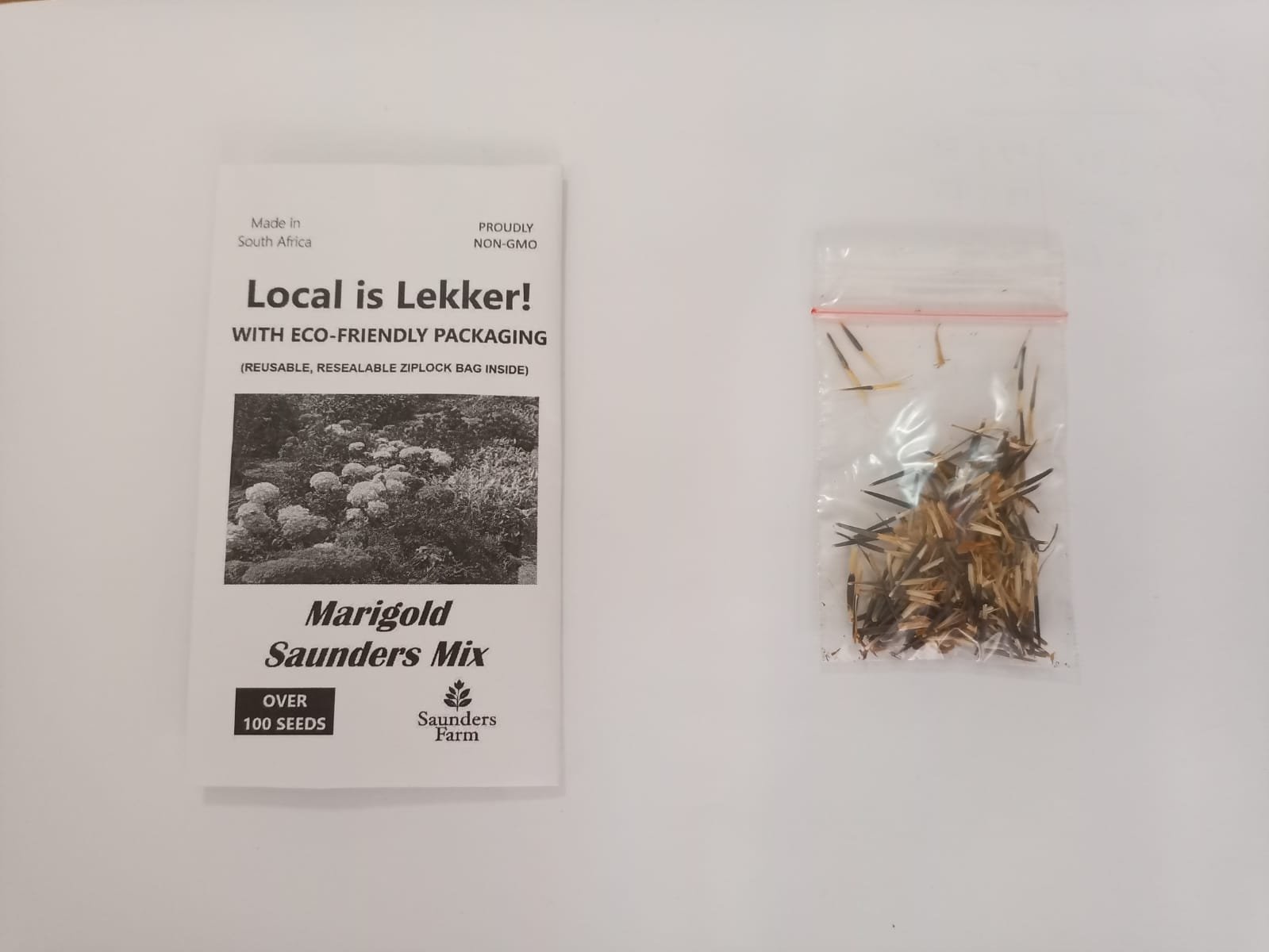
Our Saunders Mix Marigold Seeds are premium varieties belonging to the Tagetes genus. Understanding the different names, cultural terms, and botanical classifications for marigolds will help you choose the right plant for your specific garden goals.
This guide clarifies the common names, regional terms, and scientific classifications used for marigolds in South Africa and around the world.
The Master Classification: Tagetes vs. Calendula
The most common point of confusion is the difference between True Marigolds (Tagetes) and Pot Marigolds (Calendula).
While they both belong to the broad daisy family (Asteraceae), they are entirely different plants with distinct properties.
Tagetes (Saunders Mix Variety)
Common Name: African, French, or Mexican Marigold
Scent: Pungent, sharp, and highly aromatic
Primary Use: Companion planting, pest deterrent, bright color
Climate: Thrives in intense summer heat
Calendula
Common Name: Pot Marigold, Poet’s Marigold
Scent: Mild, sweet, and slightly resinous
Primary Use: Skin salves, cosmetics, herbal balms
Climate: Prefers cooler spring or autumn weather
Common Names for Tagetes Varieties
Depending on where you live or which gardening book you read, the seeds in our Saunders Mix may be referred to by several distinct common names:
1. French Marigolds (Tagetes patula)
Despite the name, these compact, bushy flowers are native to the Americas, not France.
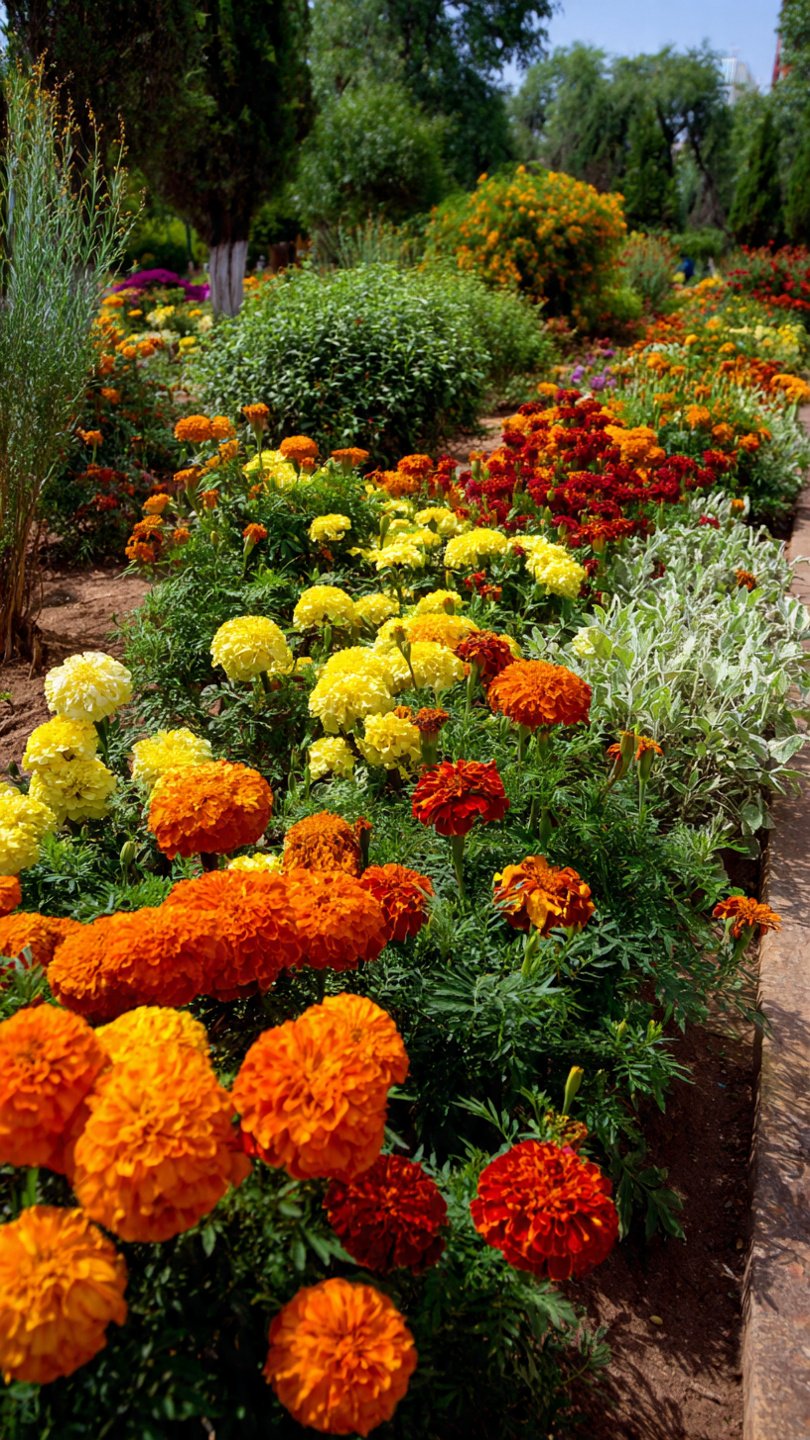
They are famous for their dense, double-crested blooms and small stature. They are the ultimate choice for bordering vegetable gardens.
2. African Marigolds (Tagetes erecta)
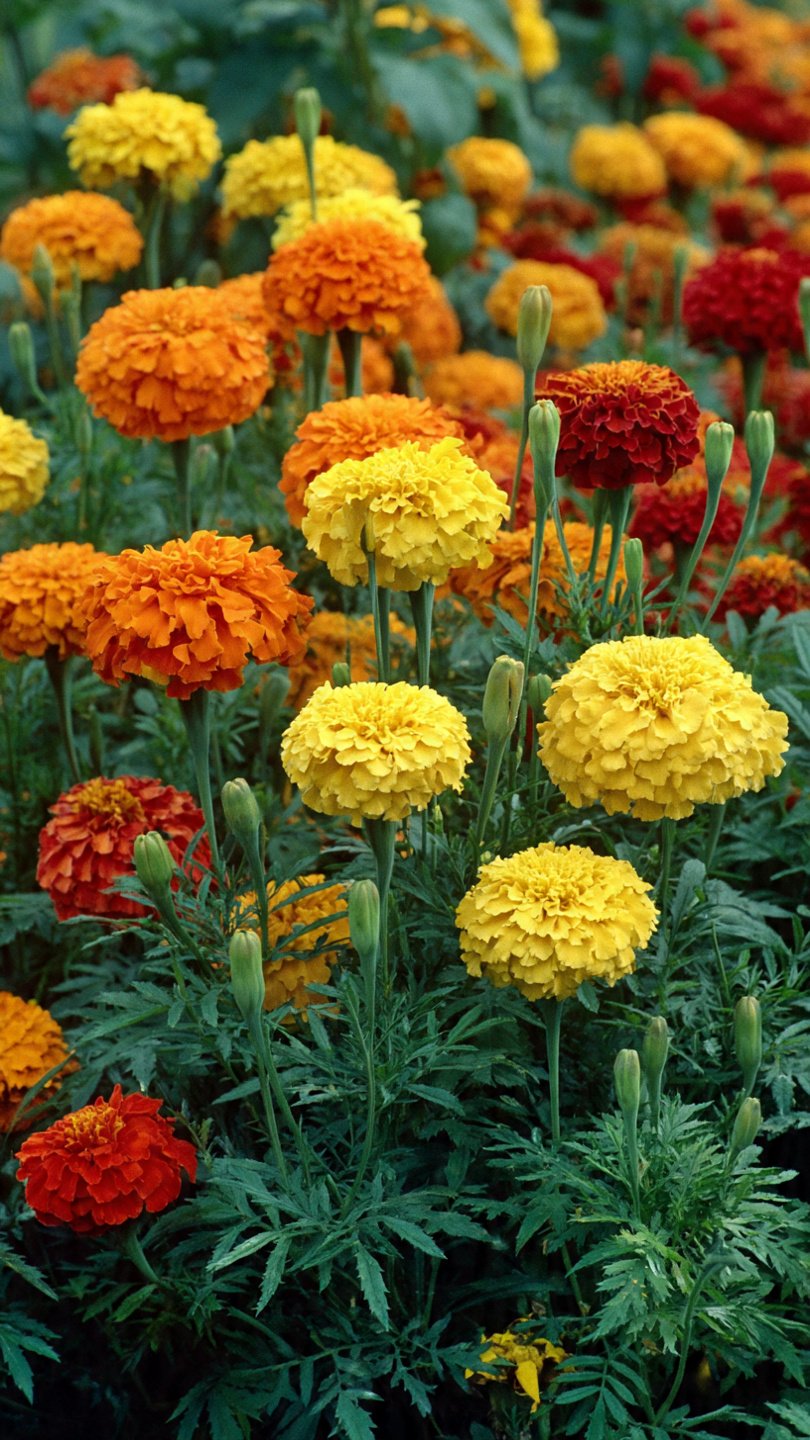
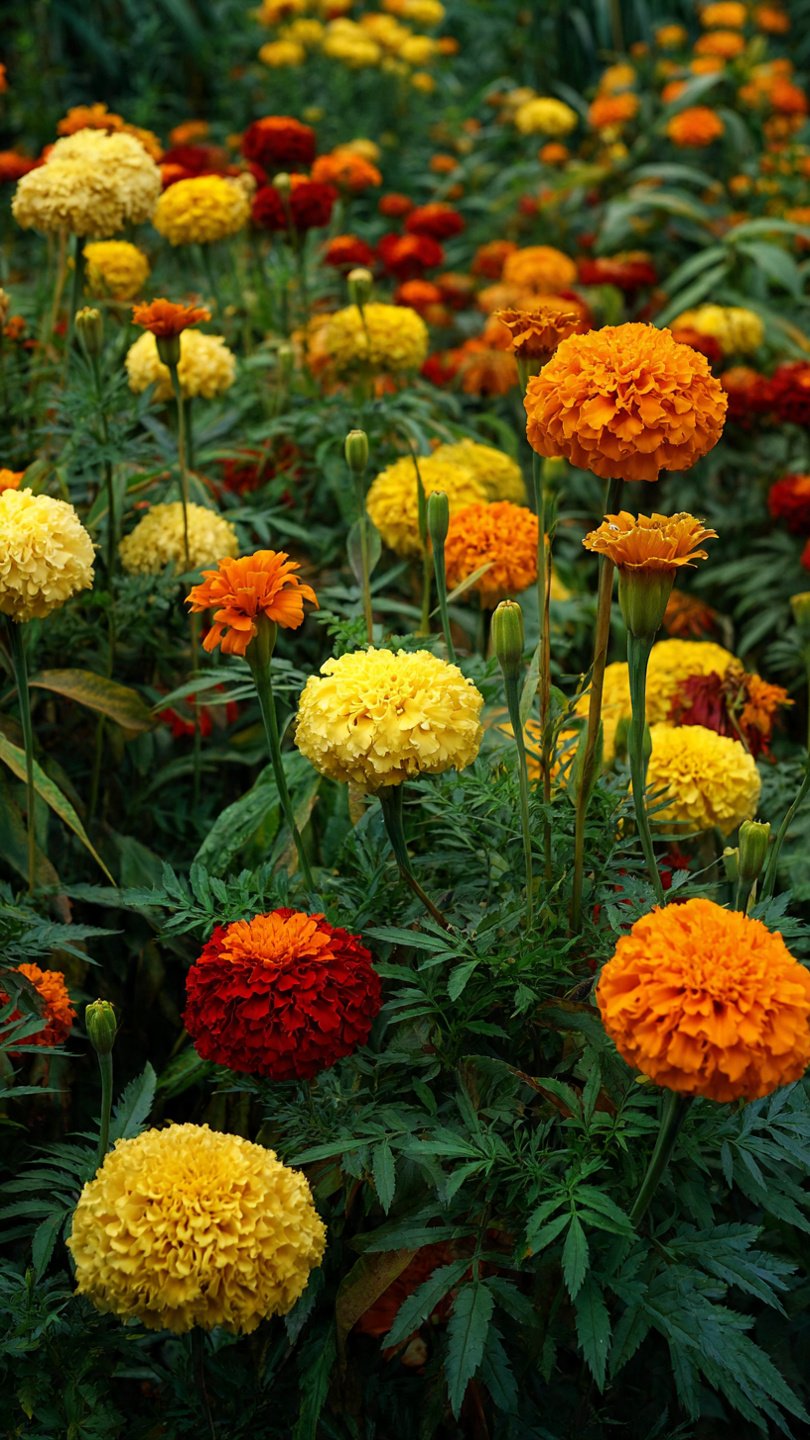
These are the giants of the marigold world, growing up to 90cm tall with massive, pom-pom-like flower heads. Interestingly, they are actually native to Mexico, but earned the name “African Marigold” after traveling along historic trade routes through Africa to Europe.
3. Signet Marigolds (Tagetes tenuifolia)
A delicate variety featuring fine, lacy foliage and small, single, edible blossoms with a distinct citrus scent and flavor.
Local South African Names: What is Khakibos?
If you talk to any farmer or experienced gardener in South Africa, you will inevitably hear the term Khakibos (Khaki weed).
The Connection: Khakibos (Tagetes minuta) is a direct, wild cousin of the ornamental marigolds in our Saunders Mix.
The Reputation: While ornamental marigolds are planted intentionally for beauty, wild Tagetes minuta grows as a tall, tough weed across South African velds and roadsides. It gets its name from the dull khaki-green color of its stems and leaves.
The Shared Benefit: Just like your garden marigolds, wild Khakibos is incredibly pungent. South Africans have used it for generations as a highly effective, natural flea and tick repellent for dogs, and as a companion plant to drive away crop pests.
Cultural and International Names
Marigolds hold deep cultural significance globally, earning them unique names in different languages:
Cempasúchil (Mexico): Derived from the ancient Aztec word Cempohualxochitl, meaning “twenty flowers.” It is famously known as the Flor de Muerto (Flower of the Dead) and is the iconic orange blossom used to decorate altars during Mexico’s Day of the Dead celebrations.
Genda / Gendha (India): In Hindi, marigolds are called Genda. They are highly revered and woven into massive bright orange and yellow garlands for weddings, festivals, and religious ceremonies to symbolize auspicious new beginnings.
Mary’s Gold (Early Europe): Centuries ago, Christians dedicated the bright golden blossoms to the Virgin Mary, using the flowers to decorate her statues. Over time, the phrase “Mary’s Gold” changed into the modern English word Marigold.


Reviews
There are no reviews yet.