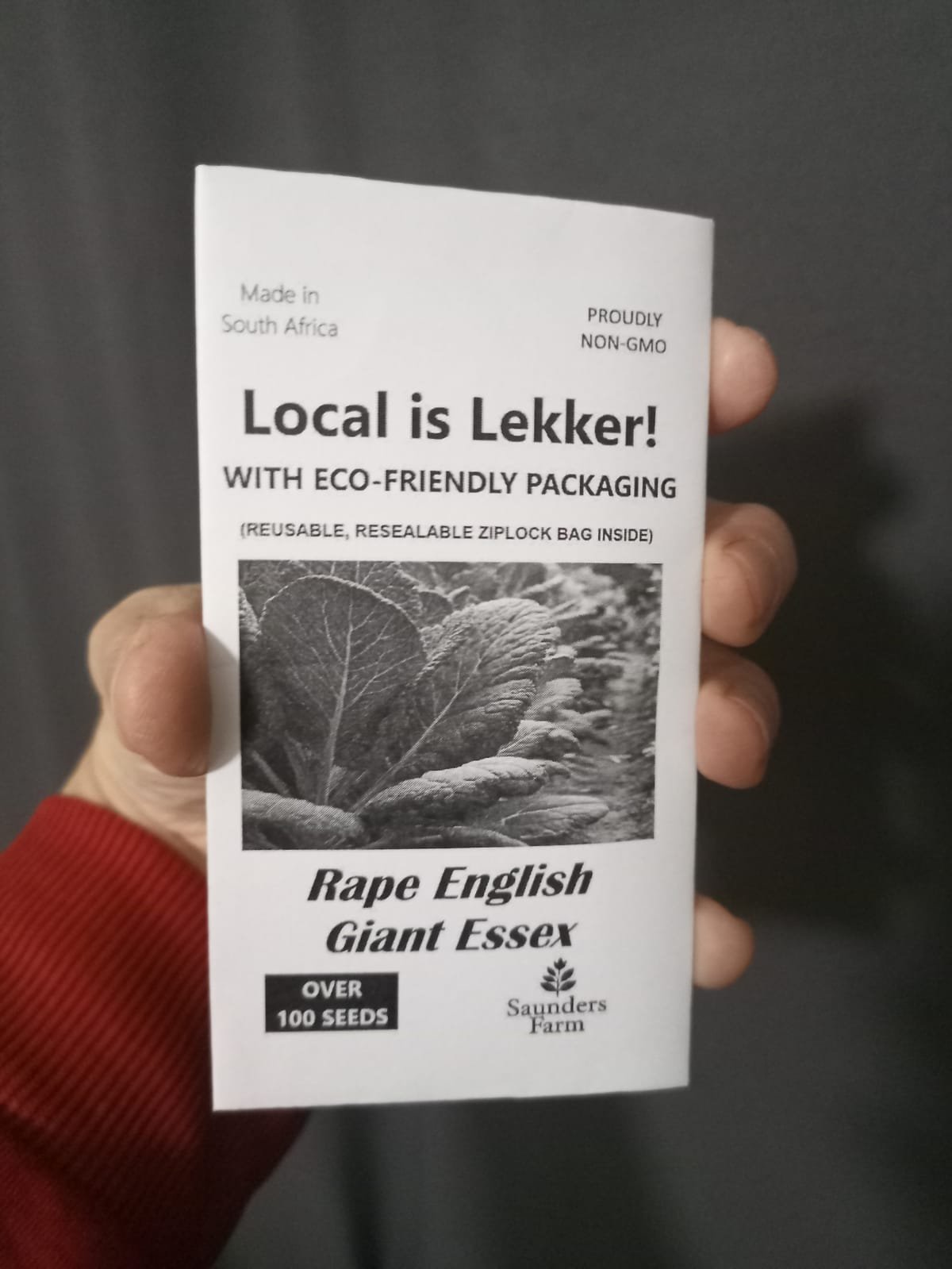
,

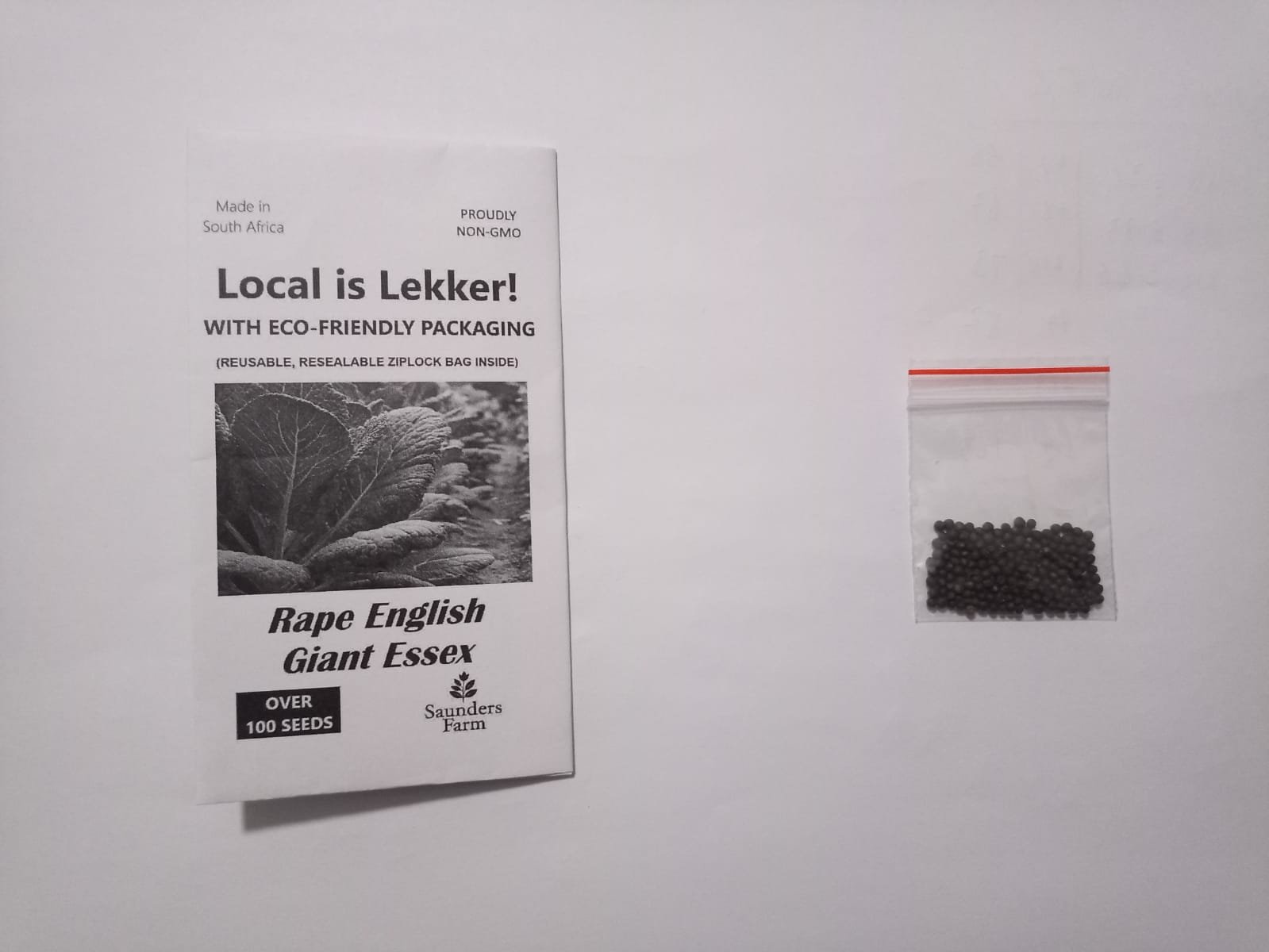
Rape English Giant Essex – Over 100 Seeds

R15.00

Excluding shipping
  • Over 100 Rape English Giant Essex Seeds
  • Join our WhatsApp Group to see when this product goes on special: https://chat.whatsapp.com/Ly1HQgXpYGXL2ffDGXUl4G
  • Proudly non-GMO
  • ECO-FRIENDLY: Biodegradable packaging with resealable, reusable plastic Ziplock bag inside
  • Made in South Africa, for South Africa

Availability: 40 in stock

Guaranteed Safe Checkout

Heirloom Rape (English Giant Essex) Seeds – Over 100 Seeds Per Pack

Boost your self-sufficiency or livestock feed production with our premium, heirloom Rape (English Giant Essex) seeds.

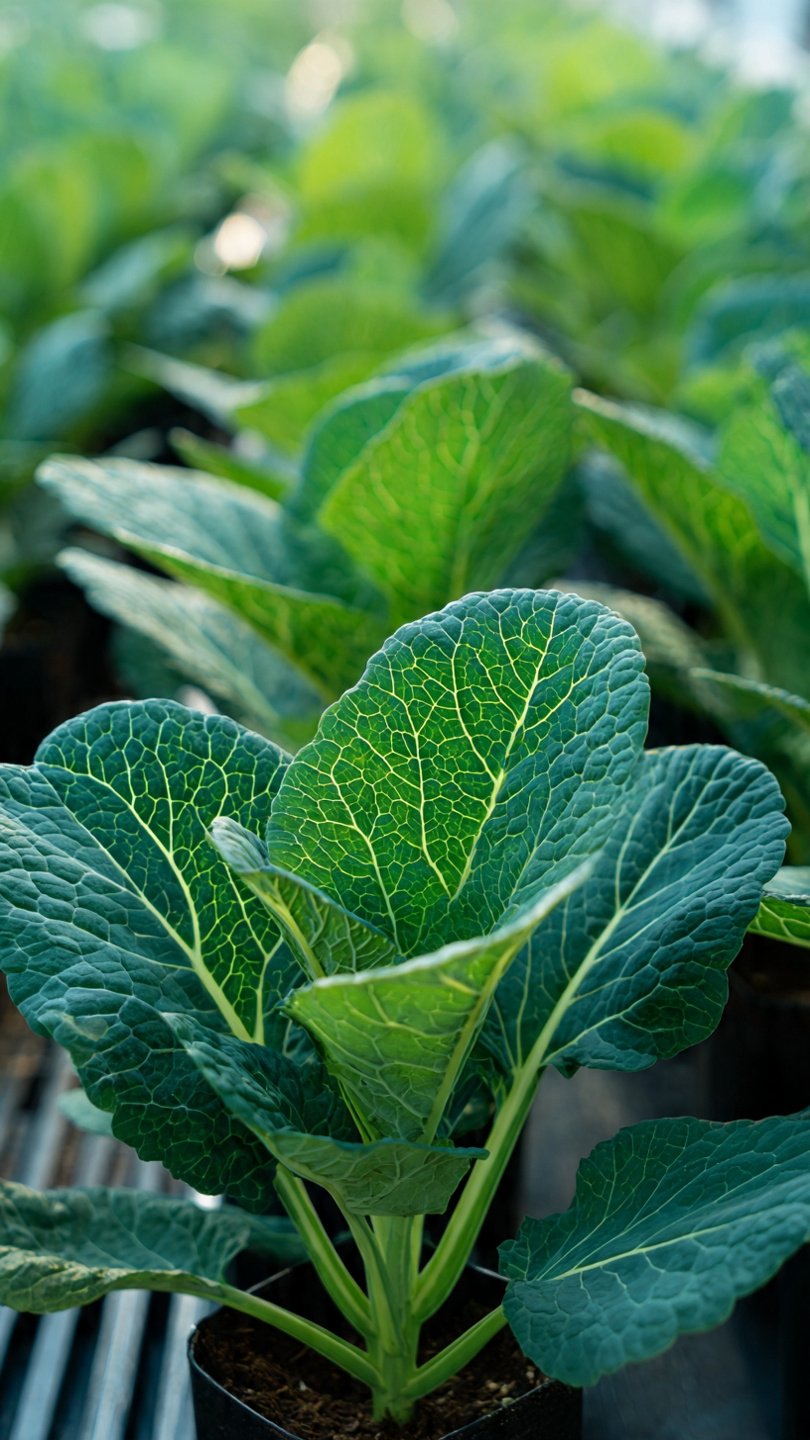
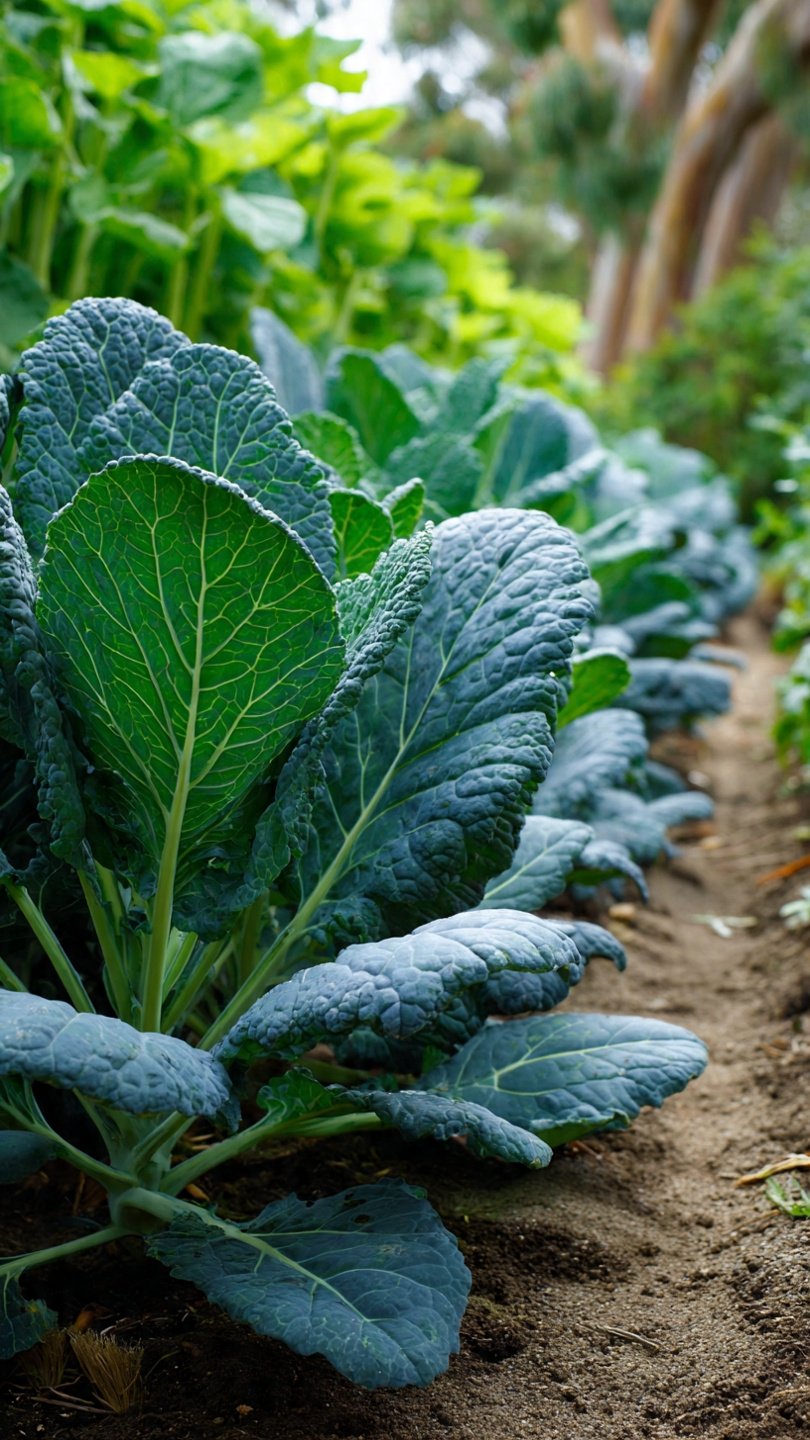
English Giant Essex is a highly adaptable, fast-growing forage brassica that has been trusted by South African farmers and home gardeners for generations.

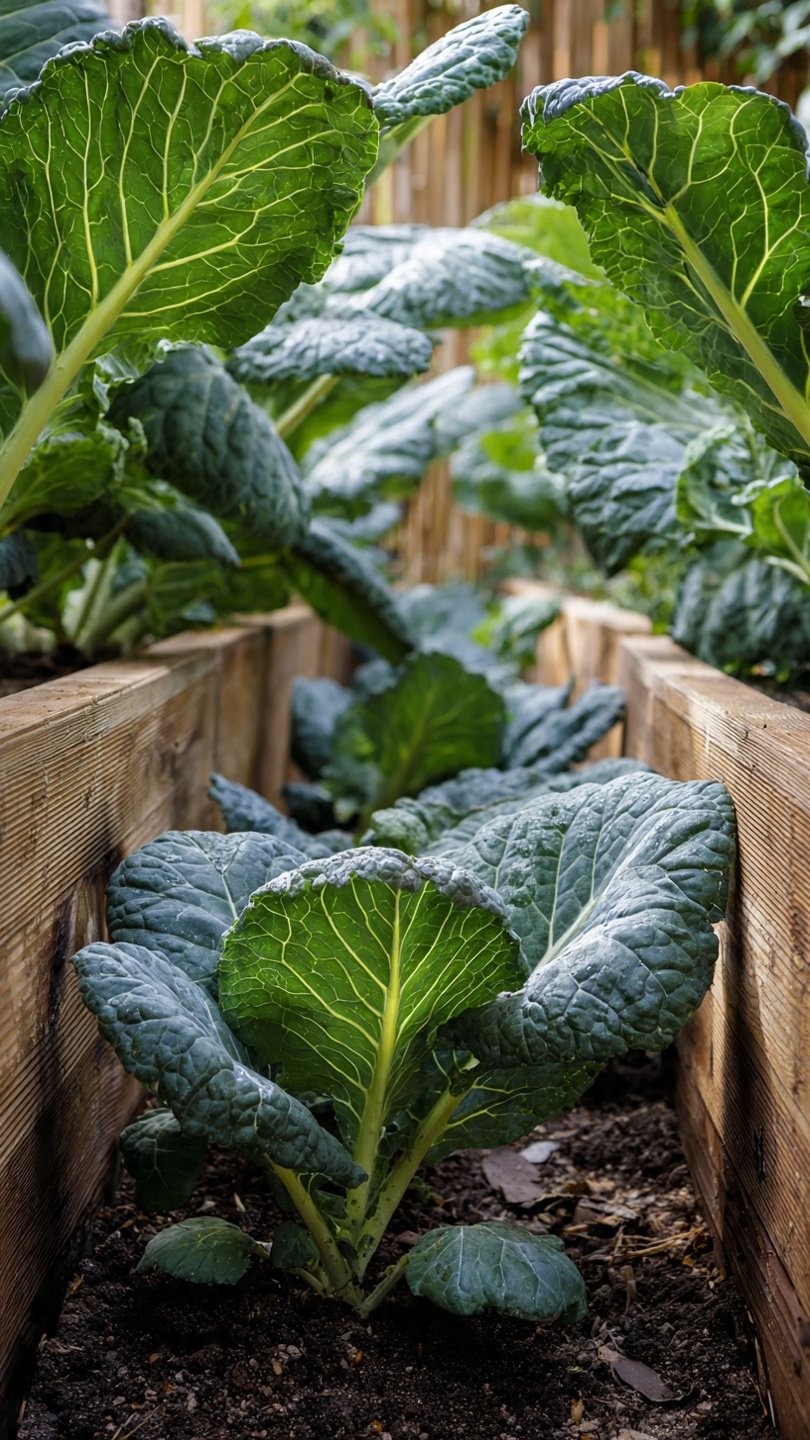
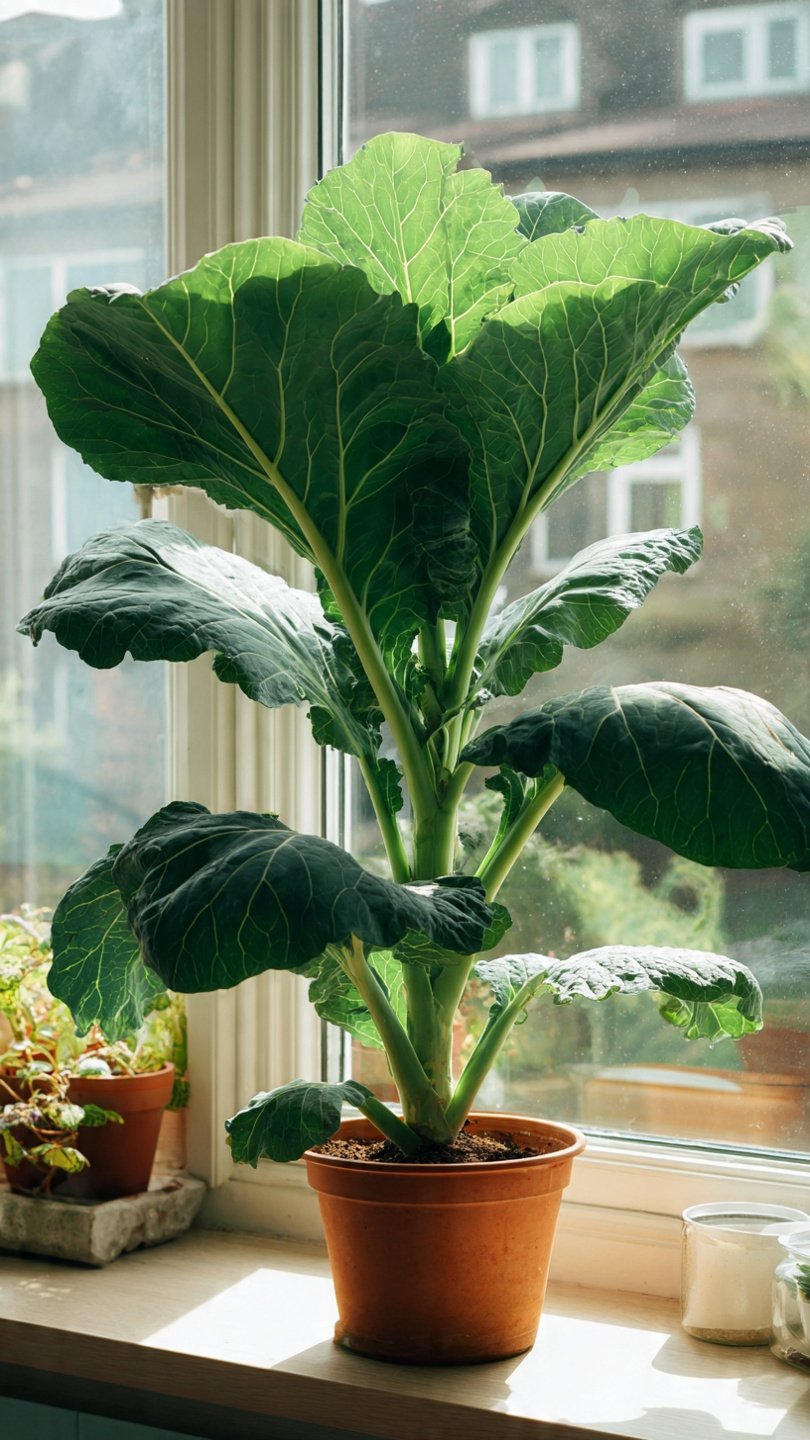
Known for its exceptional cold-hardiness and vigorous growth, this versatile crop produces an abundance of broad, succulent, and deeply nutritious green leaves.

Whether you are looking to cultivate high-protein animal fodder for cattle, sheep, poultry, and pigs, or wanting to harvest tender, nutritious greens for the kitchen table, this variety delivers outstanding yields.

It performs exceptionally well across diverse South African soils and acts as an excellent winter cover crop to improve soil structure and prevent erosion.

Our heirloom seeds are completely non-GMO, open-pollinated, and highly resilient.

Each packet is generously hand-packed with over 100 seeds, providing you with excellent value and maximum planting coverage.

🥬 Why Choose English Giant Essex Rape?

  1. Heirloom & Non-GMO: 100% natural, unadulterated seed stock that can be saved season after season.
  2. Dual-Purpose Crop: Outstanding as nutrient-dense livestock fodder or as an affordable, spinach-like kitchen green.
  3. Rapid Growth: Quickly establishes a dense canopy, outcompeting weeds and maximizing biomass production.
  4. Excellent Value: Every single package contains over 100 seeds to ensure broad garden or pasture coverage.
  5. Frost Resilient: Highly cold-tolerant, providing valuable green forage through cold South African winters when other crops fail.

📅 South African Planting Guide

Best Planting Time: Late Summer to Autumn (February to May) for winter forage, or early Spring (August to October).

Sunlight Preference: Full sun to partial afternoon shade.

Sowing Depth: Sow seeds 6mm to 12mm deep directly into prepared soil or seed trays.

Germination Time: Fast sprouting within 4 to 8 days.

Plant Spacing: Space plants 15cm to 20cm apart for dense leaf production, or broadcast widely for pasture forage.

Soil Requirements: Prefers fertile, well-draining soil rich in organic matter. Responds exceptionally well to nitrogen-rich compost or organic fertilizers.
logo simple

Stop Killing Your Seeds!

5 Germination Mistakes Gardeners Must Stop Immediately

Get this free guide (5 minute read) and The Printable Monthly Growing Guide for South Africa (also free), via email:

We don’t spam! Read our privacy policy for more info.

Reviews

There are no reviews yet.

Be the first to review “Rape English Giant Essex – Over 100 Seeds”

Your email address will not be published. Required fields are marked *

How to Grow Rape From Seed

How to Grow Rape (English Giant Essex) from Seed: The Complete South African Guide

Rape (English Giant Essex) is one of the most versatile, fast-growing, and cold-hardy brassicas you can plant in South Africa.

Highly valued as both a nutrient-dense winter cover crop/fodder for livestock and a delicious, spinach-like green for the kitchen table, it delivers exceptional yields with minimal fuss.

Follow this step-by-step planting guide to help you successfully grow high-yielding heirloom, non-GMO rape seeds from scratch.

📅 Quick Planting Overview

  • Best Planting Time: February to May (Late Summer/Autumn for winter forage) or August to October (Spring).
  • Sunlight Needs: Full sun to partial afternoon shade.
  • Soil Requirements: Fertile, well-draining soil, rich in nitrogen with a pH between 6.0 and 7.0.
  • Germination Time: 4 to 8 days.
  • Days to Maturity: 60 to 90 days for full maturity, but leaves can be picked early.

Step 1: Soil Preparation

Because English Giant Essex rape produces massive amounts of lush, green biomass, it thrives best in nutrient-rich soil.

Loosen the Soil: Dig the planting area down to about 20cm, clearing away deep-rooted weeds and large stones.

Boost with Nitrogen: Dig in plenty of well-rotted manure or organic compost. Rape loves nitrogen, which fuels rapid leaf expansion.

Ensure Drainage: While it needs regular water, the soil must drain freely to prevent the seeds or roots from rotting.

Step 2: Sowing the Seeds

Rape seeds sprout exceptionally fast and are usually sown directly into garden beds or fields, though they can also be started in seed trays.

Sowing Depth: Plant the seeds 6mm to 12mm deep.

Method 1 (Garden Rows): Create shallow furrows spaced 30cm to 40cm apart. Drop seeds along the row and cover lightly with soil.

Method 2 (Broadcasting for Forage): If planting as a widespread pasture or cover crop, broadcast the seeds evenly across the soil and rake the area lightly to cover them.

Watering: Water the soil gently using a fine spray nozzle. Keep the ground consistently moist until the seedlings emerge.

Seed Capacity Note: Since each pack contains over 100 seeds, home gardeners have an abundance of seed stock to plant dense rows or multiple successive plots.

Step 3: Thinning and Spacing

Proper spacing allows the “Giant” characteristic of this Essex variety to truly show.

Timing: When your young seedlings reach about 5cm to 7cm in height, it is time to thin them out.

Spacing: Thin individual plants to stand 15cm to 20cm apart. If the plants are left too crowded, the leaves will remain small and stems may become tough.

Bonus Tip: The young seedlings you pull out during the thinning process are tender and completely edible—use them as microgreens in salads!

Step 4: Ongoing Maintenance

Watering: Provide deep, regular watering (about 25mm of water per week). Keeping the soil evenly moist prevents the leaves from turning bitter or woody.

Weeding: Keep the bed free of weeds during the first few weeks. Once the English Giant Essex establishes its broad, massive canopy, it will naturally shade out and suppress competing weeds on its own.

Feeding: If leaf growth slows down or looks pale green, apply an organic, nitrogen-rich liquid fertilizer (like fish emulsion or poultry manure tea) every 3 to 4 weeks.

Step 5: Harvesting (The “Cut-and-Come-Again” Method)

One of the best traits of English Giant Essex rape is its ability to bounce back rapidly after harvesting.

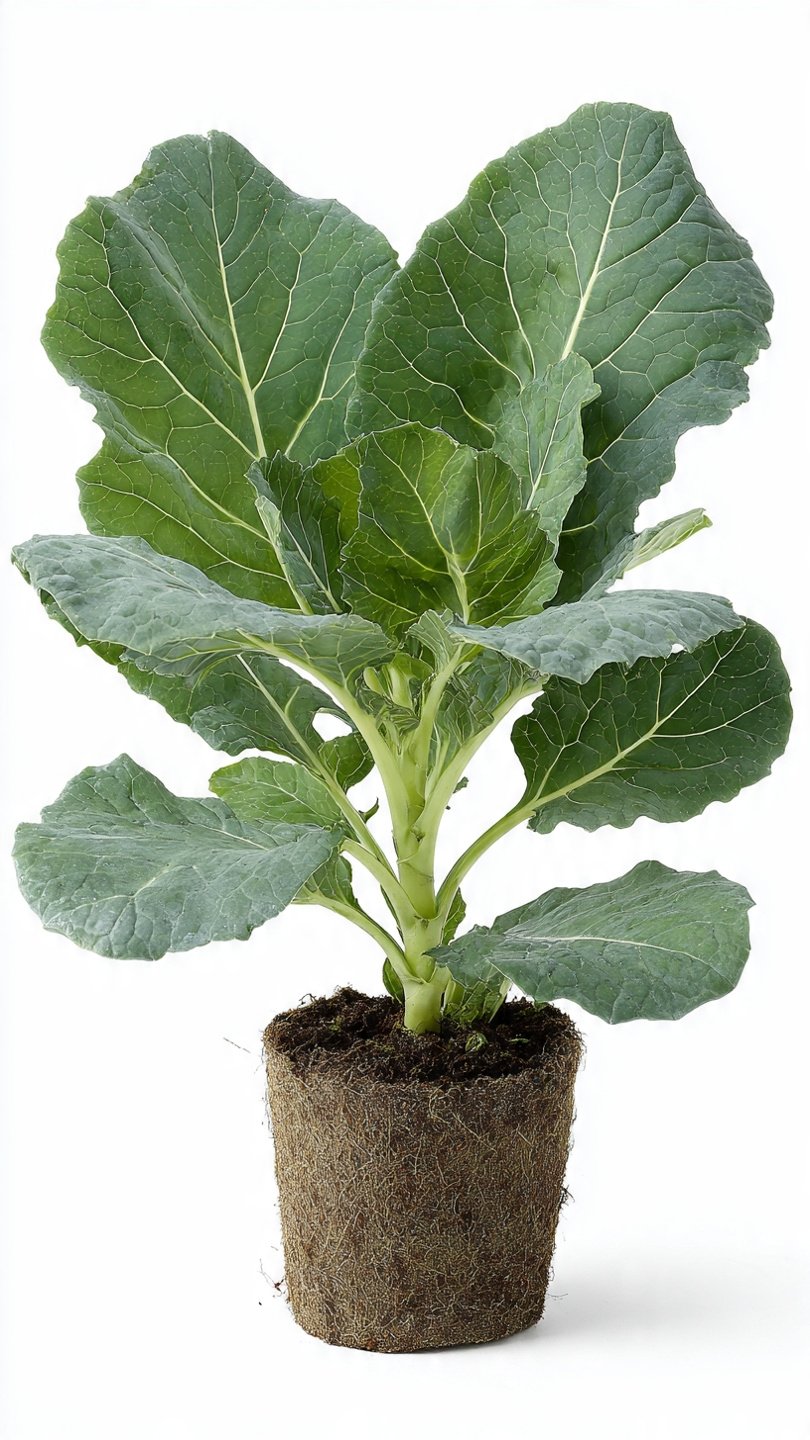
When to Start: You can begin harvesting individual outer leaves as soon as the plant reaches about 20cm to 30cm in height (roughly 6 to 8 weeks after planting).

The Method: Always harvest the outer, larger leaves first, leaving the central growing tip intact. The plant will continuously push out fresh, tender new leaves from the center.

For Livestock: If using it as animal fodder, cows, sheep, pigs, and chickens can graze the crop. Ensure you rotate them off the patch before they eat the plants down to the ground, allowing the roots to regenerate fresh forage.

Rape Medicinal / Nutritional Uses

The Nutritional and Health Benefits of Forage Rape (English Giant Essex)

Forage rape (Brassica napus var. napus), particularly the popular English Giant Essex variety, is widely known across South Africa as a robust pasture crop and winter fodder for livestock.

However, this fast-growing brassica doubles as an incredibly nutritious, health-boosting green for human consumption.

Belonging to the same cruciferous vegetable family as kale, cabbage, and broccoli, rape leaves are packed with potent medicinal properties and essential vitamins.

This comprehensive guide details the nutritional profile and traditional health benefits of forage rape greens.

🥗 The Exceptional Nutritional Profile of Forage Rape

Rape greens are a dark, leafy superfood. They are exceptionally low in calories but highly dense in micronutrients, making them an affordable and powerful addition to a healthy diet.

A standard serving of cooked rape greens delivers:

Vitamin K1: Essential for healthy blood clotting and bone mineralization.

Vitamin C: A powerful antioxidant that strengthens immune defense, builds collagen, and improves iron absorption.

Vitamin A (via Beta-Carotene): Crucial for maintaining sharp vision, skin cellular health, and immune function.

Calcium and Iron: Non-dairy plant calcium builds bone density, while iron supports oxygen transport in red blood cells.

Dietary Fibre: High soluble and insoluble fibre content promotes optimal digestion, regulates blood sugar, and supports gut health.

🧪 Top 4 Health & Medicinal Benefits

1. Packed with Cancer-Fighting Glucosinolates

Like all cruciferous vegetables, forage rape leaves contain high amounts of sulfur-rich compounds called glucosinolates.

When the leaves are chopped, chewed, or crushed, these compounds break down into active metabolites called isothiocyanates.

Clinical studies indicate that these specific phytochemicals help look after cells by neutralizing carcinogens, reducing systemic inflammation, and supporting the body’s natural detoxification pathways.

2. Robust Support for Cardiovascular and Heart Health

Dark green brassica leaves are highly effective at supporting a healthy circulatory system.

The soluble fibre and active plant sterols in rape greens help bind to bile acids in the digestive system, which assists the body in managing healthy, balanced cholesterol levels.

Additionally, their high potassium content helps relax blood vessels, naturally supporting healthy blood pressure.

3. Excellent Anti-Inflammatory and Antioxidant Defenses

Chronic inflammation is the root cause of many long-term health issues. Rape greens are rich in various antioxidants, including kaempferol and quercetin.

These plant flavonoids neutralize unstable free radicals, protect blood vessels from oxidative damage, and reduce inflammatory markers throughout the body.

4. Enhances Eye and Vision Vitality

The deep green color of English Giant Essex rape leaves indicates high concentrations of lutein and zeaxanthin.

These two specific carotenoid antioxidants accumulate directly in the retina of the human eye. Regular dietary intake helps shield the eyes from damaging blue light and lowers the long-term risk of age-related macular degeneration.

🍳 How to Prepare Rape Greens to Maximize Nutrients

To enjoy forage rape greens at their best, pick the young, tender leaves from your garden.

Older leaves can become somewhat tough and bitter.

The Sauté Method: Lightly steam or sauté the chopped leaves in healthy fats, like olive oil or butter, with garlic and a splash of lemon juice.

The healthy fats are essential because Vitamins A and K are fat-soluble, meaning your body requires fat to absorb them properly.

Avoid Overboiling: Do not boil the leaves in large amounts of water for long periods, as this leaches the water-soluble Vitamin C and B-vitamins straight out of the greens and into the discarded water.

⚠️ A Safety Note on Goitrogens

Like kale, cabbage, and spinach, raw brassicas contain naturally occurring substances called goitrogens.

In massive quantities, raw goitrogens can temporarily interfere with iodine uptake by the thyroid gland.

For the vast majority of people, this is completely harmless. However, people with pre-existing underactive thyroid conditions (hypothyroidism) should simply cook or steam the greens before eating.

Applying heat safely deactivates the goitrogenic enzymes while preserving the vast majority of the plant’s medicinal benefits.

Rape Growing Guide

The Complete Forage Rape Growing Guide: From Seed to Harvest in South Africa

Rape (English Giant Essex) is a robust, fast-growing brassica that has earned a permanent place in South African agriculture and backyard gardening.

Whether you are cultivating it as a nutrient-dense winter cover crop, high-protein livestock fodder, or as a continuous harvest of spinach-like greens for the kitchen, English Giant Essex delivers phenomenal yields.

This comprehensive guide outlines everything you need to know to successfully grow heirloom, non-GMO rape seeds in South African conditions.

📅 Quick Growth Reference

  • Best Sowing Windows: Late Summer to Autumn (February to May) or Early Spring (August to October)
  • Sunlight: Full Sun to Partial Afternoon Shade (6+ hours daily)
  • Soil Type: Loose, fertile, moisture-retentive yet well-draining soil
  • Soil pH: 6.0 to 7.0 (Slightly acidic to neutral)
  • Germination Time: 4 to 8 days
  • Days to Maturity: 60 to 90 days (Can be harvested much earlier for tender greens)

Step 1: Selecting and Preparing the Growing Area

Because English Giant Essex rape produces a massive amount of dense leaf biomass, it requires an abundance of nutrients from the get-go.

Sunlight Preference: Choose a spot that gets full sun. In hotter inland regions of South Africa during late summer, partial afternoon shade is acceptable.

Soil Nutrition: Dig the soil over to a depth of 20cm. Incorporate plenty of well-rotted manure or organic compost. Rape is a heavy feeder that thrives on the nitrogen provided by rich organic matter.

Ensure Free Drainage: While rape likes consistent moisture, it will suffer from root issues if left standing in stagnant, waterlogged clay.

Step 2: Sowing the Seeds

Rape seeds sprout exceptionally quickly and handle direct sowing beautifully, though they can also be raised in seed trays.

Sowing Depth: Plant seeds 6mm to 12mm deep into prepared soil.

Method 1 (Garden Rows): Create shallow furrows spaced 30cm to 40cm apart. Drop your seeds along the furrow and cover them lightly with fine soil.

Method 2 (Pasture Broadcasting): If planting widely as livestock forage or a winter cover crop, broadcast the seeds evenly across clear, loose ground and rake the area lightly to cover them.

Moisture Management: Water the soil gently with a fine spray nozzle. Keep the ground consistently moist until the green shoots emerge.

Pack Yield Capabilities: Since each premium heirloom packet contains over 100 seeds, home gardeners have a generous amount of seed stock to sow multiple successive rows throughout the planting season.

Step 3: Thinning and Spacing

Giving your rape plants proper breathing room allows them to reach their “Giant” genetic potential.

Timing: When the young seedlings grow to about 5cm to 7cm tall, it is time to thin them.

Spacing: Space individual plants 15cm to 20cm apart. If left crowded, the plants will produce smaller, tougher leaves on stunted stems.

Bonus Tip: The young seedlings pulled during thinning are tender, mild, and completely edible. Use them as microgreens in salads.

Step 4: Ongoing Maintenance for Maximum Yields

Watering: Provide regular, deep watering (roughly 25mm of water per week). Keeping the soil evenly moist keeps the leaves crisp and sweet; underwatered brassicas quickly turn tough and bitter.

Weeding: Keep the beds clean during the first month. Once the English Giant Essex leaves expand into a massive, broad canopy, they will naturally shade out and suppress competing weeds on their own.

Feeding: If leaf growth slows down or the foliage looks pale green, apply an organic, nitrogen-rich liquid fertilizer (such as fish emulsion or liquid seaweed) every 3 to 4 weeks.

Step 5: Harvesting (The “Cut-and-Come-Again” Method)

One of the greatest benefits of this variety is its incredible ability to bounce back and regenerate after a harvest.

When to Start: You can begin harvesting individual outer leaves as soon as the plant stands about 25cm to 30cm tall (roughly 6 to 8 weeks from sowing).

The Method: Always harvest the larger, outer leaves first by snapping them cleanly off near the base of the stem. Leave the central growing crown untouched. The plant will continuously push out fresh, tender new leaves from its center.

Livestock Grazing: If using the patch for livestock fodder, allow animals to graze the crop down but rotate them off before they eat the central crown down to the soil line. This allows the root systems to flush out fresh forage for a second and third grazing cycle.

Step 6: Pest Management

Aphids and Whiteflies: These are the most common pests for South African brassicas. Monitor the undersides of the broad leaves regularly. Treat early infestations with a gentle spray of organic insecticidal soap or a strong stream of water.

Cabbage Caterpillars: Green caterpillars can quickly riddle the large leaves with holes. Hand-pick them off or apply an organic biocontrol like Bacillus thuringiensis (Bt) if infestations become severe.

Rape Other Names

Forage Rape Names Around the World: Linguistic, Botanical, and Regional Guide

Rape (Brassica napus), specifically the heavy-yielding English Giant Essex variety, is an agricultural cornerstone across South Africa.

However, due to its diverse global uses as livestock fodder, a leafy kitchen green, and an oilseed crop, it goes by many different names across various languages and farming communities.

Understanding these alternative terms helps South African gardeners and farmers research historical planting techniques, identify international seed varieties, and understand global culinary recipes.

This guide outlines the names and classifications of the rape plant to improve your gardening vocabulary.

🧬 The Ultimate Botanical Classification

Scientific Name: Brassica napus var. napus (alternatively classified as Brassica napus L.)

Family: Brassicaceae (The mustard, cabbage, or cruciferous family)

Related Species: Kale (Brassica oleracea var. sabellica), Cabbage (Brassica oleracea var. capitata), Mustard (Sinapis alba), and Turnips (Brassica rapa subsp. rapa).

The genus name Brassica is the classical Latin word for cabbage. The species epithet napus stems from the ancient Greek and Latin words for turnip, highlighting the plant’s close relationship to root brassicas.

🇿🇦 Regional South African Names

Because South Africa is a multilingual nation with deep agricultural roots, this crop is recognized by several distinct names across different provinces and languages:

Forage Rape / Fodder Rape: English (The standard terms used by local farmers and seed merchants to distinguish it from oilseed varieties).

Voerraap: Afrikaans (Literally translating to “feed turnip,” used extensively in local livestock farming communities).

I-Rape: isiZulu (A common phonetic adaptation used by local smallholders and home gardeners).

I-Rape: isiXhosa

🌍 International Names (Major Languages)

If you are reading global farming journals, overseas seed catalogs, or international culinary blogs, you will regularly encounter forage rape under these primary translations:

Colza fourrager: French

Colza forrajero: Spanish

Futterraps: German

Colza da foraggio: Italian

Couve-nabiça: Portuguese (Often used in culinary contexts to describe the edible leafy greens).

Rapshonets (Рапсонец): Russian

🥬 Crop-Specific Market Terms and Confusions

Depending on how the plant is processed, marketed, or grown, Brassica napus shares its identity with several major global commodities.

Understanding these terms prevents confusion:

Canola: This is the most common point of confusion.

Canola is a specific, registered trademark name for specialized varieties of Brassica napus that were naturally bred in Canada to be low in erucic acid and glucosinolates for safe cooking oil production.

While forage rape and Canola share the same scientific name, English Giant Essex is bred specifically for massive leaf biomass, not for commercial oil extraction.

Oilseed Rape (OSR): A broad commercial term used in the UK and Europe for fields of Brassica napus grown primarily to harvest the seeds for industrial oils, biofuels, and animal meal.

Rape Greens / Rapini: In international culinary spaces, the young, tender leaves of the plant are often sold simply as “Rape Greens” or grouped alongside “Rapini” (though true Italian Rapini or Broccoli Rabe is technically from the Brassica rapa family).

📜 Historical and Folk Nicknames

Throughout agricultural history, Brassica napus has accumulated a few traditional nicknames:

Cole / Cole-seed: An ancient English term derived from the Latin caulis (meaning stem or stalk). This historic term was used by early European settlers to describe all leafy cultivated brassicas before modern naming standards took over.

Winter Forage: A common historical folk name given to the plant by European farmers due to its legendary ability to stay green and vibrant during heavy winter frosts when other pastures died off.

Shopping Basket
0
    0
    Your Cart
    Your cart is emptyReturn to Shop
    Scroll to Top