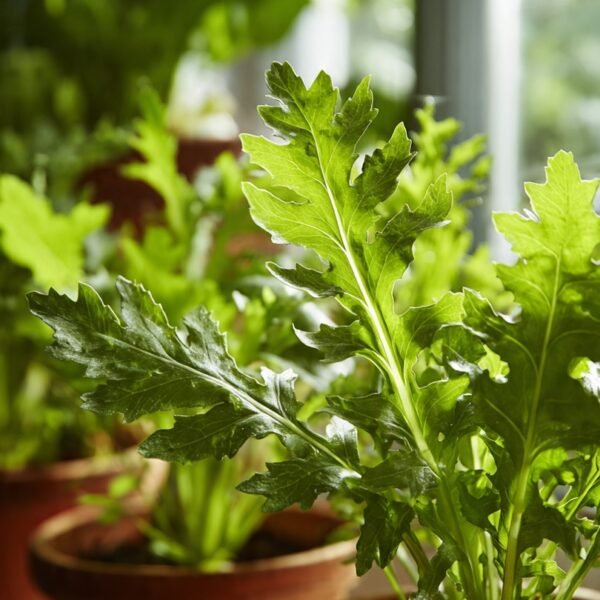
,

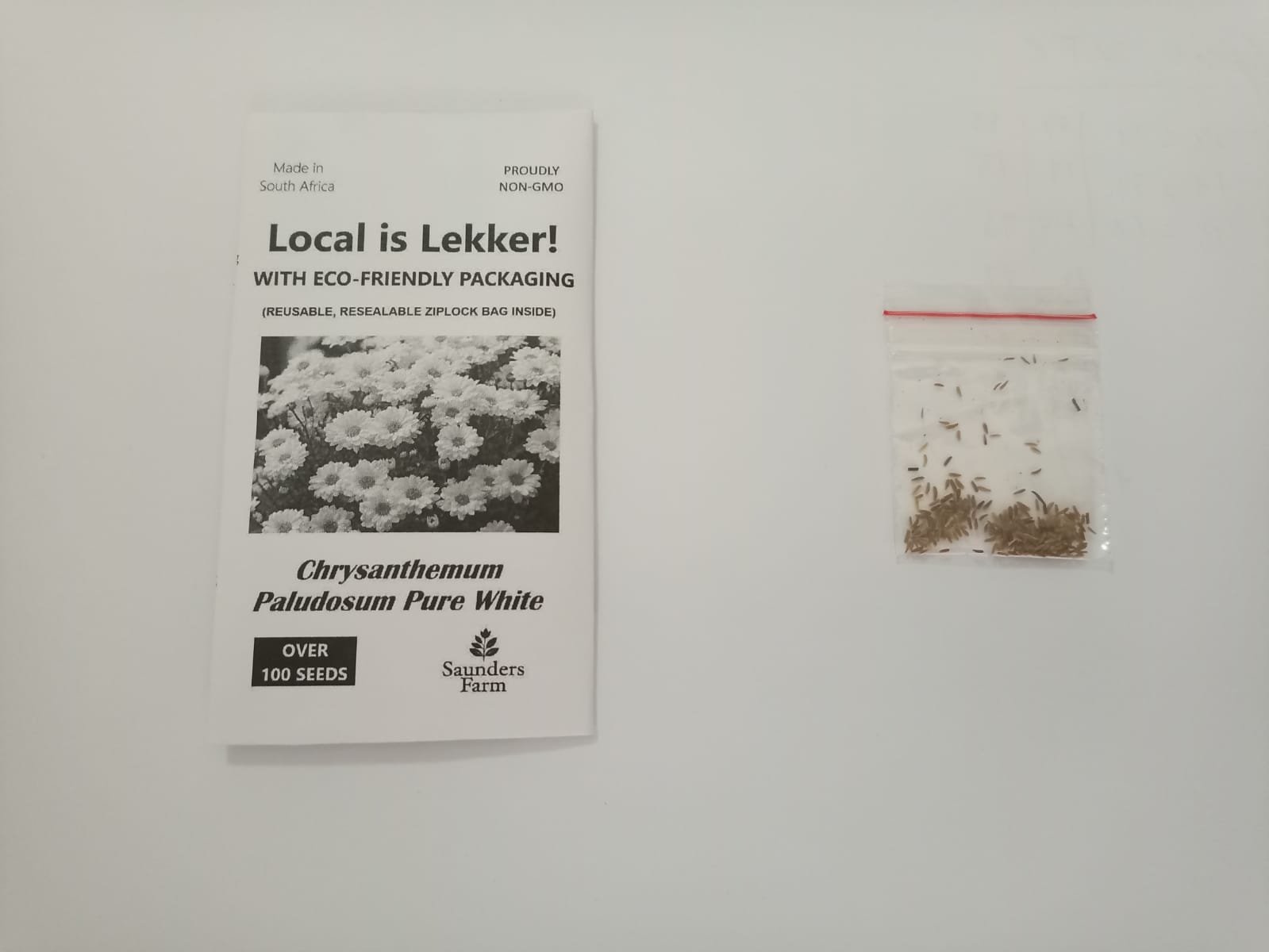
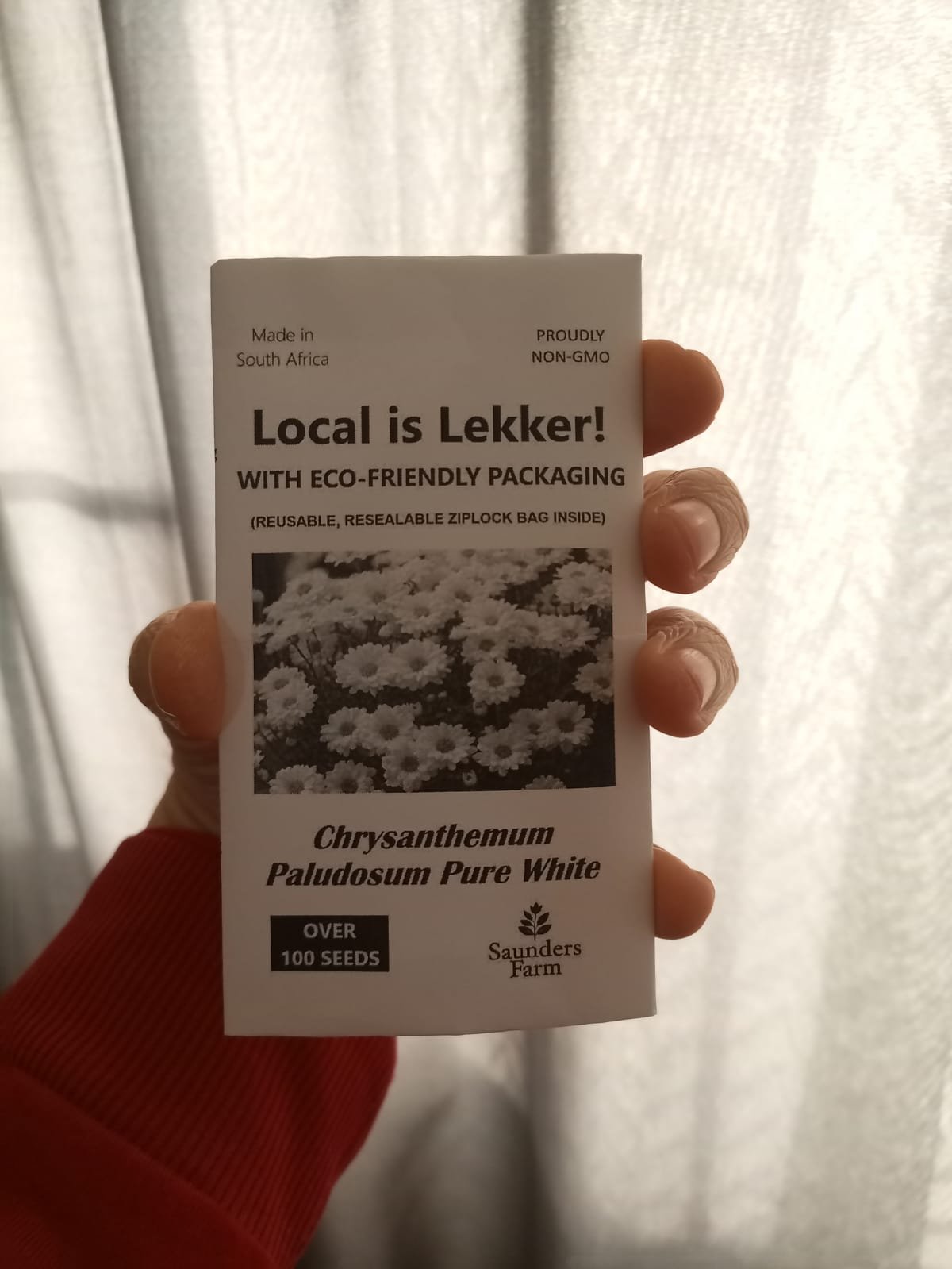
Chrysanthemum Paludosum Pure White – Over 100 Seeds

R15.00

Excluding shipping
  • Over 100 Chrysanthemum (Paludosum Pure White) Seeds
  • Join our WhatsApp Group to see when this product goes on special: https://chat.whatsapp.com/Ly1HQgXpYGXL2ffDGXUl4G
  • Proudly non-GMO
  • ECO-FRIENDLY: Biodegradable packaging with resealable, reusable plastic Ziplock bag inside
  • Made in South Africa, for South Africa
  • Comment below to sign up for new product alerts

Availability: 51 in stock

Guaranteed Safe Checkout

Chrysanthemum (Paludosum Pure White) Seeds – Heirloom & Non-GMO

Bring classic, cheerful charm to your garden with our premium Paludosum Pure White Chrysanthemum seeds.

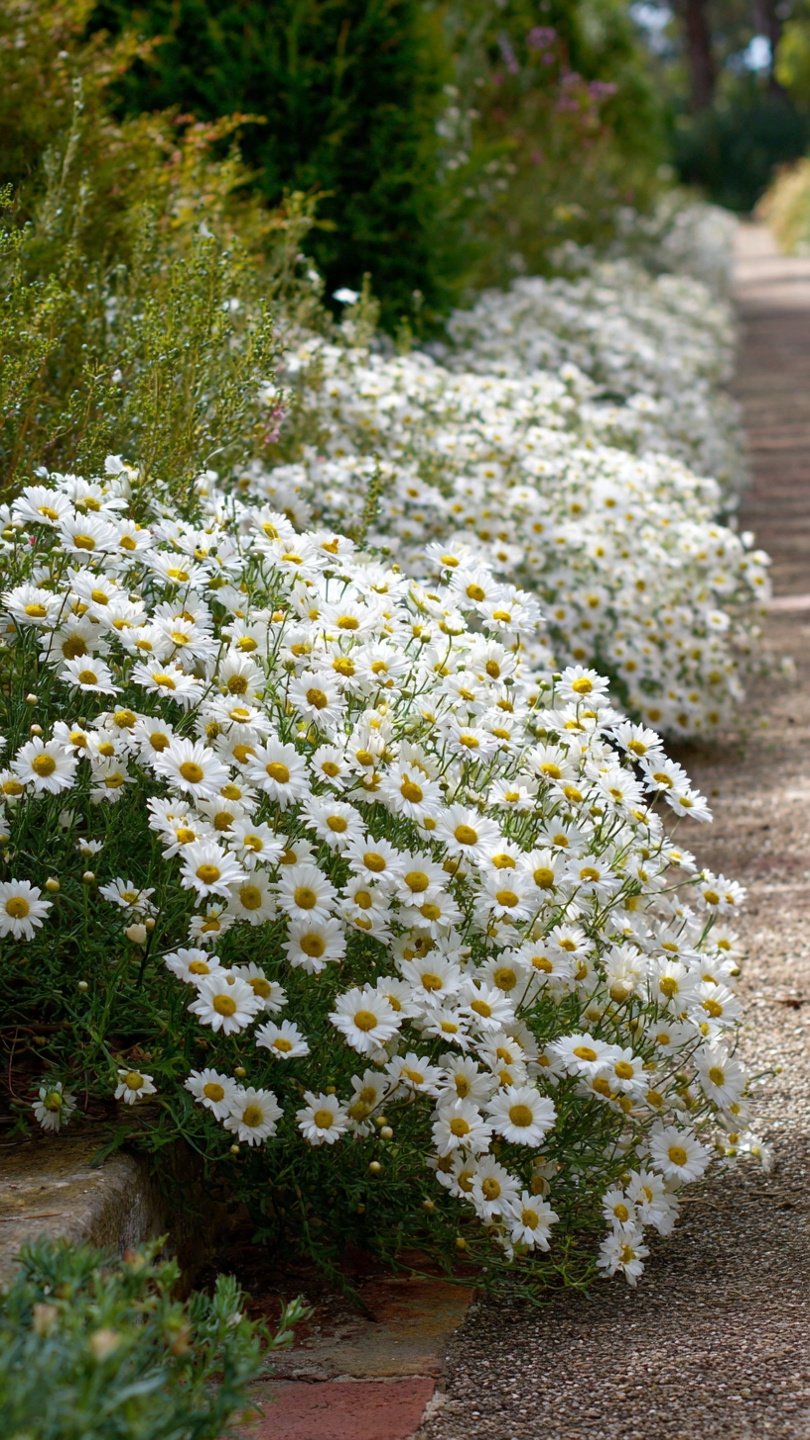
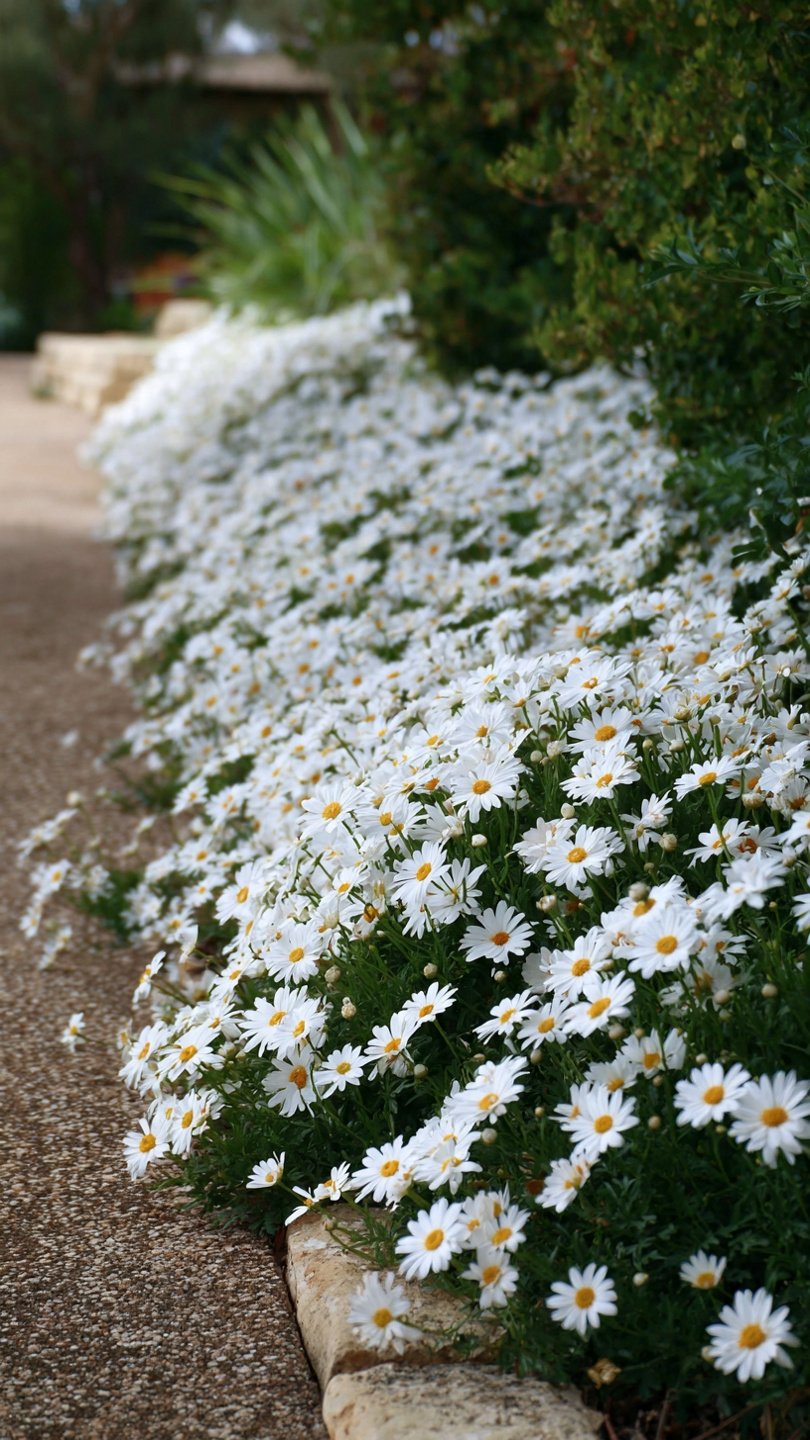
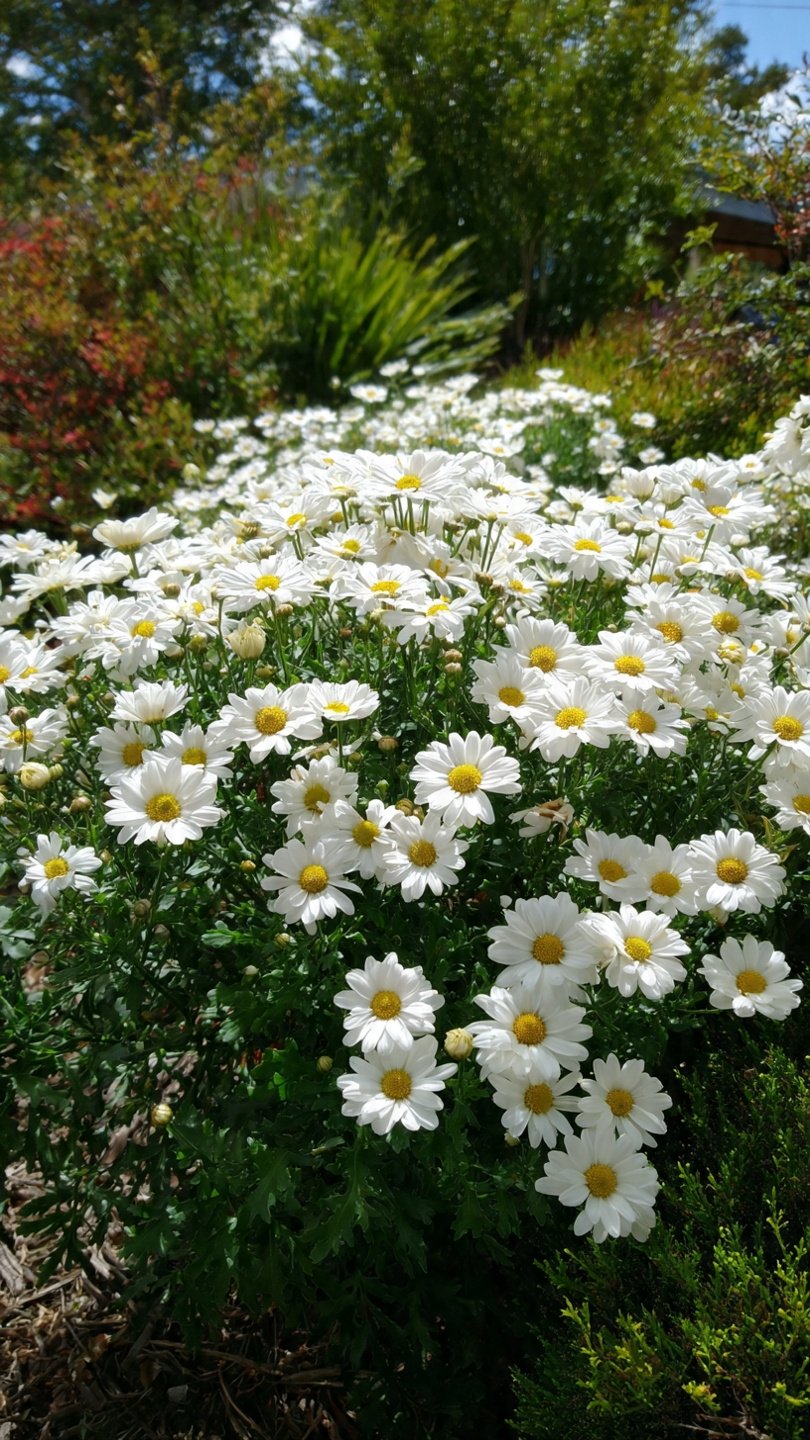
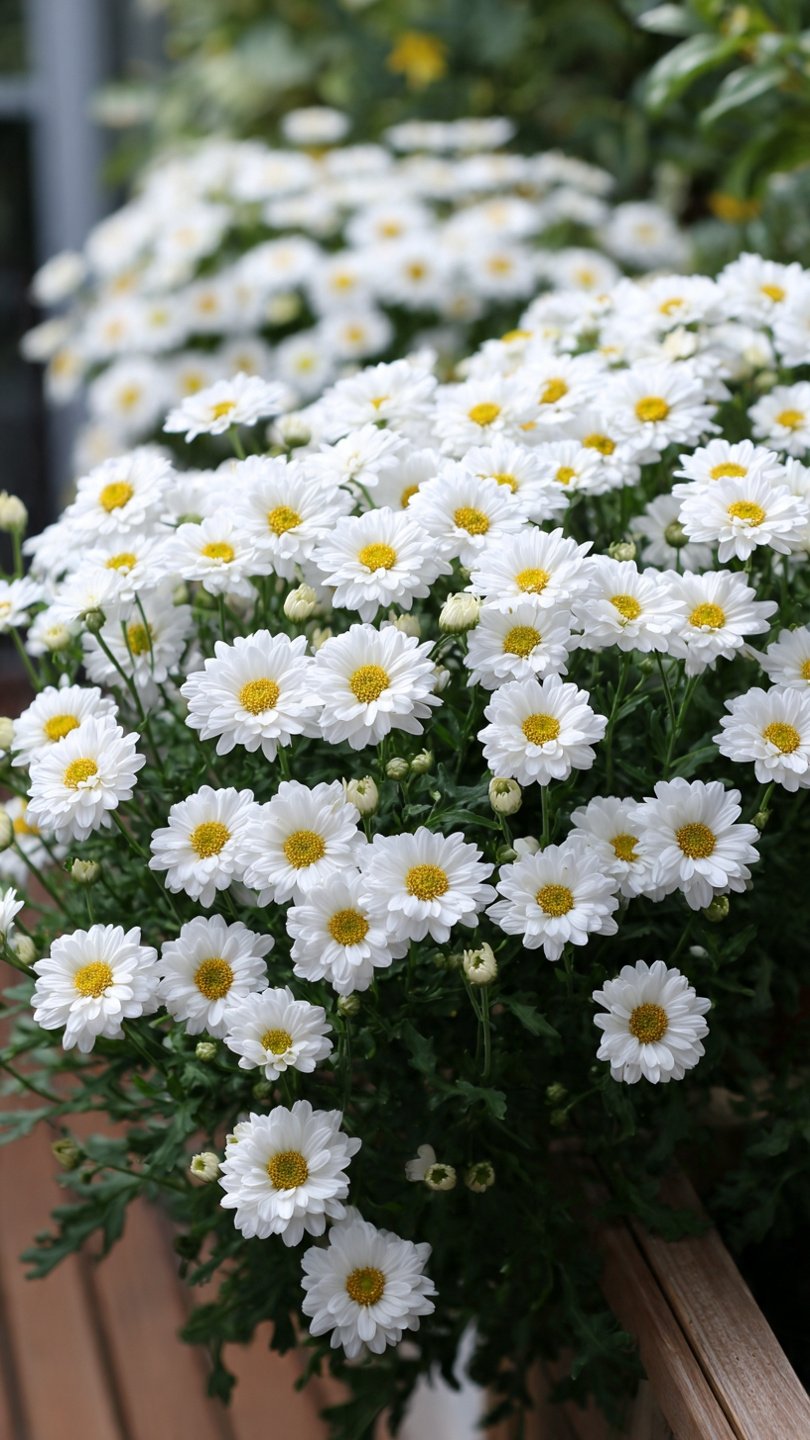
Commonly known as the Creeping Daisy or Mini Marguerite, this delightful heirloom variety produces a profusion of bright white petals surrounding a sunny yellow center.

Specially selected for South African climates, these non-GMO flower seeds are perfect for creating dense borders, lush groundcovers, and vibrant container displays.

Paludosum daisies are highly favored by South African gardeners for their exceptional hardiness and long blooming season, lasting from early spring right through to the autumn months.

These low-growing, bushy plants are incredibly easy to grow from seed, making them ideal for filling empty garden beds, edging walkways, or spilling beautifully over the sides of patio pots and window boxes.

Product Features

  1. Premium Quality: Heirloom, non-GMO, and open-pollinated flower seeds.
  2. Generous Quantity: Each pack contains over 100 seeds for widespread garden planting.
  3. Abundant Blooms: Produces a continuous, carpet-like display of miniature white daisies.
  4. Low Maintenance: Highly resilient, drought-tolerant once established, and low-growing.
  5. South African Climate Ready: Thrives in full sun and adapts easily to a variety of local soils.

Growing Instructions

Sowing Depth: Sow seeds shallowly, about 2mm deep, or lightly press into the soil surface.

Spacing: Space seedlings approximately 20cm to 25cm apart.

Germination: Takes 10 to 14 days under warm, moist conditions.

Sunlight: Full sun to very light afternoon shade.

Watering: Water regularly until established; drought-tolerant thereafter but appreciates consistent moisture.

Care Tip: Pinch out the growing tips of young plants to encourage a tighter, bushier habit with more flowers.

logo simple

Stop Killing Your Seeds!

5 Germination Mistakes Gardeners Must Stop Immediately

Get this free guide (5 minute read) and The Printable Monthly Growing Guide for South Africa (also free), via email:

We don’t spam! Read our privacy policy for more info.

Reviews

There are no reviews yet.

Be the first to review “Chrysanthemum Paludosum Pure White – Over 100 Seeds”

Your email address will not be published. Required fields are marked *

How to Grow Chrysanthemum from Seed

How to Grow Chrysanthemums from Seed: A Step-by-Step South African Guide

Growing chrysanthemums from seed is an easy, budget-friendly way to carpet your garden in cheerful blooms.

While many people think of large exhibition pom-poms when they hear “chrysanthemum,” low-growing heirloom varieties like our Paludosum Pure White (Creeping Daisy) offer a completely different charm.

They form a dense, low-maintenance groundcover of miniature, snow-white daisies that bloom for months on end.

Raising these hardy flowers from seed is incredibly straightforward. This comprehensive guide walks you through how to grow them successfully under South African conditions.

Understanding Paludosum Chrysanthemum Preferences

To ensure maximum germination and abundant flowering, keep these three basic preferences in mind:

Climate: Paludosum daisies love the sun and thrive in warm weather. However, they are remarkably tough and can tolerate light winter frosts in cooler inland regions.

Sunlight: They require full sun—at least 6 hours of direct sunlight daily—to push out their characteristic mass of white petals.

Soil: They prefer loose, moderately fertile, well-draining soil. They are highly adaptable to poor soils but will struggle in heavy, compacted clay that holds water.

Step 1: When to Plant in South Africa

Timing your planting correctly ensures your young seedlings don’t get scorched or frosted out:

Inland Regions (Gauteng, Free State, North West): Sow seeds indoors or in a protected seed tray in late winter (July to August) for early spring planting. Alternatively, sow directly into garden beds from September to November.

Winter Rainfall Regions (Western Cape): Plant out from mid-to-late spring (September and October) as the rainy winter weather begins to transition into warm, dry summer days.

Subtropical Regions (KZN Coast): Sow seeds during the cooler autumn or winter months (April to July) to allow the plants to bloom beautifully before the extreme humidity of mid-summer peaks.

Step 2: Sowing the Seeds (In Trays or Directly)

Because our premium heirloom packs contain over 100 seeds, you have plenty of options. You can start them in trays to protect them from birds, or sow them directly into the ground for a natural wildflower look.

Method A: Starting in Seedling Trays (Recommended)

Fill a clean seedling tray with a high-quality, fine-textured seed-starting mix.

Moisten the soil thoroughly before planting.

Sow the seeds very shallowly—about 2mm deep—or simply scatter them on the surface and press them down gently with your thumb. They need a tiny bit of ambient light to trigger germination.

Mist carefully with a spray bottle so you don’t bury the seeds too deeply.

Method B: Direct Sowing in the Garden

Clear the chosen garden bed of all weeds and rocks. Turn over the top 10cm of soil and rake it smooth.

Scatter the seeds evenly across the damp soil surface and rake very lightly to barely cover them.

Step 3: Germination and Early Care

Moisture Control: Whether in a tray or the ground, the soil surface must stay consistently damp but never waterlogged. Use a fine-mist setting on your hose or spray bottle.

Timeframe: Under warm, moist conditions (around 15°C to 20°C), your Paludosum Chrysanthemum seeds will sprout within 10 to 14 days.

Light Exposure: As soon as green shoots appear, ensure they get plenty of bright light. If growing indoors on a windowsill, turn the tray daily so the seedlings don’t lean and grow weak.

Step 4: Thinning and Spacing

Once your seedlings reach about 5cm tall and display a few jagged, true leaves, they need room to spread horizontally.

In Garden Beds: Thin the young plants out by snipping the weaker ones away. Aim for a final spacing of 20cm to 25cm apart.

Transplanting Trays: If you raised them in trays, wait until they are 5cm to 8cm tall. Carefully dig out each plug, keeping the root ball intact, and plant them out into their permanent garden home or patio pots.

Step 5: Ongoing Care for a Carpet of Daisies

The “Pinch” Trick for Maximum Blooms

When your young plants reach about 8cm to 10cm tall, use your fingers to pinch off the very top growing tip of the main stem. This feels counterintuitive, but it forces the plant to send out multiple side branches.

Instead of one single stem, you will get a tight, bushy mound capable of producing three times as many flowers.

Watering and Feeding

Watering: Water deeply at the base once or twice a week. While established Paludosum daisies are quite drought-tolerant, they will bloom far longer and look much lusher if the soil stays evenly moist.

Fertilizing: They are not heavy feeders. Mix a bit of organic compost into the soil at planting time. If you want a massive burst of flowers, give them a dose of balanced, organic liquid fertilizer once a month during spring and summer.

Deadheading

As the flowers fade and turn brown, snip or pinch them off. This prevents the plant from wasting energy making seeds and forces it to continuously push out fresh white buds from spring until the first autumn cold snaps arrive.

Chrysanthemum Growing Guide

Paludosum Chrysanthemum Growing Guide: From Seed to South African Daisy Carpet

Paludosum Chrysanthemums (Mauranthemum paludosum, formerly Chrysanthemum paludosum) are the ultimate choice for adding low-maintenance, cheerful color to your garden.

Commonly known as the Creeping Daisy or Mini Marguerite, this heirloom variety produces a dense carpet of crisp white petals wrapped around sunny yellow centers.

Highly favored for their exceptional hardiness and prolific flowering cycle, these low-growing, bushy plants bloom non-stop from early spring right through to late autumn.

Whether you want to edge a sunny walkway, fill an empty flower bed, or create a cascading display in patio window boxes, this definitive guide provides all the practical steps you need to succeed.

Quick Reference Facts

Botanical Name: Mauranthemum paludosum (formerly Chrysanthemum paludosum)

Common Names: Creeping Daisy, Mini Marguerite, Paludosum Daisy

Plant Type: Hardy annual / Short-lived perennial

Sun Exposure: Full sun (minimum 6 hours of direct sunlight daily)

Soil Requirements: Loose, moderately fertile, well-draining soil

Ideal Soil pH: Neutral to slightly alkaline (6.5 to 7.5)

Sowing Depth: Shallow (2mm deep or surface sown)

Germination Time: 10 to 14 days

Spacing: 20cm to 25cm apart

Time to Flower: 12 to 14 weeks from sowing

When to Plant Paludosum Daisies in South Africa

Paludosum chrysanthemums love warm sunshine but are remarkably tough. They handle our local heat beautifully and can tolerate light winter frosts in cooler regions once established.

Inland Frost Regions (Gauteng, Free State, Highveld): Sow your seeds indoors or in a protected seed tray during late winter (July to August) for early spring planting. Alternatively, sow them directly into outdoor garden beds from September to November once frost risks disappear.

Winter Rainfall Regions (Western Cape): Sow seeds from mid-to-late spring (September and October) as the heavy winter rains clear and transition into warm, bright summer days.

Subtropical Regions (KwaZulu-Natal coast, Limpopo): Plant out during the cooler, milder autumn and winter months (April to July) to let the plants bloom before the intense humidity of mid-summer peaks.

Step 1: Choosing Your Sowing Method

Because our premium heirloom packs contain over 100 seeds, you have plenty of flexibility.

You can start them in seedling trays to maximize your germination rates or sow them directly into the ground for a natural, meadow-like look.

Method A: Starting in Seedling Trays (Recommended)

Fill a clean seedling tray with a high-quality, fine-textured seed-starting mix.

Pre-water the soil thoroughly before planting so it is evenly damp but not muddy.

Place the seeds onto the surface. Press them down very gently using your fingertip or cover them with a incredibly thin 2mm layer of fine vermiculite or mix. The seeds need a tiny bit of ambient light to trigger growth.

Mist the surface carefully with a spray bottle so you do not wash the tiny seeds away.

Method B: Direct Sowing in the Garden

Clear your chosen garden bed completely of all weeds, grass, and large rocks. Turn over the top 10cm of soil and mix in a layer of rich, organic compost to boost drainage.

Rake the soil until it is perfectly smooth. Scatter the seeds evenly across the damp soil surface and rake very lightly to barely cover them.

Step 2: Germination and Early Care

Moisture Management: The absolute golden rule of germination is to never let the soil surface dry out completely. Keep it consistently damp using a fine-mist setting on your hose or spray bottle.

Patience: Under warm, moist conditions, your Paludosum Chrysanthemum seeds will sprout within 10 to 14 days.

Light Exposure: Move your sprouted seedlings to an exceptionally bright windowsill, a sunny greenhouse tray, or an outdoor spot with direct morning light. If they do not receive enough light, the stems will grow tall, thin, and weak.

Step 3: Thinning and Spacing

Once your young seedlings reach about 5cm tall and display a few deeply lobed “true leaves,” they need room to spread their roots horizontally.

In Garden Beds: Thin the young plants out by using sharp scissors to snip the weaker ones away at ground level. Aim for a final spacing of 20cm to 25cm apart.

Transplanting Trays: If you raised them in trays, wait until they are 5cm to 8cm tall. Carefully lift out each seedling plug, keeping the root ball intact, and plant them out into their permanent garden beds or patio pots.

Step 4: Ongoing Care for an Abundant Carpet of Daisies

The “Pinch” Trick for Bushier Growth

When your young plants reach about 8cm to 10cm tall, use your fingers to pinch off the very top growing tip of the main central stem. This forces the plant to send out multiple side branches.

Instead of a single, leggy stem, you will get a tight, mounded cushion capable of producing triple the amount of white flowers.

Watering Rules

Water your daisies deeply at the root zone once or twice a week. While established Paludosum daisies are quite drought-tolerant, they will bloom far longer and look much lusher if the soil stays evenly moist.

Avoid daily shallow splashes, which encourage weak, shallow root systems.

Feeding and Nutrition

These creeping daisies are not heavy feeders and thrive in poor soils. Mixing a bit of organic compost into the soil at planting time is usually enough.

If you want a massive, show-stopping burst of flowers mid-season, give them a single dose of balanced, organic liquid fertilizer.

Deadheading (Pinching Faded Blooms)

As individual daisy heads fade and turn brown, snip or pinch them off right below the flower base. This stops the plant from wasting its energy making seeds and forces it to continuously push out fresh white buds from spring until the first winter cold snaps arrive.

Companion Planting Tips

Paludosum chrysanthemums naturally produce low levels of pyrethrins, which act as a mild, natural insect deterrent in the garden. Use them strategically as companion plants:

Vegetable Beds: Plant them as a living border around tomatoes, lettuces, and carrots to deter common insect pests naturally.

Pollinator Alliances: Pair them with blue or purple flowers like salvias, lavenders, or lobelia. The high-contrast color scheme turns your garden into a massive magnet for local South African honeybees and butterflies.

Chrysanthemum Other Names

A Guide to Chrysanthemum’s Other Names: Botanical, Common, and South African Terms

When shopping for flower seeds like our Paludosum Pure White online, navigating the world of plant names can sometimes feel confusing.

Depending on whether you are reading an international landscaping blog, looking at a classical gardening book, or chatting with local growers in your province, you will find that this cheerful flower goes by several different names.

Understanding these alternative names helps you ensure you are buying the exact creeping, low-growing daisy variety you want for your garden beds and pots.

This guide breaks down the botanical, common, and local terms for this beautiful white flower.

1. The Botanical Name (Scientific Classification)

Current Official Name: Mauranthemum paludosum

Historical Name (Still widely used): Chrysanthemum paludosum

The Breakdown: For decades, this plant was officially classified under the massive Chrysanthemum genus.

While modern botanists recently moved it into its own genus, Mauranthemum, the vast majority of seed suppliers, commercial nurseries, and gardeners worldwide still list it under its famous historical name, Chrysanthemum paludosum.

The Meaning: The species name paludosum comes from Latin, meaning “boggy” or “marshy,” hinting at the plant’s natural love for consistent soil moisture, even though it adapts beautifully to standard garden beds.

2. Common Culinary and Landscaping Names

Because this plant produces masses of tiny, flat, open-faced white flowers, it has earned several highly descriptive common names globally:

Creeping Daisy: This is the most popular common name for the variety. It perfectly describes the plant’s low-growing, spreading habit as it weaves across the ground to form a dense floral carpet.

Mini Marguerite: In many European countries, “Marguerite” is the traditional name for large daisies. Because our Paludosum variety looks like a perfect, scaled-down version of these classic flowers, it earned this charming nickname.

Swamp Daisy: A direct translation of its botanical species name, though slightly misleading since the plant prefers well-draining garden soil rather than actual swampland!

3. Local South African Names and Common Plant Confusion

In South Africa’s diverse gardening community, names often shift depending on the language spoken or the region you are planting in:

Kruipmadeliener (Afrikaans): This is the direct translation for Creeping Daisy widely used across local nurseries and farming communities in the Western Cape, Free State, and Gauteng.

The “Daisie” or “Wandle-Wandle” (Casual Local Terms): While “Petunia” or “Parsley” have specific phonetic translations, most local language groups use the descriptive word for “small white daisy” to identify this plant in community gardens.

The Tea Plant Confusion (Chrysanthemum morifolium): This is a critical distinction for online shoppers. If you are looking for the specific chrysanthemum used to brew traditional, healing herbal teas (known as Ju Hua), you are looking for Chrysanthemum morifolium.

Our Paludosum Pure White seeds are an ornamental variety grown for visual beauty, natural pest deterrence, and pollinator support, not for brewing tea.

Why Choose Paludosum Pure White Seeds?

No matter what name you prefer to use, our premium heirloom seeds are selected for their incredible resilience in local soils.

Unlike highly sensitive, modern hybrid flowers, these open-pollinated creeping daisies are tough, highly heat-tolerant, and incredibly prolific.

Note: Each of our premium packs contains over 100 seeds, giving you more than enough to sow a massive, continuous carpet of snow-white blooms across your garden.

Shopping Basket
0
    0
    Your Cart
    Your cart is emptyReturn to Shop
    Scroll to Top