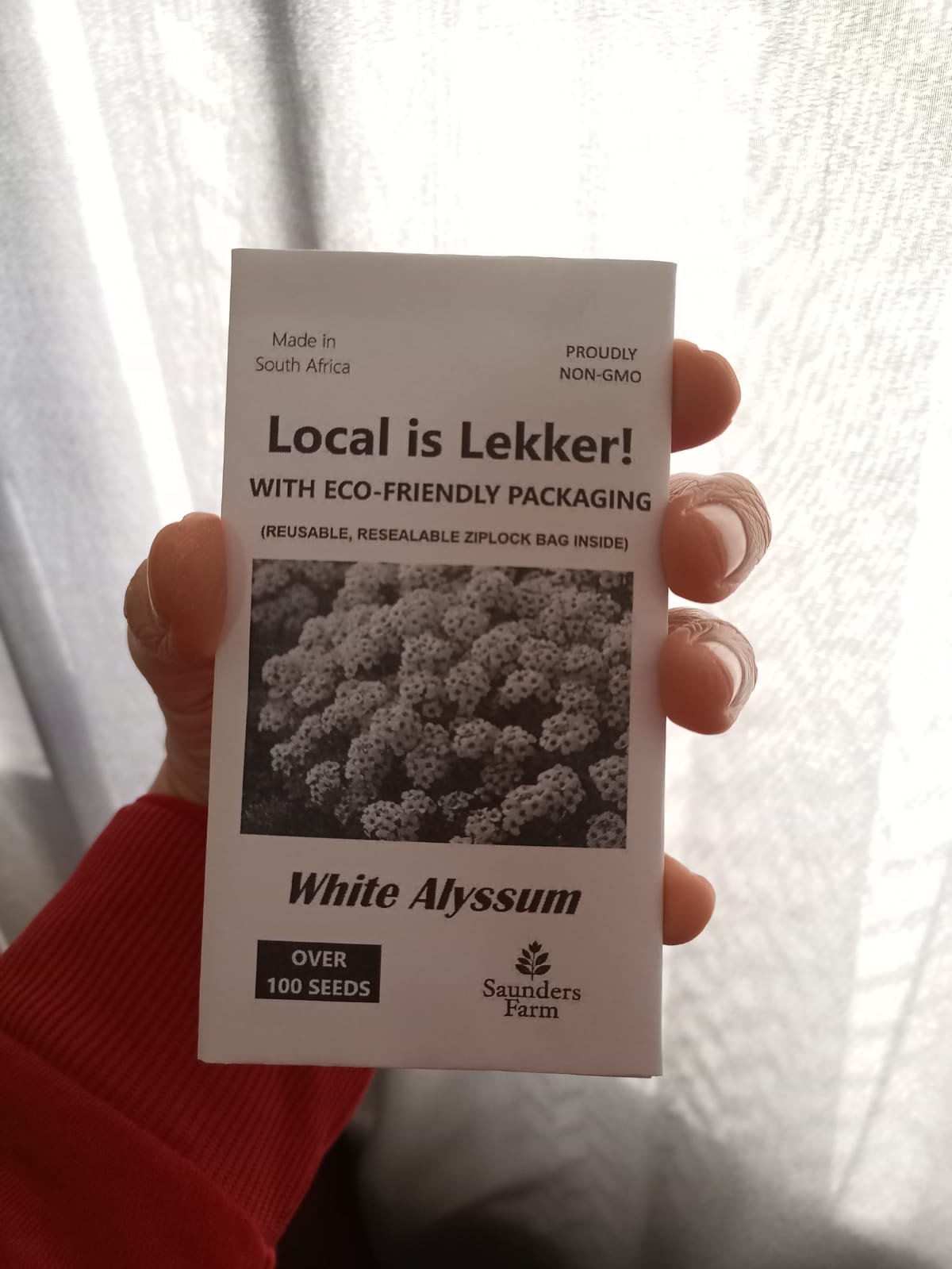
,

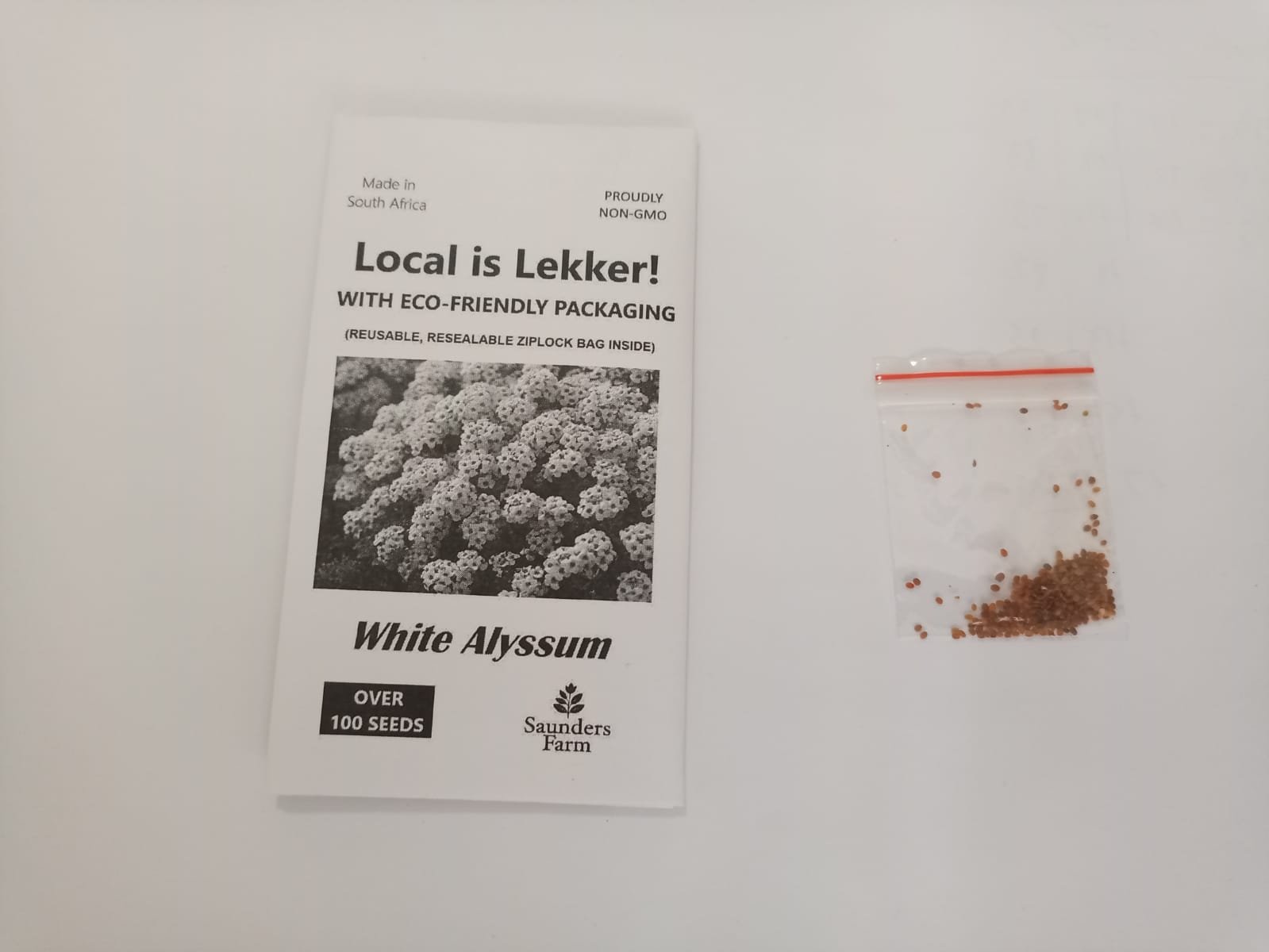
White Alyssum – Over 100 Seeds

R15.00

Excluding shipping
  • Over 100 Alyssum (White) (Snow Cloth) Seeds
  • Join our WhatsApp Group to see when this product goes on special: https://chat.whatsapp.com/Ly1HQgXpYGXL2ffDGXUl4G
  • Proudly non-GMO
  • ECO-FRIENDLY: Biodegradable packaging with resealable, reusable plastic Ziplock bag inside
  • Made in South Africa, for South Africa

Availability: 130 in stock

Guaranteed Safe Checkout

White Alyssum Snow Cloth Seeds (Heirloom & Non-GMO) – Over 100 Seeds

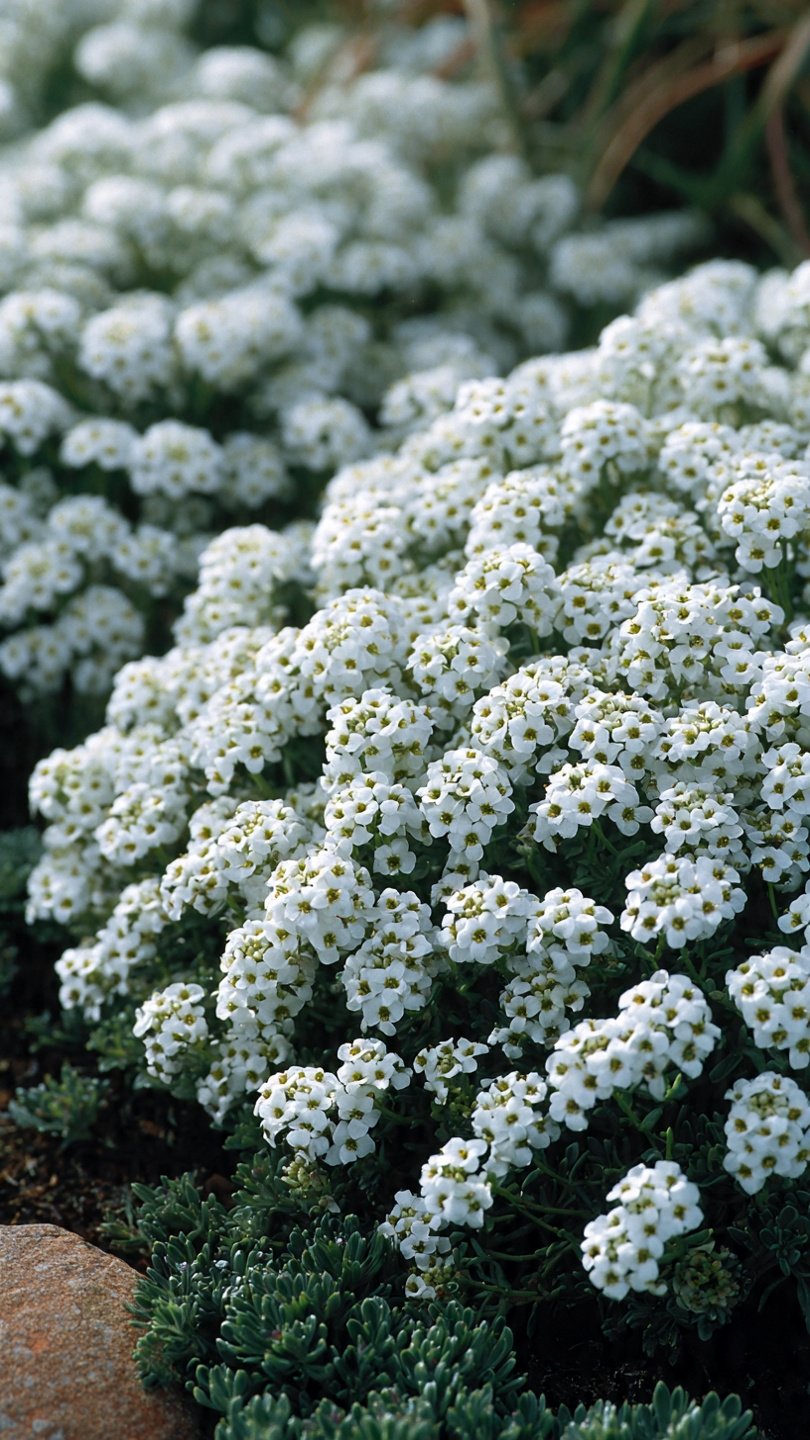
Transform your garden borders into a breathtaking blanket of pure white with our premium White Alyssum Snow Cloth seeds (Lobularia maritima).

A classic favorite among South African gardeners, the ‘Snow Cloth’ variety is a fast-growing, low-maintenance annual groundcover famous for creating a dense, low-growing carpet of honey-scented blossoms.

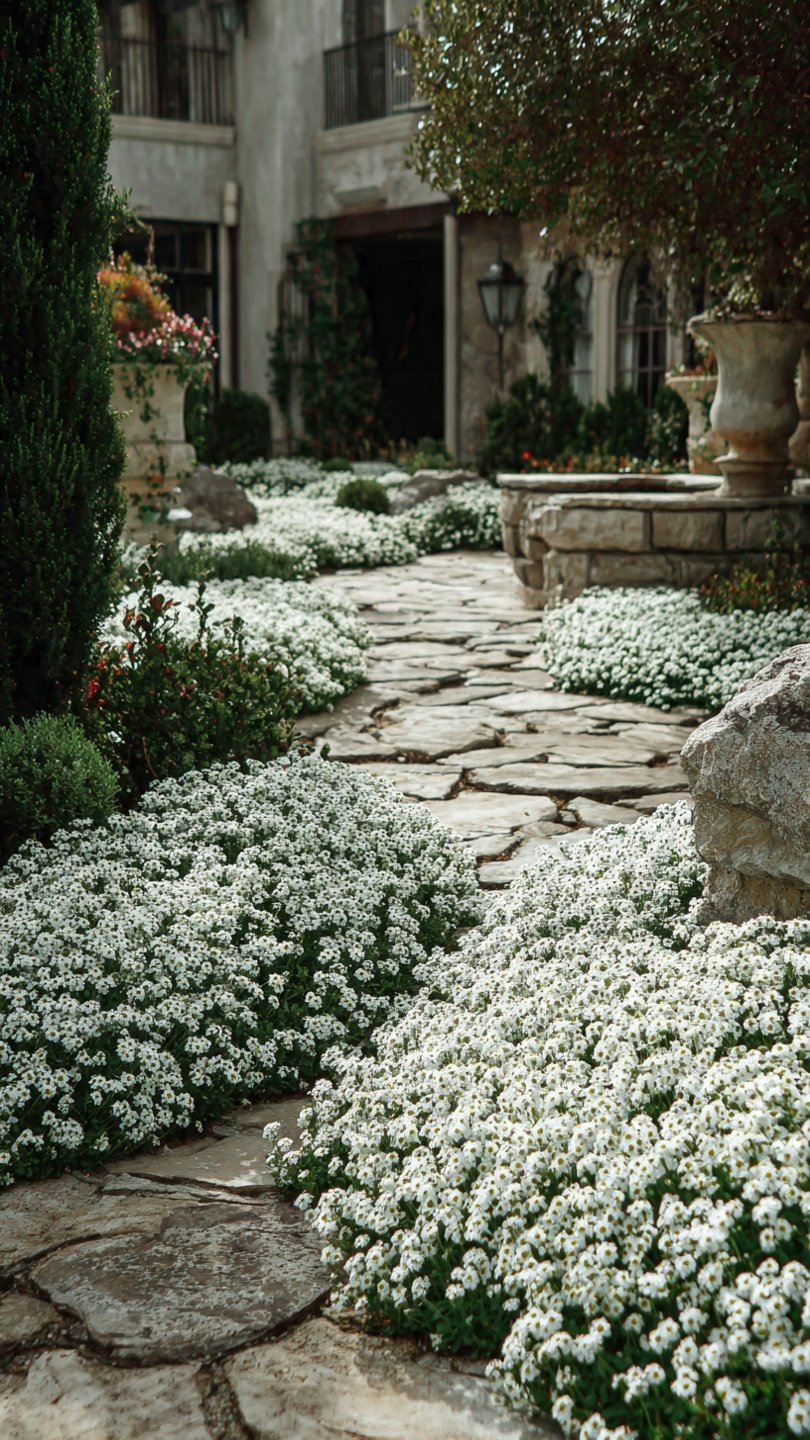
Whether cascading over retaining walls, filling gaps in paving stones, or edging sunny garden beds, this resilient flower delivers unmatched beauty with minimal effort.

Our heirloom, non-GMO White Alyssum seeds offer exceptional germination rates and adapt beautifully to South Africa’s diverse climate zones.

From the frosty winters of the Highveld to the breezy coastal areas, this tough little plant brings year-round charm to your outdoor spaces.

Why Choose Our White Alyssum Snow Cloth Seeds?

  1. Honey-Scented Blooms: Emits a delightful, sweet fragrance that fills the air on warm, sunny days.
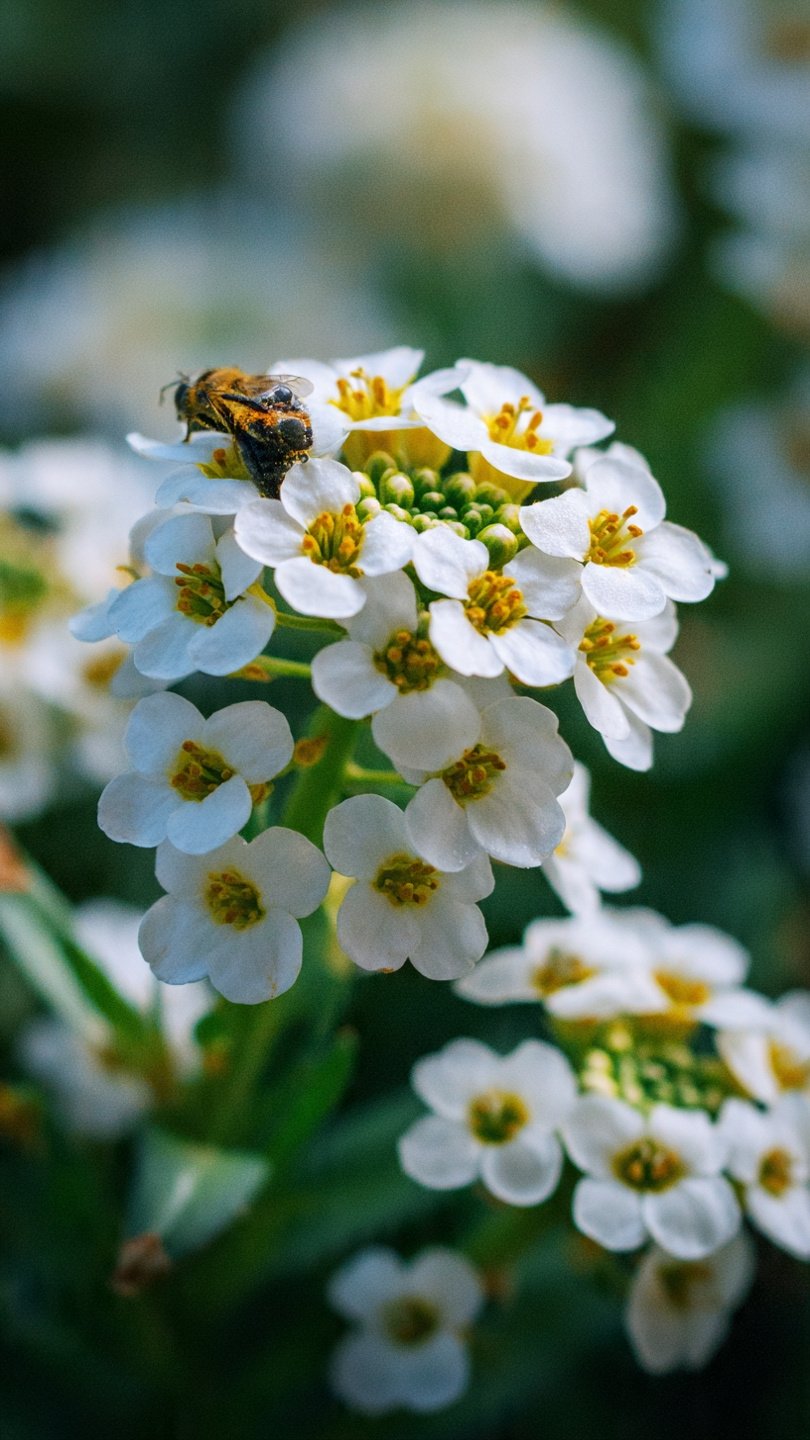
  2. Natural Pest Control: Alyssum is a powerful companion plant. The flowers attract beneficial insects like hoverflies and predatory wasps, which naturally protect your nearby vegetables from aphids.
  3. Heirloom & Non-GMO: 100% pure, open-pollinated seeds entirely free from genetic modification.
  4. Over 100 Seeds Per Pack: Every packet contains over 100 seeds, providing excellent value to help you establish a lush, continuous floral border.
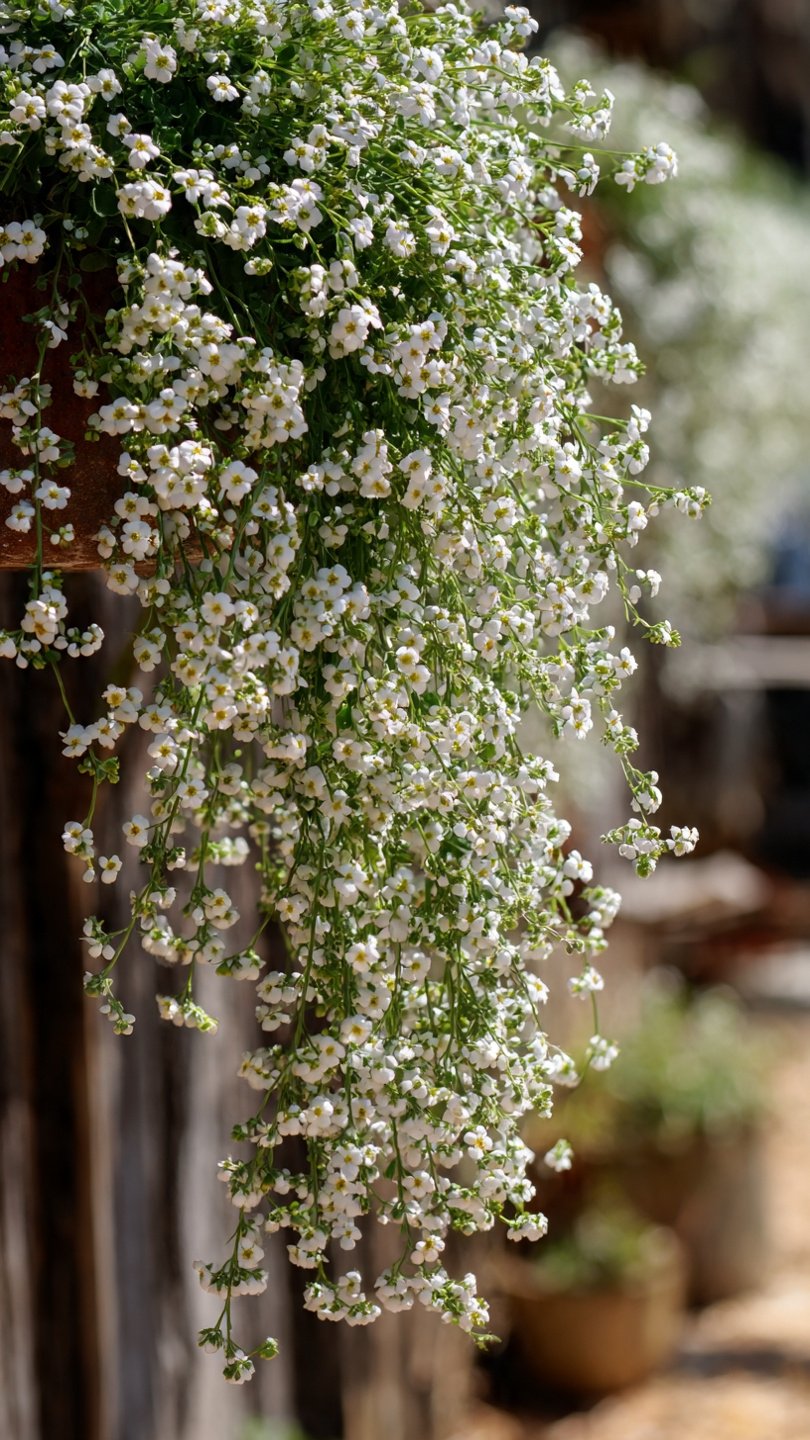
  5. Versatile Groundcover: Reaches a compact height of just 10 cm to 15 cm while spreading horizontally, making it ideal for rockeries, window boxes, and hanging baskets.

Quick Growing Guide for South Africa

  • Sowing Season: Spring (September to November) or Autumn (March to May). In frost-free areas, it can be sown year-round.
  • Position: Full sun to partial shade.
  • Soil: Well-draining, moist, loam or sandy soil. It adapts well to poor soil conditions provided it drains properly.
  • Sowing Depth: Alyssum seeds need light to germinate. Sow them shallowly by pressing them gently into the damp soil surface, or cover with a microscopic layer of fine compost.
  • Germination: Fast-sprouting, typically taking only 7 to 14 days under warm conditions.
  • Care Tip: Trimming the plants back by half after their first major flush of flowers encourages fresh growth and a second wave of dense blooms.

Product Specifications

Seed Count: Over 100 seeds per pack

Variety: White Alyssum (Snow Cloth / Lobularia maritima)

Plant Type: Scented Annual Groundcover

Planting Type: Open-pollinated heirloom
logo simple

Stop Killing Your Seeds!

5 Germination Mistakes Gardeners Must Stop Immediately

Get this free guide (5 minute read) and The Printable Monthly Growing Guide for South Africa (also free), via email:

We don’t spam! Read our privacy policy for more info.

Reviews

There are no reviews yet.

Be the first to review “White Alyssum – Over 100 Seeds”

Your email address will not be published. Required fields are marked *

How to Grow Alyssum from Seed

How to Grow Alyssum from Seed: The Complete South African Guide

White Alyssum (Lobularia maritima), especially the popular Snow Cloth variety, is one of the fastest, easiest, and most rewarding annual flowers to grow from seed.

Famous for its carpet of honey-scented white blooms, Alyssum is a staple for South African garden borders, rockeries, containers, and vegetable patches.

Growing Alyssum from seed is incredibly simple. This step-by-step guide will teach you how to successfully grow a dense, fragrant floral blanket from scratch.

Quick Growing Facts

Sowing Time: Spring (September to November) or Autumn (March to May)

Germination Time: 7 to 14 days

Sunlight Requirements: Full sun to partial shade (at least 4 to 6 hours of sun daily)

Soil Preference: Well-draining, moist soil; highly adaptable to poor soils

Time to Flower: 45 to 60 days from sowing

Step-by-Step Seed Sowing Guide

Alyssum seeds germinate rapidly and can be sown directly into the garden or started early in seedling trays. Because the seeds are small and need light to sprout, proper depth is the secret to success.

Option 1: Starting Indoors in Seed Trays (Recommended)

Starting your seeds in trays gives young plants protection from unpredictable weather and garden pests.

Prepare trays: Fill standard seedling trays with a premium, fine-textured seed-starting mix. Mist with water until damp.

Sow the seeds: Scatter the tiny seeds thinly across the soil surface.

Do not bury the seeds: Alyssum seeds require light to germinate. Press them down very gently using your fingers so they make firm contact with the soil, but leave them exposed.

Keep moist: Use a fine misting spray bottle to water the tray. Heavy watering will wash the seeds away or bury them too deep.

Provide warmth: Place the tray in a bright spot out of direct sunlight, keeping temperatures around 15°C to 20°C. Keep the soil consistently moist until sprouts appear.

Option 2: Sowing Directly in the Garden

Direct sowing is perfect for creating naturalized borders or filling gaps between paving stones.

Clear the area: Weed the soil thoroughly and rake it to a fine, crumbly texture.

Scatter thinly: Broadcast the seeds over the prepared damp soil surface.

Press lightly: Walk over the area lightly or press the soil down with a flat board to secure the seeds in place.

Protect and water: Mist the area daily with a gentle hose attachment. Keep the surface moist until the seedlings establish.

Transplanting and Spacing

If you started your seeds in trays, they will be ready to move into the garden once they are 5 cm tall and have developed a few sets of true leaves.

Hardening off: Spend 5 to 7 days gradually moving the trays into direct sunlight for a few hours each day to acclimate them.

Spacing: Plant your seedlings 15 cm to 20 cm apart. While they look small at first, they spread horizontally quickly and will knit together into a solid white carpet.

Ongoing Care and Maintenance

Once established, Alyssum is an exceptionally tough, low-maintenance plant that handles a wide range of growing conditions.

Watering: Keep the soil evenly moist. While Alyssum can handle short dry spells, it flowers best and stays lush with regular watering, especially during hot South African summer weeks.

Feeding: Alyssum does not need heavy feeding. In fact, too much fertilizer will cause massive leaf growth and very few flowers. A light application of an organic, balanced liquid fertilizer once in mid-summer is plenty.

The “Chelsea Chop” Pruning Trick: After the first massive flush of blooms fades and begins to look leggy or dry, take kitchen shears and cut the entire plant back by half.

This sounds harsh, but it stimulates a rapid wave of fresh, green growth and a spectacular second round of thick, honey-scented flowers.

The Ultimate Companion Plant

Alyssum is heavily prized by organic vegetable gardeners. The sweet honey fragrance attracts massive amounts of beneficial insects, specifically hoverflies, ladybirds, and predatory wasps.

These beneficial bugs are natural predators that will eat aphids, mites, and thrips, keeping your nearby tomatoes, lettuces, and cabbages naturally pest-free!

Alyssum Medicinal / Nutritional Uses

Alyssum Medicinal and Nutritional Uses: History, Benefits, and Folklore

Sweet Alyssum (Lobularia maritima), widely recognized for its beautiful “Snow Cloth” variety, is celebrated globally for its sweet, honey-like fragrance and its ability to act as a powerful organic pest repellant in vegetable patches.

However, this resilient little plant also holds a fascinating place in traditional folklore and historical herbalism.

While modern science primarily values Alyssum for its horticultural and ecological benefits, understanding its historical medicinal profile and nutritional traits adds incredible value to your gardening knowledge.

Nutritional Profile of Alyssum

Sweet Alyssum belongs to the Brassicaceae family, making it a direct relative of nutritional powerhouses like kale, broccoli, cabbage, and mustard greens.

Because of this family connection, the plant carries similar, characteristic properties:

Edible Blooms and Leaves: Both the tiny white flowers and young leaves are 100% edible. They possess a pleasant, mildly pungent, and peppery flavor profile similar to watercress or mustard greens.

Antioxidant Content: The flowers and foliage contain flavonoids and phenolic compounds, which are natural antioxidants that help protect plant cells from environmental stress.

Vitamin-Rich Foliage: Like its cultivated brassica cousins, the fresh green growth contains trace amounts of Vitamin C and essential minerals, which traditionally supplemented spring diets.

Historical and Traditional Medicinal Uses

In historical European folk medicine and traditional herbalism, Sweet Alyssum was utilized for a variety of everyday wellness applications.

1. Traditional Remedy for Hydrophobia (Rabies)

The ancient botanical name for Alyssum is derived from the Greek words a- (meaning “not”) and lyssa (meaning “rage” or “madness”).

In ancient times, it was widely believed that a concoction made from this herb could cure the bite of a rabid animal or calm excessive anger and psychological rage.

While purely a matter of historical folklore today, it is how the plant earned its permanent name.

2. Natural Diuretic and Detoxifier

In traditional Spanish and Mediterranean herbal practices, a tea brewed from the dried leaves and stems of Alyssum was used as a natural diuretic.

It was ingested to help increase urine production, flush out the kidneys, and assist the body in naturally clearing excess water retention and minor bladder irritations.

3. Soothing Scorbutic Ailments

Because of its relationship to the mustard family, early healers used fresh Alyssum leaves to treat symptoms of scurvy (severe Vitamin C deficiency) when fresh fruits were unavailable.

The raw leaves were chewed or crushed into pastes to help soothe bleeding gums and skin sores.

4. Astringent and Topical Skin Support

In various regional folk practices, a cooled infusion of Alyssum tea was used topically as a skin tonic.

Its mild astringent properties helped tighten the skin, clean out minor facial blemishes, and soothe localized skin redness caused by windburn or heat exposure.

How to Use Alyssum in the Kitchen

Because our seeds are heirloom and non-GMO, you can safely use home-grown, chemical-free Alyssum to elevate their culinary presentations:

Gourmet Garnish: Toss the fresh, honey-scented white blooms into green summer salads to add visual charm and a subtle pepper-sweet crunch.

Cake Decorating: Use the clusters of tiny white flowers to decorate cupcakes, wedding cakes, or summer desserts naturally.

Herbal Ice Cubes: Freeze fresh Alyssum blossoms into ice trays filled with water to create stunning, decorative ice cubes for summer cocktails and iced teas.

Disclaimer

This guide is for educational and historical purposes only. You should never consume ornamental plants if they have been treated with commercial chemical pesticides, and they should always consult a qualified medical professional before using any plant for therapeutic purposes.

Alyssum Growing Guide

Alyssum Growing Guide: The Complete South African Guide

White Alyssum (Lobularia maritima), famously known for the spectacular Snow Cloth variety, is an absolute gem in the South African garden.

This low-growing, fast-spreading annual groundcover creates a dense carpet of tiny, honey-scented flowers that bloom effortlessly for months on end.

It is exceptionally hardy, handles a wide range of climates, and is highly prized as a natural pest-repelling companion plant.

This comprehensive guide covers everything you need to know to successfully plant, grow, and maintain a beautiful, fragrant carpet of Alyssum at home.

Quick Plant Facts

Botanical Name: Lobularia maritima

Common Names: Sweet Alyssum, Sweet Alison, Carpet Flower

Plant Type: Fast-growing annual groundcover

Sun Exposure: Full sun to partial shade (at least 4 to 6 hours of sun daily)

Soil Type: Well-draining, moist, loam or sandy soil

Time to Flower: 45 to 60 days from seed

Sowing and Planting

Alyssum is highly adaptable and can be grown easily across all South African climate zones, tolerating both heat and mild winter frost.

Sowing Windows

Spring (September to November): Ideal for all regions to establish a lush summer carpet.

Autumn (March to May): Excellent for frost-free coastal areas and regions with winter rainfall, like the Western Cape.

Sowing from Seed

Prepare the mix: Fill your seedling trays with a fine-textured, high-quality seed-starting mix. Mist it until evenly damp.

Sow shallowly: Scatter the tiny seeds thinly across the surface.

Do not bury the seeds: Alyssum seeds require light to trigger germination. Press them very gently onto the surface using your fingertips so they make firm contact with the damp soil, but leave them completely uncovered.

Water gently: Always use a fine misting spray bottle. Heavy watering will wash the microscopic seeds away or push them too deep into the soil.

Germination: When kept in a bright, warm spot, sprouts will emerge quickly within 7 to 14 days.

Containers and Hanging Baskets

Alyssum’s compact, spreading nature makes it a fantastic choice for potting.

Use containers, window boxes, or hanging baskets with excellent drainage holes.

Plant in standard potting soil mixed with a handful of coarse sand to ensure water flows through freely.

Ongoing Care and Maintenance

Alyssum is exceptionally low-maintenance, making it a dream plant for busy or beginner gardeners.

Sunlight

While Alyssum blooms most prolifically in full sun, it appreciates a little afternoon shade in scorching hot inland regions like the Highveld or Karoo.

If it gets too little sun, however, the plant will become leggy and produce fewer flowers.

Watering

Keep evenly moist: Alyssum prefers consistent moisture and does best with regular watering.

Drought tolerance: Once established, it can survive short dry spells, but the foliage may droop and flowering will slow down if the soil dries out completely for too long.

Soil and Feeding

Highly adaptable: Alyssum grows successfully even in poor or sandy soils, provided they drain well.

Avoid heavy fertilizing: Too much nitrogen triggers massive green leaf growth but drastically reduces the number of honey-scented flowers.

A single, weak application of balanced liquid fertilizer in mid-summer is more than enough.

The Pruning Trick (The “Chelsea Chop”)

After their first massive flush of summer flowers, Alyssum plants can start to look a bit tired, leggy, or woody.

The Solution: Take a pair of sharp garden shears and trim the entire plant back by half.

The Result: This stimulates an immediate wave of fresh green growth and a spectacular second round of thick, dense, fragrant white blooms.

Organic Companion Planting

Alyssum is one of the most powerful tools for organic vegetable gardeners in South Africa.

The intense honey fragrance attracts high numbers of beneficial insects, particularly hoverflies, ladybirds, and predatory wasps.

These insects act as natural predators, devouring aphids, thrips, and mites on nearby tomatoes, lettuces, and brassicas, keeping your edible garden naturally pest-free.

Alyssum Other Names

Alyssum: Names, Varieties, and Regional Nicknames

Sweet Alyssum (Lobularia maritima) is a timeless garden favorite, loved globally for its honey-scented blossoms and its unmatched ability to protect vegetable patches from pests.

Because this hardy annual groundcover has been cultivated for centuries across Europe, the Mediterranean, and the Southern Hemisphere, it has earned many different common names, botanical classifications, and folklore nicknames.

This guide clears up the confusion and helps to identify Alyssum across different gardening catalogs, landscape designs, and companion planting guides.

The Most Common Names

1. Sweet Alyssum / Sweet Alison

Where it is used: Global standard English (South Africa, UK, USA, Australia).

The Context: This is the most common universal name for the plant.

The prefix “Sweet” highlights the unmistakable, sugary honey fragrance emitted by the flowers on warm, sunny days.

2. Snow Cloth / Carpet of Snow

Where it is used: Horticultural and seed retail circles.

The Context: These are highly popular cultivar names for the pure white Lobularia maritima strains. They describe exactly how the plant grows: it spreads horizontally to form a low, dense, solid white sheet that resembles a fresh dusting of snow over garden borders.

3. Carpet Flower

Where it is used: Parts of the United Kingdom and Australia.

The Context: A descriptive colloquial name that highlights the plant’s growth habit. Because it reaches a height of only 10 cm to 15 cm while spreading outward, it acts as a living, fragrant outdoor carpet.

4. Madwort (Historical Context)

Where it is used: Historical herbalism texts and traditional folklore.

The Context: Centuries ago, the plant was known as “Madwort.”

The word “wort” is an old English term for a healing plant, and it was dubbed “mad” because early healers believed the herb could cure hydrophobia (rabies) and calm excessive psychological rage or madness.

5. Maritime Alyssum / Seaside Alyssum

Where it is used: Botanical and coastal landscaping circles.

The Context: This name is derived directly from its species name, maritima.

In its native Mediterranean habitat, the plant grows wild along sandy coastal bluffs, beaches, and cliffs, meaning it is naturally adapted to windy, salty sea breezes.

Understanding the Botanical Name Shift

People searching for this plant online often run into two different scientific names.

Lobularia maritima (The Modern Name)

Taxonomists eventually moved Sweet Alyssum out of its original genus because of specific seed and pod structures.

Lobularia comes from a Greek word meaning “small pod,” referencing the tiny, rounded seed packets that form after the white flowers fade.

This is the official botanical name today.

Alyssum maritimum (The Old Name)

This is the older botanical classification. Even though scientists changed the official genus to Lobularia, the common name “Alyssum” stuck so firmly with the public that gardeners, nurseries, and seed companies still use it universally.

Yellow Alyssum vs. Sweet Alyssum

A common point of confusion for shoppers is accidentally buying the wrong species when looking for borders.

Sweet Alyssum (Lobularia maritima): A fast-growing summer annual (or short-lived perennial in frost-free zones) that produces white, pink, or purple honey-scented clusters.

It is the primary variety used for vegetable companion planting.

Yellow Alyssum (Alyssum saxatile / Aurinia saxatilis): Also known as “Basket of Gold.” This is a completely different, tough perennial plant that produces bright, electric-yellow flowers in spring.

It does not possess the same honey fragrance or the exact same pest-repelling qualities as Sweet Alyssum.

Shopping Basket
0
    0
    Your Cart
    Your cart is emptyReturn to Shop
    Scroll to Top