Eggfruit (Brinjal) Nutritional Value and Medicinal Benefits: A Scientist’s Guide
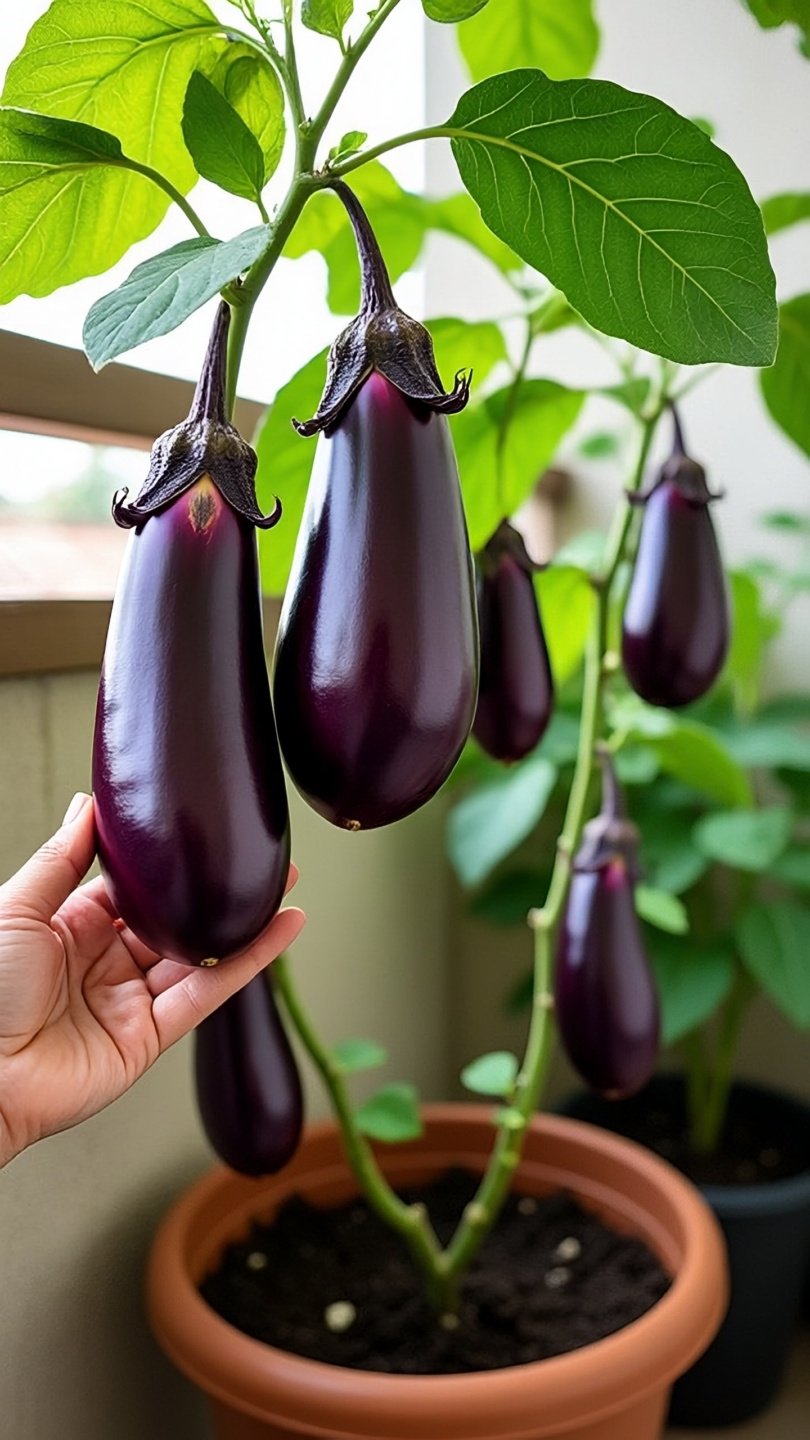
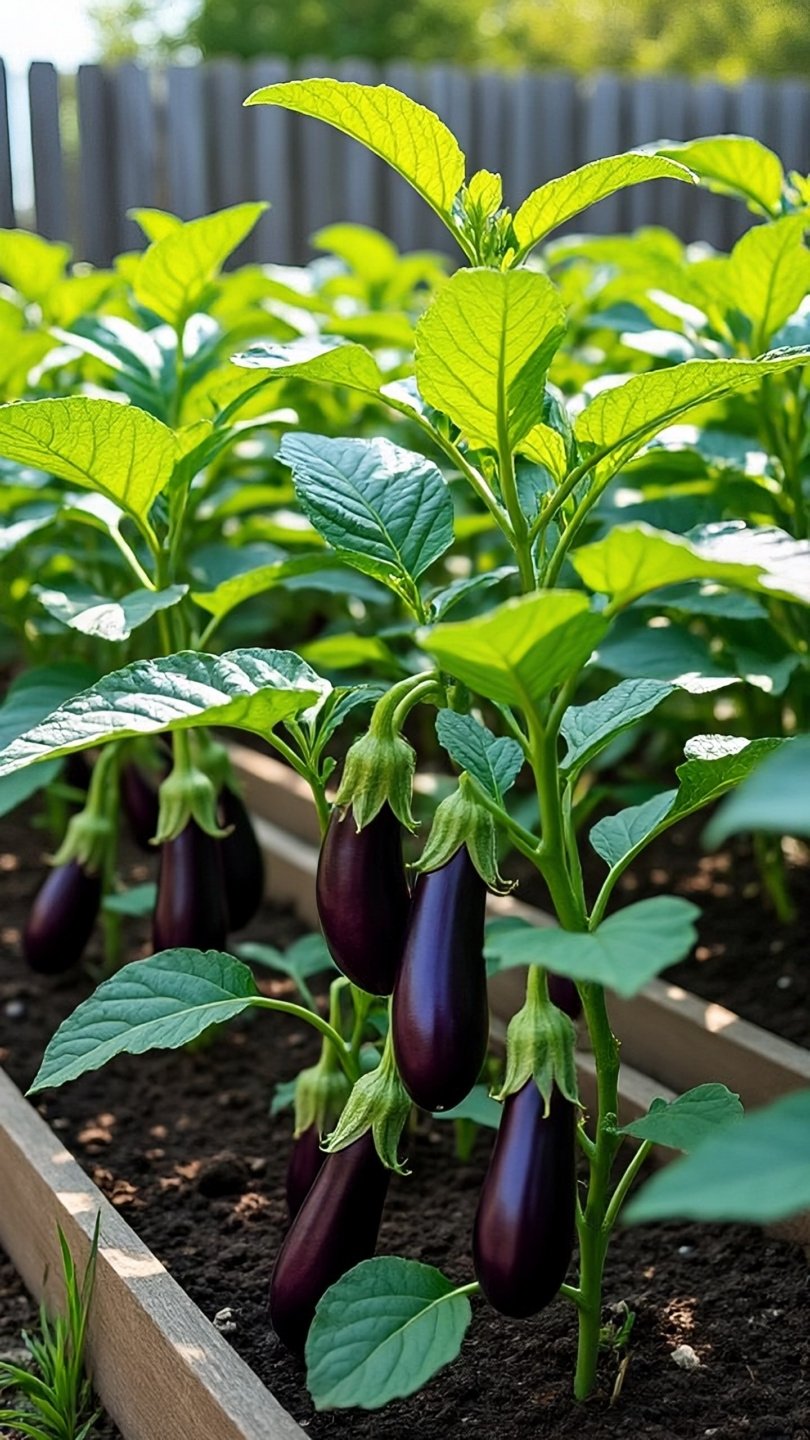
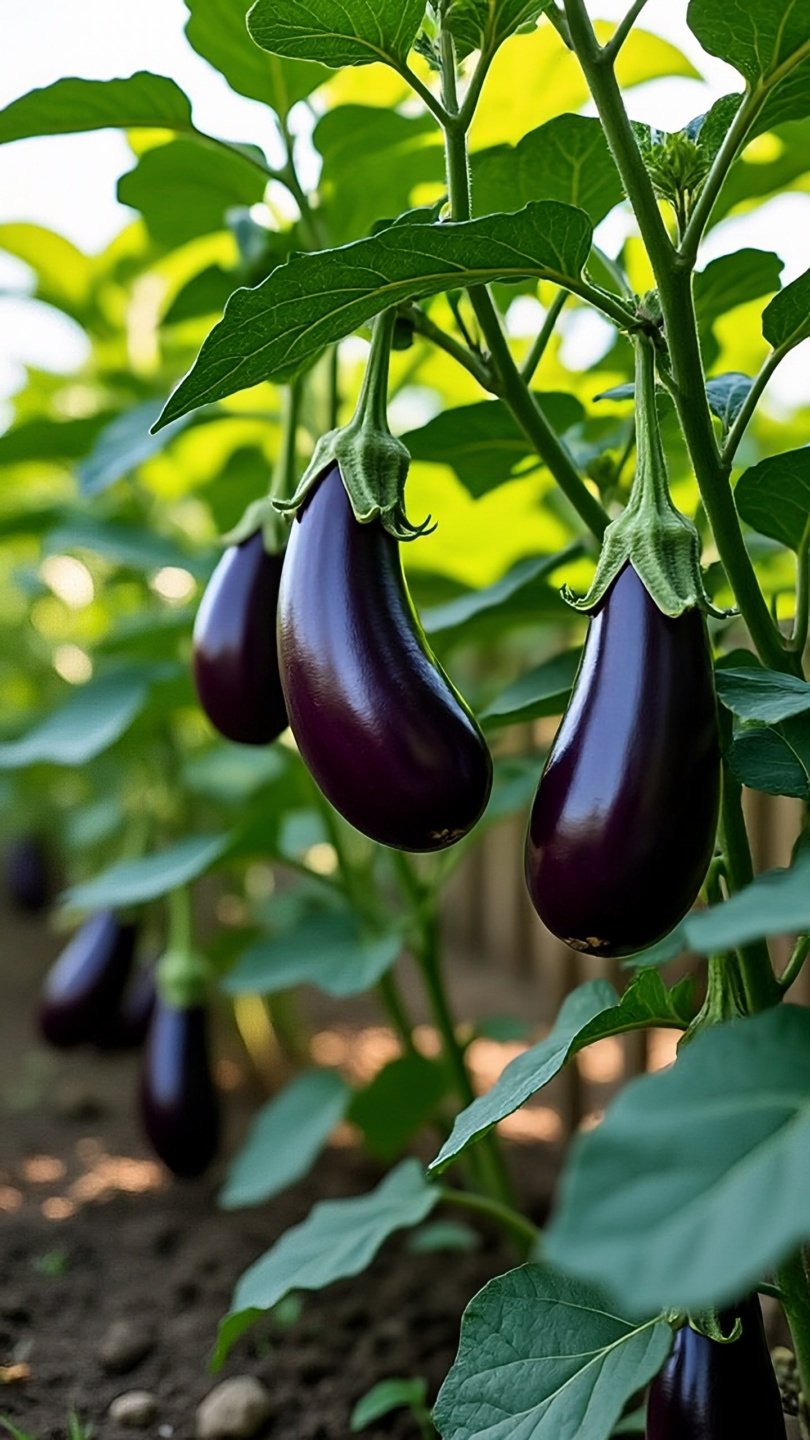
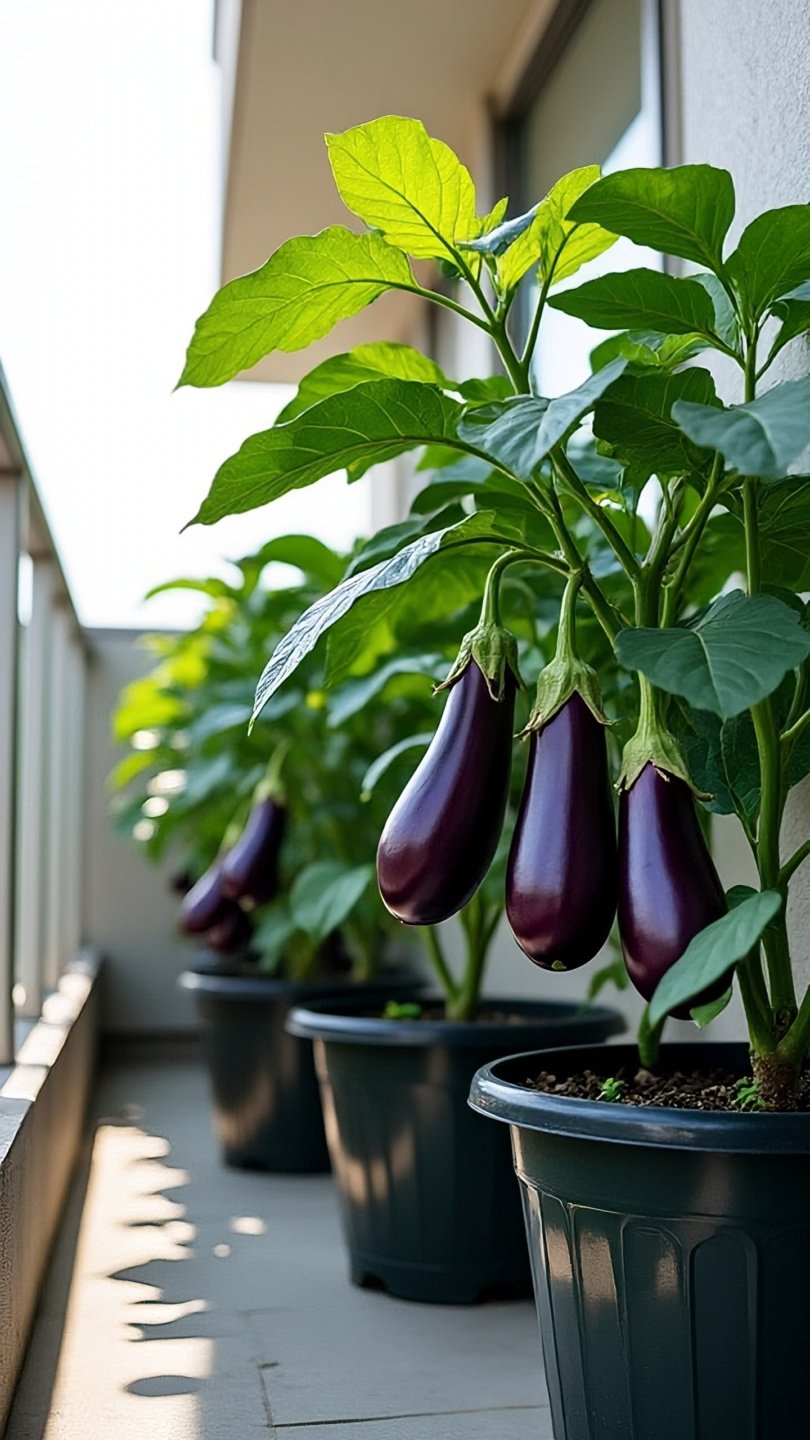
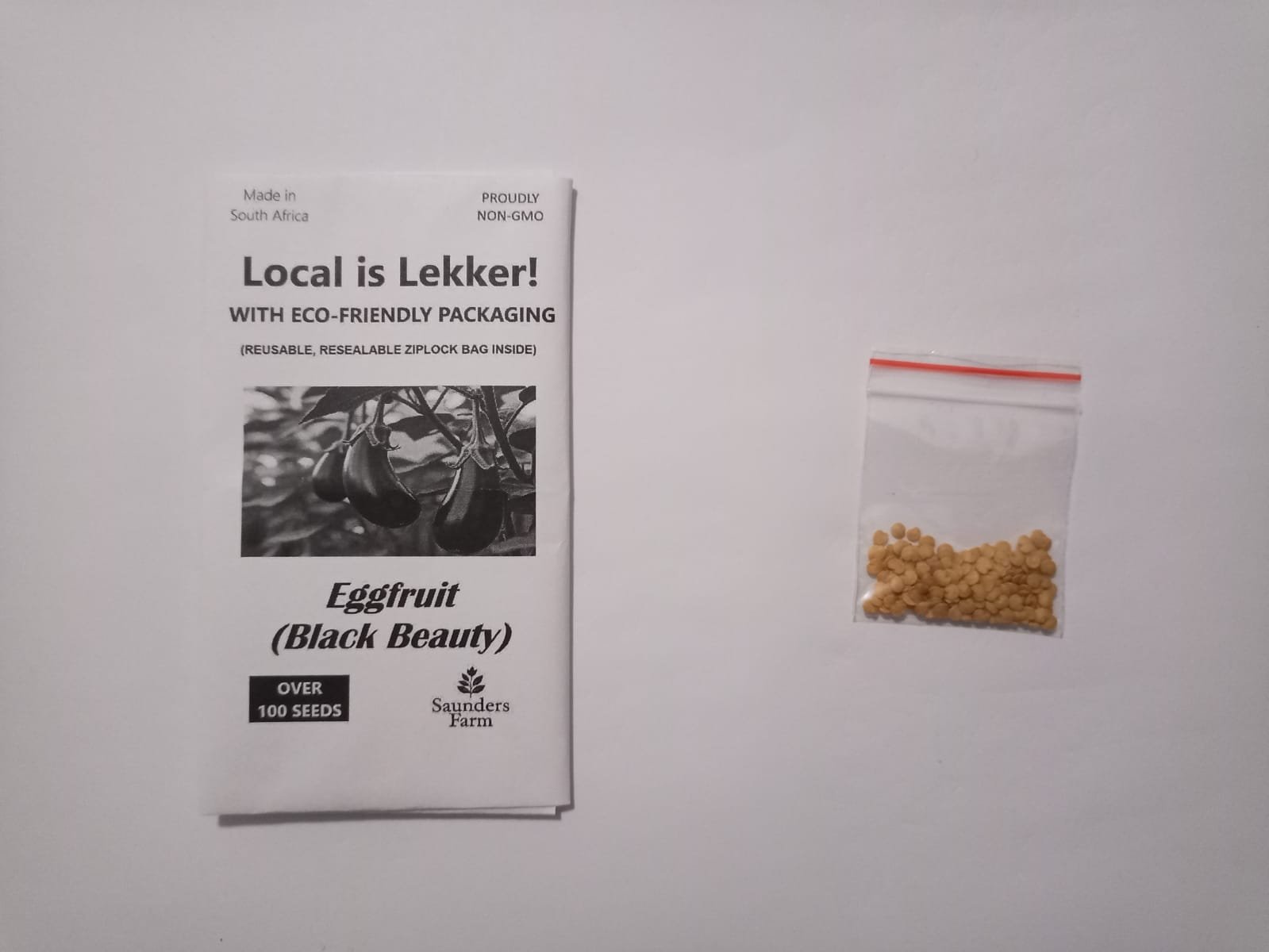
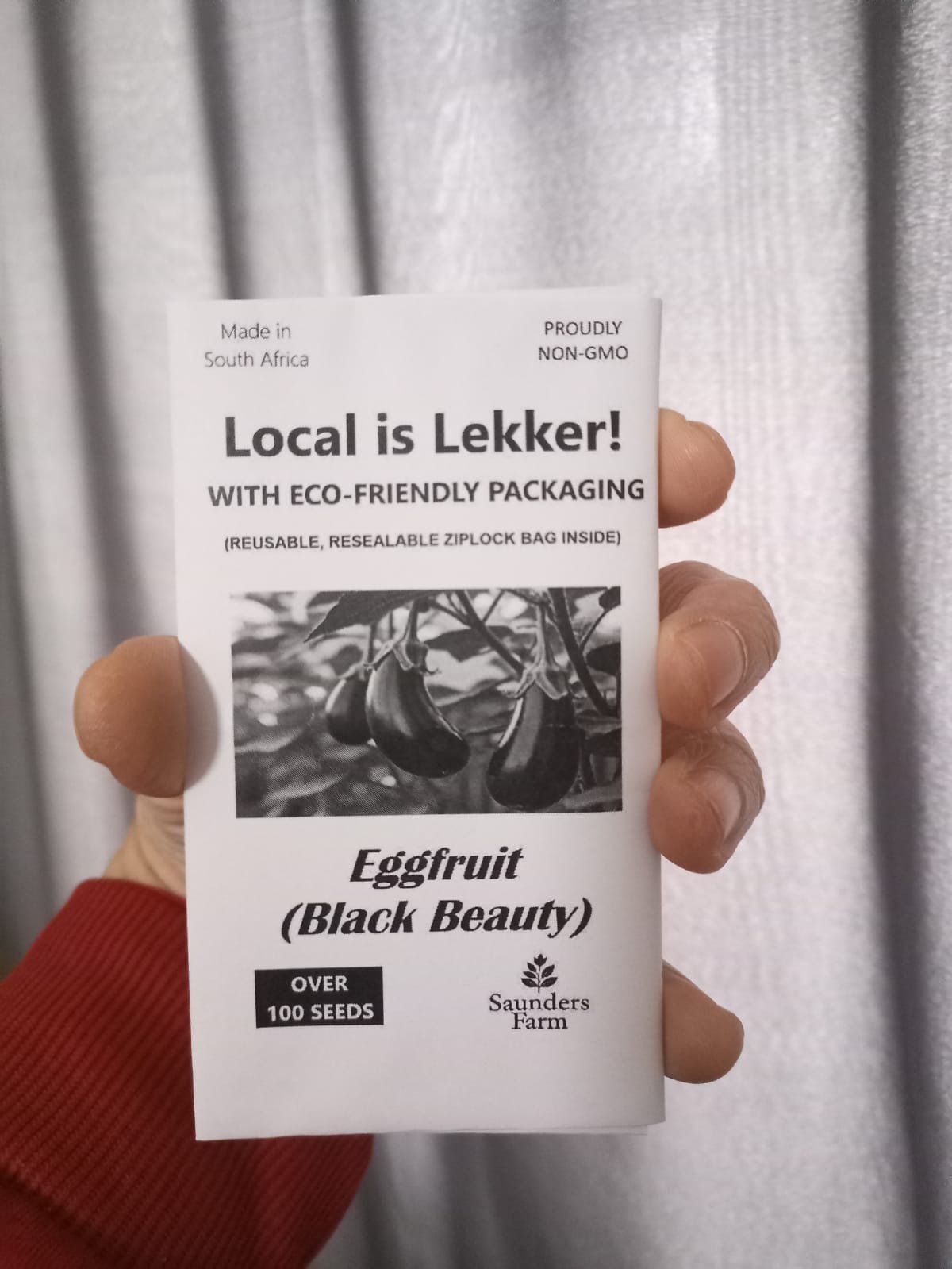
Homegrown Black Beauty eggfruit—widely known across South Africa as brinjal or aubergine—is an exceptional, low-calorie powerhouse.
While it is culinarily treated as a vegetable, this member of the nightshade (Solanaceae) family is botanically a berry.
It is loaded with vital macro- and micronutrients, potent dietary fibers, and highly specific plant compounds that target systemic metabolic and cellular health.
Nutritional Profile (Per 100g Raw Eggfruit)
Data from the USDA FoodData Central shows that raw brinjal is highly nutrient-dense while maintaining an incredibly low glycemic impact:
Calories: 25 kcal
Carbohydrates: 5.88g
Dietary Fibre: 3.0g (highly effective for blood sugar regulation)
Protein: 0.98g
Potassium: 229mg (supports cardiovascular balance)
Manganese: 0.23mg (over 10% of your Daily Value for metabolic enzymes)
Folate (B9): 22mcg (supports cellular replication)
Key Medicinal & Health Benefits
1. Exceptional Cellular Protection via Nasunin
The deep, iconic purple skin of the Black Beauty variety is caused by an incredibly potent anthocyanin antioxidant called nasunin.
Peer-reviewed biochemical research demonstrates that nasunin actively protects the lipids (fats) in brain cell membranes from free radical damage.
By shielding these fat barriers, nasunin maintains optimal fluid and nutrient transport into brain cells while carrying cellular waste out, supporting overall cognitive longevity.
2. Advanced Blood Sugar and Type 2 Diabetes Management
Brinjal is an ideal dietary tool for managing blood sugar levels. It is exceptionally high in fiber and low in soluble carbohydrates, meaning it digests slowly without causing insulin spikes.
Additionally, eggfruit contains high levels of polyphenols.
Clinical studies suggest these specific plant compounds reduce glucose absorption in the intestines and stimulate insulin secretion from the pancreas, keeping blood sugar stable.
3. Supports Heart Health and Cholesterolic Control
The combined action of potassium, Vitamin B6, and powerful phytonutrients in brinjal heavily benefits the cardiovascular system.
The antioxidants present in eggfruit have been shown to lower low-density lipoprotein (LDL or “bad”) cholesterol and triglyceride levels in the blood.
By reducing these fatty build-ups, brinjal helps keep the arterial walls clear, lowering the risk of hypertension and strokes.
4. Iron Chelation and Cellular Cleansing
Nasunin does more than protect brain cells; it is also a natural iron chelator.
While iron is an essential element for binding oxygen to red blood cells, excessive accumulated iron in the body can lead to severe tissue toxicity and oxidative stress.
Nasunin binds to excess free iron molecules and assists the body in excreting them safely, protecting the liver and internal organs from heavy-metal overload.
5. Natural Weight Management and Gut Motility
With 3 grams of dietary fiber packed into a tiny 100-gram serving, eggfruit is highly filling.
The soluble and insoluble fiber absorbs water in your digestive tract, physically expanding to trigger satiation hormones that tell your brain you are full.
This helps curb overeating while simultaneously providing essential prebiotics to fuel the beneficial bacteria living in your gut.
Preserving the Medicine: Culinary Tips for Health
To get the absolute most medicinal value out of your Black Beauty harvest, follow these scientific preparation guidelines:
Eat the Skin: Never peel your brinjal! The vast majority of the therapeutic antioxidants, including the brain-protecting nasunin, are entirely concentrated within that glossy purple skin.
Bake, Roast, or Grill: Lightly roasting or grilling eggfruit softens the dense flesh and unlocks its rich, buttery flavor while keeping water-soluble nutrients intact.
Avoid Shallow Frying: Brinjal acts like a porous sponge. If you slice it and drop it directly into hot frying oil, it will rapidly absorb massive amounts of unnecessary fats, turning a healthy vegetable into a calorie-dense dish.
If frying is required, lightly salt the slices first to draw out excess moisture and close up the cellular pores.


Reviews
There are no reviews yet.