,

Vygies Mesembryanthemum

R15.00

Excluding shipping
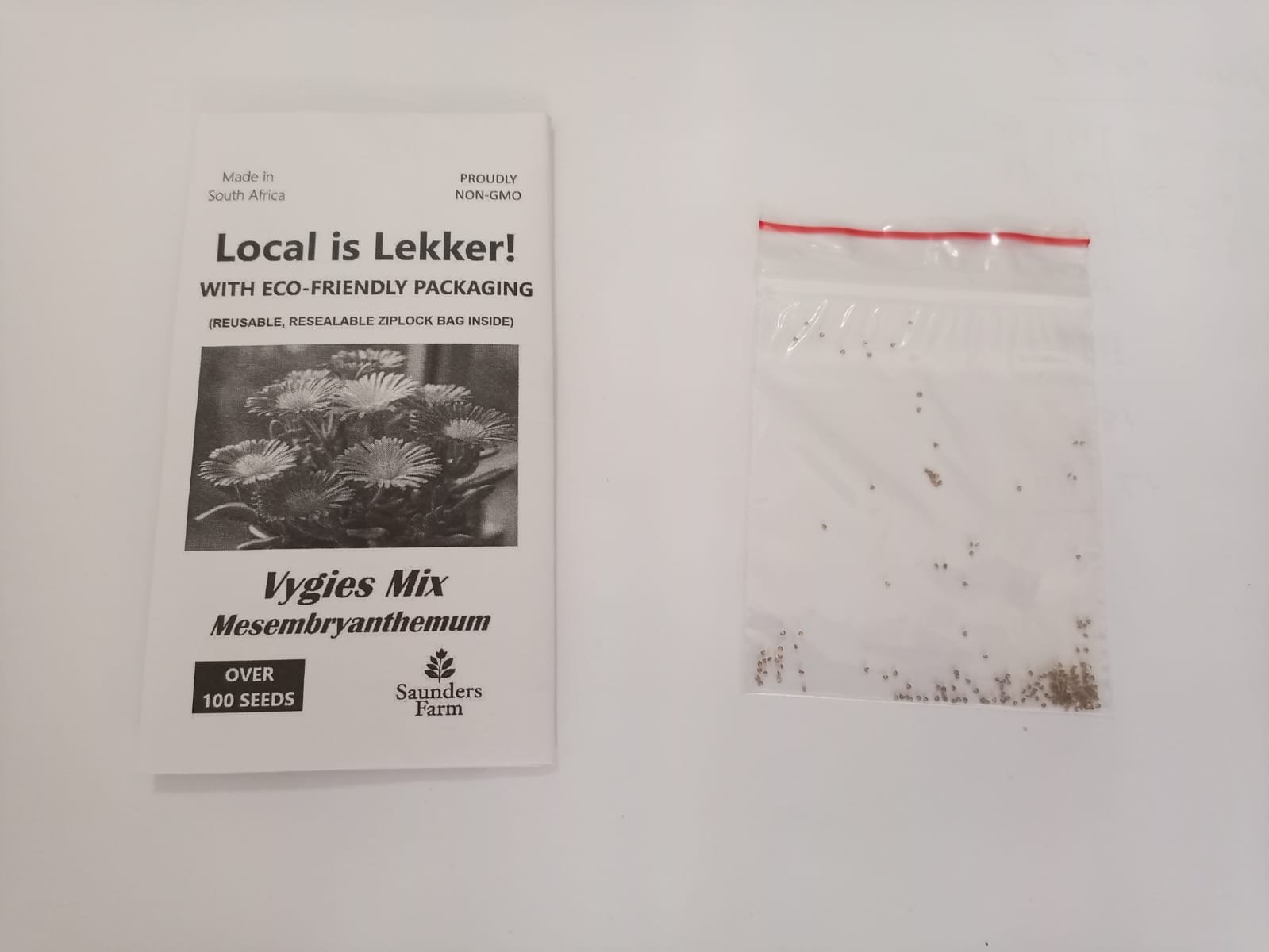
  • Over 100 Vygie (Mixed Colours) Seeds
  • Join our WhatsApp Group to see when this product goes on special: https://chat.whatsapp.com/Ly1HQgXpYGXL2ffDGXUl4G
  • Proudly non-GMO
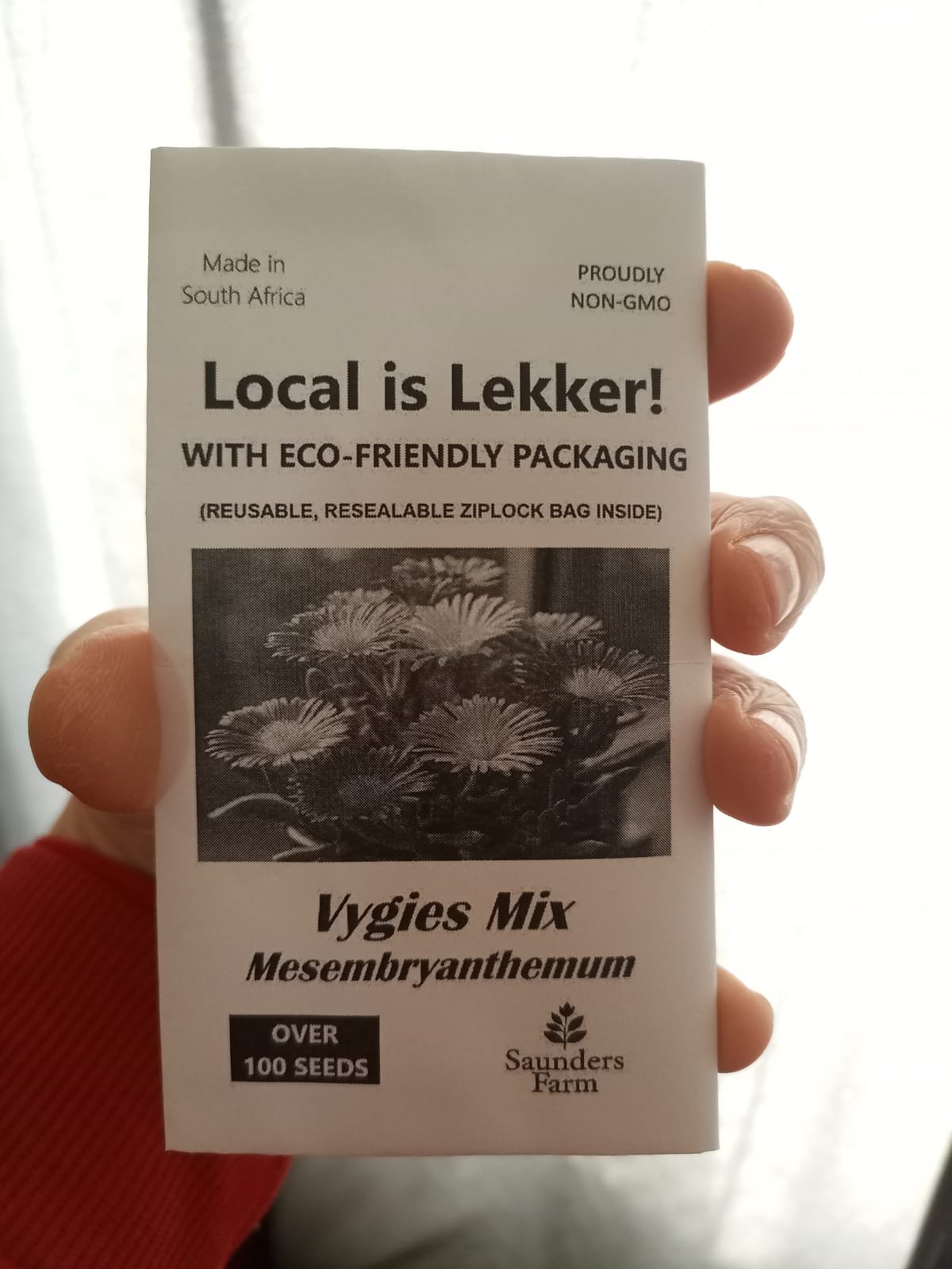
  • ECO-FRIENDLY: Biodegradable packaging with resealable, reusable plastic Ziplock bag inside
  • Made in South Africa, for South Africa

Availability: 169 in stock

Guaranteed Safe Checkout

Heirloom Vygie Seeds (100+ Non-GMO Mesembryanthemum Seeds Pack)

Brighten up your garden with South Africa’s ultimate water-wise showstopper!

Our premium heirloom Vygie seeds (Mesembryanthemum) are perfect for gardeners looking to create a vibrant, low-maintenance carpet of colour.

Each packet contains over 100 high-quality, non-GMO seeds ready to transform your rockeries, borders, sunny slopes, or patio pots into a dazzling display.

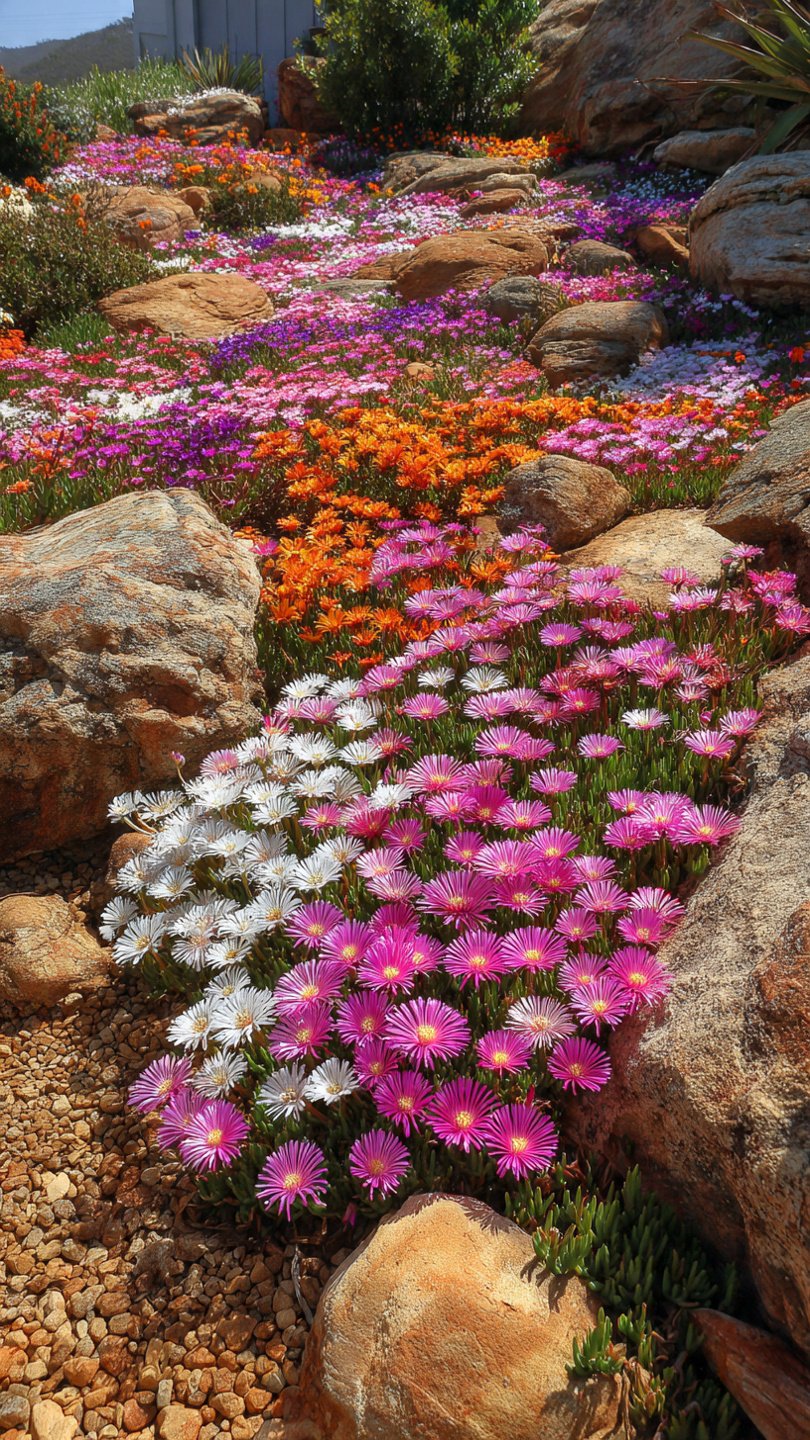
Commonly known as Ice Plants or Mesems, Vygies are indigenous to South Africa and renowned for their incredible drought tolerance and brilliant, neon-like blossoms that open up in full sunlight.

Because these are untreated heirloom seeds, you get pure, robust genetics adapted perfectly to our local climate.

Why Choose Our Heirloom Vygie Seeds?

  1. 100+ Seeds Per Pack: Generous seed count to help you grow a dense, colorful groundcover.
  2. 100% Heirloom & Non-GMO: Pure, open-pollinated seeds free from chemical treatments or alterations.
  3. Water-Wise & Drought Resistant: Once established, these indigenous succulents thrive on minimal water, making them perfect for eco-conscious South African gardens.
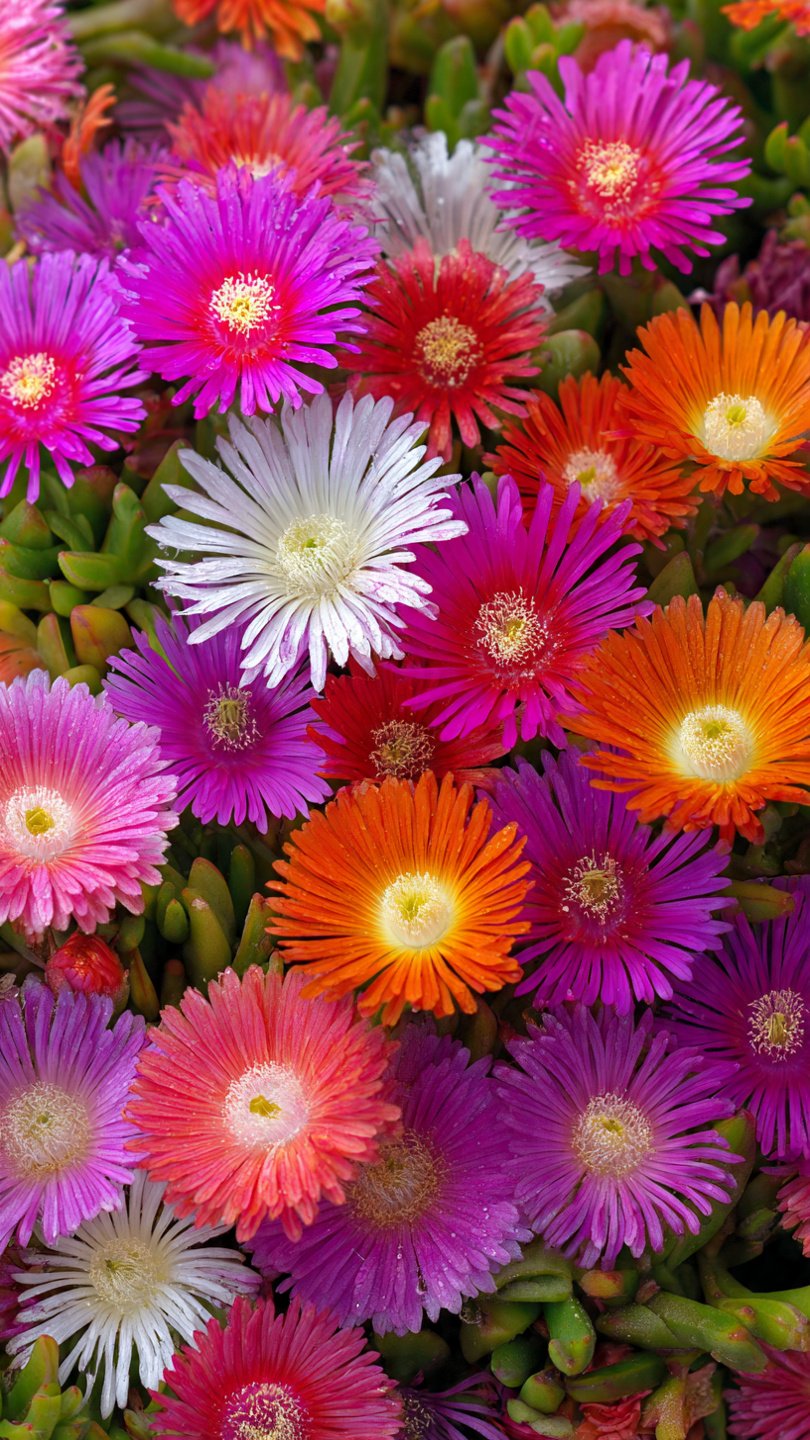
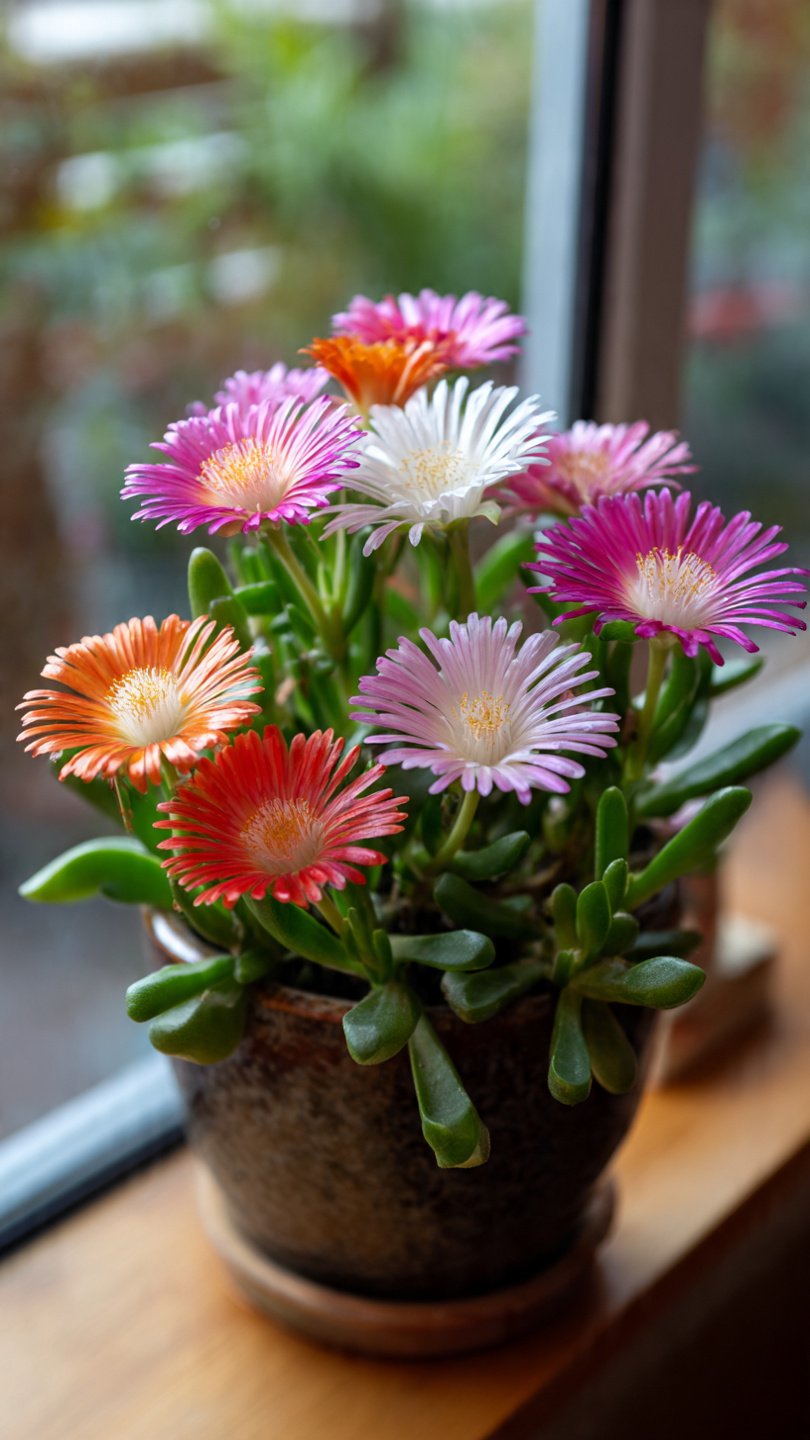
  4. Spectacular Colour Burst: Produces a stunning mix of daisy-like flowers in brilliant shades of pink, purple, orange, yellow, and white.

South African Planting & Growing Tips

Vygies are remarkably easy to grow from seed, handling poor soils and coastal winds with ease.

Follow these simple guidelines for the best results:

Best Planting Time: Sow from autumn to early spring (March to September) for spectacular late-winter and spring blooms.

Sunlight: Plant in full sun. Vygie flowers require bright, direct sunlight to open up completely.

Soil Preference: Thrives in sandy, gravelly, or poor soils. The most critical requirement is excellent drainage; they will rot if kept in waterlogged soil.

Sowing Depth & Method: The seeds are very small. Scatter them gently on top of loosened soil, press down lightly, and cover with a very thin layer of sand (no more than 2mm deep).

Watering: Mist the soil gently to keep it slightly moist until germination (usually 7 to 21 days).

Once established, reduce watering significantly—only water when the soil is completely dry.

Product Specifications

Botanical Name: Mesembryanthemum (Mixed Colours)

Common Names: Vygies, Ice Plants, Carpet Spurge, Mesems

Quantity: 100+ Seeds per pack

Type: Heirloom, Non-GMO, Indigenous South African Succulent

Shipping: Nationwide delivery across South Africa (Gauteng, Western Cape, KZN, and all provinces)

logo simple

Stop Killing Your Seeds!

5 Germination Mistakes Gardeners Must Stop Immediately

Get this free guide (5 minute read) and The Printable Monthly Growing Guide for South Africa (also free), via email:

We don’t spam! Read our privacy policy for more info.

Reviews

There are no reviews yet.

Be the first to review “Vygies Mesembryanthemum”

Your email address will not be published. Required fields are marked *

How to Grow Vygies from Seed

How to Grow Vygies from Seed: The Ultimate South African Guide

Vygies (botanical name Mesembryanthemum), also known as Ice Plants or Bokbaai Vygies, are South Africa’s finest indigenous choice for a low-maintenance, water-wise explosion of garden colour.

These resilient little succulents form a dense, low-growing carpet that erupts into brilliant, shimmering neon blossoms when the sun comes out.

If you are using high-quality heirloom, non-GMO Vygie seeds, growing them from scratch is incredibly rewarding and highly cost-effective for covering large garden beds, rockeries, or retaining walls.

Here is everything you need to know to successfully plant and cultivate Vygies in South Africa.

1. When to Plant Vygies in South Africa

Timing your planting ensures that your seedlings grow strong root systems before putting on their big floral show.

The Ideal Window: Autumn to Early Spring (March to September).

Why Autumn? Sowing in autumn allows the seeds to germinate during cooler months and establish themselves naturally with any winter rainfall. They will then reward you with a spectacular blanket of blooms from late winter through to mid-summer.

2. Choosing the Perfect Spot

As indigenous succulent plants, Vygies thrive in harsh, exposed conditions.

Sunlight is Non-Negotiable: Choose a spot that gets full, direct sun (at least 6 to 8 hours a day).

Vygie flowers are highly light-sensitive; they literally look at the sun and will remain closed on heavily overcast days or if they are stuck in the shade.

Soil Quality: Vygies absolutely love poor, sandy, or gravelly soils. They hate rich, heavy clay.

The most critical factor is sharp drainage. If their roots sit in stagnant, soggy water, they will rot quickly.

Containers: They look spectacular spilling over the edges of pots, hanging baskets, or window boxes.

Always use a free-draining succulent potting mix or blend standard potting soil with river sand.

3. Step-by-Step Sowing Guide

Vygie seeds are exceptionally tiny—almost like fine dust or grains of sand.

Because they are so small, you need to handle them carefully so they don’t bury themselves too deeply or wash away.

Step 1: Prepare the Soil Bed

Rake your garden bed or smooth out your container soil to create a fine, level surface.

Lightly mist the soil beforehand so it is damp but not muddy.

Step 2: Scatter the Seeds (The Sand Trick)

Because the seeds are microscopic, mixing them with a handful of fine, dry river sand inside a cup makes it much easier to broadcast them evenly across your garden bed.

Gently scatter the sand-and-seed mixture over the surface of the soil.

Step 3: Press, Don’t Bury

Do not cover Vygie seeds with a thick layer of soil.

They require light to trigger germination. Simply press down gently on the soil with a flat board or the palm of your hand to ensure the seeds make firm contact with the earth.

If you are worried about wind, you can scatter a microscopic dusting of fine sand (no more than 1–2mm) over them.

Step 4: Water with Extreme Care

Never pour water directly onto the seeds from a bucket or a harsh hose pipe, as this will wash them away or bury them too deep.

Use a spray bottle to gently mist the surface, or use a watering can with a very fine rose attachment.

Keep the soil surface lightly moist until you see green shoots appear.

Step 5: Germination

Vygie seeds usually sprout within 7 to 21 days, depending on soil temperatures.

4. Caring for Your Vygie Plants

Once your Vygies have sprouted and established their first few sets of true succulent leaves, they become exceptionally independent.

Thinning Out: If your seedlings pop up too close together in a dense clump, gently thin them out so individual plants are spaced roughly 15cm to 20cm apart.

This gives them space to spread out into a thick carpet.

Watering: Reduce your watering significantly.

Established Vygies are highly drought-tolerant. Only water them when the soil has dried out completely.

During normal winter and spring conditions, natural rainfall is often more than enough.

Fertilizer: Skip the heavy fertilizers! Feeding Vygies too much nitrogen will result in lush green leaf growth but very few flowers. A single application of a diluted, organic potassium-rich fertilizer just before the flowering season kicks off is all they need.

5. What to Do After Flowering

Once the spectacular flowering season winds down, your Vygie plants will naturally transition into their seed-bearing phase.

Let Them Self-Sow: If left alone, the dried seed pods will naturally open during rainy weather, scattering seeds to create a brand-new generation of flowers for the following year.

Harvest Heirloom Seeds: Alternatively, you can pick off the dried, brown seed capsules, crush them gently inside a paper bag, and collect your own heirloom seeds to store in a cool, dry place for next season’s planting.

Vygie Growing Guide

Livingstone Daisy Vygie Growing Guide: How to Plant, Cultivate, and Harvest Seeds

Growing Livingstone Daisies (botanical names Mesembryanthemum criniflorum / Dorotheanthus bellidiformis), also known locally as Bokbaai Vygies, is the ultimate low-maintenance way to paint your garden in blindingly bright colours.

These indigenous annual succulents create a thick, low-growing groundcover that bursts into a shimmering neon carpet of daisy-like flowers.

When you use premium heirloom, non-GMO Livingstone Daisy seeds, you are growing pure, untreated genetics that thrive flawlessly in local conditions.

This comprehensive South African growing guide covers everything you need to know to successfully plant and cultivate these indigenous showstoppers.

Quick Growing Facts

Botanical Name: Mesembryanthemum criniflorum / Dorotheanthus bellidiformis

Common Names: Livingstone Daisy, Bokbaai Vygie, Ice PlantPlant

Type: Indigenous Annual Succulent

Sun Exposure: Maximum Full Sun (critical for flowering)

Sowing Depth: 2mm (surface-sown)

Germination Time: 7 to 14 days

Flowering Window: Late winter through spring and early summer

1. When to Plant Livingstone Daisies in South Africa

Livingstone Daisies follow a specific seasonal growth cycle in Southern Africa:

The Ideal Window: Autumn to Early Spring (March to September).

Sowing in Autumn: This is highly recommended. It allows the seeds to sprout in cooler weather, develop a robust root system during winter, and explode into full bloom from late winter into spring.

Sowing in Early Spring: This works beautifully for a late-spring and summer display, provided the young seedlings are kept lightly damp during early heat waves.

2. Soil and Site Selection

Because these plants are native to the arid and coastal regions of South Africa, they prefer tough, exposed locations.

Sunlight Requirements

Full, Unfiltered Sun: This is non-negotiable. Choose the sunniest patch in your garden.

The iridescent petals are light-sensitive; they literally track the sun and will remain closed on cloudy days or if planted in the shade.

Soil Preferences

Sharp Drainage: Livingstone Daisies thrive in poor, sandy, gravelly, or rock-strewn soils.

Heavy clay soils retain too much moisture and will cause the shallow roots to rot.

No Added Nutrients: Do not add rich organic fertilizers or heavy manures to the soil.

Poor soil actually encourages a more dramatic, dense display of flowers.

Container and Landscaping Uses

These Vygies are perfect for rockeries, slopes, paving gaps, and dry borders.

They also cascade beautifully over the edges of pots, hanging baskets, and balcony planter boxes.

3. How to Sow Livingstone Daisy Seeds Step-by-Step

Livingstone Daisy seeds are exceptionally tiny—almost like fine dust.

Because of their size, they should be surface-sown rather than buried deeply. 
|<——– 15cm to 20cm Final Spacing ——–>|

Step 1: Prepare the Bed or Pot

Lightly rake the surface of your soil or potting mix to ensure it is fine, level, and free of large clumps.

Mist the area with water beforehand so the soil is damp but not muddy.

Step 2: The “Sand Trick” for Even Sowing

Because the seeds are microscopic, it is easy to accidentally dump them all in one spot.

To avoid this, mix your packet of heirloom seeds into a cup filled with fine, dry river sand.

Broadcast this sand-and-seed mixture evenly across your garden bed or container.

Step 3: Press, Do Not Bury

Do not cover the seeds with standard soil. They require light to trigger germination.

Simply press down gently on the surface with your palm or a flat piece of wood to ensure the seeds firmly touch the damp earth.

You can optionally scatter a microscopic dust layer of fine sand (no more than 2mm) to anchor them against the wind.

Step 4: Water with Extreme Care

Never use a harsh hose or a watering can that pours a heavy stream, or the seeds will wash away.

Use a spray bottle on a fine mist setting to keep the surface damp until germination.

Step 5: Germination

Keep the soil surface lightly moist. Your Livingstone Daisy seedlings will sprout quickly, usually within 7 to 14 days.

4. Care and Maintenance

Once your Vygies are up and growing, they require almost no intervention:

Thinning Out: Once the seedlings reach about 3cm in height, thin them out so individual plants are spaced 15cm to 20cm apart.

This gives them room to spread out into a dense, interlocking carpet.

Watering: Once established, reduce watering significantly. These are drought-tolerant plants.

Only water when the soil has dried out completely. Overwatering will cause lush green growth but very few flowers.

Deadheading: Pinching off faded, dead flowers encourages the plant to continually produce fresh buds throughout the spring season.

5. Harvesting Your Heirloom Seeds

Since these are pure heirloom, non-GMO seeds, you can easily harvest the next generation of plants:

At the end of summer, allow the final flowers to die back naturally on the plant.

They will form small, dry, star-shaped seed capsules.

Snip these capsules off, crush them gently inside a paper bag, and shake out the fine seeds.Store them in a cool, dry envelope to replant next autumn!

Vygie Other Names

The Ultimate Vygie Name Guide: Bokbaai, Livingstone Daisies, and Ice Plants

Have you ever browsed through local gardening forums, flipped through an international landscaping magazine, or looked at a seed packet and felt completely confused by the names Vygie, Bokbaai, Livingstone Daisy, or Mesembs?

You are not alone! This iconic group of indigenous South African succulents is world-famous, but it goes by a fascinating mix of common names, historical titles, and complex scientific labels.

If you are planting our heirloom, non-GMO Livingstone Daisy seeds, understanding these names will help you decipher global gardening guides and design your flowerbeds like a pro. Here is your ultimate breakdown of the many names of the Vygie.

The Quick Answer: What’s the Difference?

In South Africa, Vygie is the broad umbrella term for a massive family of thousands of succulent species known for their bright, shimmering flowers.

The Local Nickname: Bokbaai Vygie specifically refers to the colourful, annual varieties.

The Global Name: Livingstone Daisy or Ice Plant is what international gardeners call them.

The Scientific Names: Visually distinct varieties fall under names like Mesembryanthemum criniflorum or Dorotheanthus bellidiformis.

Local South African Names

Because this plant family is deeply rooted in South African heritage, our local names are highly descriptive:

1. Vygie (pronounced fay-ghee)

This is an Afrikaans word meaning “little fig.” The name was given to these plants centuries ago because the shape of the distinctive, star-like dried seed capsules closely resembles a small, dried fig.

2. Bokbaai Vygie

The specific variety you plant in your spring flowerbeds is affectionately known as the Bokbaai Vygie. It is named after Bokbaai (Buck Bay), a coastal area near Darling along the Western Cape’s West Coast.

This region is world-famous for its wild, breathtaking explosion of spring flowers where these Vygies grow naturally in sandy coastal soil.

Global and International Names

When tourists fell in love with our local Vygies, they exported them to gardens around the globe, giving them entirely new regional names:

1. Livingstone Daisy

This is the standard name used across the United Kingdom, Europe, and North America.

It was named in honour of the famous 19th-century Scottish explorer David Livingstone. If you are looking up garden design ideas on global platforms like Pinterest, searching for “Livingstone Daisy” will give you the best visual inspiration.

2. Ice Plant

Vygies are frequently called Ice Plants internationally. This name comes from the microscopic, fluid-filled bladder cells that cover the leaves and stems of many species in this family.

In the morning sun, these cells glisten and shimmer brightly, making the plant look like it is encrusted in a layer of crushed ice or frost crystals.

The Botanical Breakdown: Why Are There So Many Scientific Names?

If you look up the scientific name for the Livingstone Daisy online, you will find a dizzying array of botanical reclassifications. Botanists have spent decades rearranging this massive plant family.

Here is a quick breakdown of the exact same plant’s aliases:

Mesembryanthemum criniflorum: This is the traditional, widely recognized scientific name that most home gardeners and heirloom seed collectors use.

Dorotheanthus bellidiformis: This name was used for a long time to separate the annual daisy-like varieties from the perennial groundcover varieties.

Cleretum bellidiforme: This is the most recent, technically correct scientific classification used by modern South African botanists at SANBI (South African National Biodiversity Institute).

Linguistic and Botanical References

(Language / Region: Name Used (What It Describes)

Scientific / Botanical: Mesembryanthemum criniflorum (The original scientific classification for the annual variety.)

Modern Botanical: Cleretum bellidiforme (The updated, official scientific name.)

South African (General): Vygie (The broad umbrella name for all succulent plants in this family.)

South African (Specific): Bokbaai Vygie (The multi-coloured, spring-flowering annual variety.)

International (UK/US): Livingstone Daisy (The global commercial name for the annual flower.)

Global Alternative: Ice Plant / Carpet Daisy (Popular names referring to the shimmering, frost-like leaves.)

Afrikaans: Soutslaai (A name used for certain edible coastal cousins due to their salty taste.)

Expand Your Indigenous Garden

No matter what you choose to call them—Bokbaai Vygies, Livingstone Daisies, or Mesembryanthemum—there is no denying that these plants are a true South African treasure.

Planting heirloom seeds ensures that you keep these exact, pure genetics alive in your garden for generations to come.

Shopping Basket
0
    0
    Your Cart
    Your cart is emptyReturn to Shop
    Scroll to Top