, ,

Leeks – Over 100 Seeds

R15.00

Excluding shipping
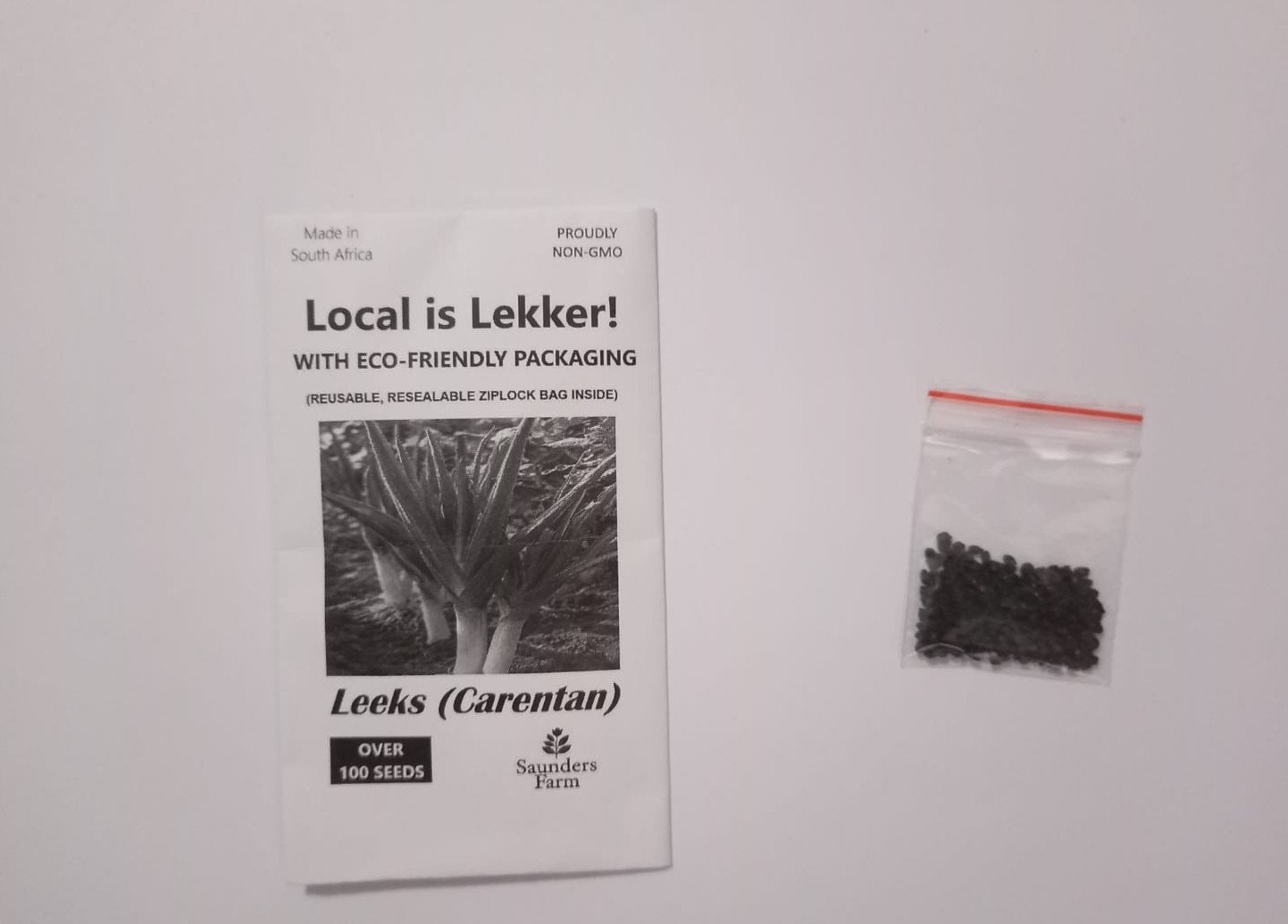
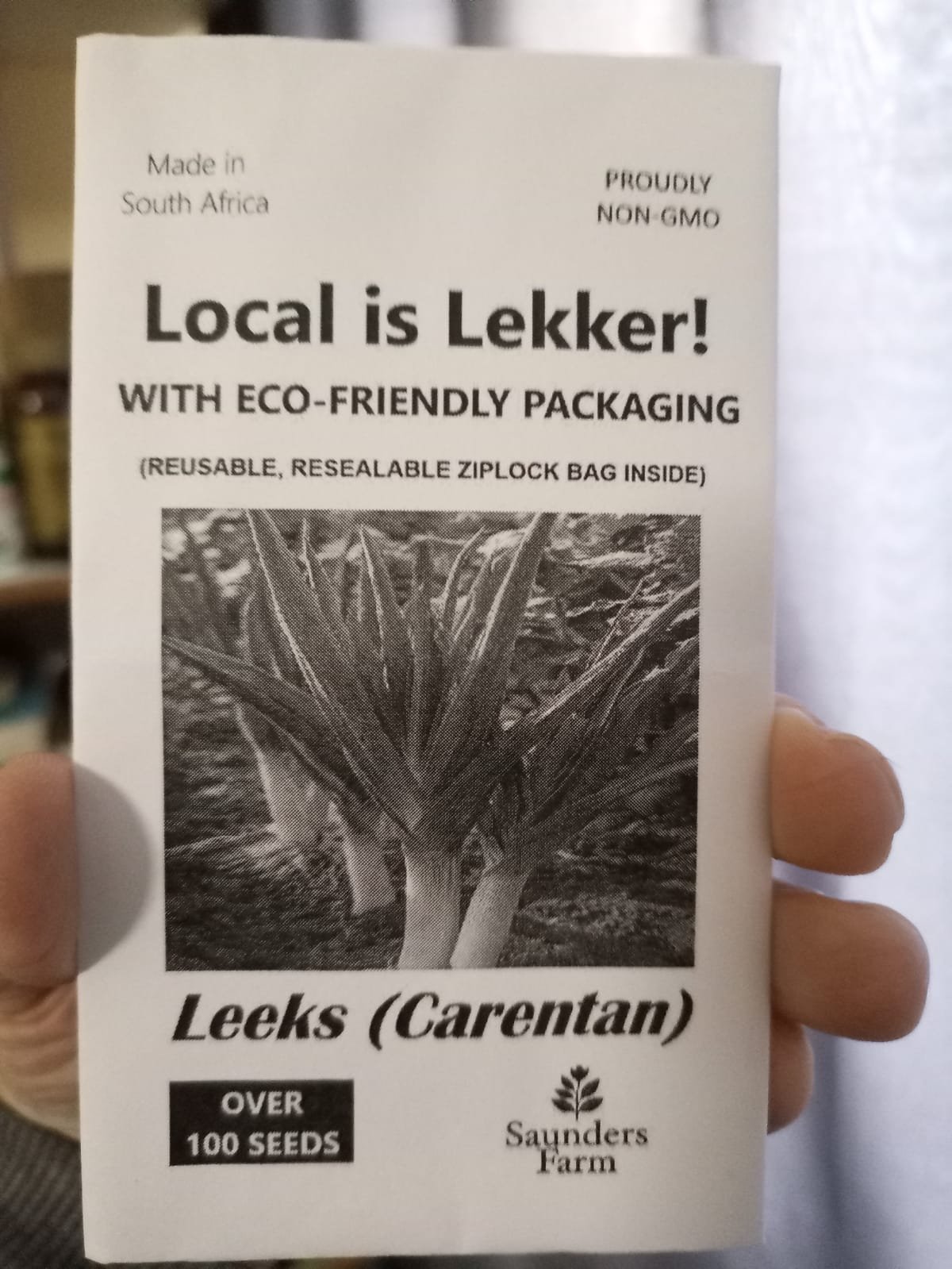
  • Over 100 Leek (Carentan) Seeds
  • Join our WhatsApp Group to see when this product goes on special: https://chat.whatsapp.com/Ly1HQgXpYGXL2ffDGXUl4G
  • Proudly non-GMO
  • ECO-FRIENDLY: Biodegradable packaging with resealable, reusable plastic Ziplock bag inside
  • Made in South Africa, for South Africa
  • Comment below to sign up for new product alerts

Availability: 17 in stock

Guaranteed Safe Checkout

Leek (Carentan) Seeds

Grow your own gourmet, tender, and thick-stemmed leeks with our premium Carentan seeds.

Introduced in France in the late 1800s, this legendary heirloom variety is a favorite among South African gardeners for its extreme cold hardiness, delicious mild onion flavor, and vigorous growth habit.

Why Choose Carentan Leeks?

  1. Heirloom Quality: Pure, non-GMO open-pollinated seeds that deliver a sweet, delicate flavor far superior to store-bought varieties.
  2. Winter Resilient: Highly resistant to frost, making it the ultimate winter crop for chilly South African nights.
  3. Abundant Pack: Every packet contains over 100 seeds, giving you plenty of chances to grow a substantial, recurring harvest.
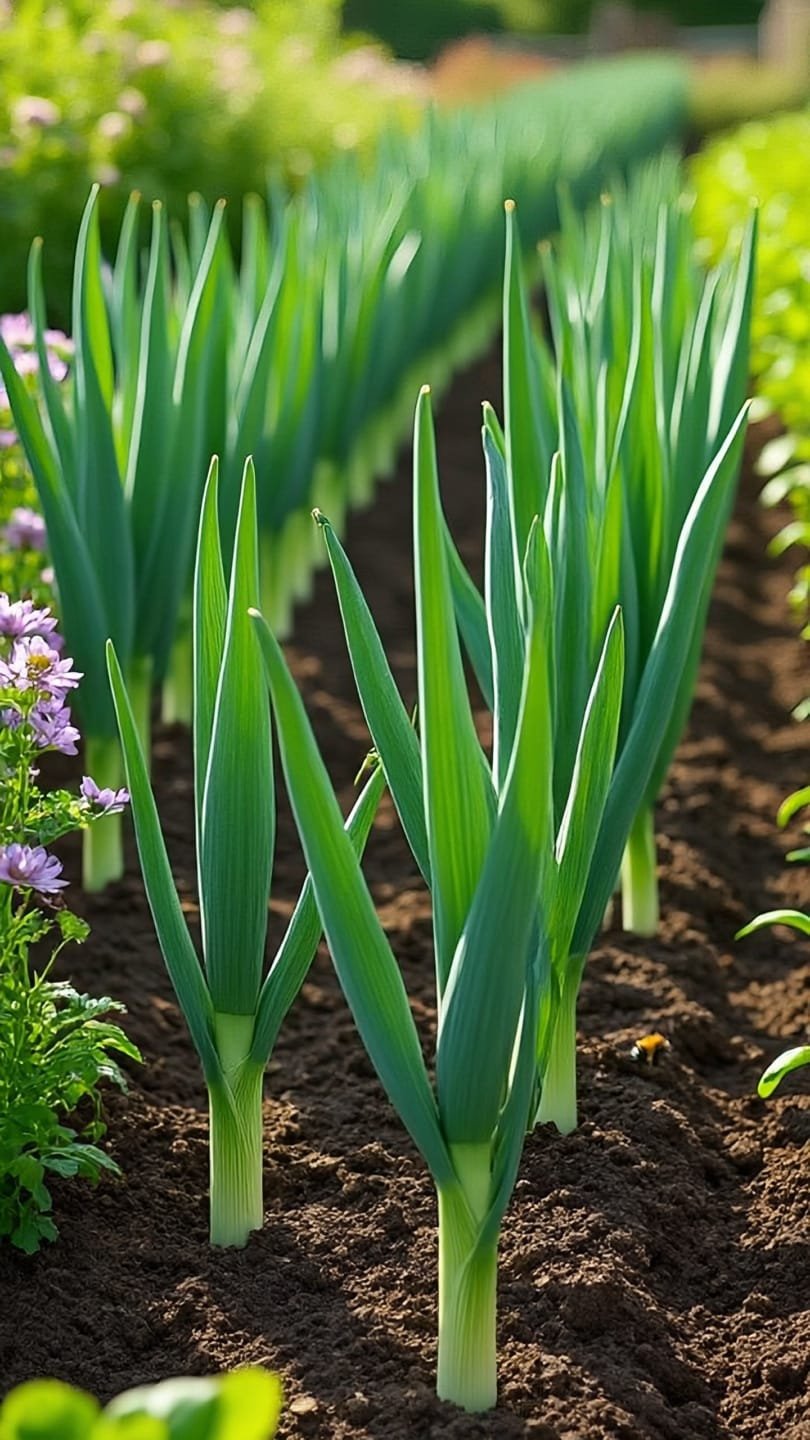
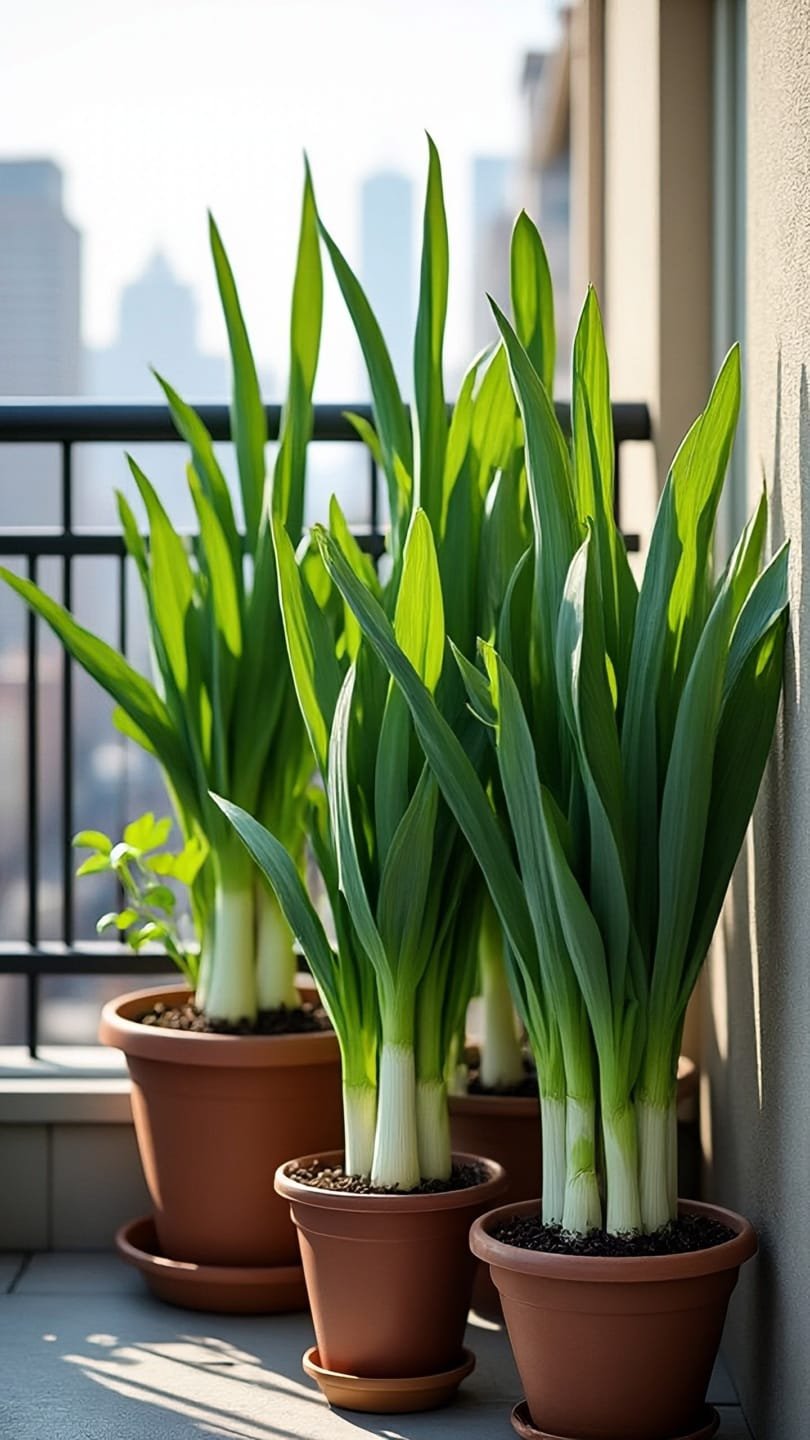
  4. Sturdy & Productive: Produces thick, white stems wrapped in beautiful blue-green leaves that hold exceptionally well in the ground.

South African Planting & Growing Guide

Best Planting Time: Sow from January to April for an autumn and winter crop, or from August to September in cooler regions for a spring start.

Sowing Depth: Plant seeds 5mm deep in seed trays or directly into deep, loose, fertile soil.

Spacing: Space seedlings 10cm to 15cm apart in rows that are 30cm apart to allow the shafts to thicken.

Sunlight: Requires full sun to very light afternoon shade, needing at least 6 hours of direct sunlight daily.

Watering: Keep the soil consistently moist but never waterlogged; moisture is key to tender stems.

Harvest: Ready to pick in 120 to 140 days when the stems are roughly the thickness of a thumb.

logo simple

Stop Killing Your Seeds!

5 Germination Mistakes Gardeners Must Stop Immediately

Get this free guide (5 minute read) and The Printable Monthly Growing Guide for South Africa (also free), via email:

We don’t spam! Read our privacy policy for more info.

Reviews

There are no reviews yet.

Be the first to review “Leeks – Over 100 Seeds”

Your email address will not be published. Required fields are marked *

How to Grow Leeks from Seed

How to Grow Leeks from Seed: The Complete South African Guide

Growing your own leeks from seed is a highly satisfying project for South African vegetable gardeners.

Carentan is an exceptional, time-tested heirloom variety that delivers thick, tender shafts with a deliciously mild, sweet onion flavor.

Follow this step-by-step guide to successfully grow a heavy crop of gourmet leeks in your home garden.

1. When to Plant Leeks in South Africa

Leeks are incredibly cold-hardy, making them an essential staple for the autumn and winter garden.

However, they can be grown almost year-round in milder climates if planted at the right time.

Highveld & Inland Regions: Sow from January to April for a premium winter and spring crop. You can also sow a secondary crop from August to September.

Coastal Regions: Sow from February to May as the intense summer heat and humidity drop.

Frost-Free & Subtropical Areas: Sow from March to June for a reliable winter-long harvest.

2. Sowing Carentan Seeds (Step-by-Step)

While you can sow leek seeds directly into the ground, starting them in deep seed trays or a dedicated outdoor “nursery bed” is highly recommended.

This allows them to develop strong roots before being moved to their final positions.

Prepare the Trays: Fill a deep seedling tray or small pots with a loose, free-draining seed-starting mix. Leeks have deep root systems, so avoid shallow trays.

Sow the Seeds: Plant your seeds 5mm deep. Space them about 1cm apart if sowing in rows within a container.

Every packet contains over 100 seeds, giving you plenty of inventory for a massive, multi-season harvest.

Moisten the Soil: Water gently using a fine-mist spray bottle so you do not wash the shallow seeds away.

Germination: Keep the soil consistently damp but not waterlogged. The seeds will sprout into tiny, grass-like green blades within 10 to 14 days.

3. The Transplanting and “Blanching” Trick

Your Carentan seedlings are ready to move out into their final garden beds when they are roughly 15cm to 20cm tall and about the thickness of a standard pencil.

This usually takes 6 to 8 weeks from sowing.

Soil Requirements: Leeks love deeply dug, loose, and fertile soil. Mix plenty of well-rotted compost and a handful of organic fertilizer into the bed. Aim for a soil pH between 6.0 and 7.0.

The “Dibb” Method: Do not dig a standard planting hole. Instead, push a stick or tool handle (a dibber) into the soil to make a hole about 15cm deep.

Drop and Water: Drop one pencil-thin seedling into each deep hole. Do not fill the hole back up with soil! Simply pour water gently into the hole. The water will wash just enough soil over the roots to anchor the plant.

Why do this?: As the leek grows in the dark hole, the lower stem is blocked from sunlight. This process is called “blanching,” and it creates the long, tender, snow-white shafts that chefs love.

Spacing: Space your planting holes 10cm to 15cm apart in rows that are 30cm apart.

4. Ongoing Care and Maintenance

Sunlight: Choose a garden bed that receives full sun to very light afternoon shade, ensuring at least 6 hours of direct sunlight daily.

Watering: Leeks have shallow root systems despite their deep planting depth. Water regularly and deeply twice a week. Dry conditions will make the stems tough and fibrous.

Mulching: Spread a thick layer of organic straw or fine bark mulch around the plants to lock in soil moisture and keep weeds at bay.

Hilling Up: As the plants grow taller, you can gently draw up more soil or mulch around the base of the stems. This blocks out even more sunlight, increasing the length of the edible white part of the stem.

5. Harvesting Your Leeks

Carentan leeks are highly forgiving and can be harvested across a wide window, maturing roughly 120 to 140 days after sowing.

Size Matters: You can begin harvesting as soon as the white stems are the thickness of your thumb.

How to Harvest: Never yank leeks straight out of the ground, as you will snap the stem and leave the base behind. Use a garden fork to gently loosen the soil underneath the roots, then lift the entire plant upward.

Storage: Trim the roots slightly and wash out any trapped grit from the leaves.

Leeks hold incredibly well and can actually be left in the winter soil to be harvested fresh only when you need them for a hot pot of soup!

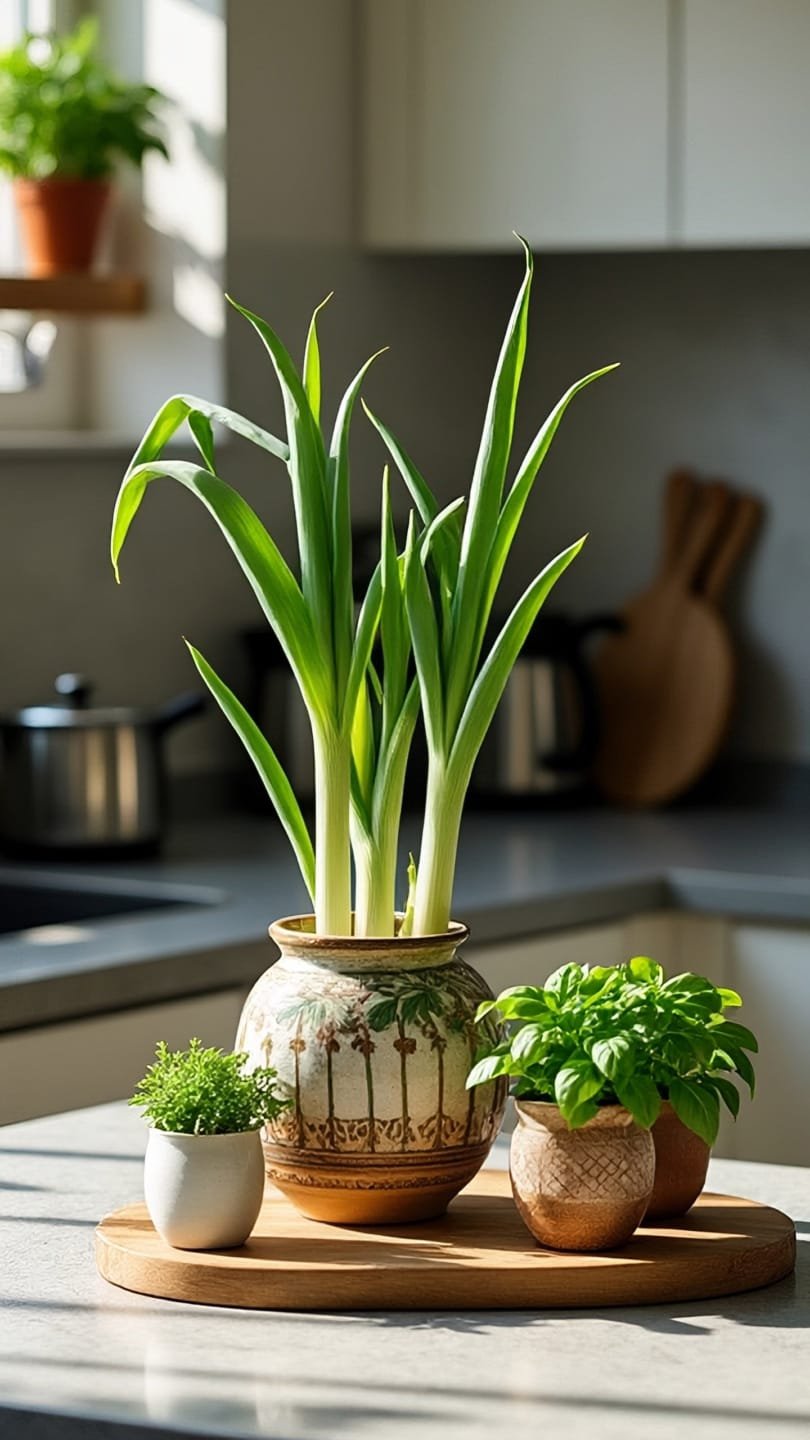
Leeks Medicinal / Nutritional Uses

Leek Nutritional Value and Medicinal Benefits: A Scientist’s Guide

Homegrown Carentan leeks (Allium ampeloprasum) are far more than a basic aromatical base for winter soups and stews.

Belonging to the Amaryllidaceae family, leeks are close culinary and botanical cousins to garlic and onions.

They are packed with essential dietary fibers, organosulfur compounds, and specific micronutrients that play an active role in cellular protection and metabolic health.

Nutritional Profile (Per 100g Cooked Leeks)

Data compiled from food chemistry studies indicates that leeks are incredibly low in calories and fat, making them an excellent choice for nutrient-dense, low-glycemic eating:

  • Calories: 31 kcal
  • Dietary Fibre: 1.8g (mostly soluble prebiotic fibers)
  • Vitamin K: 47mcg (nearly 40% of your Daily Value for bone and vascular health)
  • Vitamin A (Beta-Carotene): 83mcg (supports vision and cellular division)
  • Vitamin C: 4.2mg (provides vital immune support)
  • Manganese: 0.25mg (essential for enzyme activation and metabolic regulation)
  • Iron: 1.1mg (supports red blood cell health)

Key Medicinal & Health Benefits

1. Rich in Heart-Protective Kaempferol

Leeks contain exceptionally high concentrations of kaempferol, a powerful plant polyphenol and flavonoid.

Extensive biochemical research suggests that kaempferol works directly to protect blood vessels from free radical damage.

It stimulates the production of nitric oxide, which relaxes blood vessels, improves blood circulation, and lowers overall blood pressure, helping to reduce systemic cardiovascular strain.

2. Powerful Cancer-Prevention Mechanisms via Allicin

When you slice, chop, or crush Carentan leeks, a chemical reaction triggers the formation of allicin. Allicin is an organosulfur compound with highly researched medicinal attributes.

Clinical studies suggest that these sulfur molecules help detoxify dangerous carcinogens, reduce cellular mutations, and actively inhibit the proliferation of cancer cells, particularly within the gastrointestinal tract.

3. Stabilizes Blood Sugar and Supports Weight Management

Leeks are an ideal dietary inclusion for managing Type 2 diabetes and insulin resistance. They contain a specific combination of low carbohydrates and high water content, meaning they have a negligible impact on blood sugar.

Additionally, the fiber in leeks slows down glucose absorption in the gut, ensuring a steady, long-term release of energy without causing harmful insulin spikes.

4. Prebiotic Inulin for Optimised Gut Health

A significant portion of the soluble fiber found in leeks is made up of inulin. Inulin is a premium prebiotic fiber that cannot be broken down by human digestive enzymes.

Instead, it travels straight to the large intestine, where it serves as vital food for beneficial gut bacteria (Bifidobacteria).

A well-nourished microbiome reduces gut inflammation, boosts nutrient absorption, and strengthens overall immune response.

5. Promotes Bone Density and Healthy Blood Clotting

With an abundance of Vitamin K1, leeks play a crucial structural role in the body. Vitamin K is a mandatory cofactor for activating osteocalcin, the primary protein required to bind calcium molecules to the bone matrix.

Regular intake of Vitamin K-rich foods like leeks helps maintain high bone density while simultaneously regulating healthy, proper blood clotting mechanisms.

Preserving the Medicine: Raw vs. Cooked

To capture the absolute most medicinal value out of your Carentan leek harvest, tailor your cooking methods correctly:

Slice and Rest: Always chop or slice your leeks and let them sit on the cutting board for 5 to 10 minutes before heating.

This resting window allows the internal enzymes to react and generate the maximum amount of cancer-fighting allicin.

Light Sautéing or Steaming: Sautéing leeks gently in a bit of olive oil or steaming them softens the fibrous leaves while fully preserving their fat-soluble antioxidants, like kaempferol and Vitamin K.

Avoid Over-Boiling: Avoid boiling leeks in large amounts of water and throwing the liquid away. Water-soluble vitamins will leach out into the liquid.

Instead, consume them in stews, broths, and soups where the nutrient-rich liquids are fully consumed.

Leeks Growing Guide

The Ultimate Leek Growing Guide: From Seed to Harvest

Growing your own leeks is incredibly satisfying. This comprehensive guide covers everything you need to grow thick, tender, and delicious leek shafts in South Africa.

Quick Growing Facts

  • Difficulty: Easy to Moderate
  • Sunlight Required: Full sun to very light afternoon shade (6+ hours daily)
  • Germination Time: 10 to 14 days
  • Time to Harvest: 120 to 140 days from sowing

1. Planting Windows for South African Regions

Leeks are extremely cold-hardy, making them a perfect staple for the autumn and winter garden. However, they can be started almost year-round in milder climates.

Inland & Highveld: Sow from January to April for a winter crop, or August to September for a spring start.

Coastal Regions: Sow from February to May as the intense summer heat drops.

Frost-Free Areas: Sow from March to June for a highly reliable winter harvest.

2. Sowing Carentan Leek Seeds

Starting your seeds in deep seedling trays or a separate nursery bed is highly recommended. This allows them to develop strong roots before being moved to their final spots.

Depth: Plant seeds exactly 5mm deep in premium seed-starting mix.

Quantity: Space seeds about 1cm apart in rows within your tray or container.

Pack Size: Every packet contains over 100 seeds, giving you plenty of seeds for multiple rows or successive planting seasons.

Moisture: Keep the soil consistently damp using a gentle mist spray bottle so you do not wash the shallow seeds away.

3. The Transplanting and “Blanching” Method

Your Carentan seedlings are ready to move into their final garden beds when they are 15cm to 20cm tall and roughly the thickness of a standard pencil. This usually takes 6 to 8 weeks.

Soil Quality: Leeks love deeply dug, loose, and fertile soil. Mix plenty of well-rotted compost and organic fertilizer into the bed before planting.

Soil pH: Leeks thrive best in a rich environment with a pH of 6.0 to 7.0.

The Deep Hole Trick: Do not dig a normal planting hole. Instead, push a stick or tool handle (a dibber) into the soil to make a hole about 15cm deep.

Drop and Water: Drop one pencil-thin seedling into each deep hole. Do not fill the hole back up with soil! Simply pour water gently into the hole. The water will wash just enough soil over the roots to anchor the plant.

Why do this?: As the leek grows in the dark hole, the lower stem is blocked from sunlight. This process is called “blanching,” and it creates the long, tender, snow-white shafts that chefs love.

Spacing: Space your planting holes 10cm to 15cm apart in rows that are 30cm apart.4.

Essential Ongoing Care

Watering: Leeks have shallow root systems despite their deep planting depth. Water regularly and deeply twice a week. Dry conditions will make the stems tough and fibrous.

Mulching: Spread a thick layer of straw or dried leaves around the base of the plants to conserve soil moisture and keep weeds down.

Hilling Up: As the plants grow taller, you can gently draw up more soil or mulch around the base of the stems. This blocks out even more sunlight, increasing the length of the edible white part of the stem.

5. Pest and Disease Management

Leeks are generally tough, but keep your eyes open for common onion-family issues:

Thrips: Tiny insects that suck sap from the leaves, leaving silvery streaks. Spray them off with organic insecticidal soap or neem oil.

Leek Rust: A fungal disease that causes orange spots on the leaves. Avoid watering the foliage directly and space plants properly to ensure good airflow.

6. Harvesting Your Leeks

Your Carentan leeks can be harvested across a very wide window, maturing roughly 120 to 140 days after sowing.

Size Test: You can begin harvesting as soon as the white stems are the thickness of your thumb.

How to Pull: Never yank leeks straight out of the ground, as you will snap the stem. Use a garden fork to gently loosen the soil underneath the roots, then lift the entire plant upward.

Winter Storage: Leeks hold incredibly well in cold weather. You can actually leave them in the ground all winter and harvest them fresh only when you need them for a hot pot of soup!
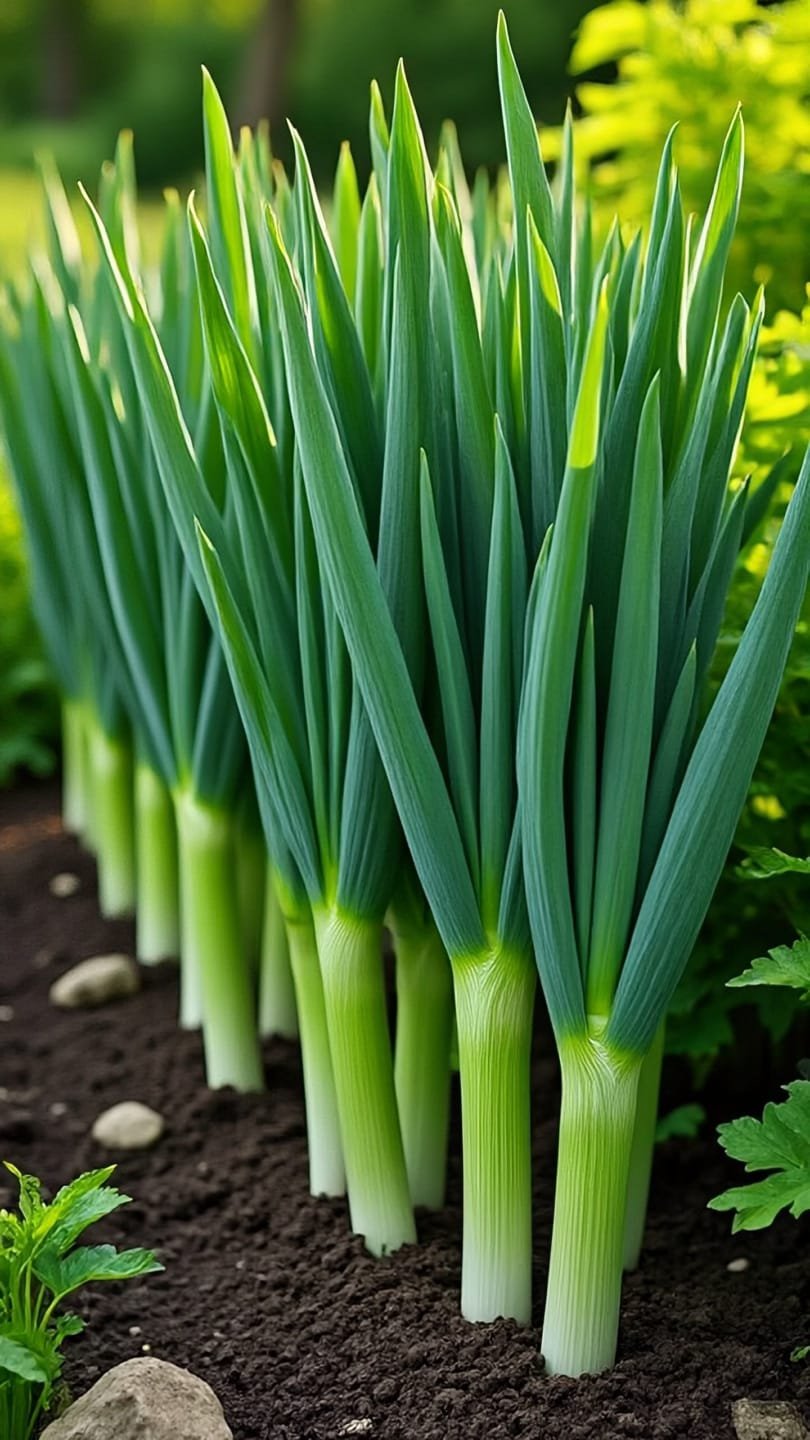
Leeks Other Names

Comprehensive Guide to Leek Names Across Cultures and Languages

Understanding the different names for leeks can help you explore international recipes, research historic heirloom seed varieties, and connect with diverse local gardening communities.

Around the world, this versatile and cold-hardy winter staple is known by many traditional, regional, and multilingual names.

Local South African Names

South Africa’s rich cultural and linguistic diversity means this popular winter soup ingredient goes by several names in local markets and agricultural communities:

Prei: The traditional Afrikaans name, which roots back directly to its European heritage.

Iliki: The phonetic adaptation commonly used within conversational isiZulu and isiXhosa naming conventions.

Anyanse: Used broadly in some northern regional dialects to describe cultivated green bunching onions and leeks.

Global and Multilingual Names

If you are searching for international culinary inspiration or tracing old heirloom seed catalogs, you will frequently find leeks listed under these names:

Poireau: French (the linguistic ancestor of many modern European culinary terms for the plant).

Puerro: Spanish (widely used across Spain and Latin America).

Porree / Lauch: German (where Porree is the traditional term and Lauch is used universally in modern cooking).

Porro: Italian.V

ilayati Pyaj: Hindi (which translates loosely to “foreign onion,” essential for tracking down specific North Indian fusion dishes).

Prasa: Turkish and Greek (central to Mediterranean olive oil and rice braised dishes).

Historical and Botanical Naming

Allium ampeloprasum var. porrum: The official scientific botanical name. Belonging to the Amaryllidaceae family, it is a close relative of onions, garlic, and chives.

Broad-Leafed Leek: A historical descriptive term used by early breeders to distinguish thick, flat-leafed cultivated varieties from narrow, wild field leeks.

Carentan: The specific, world-famous heirloom variety we stock. Introduced in France in the late 1800s, it is prized globally for its sweet flavor and extreme cold hardiness.

Every packet we sell contains over 100 seeds to get your winter vegetable patch started.

Common Culinary and Typological Terms

When browsing vegetable markets or gourmet seed catalogs, you might run into names that describe specific parts, textures, or close relatives of the leek:

The Shaft: The official culinary term for the thick, white, edible lower stem of the plant.

The Curd / Bulb: Incorrect but frequently used terms by beginner gardeners trying to describe the slightly swollen base of the stem.

Scallion / Green Onion: Close culinary cousins often confused with young leeks, though they belong to a completely different Allium branch (Allium fistulosum).

Elephant Garlic: A close botanical relative that actually belongs to the exact same species as the leek (Allium ampeloprasum), but forms giant garlic-flavored bulbs instead of a stem.

Shopping Basket
0
    0
    Your Cart
    Your cart is emptyReturn to Shop
    Scroll to Top