How to Grow Leeks from Seed: The Complete South African Guide
Growing your own leeks from seed is a highly satisfying project for South African vegetable gardeners.
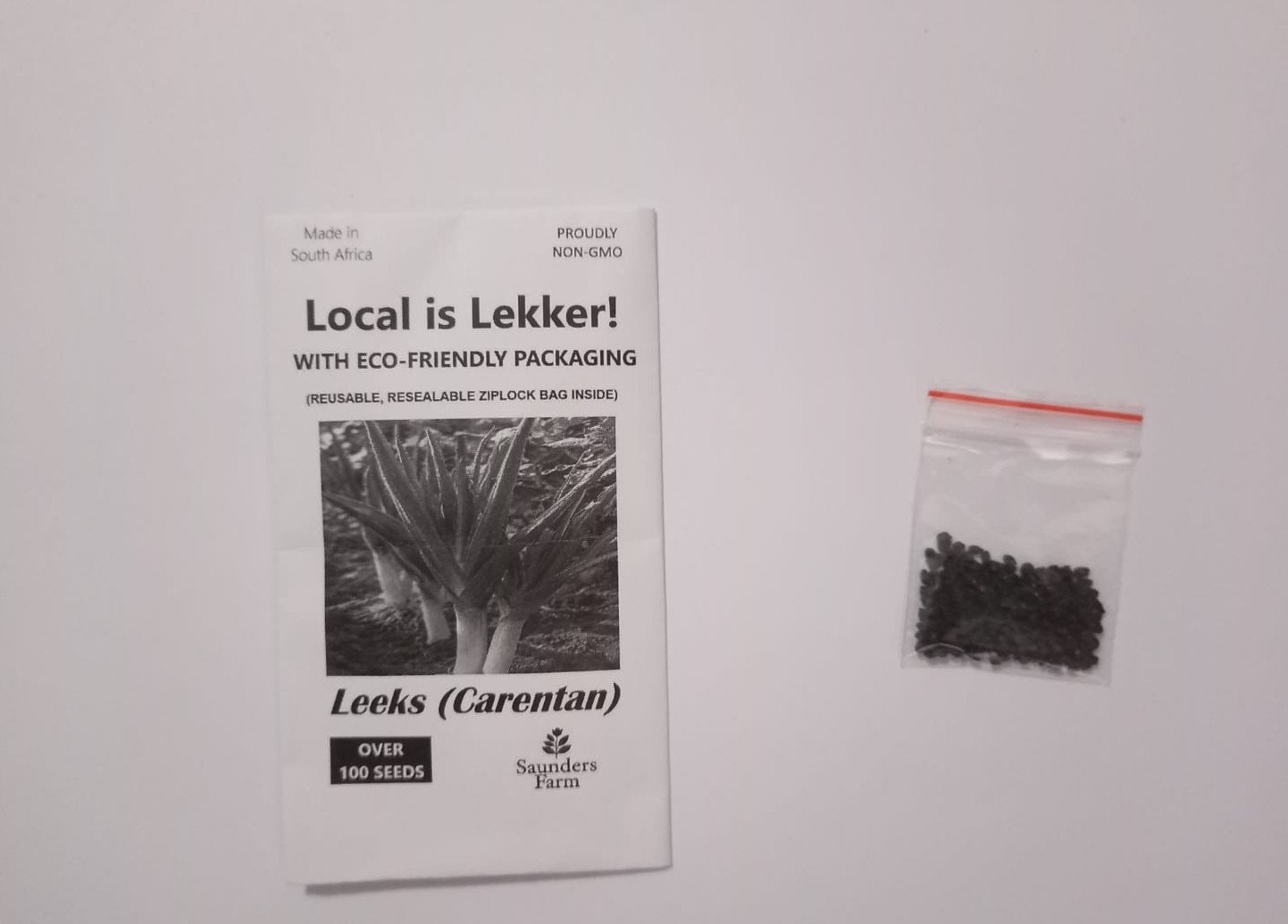
Carentan is an exceptional, time-tested heirloom variety that delivers thick, tender shafts with a deliciously mild, sweet onion flavor.
Follow this step-by-step guide to successfully grow a heavy crop of gourmet leeks in your home garden.
1. When to Plant Leeks in South Africa
Leeks are incredibly cold-hardy, making them an essential staple for the autumn and winter garden.
However, they can be grown almost year-round in milder climates if planted at the right time.
Highveld & Inland Regions: Sow from January to April for a premium winter and spring crop. You can also sow a secondary crop from August to September.
Coastal Regions: Sow from February to May as the intense summer heat and humidity drop.
Frost-Free & Subtropical Areas: Sow from March to June for a reliable winter-long harvest.
2. Sowing Carentan Seeds (Step-by-Step)
While you can sow leek seeds directly into the ground, starting them in deep seed trays or a dedicated outdoor “nursery bed” is highly recommended.
This allows them to develop strong roots before being moved to their final positions.
Prepare the Trays: Fill a deep seedling tray or small pots with a loose, free-draining seed-starting mix. Leeks have deep root systems, so avoid shallow trays.
Sow the Seeds: Plant your seeds 5mm deep. Space them about 1cm apart if sowing in rows within a container.
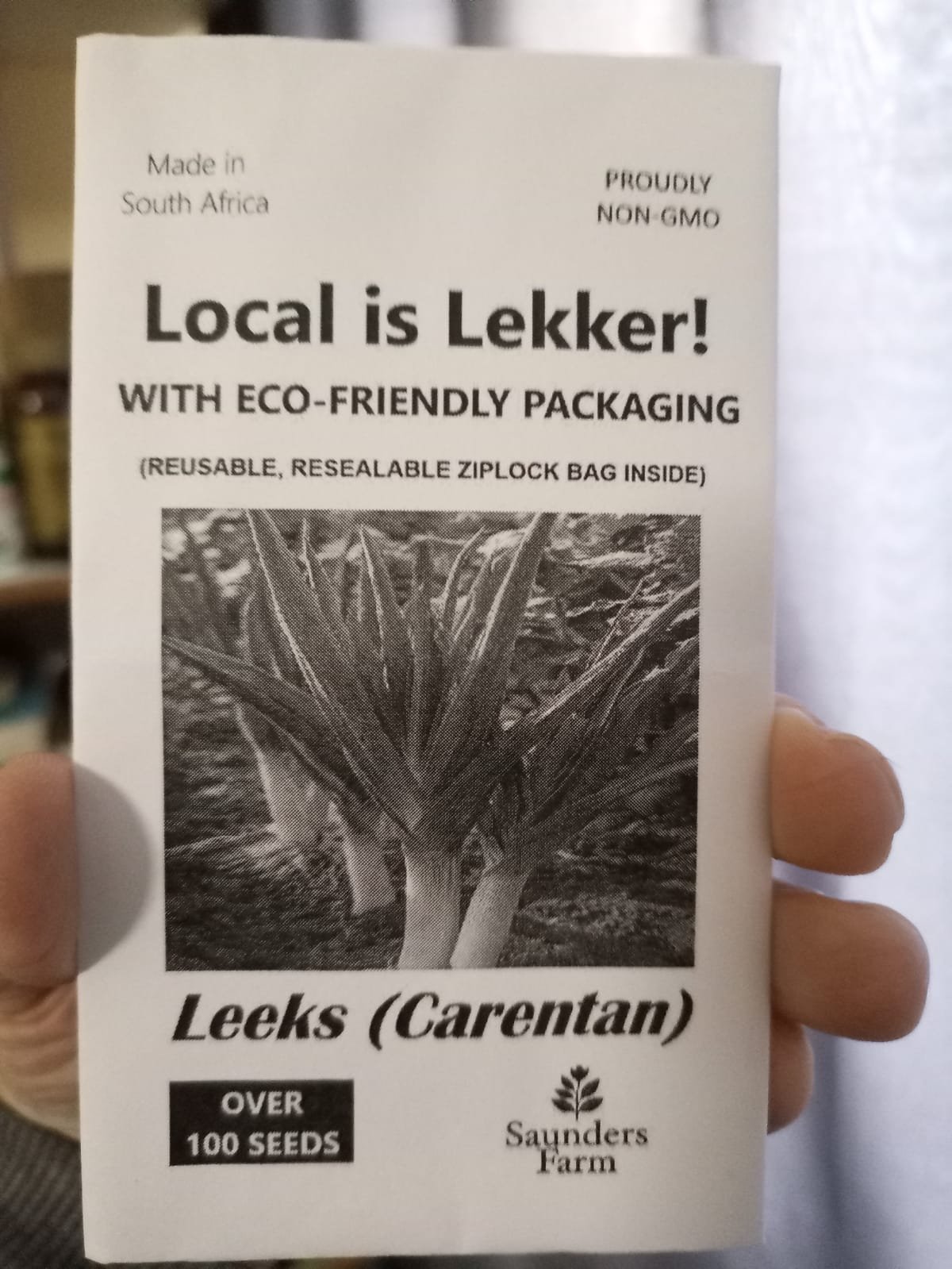
Every packet contains over 100 seeds, giving you plenty of inventory for a massive, multi-season harvest.
Moisten the Soil: Water gently using a fine-mist spray bottle so you do not wash the shallow seeds away.
Germination: Keep the soil consistently damp but not waterlogged. The seeds will sprout into tiny, grass-like green blades within 10 to 14 days.
3. The Transplanting and “Blanching” Trick
Your Carentan seedlings are ready to move out into their final garden beds when they are roughly 15cm to 20cm tall and about the thickness of a standard pencil.
This usually takes 6 to 8 weeks from sowing.
Soil Requirements: Leeks love deeply dug, loose, and fertile soil. Mix plenty of well-rotted compost and a handful of organic fertilizer into the bed. Aim for a soil pH between 6.0 and 7.0.
The “Dibb” Method: Do not dig a standard planting hole. Instead, push a stick or tool handle (a dibber) into the soil to make a hole about 15cm deep.
Drop and Water: Drop one pencil-thin seedling into each deep hole. Do not fill the hole back up with soil! Simply pour water gently into the hole. The water will wash just enough soil over the roots to anchor the plant.
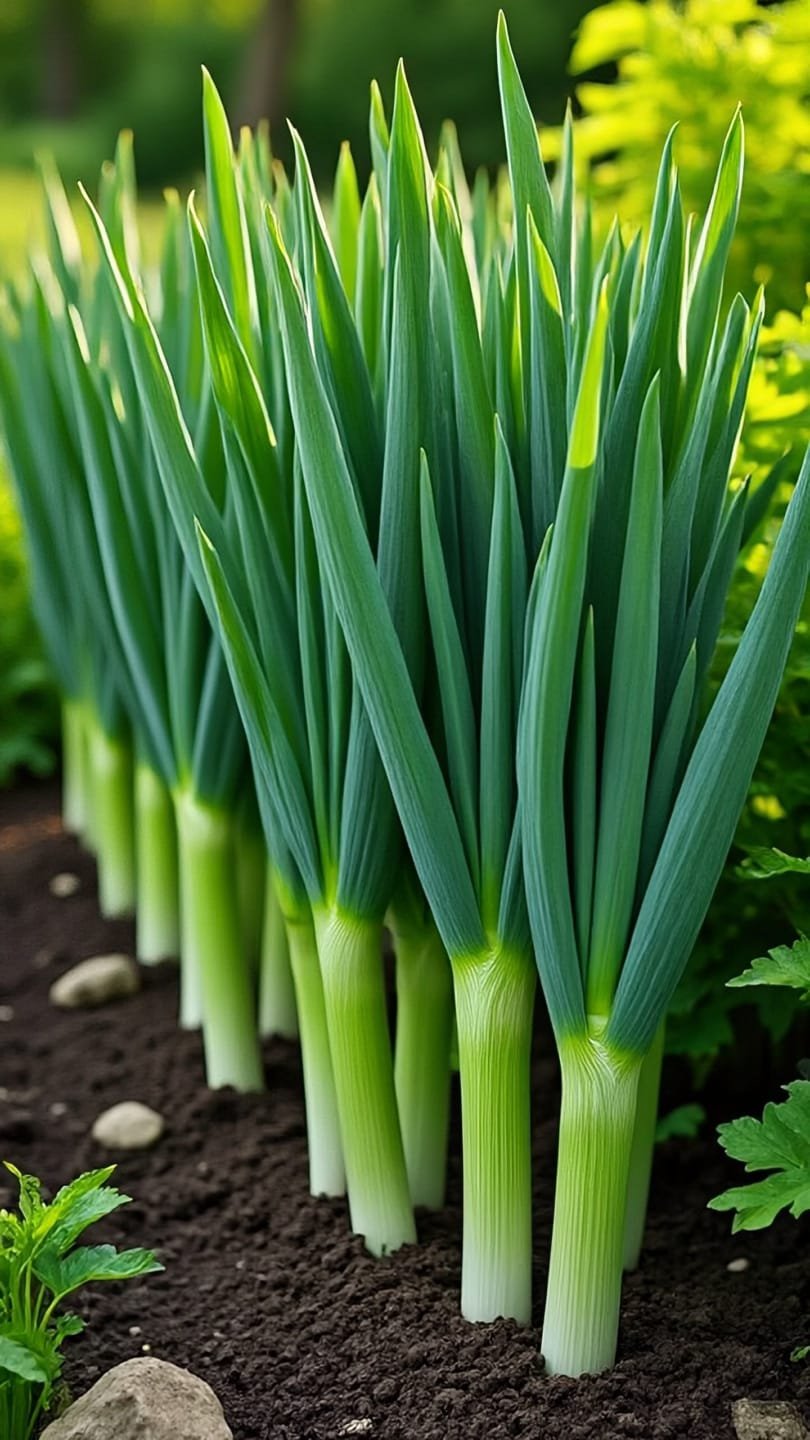
Why do this?: As the leek grows in the dark hole, the lower stem is blocked from sunlight. This process is called “blanching,” and it creates the long, tender, snow-white shafts that chefs love.
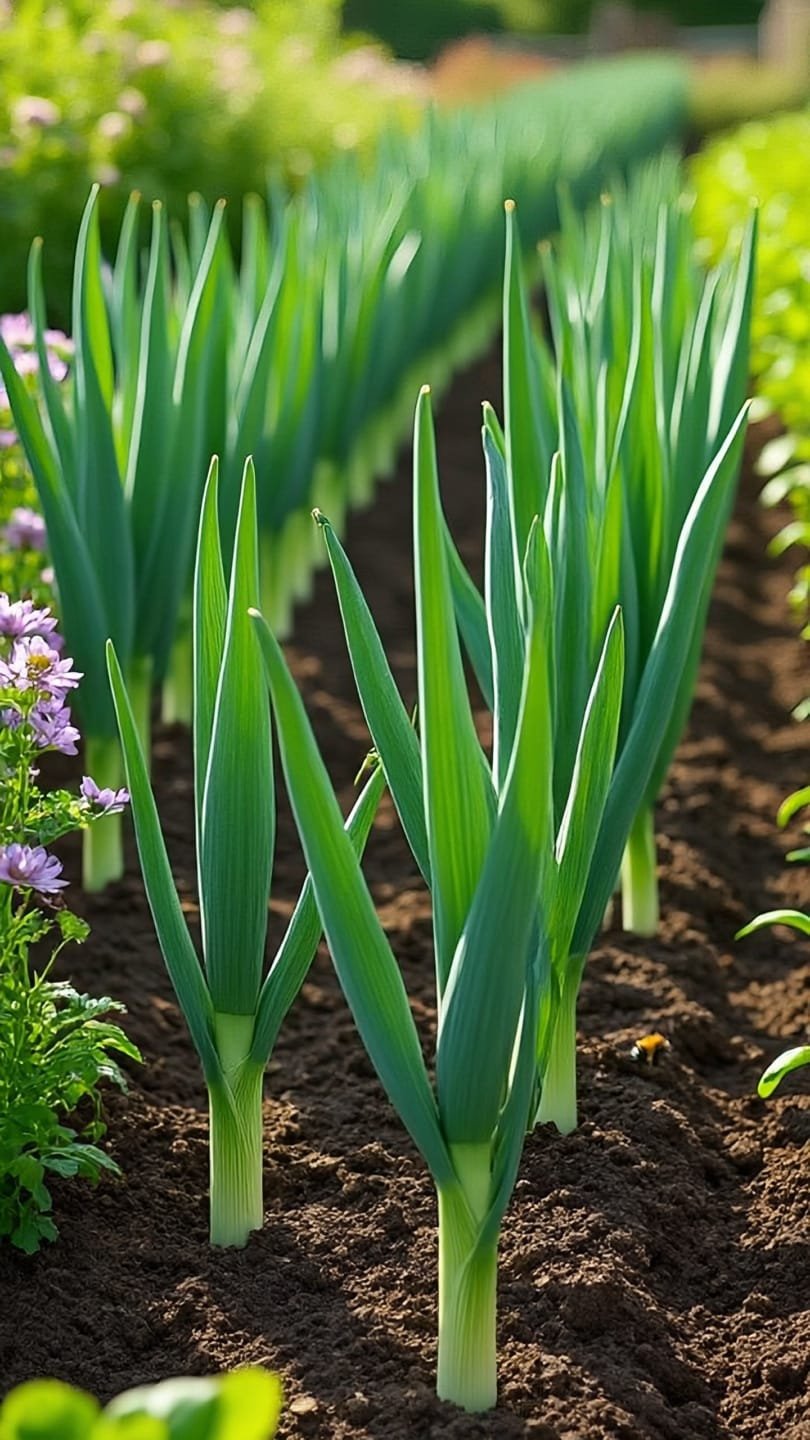
Spacing: Space your planting holes 10cm to 15cm apart in rows that are 30cm apart.
4. Ongoing Care and Maintenance
Sunlight: Choose a garden bed that receives full sun to very light afternoon shade, ensuring at least 6 hours of direct sunlight daily.
Watering: Leeks have shallow root systems despite their deep planting depth. Water regularly and deeply twice a week. Dry conditions will make the stems tough and fibrous.
Mulching: Spread a thick layer of organic straw or fine bark mulch around the plants to lock in soil moisture and keep weeds at bay.
Hilling Up: As the plants grow taller, you can gently draw up more soil or mulch around the base of the stems. This blocks out even more sunlight, increasing the length of the edible white part of the stem.
5. Harvesting Your Leeks
Carentan leeks are highly forgiving and can be harvested across a wide window, maturing roughly 120 to 140 days after sowing.
Size Matters: You can begin harvesting as soon as the white stems are the thickness of your thumb.
How to Harvest: Never yank leeks straight out of the ground, as you will snap the stem and leave the base behind. Use a garden fork to gently loosen the soil underneath the roots, then lift the entire plant upward.
Storage: Trim the roots slightly and wash out any trapped grit from the leaves.
Leeks hold incredibly well and can actually be left in the winter soil to be harvested fresh only when you need them for a hot pot of soup!

Reviews
There are no reviews yet.