,

Cinnamon Basil

R15,00

Excluding shipping

Availability: 24 in stock

Guaranteed Safe Checkout

Spice up your herb garden and kitchen with our premium Cinnamon Basil seeds (Ocimum basilicum).

A must-have for South African food lovers and gardeners alike, this beautiful heirloom variety combines the classic, rich taste of sweet basil with a distinct, warm undertone of real cinnamon.

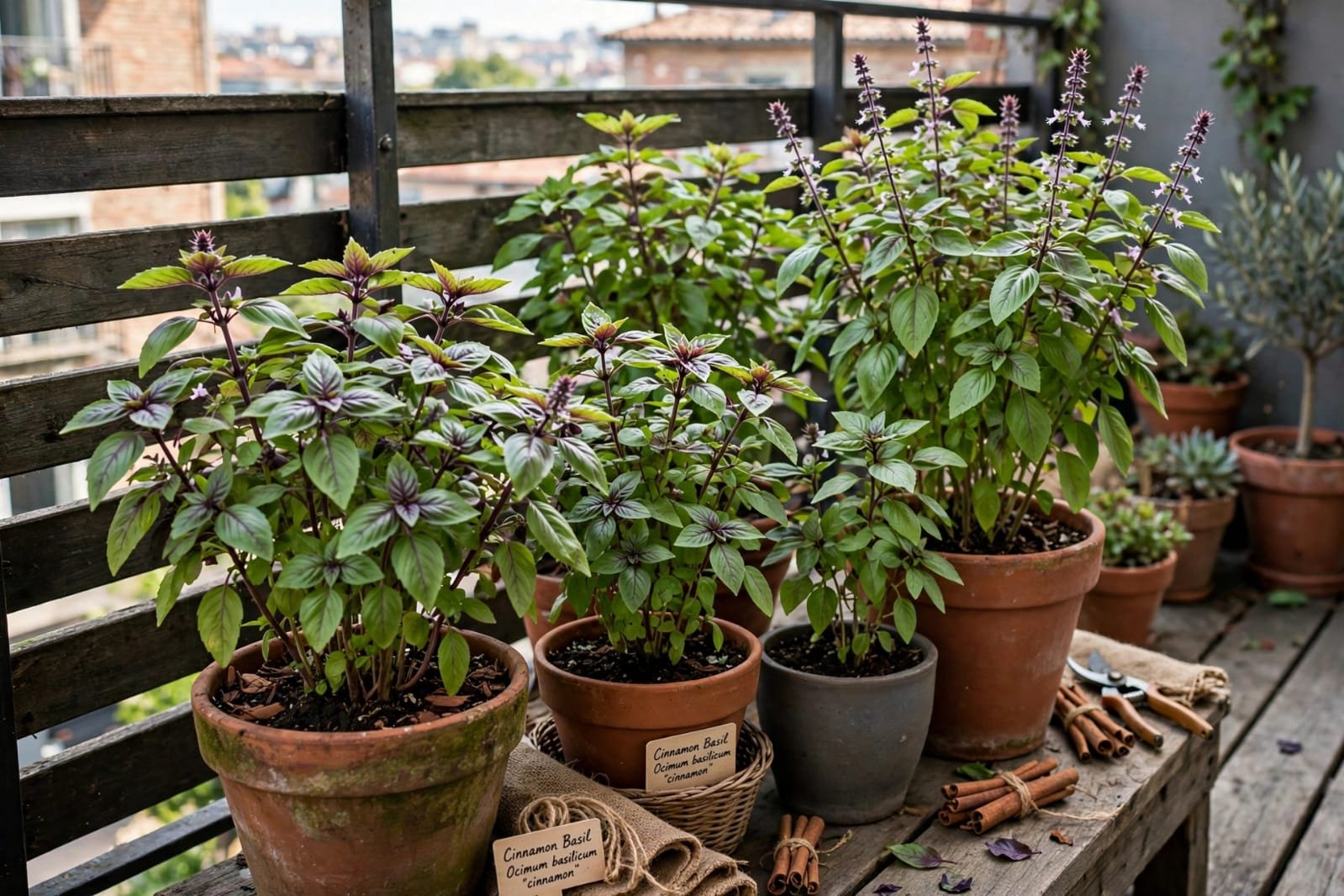
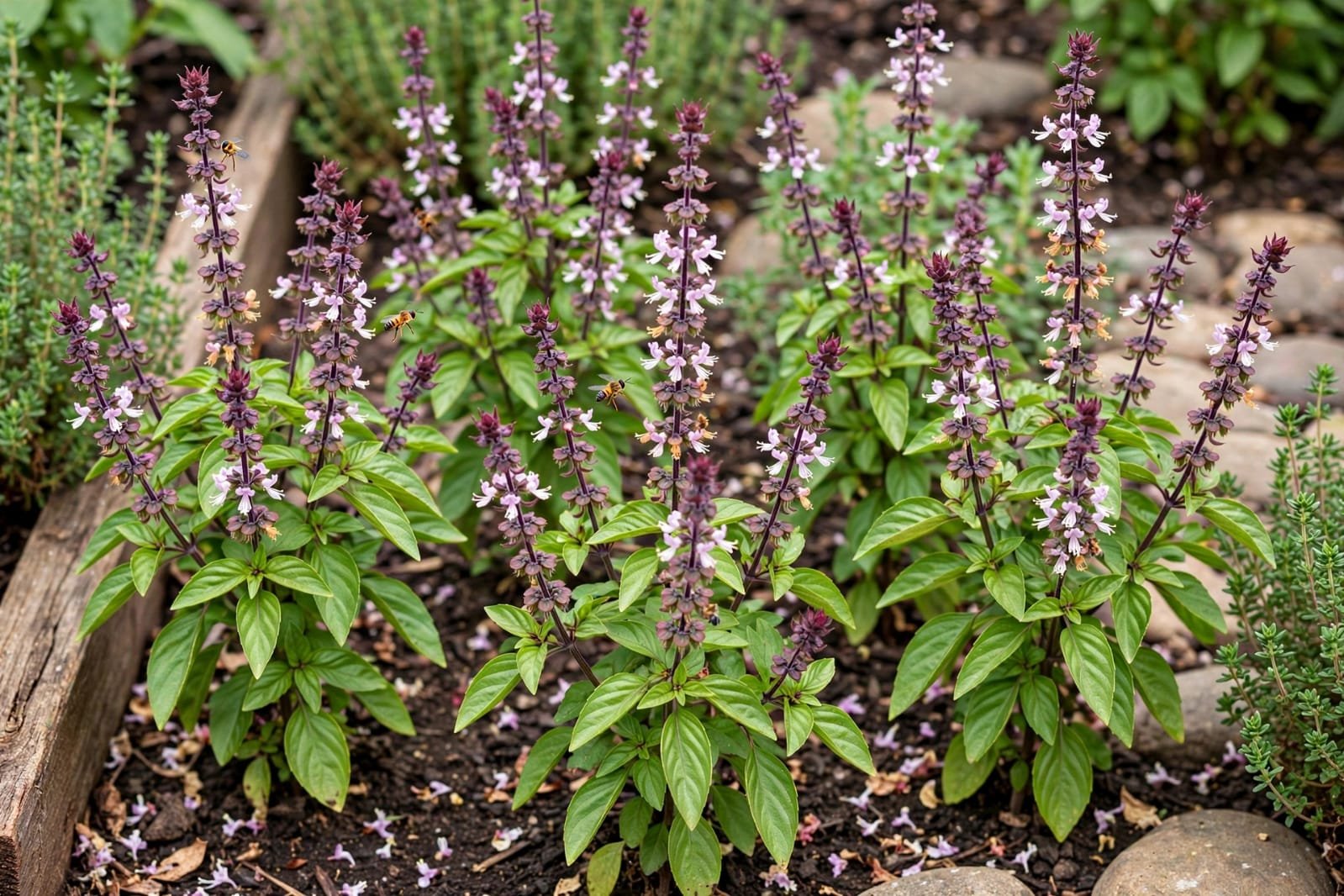
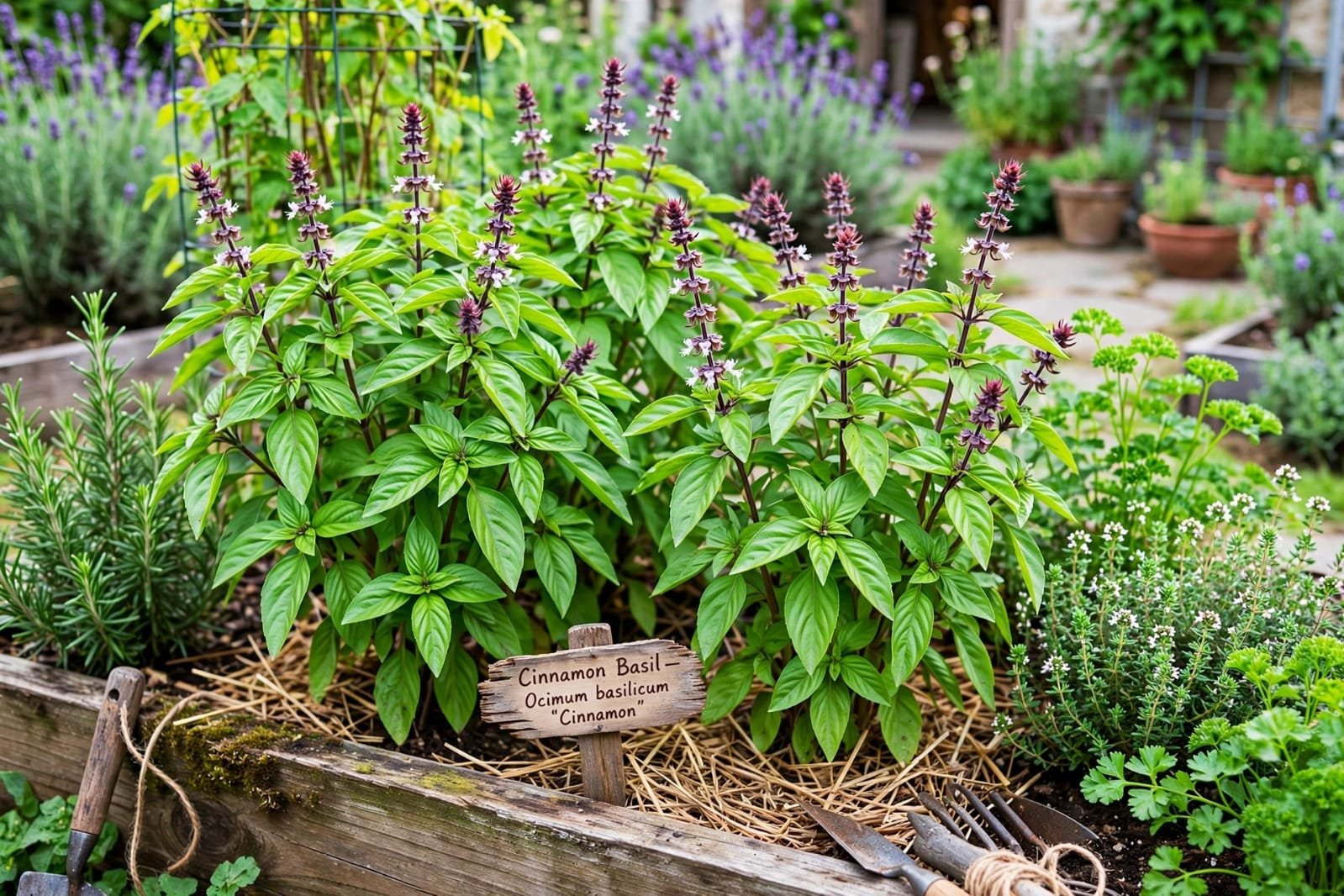
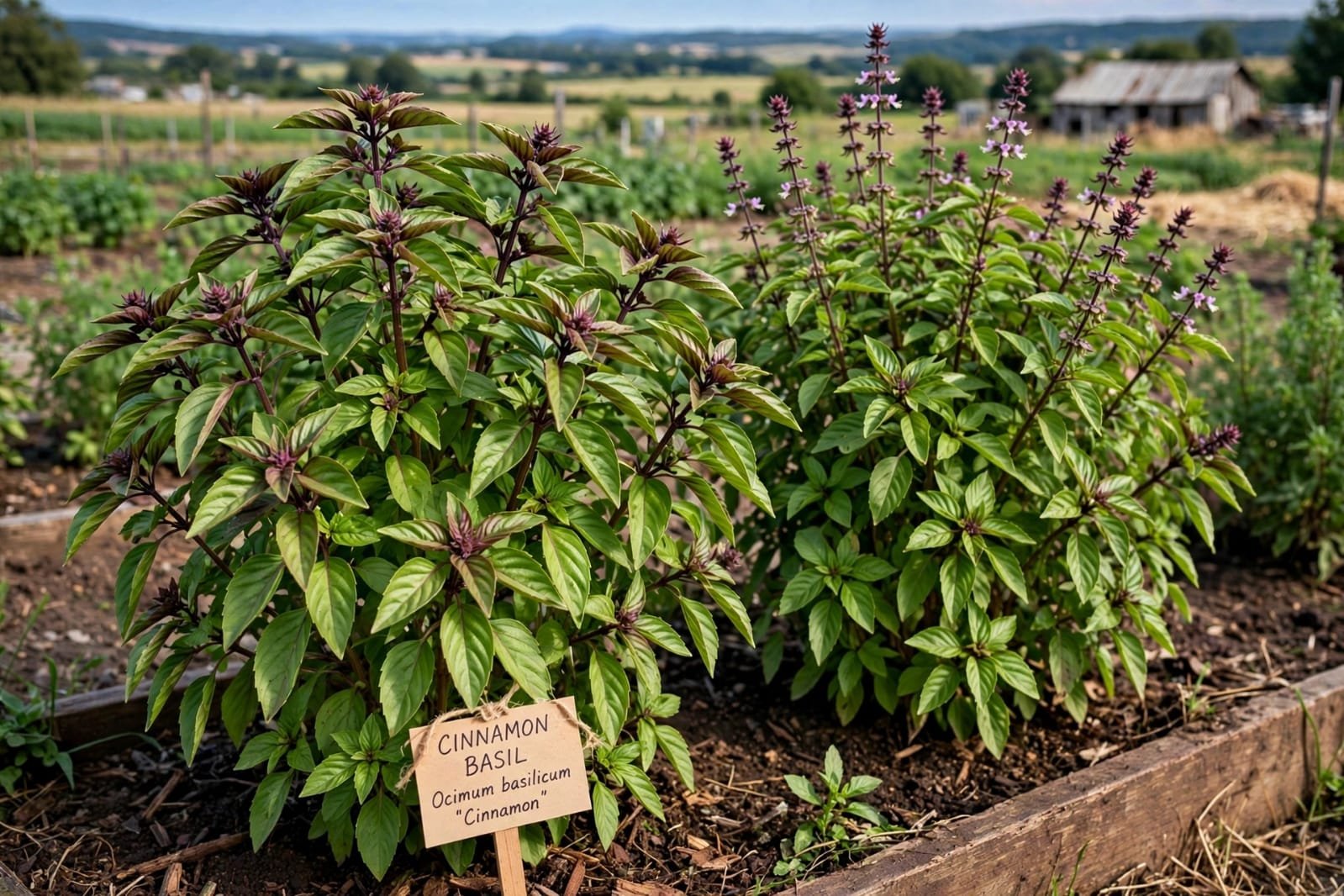
With its striking purple stems, dark green leaves, and beautiful lavender-pink flower spikes, Cinnamon Basil is just as breathtaking in a patio container or garden border as it is delicious in your favorite dishes.

Product Features

  • Seed Count: Over 100 seeds per pack.
  • Variety: Ocimum basilicum ‘Cinnamon’.
  • Quality: 100% heirloom, non-GMO, open-pollinated seeds.
  • Type: Productive warm-season annual.
  • Maturity: Ready to harvest in approximately 60 to 75 days from sowing.
  • Growth Habit: Bushy and vigorous, reaching a height of 45cm to 60cm.

Why You’ll Love Growing Cinnamon Basil

  1. Unique Culinary Flavor: Infused with methyl cinnamate (the same compound found in cinnamon), it adds an exotic twist to stir-fries, teas, baked goods, fresh salads, and vinegars.
  2. Stunning Ornamental Herb: The contrast between the deep purple stems and bright green foliage makes it a gorgeous addition to any edible landscape or window box.
  3. Natural Pest Repellent: The intense, spicy fragrance helps naturally repel unwanted garden pests like mosquitoes and flies, making it an excellent companion plant for tomatoes.
  4. Pollinator Favorite: Left to flower, the beautiful purple blooms become an absolute magnet for local bees and butterflies.

South African Planting & Care Guide

When to Plant: Sow from spring to summer (September to January) across South Africa, once all danger of frost has completely passed and soil temperatures warm up.

Position: Full sun (requires at least 6 to 8 hours of direct sunlight daily to develop its rich essential oils).

Soil Preference: Thrives in rich, moist, and exceptionally well-drained soil. Regular application of organic compost will boost leaf production.

Sowing Depth: Sow seeds shallowly—about 3mm deep—and cover lightly with fine soil or vermiculite.

Germination: Takes 5 to 10 days. Keep the soil warm and consistently moist but never waterlogged.

Spacing & Pinching: Thin seedlings to 30cm apart. Pinch back the growing tips when the plant is 15cm tall to encourage a bushier growth habit and a higher leaf yield.

Reviews

There are no reviews yet.

Be the first to review “Cinnamon Basil”

Your email address will not be published. Required fields are marked *

How to Grow Cinnamon Basil from Seed

How to Grow Cinnamon Basil from Seed: A Complete South African Guide

Growing Cinnamon Basil (Ocimum basilicum ‘Cinnamon’) from seed is a fantastic way to introduce unique fragrances, vibrant colours, and exotic flavours to your herb garden.

This highly productive heirloom annual combines the signature taste of sweet basil with a distinct, warm hint of real cinnamon.

With its striking purple stems, lush green leaves, and beautiful lavender-pink flower spikes, it looks just as stunning in a patio container as it does in an edible landscape.

This comprehensive guide will show you exactly how to grow Cinnamon Basil successfully from seed under South African conditions.

📋 Quick Growing Overview

  • Difficulty: Easy
  • Sowing Season: Spring to summer (September to January), once all danger of frost has passed
  • Sunlight: Full sun (6 to 8 hours of direct sunlight daily)
  • Germination Time: 5 to 10 days
  • Sowing Depth: 3mm deep
  • Time to Harvest: 60 to 75 days
  • Water Needs: Moderate (prefers consistently moist, well-drained soil)

Step 1: Choosing the Perfect Location

Cinnamon Basil loves hot, sunny weather and mirrors the growth requirements of traditional sweet basil. For the highest yield of flavorful leaves, find a spot that offers:

Maximum Sunlight: Select a position that receives full sun. Basil relies on heavy sunlight to develop its rich essential oils, which give the plant its unique cinnamon scent.

Rich, Well-Drained Soil: Basil likes plenty of nutrients but hates sitting in soggy mud. Prepare your planting area by working in a generous amount of mature organic compost. If planting in pots, always use a premium, free-draining potting mix.

Strategic Companionship: Cinnamon Basil makes an incredible companion plant for tomatoes, peppers, and brinjals (eggplants). Its strong, spicy fragrance helps naturally repel garden pests like mosquitoes, thrips, and flies.

Step 2: Sowing Cinnamon Basil Seeds

Each pack of our premium heirloom seeds contains over 100 seeds, giving you plenty of opportunities to grow an abundant herb harvest. You can easily sow them directly into your garden beds or start them in seed trays.

Option A: Direct Sowing (Recommended for Summer)

Once the spring soil has thoroughly warmed up, you can sow your seeds directly into their permanent home.

Prepare the soil: Clear away any weeds, loosen the soil, and rake the surface until it is fine and level.

Sow shallowly: Scatter the seeds thinly and cover them very lightly with 3mm of fine soil or vermiculite. Basil seeds need to be close to the surface to germinate successfully.

Water gently: Mist the area thoroughly using a fine spray nozzle so you do not wash the tiny seeds away. Keep the soil surface consistently damp but never waterlogged.

Option B: Starting Early in Seed Trays

If you want to get a head start on the growing season while the early spring nights are still chilly:

Fill a seed tray with a high-quality, moist seed-starting mix. Press 2 to 3 seeds lightly into each cell, covering them with a 3mm layer of mix.

Place the tray in a warm, sunny window or a greenhouse. Once the seedlings have grown 5cm to 8cm tall and developed a few sets of true leaves, gently transplant them outdoors after the final frost risk has passed.

Step 3: Thinning, Spacing, and Pinching

Once your seeds germinate (usually within 5 to 10 days), you will see bright green sprouts with distinctive round seed leaves.

Spacing: When the seedlings develop their first true leaves, thin them out so that individual plants are spaced 30cm apart. This ensures excellent air circulation, which keeps fungal diseases at bay during humid summer spells.

The “Pinching” Trick: This is the secret to a massive basil harvest! When your Cinnamon Basil plant reaches about 15cm tall, use your fingers to pinch off the top set of leaves just above a node.

This stops the plant from growing straight up and forces it to branch out into a bushy, highly productive mound.

Step 4: Ongoing Care and Maintenance

Basil is a fast, rewarding grower when given regular attention:

Watering: Water deeply at the base of the plant once or twice a week. Basil prefers its soil to dry out very slightly between waterings, but it will wilt quickly if left bone-dry during scorching summer afternoons. Always avoid overhead watering to protect the leaves from fungal spots.

Feeding: To keep leaf production at its peak, feed your basil every 3 to 4 weeks with a liquid organic fertilizer high in nitrogen (like a diluted fish emulsion or seaweed extract).

Mulching: Spread a thin layer of organic mulch around the base of the plants to keep the shallow roots cool and lock vital moisture into the soil.

Step 5: Harvesting Your Basil

How to Pick: Always harvest basil from the top down. Snip off individual leaf stems just above a leaf node to encourage continuous new growth. Never strip all the leaves from the bottom of the plant.

Managing Blooms: Cinnamon Basil produces gorgeous lavender-pink flower spikes that local bees absolutely adore. However, once the plant starts flowering, the leaves can turn slightly bitter.

For the best culinary flavor, pinch off flower buds as soon as they appear. If you want to attract pollinators, allow a few dedicated plants to go to seed completely.

🙋 Frequently Asked Questions

Why are my Cinnamon Basil leaves turning yellow?

Yellow leaves are usually a sign of overwatering or poor drainage. Ensure your soil dries out slightly between waterings and that pots have clear drainage holes.

Can Cinnamon Basil survive the winter in South Africa?

Cinnamon Basil is a tender annual that is highly sensitive to cold. It will naturally die back when the first winter frosts arrive. In frost-free, subtropical coastal regions, it may survive longer but is generally replanted fresh every spring.

Cinnamon Basil Medicinal and Nutritional Uses

Cinnamon Basil: Medicinal History, Nutritional Value, and Wellness Guide

While most South African gardeners love Cinnamon Basil (Ocimum basilicum ‘Cinnamon’) for its striking purple stems and unique, spicy aroma in the kitchen, this heirloom herb also packs a punch when it comes to health properties.

Historically valued in traditional herbalism and heavily studied in modern plant science, Cinnamon Basil is far more than just a beautiful garnish.

This informative guide covers the medicinal history, clinical compounds, and nutritional breakdown of this exceptional basil variety.

🧬 Scientific & Medicinal Properties of Cinnamon Basil

The secret behind Cinnamon Basil’s unique fragrance and therapeutic properties lies in its powerful essential oils and plant compounds:

1. The Power of Methyl Cinnamate

Unlike standard sweet basil, Cinnamon Basil contains high concentrations of a natural compound called methyl cinnamate. This is the exact organic compound that gives real cinnamon bark its warm, comforting scent.

In pharmacological studies, methyl cinnamate has demonstrated strong antibacterial and antifungal properties, helping the body naturally shield against unwanted microbial growth.

2. Natural Anti-Inflammatory Effects

Cinnamon Basil is rich in eugenol and (E)-beta-caryophyllene. These volatile oils have been shown in laboratory studies to inhibit specific enzymes in the body that trigger painful swelling.

Because of this, consuming fresh basil can be highly supportive for individuals dealing with inflammatory health conditions like rheumatoid arthritis or general joint stiffness.

3. High Antioxidant Content

This herb is loaded with protective phenolic acids and flavonoids, including quercetin. These elements act as cellular bodyguards, neutralising free radicals (unstable molecules that damage your cells).

High antioxidant intake is directly linked to enhanced immune support and a lower risk of chronic diseases.

4. Stress Relief & Digestion (Traditional Uses)

In traditional folk medicine, a warm steeped tea made from Cinnamon Basil leaves was a go-to remedy for:

Soothe Digestion: Easing stomach cramps, bloating, and nausea.

Calming the Nervous System: Serving as a mild adaptogen to reduce daily anxiety, lower mental stress, and promote better sleep.

🥗 Nutritional Value of Cinnamon Basil

Ounce for ounce, fresh Cinnamon Basil is incredibly nutrient-dense. Sowing a single pack of over 100 seeds gives you easy access to a continuous backyard supply of these vital vitamins and minerals:

Vitamin K (Extremely High): Essential for healthy blood clotting and bone strength. Just a few tablespoons of fresh leaves supply a significant portion of your daily requirement!

Vitamin A (Beta-Carotene): A vital nutrient for maintaining sharp vision, healthy skin, and a robust immune system.

Vitamin C: A natural anti-inflammatory boost that repairs bodily tissues and keeps your skin radiant.

Essential Minerals: Contains highly bioavailable amounts of calcium for bone health, iron for blood oxygenation, and magnesium to support optimal muscle and nerve function.

🦟 Unexpected Garden Wellness: Natural Pest Repelling

The medicinal properties of Cinnamon Basil extend right into the soil.

Because its essential oils are so strong, growing this plant near your outdoor entertainment area or on your kitchen windowsill functions as a highly effective, completely natural mosquito and fly repellent.

The bugs simply cannot stand the rich cinnamate aroma!

🙋 Frequently Asked Questions

Can I drink Cinnamon Basil tea daily?

Yes. Steeping fresh, clean leaves in hot water makes a delicious, naturally caffeine-free herbal tea that supports digestion and promotes relaxation.

Are there any safety precautions?

While culinary amounts are completely safe, highly concentrated basil extracts or oils should generally be avoided by pregnant women or individuals taking prescription blood thinners, as basil naturally slows down blood clotting.

Cinnamon Basil Growing Guide

The Ultimate Cinnamon Basil (Ocimum basilicum) Growing Guide for South Africa

Growing Cinnamon Basil (Ocimum basilicum ‘Cinnamon’) from seed is a fantastic way to introduce unique fragrances, vibrant colours, and exotic flavours to your herb garden.

This highly productive heirloom annual combines the signature taste of sweet basil with a distinct, warm hint of real cinnamon.

With its striking purple stems, lush green leaves, and beautiful lavender-pink flower spikes, it looks just as stunning in a patio container as it does in an edible landscape.

This comprehensive guide will show you exactly how to grow Cinnamon Basil successfully from seed under South African conditions.

📋 Quick Growing Overview

  • Sowing Season: Spring to summer (September to January), once all danger of frost has passed
  • Sunlight: Full sun (6 to 8 hours of direct sunlight daily)
  • Germination Time: 5 to 10 days
  • Sowing Depth: 3mm deep
  • Time to Harvest: 60 to 75 days from sowing
  • Water Needs: Moderate (prefers consistently moist, well-drained soil)

Step 1: Choosing the Perfect Location

Cinnamon Basil loves hot, sunny weather and mirrors the growth requirements of traditional sweet basil.

For the highest yield of flavorful leaves, find a spot that offers:

Maximum Sunlight: Select a position that receives full sun. Basil relies on heavy sunlight to develop its rich essential oils, which give the plant its unique cinnamon scent.

Rich, Well-Drained Soil: Basil likes plenty of nutrients but hates sitting in soggy mud. Prepare your planting area by working in a generous amount of mature organic compost.

If planting in pots, always use a premium, free-draining potting mix.

Strategic Companionship: Cinnamon Basil makes an incredible companion plant for tomatoes, peppers, and brinjals (eggplants). Its strong, spicy fragrance helps naturally repel garden pests like mosquitoes, thrips, and flies.

Step 2: Sowing Cinnamon Basil Seeds

Each pack of our premium heirloom seeds contains over 100 seeds, giving you plenty of opportunities to grow an abundant herb harvest.

You can easily sow them directly into your garden beds or start them in seed trays.

Option A: Direct Sowing (Highly Recommended for Summer)

Once the spring soil has thoroughly warmed up, you can sow your seeds directly into their permanent home.

Prepare the Soil: Clear away any weeds, loosen the soil, and rake the surface until it is fine and level.

Sow Shallowly: Scatter the seeds thinly and cover them very lightly with 3mm of fine soil or vermiculite. Basil seeds need to be close to the surface to germinate successfully.

Water Gently: Mist the area thoroughly using a fine spray nozzle so you do not wash the tiny seeds away. Keep the soil surface consistently damp but never waterlogged.

Option B: Starting Early in Seed Trays

If you want to get a head start on the growing season while the early spring nights are still chilly:

Fill a seed tray with a high-quality, moist seed-starting mix. Press 2 to 3 seeds lightly into each cell, covering them with a 3mm layer of mix.

Place the tray in a warm, sunny window or a greenhouse. Once the seedlings have grown 5cm to 8cm tall and developed a few sets of true leaves, gently transplant them outdoors after the final frost risk has passed.

Step 3: Thinning, Spacing, and Pinching

Once your seeds germinate (usually within 5 to 10 days), you will see bright green sprouts with distinctive round seed leaves.

Spacing: When the seedlings develop their first true leaves, thin them out so that individual plants are spaced 30cm apart. This ensures excellent air circulation, which keeps fungal diseases at bay during humid summer spells.

The “Pinching” Trick: This is the secret to a massive basil harvest! When your Cinnamon Basil plant reaches about 15cm tall, use your fingers to pinch off the top set of leaves just above a node.

This stops the plant from growing straight up and forces it to branch out into a bushy, highly productive mound.

Step 4: Ongoing Care and Maintenance

Basil is a fast, rewarding grower when given regular attention:

Watering: Water deeply at the base of the plant once or twice a week. Basil prefers its soil to dry out very slightly between waterings, but it will wilt quickly if left bone-dry during scorching summer afternoons.

Always avoid overhead watering to protect the leaves from fungal spots.

Feeding: To keep leaf production at its peak, feed your basil every 3 to 4 weeks with a liquid organic fertilizer high in nitrogen (like a diluted fish emulsion or seaweed extract).

Mulching: Spread a thin layer of organic mulch around the base of the plants to keep the shallow roots cool and lock vital moisture into the soil.

Step 5: Harvesting Your Basil

How to Pick: Always harvest basil from the top down. Snip off individual leaf stems just above a leaf node to encourage continuous new growth. Never strip all the leaves from the bottom of the plant.

Managing Blooms: Cinnamon Basil produces gorgeous lavender-pink flower spikes that local bees absolutely adore. However, once the plant starts flowering, the leaves can turn slightly bitter.

For the best culinary flavor, pinch off flower buds as soon as they appear. If you want to attract pollinators, allow a few dedicated plants to go to seed completely.

🙋 Frequently Asked Questions

Why are my Cinnamon Basil leaves turning yellow?

Yellow leaves are usually a sign of overwatering or poor drainage. Ensure your soil dries out slightly between waterings and that pots have clear drainage holes.

Can Cinnamon Basil survive the winter in South Africa?

Cinnamon Basil is a tender annual that is highly sensitive to cold. It will naturally die back when the first winter frosts arrive. In frost-free, subtropical coastal regions, it may survive longer but is generally replanted fresh every spring.
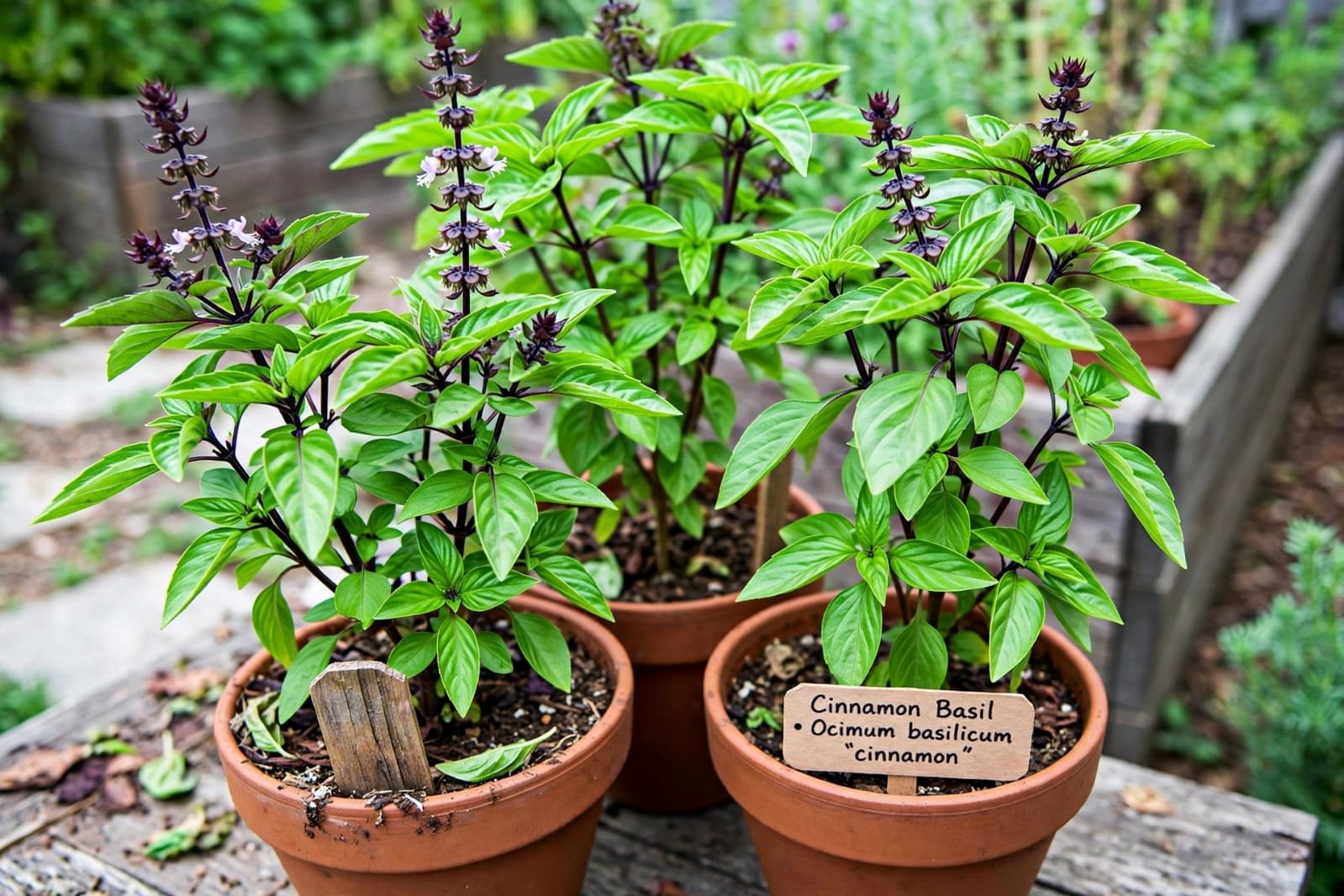
Cinnamon Basil Other Names

A Guide to Cinnamon Basil Names: Botanical, Common, and Regional Terms

When designing an edible landscape, searching for unique culinary herbs, or looking up old heirloom seed collections, you might encounter several different names for the same distinct plant.

While most modern gardeners call it Cinnamon Basil, this highly fragrant herb has a variety of botanical, historical, and regional names across the globe.

Understanding these naming variations will help you navigate online seed shops effortlessly and make sure you are purchasing the exact variety you want for your kitchen garden [Cinnamon Basil (Ocimum basilicum ‘Cinnamon’)].

The Official Scientific Name: Ocimum basilicum ‘Cinnamon’

The exact botanical classification for this plant is Ocimum basilicum ‘Cinnamon’ (sometimes classified under the cultivar name ‘Fino Verde Aromatica‘ in older European seed databases).

Breaking down the scientific taxonomy tells us exactly where this plant sits in the botanical world:

Ocimum comes from the ancient Greek word “okimon,” which means “smell” or “fragrant herb.”

Basilicum comes from the Greek word “basilikon,” which translates to “royal” or “kingly.”

Literally translated, Ocimum basilicum means “The Royal Fragrant Herb.”

The cultivar tag ‘Cinnamon‘ specifies that this particular strain produces exceptionally high amounts of methyl cinnamate, the exact organic compound that gives real cinnamon tree bark its signature, comforting heat.

Popular Common Names and Shorthands

Depending on whether you are talking to a professional chef, a commercial spice importer, or a backyard gardener, you might hear this herb called by these alternative common names:

Mexican Basil: This is the most prevalent alternative name in North America and international seed banking systems. It earned this title because it grows exceptionally well in dry, hot Mexican climates and has been widely adopted into regional Mexican baking and sweet tisanes.

Spicy Basil: Often used broadly by traditional open-market vendors to differentiate its sharp, cinnamon-clove punch from the softer, sweeter profile of standard basil.

Cinnamon Sweet Basil: A hybrid common name used to reassure home cooks that the herb still contains the familiar, underlying sweet basil profile required for standard culinary bases.

Regional and Language Translations

If you are communicating with local South African growers, browsing international culinary blogs, or sourcing heritage recipes, look out for these specific language translations:

Kaneelbasilie (Afrikaans): The direct local translation used across South Africa. It is a popular term among local heirloom collectors who value the plant’s stunning purple stems and unique scent in traditional baking.

Basilic Cannelle (French): Used widely in classical European culinary literature, where it is highly praised for adding an aromatic twist to fruit preserves, vinegars, and herbal liqueurs.

Albahaca de Canela (Spanish): The historical term used across Central and South American agricultural systems, highlighting its deep-rooted history in warm-climate farming.

How Naming Ensures True Heirloom Quality

When buying seeds online, it is highly important to cross-reference the botanical name to ensure you aren’t accidentally buying a different variety.

The unique Ocimum basilicum ‘Cinnamon’ should never be confused with:

Ocimum tenuiflorum (Holy Basil / Tulsi): While Holy Basil also has a distinct, sharp clove-and-cinnamon undertone, it is an entirely different species with heavily ribbed leaves, a highly woodier stem structure, and an intensely medicinal profile.

Ocimum basilicum ‘Thai’ (Thai Basil): Thai basil features similar purple stems and flowers, but its chemical profile is dominated by anethole, giving it a heavy, liquorice-like anise flavour rather than the warm cinnamon punch of true Cinnamon Basil.

Our premium heirloom packs guarantee you get over 100 seeds of pure, unhybridized Ocimum basilicum ‘Cinnamon’ for a true-to-type, aromatic garden harvest.

Shopping Basket
0
    0
    Your Cart
    Your cart is emptyReturn to Shop
    Scroll to Top