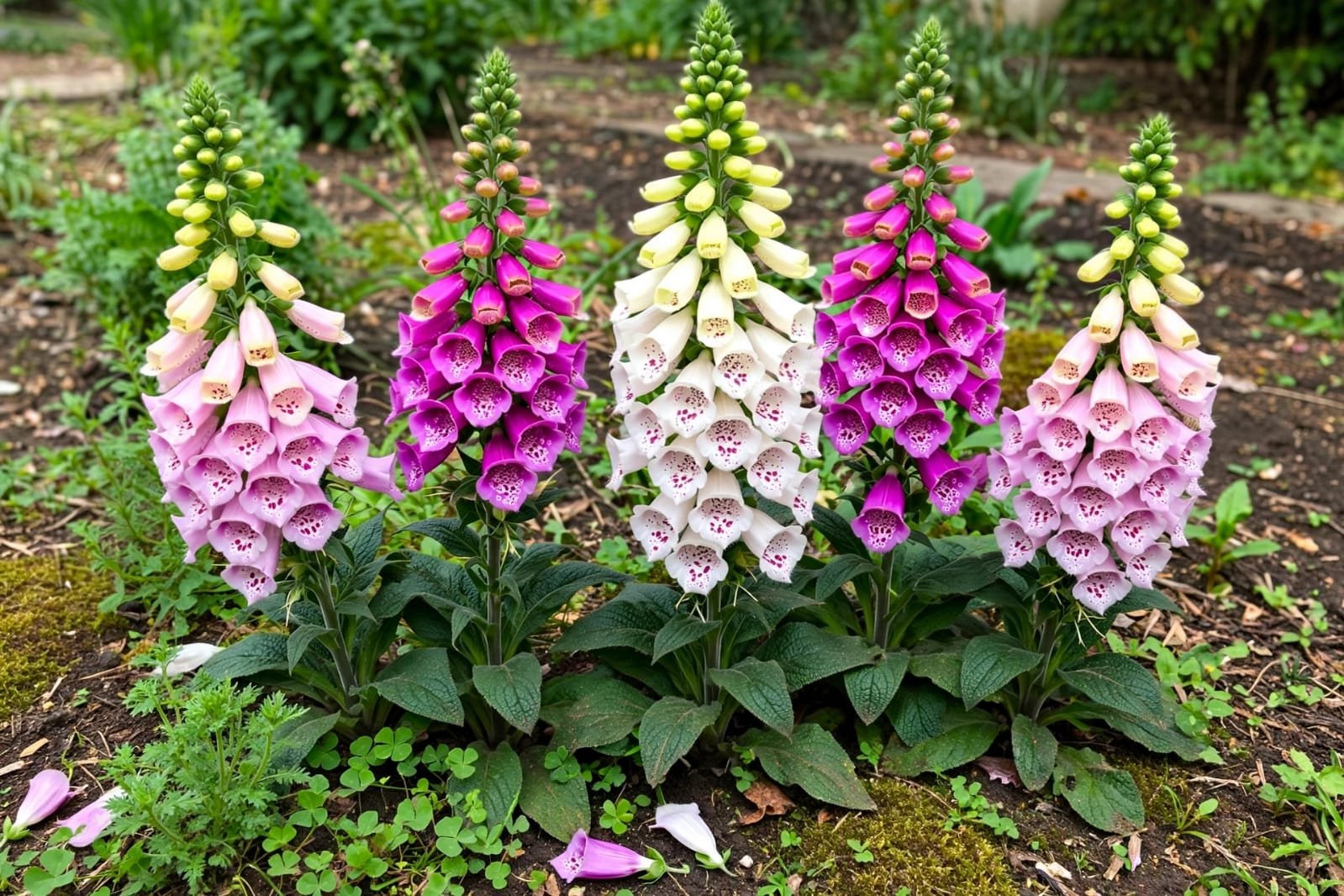
Unlocking the secret to growing spectacular Foxgloves is easier than you think, especially when you choose modern first-year flowering varieties like the Foxglove (Dwarf Foxy Mix).
While traditional varieties require two full years of patience, these compact beauties fill your South African garden with majestic, speckled, bell-shaped flower spikes in their very first season.
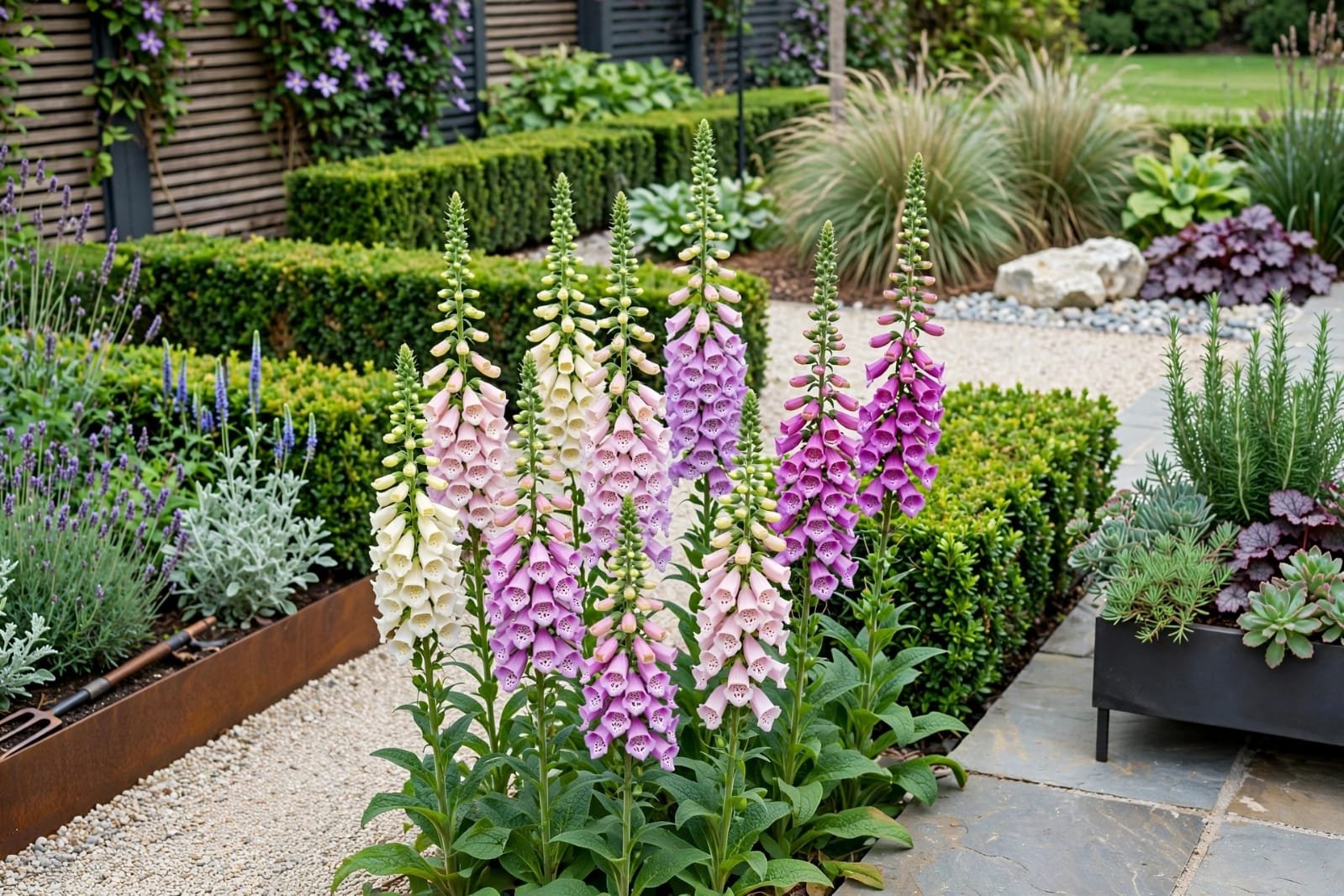
Whether you are looking to brighten up a dark corner or build a classic English cottage garden aesthetic right here in South Africa, this ultimate, table-free Foxglove growing guide provides the essential care requirements, step-by-step planting steps, and expert troubleshooting tips for success.
Essential Growing Requirements
- Sunlight Needs: Semi-shade, dappled sunlight, or morning sun. Protect them from harsh, scorching South African afternoon sun, which will blister the foliage.
- Ideal Soil: Deep, rich, humusy soil that is moisture-retentive but well-draining. Foxgloves will rapidly rot if left sitting in heavy, soggy clay.
- Sowing Depth: Surface sow only. Do not cover the seeds with soil, as Foxglove seeds require direct light to kickstart germination.
- Plant Spacing: 25cm to 30cm apart. This provides plenty of room for their low-growing leafy rosettes to spread out comfortably.
- Germination Time: 14 to 21 days. Sprouting requires patience, so keep the soil consistently damp during this window.
- Time to Flower: 5 to 6 months from seed. Planting a first-year blooming dwarf variety means skipping the usual two-year wait.
Step-by-Step Planting Process
1. When to Plant in South Africa
Foxgloves perform best when their roots establish during cooler months.
Highveld & Inland: Sow in autumn (March to May) for a brilliant spring display, or start them indoors in late winter (August).
Coastal & Western Cape: Sow in autumn (April to May) to let winter rains help establish strong root systems.
Subtropical/Lowveld: Sow during the peak winter months (May to June), keeping them in cool, fully shaded positions.
2. Preparing the Bed
Foxgloves love rich, woodland-like conditions. Dig your garden bed over to a depth of 20cm and mix in a generous amount of mature organic compost or leaf mould.
Rake the surface completely smooth, breaking down any large clods until the soil texture is fine and even.
3. How to Sow Successfully
Because Foxglove seeds are as tiny as dust particles, careful handling is key to a high success rate.
The Golden Rule: Never bury the seed. Press the seeds gently onto the surface of damp soil so they make good contact, but leave them exposed to the light.
Trays vs. Ground: Starting them in seedling trays using a high-quality seed-starting mix is highly recommended. It prevents the tiny seeds from washing away during heavy downpours. Water gently with a fine-mist spray bottle rather than a heavy watering can.
4. Thinning and Transplanting
When your seedlings develop several sets of leaves and grow to about 5cm high, thin them out or transplant them into the garden. Space them 25cm to 30cm apart. Be incredibly gentle with their shallow, delicate root systems during transplanting to prevent shock.
Pro-Tips for Spectacular Flowers
Consistent Moisture: Never let the soil dry out completely. Foxgloves love cool, damp feet. Water deeply at the base of the plant 2 to 3 times a week, keeping the large leaves dry to prevent fungal issues.
Heavy Feeders: Building those massive flower spikes takes a lot of energy. Feed your plants every two weeks with a balanced, liquid organic fertilizer once they start active spring growth.
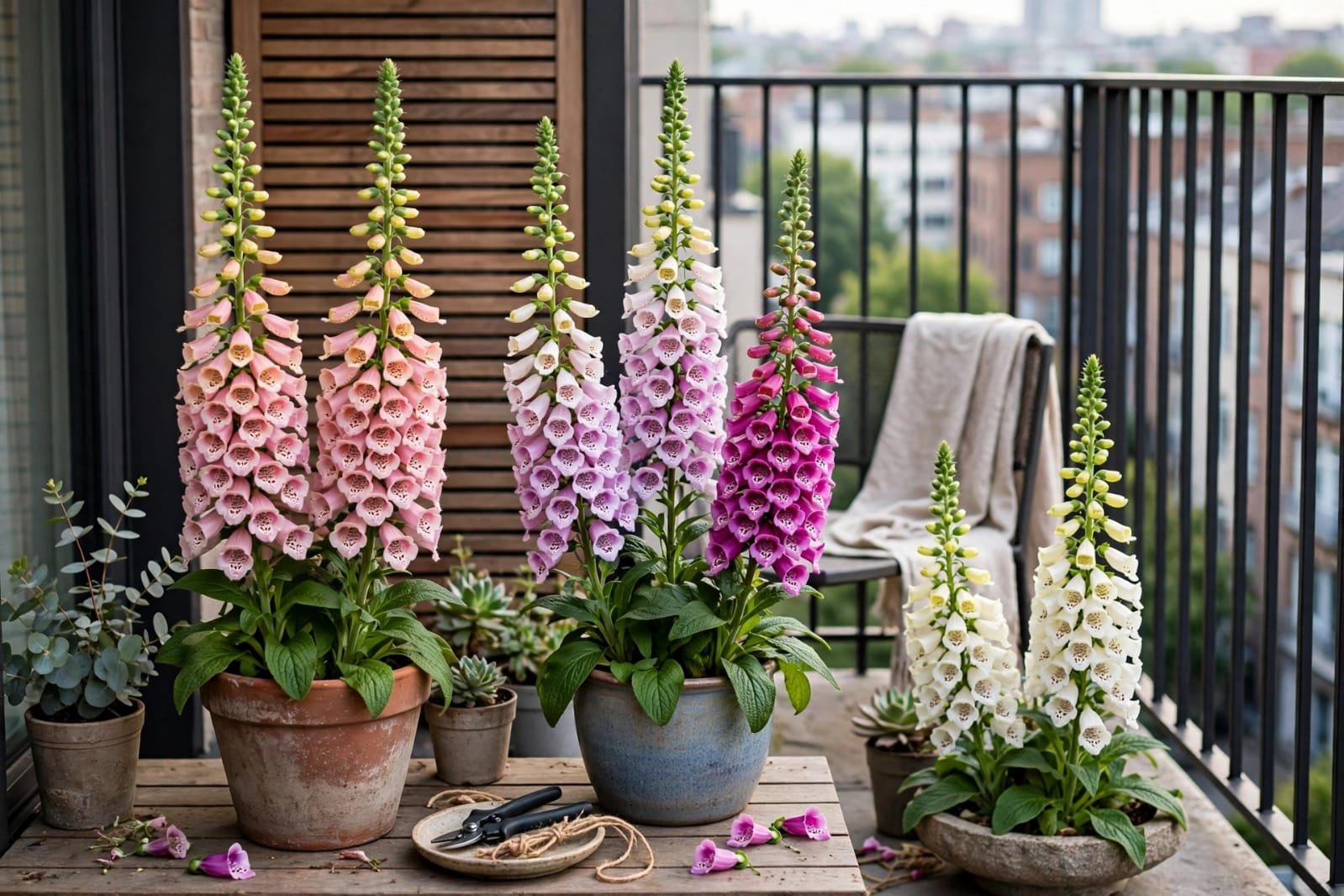
Deadheading for Rebloom: Once the main central flower spike begins to fade, snip it off at the base. This encourages the plant to push out smaller, secondary flower spikes from the sides, extending your blooming season.
Common Troubleshooting, Pests & Diseases
Crown Rot: Leaves turn yellow, collapse, and the base mushily rots away.
Fix: This is caused by overwatering or poorly draining soil. Ensure excellent drainage and let the very top layer of soil dry slightly between waterings.
Aphids & Whiteflies: Tiny sap-sucking pests that cluster on the soft, protected undersides of the large leaves.
Fix: Blast them away with a sharp stream of water from your garden hose, or treat the foliage with an organic insecticidal soap.
Powdery Mildew: A white, chalky film on the leaves during humid weather spells.
Fix: Keep plants spaced widely to optimize airflow, and always water the soil directly instead of splashing the leaves.
⚠️ Essential Safety Note
All parts of the Foxglove plant contain digitalis glycosides and are highly toxic if ingested by humans, dogs, cats, or livestock.
Always wear gardening gloves when handling the plants if you have sensitive skin, wash your hands thoroughly afterward, and plant them safely away from pathways frequented by children and pets.


Reviews
There are no reviews yet.