,

Foxglove – Over 100 Seeds

R15,00

Excluding shipping

Availability: 76 in stock

Guaranteed Safe Checkout

Add a touch of timeless cottage garden charm to your outdoor space with our premium, heirloom Foxglove (Dwarf Foxy Mix) seeds.

Expertly selected to thrive in South African climates, this unique dwarf variety breaks the mold by flowering in its very first year from seed—unlike traditional tall foxgloves that require two seasons.

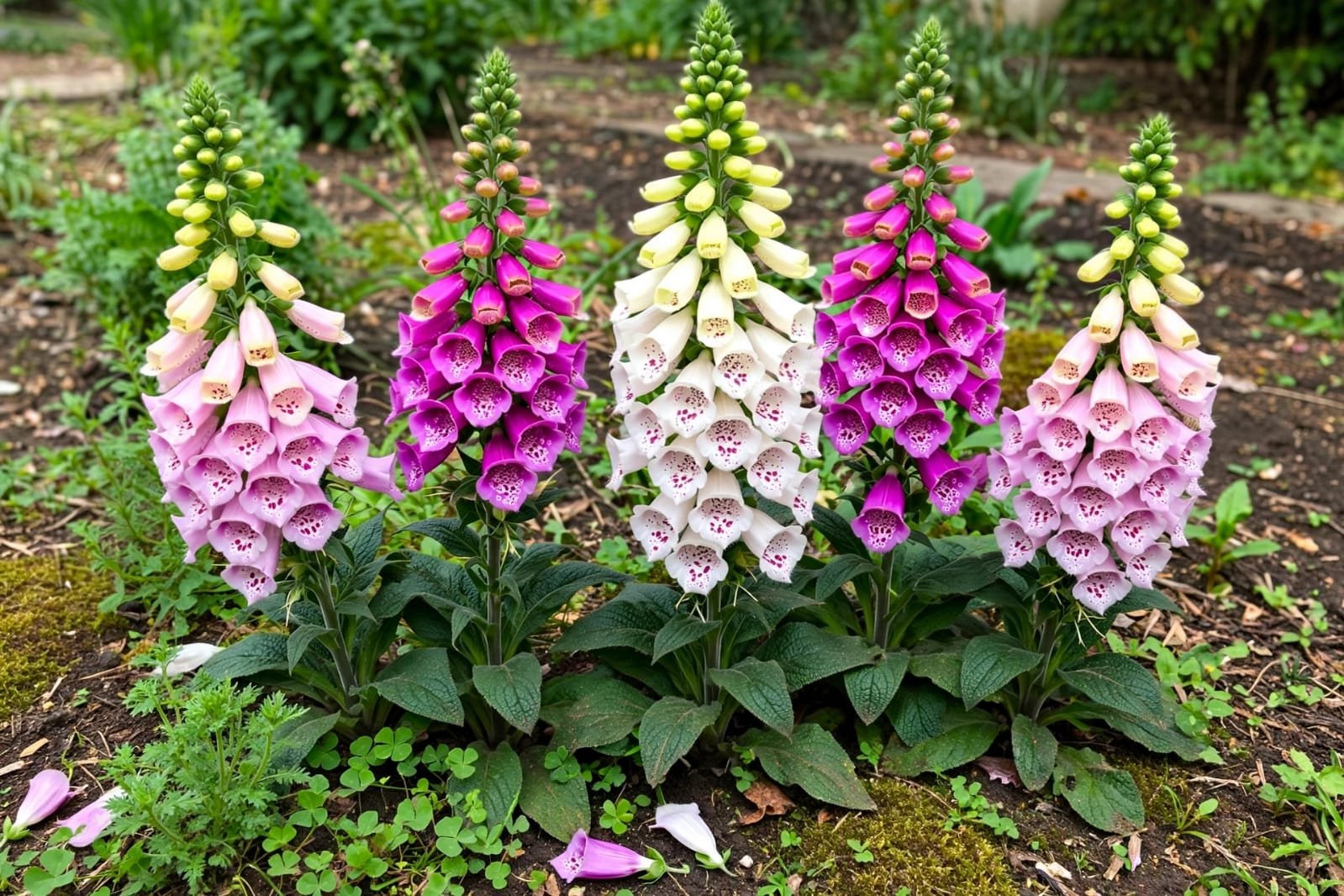
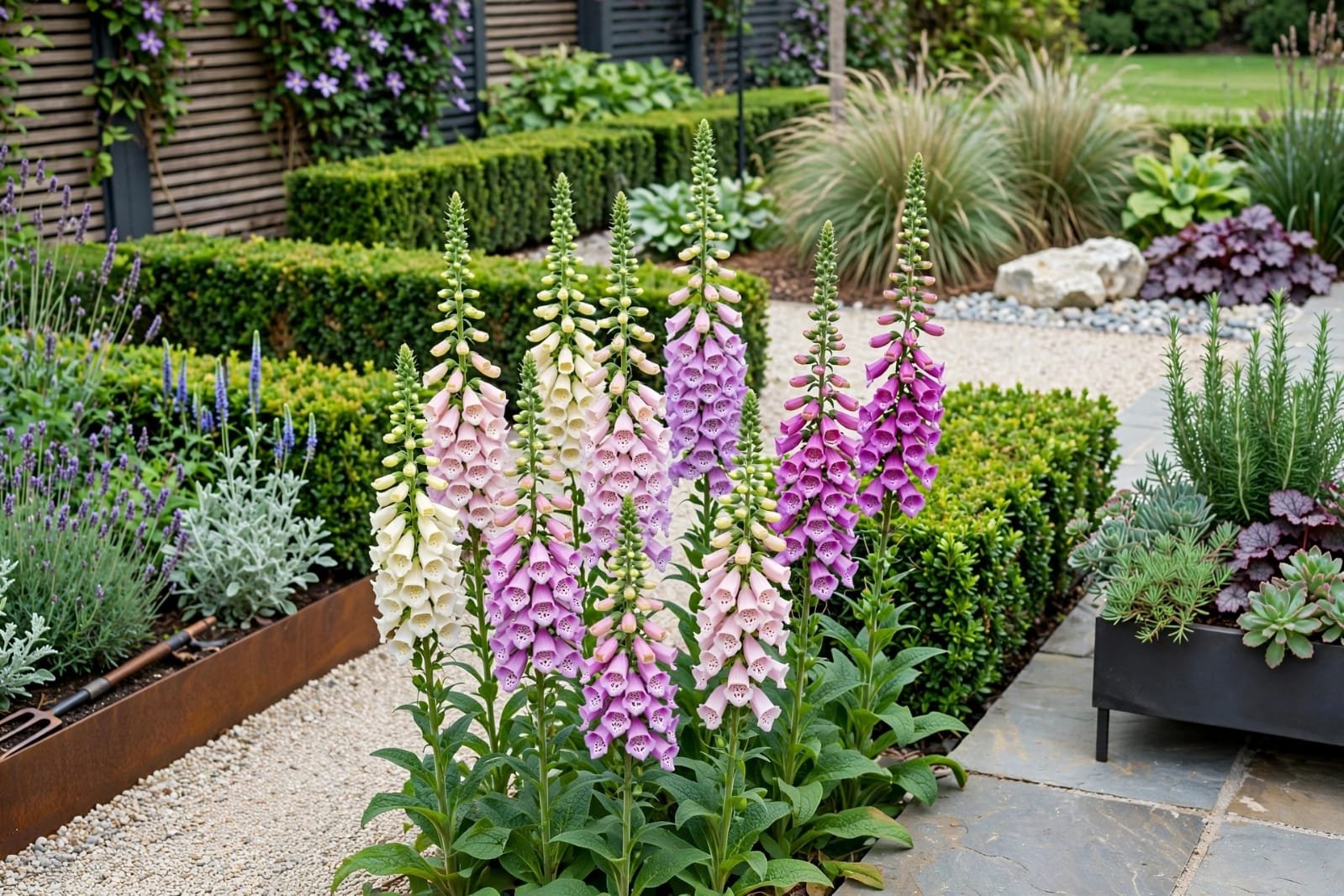
Each packet contains over 100 seeds, providing an abundance of compact, sturdy spikes packed with bell-shaped blooms in beautiful shades of cream, pink, rose, lavender, and white, all featuring characteristic speckled throats.

Why Grow Dwarf Foxy Mix Foxgloves?

  1. Heirloom & Non-GMO: 100% natural, open-pollinated seeds true to their heritage.
  2. First-Year Flowering: Enjoy gorgeous blooms in just a few months without waiting a full year.
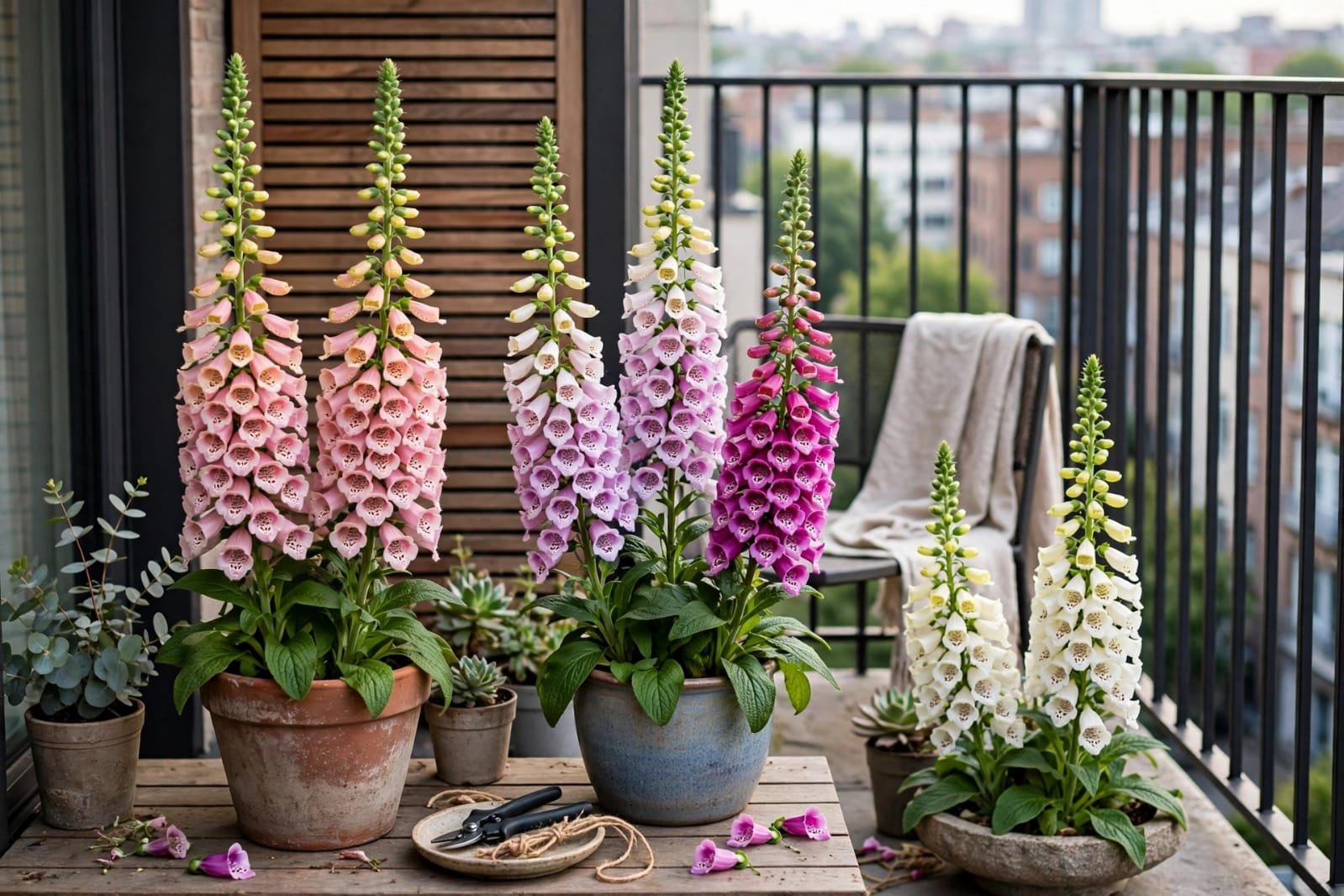
  3. Perfect Compact Size: Growing to just 60cm to 90cm tall, they are ideal for smaller garden beds, borders, and pots where taller varieties might tip over.
  4. Shade Tolerant: Perfect for lighting up those tricky semi-shaded or dappled spots under trees and patio areas.
  5. Pollinator Friendly: A massive magnet for local bees and beneficial insects looking for nectar.

Quick Planting Guide

  • When to Plant: Sow in autumn (March to May) for spectacular spring displays, or early spring (August to September) in cooler regions.
  • Position: Semi-shade to morning sun; protect from harsh afternoon sun in hot South African summers.
  • Sowing Depth: Sow on the soil surface. Do not cover seeds with soil, as they require light to germinate.
  • Spacing: Thin out or space seedlings 25cm to 30cm apart.
  • Germination: Expect seedlings to emerge within 14 to 21 days if kept consistently moist.
  • Safety Note: All parts of the foxglove plant are toxic if ingested. Keep out of reach of children and curious pets.

Reviews

There are no reviews yet.

Be the first to review “Foxglove – Over 100 Seeds”

Your email address will not be published. Required fields are marked *

How to Grow Foxglove from Seed

Growing Foxgloves from seed is a rewarding way to bring classic, fairy-tale charm into your South African garden.

While traditional varieties take two full seasons to flower, growing a first-year flowering variety like the Foxglove (Dwarf Foxy Mix) allows you to enjoy these iconic bell-shaped blooms in just a single season.

Here is our comprehensive, step-by-step guide to successfully raising Foxgloves from seed right here in South Africa.

South African Planting Calendar

Foxgloves prefer cooler weather for their early growth and root establishment.

Highveld & Inland Areas: Sow in autumn (March to May) for spectacular spring blooms, or in late winter (August) indoors for summer flowers.

Cape & Coastal Regions: Sow in autumn (April to May) to take advantage of winter rainfall and cooler growing conditions.

Subtropical/Lowveld: Sow during the coolest winter window (May to June), keeping them strictly in full shade.

Step 1: Choose the Perfect Spot

Unlike sun-loving annuals, Foxgloves thrive in semi-shade, dappled sunlight, or morning sun. They are the perfect solution for brightening up dark borders, woodland garden sections, or spaces beneath large trees.

Protect them from harsh, scorching South African afternoon sun, which will scorch their lush green leaves.

Step 2: Prepare a Fine Seedbed

Foxgloves have incredibly tiny seeds that need a delicate, fine-textured soil surface to grow.

Dig up your planting area and mix in plenty of rich, leaf-mould compost. Ensure the soil drains beautifully; Foxgloves love consistent moisture but will rot in boggy, waterlogged dirt.

Rake the surface smooth, breaking up any large clumps until it looks like fine breadcrumbs.

Step 3: Sowing the Seeds (Crucial Step)

Your packet contains over 100 seeds. The golden rule when sowing Foxgloves is: Do not cover the seeds with soil. They are light-dependent germinators and will fail to sprout if buried.

Method A: Starting in Seed Trays (Highly Recommended)

Because the seeds are as small as dust particles, starting them in trays gives you the highest success rate.

Fill seedling trays with a premium, pre-moistened seed-starting mix. Gently press the tiny seeds onto the surface of the soil mix. Do not bury them!

Spray the surface gently with a fine mist water bottle so you do not wash the seeds into the corners.Place the tray in a bright, warm spot out of direct sunlight. Cover with a clear plastic dome or cling wrap to trap humidity until they sprout.

Method B: Direct Sowing

If you prefer sowing straight into the ground:

Water the prepared garden bed well before sowing. Mix the tiny seeds with a handful of fine horticultural sand. This helps you distribute them evenly.

Scatter the sand-seed mix across the surface and press down gently with the palm of your hand or a flat board so the seeds make good contact with the soil.

Step 4: Germination and Thinning

Keep the soil surface consistently damp but never soggy. Your Foxglove seeds will start sprouting within 14 to 21 days. Once your seedlings grow their first few sets of leaves and reach about 5cm in height, they need space to breathe.

Thin the seedlings out, leaving the strongest plants spaced 25cm to 30cm apart. Leaving enough space prevents them from competing for food and stops fungal diseases from setting in during humid snaps.

Step 5: Ongoing Care and Upkeep

Watering: Keep the soil evenly moist, especially as the weather warms up. Water at the base of the plant to keep the large foliage dry.

Feeding: Feed your Foxgloves once every two weeks with a balanced organic liquid fertilizer to support their rapid growth spike.

Mulching: Spread a layer of organic bark or leaf mulch around the base of your plants to keep their shallow root systems cool and damp during hot days.

A Note on Garden Safety

Foxgloves contain digitalis, meaning all parts of the plant are highly toxic if ingested. Always wear garden gloves when handling them if you have sensitive skin, wash your hands afterward, and position them safely away from areas where young children or curious pets play.

Foxglove Growing Guide

Unlocking the secret to growing spectacular Foxgloves is easier than you think, especially when you choose modern first-year flowering varieties like the Foxglove (Dwarf Foxy Mix).

While traditional varieties require two full years of patience, these compact beauties fill your South African garden with majestic, speckled, bell-shaped flower spikes in their very first season.

Whether you are looking to brighten up a dark corner or build a classic English cottage garden aesthetic right here in South Africa, this ultimate, table-free Foxglove growing guide provides the essential care requirements, step-by-step planting steps, and expert troubleshooting tips for success.

Essential Growing Requirements

  • Sunlight Needs: Semi-shade, dappled sunlight, or morning sun. Protect them from harsh, scorching South African afternoon sun, which will blister the foliage.
  • Ideal Soil: Deep, rich, humusy soil that is moisture-retentive but well-draining. Foxgloves will rapidly rot if left sitting in heavy, soggy clay.
  • Sowing Depth: Surface sow only. Do not cover the seeds with soil, as Foxglove seeds require direct light to kickstart germination.
  • Plant Spacing: 25cm to 30cm apart. This provides plenty of room for their low-growing leafy rosettes to spread out comfortably.
  • Germination Time: 14 to 21 days. Sprouting requires patience, so keep the soil consistently damp during this window.
  • Time to Flower: 5 to 6 months from seed. Planting a first-year blooming dwarf variety means skipping the usual two-year wait.

Step-by-Step Planting Process

1. When to Plant in South Africa

Foxgloves perform best when their roots establish during cooler months.

Highveld & Inland: Sow in autumn (March to May) for a brilliant spring display, or start them indoors in late winter (August).

Coastal & Western Cape: Sow in autumn (April to May) to let winter rains help establish strong root systems.

Subtropical/Lowveld: Sow during the peak winter months (May to June), keeping them in cool, fully shaded positions.

2. Preparing the Bed

Foxgloves love rich, woodland-like conditions. Dig your garden bed over to a depth of 20cm and mix in a generous amount of mature organic compost or leaf mould.

Rake the surface completely smooth, breaking down any large clods until the soil texture is fine and even.

3. How to Sow Successfully

Because Foxglove seeds are as tiny as dust particles, careful handling is key to a high success rate.

The Golden Rule: Never bury the seed. Press the seeds gently onto the surface of damp soil so they make good contact, but leave them exposed to the light.

Trays vs. Ground: Starting them in seedling trays using a high-quality seed-starting mix is highly recommended. It prevents the tiny seeds from washing away during heavy downpours. Water gently with a fine-mist spray bottle rather than a heavy watering can.

4. Thinning and Transplanting

When your seedlings develop several sets of leaves and grow to about 5cm high, thin them out or transplant them into the garden. Space them 25cm to 30cm apart. Be incredibly gentle with their shallow, delicate root systems during transplanting to prevent shock.

Pro-Tips for Spectacular Flowers

Consistent Moisture: Never let the soil dry out completely. Foxgloves love cool, damp feet. Water deeply at the base of the plant 2 to 3 times a week, keeping the large leaves dry to prevent fungal issues.

Heavy Feeders: Building those massive flower spikes takes a lot of energy. Feed your plants every two weeks with a balanced, liquid organic fertilizer once they start active spring growth.

Deadheading for Rebloom: Once the main central flower spike begins to fade, snip it off at the base. This encourages the plant to push out smaller, secondary flower spikes from the sides, extending your blooming season.

Common Troubleshooting, Pests & Diseases

Crown Rot: Leaves turn yellow, collapse, and the base mushily rots away.

Fix: This is caused by overwatering or poorly draining soil. Ensure excellent drainage and let the very top layer of soil dry slightly between waterings.

Aphids & Whiteflies: Tiny sap-sucking pests that cluster on the soft, protected undersides of the large leaves.

Fix: Blast them away with a sharp stream of water from your garden hose, or treat the foliage with an organic insecticidal soap.

Powdery Mildew: A white, chalky film on the leaves during humid weather spells.

Fix: Keep plants spaced widely to optimize airflow, and always water the soil directly instead of splashing the leaves.

⚠️ Essential Safety Note

All parts of the Foxglove plant contain digitalis glycosides and are highly toxic if ingested by humans, dogs, cats, or livestock.

Always wear gardening gloves when handling the plants if you have sensitive skin, wash your hands thoroughly afterward, and plant them safely away from pathways frequented by children and pets.

Foxglove Other Names

Understanding the alternative, historical, and botanical names for the plants in your garden is one of the best ways to master your gardening journey.

If you are growing our premium Foxglove (Dwarf Foxy Mix) seeds, you are planting a species with a rich history, woven into folklore across the globe.

This comprehensive Foxglove other names guide covers the scientific terminology, regional nicknames, and magical folklore names for this iconic plant to help your customers research its care with ease.

The Botanical Classification

Digitalis purpurea: This is the official scientific name for the common Foxglove. The genus name Digitalis comes from the Latin word digitus, meaning “finger”—a direct nod to the finger-shaped, thimble-like flowers that fit perfectly over a human fingertip.

Family Plantaginaceae: While Foxgloves were historically classified under the Scrophulariaceae (figwort) family, modern DNA sequencing has moved them into the plantain family.

Historical & Folk Names

Because Foxgloves are native to Europe, they accumulated dozens of whimsical common names over the centuries, mostly rooted in ancient fairy folklore and the unique shape of the blossoms.

1. Fairy Thimbles & Witches’ Thimbles

In traditional English and Scottish folklore, it was believed that fairies used the bell-shaped blossoms as hats, gloves, and thimbles. The name Witches’ Thimbles was also widely used, reflecting the plant’s dual nature as both a powerful medicine and a dangerous poison.

2. Dead Man’s Bells

This ominous historical name served as a stern warning to children. Because all parts of the Foxglove plant are highly toxic, country folk in the British Isles called them Dead Man’s Bells or Bloody Fingers to discourage anyone from picking or tasting them.

3. Folk’s Glove

Many etymologists believe that the modern name “Foxglove” is actually a corruption of the old English phrase Folk’s Glove. In medieval times, “the good folk” was a common euphemism for fairies. Therefore, the name literally translates to “Fairies’ Gloves.”

4. Digitalis (The Medicinal Name)

In modern pharmacology and medical contexts, the plant is simply referred to as Digitalis. It is the direct source of powerful cardiac medications (like digoxin) used to treat heart failure, cementing its place as one of the most important plants in medical history.

Cultivar Variations & Commercial Names

When shopping for seeds or plants online, you will run into specific strain names that describe the growth habit:

Dwarf Foxy Mix: A specialized cultivar bred to be compact (reaching only 60cm to 90cm) and uniquely capable of flowering in its very first year from seed.

Excelsior Group: A traditional, very tall heirloom strain where the flowers grow horizontally all the way around the spike, rather than leaning to one side.

Gloxiniiflora: Varieties with exceptionally wide, flared flower mouths that mimic the appearance of Gloxinia blossoms.

Why Knowing These Names Helps South African Gardeners

When you are looking up care tips, pest remedies, or landscaping inspiration online, searching for Digitalis purpurea will unlock the most accurate scientific gardening data.

Meanwhile, knowing names like Dwarf Foxy ensures you purchase compact varieties perfectly suited for smaller South African garden beds and container pots.

Shopping Basket
0
    0
    Your Cart
    Your cart is emptyReturn to Shop
    Scroll to Top