Coriander Growing Guide: How to Plant, Cultivate, and Harvest Fresh Dhania
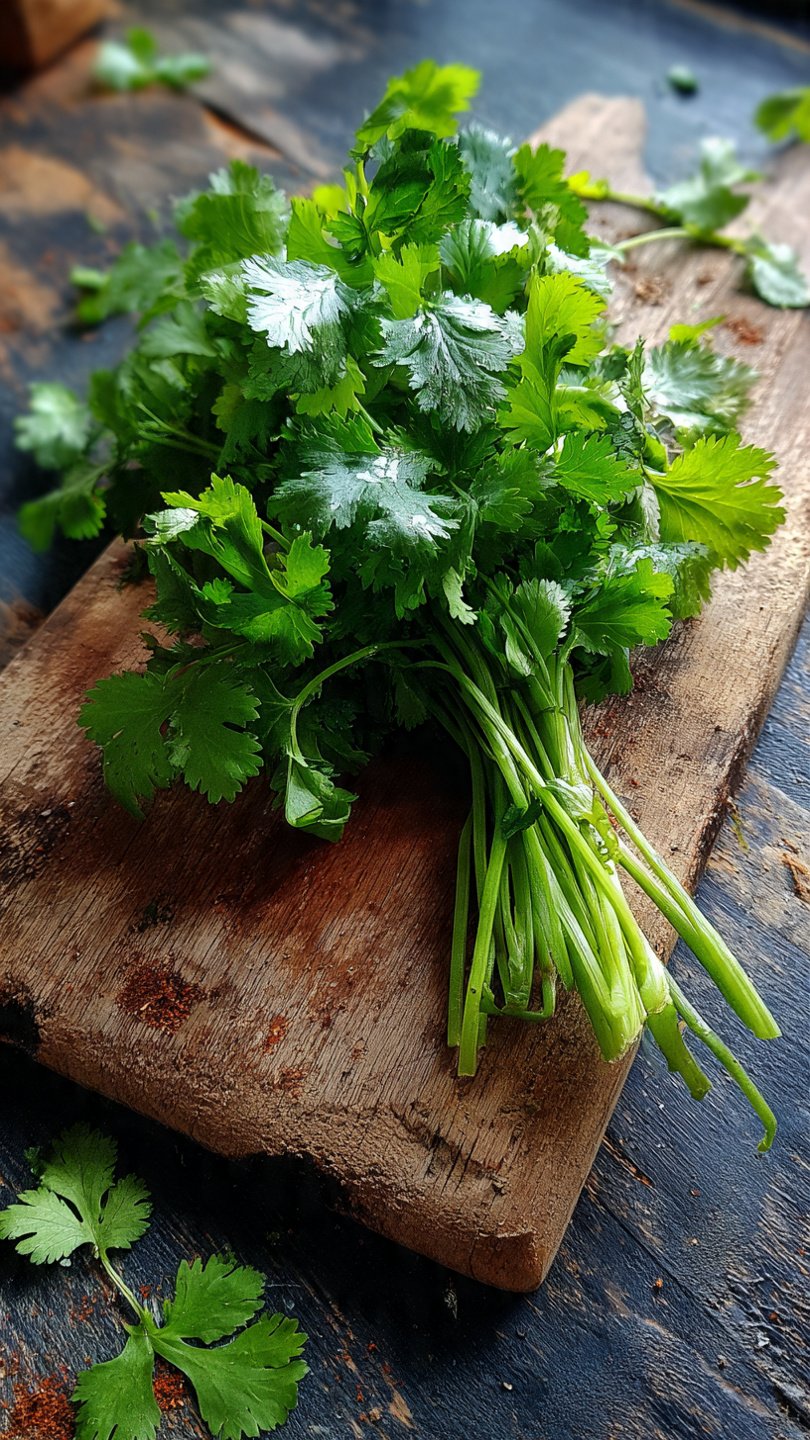
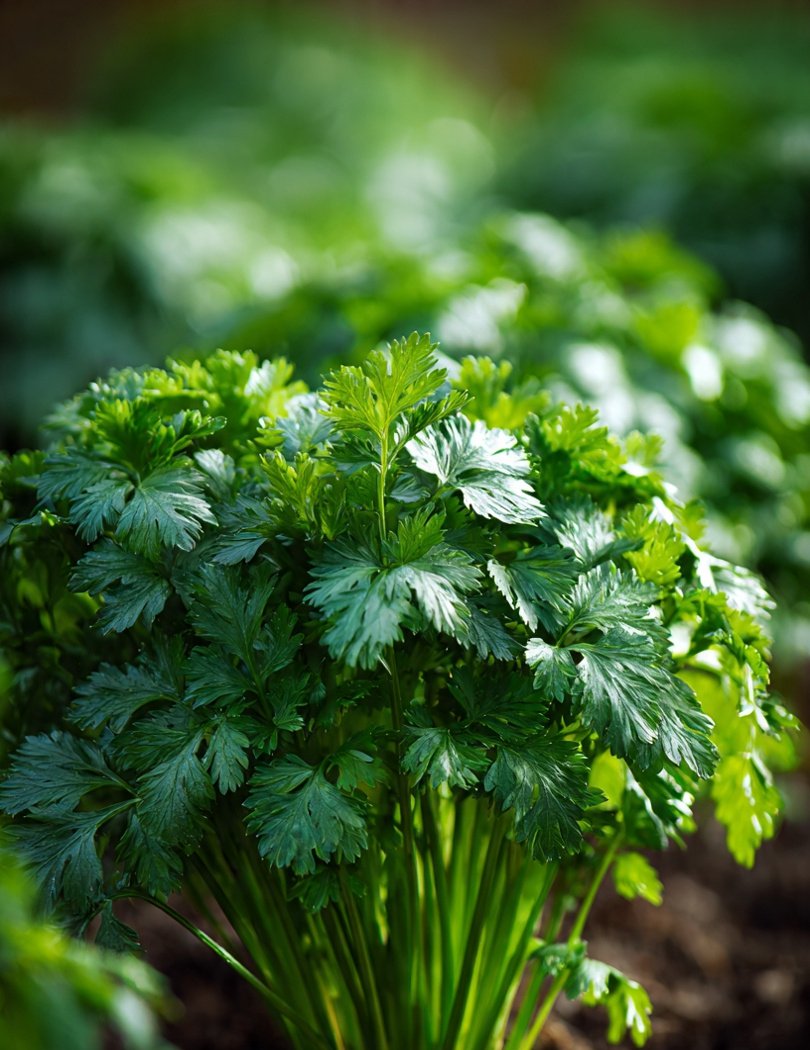
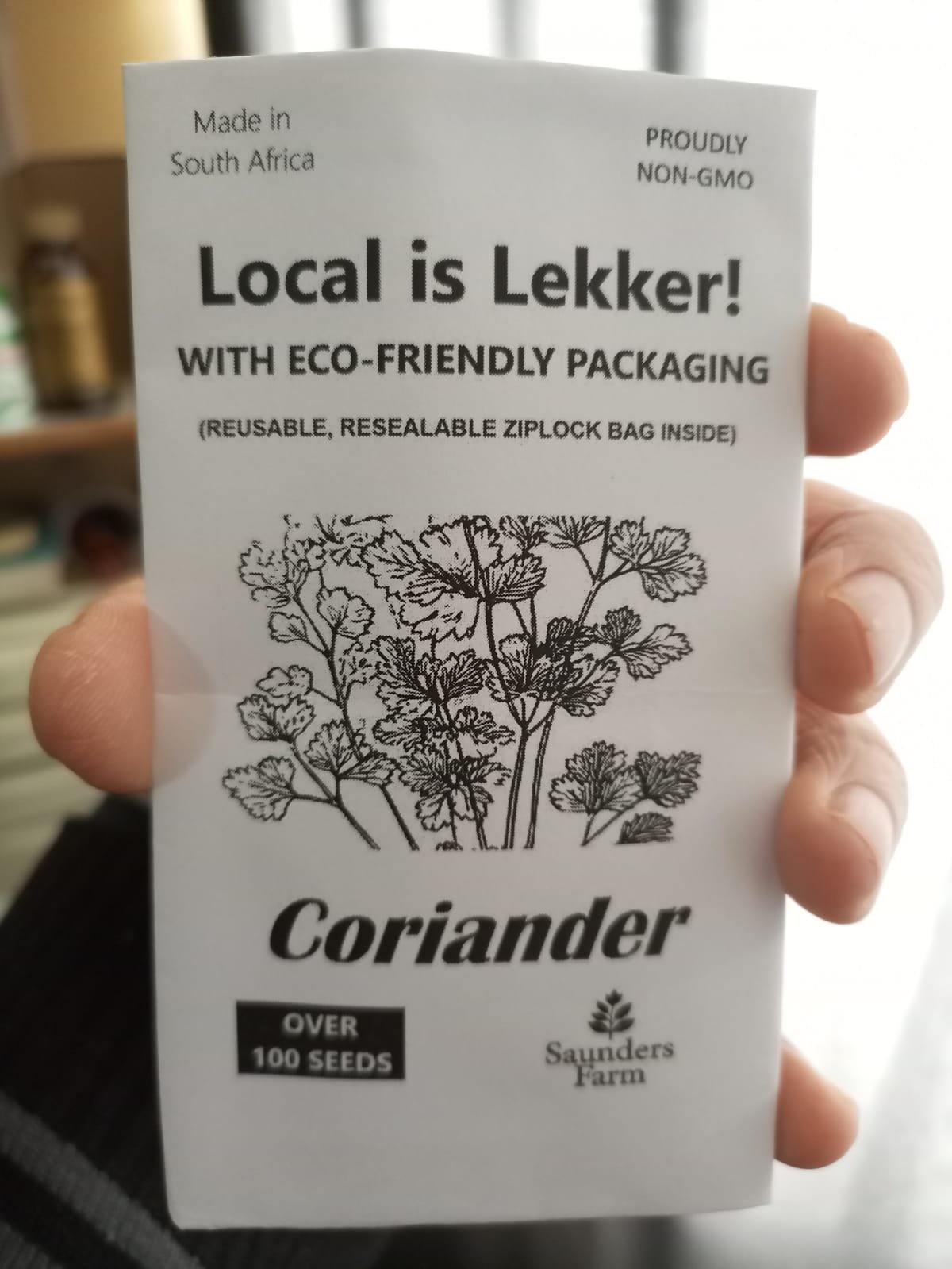
Growing fresh coriander (locally known as dhania or cilantro) from seed is a highly rewarding project for South African home gardeners. While store-bought coriander wilts within days, a thriving garden patch provides a continuous harvest of crisp, aromatic leaves and flavorful seeds.
By using premium heirloom, non-GMO coriander seeds, you ensure strong plant genetics, excellent disease resistance, and superior flavor.
This comprehensive growing guide covers everything you need to successfully cultivate coriander in South African soils.
Quick Growing Facts
Botanical Name: Coriandrum sativum
Common Names: Coriander, Dhania, Cilantro
Plant Type: Annual herb
Sun Exposure: Full sun to partial shade
Sowing Depth: 5mm
Germination Time: 7 to 14 days
Harvest Window: 4 to 6 weeks for leaves; 3 to 4 months for seeds
1. When to Plant Coriander in South Africa
Coriander is a cool-season annual herb. Its primary vulnerability is extreme heat, which triggers “bolting”—a process where the plant rapidly stops growing leaves, shoots up a flower stalk, and sets seed.
To maximize your leaf harvest, time your planting carefully:
Spring (August to October): Perfect for all regions before the intense summer heat sets in.
Autumn (March to May): The ideal planting window for most of South Africa. The cooling temperatures encourage lush, steady leaf production.
Winter Cultivation: If you live in frost-free, mild winter regions (like the Western Cape coastal areas or the Lowveld), you can grow coriander successfully right through the winter months.
2. Soil and Site Selection
Proper placement and soil preparation lay the foundation for a healthy crop.
Sunlight Requirements
Cooler Months: Position your coriander patch in full sun (6 to 8 hours of daily sunlight).
Warmer Months: Place plants in an area that receives morning sun and afternoon shade to protect them from scorching temperatures and prevent early bolting.
Soil Preparation
Coriander requires a loose, fertile, and exceptionally well-draining soil with a neutral pH (6.2 to 6.8). It is highly susceptible to root rot if left in waterlogged ground.
Dig in a generous amount of well-rotted organic compost or aged manure before planting to improve soil structure and nutrient content.
Container Gardening
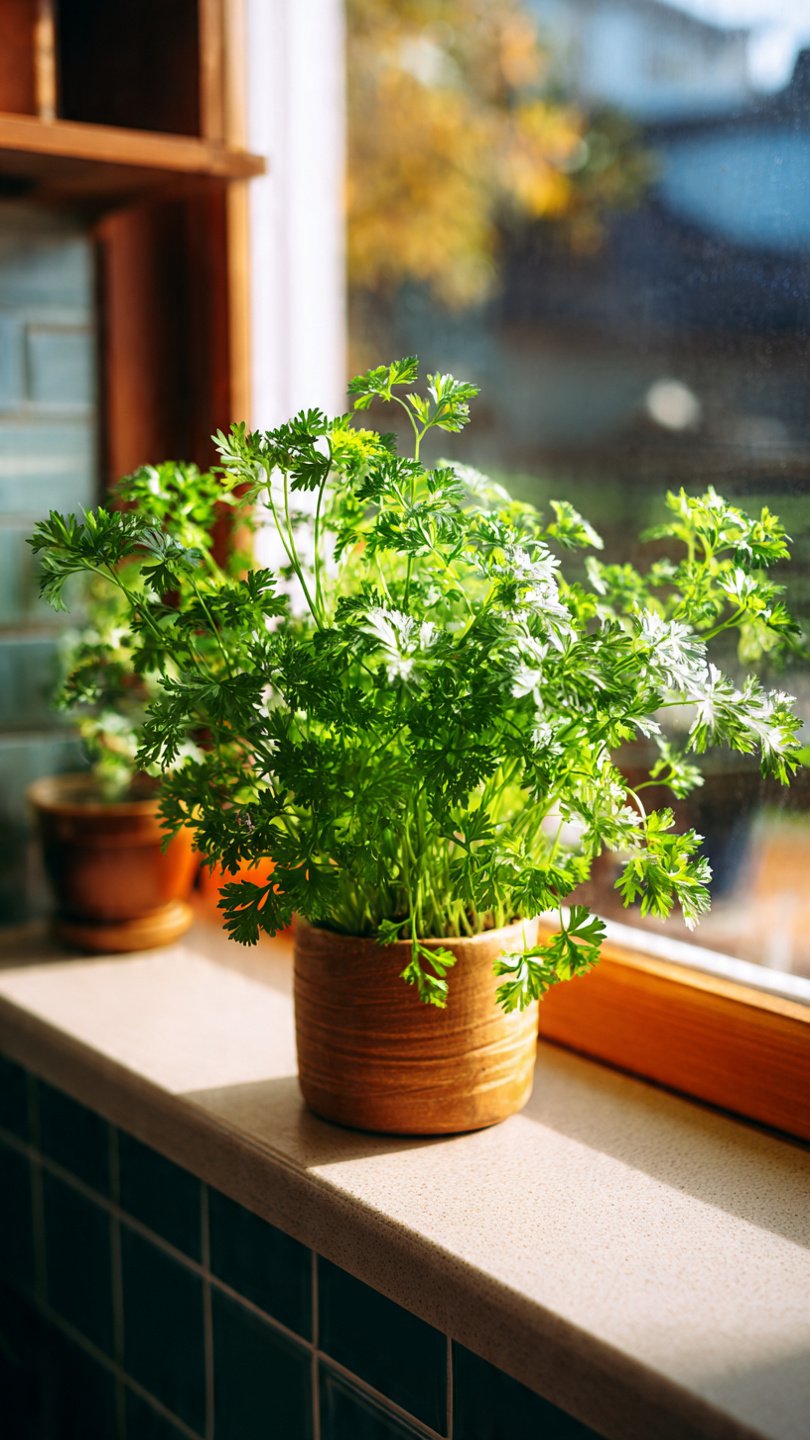
If you are limited on garden space, coriander thrives in containers and pots on sunny balconies or windowsills.
Choose a pot that is at least 20cm to 25cm deep. Coriander develops a deep taproot and will stunt or bolt if its roots are cramped. Ensure the pot has sufficient drainage holes.
3. How to Sow Coriander Seeds Step-by-Step
Coriander roots are highly sensitive to disturbance. Because transplanting shock often triggers immediate bolting, always sow coriander seeds directly into their permanent garden bed or container rather than using seedling trays.
5mm depth <——– 10cm to 15cm Spacing ——–>
Step 1: Prepare the Seeds
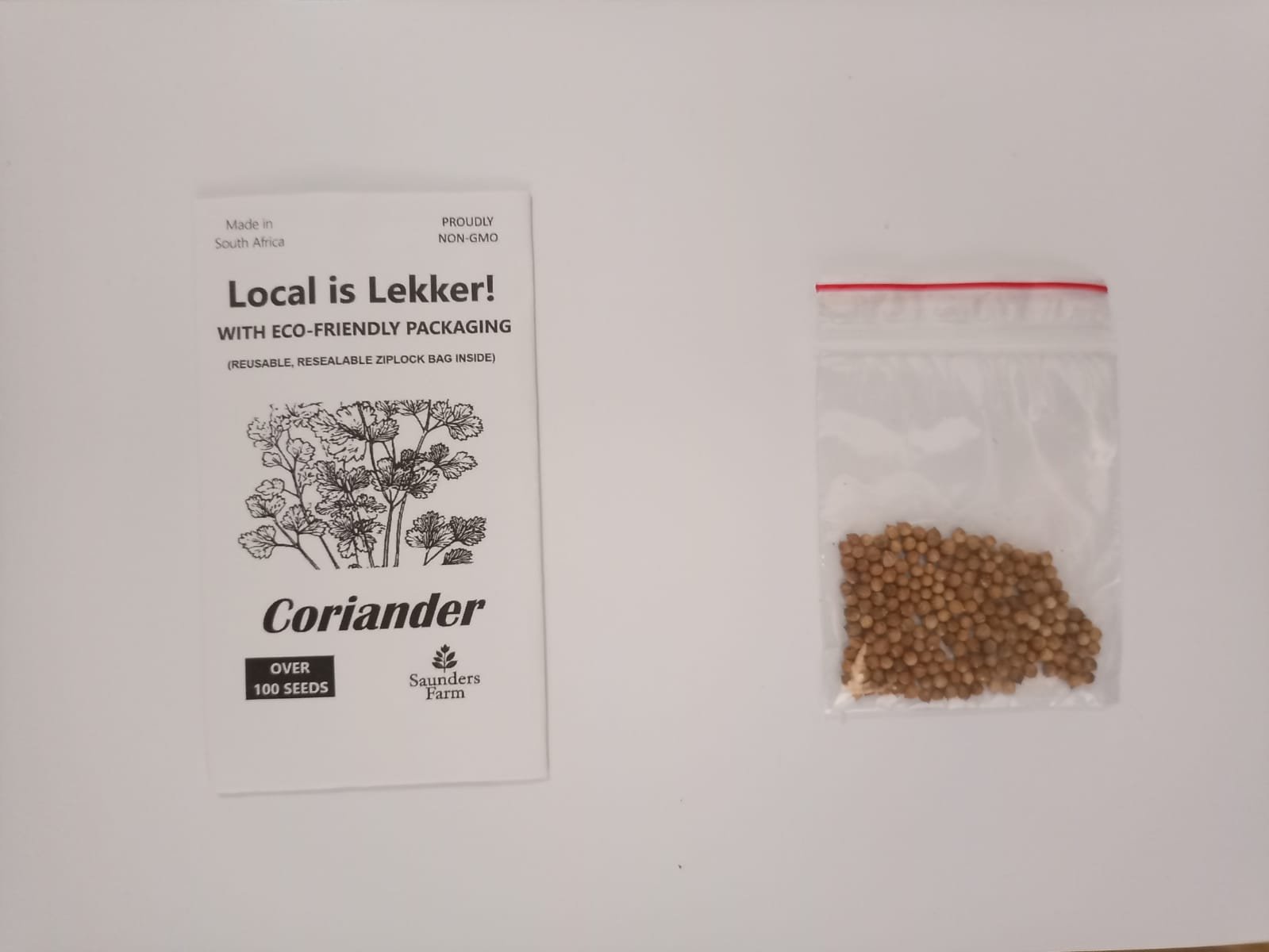
A coriander seed is actually a small, protective husk containing two individual seeds. For faster germination, place the seeds on a flat surface and gently press them with a flat object to split the husk. This step is optional but highly effective.
Step 2: Sow the Seeds
- Make shallow rows in your prepared soil.
- Drop the seeds 5mm deep into the soil.
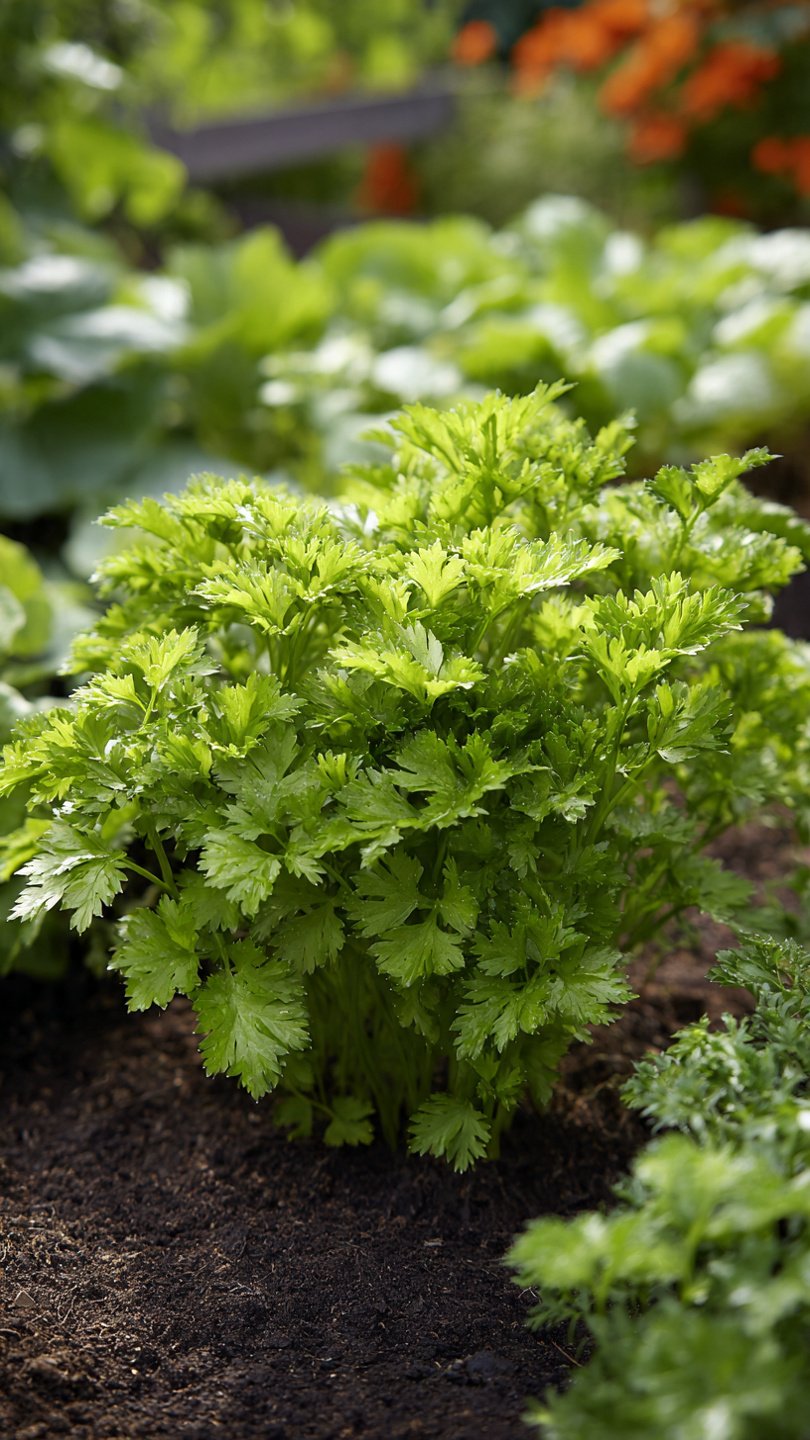
- Space individual seeds 10cm to 15cm apart. If planting multiple rows, space the rows 30cm apart.
Step 3: Water and Germinate
Cover the seeds lightly with soil and press down gently to ensure good seed-to-soil contact.
Water the area thoroughly using a watering can with a fine rose spray or a gentle mist setting on your garden hose.
Keep the soil consistently moist but never waterlogged.
Seeds will germinate within 7 to 14 days.
4. Care and Maintenance
Once your seedlings emerge, follow these maintenance practices to keep them productive:
Watering: Water regularly at the base of the plant. The soil should remain damp to the touch. In hot or windy weather, you may need to water daily. Drought stress is a primary cause of premature flowering.
Mulching: Apply a 2cm layer of organic mulch (such as clean straw, sugarcane mulch, or dried leaves) around the base of the plants. This keeps the soil temperature cool and retains crucial moisture.
Fertilizing: If your soil was well-prepared with compost, coriander requires very little extra feeding. If growth appears sluggish, apply an organic, nitrogen-rich liquid fertilizer (like fish emulsion or kelp spray) at half-strength once every three to four weeks to stimulate lush foliage.
5. Managing and Preventing “Bolting”
“Bolting” occurs when the plant shifts its energy from leaf production to seed production. While you cannot stop an annual herb from flowering indefinitely, you can delay the process:
Keep Roots Cool: Use mulch and water consistently.
Pinch Flowers: Pinch off the central flower stalks the moment they appear to force the plant to keep producing leaves.
Succession Planting: Sow a fresh batch of heirloom seeds every 3 to 4 weeks. This ensures that as older plants begin to bolt, a fresh crop of tender young leaves is always ready for harvest.
6. Harvesting Your Coriander
Harvesting Leaves (Cilantro)
Start harvesting once the plant reaches about 10cm to 15cm in height (usually 4 to 6 weeks after sowing).
Use the cut-and-come-again method: snip the outer, mature leaves at the base of their stems.
Leave the inner, younger leaves intact to continue growing.
Never harvest more than one-third of the plant’s total foliage at a single time.
Harvesting Seeds (Coriander Spice)
If your plants bolt and produce small white or pale pink flowers, allow them to finish their life cycle.
The flowers will transform into green seed clusters.
Wait for the seed heads to turn brown and dry out completely on the plant.
Cut the seed stems, place them upside down inside a paper bag, and shake them loose.
Store these harvested heirloom seeds in an airtight container. You can use them as a gourmet spice for cooking (essential for authentic South African biltong!) or save them to plant during the next growing season.

Reviews
There are no reviews yet.