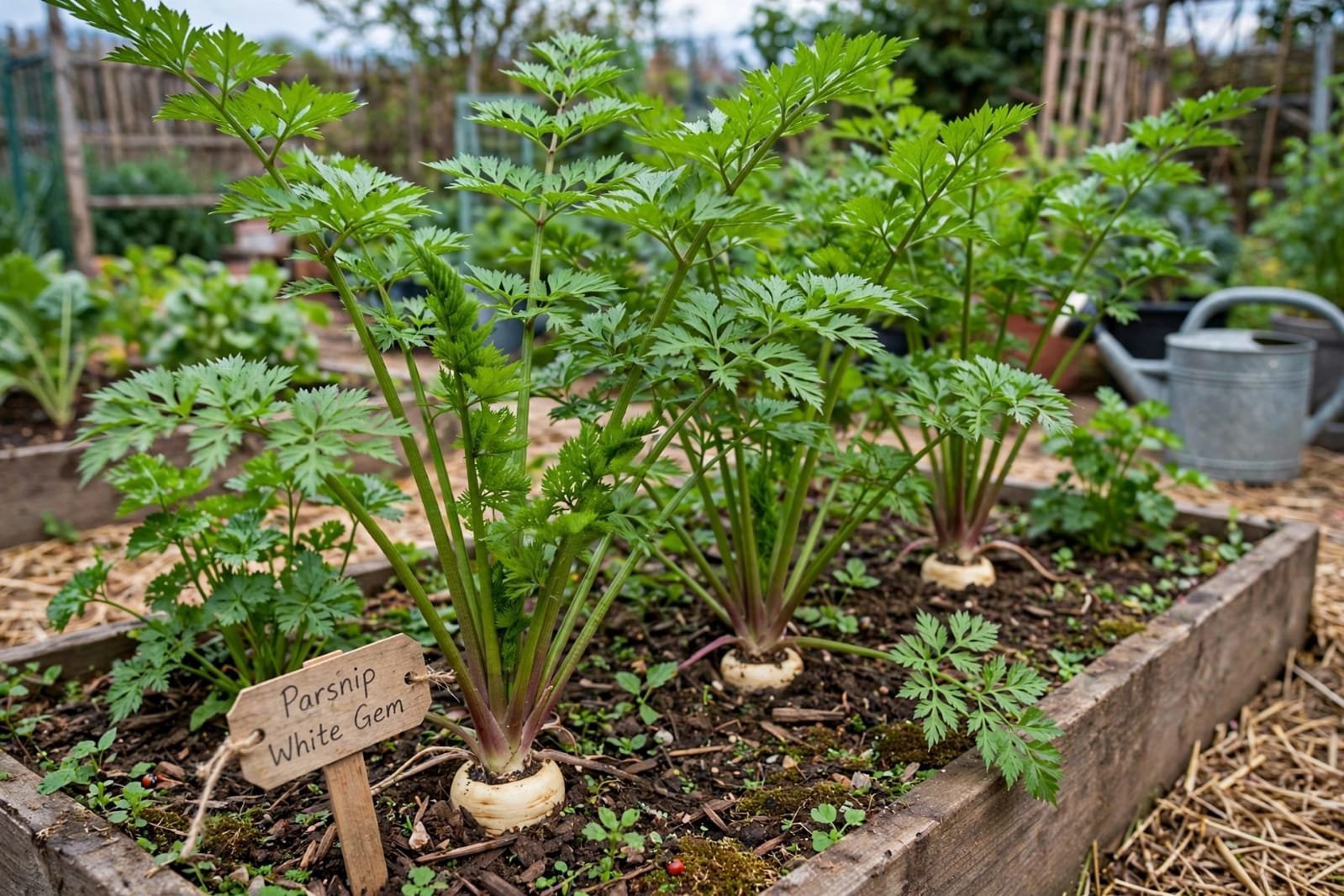
,

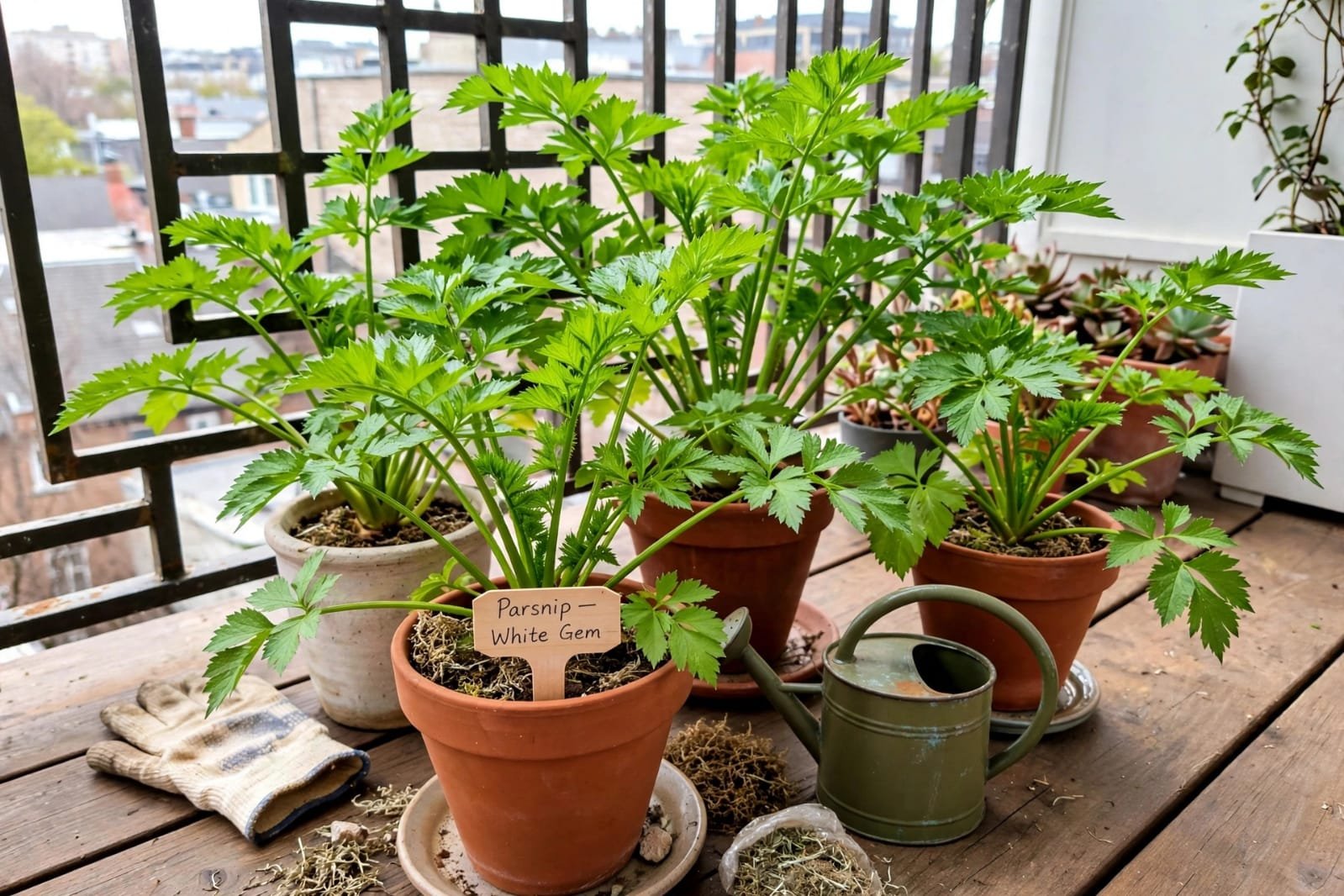
Parsnip (White Gem) Over 100 Seeds

R15,00

Excluding shipping

Availability: 22 in stock

Guaranteed Safe Checkout

Grow sweet, crisp, and beautifully uniform root vegetables right at home with our premium, heirloom Parsnip (White Gem) seeds, offering over 100 seeds per pack to kickstart your seasonal harvest.

Grow a Sweet and Reliable Winter Staple

Parsnip White Gem (Pastinaca sativa) is highly regarded by South African gardeners as one of the most reliable and resilient parsnip varieties available.

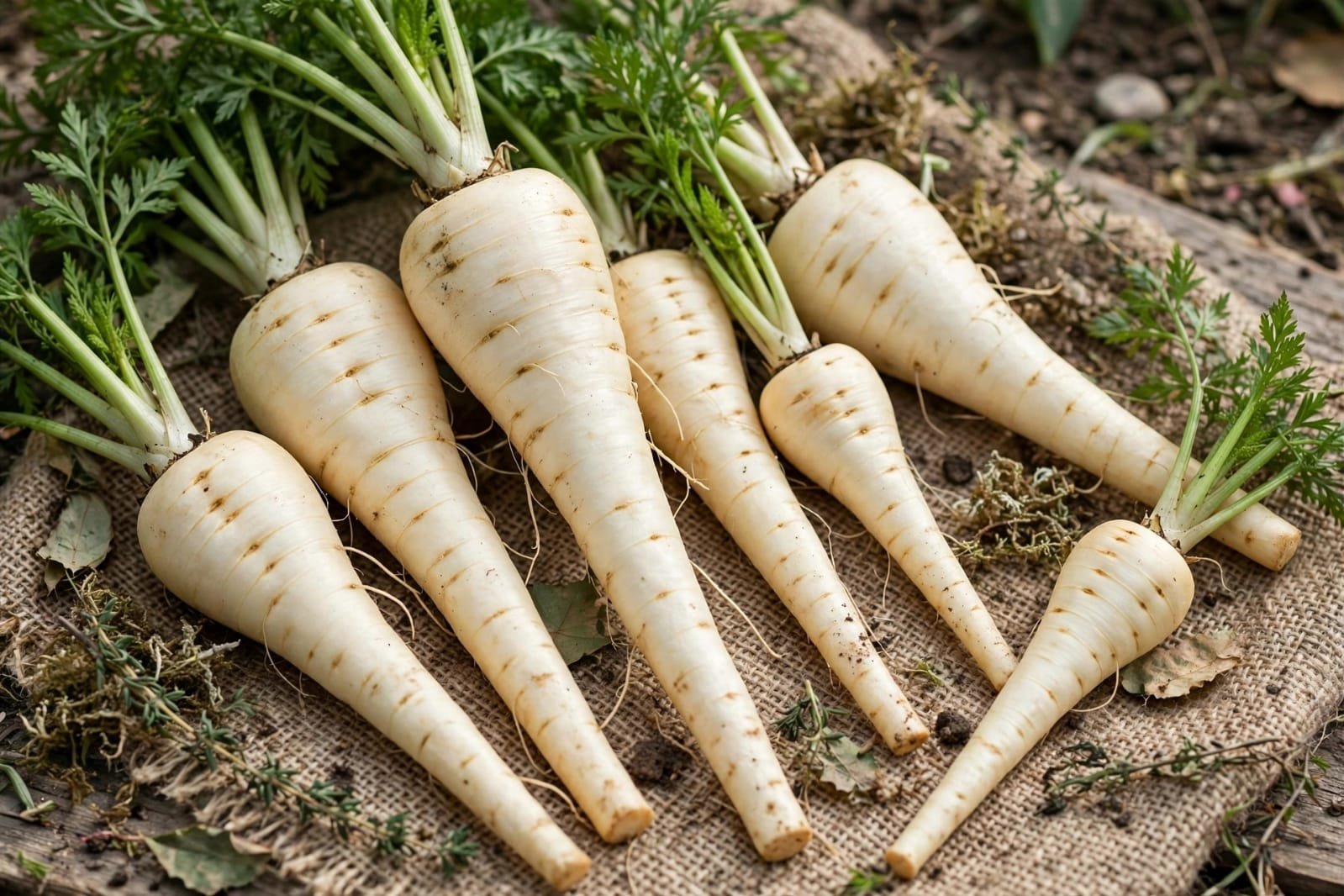
Renowned for its excellent disease resistance—particularly to canker—this heirloom, non-GMO variety produces smooth, clean, medium-length white roots with a deliciously sweet, nutty flavor that intensifies after the first winter frost.

Whether you plan to roast them to caramelized perfection, blend them into comforting winter soups, or mash them with butter, White Gem provides a high-yielding, premium quality harvest that performs exceptionally well in local soils.

Why You’ll Love Our White Gem Parsnip Seeds

  1. Superior Canker Resistance: Engineered by nature to stay clean and smooth, White Gem resists the common soil-borne diseases that often affect other root crops.
  2. Generous Seed Count: Each packet contains over 100 seeds, giving you plenty of opportunities to thin out your rows for a massive, crowded bed of sweet roots.
  3. Heirloom & Non-GMO: Preserved in its natural form through generations. Our seeds are 100% natural, untreated, and open-pollinated, allowing you to garden with complete peace of mind.
  4. Excellent Storage Life: Once harvested, these firm, cold-hardy roots store beautifully in the fridge or a cool pantry, extending your fresh home harvests well into the winter months.
  5. Sweet, Premium Flavor: Unlike store-bought varieties, home-grown White Gem parsnips develop an unmatched, concentrated sweetness when left in the cold ground before lifting.

South African Sowing & Growing Guide

  • When to Sow: In South Africa, parsnips thrive as a cool-weather crop. Sow from mid-autumn through to early spring. In cooler, frost-free regions, early autumn sowing provides excellent winter growth.
  • Position: Best planted in full sun, though they can tolerate very light afternoon shade.
  • Soil Preparation: Requires deeply dug, loose, and stone-free soil with excellent drainage. Avoid heavily manured soils right before planting, as this can cause the roots to fork.
  • Sowing Method: Sow seeds directly into their permanent home, as parsnips do not tolerate transplanting. Sow 1cm deep in rows spaced 30cm apart.
  • Patience is Key: Parsnip seeds are notoriously slow to wake up. Keep the soil consistently moist (but not waterlogged) using a gentle mist; germination can take anywhere from 14 to 28 days.
  • Thinning: Once seedlings reach about 5cm tall, thin them out to stand 10cm apart to give the roots plenty of room to expand.

Product Specifications

  • Seed Type: Heirloom, Non-GMO Vegetable
  • Variety: Parsnip (White Gem)
  • Quantity: Over 100 seeds per pack
  • Days to Maturity: 100 – 120 days
  • Root Length: Average 15cm – 20cm

Reviews

There are no reviews yet.

Be the first to review “Parsnip (White Gem) Over 100 Seeds”

Your email address will not be published. Required fields are marked *

How to Grow Parsnips from Seed

Master the art of cultivating sweet, crisp root vegetables with our expert step-by-step guide to planting and growing heirloom Parsnip (White Gem) seeds in South Africa.

Overview: The Reward of Home-Grown Root Crops

Parsnips (Pastinaca sativa) are an absolute highlight of the winter veggie garden. While store-bought parsnips can sometimes be woody and bland, home-grown parsnips are legendary for their intensely sweet, nutty flavor.

This sweetness develops naturally as the soil chills, causing the starch inside the root to convert into sugar.

Growing parsnips requires a little patience—as they take longer to sprout and mature than carrots—but the reward of pulling smooth, heavy roots out of your own soil is unmatched. This comprehensive guide will show you how to successfully grow them from seed to harvest.

When to Plant Parsnips in South Africa

Parsnips require a long, cool growing season to reach maturity (roughly 100 to 120 days). Because they need winter frost or cold weather to sweeten up, timing your sowing perfectly is essential:

  • Highveld & Inland Regions (Gauteng, Free State): Sow seeds from mid-autumn through to early spring. Sowing in late autumn allows the roots to develop through the cold months for a peak winter harvest.
  • Winter Rainfall Regions (Western Cape): Sow from late summer to late autumn. Take advantage of the natural winter rainfall, ensuring your soil has excellent drainage.
  • Subtropical Regions (KwaZulu-Natal Coast): Sow strictly during the coolest window of autumn and early winter (April to June) so the crop can mature before the punishing summer heat returns.

Step 1: Prepare the Soil (The Golden Rule)

The secret to growing straight, smooth parsnips without any awkward splitting or forking lies entirely in your soil preparation.

Remove Obstacles: Dig over your planting bed deeply—at least 30 cm down. Remove every single stone, rock, weed, and hard clay clump you find. Obstructions force the growing tip to split.

Soil Texture: Parsnips love loose, light, well-draining sandy loam. If your soil is heavy, mix in plenty of washed river sand to loosen it up.

Avoid Fresh Manure: Do not add fresh manure or compost to the soil right before planting. High nitrogen levels and rich organic clumps cause the roots to “fork” (grow multiple hairy legs). Use a bed that was heavily manured for a previous crop last season instead.

Step 2: Sow the Seeds (Direct Sowing Only)

Parsnip seeds have highly sensitive taproots and cannot tolerate being transplanted. Buying them in seedling trays or starting them in small pots will result in deformed, stunted roots. Always sow your pack of over 100 seeds directly into their final garden beds.

  1. Make Furrows: Use a stick or a garden tool to draw shallow rows in the soil, roughly 1 cm deep. Keep the rows spaced 30 cm apart.
  2. Sow Thinly: Drop the flat, papery seeds thinly along the bottom of the furrow.
  3. Cover Lightly: Cover the seeds gently with about 1 cm of fine, sieved soil or sand. Press down lightly so the seeds make firm contact with the earth.

Step 3: Master the Germination Phase

Parsnips are famously slow to wake up and require dedicated moisture management:

The Waiting Game: Do not panic if you see nothing for weeks. Parsnip seeds can take anywhere from 14 to 28 days to germinate.

Consistent Moisture: The soil surface must never dry out completely during this month-long window, or the sprouting seed will die beneath the crust. Water with a very gentle, fine mist setting on your hose or watering can to avoid washing the seeds away.

The Board Trick: A classic gardener’s tip is to lay a damp wooden plank or a piece of damp hessian sack directly over the seeded row to lock in moisture. Check underneath every few days, and remove the cover immediately the moment the first green shoots emerge.

Step 4: Thinning and Ongoing Care

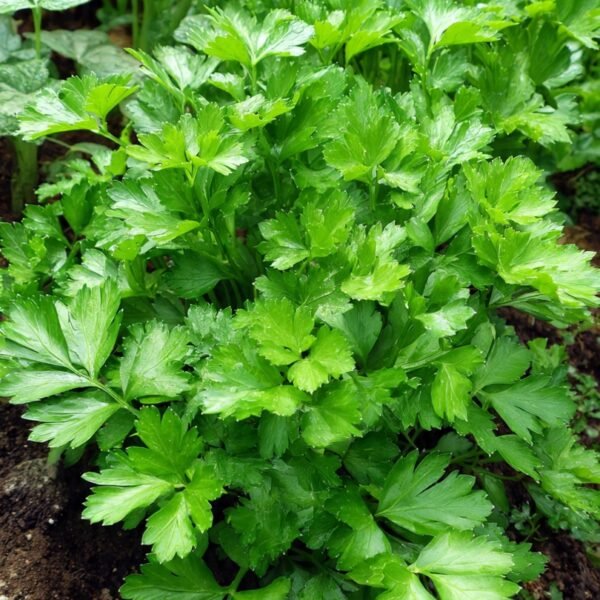
Thin Your Rows: When the seedlings reach about 5 cm tall, they will look a bit like celery leaves. Thin them out by snipping or gently plucking the weaker plants so that the remaining strong parsnips are spaced 10 cm apart. This gives each root enough physical space to swell.

Watering: Water deeply and consistently, about once or twice a week depending on the weather. Uneven watering (letting the soil dry out completely and then flooding it) can cause the roots to split open.

Weeding: Keep the rows meticulously free of weeds. Because parsnips grow slowly at first, fast-growing weeds can easily crowd them out and steal their sunlight. Hand-pull weeds carefully so you don’t disturb the parsnip roots.

Step 5: The Sweet Harvest

The Frost Factor: Your parsnips are ready to harvest between 100 and 120 days after sowing. However, leave them in the ground until your area experiences its first winter frosts. The freezing temperatures trigger the plant to convert its starches into natural sugars, creating that iconic sweet taste.

How to Lift: Do not grab the leaves and pull, or the top will snap off, leaving the root stuck in the ground. Use a garden fork to carefully loosen the soil around the root first, then gently lift the whole parsnip out from underneath.

Parsnips Medicinal and Nutritional Uses

Discover the exceptional health rewards and dietary benefits of including heirloom Parsnips (White Gem) in your seasonal harvest, from boosting immune defense to supporting heart health.

While parsnips (Pastinaca sativa) are primarily celebrated as a delicious, sweet culinary staple, they also possess a rich history in traditional wellness and deliver an impressive array of modern nutritional benefits.

Cultivating a patch from a pack of over 100 seeds gives you direct access to a functional superfood right from your own backyard.

The Nutritional Profile of White Gem Parsnips

Don’t let their pale appearance fool you; parsnips are packed with essential vitamins and minerals. Leaving the roots in the soil through the South African winter cold converts their starches to sugars, but it preserves a powerhouse of nutrients:

  1. High in Dietary Fibre: Parsnips are an exceptional source of both soluble and insoluble fibre. A single serving supports smooth digestive health, promotes gut microbiome health, and helps maintain steady blood sugar levels by slowing digestion.
  2. Rich in Vitamin C and K: Freshly harvested parsnips provide a significant dose of Vitamin C, which is essential for immune function, collagen production, and skin health. They also provide Vitamin K, which plays a vital role in proper blood clotting and bone density maintenance.
  3. Packed with Antioxidants: Parsnips contain polyacetylenes, falcarinol, and falcarindiol, which are natural compounds studied for their anti-inflammatory and cellular-protective properties.
  4. Excellent Source of Potassium: This vital mineral helps regulate fluid balance, supports normal blood pressure levels, and ensures proper muscle and nerve function.

Historical & Traditional Wellness Uses

Historically, long before modern vitamin supplements existed, European and Mediterranean cultures utilized the entire parsnip plant for overall vitality:

Digestive Tonics: In traditional European herbalism, root decoctions were frequently prepared to settle mild stomach discomfort and reduce bloating.

Natural Diuretic Properties: Traditional practitioners often utilized parsnip root extracts to stimulate kidney function and encourage the gentle flushing of excess water from the body.

Topical Poultices: Historically, the crushed roots or leaves were occasionally applied to minor skin irritations, though modern skincare has replaced this practice to avoid potential skin sensitivities.

Safe Handling and Gardening Precautions

While the root itself is incredibly nutritious and completely safe to eat, gardeners should practice basic safety precautions when working in the soil:

Phytophotodermatitis Awareness: The green, above-ground foliage of the parsnip plant contains furanocoumarins. If the sap from bruised leaves gets onto your skin and is exposed to bright South African sunlight, it can cause a mild to severe skin rash or blistering. Always wear long sleeves and gardening gloves when weeding, thinning, or harvesting your parsnip rows on sunny days.

Wild Lookalikes Warning: Never forage for plants that look like parsnips in the wild. The domestic garden parsnip shares a visual resemblance to highly toxic wild plants, such as Water Hemlock. Stick to planting certified, heirloom, non-GMO seeds in your managed garden beds.

Parsnips Growing Guide

Master the art of cultivating a heavy harvest of sweet, crisp root vegetables with our comprehensive, expert-approved Parsnips growing guide tailored for South African conditions.

An Introduction to Pastinaca sativa

Parsnips (Pastinaca sativa) are an absolute highlight of the home vegetable garden. While store-bought parsnips can sometimes be woody and bland, home-grown varieties like White Gem are celebrated for their exceptionally smooth, uniform white roots and an intensely sweet, nutty flavor.

Belonging to the Apiaceae (carrot) family, parsnips are cool-season biennials grown as annual crops. They require a long, patient growing season, typically taking 100 to 120 days to reach full maturity. The true magic of this vegetable happens underground during the cold months, where a natural frost triggers the plant to convert its starches into sugars, giving you an elite culinary ingredient right from your backyard.

Optimal Growing Conditions

To achieve long, straight, and unblemished roots, your garden bed must meet these specific criteria:

Sunlight Requirements: Parsnips thrive best in full sun, requiring at least 6 hours of direct daily sunlight to maximize foliage growth and root development. They can tolerate very light afternoon shade in hotter regions.

Soil Preferences: The ideal soil is a loose, deeply dug, stone-free sandy loam. The soil must be completely free of rocks, hard clay clumps, or debris down to a depth of 30–40 cm. If the growing tip of a parsnip root hits an obstruction, it will split or fork. The optimal soil pH is between 6.0 and 7.0.

The Fertilizer Trap: Do not add fresh manure or rich compost to your soil immediately before planting. High levels of fresh nitrogen cause the roots to “fork” into multiple hairy legs or grow excessive top foliage at the expense of the root. Instead, plant parsnips in a bed that was heavily fed for a previous crop (like brassicas) last season.

South African Planting Calendar

Parsnips need a long, cool development phase to reach their peak quality. Plan your seed sowing according to your local climate zone:

Highveld & Inland Regions (Gauteng, Free State): Sow from late summer to mid-autumn (February to May), or early spring (August to September). Sowing in autumn allows the roots to swell perfectly through the cold winter months.

Winter Rainfall Regions (Western Cape): Sow from autumn to early winter (March to June). This aligns their growth with cooler weather and natural seasonal rain, provided your soil drains exceptionally well.

Subtropical Regions (KZN Coast): Sow strictly during the coolest window of late autumn and early winter (April to June) so the roots can mature before the extreme humidity and summer heat return.

How to Sow and Propagate Parsnips

Parsnip seeds have incredibly sensitive taproots and will not tolerate being transplanted. Starting them in seedling trays or small pots will result in stunted, permanently deformed roots.

For a successful harvest, always sow your pack of over 100 seeds directly into their final growing positions.

  1. Prepare the Rows: Dig your soil deeply, breaking up all clumps. Create shallow furrows roughly 1 cm deep, keeping the rows spaced 30 cm apart.
  2. Sow the Seeds: Sow the flat, papery seeds thinly along the bottom of the furrow. Because parsnip seeds have a naturally lower germination rate and can be slow to start, sowing relatively thickly ensures a good stand.
  3. Cover and Press: Cover the seeds gently with about 1 cm of fine, sieved soil or river sand. Firm the soil down lightly so the seeds make secure contact with the earth.
  4. The Secret to Germination: Parsnips are notoriously slow to wake up, taking anywhere from 14 to 28 days to sprout. The soil surface must remain consistently moist during this time. Mist the rows gently with a fine rose spray to avoid washing the seeds away.
  5. Tip: Lay a damp wooden plank or a piece of damp hessian fabric directly over the row to trap moisture, checking every few days and removing it immediately when the first green shoots emerge.

Ongoing Care and Maintenance

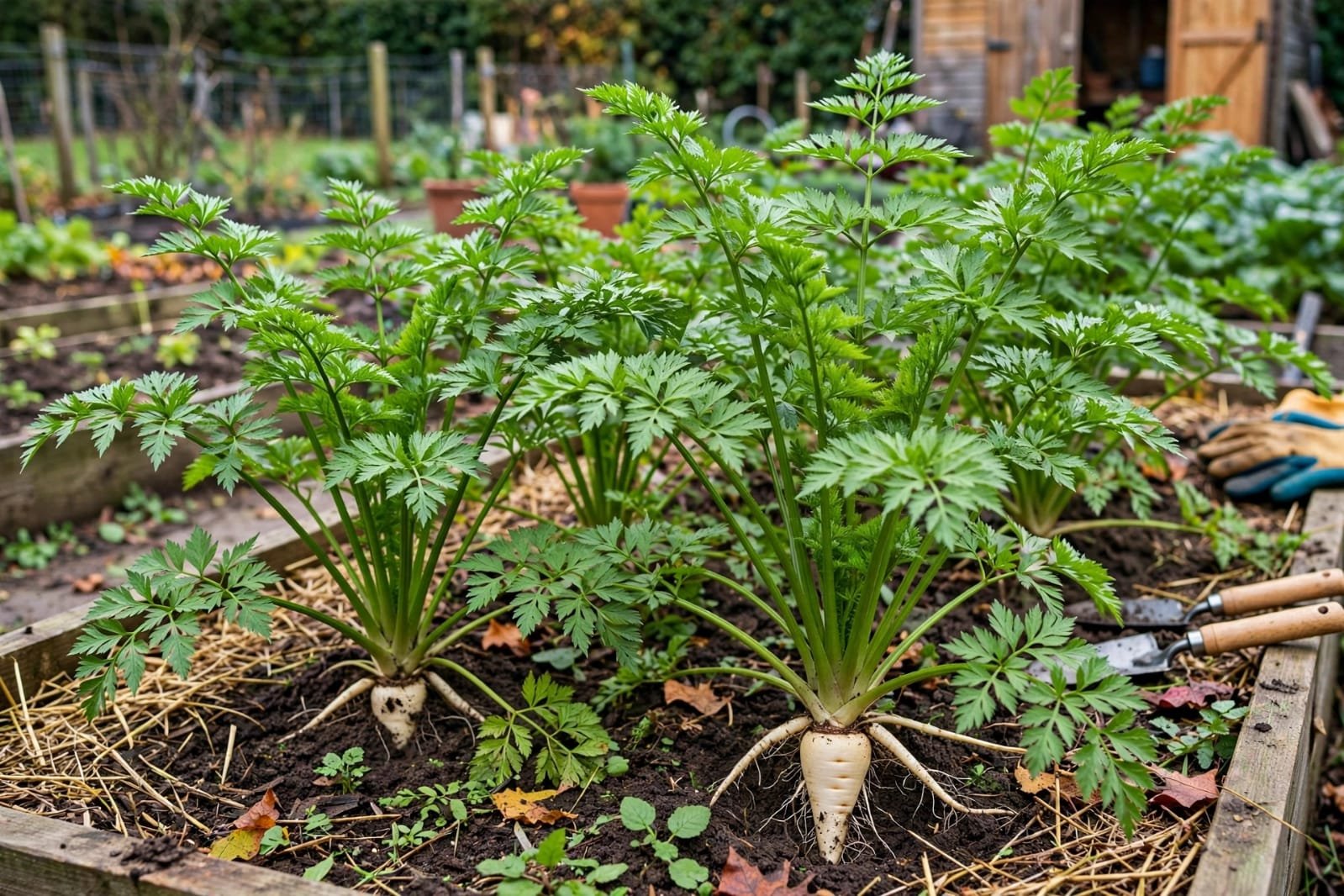
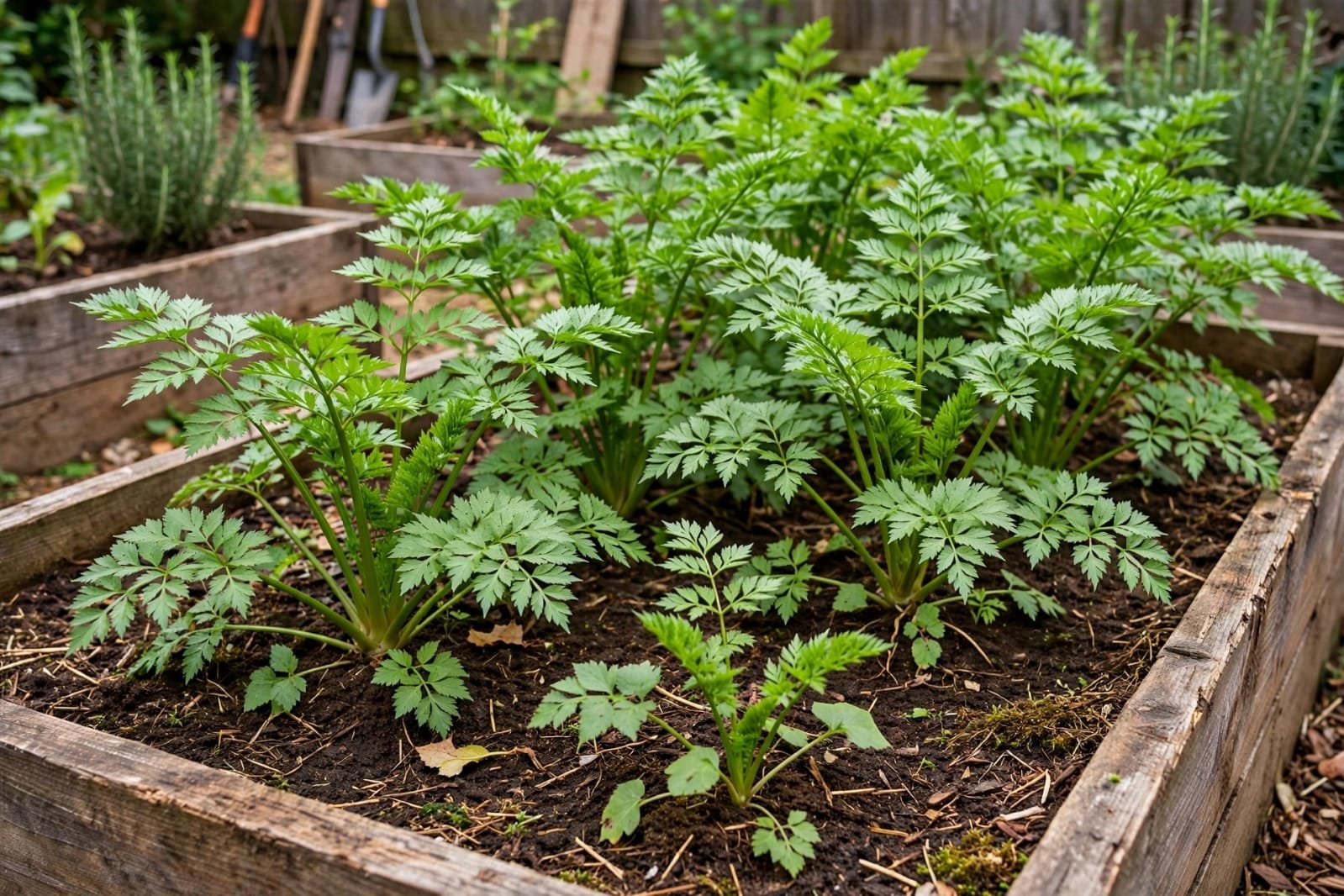
Thinning Seedlings: When the young plants reach about 5 cm in height and display their first true, celery-like leaves, thin them out. Snip or gently pluck out the weaker seedlings until the strongest plants are spaced 10 cm apart to give the roots physical space to expand.

Watering Routine: Provide deep, consistent watering about once or twice a week. Avoid alternating between bone-dry soil and heavy flooding, as sudden changes in moisture levels cause the expanding roots to split open vertically.

Weeding: Keep the bed meticulously weed-free. Because parsnips grow slowly in their first two months, fast-moving weeds can easily crowd them out and steal vital sunlight and nutrients. Hand-pull weeds carefully to avoid disturbing the parsnip roots.

Harvesting and Storage

Wait for the Frost: While parsnips reach full size around 100–120 days, leave them in the ground until after the first winter frosts. The freezing soil temperatures convert the root’s starches into natural sugars, maximizing their sweet flavor.

How to Lift: Never attempt to pull a parsnip out by its leaves, as the crown will simply snap off. Instead, insert a garden fork deeply into the soil a few centimeters away from the plant, gently pry the soil upward to loosen the root, and lift the entire parsnip safely from underneath.

Parsnips Other Names

Discover the botanical classifications, historical titles, and common linguistic aliases for Parsnips (Pastinaca sativa) to help you identify, research, and grow this classic winter root crop with absolute confidence.

The Importance of Tracking Plant Names

When exploring heirloom gardening catalogs, global recipes, or agricultural history, you will quickly notice that plants often carry different titles across regions and centuries.

By understanding the exact botanical name and historical aliases of the parsnip, you can ensure you are buying the correct heirloom seeds for your South African garden while learning about the fascinating journey of this ancient root vegetable.

The Scientific Name: Botanical Classification

Pastinaca sativa: This is the official binomial scientific classification for the domestic parsnip. When shopping for seeds online, always verify this name to ensure you are purchasing a true parsnip crop.

The Meaning: The genus name Pastinaca is derived from the Latin word pastinum, which means “a two-pronged fork”—a nod to the shape the root takes when it encounters rocky soil. The specific epithet sativa translates directly to “cultivated” or “sown,” indicating its long-standing status as a farmed food crop rather than a wild weed.

The Family: It belongs to the Apiaceae family (historically known as the Umbelliferae family). This makes the parsnip a direct relative of carrots, celery, parsley, fennel, and coriander.

Historical & Regional Common Names

Over its thousands of years of cultivation, the parsnip has accumulated several alternative regional and historical descriptions:

The White Carrot / White Root: Before the 17th century, when orange carrots were bred in the Netherlands, most carrots were purple or yellow. Because of their incredibly similar growth habit, leaf structure, and taproot shape, parsnips were routinely referred to as “white carrots” or daucus albus in early European texts.

Moor-Root (Historical European): In certain medieval dialects across northern Europe, parsnips were linked to sandy wetlands or plains (“moors”) where wild variants grew prolifically, earning them the vernacular name moorroot or morchel.

Pastinak (Global Translations): If you are browsing European heirloom seed exchanges, you will often find it spelled as Pastinak (German/Scandinavian), Panais (French), or Pastinaca (Spanish/Italian).

Common Visual and Verbal Confusions

Because of its unique appearance, the parsnip is frequently confused with or mistaken for a few other crops. Make sure you don’t confuse it with these options:

Hamburg Parsley (Petroselinum crispum tuberosum): Also known as Turnip-Rooted Parsley or Root Parsley, this crop looks almost identical to a parsnip at first glance. However, it is a variety of parsley grown specifically for its large white taproot. It tastes strongly of parsley and celery rather than the distinct, nutty sweetness of a true parsnip.

White Carrots (Daucus carota): Modern heirloom breeders have restored true white carrot varieties (such as ‘Lunar White’). While they look visually similar to a parsnip, white carrots maintain a crisp, classic carrot flavor profile and lack the winter-sweetened starch profile of Pastinaca sativa.

Turnips (Brassica rapa): While both are white winter root vegetables, turnips are rounder, belong to the completely different Brassicaceae (cabbage) family, and carry a sharp, slightly peppery mustard flavor rather than a sweet one.

Shopping Basket
0
    0
    Your Cart
    Your cart is emptyReturn to Shop
    Scroll to Top