, ,

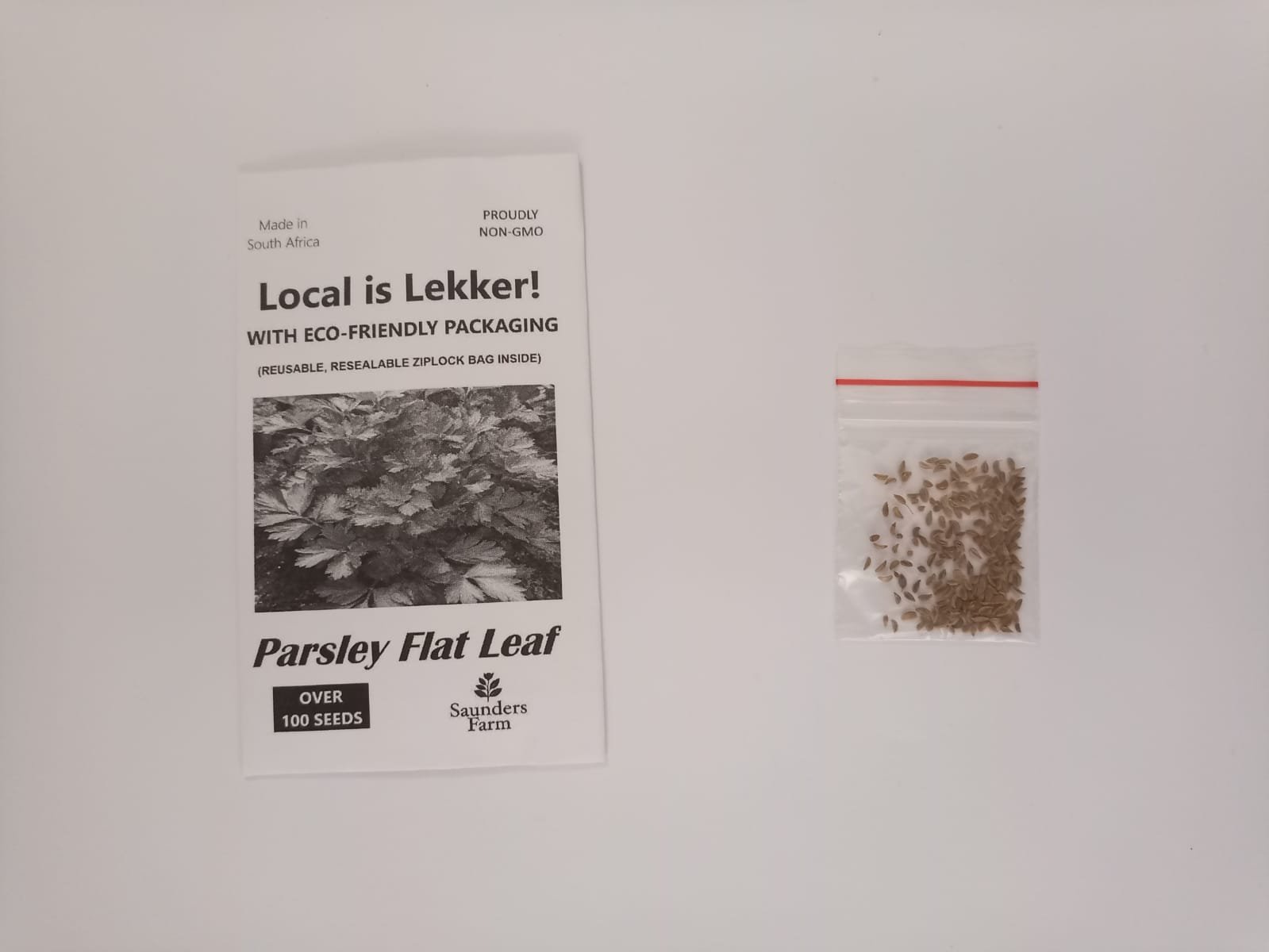
Parsley Flat leaf – Over 100 Seeds

R15.00

Excluding shipping
  • Over 100 Plain Flat Leaf Parsley Seeds
  • Join our WhatsApp Group to see when this product goes on special: https://chat.whatsapp.com/Ly1HQgXpYGXL2ffDGXUl4G
  • Proudly non-GMO
  • ECO-FRIENDLY: Biodegradable packaging with resealable, reusable plastic Ziplock bag inside
  • Made in South Africa, for South Africa

Availability: 33 in stock

Guaranteed Safe Checkout

Parsley (Plain Flat Leaf) Seeds – Heirloom & Non-GMO

Grow your own fresh, aromatic herbs at home with our premium Plain Flat Leaf Parsley seeds.

This classic Italian parsley variety is a staple for South African kitchens, offering a robust, sweet flavor that far surpasses curly varieties.

Whether you are planting a kitchen window box in Cape Town or a backyard veggie patch in Gauteng, these resilient heirloom seeds deliver excellent germination rates and abundant harvests.

Flat-leaf parsley is incredibly versatile and essential for traditional South African braais, fresh summer salads, potjiekos, and homemade chimichurri.

This hardy biennial plant thrives in our local climate, growing beautifully in both full sun and partial shade.

Product Features

  1. Premium Quality: Heirloom, non-GMO, and open-pollinated seeds.
  2. Generous Quantity: Each pack contains over 100 seeds for multiple plantings.
  3. High Yield: Produces dark green, deeply divided flat leaves on sturdy stems.
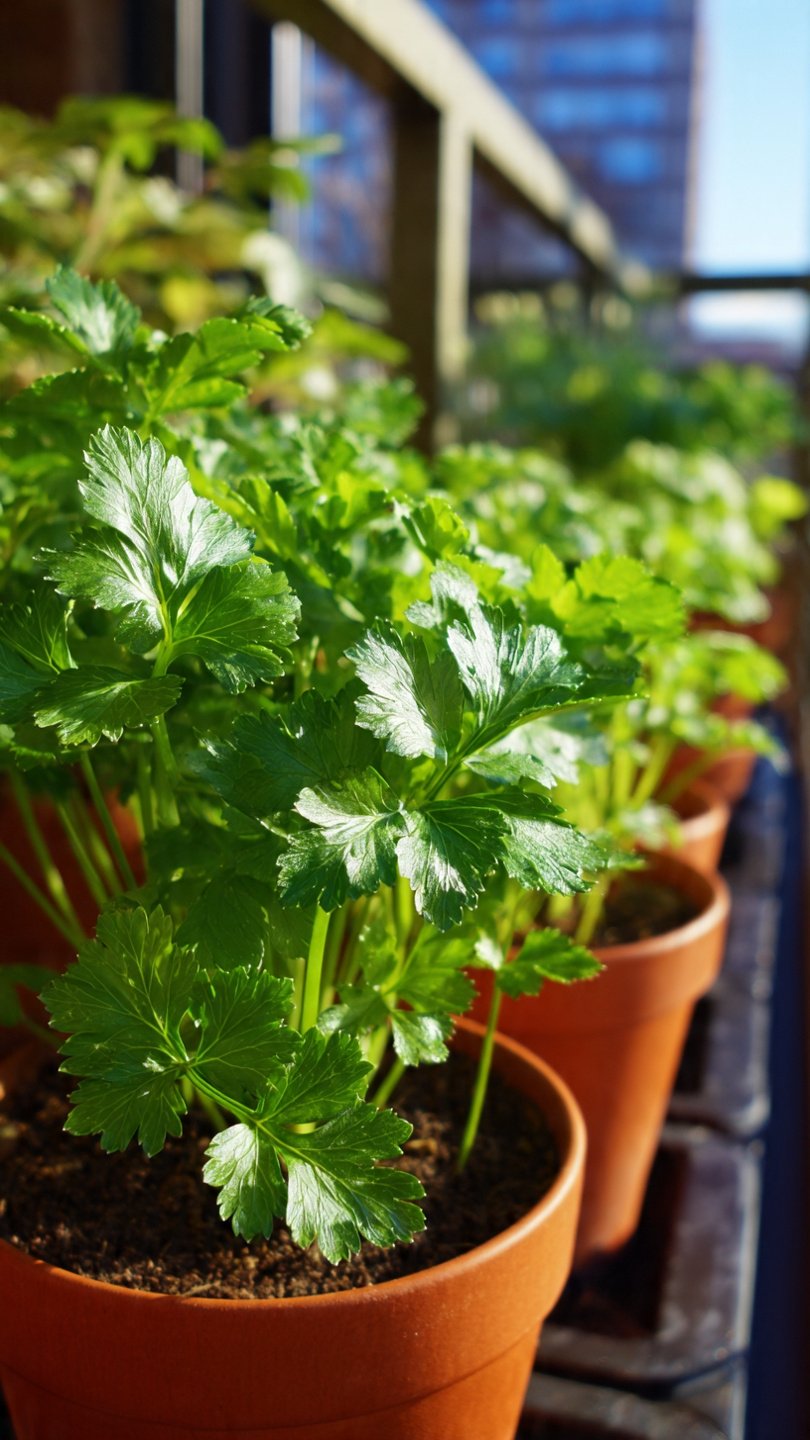
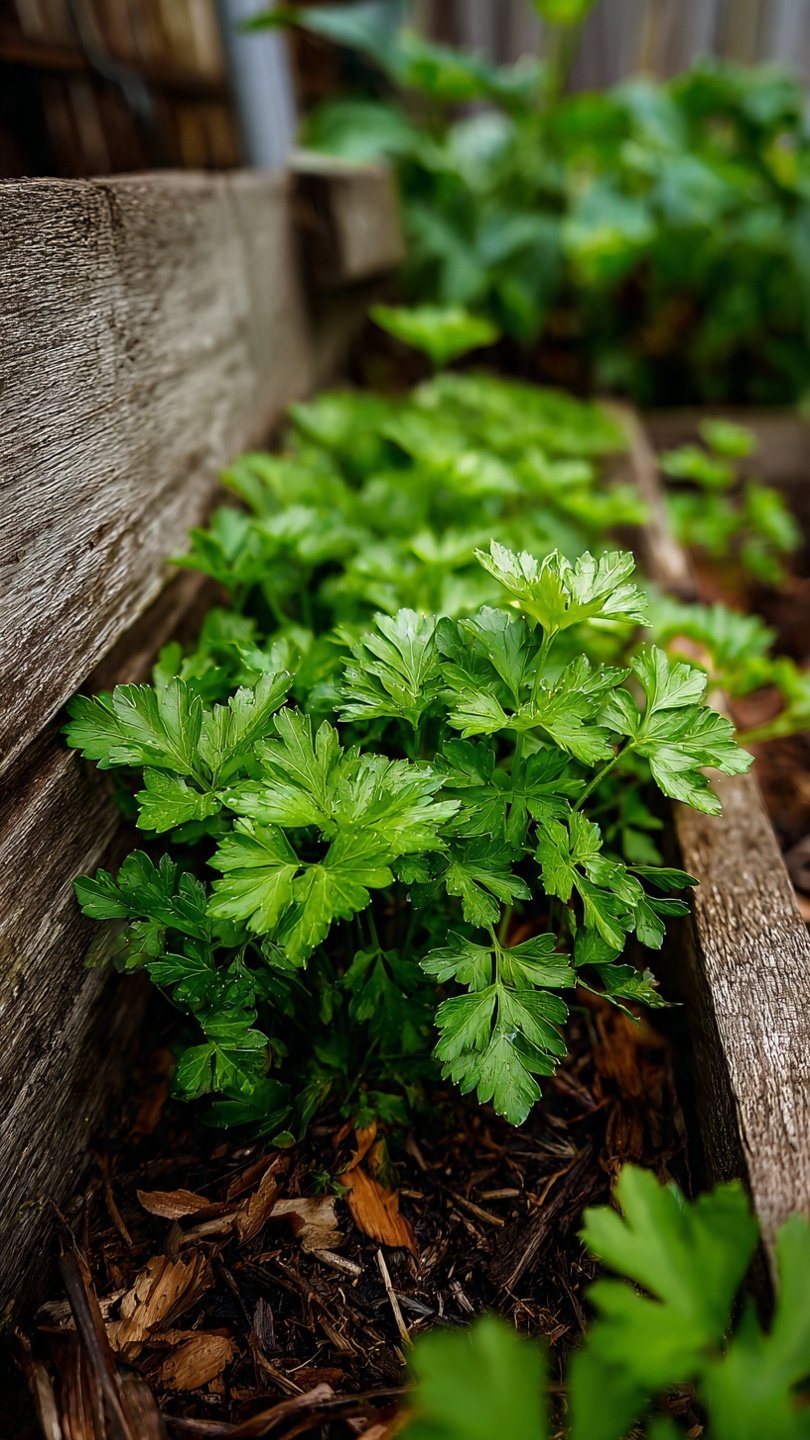
  4. Adaptable: Perfect for container gardening, raised beds, or direct garden planting.
  5. South African Climate Ready: Resilient in various local soil and weather conditions.

Growing Instructions

  • Sowing Depth: 5mm deep in well-draining, nutrient-rich soil.
  • Spacing: Space plants roughly 20cm to 30cm apart.
  • Germination: Takes 14 to 21 days (soaking seeds overnight speeds up this process).
  • Sunlight: Full sun to partial afternoon shade.
  • Watering: Keep soil consistently moist but never waterlogged.
  • Harvest: Pick outer leaves as needed once the plant reaches 15cm tall.
logo simple

Stop Killing Your Seeds!

5 Germination Mistakes Gardeners Must Stop Immediately

Get this free guide (5 minute read) and The Printable Monthly Growing Guide for South Africa (also free), via email:

We don’t spam! Read our privacy policy for more info.

Reviews

There are no reviews yet.

Be the first to review “Parsley Flat leaf – Over 100 Seeds”

Your email address will not be published. Required fields are marked *

How to Grow Parsley From Seed

How to Grow Parsley from Seed: A Step-by-Step South African Guide

Growing parsley from seed is a rewarding way to ensure a constant supply of fresh, flavorful herbs for your kitchen.

While parsley has a reputation for being slow to start, following the right steps ensures excellent germination and a bountiful harvest.

This comprehensive guide covers everything you need to know about growing Plain Flat Leaf Parsley successfully in South African conditions.

Understanding Parsley’s Preferences

Before planting, it helps to understand what this hardy plant loves:

Climate: Parsley grows as a hardy biennial. It thrives year-round in most South African climates but prefers the cooler months of spring and autumn.

Sunlight: It loves full sun but highly appreciates afternoon shade in scorching hot regions like the Karoo, Free State, or Gauteng summers.

Soil: It requires rich, deep, well-draining soil with a neutral pH (around 6.0 to 7.0).

Step 1: Prepare Your Seeds (The Secret Trick)

Parsley seeds contain naturally occurring furano-coumarins, which slow down germination. In the wild, this prevents the seeds from sprouting during a brief, false rain.

To trick the seeds into sprouting faster:

Soak your seeds in a bowl of warm water for 12 to 24 hours before planting.

Skim off any seeds that float (they are usually unviable).

Strain the remaining seeds and lay them on a paper towel to dry slightly so they are easier to handle.

Note: Each of our premium packs contains over 100 seeds, giving you plenty of opportunities to plant successive crops.

Step 2: Prepare the Soil or Pots

Parsley develops a long taproot, meaning it dislikes being transplanted once established. For the best results, sow seeds directly into their final home.

In the Garden: Dig in plenty of well-rotted compost to create a loose, nutrient-rich seedbed. Remove any large rocks that might obstruct the taproot.

In Containers: Choose a pot that is at least 20cm to 30cm deep to accommodate the root system. Fill it with a high-quality potting mix blended with compost.

Step 3: Sowing the Seeds

Depth: Sow the seeds shallowly, about 5mm deep.

Spacing: If planting in rows, space the seeds about 2cm apart. You will thin them out later.

Covering: Lightly press a thin layer of soil or fine vermiculite over the seeds. Parsley needs a little light to trigger germination, so do not bury them too deeply.

Watering: Mist the soil gently with a spray bottle or a fine hose nozzle. Do not wash the seeds away.

Step 4: The Germination Waiting Game

Parsley requires patience. Germination typically takes anywhere from 14 to 21 days.

During this time, the absolute golden rule is to never let the soil dry out completely. Keep the top layer of soil consistently damp but not waterlogged.

Covering your seed tray or garden bed with a piece of damp burlap (hessian cloth) can help retain this critical moisture. Remove it the moment you see green shoots appear.

Step 5: Thinning and Spacing

Once your seedlings reach about 5cm in height and display their first set of “true” leaves (which look like miniature parsley leaves), it is time to thin them.

Snip the weaker seedlings at soil level rather than pulling them out. Pulling them can damage the roots of the neighboring plants.

Aim for a final spacing of 20cm to 30cm apart to allow each plant room to bush out.

Step 6: Ongoing Care and Maintenance

Watering: Water deeply at the base of the plant once or twice a week, rather than frequent shallow splashes.

Container-grown parsley will need more frequent watering, especially in midday summer heat.

Feeding: Parsley is a leafy green plant, meaning it loves nitrogen. Feed your plants every 4 to 6 weeks with an organic, liquid seaweed or fish emulsion fertilizer.

Mulching: Apply a layer of organic mulch (like straw or bark chips) around the base of the plants to retain soil moisture and keep the roots cool.

Step 7: Harvesting Your Parsley

You can begin harvesting your flat-leaf parsley once the stems have at least three segments and the plant is around 15cm tall.

The Golden Rule: Always harvest from the outside of the plant first. Leave the inner, tiny leaves to continue growing from the center hub.

The Technique: Cut the stems near the base of the plant using sharp scissors rather than pulling them, which can disturb the root system.

Frequently Asked Questions

Why is my parsley turning yellow?

Yellow leaves usually indicate overwatering or poor soil drainage, which leads to root rot. Scale back on watering and ensure your pots drain freely.

It can also point to a nitrogen deficiency, which a quick dose of organic liquid fertilizer will fix.

Can I grow parsley indoors?

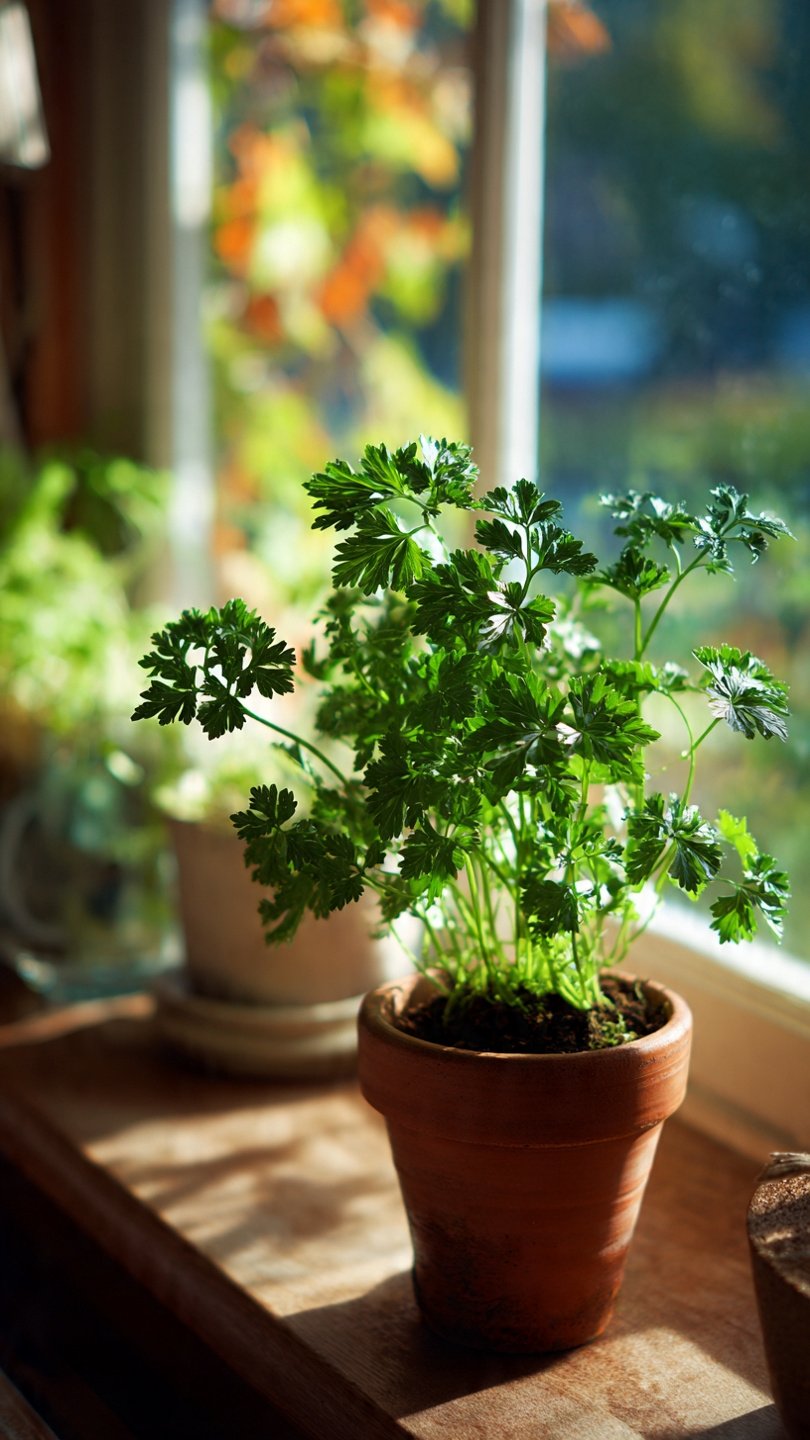
Yes. Place your pot on a north- or east-facing windowsill where it will receive at least 4 to 6 hours of bright sunlight daily.

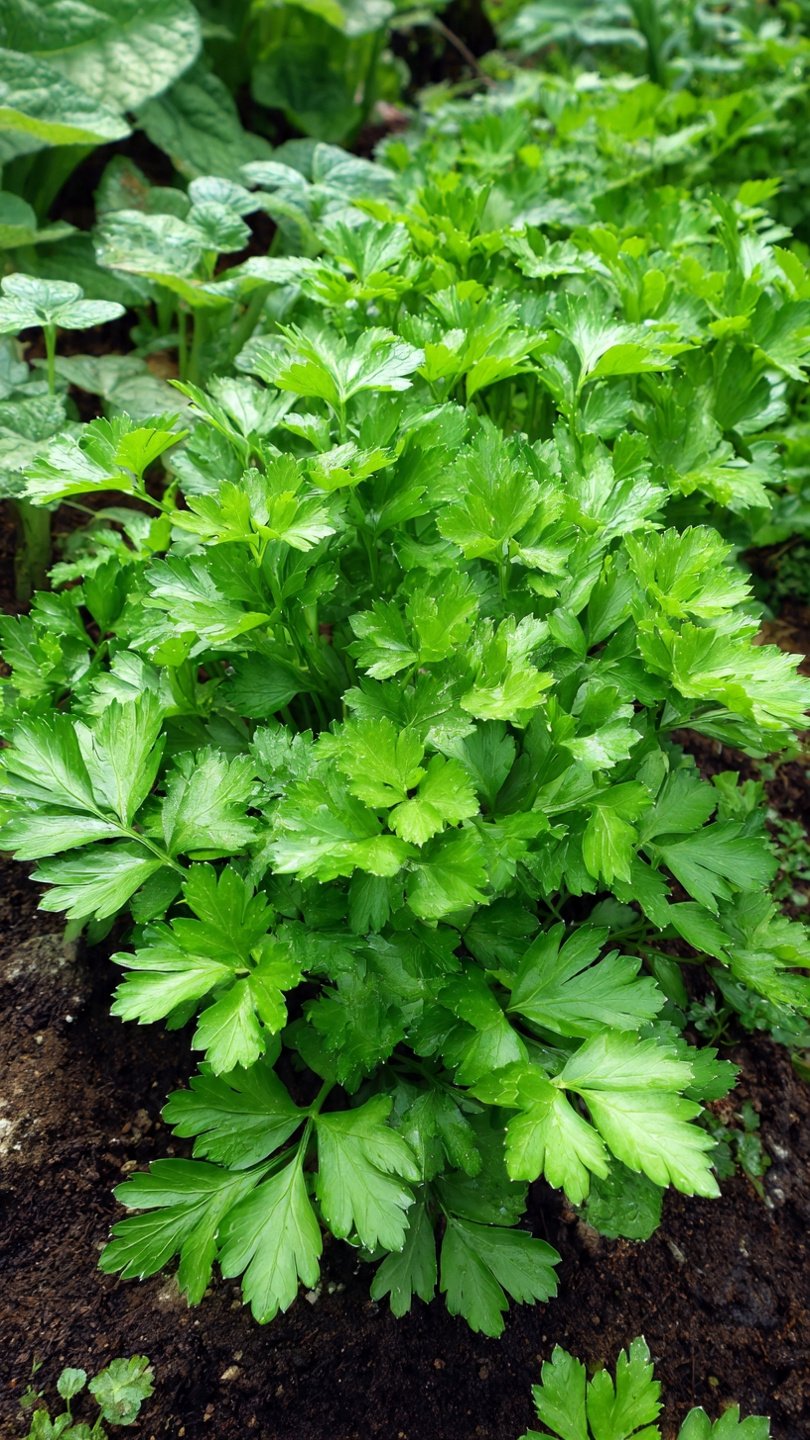
Parsley Medicinal and Nutritional Uses

The Health Benefits of Parsley: Nutritional and Traditional Wellness Guide

Many people view flat-leaf parsley as a simple plate garnish, but it is actually a nutritional powerhouse.

For centuries, gardeners and herbalists have valued this resilient herb for its concentrated vitamins, powerful antioxidants, and traditional medicinal properties.

Adding fresh parsley from your garden to your daily diet is an excellent, natural way to support your overall well-being.

Nutritional Profile: A Concentrated Powerhouse

Parsley is exceptionally nutrient-dense, meaning it provides a high amount of vitamins and minerals while being very low in calories.

Just a small handful (around 10 grams) of fresh flat-leaf parsley offers:

Vitamin K: Essential for blood clotting and maintaining strong, healthy bones. A single tablespoon covers a large portion of your daily requirement.

Vitamin C: A potent antioxidant that boosts the immune system, supports skin elasticity, and helps the body absorb iron from plant-based foods.

Vitamin A: Contains carotenoids like beta-carotene, which the body converts into Vitamin A to support eye health and clear vision.

Iron and Folate: Vital minerals that aid in red blood cell production and cellular energy.

Key Health and Wellness Benefits

1. Rich in Cellular Antioxidants

Parsley is packed with volatile oils and flavonoids, particularly myristicin and apigenin. These natural compounds act as powerful antioxidants.

They neutralize free radicals in the body, helping to reduce oxidative stress and lower the long-term risk of chronic illnesses.

2. Supports Natural Digestion

Traditionally, parsley has been used as a digestive aid. Eating a few fresh leaves after a heavy meal can help reduce bloating, gas, and stomach cramps.

The natural compounds in the herb help stimulate gastric enzymes, which smoothen the entire digestive process.

3. Acts as a Gentle Natural Diuretic

One of the most well-known traditional uses of parsley is its role as a natural diuretic. It encourages the kidneys to produce more urine, which helps flush out excess sodium, toxins, and water weight.

Because of this property, parsley tea is often used in traditional remedies to support bladder and urinary tract health.

4. Promotes Fresh Breath

If you enjoy garlic or spicy foods at a South African braai, parsley is your best friend. It contains high levels of chlorophyll, a natural deodorizer.

Chewing on a fresh sprig of flat-leaf parsley immediately after eating helps neutralize strong odors in the mouth.

How to Use Parsley for Wellness

To get the most out of your home-grown harvest, try incorporating parsley into your routine in these simple ways:

Fresh Culinary Use: Chop fresh leaves directly into salads, chimichurri, salsas, and smoothies. Heat can destroy Vitamin C, so add parsley to hot stews or soups right at the very end of cooking.

Herbal Parsley Tea: Steep a quarter-cup of fresh, washed parsley leaves in boiling water for 5 to 10 minutes. Strain the leaves, add a squeeze of fresh lemon juice or a drop of raw honey, and enjoy a cleansing, warming beverage.

Nutrient-Rich Juices: Blend a handful of parsley stems and leaves with green apples, cucumber, and ginger for an energizing, vitamin-packed morning green juice.

Safety and Precautions

While parsley is incredibly safe when consumed in normal culinary amounts, there are a few important exceptions to keep in mind:

Pregnancy: Expectant mothers should avoid consuming concentrated medicinal amounts of parsley, parsley essential oils, or heavy doses of parsley tea. The herb contains compounds called apiol and myristicin, which can stimulate uterine contractions in large, therapeutic doses.

Normal culinary use in food is perfectly safe.

Kidney Health: Because parsley contains naturally occurring oxalates, individuals with a history of severe kidney stones should speak with a doctor before consuming large amounts of the herb.

Parsley Growing Guide

Flat-Leaf Parsley Growing Guide: From Seed to South African Harvest

Flat-leaf parsley (Petroselinum crispum var. neapolitanum) is a resilient, high-yielding herb that belongs in every South African kitchen garden.

Known for its robust flavor and dark green foliage, it is easier to grow than its curly counterpart and handles our local heat much better.

Whether you are planting in a sunny container on a balcony or filling a dedicated veggie bed, this ultimate growing guide will take you from sowing your seeds to enjoying a continuous backyard harvest.

Quick Reference Facts

  • Botanical Name: Petroselinum crispum var. neapolitanum
  • Plant Type: Hardy biennial (usually grown as an annual herb)
  • Sun Exposure: Full sun to partial afternoon shade
  • Soil Requirements: Rich, loose, moist, and well-draining soil
  • Ideal Soil pH: Neutral (6.0 to 7.0)
  • Sowing Depth: 5mm deep
  • Germination Time: 14 to 21 days
  • Spacing: 20cm to 30cm apart
  • Time to Harvest: 70 to 90 days from sowing

When to Plant Parsley in South Africa

Parsley can be grown year-round in many parts of South Africa, but it prefers the milder, cooler months to establish its deep taproot.

Highveld & Inland Regions (Gauteng, Free State): Sow seeds in early spring (August to September) or autumn (March to April) to avoid the harsher mid-summer heat and winter frosts.

Winter Rainfall Regions (Western Cape): Autumn and winter are excellent times to plant, as the natural rainfall keeps the soil moist. You can also sow in early spring.

Subtropical Regions (KwaZulu-Natal coast): Plant during the cooler autumn and winter months (April to July) to protect young seedlings from intense humidity and fungal diseases.

Step 1: Pre-Soaking the Seeds

Parsley seeds contain natural germination inhibitors. In the wild, these keep the seeds from sprouting until a sustained rainy period arrives.

To bypass this and speed up sprout times:

Soak your seeds in warm water for 12 to 24 hours.

Throw away any seeds that float to the top.

Drain the rest and lay them flat on a paper towel to dry slightly before planting.

Tip: Each of our seed packs contains over 100 seeds, giving you plenty of chances for successive planting.

Step 2: Selecting the Perfect Spot

Sunlight: Choose a spot that receives 4 to 6 hours of sunlight daily. In scorching inland summers, a spot with morning sun and light afternoon shade is ideal.

Soil Prep: Dig deep to loosen the earth. Parsley forms a long taproot. Work in a generous amount of well-rotted compost or organic matter to ensure fertility and drainage.

Step 3: Sowing and Germination

Because parsley has a fragile taproot, it genuinely dislikes being transplanted. Sowing seeds directly into their final garden home or a deep container yields the best results.

Sow Shallowly: Place seeds roughly 5mm deep into the soil.

Do Not Overcover: Pat a very thin layer of soil or fine compost over the top. The seeds need a tiny bit of ambient light to trigger growth.

Moisture is Key: Keep the soil surface damp. Use a gentle misting spray bottle so you do not wash the tiny seeds away.

Be Patient: Sprouting takes between 2 and 3 weeks. Never let the seedbed dry out completely during this waiting window.

Step 4: Thinning and Spacing

Once your seedlings reach about 5cm tall and feature their first few “true leaves” (which look like miniature adult parsley leaves), they need breathing room.

Use sharp scissors to snip the weaker seedlings off at soil level. Do not pull them up, as pulling can disrupt the root systems of the healthy plants nearby.

Space your final remaining plants 20cm to 30cm apart.

Step 5: Ongoing Care and Maintenance

Watering Strategy

Parsley likes consistent moisture but hates soggy, waterlogged feet. Water deeply at the base of the plant once or twice a week rather than giving it daily shallow splashes.

If you are growing in pots, you will need to check the soil more often during hot summer spells.

Feeding

Because you are growing parsley for its abundant green leaves, it requires a lot of nitrogen. Feed your plants every 4 to 6 weeks with a diluted, organic liquid fertilizer like fish emulsion or liquid seaweed.

Mulching

Spread a thin layer of organic mulch (like straw, dried leaves, or bark chips) around the base of your plants. This keeps the soil cool, retains critical water, and stops weeds from taking over.

Step 6: Harvesting Your Parsley

You can start harvesting individual stems once the plant reaches about 15cm tall and looks bushy.

Harvest Outside-In: Always pick the oldest, outermost stems first. Cut them low down near the base of the plant.

Protect the Crown: Leave the inner, tiny leaves growing from the center hub untouched so the plant can keep regenerating.

Avoid Stripping: Never harvest more than one-third of the entire plant at a single time.

Companion Planting Tips

Boost your garden’s health naturally by planting parsley alongside great companion plants:

Tomatoes & Asparagus: Parsley naturally repels certain insect pests, making it a classic garden partner for tomatoes.

Roses: Planting parsley near rose bushes can help deter aphids and beetles while enhancing the overall scent profile of your garden.

Avoid Alliums: Keep parsley away from garlic, onions, and shallots, as they can sometimes stunt its growth.

Parsley Other Names

A Guide to Parsley’s Other Names: Botanical, Cultural, and South African Terms

When buying herb seeds online, language can sometimes be a barrier.

Depending on a gardener’s cultural background, culinary training, or home province, they might refer to flat-leaf parsley by several different names.

Understanding these alternative names ensures you are buying the exact herb variety you need for your garden and kitchen.

This quick guide breaks down the botanical, common, and local South African names for Plain Flat Leaf Parsley.

1. The Botanical Name (Scientific Classification)

Official Name: Petroselinum crispum var. neapolitanum

The Breakdown: The genus name Petroselinum originates from the Greek words petros (meaning rock or stone) and selinon (meaning celery), as the plant naturally grows in rocky, Mediterranean soils.

The variety name neapolitanum references Naples, Italy, highlighting the herb’s deep roots in Southern European history.

2. Common Culinary and Global Names

Depending on the recipe book you are reading, flat-leaf parsley frequently goes by these common names:

Italian Parsley: This is the most widespread alternative name. It distinguishes the flat-leaf variety from its milder, frilly counterpart, curly parsley (Petroselinum crispum var. crispum).

French Parsley: Though less common than “Italian,” some international culinary circles use this term to describe flat-leaf varieties used in classic French flavor bases like fines herbes or bouquet garni.

Plain-Leaf Parsley: A literal description of the smooth, un-ruffled foliage.

3. Local South African Names and Translations

South Africa’s rich linguistic diversity means this popular kitchen herb goes by a few different local names across our 12 official languages:

Pietersielie (Afrikaans): This is the direct translation and most common alternative name used across South African nurseries and farming communities. If you are looking for platblaar pietersielie, you are looking for flat-leaf parsley.

I-pheseli or IParsley (isiZulu & isiXhosa): These terms are phonetic adoptions widely used in local community gardens and urban agricultural projects across KwaZulu-Natal and the Eastern and Western Cape.

Why Choose Flat-Leaf Over Curly Parsley?

When browsing seed varieties, it is easy to confuse different types of parsley. While curly parsley is great for structural garnishes, Plain Flat Leaf Parsley is preferred by chefs and home cooks for its:

  • Higher essential oil content
  • Stronger, sweeter, and more robust herbal flavor
  • Superior heat tolerance in hot South African summer gardens

Note: Our premium heirloom packs contain over 100 seeds, making it easy to grow an abundant supply of this essential, multi-named herb.

Shopping Basket
0
    0
    Your Cart
    Your cart is emptyReturn to Shop
    Scroll to Top