Livingstone Daisy Vygie Growing Guide: How to Plant, Cultivate, and Harvest Seeds
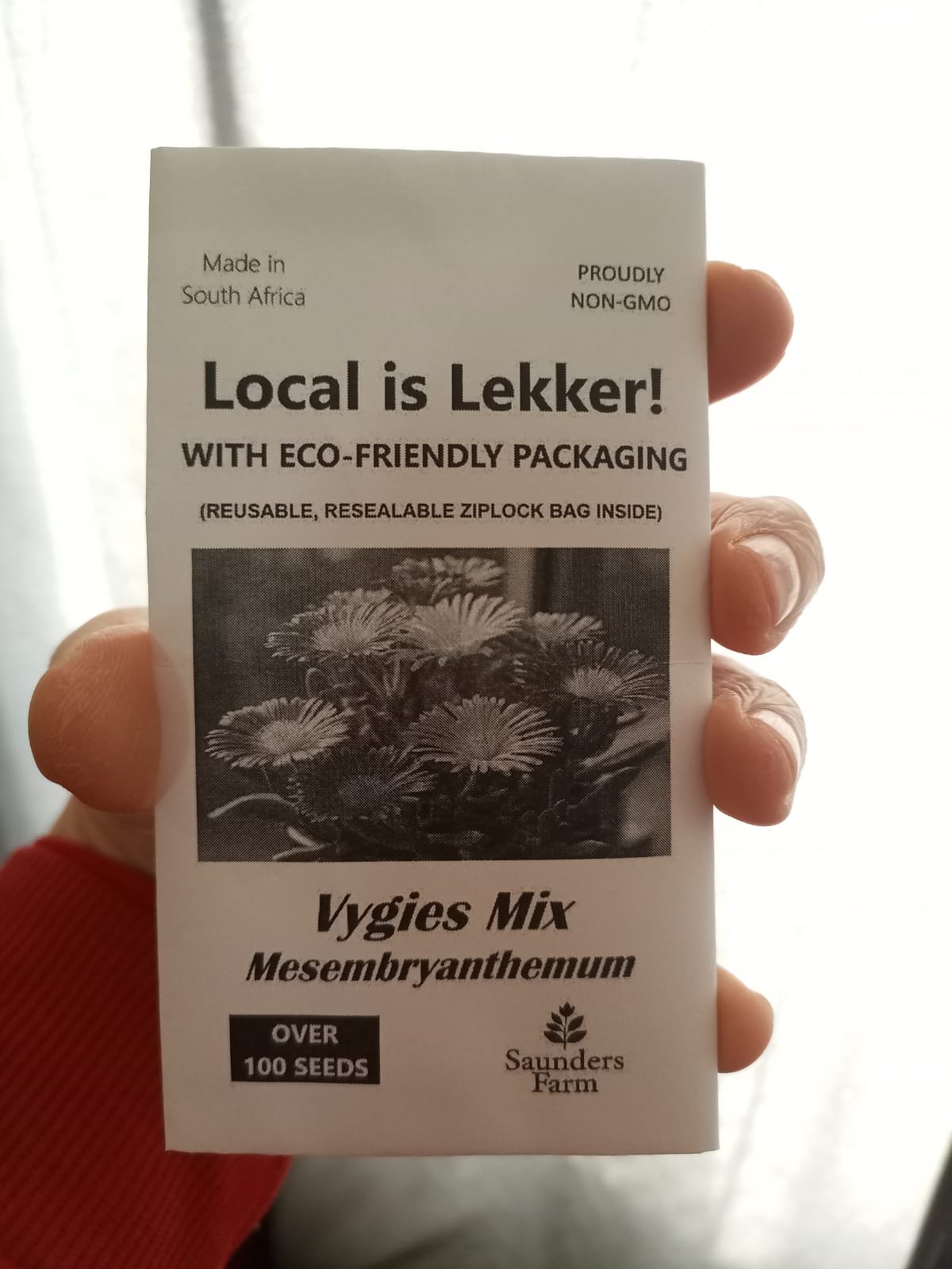
Growing Livingstone Daisies (botanical names Mesembryanthemum criniflorum / Dorotheanthus bellidiformis), also known locally as Bokbaai Vygies, is the ultimate low-maintenance way to paint your garden in blindingly bright colours.
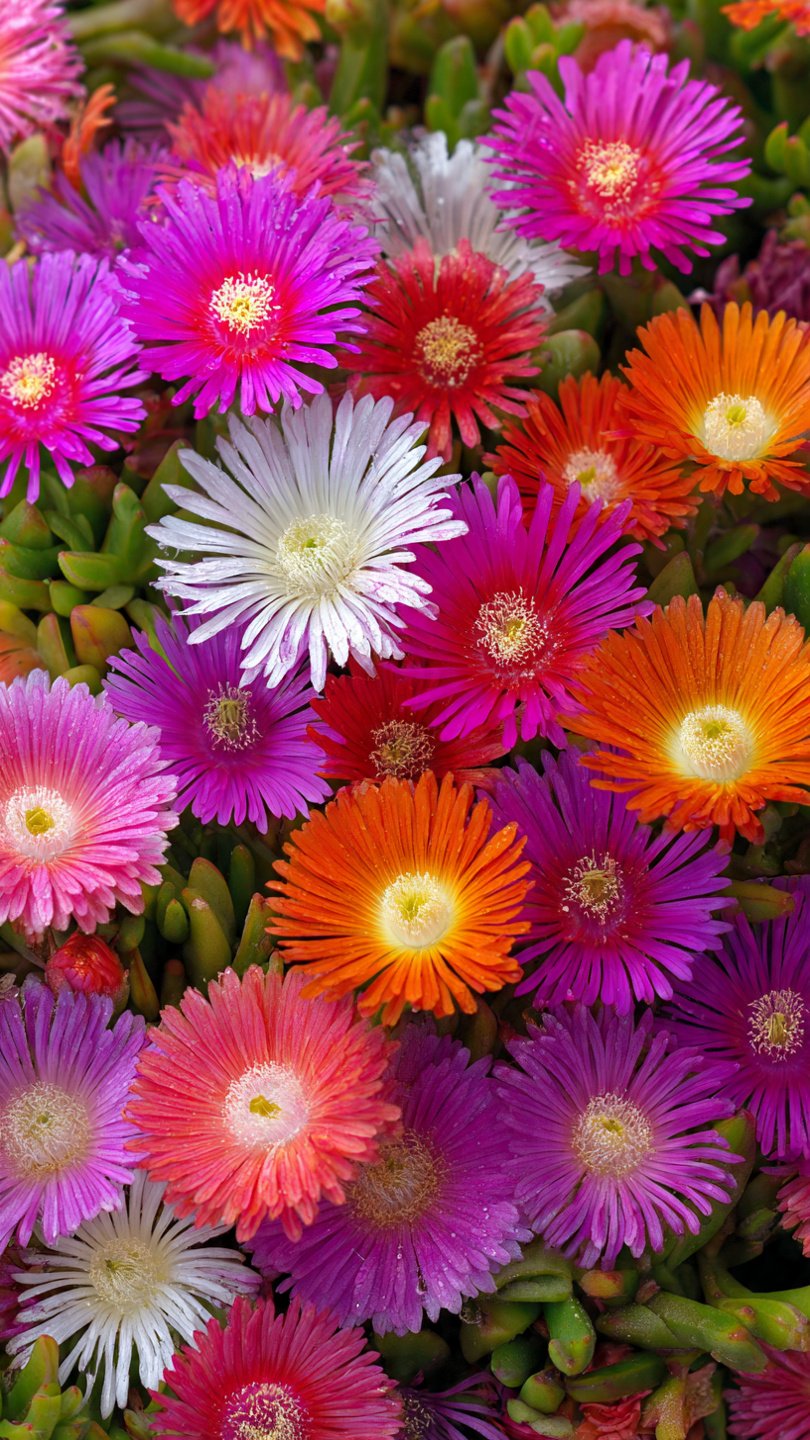
These indigenous annual succulents create a thick, low-growing groundcover that bursts into a shimmering neon carpet of daisy-like flowers.
When you use premium heirloom, non-GMO Livingstone Daisy seeds, you are growing pure, untreated genetics that thrive flawlessly in local conditions.
This comprehensive South African growing guide covers everything you need to know to successfully plant and cultivate these indigenous showstoppers.
Quick Growing Facts
Botanical Name: Mesembryanthemum criniflorum / Dorotheanthus bellidiformis
Common Names: Livingstone Daisy, Bokbaai Vygie, Ice PlantPlant
Type: Indigenous Annual Succulent
Sun Exposure: Maximum Full Sun (critical for flowering)
Sowing Depth: 2mm (surface-sown)
Germination Time: 7 to 14 days
Flowering Window: Late winter through spring and early summer
1. When to Plant Livingstone Daisies in South Africa
Livingstone Daisies follow a specific seasonal growth cycle in Southern Africa:
The Ideal Window: Autumn to Early Spring (March to September).
Sowing in Autumn: This is highly recommended. It allows the seeds to sprout in cooler weather, develop a robust root system during winter, and explode into full bloom from late winter into spring.
Sowing in Early Spring: This works beautifully for a late-spring and summer display, provided the young seedlings are kept lightly damp during early heat waves.
2. Soil and Site Selection
Because these plants are native to the arid and coastal regions of South Africa, they prefer tough, exposed locations.
Sunlight Requirements
Full, Unfiltered Sun: This is non-negotiable. Choose the sunniest patch in your garden.
The iridescent petals are light-sensitive; they literally track the sun and will remain closed on cloudy days or if planted in the shade.
Soil Preferences
Sharp Drainage: Livingstone Daisies thrive in poor, sandy, gravelly, or rock-strewn soils.
Heavy clay soils retain too much moisture and will cause the shallow roots to rot.
No Added Nutrients: Do not add rich organic fertilizers or heavy manures to the soil.
Poor soil actually encourages a more dramatic, dense display of flowers.
Container and Landscaping Uses
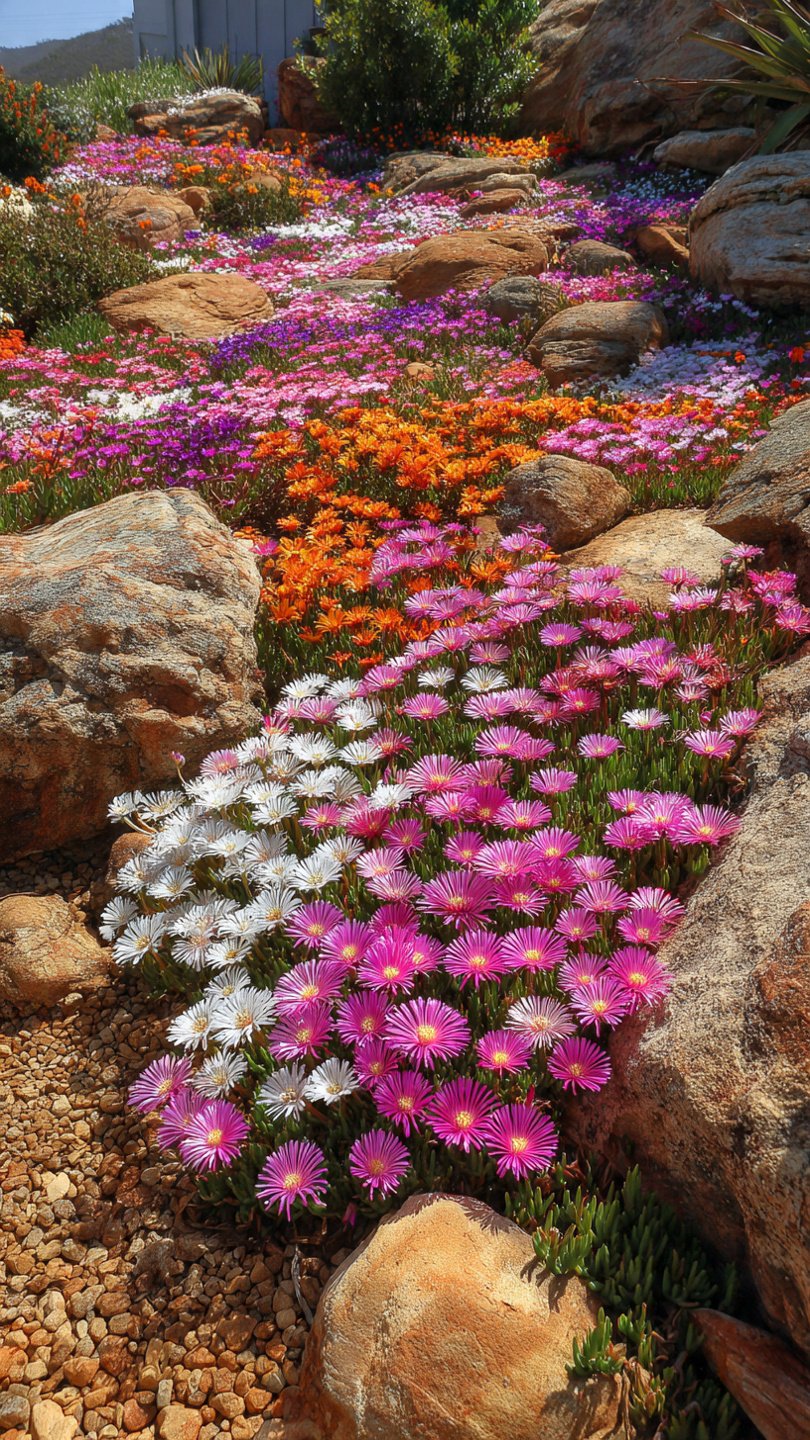
These Vygies are perfect for rockeries, slopes, paving gaps, and dry borders.
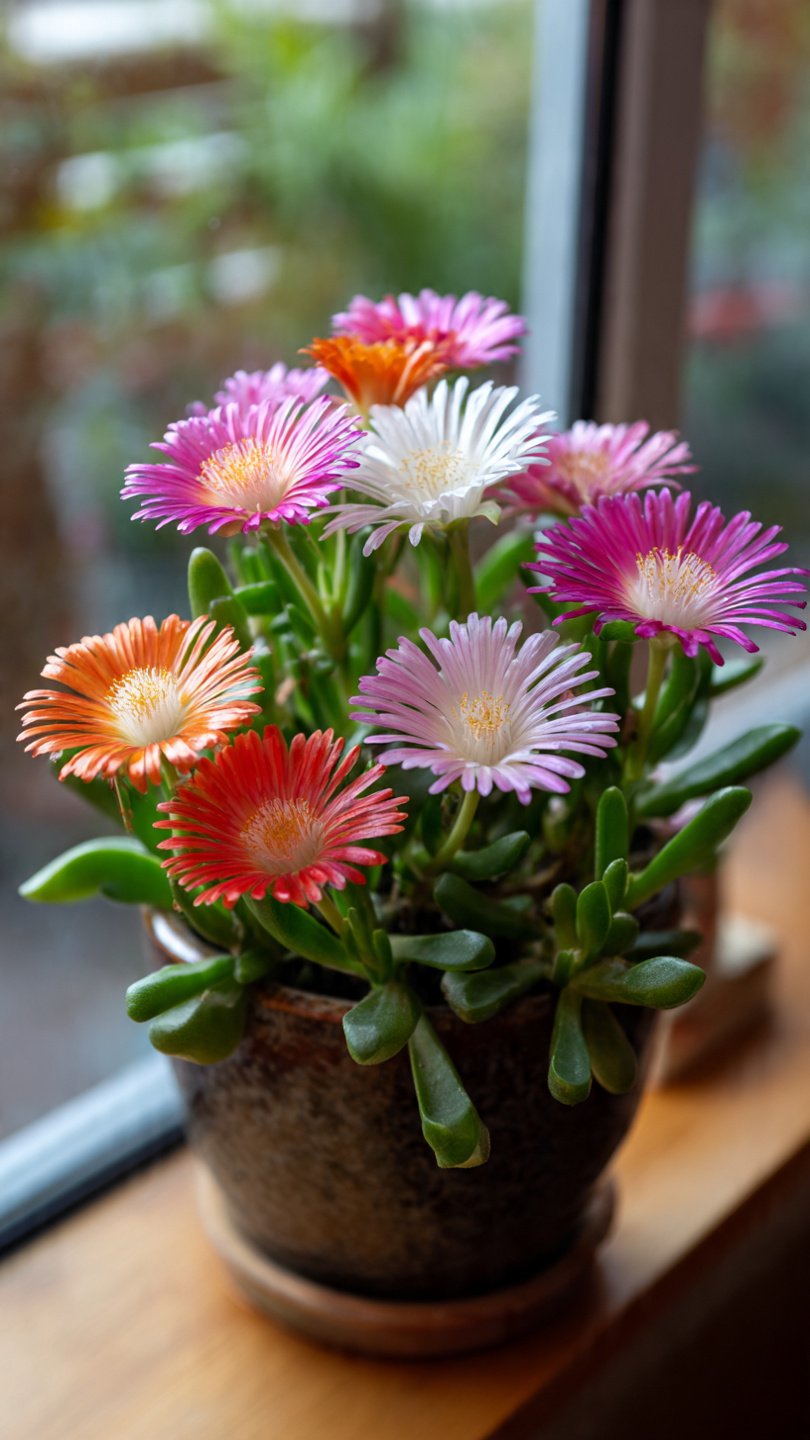
They also cascade beautifully over the edges of pots, hanging baskets, and balcony planter boxes.
3. How to Sow Livingstone Daisy Seeds Step-by-Step
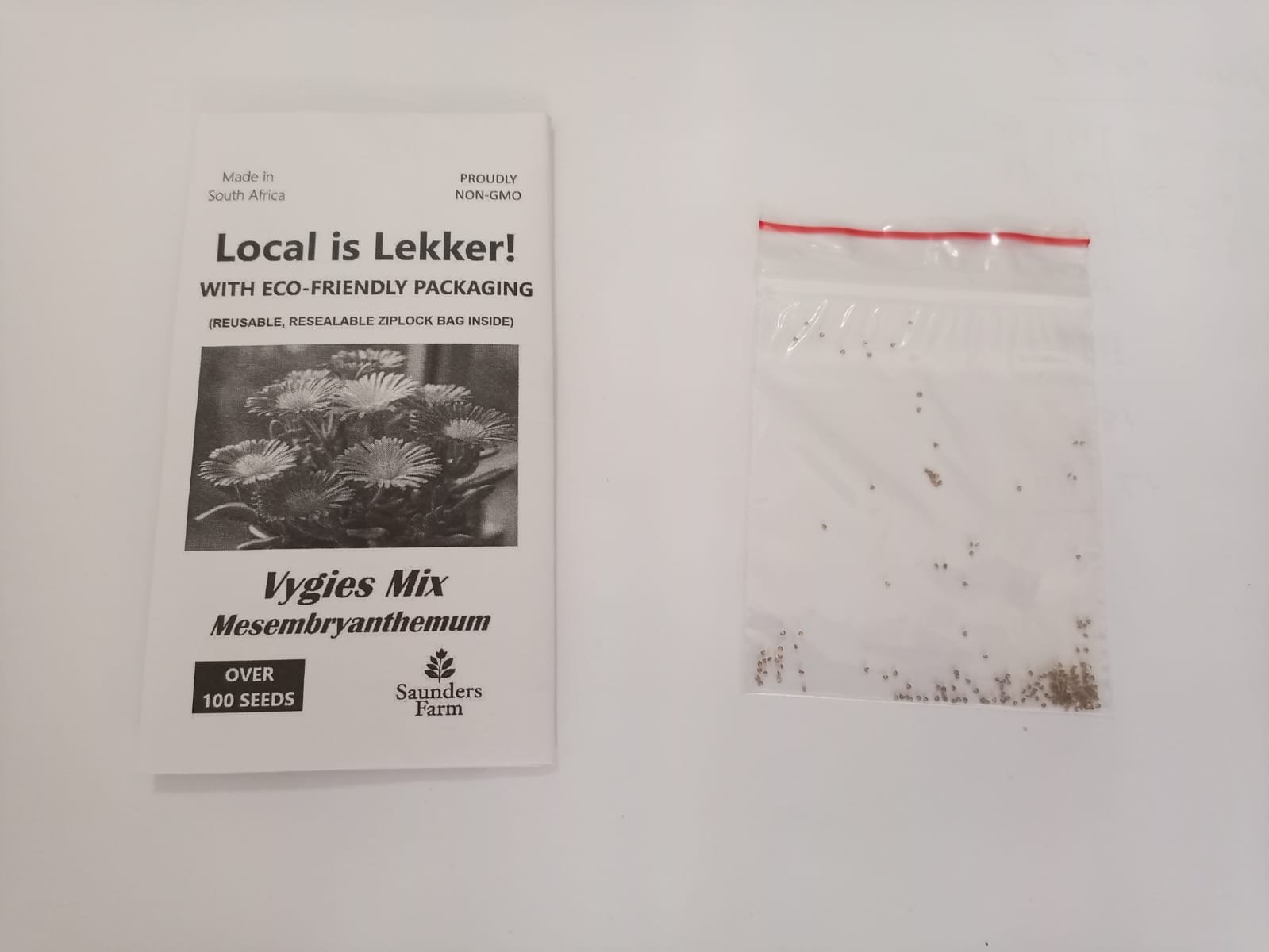
Livingstone Daisy seeds are exceptionally tiny—almost like fine dust.
Because of their size, they should be surface-sown rather than buried deeply.
|<——– 15cm to 20cm Final Spacing ——–>|
Step 1: Prepare the Bed or Pot
Lightly rake the surface of your soil or potting mix to ensure it is fine, level, and free of large clumps.
Mist the area with water beforehand so the soil is damp but not muddy.
Step 2: The “Sand Trick” for Even Sowing
Because the seeds are microscopic, it is easy to accidentally dump them all in one spot.
To avoid this, mix your packet of heirloom seeds into a cup filled with fine, dry river sand.
Broadcast this sand-and-seed mixture evenly across your garden bed or container.
Step 3: Press, Do Not Bury
Do not cover the seeds with standard soil. They require light to trigger germination.
Simply press down gently on the surface with your palm or a flat piece of wood to ensure the seeds firmly touch the damp earth.
You can optionally scatter a microscopic dust layer of fine sand (no more than 2mm) to anchor them against the wind.
Step 4: Water with Extreme Care
Never use a harsh hose or a watering can that pours a heavy stream, or the seeds will wash away.
Use a spray bottle on a fine mist setting to keep the surface damp until germination.
Step 5: Germination
Keep the soil surface lightly moist. Your Livingstone Daisy seedlings will sprout quickly, usually within 7 to 14 days.
4. Care and Maintenance
Once your Vygies are up and growing, they require almost no intervention:
Thinning Out: Once the seedlings reach about 3cm in height, thin them out so individual plants are spaced 15cm to 20cm apart.
This gives them room to spread out into a dense, interlocking carpet.
Watering: Once established, reduce watering significantly. These are drought-tolerant plants.
Only water when the soil has dried out completely. Overwatering will cause lush green growth but very few flowers.
Deadheading: Pinching off faded, dead flowers encourages the plant to continually produce fresh buds throughout the spring season.
5. Harvesting Your Heirloom Seeds
Since these are pure heirloom, non-GMO seeds, you can easily harvest the next generation of plants:
At the end of summer, allow the final flowers to die back naturally on the plant.
They will form small, dry, star-shaped seed capsules.
Snip these capsules off, crush them gently inside a paper bag, and shake out the fine seeds.Store them in a cool, dry envelope to replant next autumn!

Reviews
There are no reviews yet.