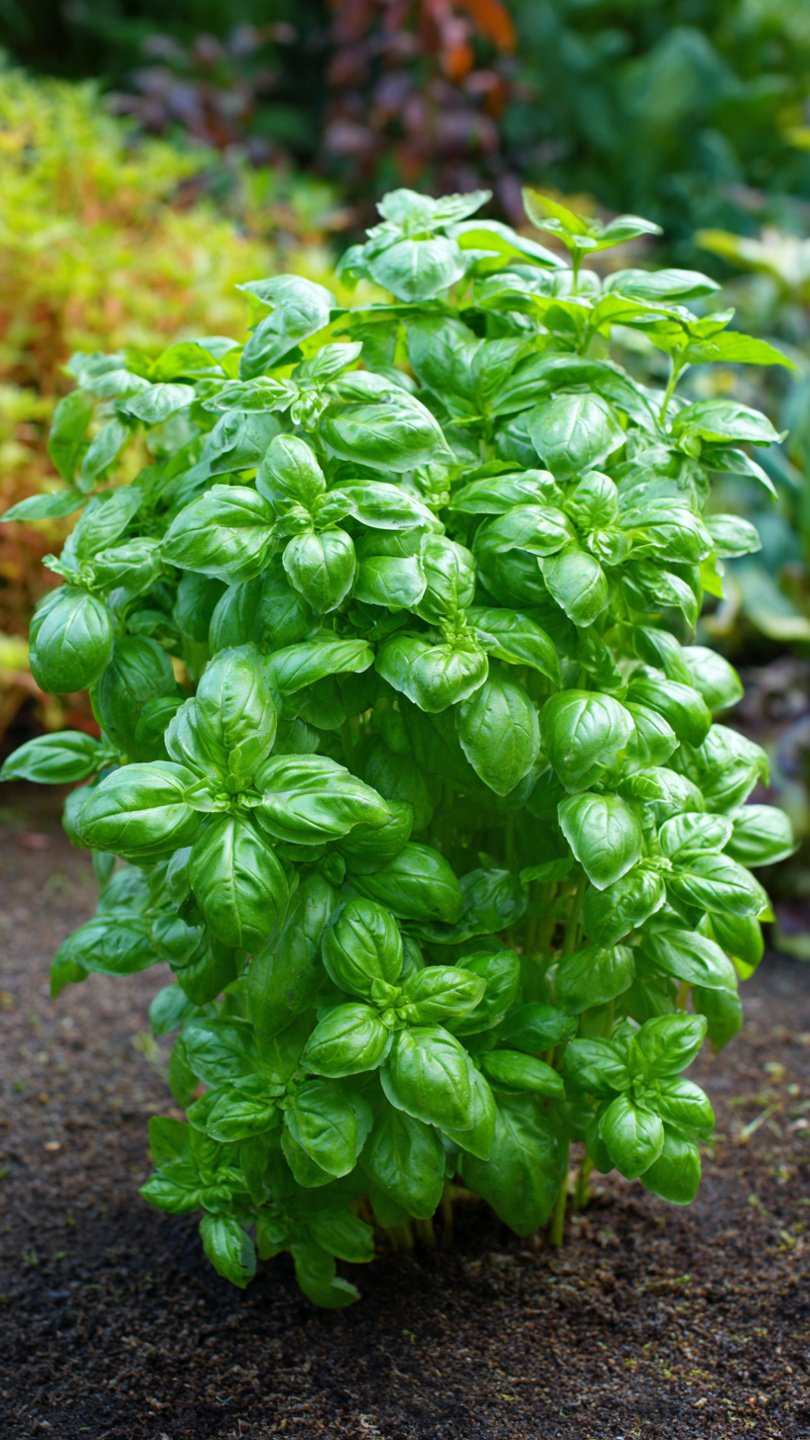
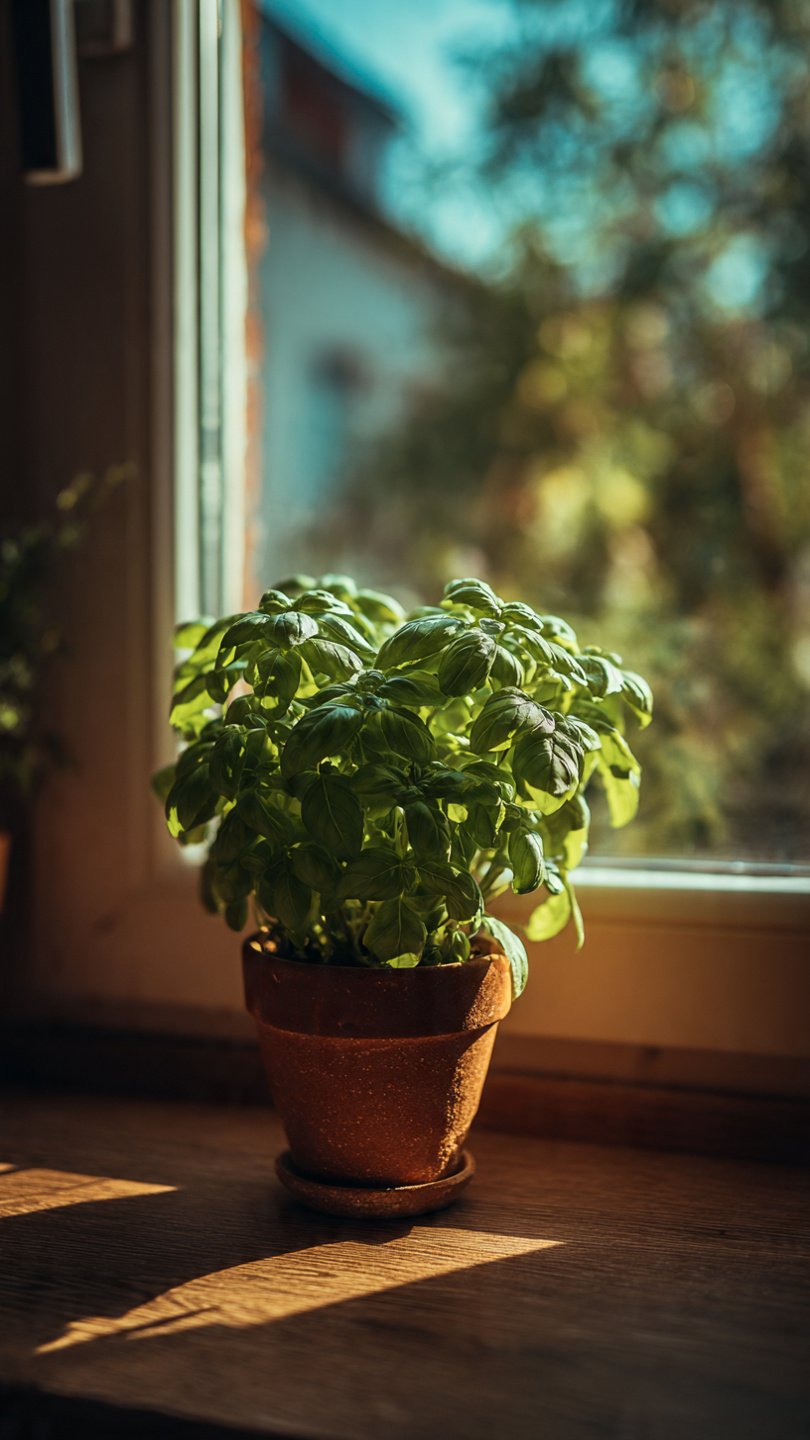
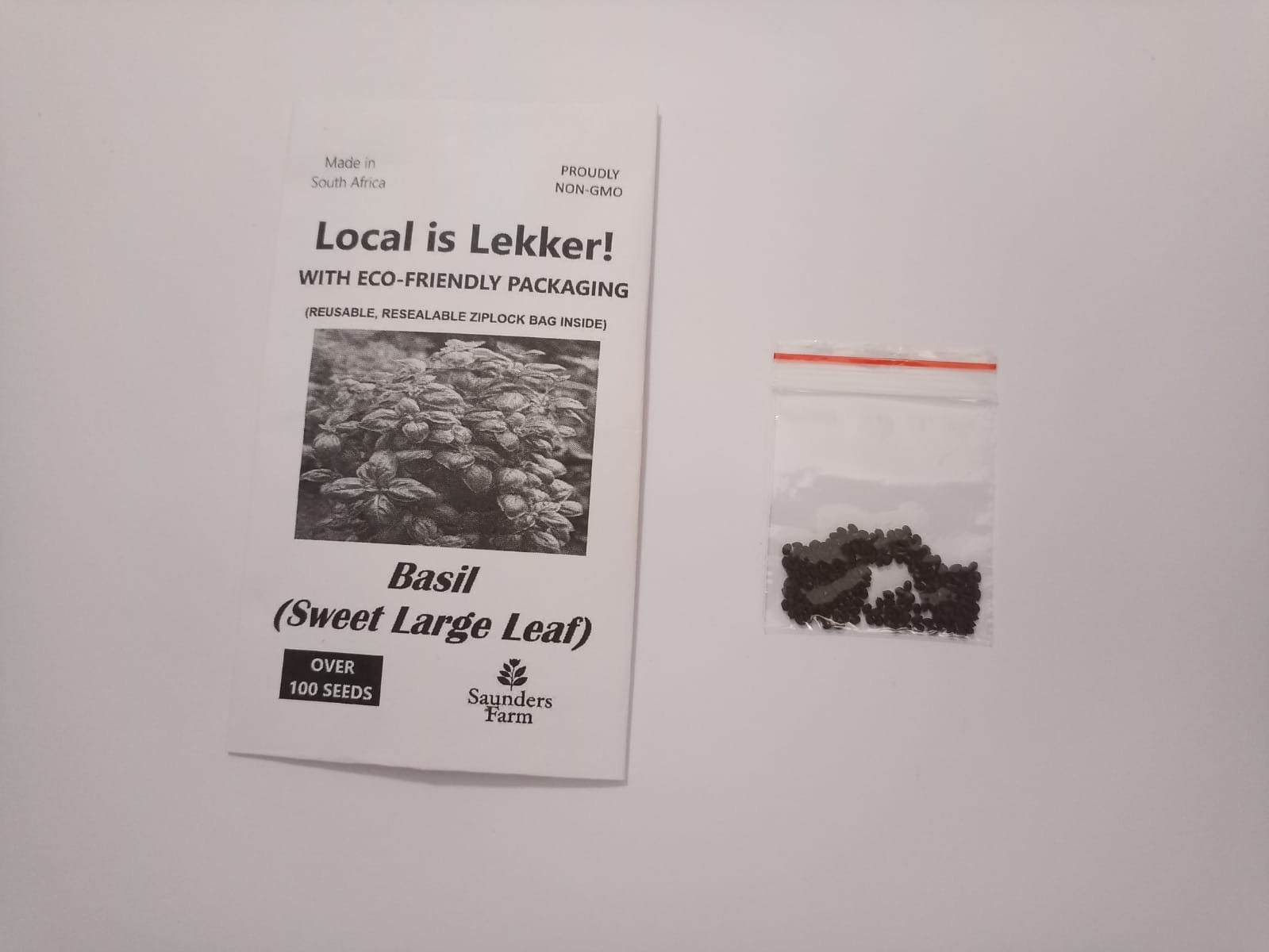
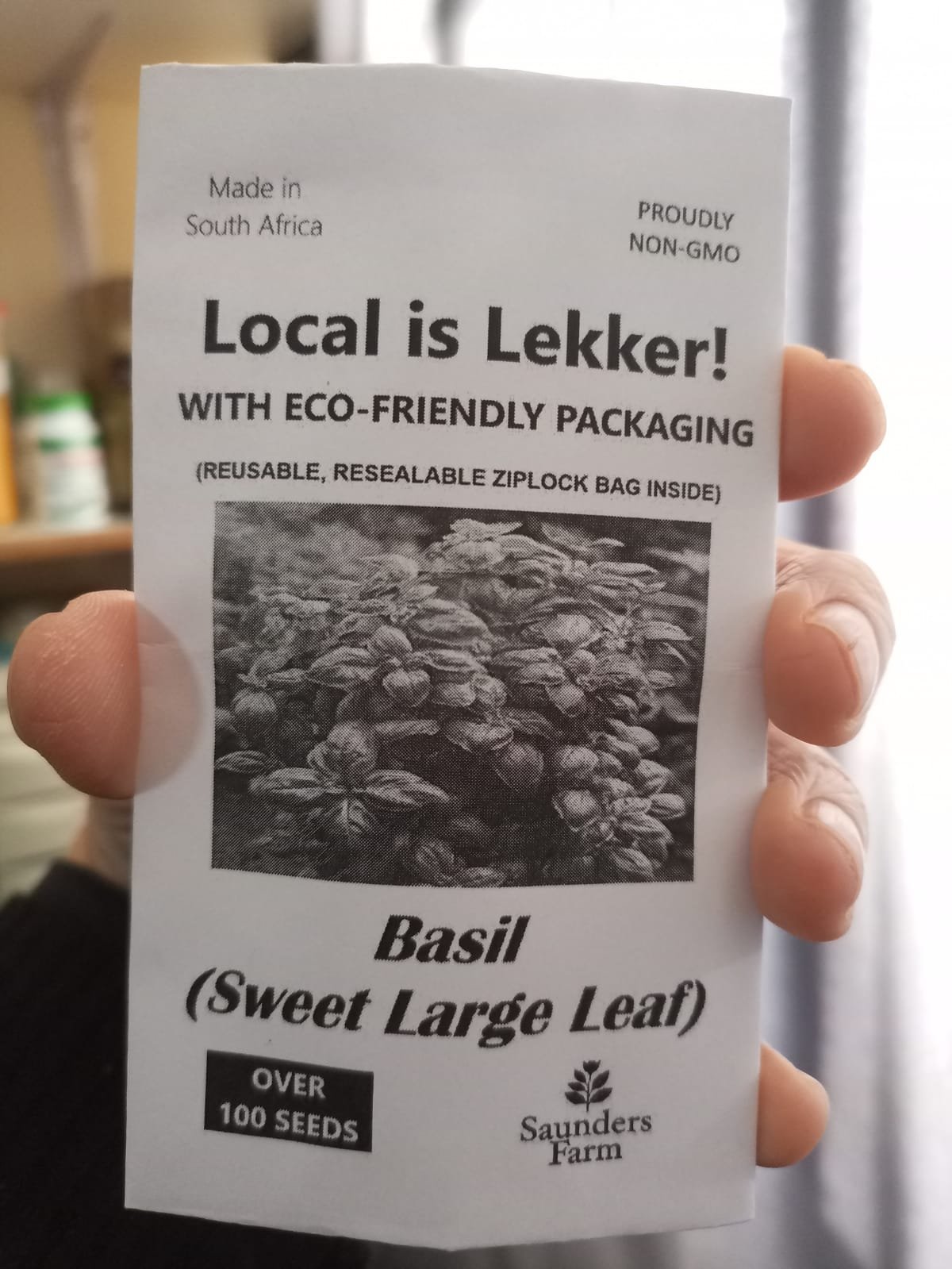
,

Basil – Over 100 Seeds

R15.00

Excluding shipping
  • Over 100 Basil (Sweet Large Leaved) Seeds
  • Join our WhatsApp Group to see when this product goes on special: https://chat.whatsapp.com/Ly1HQgXpYGXL2ffDGXUl4G
  • Proudly non-GMO
  • ECO-FRIENDLY: Biodegradable packaging with resealable, reusable plastic Ziplock bag inside
  • Made in South Africa, for South Africa

Availability: 156 in stock

Guaranteed Safe Checkout

Heirloom Sweet Basil Seeds (100+ Seeds) | Non-GMO Large-Leaved Basil

Bring the taste of the Mediterranean to your South African garden with our premium Heirloom Sweet Basil seeds (Ocimum basilicum).

This large-leaved variety is famous for its intense aroma and sweet, peppery flavor. It is a must-have companion plant for every home vegetable patch or kitchen windowsill.

Our seeds are 100% non-GMO, open-pollinated, and naturally adapted to thrive in South Africa’s warm summer climate.

Each pack contains over 100 high-germination seeds, giving you an abundant harvest of lush, green leaves all season long.

Why You Will Love This Sweet Basil

  1. Premium Heirloom Quality: Pure, non-GMO genetics that preserve traditional flavor.
  2. Excellent Value: Over 100 seeds per pack for multiple planting successions.
  3. Massive Harvests: Large, tender leaves perfect for fresh picking.
  4. Natural Pest Control: Repels aphids and flies when planted near tomatoes.
  5. Pollinator Friendly: Bright white flowers attract bees to your garden.

Quick Growing Guide for South Africa

When to Plant: Spring to summer (September to February).

Where to Plant: Full sun (at least 6 hours of sunlight daily).

Soil Preference: Rich, well-draining soil with plenty of compost.

Sowing Depth: 5mm deep in seedling trays or directly into pots.

Germination Time: 7 to 14 days.

Days to Harvest: 60 to 75 days.

Culinary Inspiration

Sweet Basil is the ultimate kitchen herb.

Use your fresh harvest to whip up a classic homemade pesto, tear leaves over a fresh Caprese salad, or toss them into a rich tomato potjiekos.

For the best flavor, always add your basil leaves at the very end of cooking.

Product Specifications

Botanical Name: Ocimum basilicum

Common Names: Sweet Basil, Large-Leaved Basil, Basilique

Pack Size: 100+ Seeds

Seed Type: Heirloom, Non-GMO, Open-Pollinated

Lifecycle: Annual

logo simple

Stop Killing Your Seeds!

5 Germination Mistakes Gardeners Must Stop Immediately

Get this free guide (5 minute read) and The Printable Monthly Growing Guide for South Africa (also free), via email:

We don’t spam! Read our privacy policy for more info.

Reviews

There are no reviews yet.

Be the first to review “Basil – Over 100 Seeds”

Your email address will not be published. Required fields are marked *

How to Grow Basil From Seed

How to Grow Basil From Seed: The Ultimate South African Guide

Growing your own Sweet Basil (Ocimum basilicum) from seed is incredibly rewarding and simple.

Follow this step-by-step guide to successfully grow lush, aromatic basil in your South African garden.

Best Time to Plant Basil in South Africa

Basil loves heat and is highly sensitive to frost.

Spring & Summer: Sow seeds from September to February across most regions.

Winter Rainfall Areas (e.g., Western Cape): Wait until October when the soil warms up.

Subtropical Regions (e.g., KZN coast): You can plant almost year-round, avoiding extreme mid-winter chills.

Step-by-Step Planting Guide

Step 1: Choose Your SpotSunlight: Basil needs at least 6 to 8 hours of full sun daily.

Shelter: Protect plants from harsh, drying afternoon winds.

Step 2: Prepare the Soil or Pots

In Pots: Use a premium, free-draining potting mix. Ensure the pot has drainage holes.

In the Garden: Work plenty of organic compost into well-draining soil. Basil hates soggy roots.

Step 3: Sow the Seeds

Depth: Sow seeds thinly, about 5mm deep.

Spacing: Space seeds 20cm apart if sowing directly, or use seedling trays.

Moisture: Mist the soil gently with a spray bottle. Keep it damp but not waterlogged.

Step 4: Germination

Time: Seeds will sprout in 7 to 14 days.

Thinning: Once seedlings have two pairs of true leaves, thin them out. Keep the strongest plants spaced 30cm apart.

Essential Basil Care Tips

Watering: Water deeply at the base of the plant in the morning. Avoid wetting the leaves to prevent fungal diseases.

Feeding: Feed every 2 to 3 weeks with a nitrogen-rich liquid organic fertilizer.

Companion Planting: Plant basil next to tomatoes and chillies. It improves their flavor and naturally deters pests like aphids and flies.

Harvesting for Bushier Growth

Never strip all the leaves from the bottom of the plant. Instead, pinch off the top tips just above a node (where two leaves grow).

This encourages the plant to branch out, giving you a bushier plant and a much bigger harvest. Always pinch off any flower buds immediately to stop the leaves from turning bitter.

Basil Medicinal / Nutritional Uses

Basil Benefits: Comprehensive Medicinal and Nutritional Uses Guide

Sweet Basil (Ocimum basilicum) is much more than a delicious culinary herb. For centuries, it has been celebrated globally and across South Africa for its impressive therapeutic properties and rich nutritional profile.

This comprehensive guide explores the medicinal benefits, nutritional facts, and wellness uses of fresh basil, helping you get the most out of your home harvest.

Nutritional Profile of Fresh Basil

Fresh basil is incredibly low in calories but packed with essential vitamins, minerals, and powerful antioxidants.

Just a small handful of fresh leaves provides a significant boost to your daily nutrient intake.

A standard serving of fresh basil contains:

Vitamin K: Crucial for blood clotting and maintaining strong bone health.

Vitamin A: Loaded with beta-carotenes to support clear vision and immune function.

Vitamin C: A potent antioxidant that aids skin health and tissue repair.

Essential Minerals: Contains notable amounts of calcium, iron, magnesium, and potassium.

5 Powerful Medicinal Benefits of Sweet Basil

1. Packed with Disease-Fighting Antioxidants

Basil contains high levels of water-soluble flavonoid antioxidants, specifically orientin and viceninare.

These compounds shield your cellular structures from radiation and oxidative damage caused by free radicals, reducing the risk of chronic illnesses.

2. Natural Anti-Inflammatory Properties

The essential oils in basil, including eugenol, citronellol, and linalool, act as natural anti-inflammatory agents.

Eugenol works by blocking the activity of an enzyme in the body called cyclooxygenase (COX), providing relief similar to over-the-counter anti-inflammatory medications.

This makes it highly beneficial for individuals dealing with inflammatory conditions like arthritis.

3. Supports Healthy Digestion

In traditional medicine, basil is widely used to soothe the digestive tract.

It helps balance the acid levels within the stomach, restores the body’s natural pH level, and reduces bloating, cramping, and indigestion.

4. Natural Antimicrobial and Antibacterial Protection

The volatile oils in basil provide excellent protection against harmful bacterial growth.

Studies show that basil extracts can inhibit various drug-resistant bacteria, making it an excellent natural immune booster during the cold and flu season.

5. Promotes Stress Relief and Mental Clarity

While Holy Basil (Tulsi) is the primary adaptogen in the basil family, Sweet Basil also contains compounds that help adapt the body to stress.

Its aromatic oils have a calming effect on the nervous system, helping to reduce anxiety, mental fatigue, and stress-induced headaches.

How to Use Basil for Wellness

Soothing Basil Tea: Steep 3 to 5 fresh, crushed basil leaves in a cup of boiling water for 7 minutes. Drink this warm tea to soothe an upset stomach or ease tension headaches.

Steam Inhalation: Add fresh basil leaves to a bowl of boiling water. Inhale the steam to clear congested sinuses and ease respiratory discomfort.

Topical First Aid: Crush fresh leaves into a paste and apply directly to minor insect bites or stings to reduce itching and inflammation.

Safe Use and Precautions

While basil is incredibly safe when consumed in normal culinary amounts, always keep these safety tips in mind:

Medicinal Doses: Avoid highly concentrated basil supplements or essential oils if you are pregnant, breastfeeding, or taking blood-thinning medication (due to high Vitamin K levels).

Consultation: Always speak to a healthcare professional before using herbal extracts for specific medical conditions.

Basil Growing Guide

The Ultimate Basil Growing Guide: From Seed to Harvest in South Africa

Growing your own fresh, aromatic basil is one of the easiest ways to elevate your home cooking and bring life to your vegetable patch.

This comprehensive Basil Growing Guide covers everything you need to know to successfully sow, cultivate, and harvest healthy, heavy-yielding basil plants in South African conditions.

Basic Requirements at a Glance

Botanical Name: Ocimum basilicum (Sweet Basil)

Plant Type: Warm-season annual

Sunlight Needed: 6 to 8 hours of full sun daily

Ideal Soil pH: 6.0 to 7.5 (slightly acidic to neutral)

Germination Temperature: 20°C to 30°C

When to Plant Basil in South Africa

Basil is a tropical herb that loves heat and is highly sensitive to cold weather and frost.

Highveld & Inland Regions (e.g., Gauteng, Free State): Sow from September to January, once all danger of frost has passed.

Winter Rainfall Regions (e.g., Western Cape): Wait until October when the soil has thoroughly warmed up.

Subtropical Regions (e.g., KZN Coast, Lowveld): Plant almost year-round, avoiding only the coldest weeks of mid-winter.

Soil and Location Requirements

1. Maximum Sunlight

Position your basil where it receives at least 6 hours of direct morning and midday sunlight.

In scorching hot inland areas, a little bit of afternoon dappled shade can prevent the leaves from scorching.

2. Rich, Well-Draining Soil

Basil hates sitting in soggy soil, which leads to root rot.

In the Ground: Dig in plenty of well-rotted organic compost to improve soil structure and drainage.

In Pots: Use a premium, free-draining potting mix. Always ensure your containers have functional drainage holes.

Sowing Basil Seeds Step-by-Step

You can easily start basil seeds in trays or sow them directly into their final growing positions.

Prepare the Bed/Tray: Fill your seedling trays or pots with moist seed-starting mix, or rake your garden soil until it is fine and crumbly.

Sow the Seeds: Scatter the tiny seeds thinly and press them gently into the soil. Cover them with a very thin layer of fine soil or vermiculite, about 5mm deep.

Moisture Control: Mist the soil gently with a spray bottle so you do not wash the seeds away. Keep the soil consistently damp but never waterlogged.

Germination: Place the tray in a warm, bright spot. Your seeds will sprout in 7 to 14 days.

Thinning and Transplanting: When seedlings grow their second set of true leaves, thin them out.

If planting in the garden, space the final plants 30cm apart to allow for good air circulation.

Ongoing Plant Care

Watering: Water deeply at the base of the plant early in the morning. Avoid wetting the foliage, as damp leaves can attract fungal diseases.

Feeding: Basil is a heavy leaf producer and appreciates a nitrogen-rich liquid organic fertilizer (like organic fish emulsion or seaweed extract) every 2 to 3 weeks.

Mulching: Apply a layer of organic mulch around the base of the plants to retain soil moisture and keep the roots cool during hot summer days.

Companion Planting with Basil

Basil is an excellent companion plant for the vegetable garden. It naturally deters pests like aphids, thrips, and whiteflies while attracting beneficial pollinators with its flowers.

Best Companions: Tomatoes, chillies, sweet peppers, and brinjals (eggplants).

Flavor Booster: Planting basil next to tomatoes is widely believed by gardeners to improve the flavor of both crops.

Harvesting for a Bushier Plant

To get the highest yield from your basil, you must harvest it correctly.

The Pinching Method: Never pull off individual bottom leaves. Instead, use sharp scissors or your fingers to pinch off the top central stem just above a leaf node (where two side leaves are growing).

This forces the plant to branch out into two new stems, creating a bushier, more productive plant.

Preventing Flowers: As summer peaks, basil will try to produce white flower spikes. Pinch these flowers off immediately.

If the plant goes to seed, the energy shifts away from leaf production, and the remaining leaves will turn bitter.

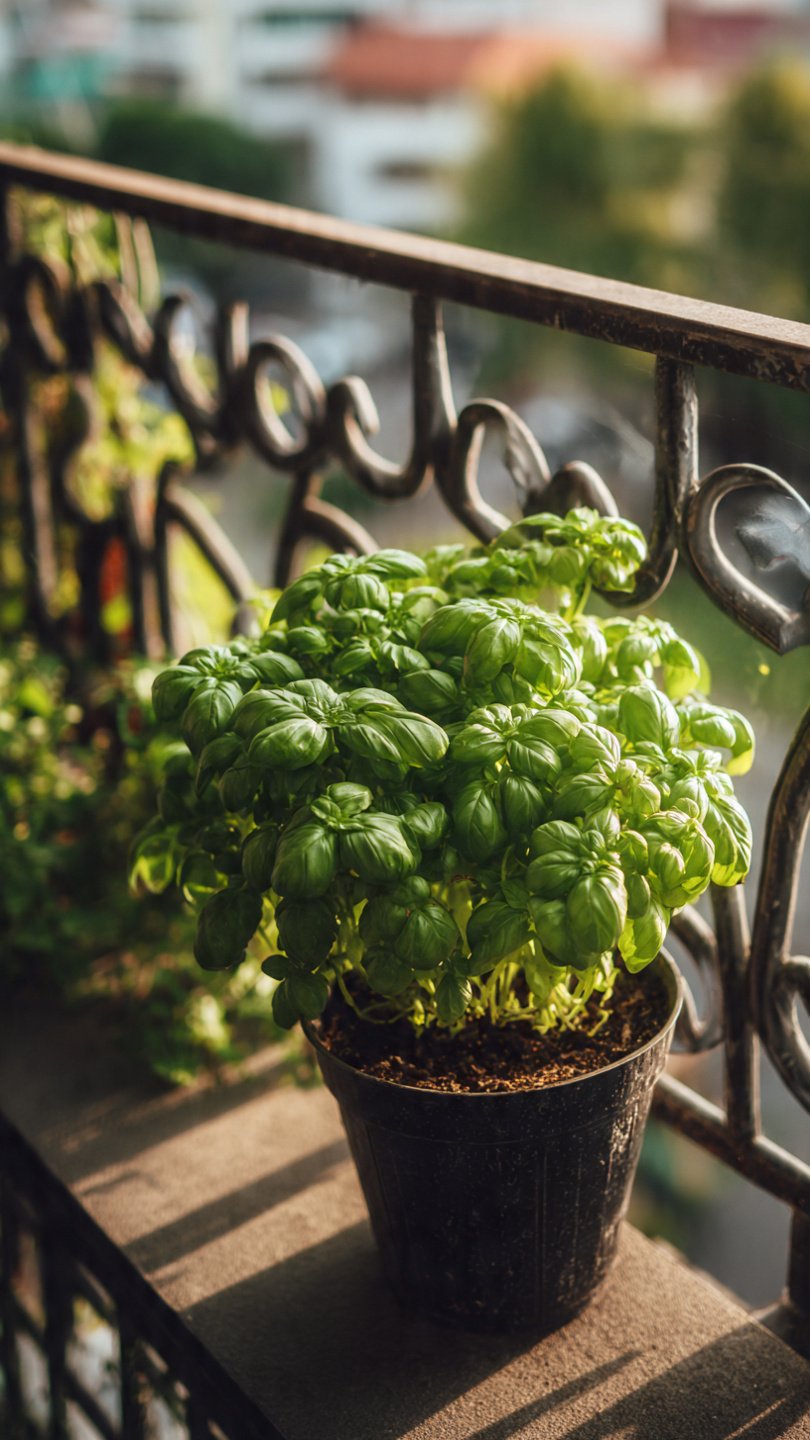
Basil Other Names

Basil Other Names: A Global Guide to Varieties and Nomenclature

Whether you are looking through local South African seed catalogs, reading international recipes, or researching traditional herbal remedies, you will find that Sweet Basil (Ocimum basilicum) goes by many different names.

Understanding these alternative names helps you identify the correct plant variety, choose the right seeds, and discover how different cultures utilize this versatile herb.

Botanical Name vs. Common Names

Scientific/Botanical Name: Ocimum basilicum

Primary English Name: Sweet Basil, Common Basil, Garden Basil

The botanical name Ocimum basilicum comes from the ancient Greek word okimon (meaning “smell” or “aromatic”) and basilikon (meaning “royal” or “kingly”).

This is why basil is frequently referred to as the “King of Herbs.”

Regional and Linguistic Names

Depending on where a recipe or gardening article originates, basil may be listed under its local translation. Here are the most common global names for Sweet Basil:

French: Basilique or Basilic

Italian: Basilico

Spanish & Portuguese: Albahaca

German: Basilikum

Dutch: Basilicum

Cultural and Traditional Names

1. Tulsi vs. Sweet Basil (A Common Misconception)

In many Ayurvedic and Indian wellness circles, basil is deeply revered.

However, it is crucial not to confuse everyday culinary basil with its medicinal relative:

Sweet Basil (Ocimum basilicum): Known in Hindi as Babui Tulsi or Sabja. The seeds of this variety are commonly called Tukmaria or Sabja seeds, which are used in refreshing summer drinks like Falooda.

Holy Basil (Ocimum sanctum / Ocimum tenuiflorum): Known simply as Tulsi. This is a completely distinct species used primarily for religious ceremonies and herbal teas rather than cooking.

2. The African Context

Across the African continent, various wild and cultivated species of the Ocimum genus exist, often referred to locally as Wild Basil, Fever Leaf, or African Basil (specifically Ocimum gratissimum).

While these share a similar aromatic profile, they have a much stronger, more clove-like scent compared to the sweet, peppery notes of your backyard Ocimum basilicum.

Names Based on Leaf Varieties and Cultivars

When buying seeds, you might encounter names that describe the specific physical characteristics of the plant’s leaves:

Large-Leaved Basil: Refers to varieties like the classic Italian Genovese basil, known for its massive, soft, upward-cupping leaves.

Lettuce-Leaf Basil: A cultivar with giant, crinkled, and highly tender leaves.

Bush Basil / Fine-Leaved Basil: (Ocimum basilicum var. minimum) A compact variety with tiny leaves, perfect for small pots and windowsills.

Why Knowing the Names Matters for Shopping

When sourcing seeds online, searching strictly for “basil” might cause you to miss out on specific culinary types.

Always look for the botanical tag Ocimum basilicum to ensure you are getting the true, sweet, large-leaved heirloom herb that delivers the authentic flavor profile required for traditional pestos and pasta dishes.

Shopping Basket
0
    0
    Your Cart
    Your cart is emptyReturn to Shop
    Scroll to Top