,

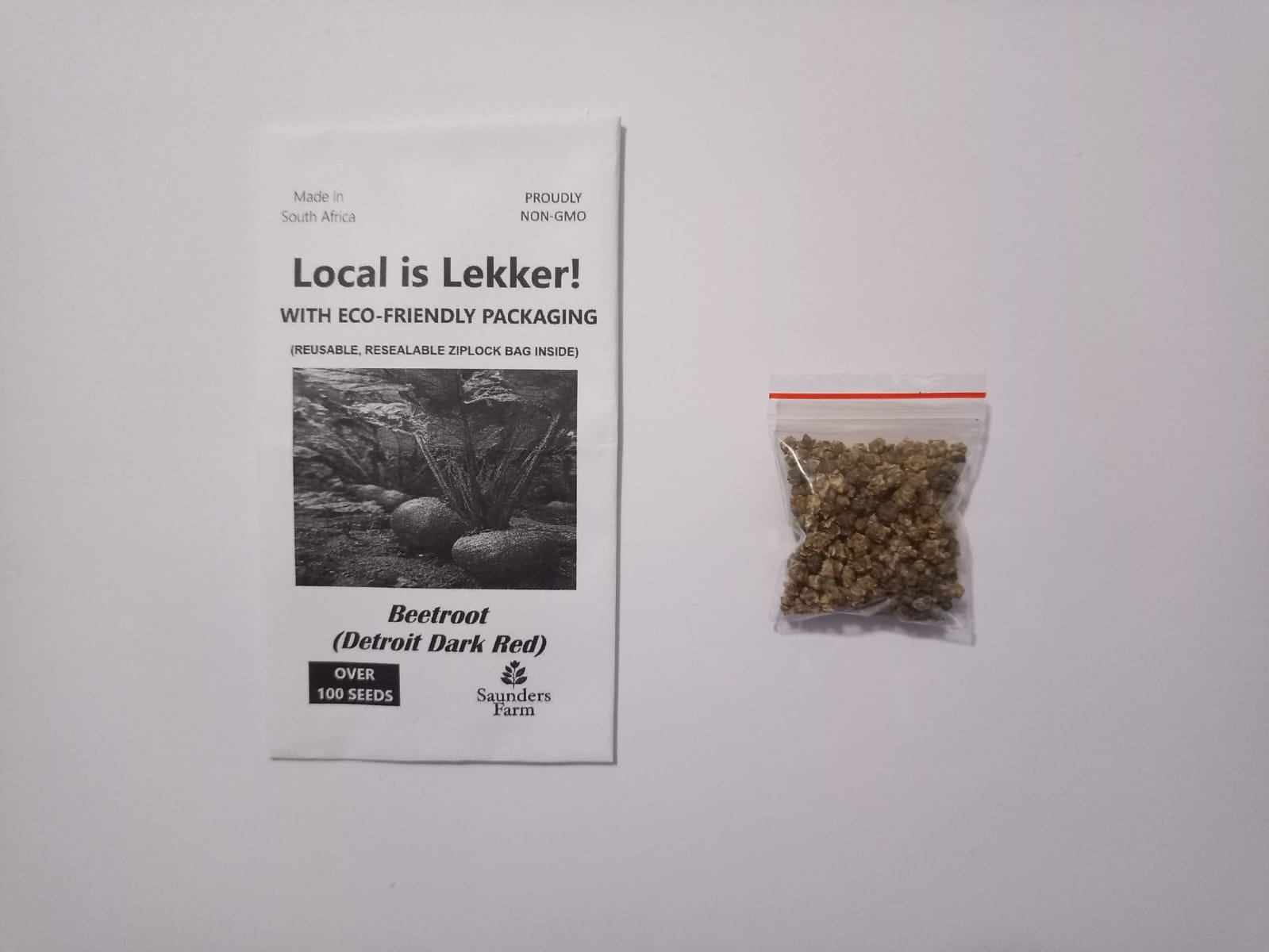
Beetroot – Over 100 Seeds

R15.00

Excluding shipping
  • Over 100 Beetroot (Detroit Dark Red) Seeds
  • Join our WhatsApp Group to see when this product goes on special: https://chat.whatsapp.com/Ly1HQgXpYGXL2ffDGXUl4G
  • Proudly non-GMO
  • ECO-FRIENDLY: Biodegradable packaging with resealable, reusable plastic Ziplock bag inside
  • Made in South Africa, for South Africa
  • Comment below to sign up for new product alerts

Availability: 17 in stock

Guaranteed Safe Checkout

Beetroot Detroit Dark Red Seeds (Over 100 Seeds)

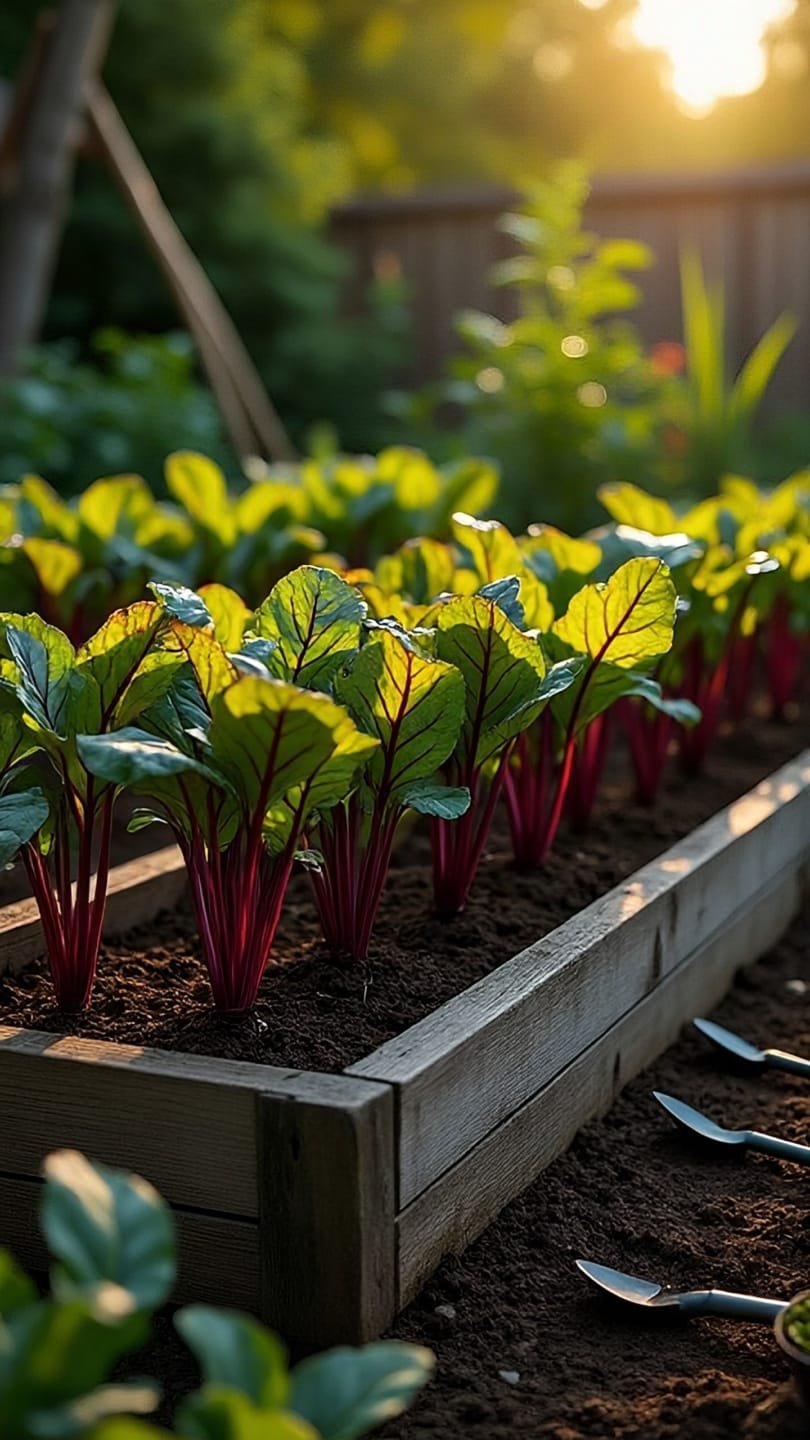
Grow your own high-yield, nutrient-dense root vegetables with our premium Beetroot Detroit Dark Red seeds.

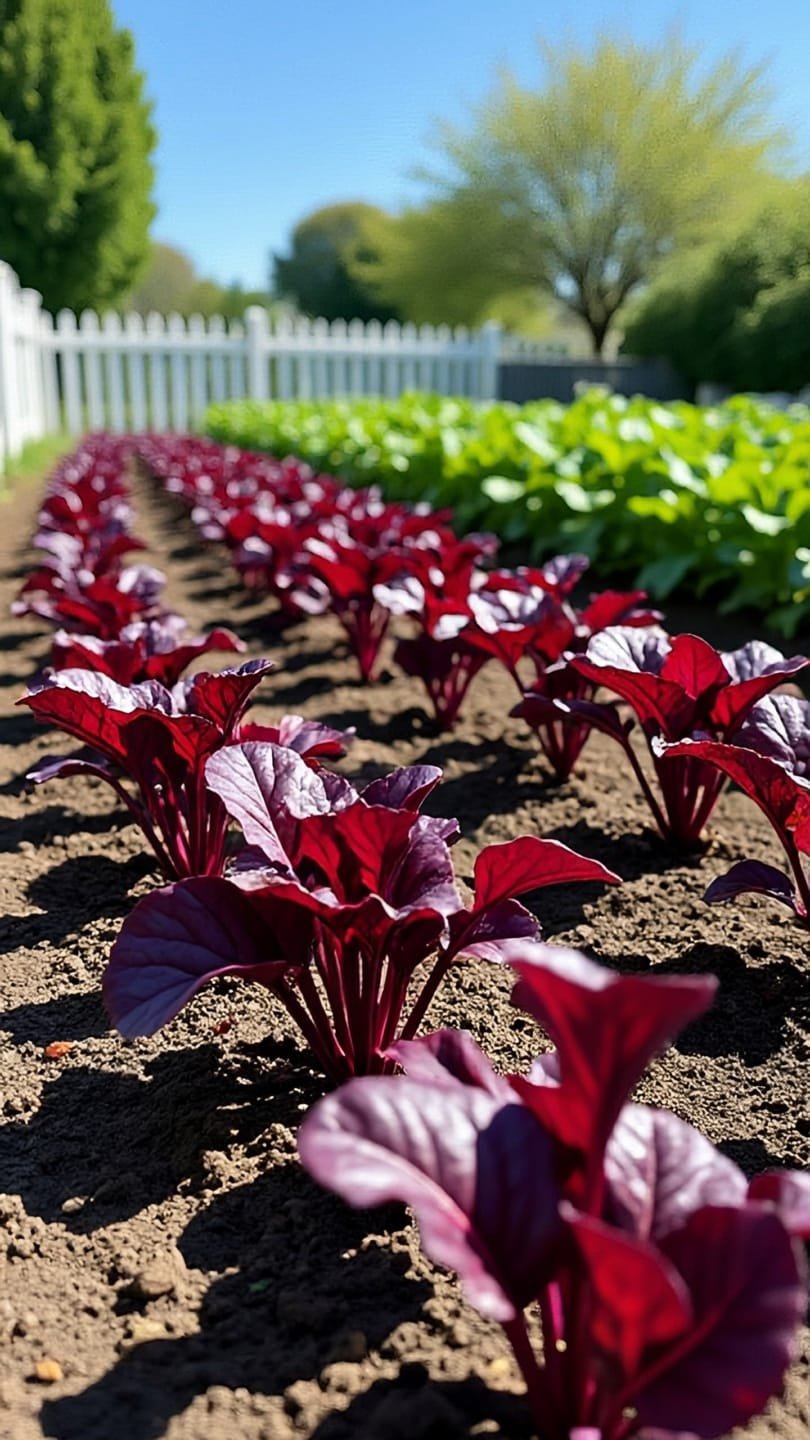
This classic heirloom variety is a favorite among South African gardeners for its reliability, exceptional sweetness, and deep crimson color.

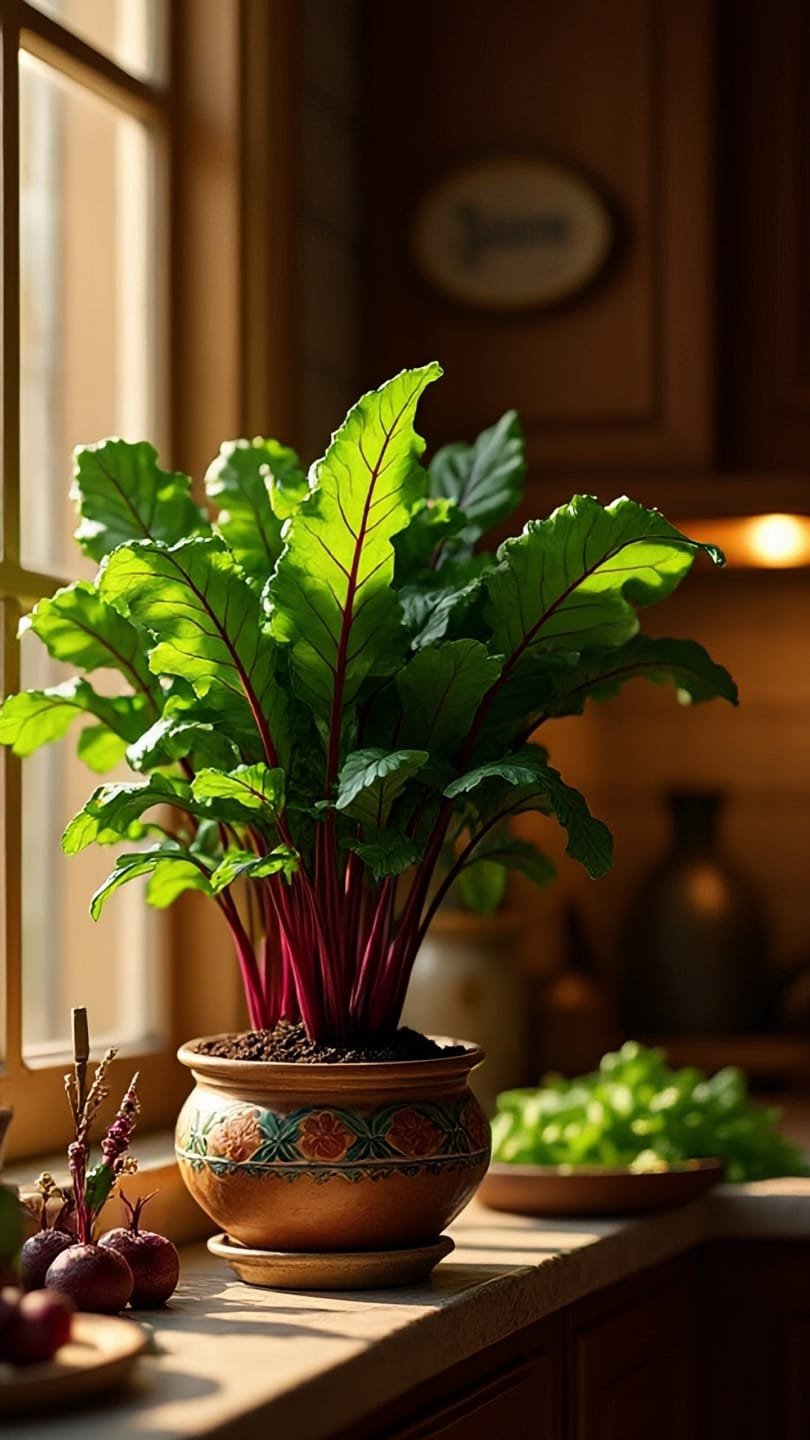
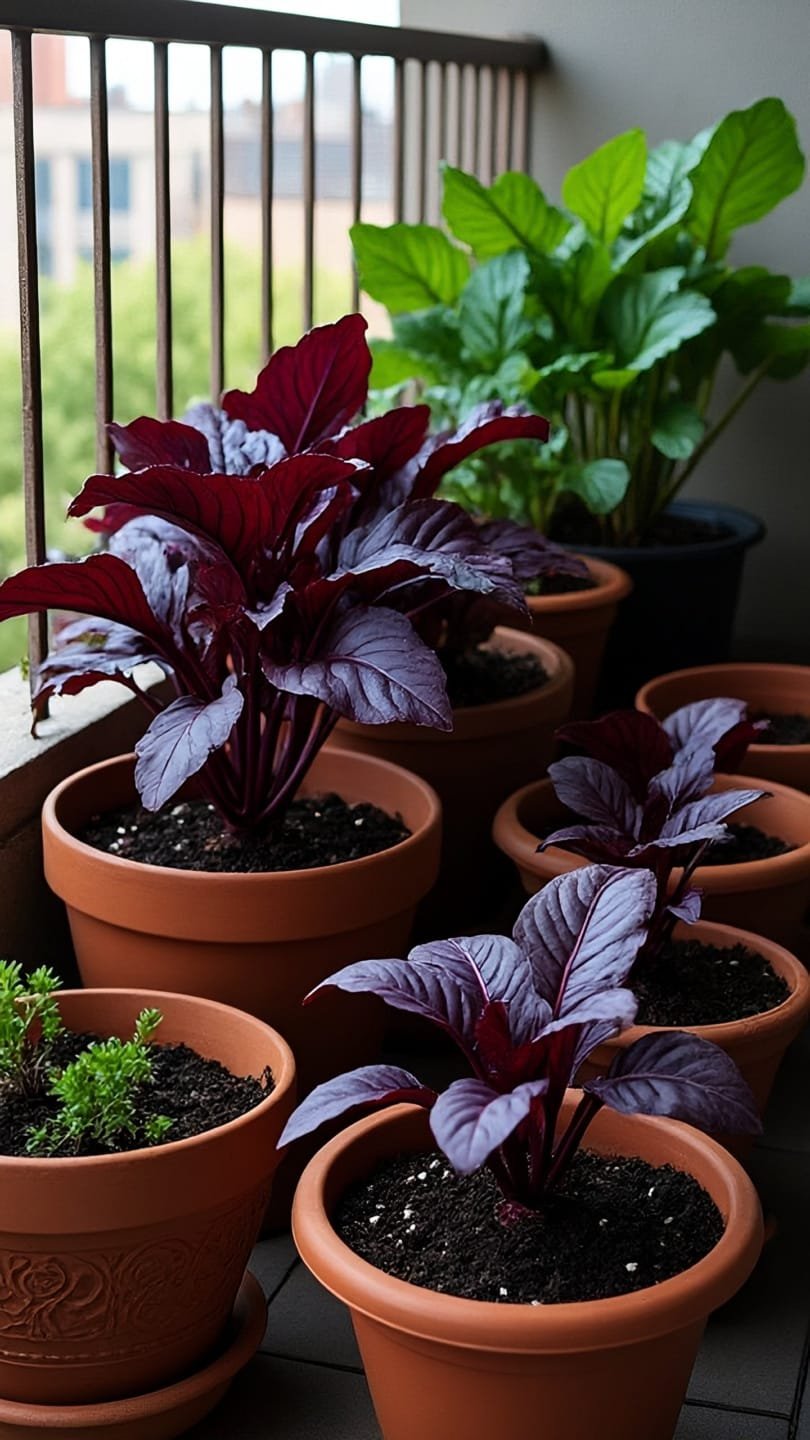
Perfect for backyard veggie patches, raised beds, or containers, this variety thrives in local climates from the Western Cape to Gauteng.

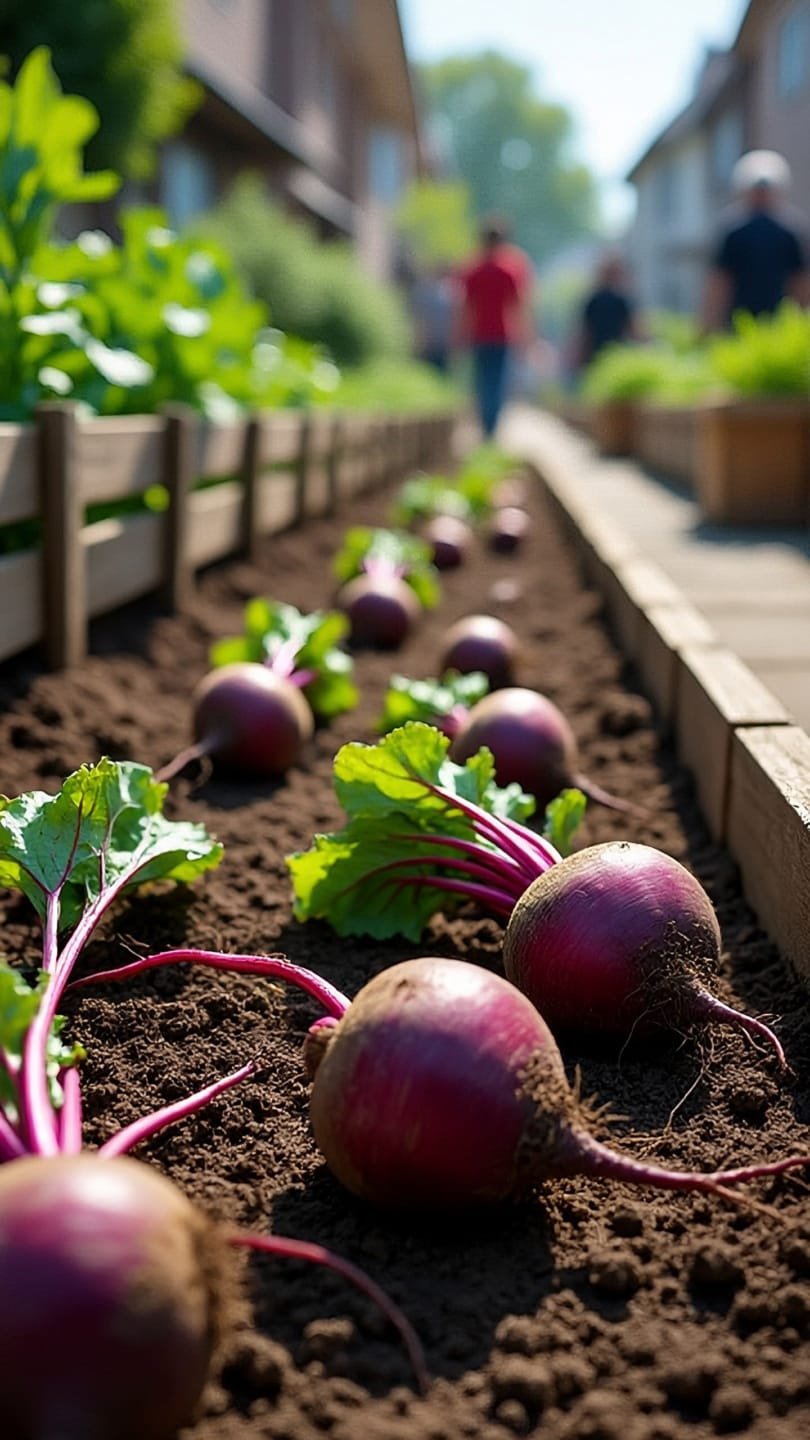
Each sustainable seed packet contains over 100 seeds, giving you an abundant harvest of both delicious earthy roots and tender, iron-rich green tops.

Why Choose Detroit Dark Red Beetroot?

  1. Heirloom & Non-GMO: 100% natural, open-pollinated seeds true to their original 19th-century roots.
  2. Exceptional Flavor: Sweet, fine-grained flesh with no woody texture, ideal for roasting, juicing, and pickling.
  3. Dual Harvest: Enjoy both the robust round beetroots and the nutritious leafy greens in salads.
  4. Disease Resistant: Naturally hardy against common garden pests and downy mildew.
  5. South African Climate Friendly: Performs exceptionally well in full sun to partial shade across SA provinces.

Planting and Growing Guide

  • When to Plant: Sow from August to April (Spring through to Autumn in most SA regions).
  • Sowing Depth: 12mm deep directly into well-drained, loose soil.
  • Spacing: Space seeds 5cm apart, thinning to 10cm apart as seedlings grow.
  • Sunlight: Full sun to partial afternoon shade.Days to Maturity: Ready to harvest in 55 to 65 days.
logo simple

Stop Killing Your Seeds!

5 Germination Mistakes Gardeners Must Stop Immediately

Get this free guide (5 minute read) and The Printable Monthly Growing Guide for South Africa (also free), via email:

We don’t spam! Read our privacy policy for more info.

Reviews

There are no reviews yet.

Be the first to review “Beetroot – Over 100 Seeds”

Your email address will not be published. Required fields are marked *

How to Grow Beetroot from Seed

How to Grow Beetroot from Seed: A Guide for South African Gardeners

Growing beetroot (Beta vulgaris) from seed is an incredibly rewarding experience for both beginner and experienced vegetable gardeners.

The Detroit Dark Red variety is exceptionally well-suited to South African climates, offering a sweet flavor, deep crimson color, and a reliable harvest.

Follow this comprehensive, step-by-step guide to successfully planting, caring for, and harvesting your beetroot seeds.

Quick Growing Facts

  • When to plant: August to April (Spring, Summer, and Autumn).
  • Position: Full sun to partial afternoon shade.
  • Soil type: Loose, well-draining, rock-free soil (pH 6.0 to 7.0).
  • Sowing depth: 12mm deep.
  • Seed spacing: 5cm apart (thin to 10cm apart later).
  • Time to harvest: 55 to 65 days.

Step 1: Choosing the Right Time to Plant

Beetroot thrives in cool to warm weather but can struggle in the extreme, dry heat of mid-summer or severe winter frost.

Highveld & Inland: Plant from August to March, avoiding the peak frost months.

Coastal Regions (KZN & Western Cape): Plant almost year-round, from August through to April.

Step 2: Preparing Your Soil

Beetroots are root vegetables, meaning they need loose, stone-free soil to grow perfectly round and smooth.

Clear the bed: Remove all rocks, clumps, and weeds from the planting area.

Loosen the earth: Dig down about 20–25cm to loosen the soil.

Add compost: Mix in well-rotted organic compost. Avoid fresh manure or high-nitrogen fertilizers, as this causes the plants to grow massive leaves but tiny, hairy roots.

Step 3: Sowing the Seeds

Each beetroot seed is actually a small cluster (a “glomerule”) containing two to four individual seeds.

Soak the seeds: For faster germination, soak your seeds in lukewarm water for 4 hours before planting.

Make furrows: Draw shallow lines in the soil 12mm deep, leaving about 30cm of space between rows.

Drop the seeds: Place one seed every 5cm along the row.

Cover and water: Cover gently with soil and water thoroughly using a fine-rose watering can or a gentle mist setting on your hose. Keep the soil consistently moist until sprouts appear in 7 to 14 days.

Step 4: Thinning Your Seedlings (Crucial Step!)

Because beetroot seeds grow in clusters, multiple seedlings will sprout from a single spot. Thinning is essential to give the roots enough space to expand.

When the seedlings reach about 5cm in height, pinch off the weaker sprouts at the soil level.

Leave only the strongest seedling every 10cm.

Bonus Tip: Do not pull them out by the roots, as this disturbs the remaining plants. Use the thinned-out baby leaves in a fresh summer salad!

Step 5: Ongoing Care and Watering

Watering: Beetroot needs consistent moisture to grow crisp and sweet. Water deeply 2 to 3 times a week.

Inconsistent watering (alternating between bone-dry and waterlogged soil) causes the beetroots to crack or become woody and tough.

Mulching: Apply a layer of straw, bark, or sugarcane mulch around the plants. This retains soil moisture and keeps the roots cool during hot South African afternoons.

Weeding: Keep the beds free of weeds by gently hand-pulling them. Do not use heavy gardening tools near the base of the plants, as beetroot roots sit close to the surface and damage easily.

Step 6: Harvesting Your Beetroot

Your Detroit Dark Red beetroot will be ready to harvest in roughly 8 to 9 weeks.

Size matters: You can harvest “baby beets” when they are the size of a golf ball (highly tender and sweet). For a full harvest, wait until they are the size of a cricket ball.

How to harvest: Gently loosen the soil around the root with a fork, grip the base of the leaves, and lift the beetroot upwards.

Storage tip: Twist the leafy tops off instead of cutting them. Leaving about 2cm of the stem prevents the beetroot from “bleeding” its juice, keeping it fresher for longer.

Beetroot Medicinal / Nutritional Uses

The Incredible Medicinal and Nutritional Uses of Beetroot

Once valued primarily as a hardy root crop, beetroot (Beta vulgaris) has achieved global “superfood” status.

Modern nutritional science confirms what traditional healers have known for centuries: this vibrant purple vegetable is a powerhouse of health.

For home growers cultivating the Detroit Dark Red variety, every harvest provides a concentrated dose of vitamins, unique disease-fighting plant pigments, and cardiovascular support.

The Nutritional Profile of Red Beetroot

Beetroot is exceptionally dense in micronutrients while remaining naturally low in calories. A standard 100-gram serving of raw beetroot provides:

Folate (Vitamin B9): 20% of your Daily Value (DV). Essential for cellular repair and DNA synthesis.

Manganese: 14% of your DV. Supports bone formation and antioxidant activity.

Potassium: 7% of your DV. Balances fluids and protects heart health.

Fiber: 2.8 grams. Nourishes beneficial gut bacteria and aids digestion.

Iron & Vitamin C: Key elements that work together to combat anemia and boost immunity.

5 Top Medicinal Benefits of Beetroot

1. Naturally Lowers Blood Pressure

Beetroot is one of the world’s richest sources of dietary nitrates. When consumed, your body converts these nitrates into nitric oxide, a compound that relaxes and dilates blood vessels.

Clinical studies show that drinking roughly 250ml of beetroot juice can cause a measurable drop in blood pressure within just a few hours.

2. Boosts Athletic Stamina and Energy

The same nitric oxide pathway that helps your heart also improves the efficiency of your mitochondria—the energy centers of your cells.

Endurance athletes regularly use beetroot juice to increase stamina, reduce oxygen fatigue, and speed up recovery times.

3. Fights Chronic Inflammation

The deep crimson hue of the Detroit Dark Red variety comes from specialized pigments called betalains. Betalains function as highly potent antioxidants and anti-inflammatory agents.

Regular consumption helps reduce cellular stress linked to chronic conditions like arthritis and heart disease.

4. Supports Liver Detoxification

Traditionally, beetroot has been used as a natural liver tonic. It contains a bioactive compound called betaine, which supports methylation and helps the liver break down fats.

This protects liver tissue from oxidative damage and increases the production of natural detoxifying enzymes.

5. Enhances Brain Health & Circulation

Poor vascular health is a leading cause of age-related cognitive decline.

The enhanced blood flow triggered by dietary nitrates actively targets the frontal lobes of the brain, supporting memory, decision-making, and overall cognitive function.

Don’t Forget the Beet Greens!

When you grow beetroot from seed, you get two crops in one. The leafy green tops are actually more nutrient-dense than the roots.

Cooked beet greens are packed with high concentrations of:

  • Vitamin A (for eye health)
  • Vitamin K (for blood clotting and bone strength)
  • Iron and Calcium

Beetroot Growing Guide

The Ultimate Beetroot Growing Guide: From Seed to Harvest

Beetroot (Beta vulgaris) is one of the most rewarding, versatile, and productive crops you can add to your vegetable garden.

Whether you are planting the sweet, deep-crimson Detroit Dark Red variety or experimenting with others, this root vegetable thrives across South African climates when given the right care.

This ultimate guide combines everything you need to know about soil preparation, planting, ongoing maintenance, and harvesting for a bumper crop.

📊 Beetroot At A Glance

  • Difficulty: Easy / Beginner-friendly
  • Sunlight: Full sun (at least 6 hours) to partial shade
  • Ideal Temperature: 15°C to 25°C (tolerates light frost and heat)
  • Soil Requirements: Loose, well-draining, sandy loam with a pH of 6.0 to 7.0
  • Maturity Time: 55 to 65 days from sowing

🗓️ When to Plant Beetroot in South Africa

Beetroot can be grown almost year-round in South Africa, but timing your planting helps avoid extreme weather stress.

Highveld & Inland Regions: Plant from August to April. Avoid mid-winter when heavy frost can stunt growth.

Coastal Regions (KZN & Western Cape): Plant year-round. The mild winters are excellent for root development, though mid-summer crops will require extra watering and afternoon shade.

🗺️ Step-by-Step Growing Instructions

1. Soil Preparation (The Secret to Round Beets)

Because beetroot grows underground, soil texture dictates your success. Hard, clay, or rocky soil causes misshapen, stunted, or split roots.

Loosen the ground: Dig your soil down to a depth of 20–25cm and break up any hard clumps.

Remove debris: Sift out rocks, stones, and old roots.

Feed lightly: Mix in well-rotted organic compost. Avoid fresh manure or high-nitrogen fertilizers; excess nitrogen forces the plant to grow massive leaves while leaving the root tiny and hairy.

2. Sowing the Seeds

Beetroot seeds are actually hard little clusters containing two to four individual seeds.

Pre-soak: Soak your seeds in lukewarm water for 4 hours before planting to soften the outer shell and speed up germination.

Depth & Spacing: Sow seeds 12mm deep, spacing them 5cm apart in rows. Keep rows roughly 30cm apart.

Watering: Keep the soil consistently moist (but not waterlogged) using a fine-spray nozzle. Seedlings will emerge within 7 to 14 days.

3. The Thinning Process

Once your seedlings reach about 5cm in height, you will notice multiple sprouts coming from a single spot. Thinning is mandatory to prevent overcrowding.

Snip the weaker seedlings at soil level, leaving only the single strongest plant every 10cm.

Do not pull them out by the roots, as this damages the root system of the remaining plant.

Use the thinned-out baby leaves in salads!

4. Ongoing Care and Maintenance

Watering: Beetroots need uniform, consistent moisture. Water deeply 2 to 3 times a week.

Inconsistent watering (letting the soil dry out completely and then flooding it) causes the roots to crack or become tough and woody.

Mulching: Apply a 5cm layer of organic mulch (straw, sugar cane, or fine bark) around the plants. This keeps the soil cool, retains moisture, and suppresses weeds.

Weeding: Keep the beds meticulously clean. Hand-pull weeds gently so you do not disturb the shallow beetroot crowns.

🐛 Common Pests and Diseases

Birds: Love to pull up fresh, young seedlings. Protect newborn sprouts with a lightweight bird netting.

Cutworms: These pests chew through the stems of young seedlings at night. Wrap a small cardboard collar around the base of the stems or use organic bait.

Leaf Spot (Cercospora): Appears as small, circular spots with purple borders on the leaves. Prevent this by watering the soil directly instead of splashing the foliage, and ensure proper spacing for airflow.

🧺 Harvesting and Storage

Your beetroot will be ready to harvest approximately 8 to 9 weeks after sowing.

Check the size: Gently brush away the topsoil around the crown.

“Baby beets” can be pulled at golf-ball size (highly tender). The main harvest should occur when they are the size of a cricket ball.

How to lift: Loosen the surrounding soil with a hand fork, grasp the base of the stems, and pull firmly upwards.

Storage: Twist the leafy tops off with your hands, leaving about 2cm of stem attached.

Do not cut them with a knife; twisting prevents the beetroot from “bleeding” its juice, keeping the root plump and fresh for weeks in the fridge.

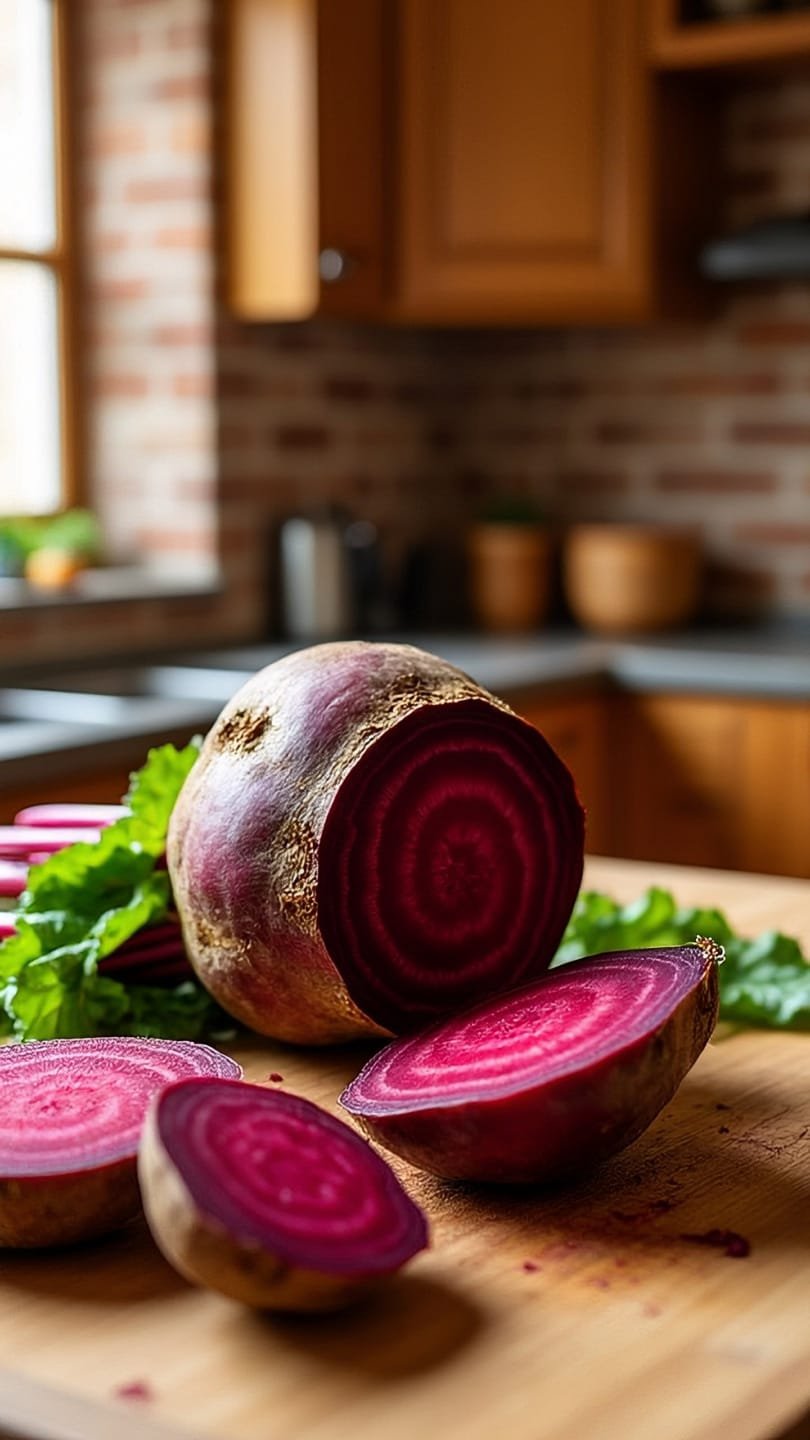
Beetroot Other Names

Beetroot Other Names: A Global and Local Guide

When selling, buying, or looking up recipes for beetroot (Beta vulgaris), you might encounter a wide variety of names depending on the country, language, or culinary tradition.

Understanding these alternative names helps South African gardeners and food lovers navigate international seed catalogs, global recipes, and local markets with ease.

🌍 The Most Common Global Names

1. Garden Beet / Table Beet

In the United States and Canada, the term “beet” is used on its own to refer to the vegetable.

To distinguish the culinary red root from commercial sugar crops, it is officially classified as the Garden Beet, Table Beet, or Red Beet.

2. Beetroot

This is the standard term used across South Africa, the United Kingdom, Australia, New Zealand, and Ireland.

It explicitly refers to the edible taproot of the plant.

3. Blood Turnip

This is an archaic, traditional name used in 19th-century farming manuals and historic heirloom catalogs.

While beetroot is not a turnip, the name was given due to the similar root shape and the deep, blood-red juice of varieties like the Detroit Dark Red.

🇿🇦 Local South African Names

South Africa’s rich linguistic diversity means beetroot goes by several different names in local communities and regional markets:

Beet (Afrikaans): Pronounced similarly to the English word, often used interchangeably.

Biete / Isibhiti (isiZulu & isiXhosa): Adapted linguistic terms commonly used in local agricultural contexts and traditional markets.

Khwiti (Sesotho): The traditional name used for the root vegetable in Sotho-speaking regions.

🌿 Names for Different Parts of the Plant

When browsing recipes or gardening guides, you might see names that refer to specific parts of the beetroot plant:

Beet Greens / Beet Tops: Refers exclusively to the leafy green foliage growing above the ground.

Mangold / Chard: While Swiss Chard is a close cousin bred for leaves rather than roots, older European texts sometimes refer to the leafy tops of beetroots as “mangold.”

🧪 Scientific and Botanical Classification

If you are looking at professional seed packets or botanical databases, you will see it listed by its scientific taxonomy:

Scientific Name: Beta vulgaris

Subspecies: Beta vulgaris subsp. vulgaris (Conditiva Group)

Plant Family: Amaranthaceae (the Amaranth family, which also includes spinach and quinoa).

Shopping Basket
0
    0
    Your Cart
    Your cart is emptyReturn to Shop
    Scroll to Top