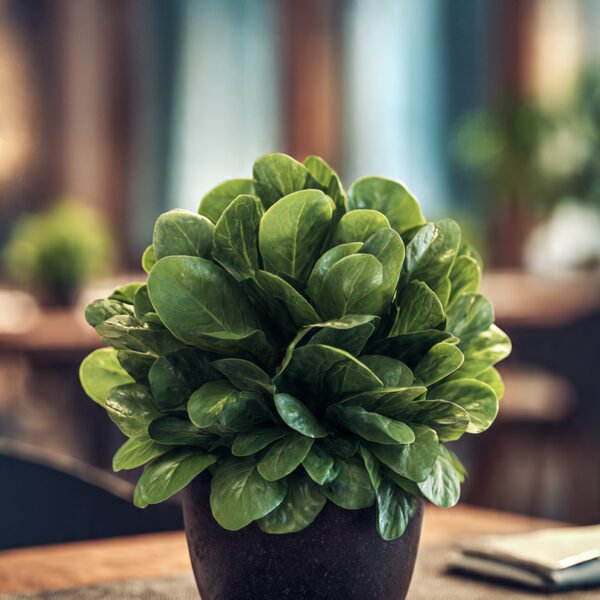
, ,

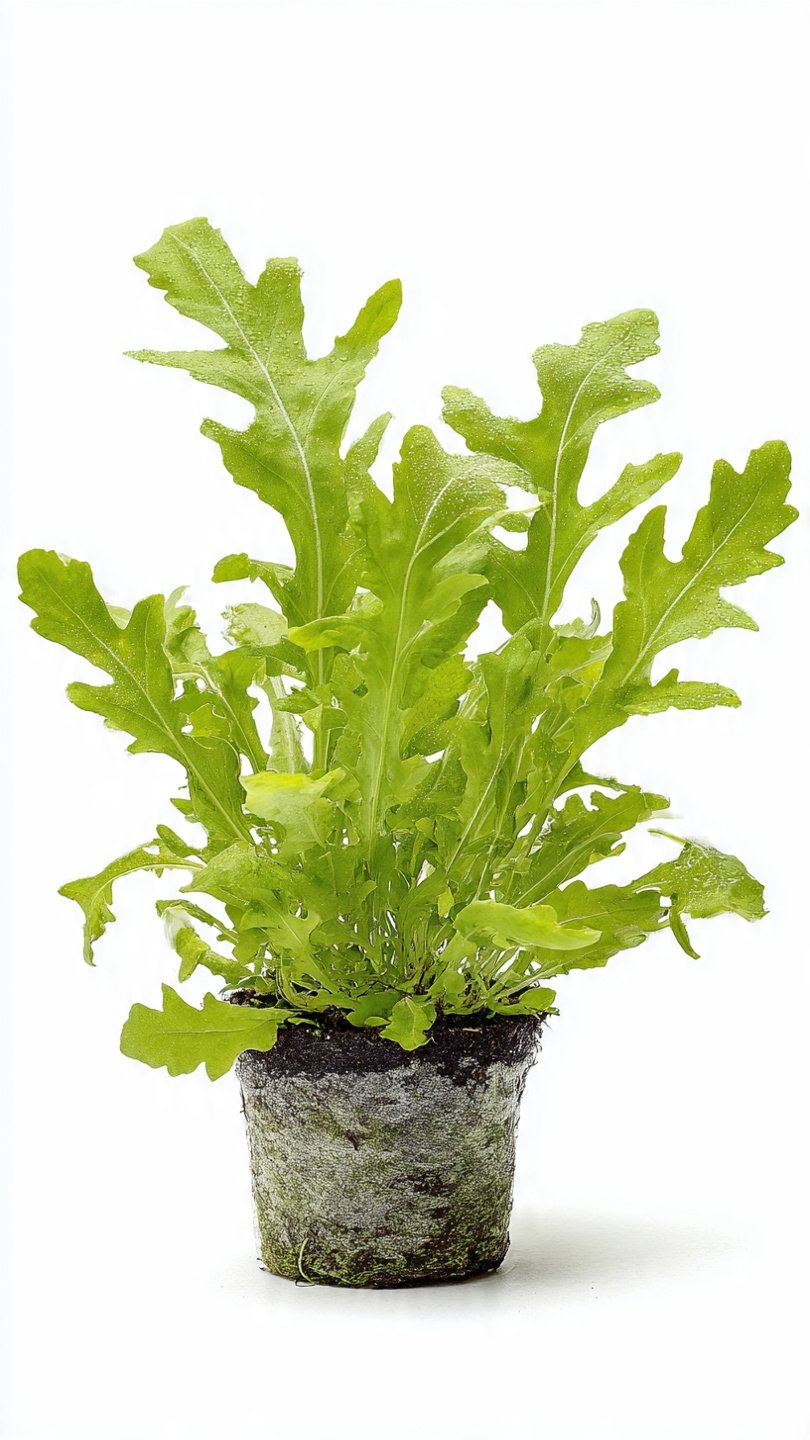
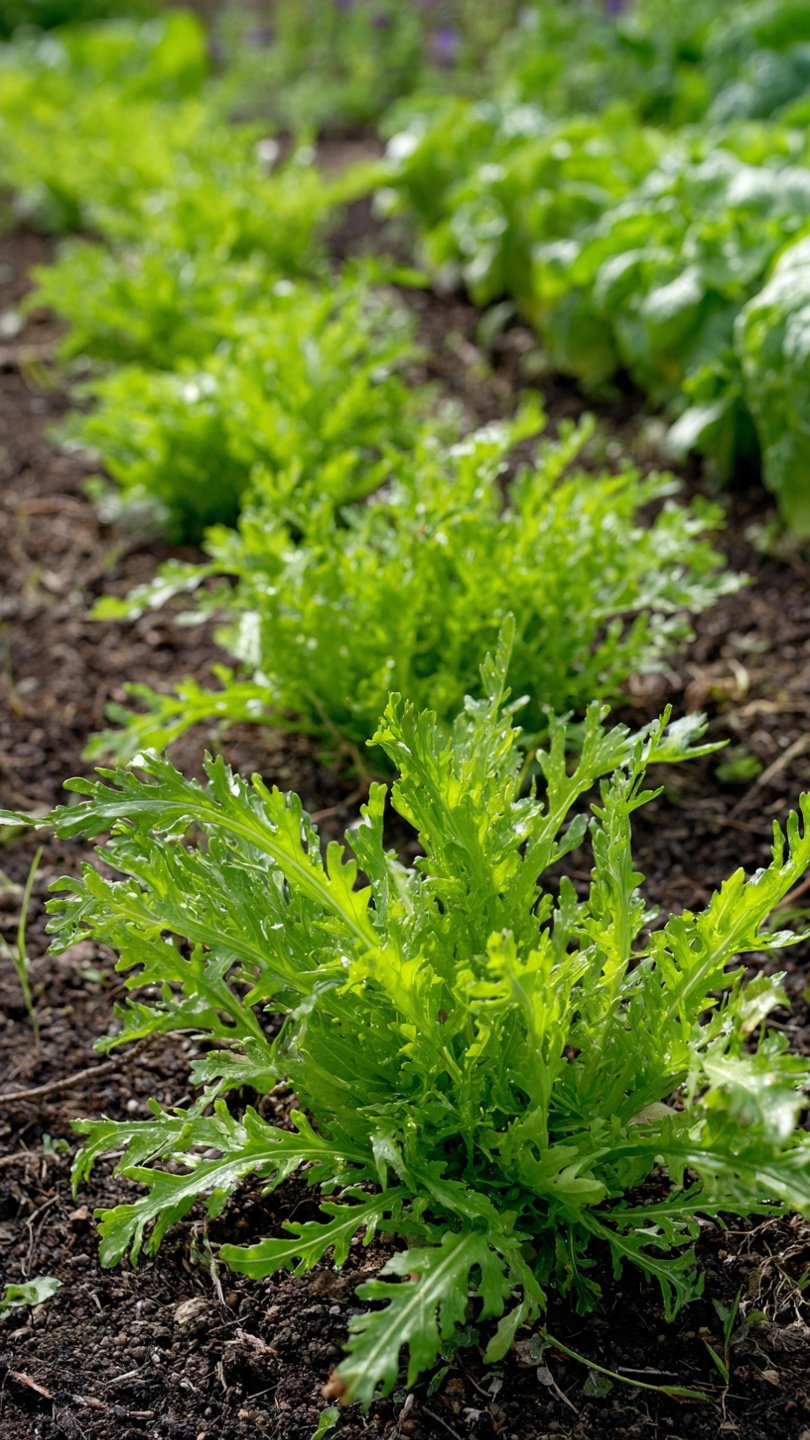
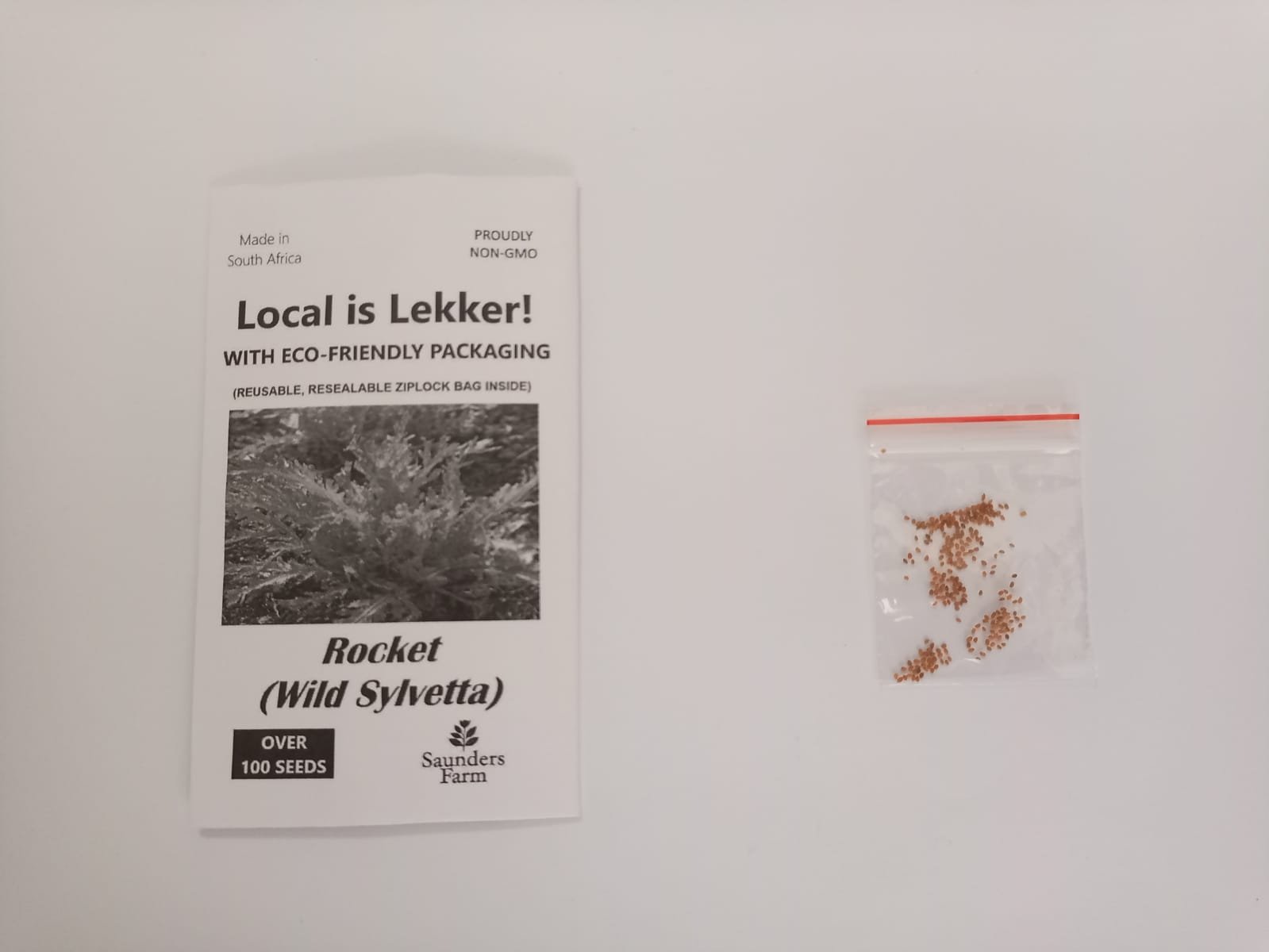
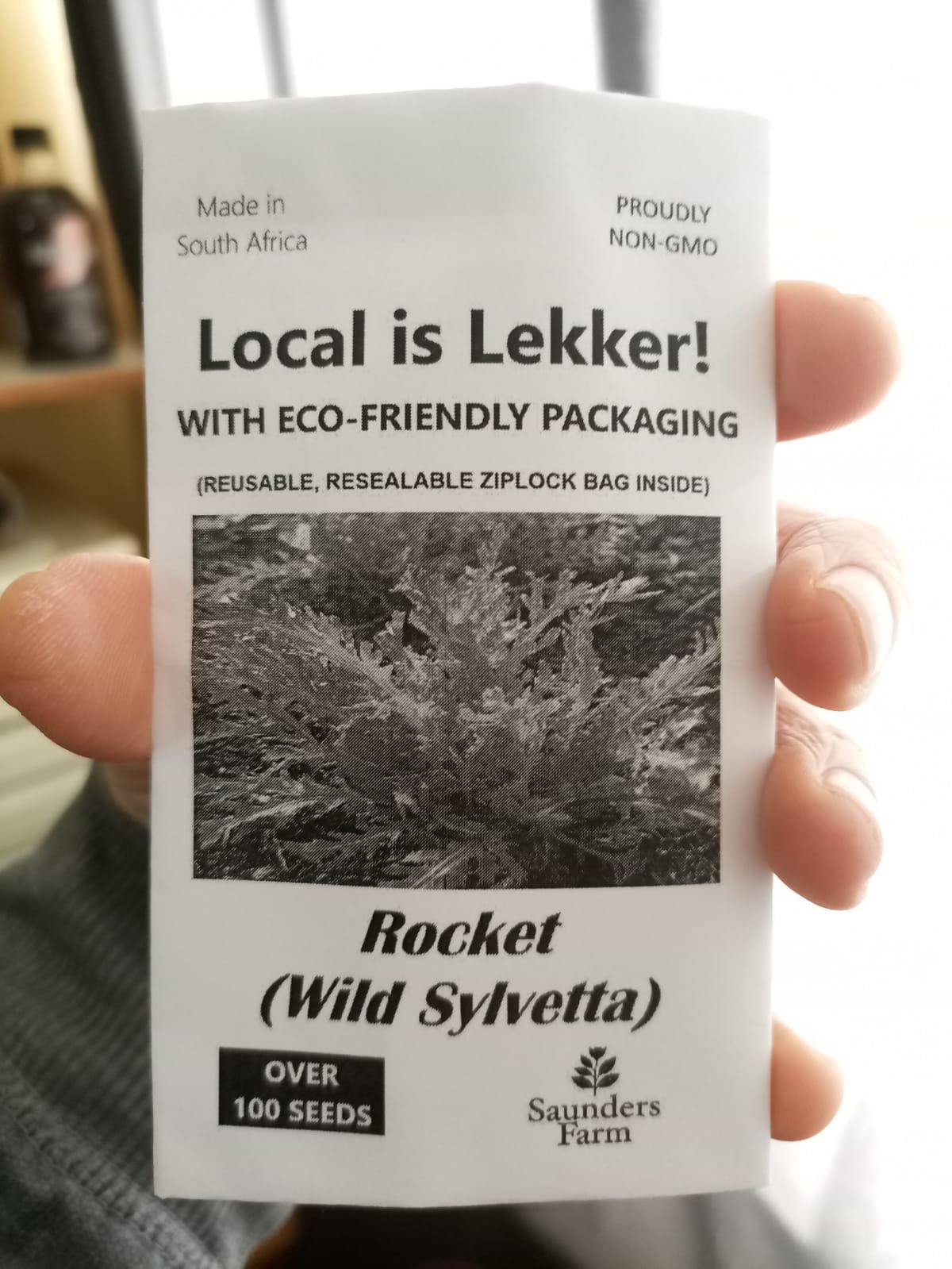
Rocket (Wild Sylvetta) Over 100 Seeds

R15.00

Excluding shipping
  • Over 100 Rocket (Wild Sylvetta) Seeds
  • Join our WhatsApp Group to see when this product goes on special: https://chat.whatsapp.com/Ly1HQgXpYGXL2ffDGXUl4G
  • Proudly non-GMO
  • ECO-FRIENDLY: Biodegradable packaging with resealable, reusable plastic Ziplock bag inside
  • Made in South Africa, for South Africa

Availability: 341 in stock

Guaranteed Safe Checkout

Heirloom Wild Rocket (Sylvetta) Seeds – Over 100 Seeds Per Pack

Add a gourmet, peppery punch to your garden and kitchen dishes with our premium, heirloom Wild Rocket (Sylvetta) seeds.

Known botanically as Diplotaxis tenuifolia, Wild Sylvetta is the slow-bolting, deeply serrated alternative to standard salad rocket.

It is heavily prized by top South African chefs for its intensely complex, pungent, and nutty flavor profile.

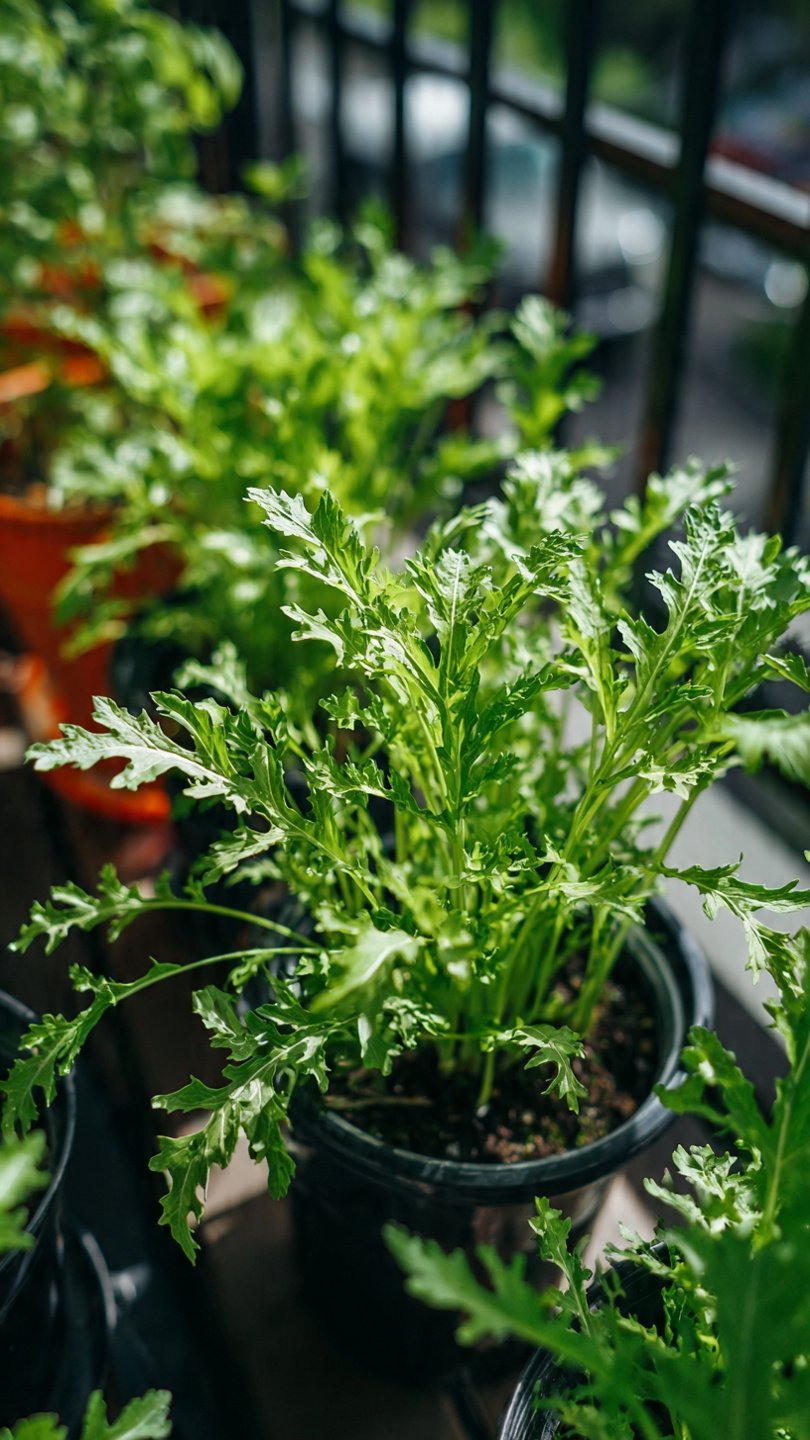
Perfect for urban food gardens, raised beds, patio containers, and windowsills, this hardy perennial variety develops into a robust, low-maintenance green.

Unlike common cultivated rocket which quickly goes to seed in summer heat, Wild Sylvetta is exceptionally heat-tolerant and frost-resilient, providing a reliable, year-round harvest across South Africa.

It also features beautiful, edible yellow flowers that make an eye-catching, peppery addition to summer salads.

Our heirloom rocket seeds are completely non-GMO, open-pollinated, and highly adaptable to local growing conditions.

Each packet is generously hand-packed with over 100 seeds, giving you unmatched value and a continuous supply of fresh, nutrient-dense gourmet greens.

🥗 Why Choose Wild Rocket Sylvetta?

  1. Heirloom & Non-GMO: 100% natural, unadulterated seed stock that allows you to collect and save seeds for future seasons.
  2. Intense Gourmet Flavor: Delivers a significantly richer, sharper, and more peppery bite than standard supermarket rocket.
  3. Slow to Bolt: Superior heat resistance means it keeps producing lush leaves through hot summer stretches without immediately flowering.
  4. Exceptional Value: Every package contains over 100 seeds to easily fill your herb planters or garden rows.
  5. Cut-and-Come-Again: Rapidly regenerates fresh leaves after harvesting for weeks of continuous picking.

📅 South African Planting Guide

  • Best Planting Time: Can be sown year-round in frost-free regions, but thrives best when sown from Autumn (March to May) or early Spring (August to October).
  • Sunlight Preference: Full sun to partial afternoon shade. Light shade is highly recommended during intense summer heatwaves.
  • Sowing Depth: Sow seeds very shallowly—only 2mm to 3mm deep. Press them lightly into fine soil or seedling mix and cover transparently.
  • Germination Time: Fast and dependable sprouting within 3 to 7 days.
  • Plant Spacing: Space individual plants 15cm to 20cm apart to allow the low-growing rosettes room to expand.
  • Soil Requirements: Prefers fertile, loose, well-draining soil rich in organic matter. Responds exceptionally well to consistent moisture.
logo simple

Stop Killing Your Seeds!

5 Germination Mistakes Gardeners Must Stop Immediately

Get this free guide (5 minute read) and The Printable Monthly Growing Guide for South Africa (also free), via email:

We don’t spam! Read our privacy policy for more info.

Reviews

There are no reviews yet.

Be the first to review “Rocket (Wild Sylvetta) Over 100 Seeds”

Your email address will not be published. Required fields are marked *

How to Grow Rocket From Seed

How to Grow Wild Rocket from Seed: The Complete South African Guide

Wild Rocket (Sylvetta)—botanically known as Diplotaxis tenuifolia—is a premium, slow-bolting gourmet herb heavily prized by South African home cooks and professional chefs.

Featuring deeply serrated green leaves and an intensely complex, peppery, and nutty flavour profile, it is far tougher and more heat-tolerant than standard cultivated salad rocket.

Follow this step-by-step planting guide to successfully grow high-quality heirloom, non-GMO wild rocket seeds from scratch.

📅 Quick Planting Overview

  • Best Planting Time: Year-round in frost-free coastal areas, or March to May (Autumn) and August to October (Spring) inland.
  • Sunlight Needs: Full sun to partial afternoon shade.
  • Soil Requirements: Fertile, loose, moist, and well-draining soil with a pH between 6.0 and 7.0.
  • Germination Time: 3 to 7 days.
  • Days to Maturity: 40 to 50 days (Can be picked as microgreens much earlier).

Step 1: Selecting and Preparing the Soil

Wild Rocket is highly adaptable and thrives in garden beds, raised food gardens, patio pots, or sunny windowsills.

Loosen and Refine: Work your garden soil down to a depth of 15cm to 20cm, breaking up heavy clods and clearing out large stones.

Add Organic Matter: Dig in a generous layer of well-rotted compost. Rocket appreciates organic matter that retains moisture while allowing excess water to drain freely.

Positioning: Choose an area with full sun. If planting during intense South African summer heatwaves, a position with light partial afternoon shade is highly recommended to protect the tender leaves.

Step 2: Sowing the Seeds

Wild Rocket seeds are tiny, but they sprout exceptionally quickly. They can be started in seedling trays or sown directly into their final positions.

The Sowing Depth Rule: Rocket seeds require shallow planting to emerge successfully. Sow them only 2mm to 3mm deep.

Method 1 (In Rows): Make shallow furrows spaced 20cm to 25cm apart. Drop the small seeds along the furrow and cover them with a very transparent layer of fine soil or vermiculite.

Method 2 (In Containers): Scatter the seeds lightly over the surface of a premium potting mix and press them gently down into the soil.

Watering: Mist the soil gently using a spray bottle or a fine hose nozzle. Keep the ground consistently damp but never waterlogged until the sprouts emerge.

Seed Quantity Value: Because each premium packet contains over 100 seeds, home growers have plenty of seed stock to sow multiple successive batches for a year-round harvest.

Step 3: Thinning and Spacing

Giving your rocket plants room to expand forces them into dense, low-growing rosettes of heavy leaf biomass.

Timing: When your young seedlings grow to about 3cm to 5cm in height, it is time to thin them out.

Spacing: Thin the individual plants to stand 15cm to 20cm apart. If left crowded, the plants will struggle to develop their signature deeply serrated foliage and will bolt to seed early.

The Chef’s Bonus: Do not discard the seedlings you pull out during thinning! They are packed with intense peppery flavor and make an elite microgreen garnish for salads.

Step 4: Ongoing Care and Maintenance

Watering: Rocket requires consistent moisture. Provide regular watering to ensure the soil never dries out completely. Under-watered rocket plants quickly become excessively fiery, bitter, tough, and woody.

Weeding: Keep your rocket beds free of weeds, especially during the first few weeks, to prevent root competition for moisture and soil nutrients.

Feeding: If leaf growth appears slow, apply a balanced, organic liquid fertilizer (like liquid seaweed or fish emulsion) every 3 to 4 weeks. Avoid over-fertilizing with heavy chemical nitrogen, which can compromise the plant’s natural essential oil profile.

Step 5: Harvesting (The “Cut-and-Come-Again” Method)

Wild Sylvetta rocket is highly valued because it regenerates rapidly after a harvest, giving you weeks of fresh picking.

When to Pick: You can begin harvesting individual outer leaves as soon as they reach about 10cm to 12cm in length.

The Method: Use sharp kitchen scissors or your fingers to harvest the outer, mature leaves first, snapping them cleanly near the base. Always leave the inner central growing crown completely intact. The plant will continuously flush out fresh, tender new leaves from its center.

Edible Flowers: In summer, the plant will produce beautiful, delicate bright yellow flowers. These blossoms are completely edible and possess a mild, peppery-sweet taste that makes an eye-catching addition to gourmet dishes.

Rocket Medicinal and Nutritional Uses

The Nutritional and Health Benefits of Wild Rocket (Sylvetta)

Wild Rocket (Diplotaxis tenuifolia), universally known as Arugula or Eruca, is a highly prized heirloom green that adds an intense, peppery, and nutty kick to gourmet South African dishes.

Beyond its culinary popularity, Wild Sylvetta rocket is a dark, leafy superfood with a rich history in traditional Mediterranean medicine.

Belonging to the Brassicaceae family, this hardy perennial herb is packed with potent medicinal properties and protective antioxidants.

This comprehensive guide details the nutritional profile and natural health benefits of wild rocket.

🥗 The Complete Nutritional Profile of Wild Rocket

Wild Rocket is an incredibly nutrient-dense green.

It provides an exceptional volume of vital vitamins and minerals while remaining very low in carbohydrates and calories (only about 25 calories per 100 grams), making it perfect for weight management and health-conscious diets.

A standard serving of raw wild rocket delivers:

Vitamin K1: Essential for healthy blood clotting, vascular health, and bone mineralization.

Vitamin C: A powerful antioxidant that supports the immune system, promotes skin collagen synthesis, and enhances iron absorption.

Folate (Vitamin B9): Vital for DNA repair, cellular division, and prenatal health.

Calcium and Potassium: Crucial minerals that keep blood pressure balanced, regulate muscle contractions, and build bone density.

Glucosinolates: Natural sulfur compounds responsible for the leaf’s signature spicy bite and its deep cellular protection properties.

🧪 Top 5 Medicinal and Health Benefits

1. Formidable Cancer-Fighting Potential

As a proud member of the cruciferous vegetable family, wild rocket is exceptionally rich in glucosinolates.

When you chew or chop the raw leaves, these compounds mix with a plant enzyme called myrosinase, transforming into isothiocyanates (specifically erucin and sulforaphane).

Clinical research demonstrates that these active compounds help the body neutralize carcinogens, protect healthy DNA from mutating, and inhibit the proliferation of abnormal tumor cells.

2. Robust Support for Cardiovascular and Heart Health

Dark green rocket leaves are highly effective at promoting a healthy circulatory system.

The Nitrate Advantage: Rocket naturally contains high levels of dietary nitrates. Your body converts these into nitric oxide, a compound that relaxes and dilates blood vessels, which naturally lowers high blood pressure.

Cholesterol Management: The soluble fibre and active plant sterols in rocket bind to bile acids in the digestive tract, assisting the liver in managing healthy, balanced cholesterol profiles.

3. Natural Blood Sugar and Insulin Regulation

Incorporating wild rocket into daily meals is an excellent strategy for individuals managing type 2 diabetes or insulin resistance.

Rocket contains an antioxidant known as alpha-lipoic acid, which has been shown to improve insulin sensitivity, reduce fasting blood glucose levels, and protect diabetic patients from developing peripheral nerve damage.

4. Enhances Eye Health and Vision Vitality

The deep green color of Wild Sylvetta leaves indicates high concentrations of lutein and zeaxanthin. These two specific carotenoid antioxidants accumulate directly in the macula of the human eye.

Regular dietary intake shields the eyes from damaging UV and blue light, helping to prevent age-related macular degeneration and cataracts.

5. Promotes Strong Bone Density

While many people rely strictly on dairy for bone health, wild rocket provides a highly bioavailable plant-based alternative.

Just one cup of fresh rocket delivers a massive dose of Vitamin K, which acts as a biological switch to activate osteocalcin—the protein responsible for binding calcium directly into the bone matrix.

This makes it an ideal food choice for preventing osteoporosis.

🧪 Historical Use as a Traditional Aphrodisiac

Throughout historical botanical literature and ancient Roman folklore, rocket was cultivated not just as a salad leaf, but as a potent medicinal tonic.

Roman poets and early herbalists famously classified rocket as a natural aphrodisiac.

It was traditionally blended with chicory and lavender to create stimulating vitality elixirs, a reputation that modern science supports due to rocket’s high trace mineral content and its ability to drastically boost nitric oxide production, which improves overall blood circulation throughout the body.

🍳 Preparation Tip to Maximize Nutritional Value

To enjoy the ultimate health benefits of your home-grown rocket, always eat it fresh and raw whenever possible.

Rocket leaves can be tossed into fresh summer salads, blended into a vibrant peppery pesto with olive oil and pine nuts, or layered onto freshly baked pizzas just before serving.

Avoid Excess Heat: Applying heavy heat or boiling rocket leaves destroys the active myrosinase enzyme and leaches out the water-soluble Vitamins C and B, reducing the medicinal impact of the plant.

The Fat Secret: Because Vitamin K is fat-soluble, always serve your rocket with a drizzle of healthy fats like extra virgin olive oil or avocado to help your digestive system absorb the maximum amount of nutrients.

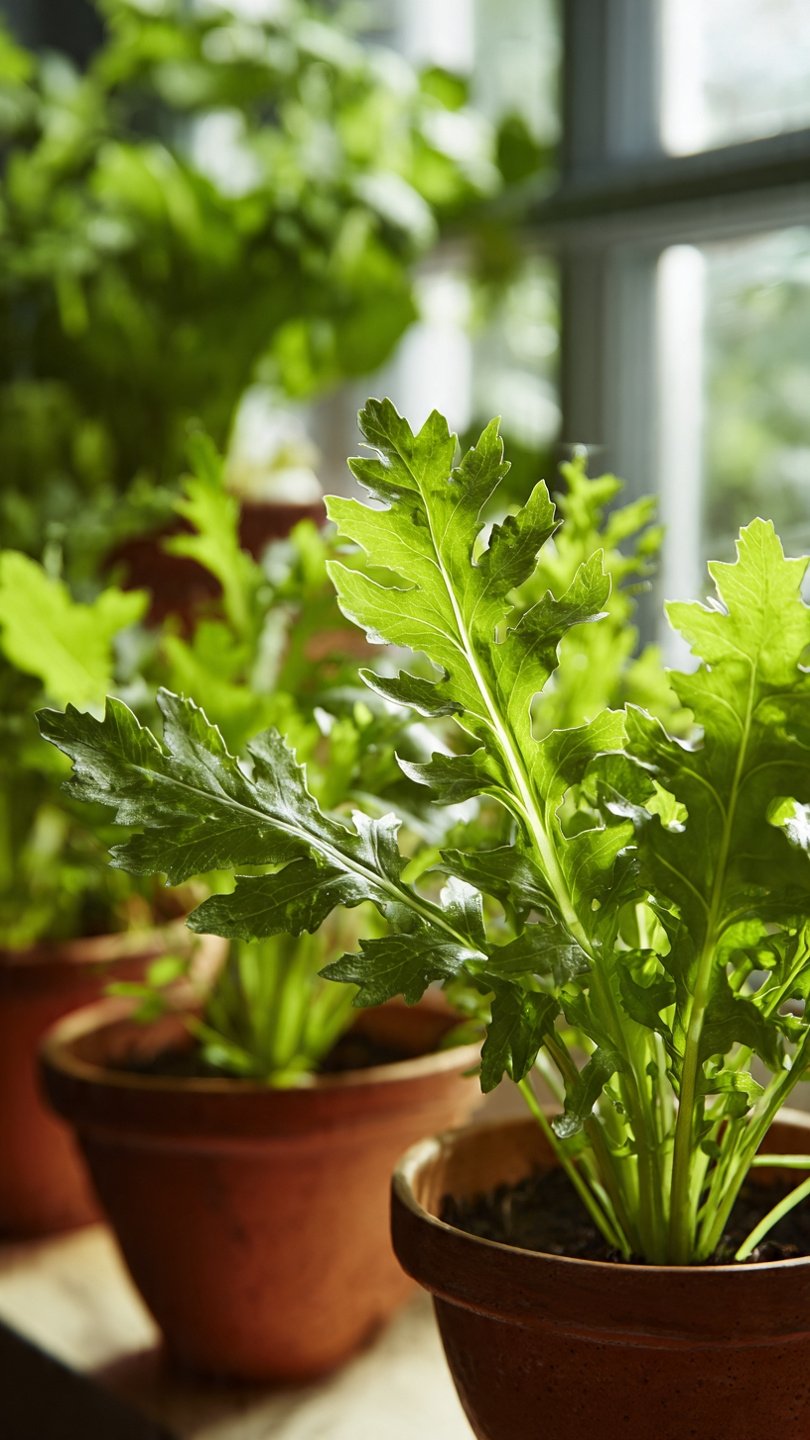
Rocket Growing Guide

Rocket (also known as arugula or rucola) is a fast-growing, nutritious salad green with a distinctive peppery flavor. It is exceptionally easy to grow from seed, making it perfect for both beginner gardeners and experts looking for a quick harvest.

This comprehensive guide covers everything you need to know to successfully grow rocket at home.

Quick Facts

Botanical Name: Eruca vesicaria subsp. sativa

Plant Type: Annual leaf vegetable

Sun Exposure: Full sun to partial shade

Soil Type: Fertile, well-draining, moisture-retentive

Soil pH: 6.0–7.0 (slightly acidic to neutral)

Time to Harvest: 4 to 6 weeks

Sowing and Planting

Rocket thrives in cool weather, making spring and autumn the ideal seasons for planting.

Sowing Outdoors

Prepare the bed: Weed the area thoroughly and rake the soil to a fine, crumbly texture.

Make drills: Create shallow rows about 1 cm deep, spaced 15–20 cm apart.

Sow seeds: Scatter the seeds thinly along the rows.

Cover and water: Cover lightly with soil and water gently using a fine rose watering can.

Thin out: Once seedlings emerge, thin them to 10–15 cm apart. Eat the thinned seedlings as microgreens.

Growing in Pots

Rocket has a shallow root system, making it perfect for containers, window boxes, and balconies.

  • Choose a pot at least 15 cm deep with good drainage holes.
  • Fill with a high-quality potting mix.
  • Sow seeds thinly across the surface and cover with a thin layer of compost.

Ongoing Care

Watering

Rocket requires consistent moisture to keep the leaves tender and juicy.

Water regularly to keep the soil evenly moist but not waterlogged.

Dry soil causes stress, which triggers the plant to bolt (flower early) and makes the leaves excessively bitter.

Light and Temperature

Spring/Autumn: Plant in full sun.

Summer: Plant in partial shade to protect the leaves from scorching and delay bolting.

Feeding

If grown in fertile soil or fresh potting mix, rocket rarely needs extra fertilizer.

If growth slows down, apply a weak, nitrogen-rich liquid seaweed feed to encourage leafy growth.

Harvesting

You can start harvesting rocket just 4 weeks after sowing.

Cut-and-come-again method: Harvest individual outer leaves when they are 5–10 cm long. The plant will continue to produce new leaves from the centre.

Whole head harvest: Alternatively, cut the entire plant 2 cm above the ground, and it will often regrow for a second harvest.

Harvest timing: Pick leaves in the morning when they are coolest and crispest.

Managing Pests and Common Problems

Flea Beetles

These tiny black beetles chew small holes in the leaves, making them look like Swiss cheese.

Solution: Cover young crops with a fine insect mesh or horticultural fleece. Keep the soil damp, as flea beetles prefer dry conditions.

Bolting (Flowering)

When the weather gets too hot or the plant runs out of water, it sends up a tall flower spike and stops producing quality leaves.

Solution: Plant in the shade during summer, water regularly, and sow small batches of seeds every 2–3 weeks (succession planting) for a continuous supply.

Tip: The white flowers are edible and make a beautiful, peppery addition to salads.

Slugs and Snails

These pests love tender young rocket leaves.

Solution: Use beer traps, organic slug pellets, or clear a barrier of bare soil around your plants to deter them.

Rocket Other Names

Rocket (Wild Sylvetta): Names, Origins, and Dialects

Wild Sylvetta rocket (Diplotaxis tenuifolia) is famous for its deeply lobed leaves and intense, rustic punch.

Because this peppery green is loved globally, it goes by many different names depending on the country, culinary tradition, and botanical classification.

This guide clears up the confusion and highlights the differences between wild and salad types.

The Common Names

1. Wild Rocket / Perennial Wall Rocket

Where it is used: United Kingdom, Australia, New Zealand, and South Africa.

The Context: This is the most common marketplace name for Diplotaxis tenuifolia. The word “Wild” highlights its rustic, jagged appearance, while “Perennial” notes its ability to grow back year after year.

2. Arugula

Where it is used: United States and Canada.

The Context: North Americans rarely use the word “rocket”. They adopted “arugula” from immigrant Italian dialects (specifically the southern Italian word arugulu).

3. Rucola / Ruchetta

Where it is used: Italy and high-end culinary menus globally.

The Context: Rucola is the standard modern Italian name. Ruchetta or rucola selvatica specifically denotes the wild, peppery Sylvetta type rather than the milder cultivated version.

4. Roquette

Where it is used: France.

The Context: This is the French standard name. The English word “rocket” is a direct derivation of this French term.

5. Yellow Rocket (Botanical Context)

Where it is used: Horticultural and botanical circles.

The Context: While cultivated salad rocket produces cream-white flowers, Wild Sylvetta produces bright yellow flowers, leading some foragers to call it yellow rocket.

Wild Rocket vs. Salad Rocket: Key Differences

People often confuse Wild Sylvetta with standard Salad Rocket. Here is how they compare across key features:

Wild Sylvetta Rocket (Diplotaxis tenuifolia)

Other Names: Wild Rocket, Rucola Selvatica, Perennial Rocket.

Lifespan: Perennial (grows back every year).

Flavor Profile: Intensely pungent and peppery, with a distinct hint of garlic.

Leaf Shape: Narrow, deeply lobed, with a sharp, star-burst appearance.

Flower Color: Bright yellow.

Growth Rate: Slower to start, but highly resistant to summer heat and bolting.

Standard Salad Rocket (Eruca vesicaria)

Other Names: Arugula, Roquette, Garden Rocket, Salad Rocket.

Lifespan: Annual (dies after flowering at the end of the season).

Flavor Profile: Milder, nutty, and pleasantly peppery.

Leaf Shape: Broader, more rounded, oak-like leaves.

Flower Color: Creamy white with subtle purple veins.

Growth Rate: Extremely fast growing, but bolts quickly in hot weather.

Why “Sylvetta”?

The name Sylvetta (sometimes spelled Silvetta) is a selected cultivar name derived from the Latin word silva, meaning “forest” or “woodland.”

This nomenclature emphasizes the plant’s wild, untamed nature and superior, fiery flavor compared to grocery store varieties.

Shopping Basket
0
    0
    Your Cart
    Your cart is emptyReturn to Shop
    Scroll to Top