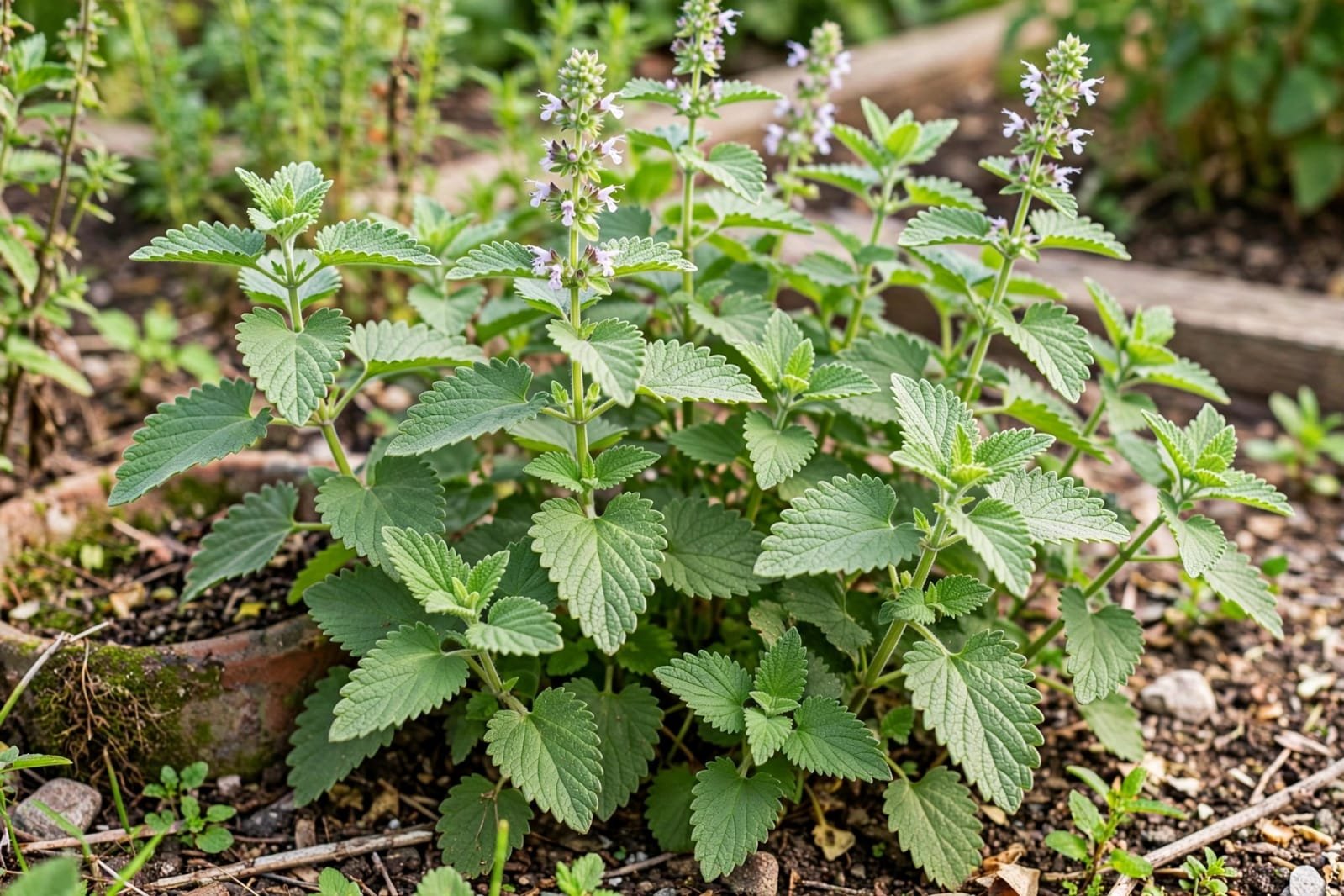
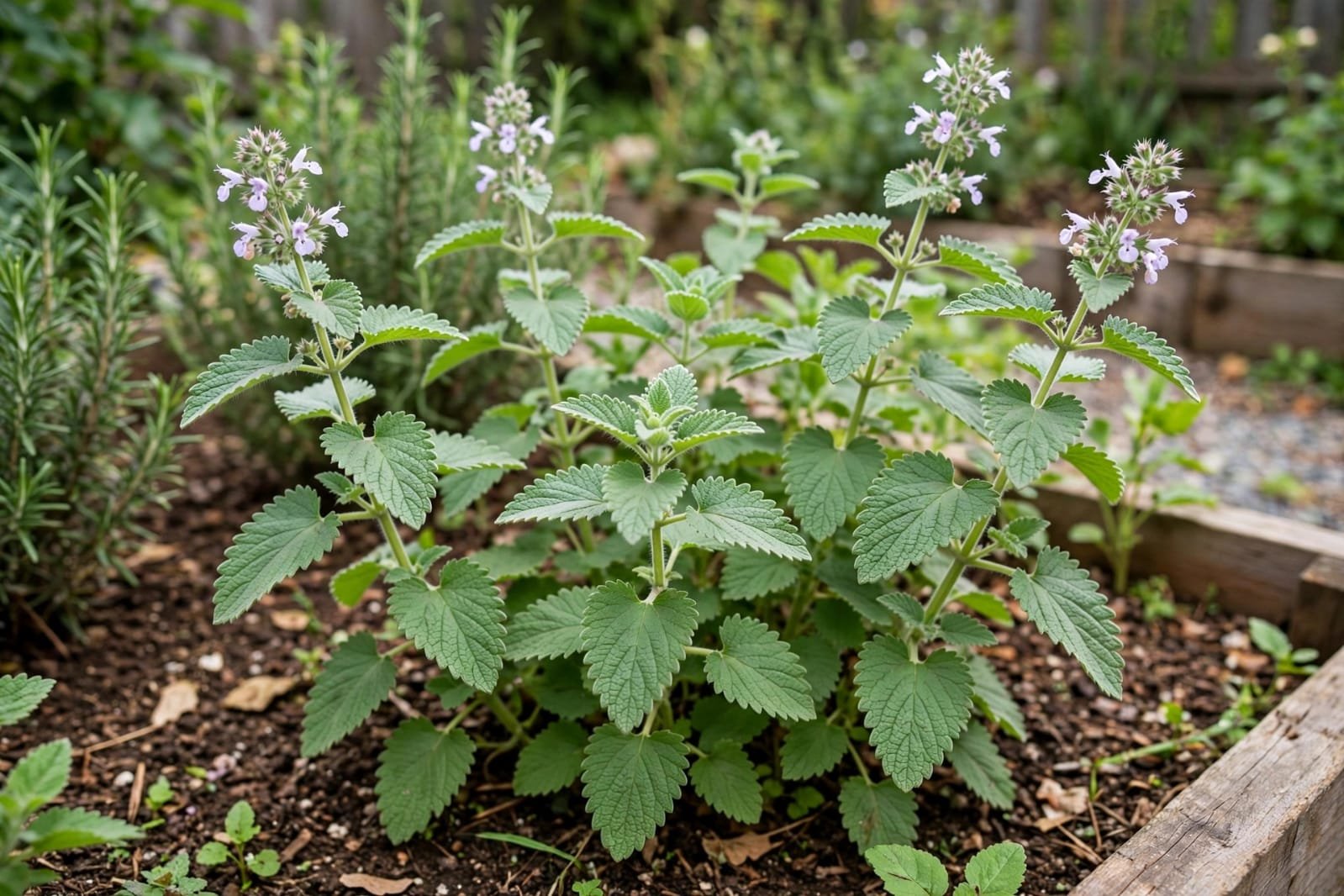
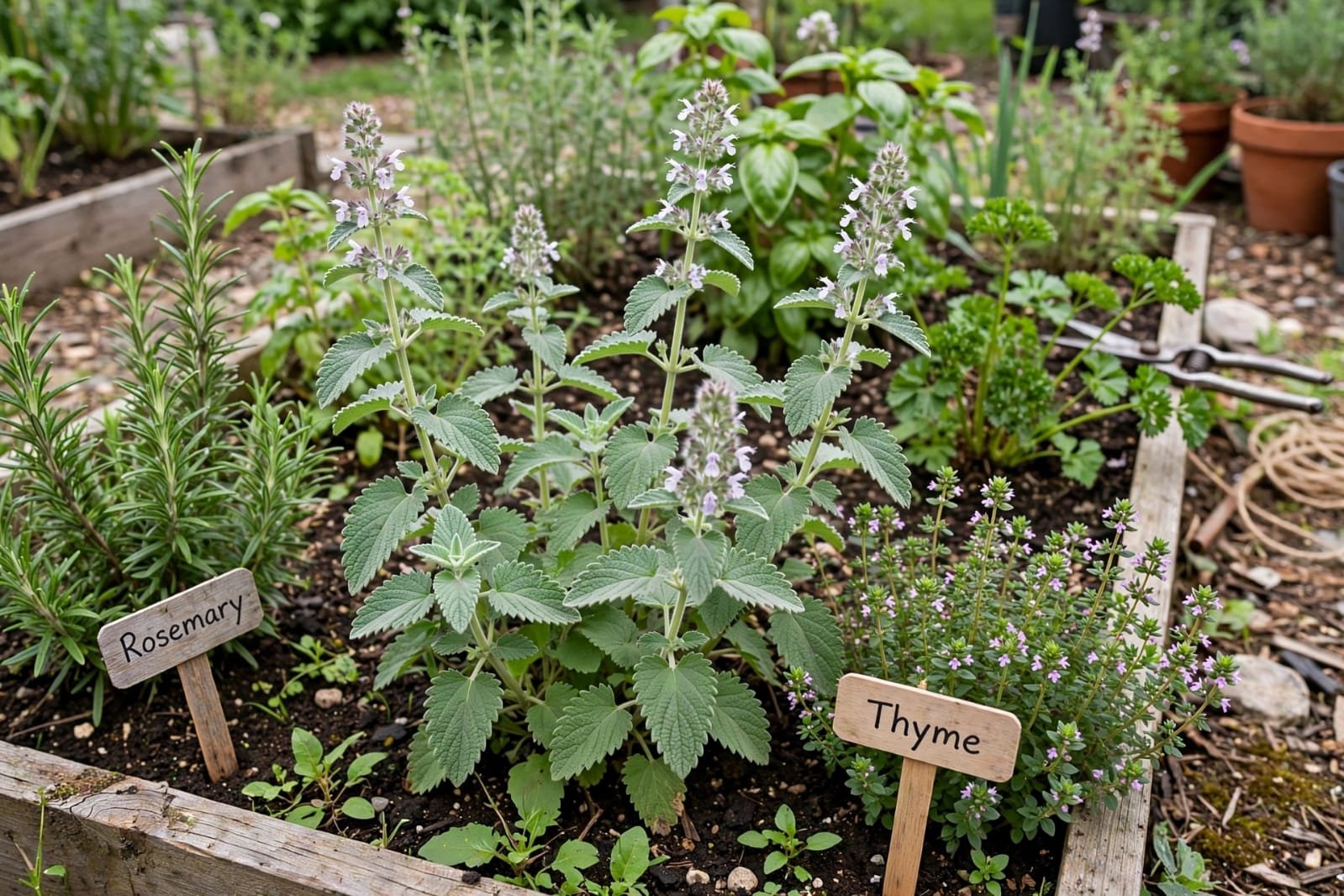
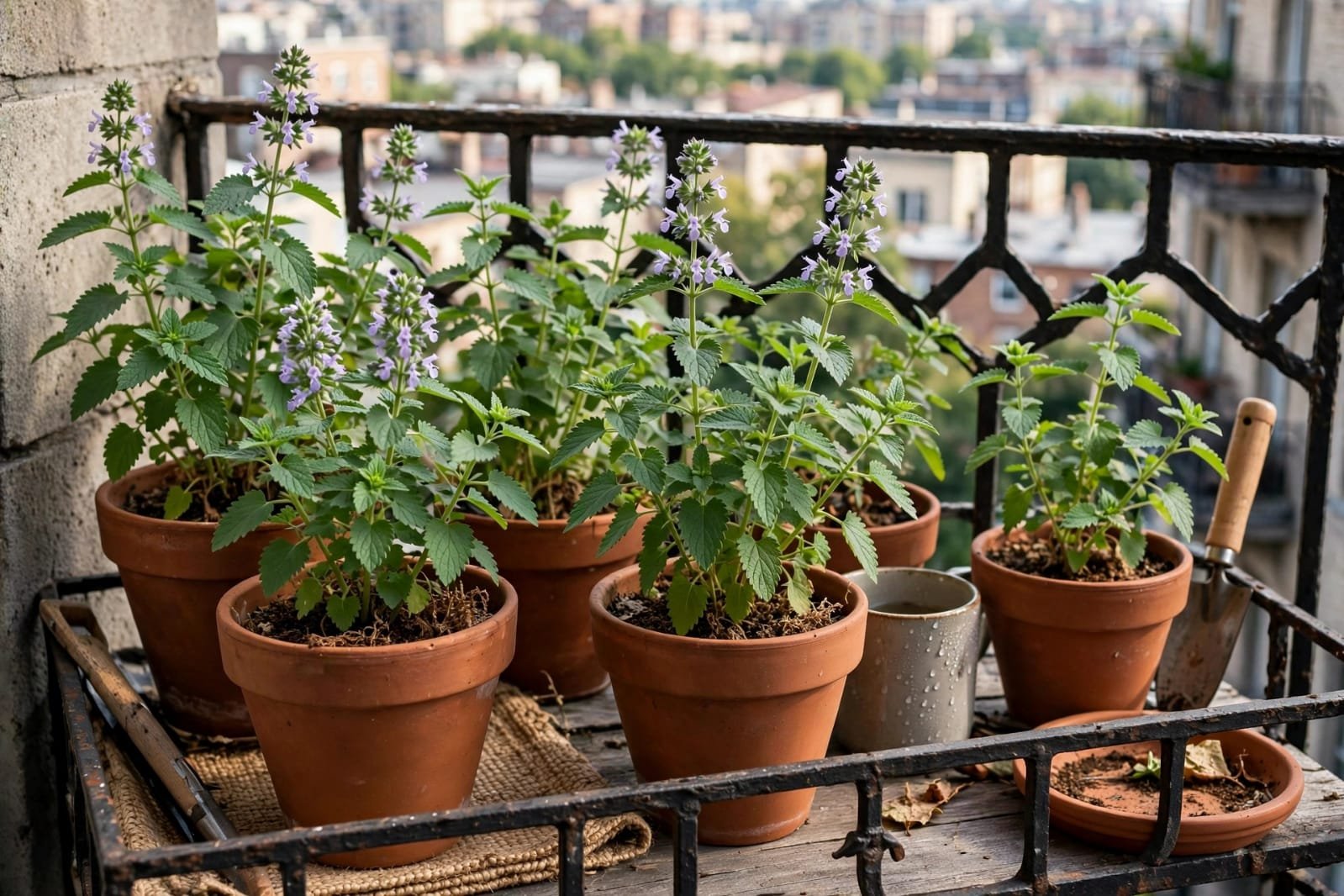
,

Catnip Over 100 Seeds

R15,00

Excluding shipping

Availability: 83 in stock

Guaranteed Safe Checkout

Premium Heirloom Catnip Seeds

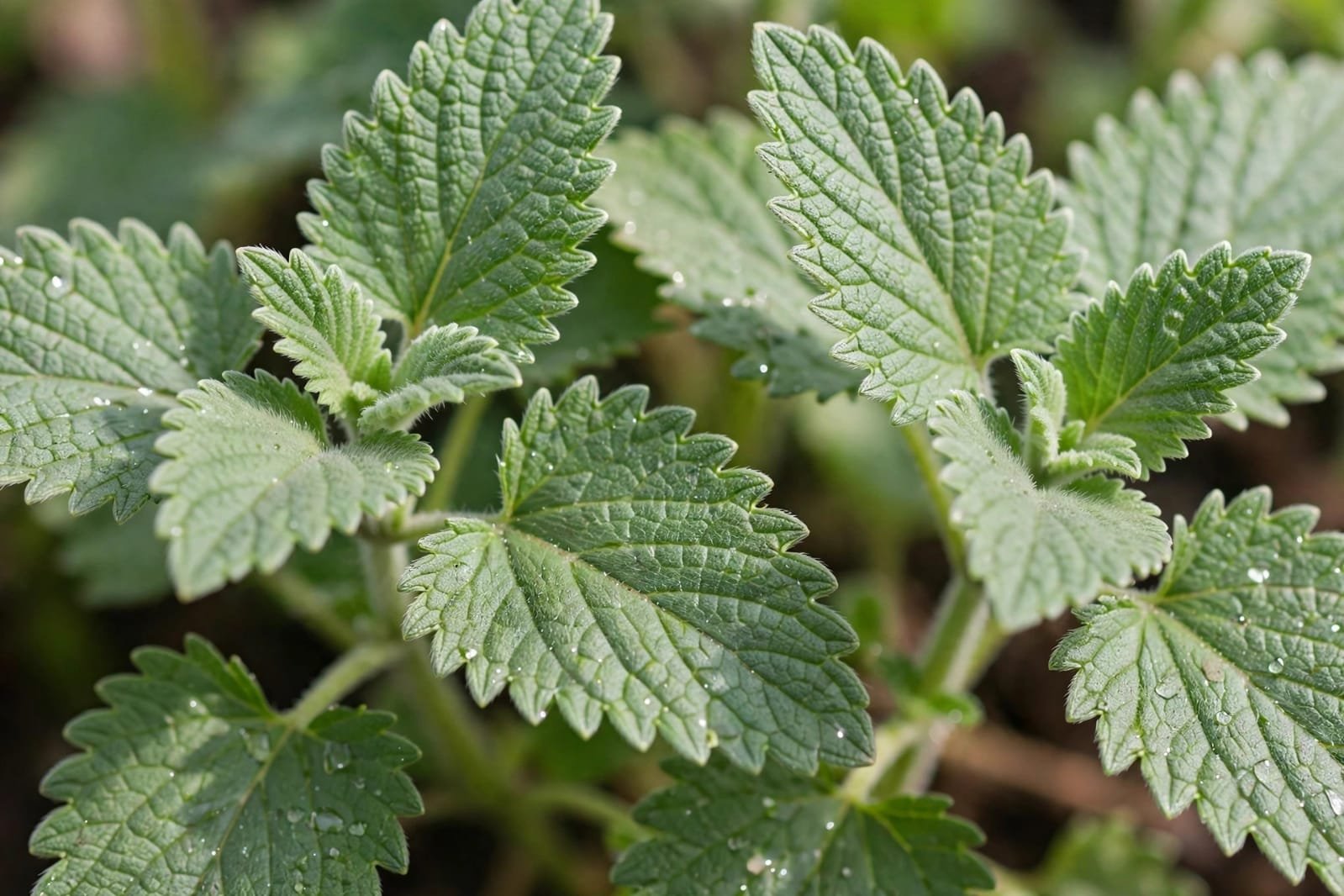
Bring joy to your feline friends and add a beautiful, hardy perennial to your garden with our premium heirloom catnip seeds.

Specially selected for South African growing conditions, this high-quality, non-GMO variety is perfect for both beginner gardeners and seasoned green thumbs looking to grow a vibrant, aromatic herb garden.

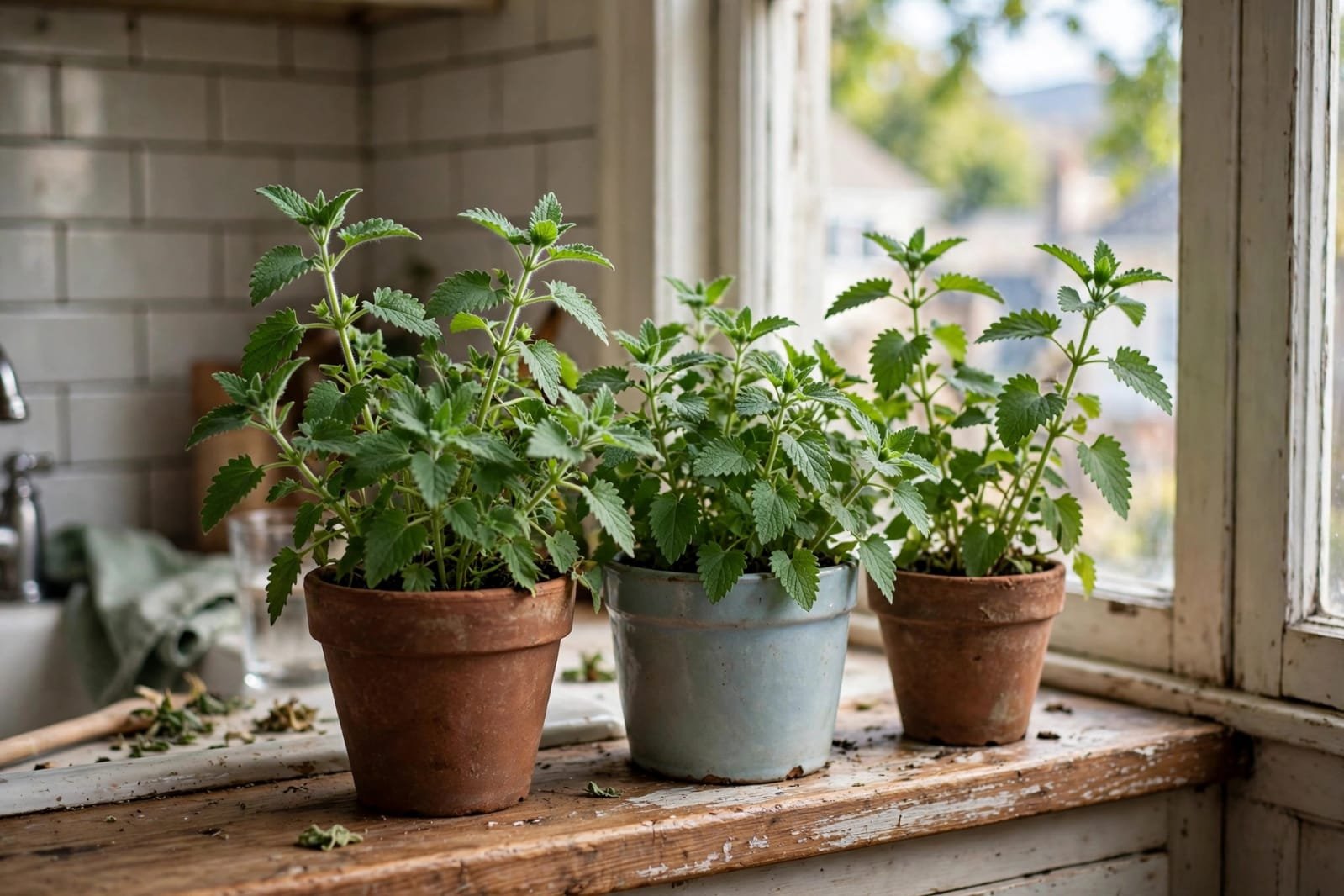
Catnip (Nepeta cataria) is a resilient herb that thrives across South Africa. It grows exceptionally well in full sun to partial shade and adapts to a wide variety of soil types, making it an excellent choice for backyard garden beds, container gardening, or patio pots.

Beyond keeping your cats entertained and happy, catnip produces clusters of delicate white and lavender flowers that naturally attract bees, butterflies, and other beneficial pollinators to your garden.

Each packet contains over 100 seeds, giving you plenty of high-germination seeds to cultivate multiple plants.

Because these are heirloom, non-GMO seeds, you are planting pure, natural varieties that allow you to harvest and save your own seeds for future seasons.

Once established, catnip is remarkably drought-tolerant and low-maintenance, making it a water-wise addition to your home garden.

Planting Guide for South Africa:

  • Sowing Season: Early spring to autumn
  • Position: Full sun to partial shade
  • Sowing Depth: 5mm deep in well-drained soil
  • Germination: 10 to 14 days
  • Plant Spacing: 30cm apart

Reviews

There are no reviews yet.

Be the first to review “Catnip Over 100 Seeds”

Your email address will not be published. Required fields are marked *

How to Grow Catnip from Seed

How to Grow Catnip from Seed: A Complete South African Guide

Growing catnip (Nepeta cataria) from seed is an incredibly rewarding project for any South African gardener.

Whether you want to treat your neighborhood cats, attract beautiful pollinators to your yard, or enjoy a soothing herbal tea, this hardy perennial is easy to grow from scratch.

Follow this step-by-step guide to successfully sprout and cultivate your heirloom catnip seeds.

Quick Growing Facts

  • Best Sowing Season: Spring to Autumn (September to April)
  • Sunlight Requirements: Full sun to partial shade
  • Germination Time: 10 to 20 days
  • Ideal Soil: Well-drained, average to sandy soil (pH 6.0 to 7.0)

Step 1: Prepare Your Soil and Containers

Catnip isn’t overly fussy about soil, but it absolutely demands good drainage. Heavy clay soil holds too much water and can cause the roots to rot.

For Pots: Use a high-quality potting mix blended with a handful of perlite or coarse river sand to boost drainage. Ensure your pots have sufficient drainage holes.

For Garden Beds: Dig up the soil and mix in some compost to improve texture and nutrients.

Step 2: The Secret to Germination (Cold Stratification)

Catnip seeds have a tough outer coating. In nature, they sit in cold winter soil before sprouting in spring. To replicate this process and dramatically improve your germination success, try cold stratification:

Place your damp seed-starting mix or a damp paper towel with the seeds into a sealed plastic bag. Put the bag in your refrigerator for 1 to 2 weeks before planting.

Note: While you can plant the seeds directly without this step, stratifying them ensures a much higher and faster sprout rate!

Step 3: Sowing the Seeds

Because each pack contains over 100 seeds, you have plenty of opportunities to grow a lush patch.

Sowing Depth: Scatter the seeds lightly over the damp soil surface and press them down gently. Cover them with a very thin layer of soil (about 2mm to 5mm maximum). Catnip seeds need a little bit of light to trigger germination.

Watering: Use a spray bottle to mist the soil gently. Do not use a heavy watering can, as it can wash the tiny seeds away or bury them too deeply.

Environment: Place your seed trays in a warm, bright spot out of direct, scorching sunlight. Keep the soil consistently moist but never waterlogged.

Step 4: Pricking Out and Transplanting

Once your seedlings develop their first set of “true leaves” (which look crinkled and slightly serrated, just like adult catnip leaves) and reach about 5cm to 10cm in height, they are ready for their permanent home.

Spacing: If planting in the garden, space your seedlings roughly 30cm apart. Catnip grows into a bushy herb and needs room to breathe.

Sunlight Adjustment: Gradually introduce your young plants to more direct sunlight over a few days so they don’t get sunburned.

Step 5: Ongoing Care and Maintenance

Once established in the South African climate, catnip is incredibly resilient and relatively drought-tolerant.

Watering: Water deeply once the top few centimeters of soil feel dry to the touch. During hot summer months, you may need to water more frequently, especially if grown in pots.

Pruning: To prevent your catnip from getting too woody and leggy, pinch back the growing tips regularly. This encourages the plant to grow bushier and produce more of the aromatic leaves your cats love.

Catnip Medicinal and Nutritional Uses

Catnip for Humans: Surprising Medicinal and Nutritional Uses

Most South Africans know catnip (Nepeta cataria) as the magical herb that sends cats into a playful frenzy. However, did you know that this resilient member of the mint family has a rich history in human traditional medicine?

Long before it was a popular cat toy ingredient, catnip was carefully cultivated in home gardens as a staple herbal remedy. While it acts as a stimulant for your feline friends, it has the exact opposite effect on adult humans—working as a gentle, soothing sedative.

If you are growing heirloom catnip seeds, here is how you can use the harvested leaves and flowers for your own health and wellness.

1. A Natural Remedy for Anxiety and Insomnia

Catnip contains a volatile compound called nepetalactone. Biochemically, nepetalactone is highly similar to the active compounds found in valerian root, one of nature’s most popular herbal sleep aids.

The Benefit: Drinking a warm cup of catnip tea before bed can help calm an overactive mind, reduce nervous tension, and promote deep, restful sleep. It is an excellent, non-addictive option for those struggling with mild insomnia or stress.

2. Soothing Upset Stomachs and Digestion

As a classic carminative herb, catnip is highly effective at relaxing the smooth muscles of the digestive tract.

The Benefit: If you experience painful stomach cramps, bloating, or trapped gas after meals, a warm infusion of catnip can provide fast relief. It helps ease gastrointestinal spasms and promotes smoother, more comfortable digestion.

3. Relief from Menstrual Cramps

Because catnip functions as a natural antispasmodic (muscle relaxer), its benefits extend beyond the digestive system.

The Benefit: Historically, herbalists have used catnip to alleviate the painful uterine contractions associated with menstrual cramps. Drinking the tea during your cycle can help dull physical pain while simultaneously soothing any accompanying PMS-related mood swings or anxiety.

4. Breaking Fevers and Soothing Colds

In traditional South African and global folk medicine, catnip is classified as a diaphoretic—an herb that induces sweating.

The Benefit: When you are battling a cold, flu, or low-grade fever, drinking hot catnip tea can help trigger perspiration. This natural response helps the body regulate its temperature and expel toxins while clearing minor respiratory congestion.

Nutritional Profile & Culinary Uses

While catnip isn’t eaten like spinach, it does pack a nutritional punch when consumed as an infusion. It contains notable amounts of Vitamin C and Vitamin E, alongside antioxidant flavonoids that help protect cells from oxidative stress.

In the Kitchen: Fresh catnip leaves have a unique flavor profile—earthy, minty, and slightly woody with citrus undertones.

You can chop young leaves finely and add them to summer salads, drop them into comforting stews, or use them to infuse homemade herbal vinegars.

How to Brew the Perfect Cup of Catnip Tea

To unlock the health benefits of your homegrown harvest:

Take 1 to 2 teaspoons of dried catnip leaves (or a small handful of fresh leaves). Place them in a mug and pour over 1 cup of boiling water.

Cover the mug with a saucer (this traps the volatile medicinal oils inside). Steep for 10 to 15 minutes. Strain, add a squeeze of fresh lemon juice or raw honey to taste, and enjoy!

Safety Note: Because catnip can stimulate uterine contractions, it should be avoided during pregnancy. Always consult a healthcare professional before adding new therapeutic herbs to your routine.

Catnip Growing Guide

Ultimate Catnip Growing Guide: How to Care for Your Plants in South Africa

Once you have successfully sprouted your heirloom catnip seeds, the next step is helping your plants grow into lush, fragrant bushes.

Catnip (Nepeta cataria) is a wonderfully resilient perennial that thrives in the diverse climates of South Africa, from the frosty winters of the Highveld to the hot, dry summers of the Cape.

This comprehensive growing guide covers everything you need to know about sunlight, watering, pruning, and protecting your harvest so you can enjoy a continuous supply of this versatile herb.

Optimal Growing Conditions

To get the most out of your catnip plants, it helps to understand their basic preferences:

Sunlight: Full sun (6+ hours of direct sunlight daily) yields the highest concentration of aromatic oils. However, in scorching hot areas like the Karoo or during intense summer afternoons, partial shade is highly beneficial.

Soil: Catnip thrives in poor, sandy, or rocky soil as long as it has excellent drainage. Fertile, overly rich soil actually reduces the intensity of the plant’s scent and flavor.

Climate: This hardy plant handles both intense summer heat and winter frosts. In very cold regions, it may die back completely in winter and sprout fresh growth when spring arrives.

Step-by-Step Plant Care

1. Watering Requirements (Less is More)

Catnip is incredibly water-wise once established. Overwatering is the most common mistake gardeners make with this herb.

Young Plants: Keep the soil consistently damp but never soggy while the roots are establishing.

Mature Plants: Allow the top 3cm to 5cm of soil to dry out completely before watering deeply. If your catnip is planted in the ground, it can easily survive dry spells. Container plants will dry out faster and need more frequent checking.

2. Feeding and Fertilizing

Skip the heavy fertilizers! Because each pack contains over 100 seeds, you can grow plenty of plants, and none of them will need much feeding.

In fact, giving catnip too much nitrogen will cause rapid, weak growth with very little fragrance. A light top-dressing of organic compost once a year in early spring is all the nutrition this plant requires.

3. Pruning for a Bushier Harvest

Left to its own devices, catnip can become tall, woody, and “leggy.” Regular pruning keeps the plant compact, neat, and highly productive.

Pinch the Tips: Regularly pinch off the growing tips of young stems. This forces the plant to branch out horizontally rather than just growing straight up.

The Mid-Season Cut: After the first flush of flowers in mid-summer, cut the entire plant back by one-third. This removes spent flowers and triggers a fresh, vigorous burst of aromatic green leaves.

Managing the “Cat Problem”

The biggest threat to a young catnip plant isn’t pests or disease—it’s local cats! Felines will often roll on, dig up, or crush young seedlings in their excitement.

Protection: Protect your vulnerable young plants by placing a wire cloche, tomato cage, or netting over them until they are large and robust enough to withstand a cat’s affection.

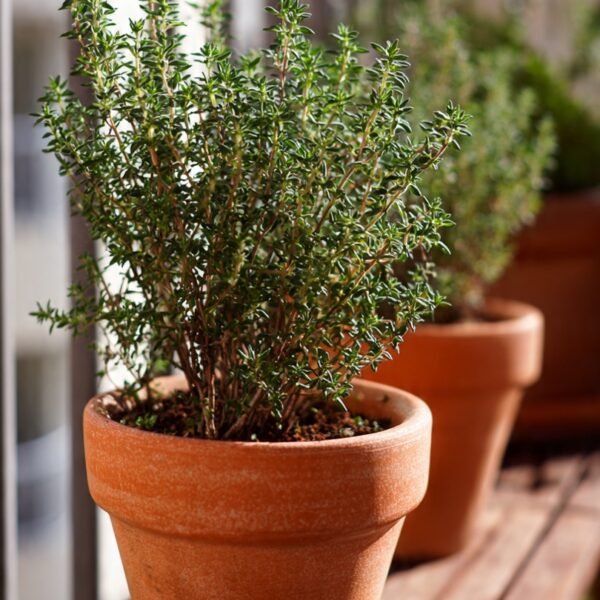
Companion Planting: Plant catnip alongside rosemary, lavender, or thyme. It naturally repels common garden pests like aphids and squash bugs, acting as a brilliant companion plant in vegetable gardens.

How and When to Harvest

You can harvest catnip leaves at any time once the plant reaches about 20cm in height. However, the essential oils are at their absolute peak just as the plant begins to flower.

Snip the stems in the morning after the dew has dried but before the sun gets too hot. Hang the stems upside down in a warm, dark, well-ventilated room to dry for home use or cat toys.

Catnip Other Names

Catnip Alternative Names: What Else is This Popular Herb Called?

When searching for catnip online, you might run into a fascinating variety of local, historical, and botanical names.

Because it is a global herb with a rich history spanning centuries, different cultures, languages, and regions have given it their own unique labels.

If you are looking to buy heirloom catnip seeds, understanding these different names can help ensure you are purchasing the exact plant you want.

Here is a comprehensive guide to the names and translations of catnip (Nepeta cataria).

The Scientific & Botanical Name

Nepeta cataria: This is the formal botanical name. Nepeta refers to the genus (named after the ancient Italian city of Nepete, where the herb was heavily cultivated), and cataria comes from the Latin word for “cat.”

When looking for authentic heirloom seeds, always check for this specific scientific name to avoid confusing it with ornamental varieties.

Common English Names

While “catnip” is the standard term in South Africa, you will frequently hear these common English variations across global gardening spaces:

Catmint: Often used interchangeably with catnip. However, in modern nurseries, “catmint” usually refers to Nepeta x faassenii—a sterile, highly ornamental cousin that cats don’t care for as much.

Catwort: An old-fashioned English name. The suffix “-wort” historically denotes a plant with medicinal properties.

Field Balm: A historical name used when the herb was primarily collected wild in fields for traditional European tea blends.

South African & Multilingual Names

Because South Africa is home to diverse languages, you might refer to this resilient perennial by several distinct names:

Kattebenaai / Kattekruid (Afrikaans): These are the most common Afrikaans terms, translates literally to “cat herb.” You will often find traditional recipes or local gardening forums using kattekruid.

Herbe aux chats (French): Literally “herb for cats,” used in international culinary and herbal references.

Menta de gato (Spanish): Meaning “cat mint,” frequently found in global seed catalogs.

Gattaia (Italian): A classic regional term reflecting its ancient Mediterranean roots.

Distinct Varieties (Don’t Confuse Them!)

When browsing for seeds, make sure you don’t accidentally buy a completely different plant. Here are a few names that sound similar but are entirely separate species:

Lemon Catnip (Nepeta cataria ‘Citriodora’): A distinct variety of true catnip that carries a distinct, sharp citrus scent alongside the traditional mint profile.

Cat Grass: Often confused with catnip by new pet owners, this is typically sprouted wheat, barley, or oats. It does not contain the aromatic oils of catnip and is grown purely for cats to chew on for digestion.

Shopping Basket
0
    0
    Your Cart
    Your cart is emptyReturn to Shop
    Scroll to Top