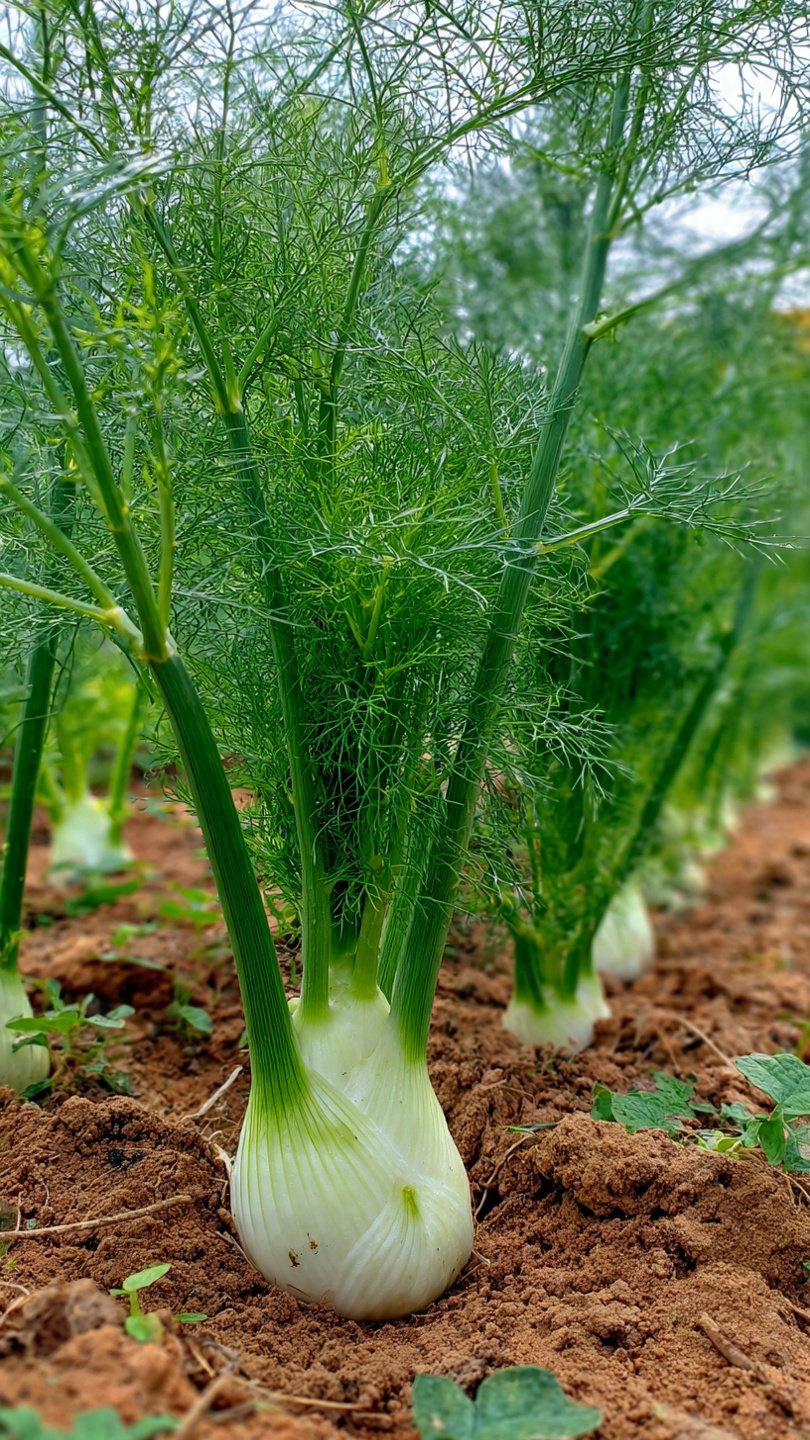
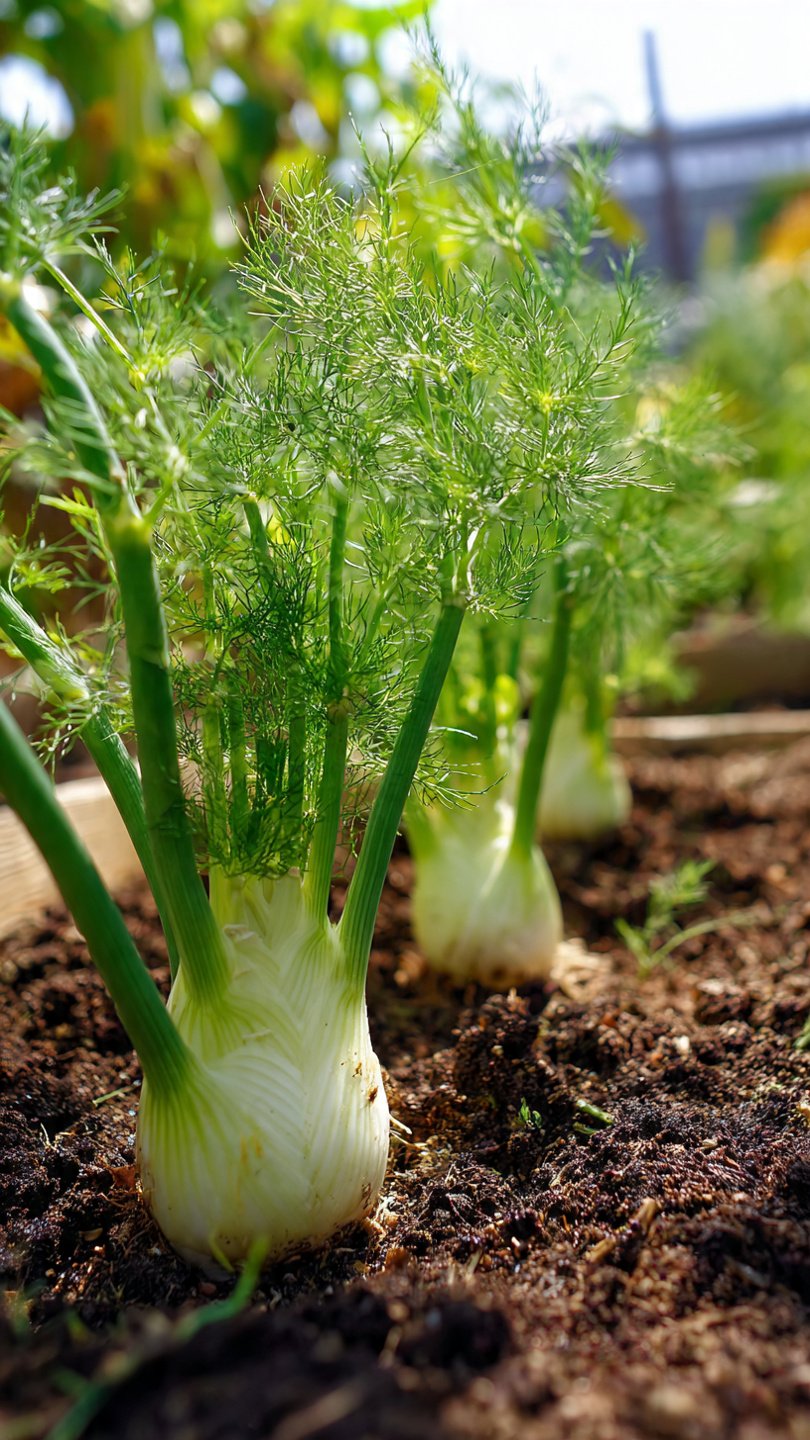
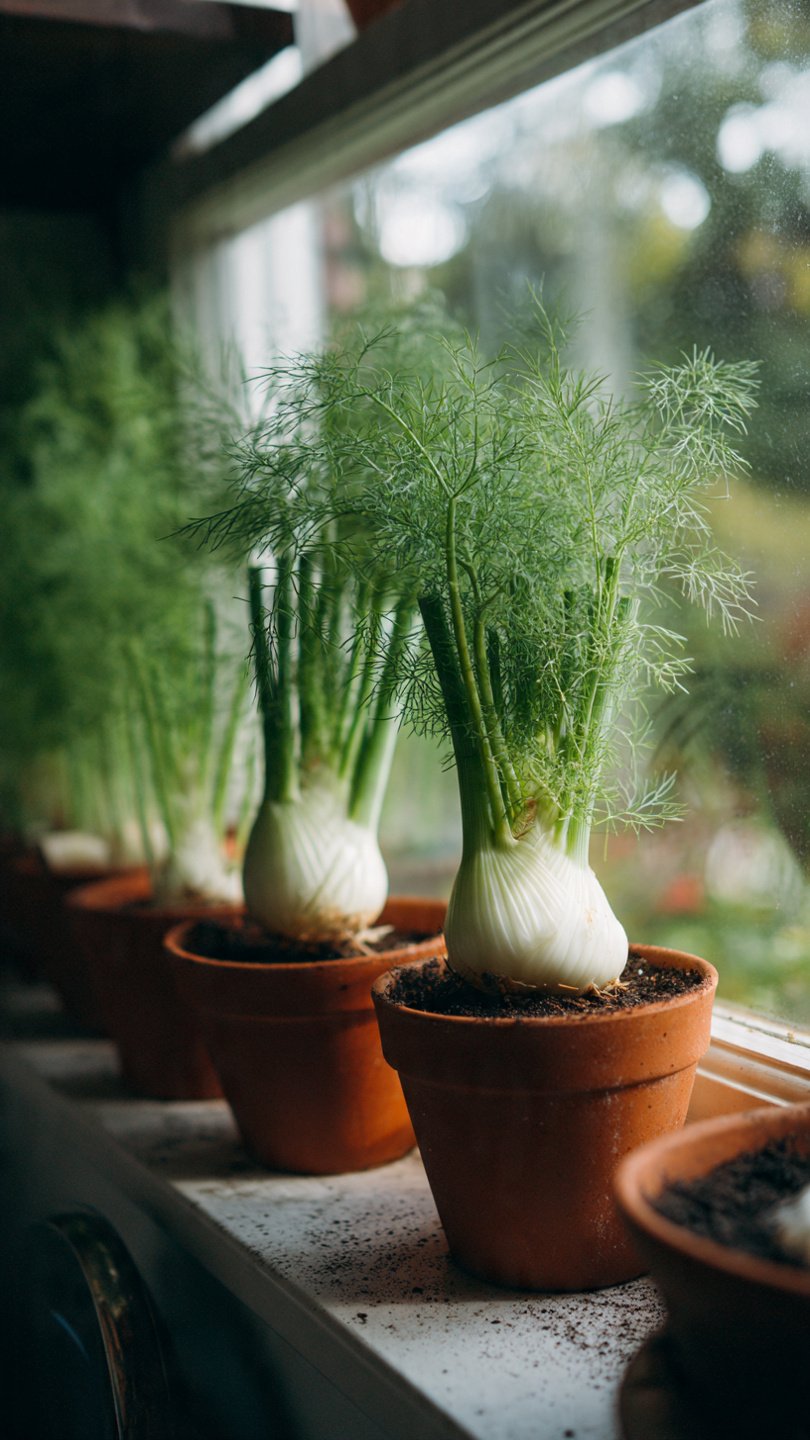
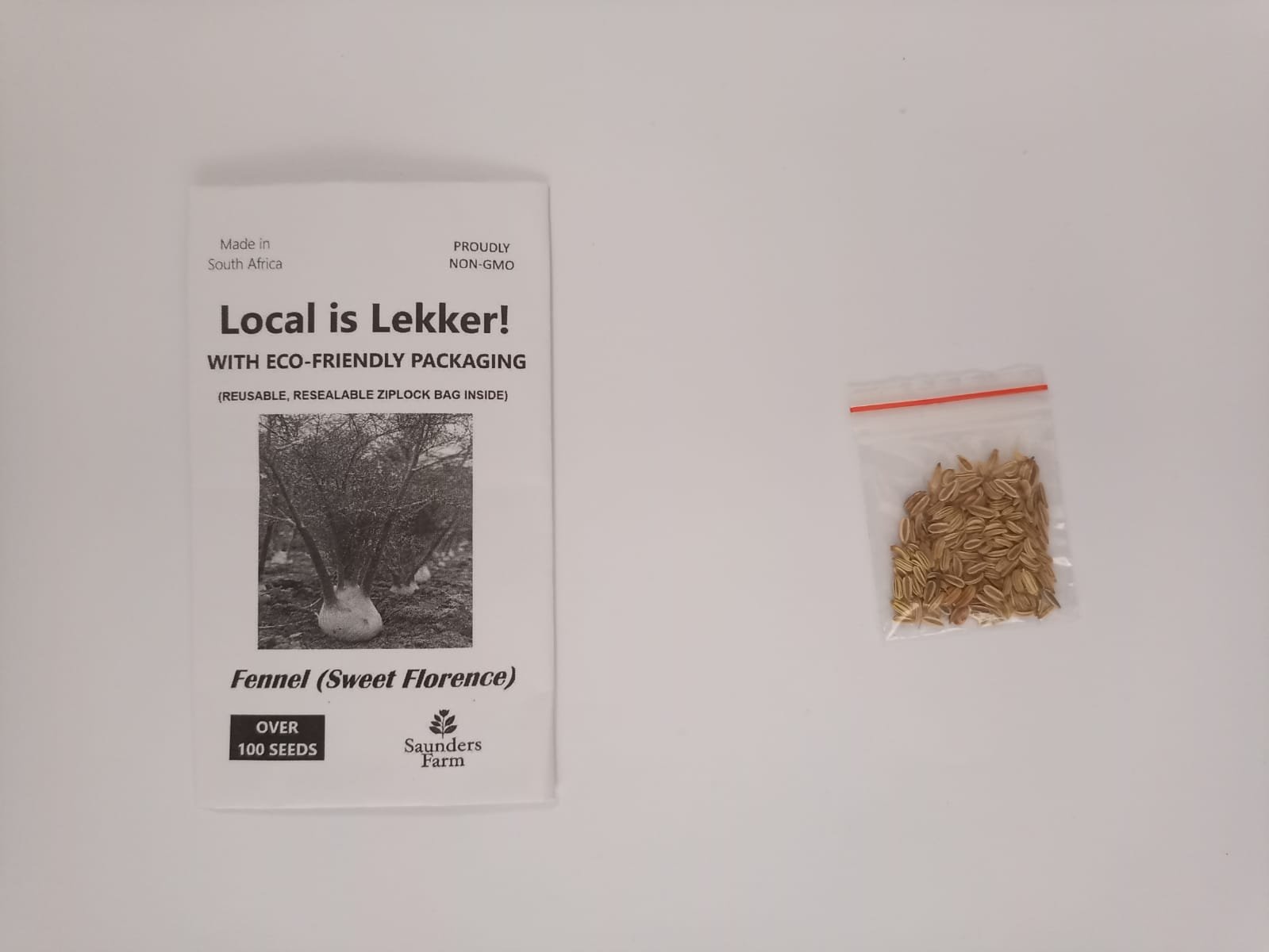
,

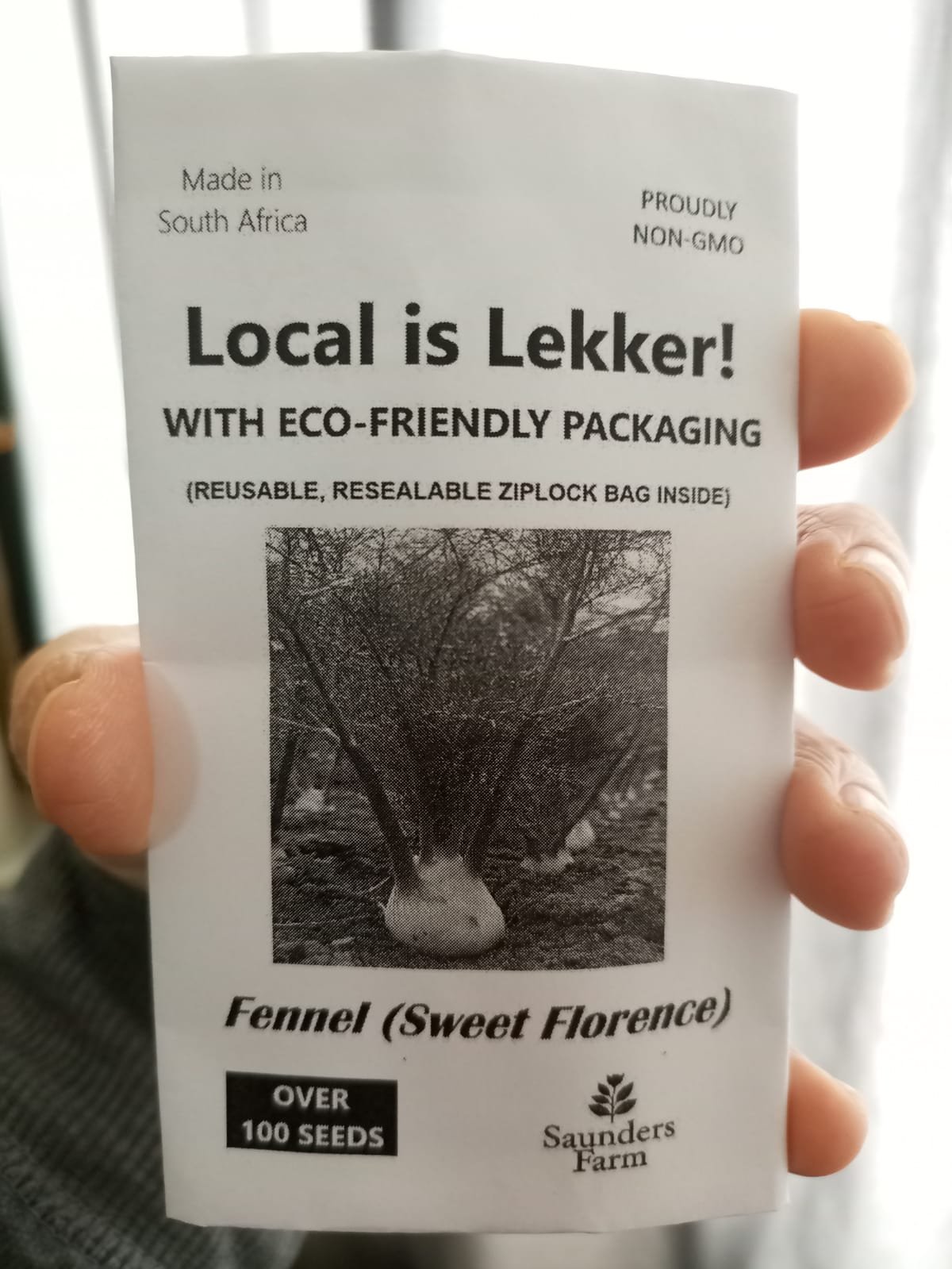
Fennel – Over 100 Seeds

R15.00

Excluding shipping
  • Over 100 Fennel Sweet Florence Seeds
  • Join our WhatsApp Group to see when this product goes on special: https://chat.whatsapp.com/Ly1HQgXpYGXL2ffDGXUl4G
  • Proudly non-GMO
  • ECO-FRIENDLY: Biodegradable packaging with resealable, reusable plastic Ziplock bag inside
  • Made in South Africa, for South Africa

Availability: 21 in stock

Guaranteed Safe Checkout

Grow crispy, aromatic fennel at home with our premium, non-GMO Sweet Florence Fennel seeds.

This heirloom variety is highly prized by South African gardeners for its delicious aniseed flavour, crunchy texture, and versatility in the kitchen.

Perfectly suited for local growing conditions, each packet contains over 100 high-germination seeds to ensure a bountiful harvest.

Why Choose Sweet Florence Fennel Seeds?

  1. Heirloom & Non-GMO: Pure, natural seeds free from genetic modification.
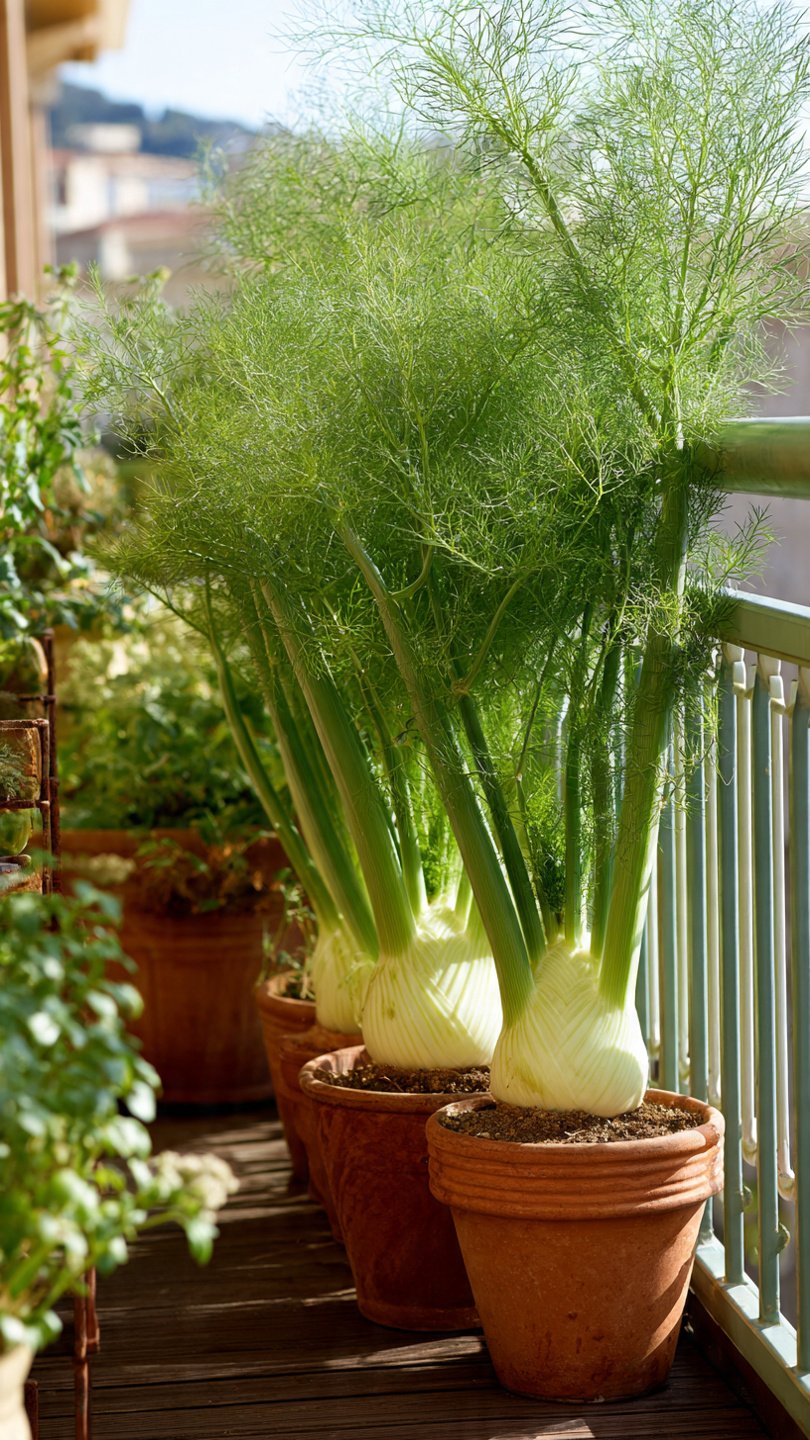
  2. Dual-Purpose Harvest: Yields thick, juicy bulbs and feathery, flavorful fronds.
  3. Excellent Value: Over 100 premium seeds per pack.
  4. Pollinator Friendly: Bright yellow summer flowers attract beneficial garden insects.
  5. South African Favorite: Thrives in full sun across local climate zones.

Quick Growing Guide

  • When to Plant: Sow from autumn to spring in most South African regions.
  • Sunlight Needed: Full sun (minimum 6 hours of direct sunlight daily).
  • Sowing Depth: 10mm deep in rich, well-draining soil.
  • Spacing: Thin seedlings to 20cm–30cm apart.
  • Days to Harvest: 90–110 days from sowing.

Kitchen & Culinary Uses

Sweet Florence Fennel is a gourmet favorite. Slice the crisp bulb raw into summer salads, roast it with olive oil, or braise it for a warm winter side dish.

Use the delicate, feathery leaves as a beautiful garnish or to flavor fish, soups, and teas.

logo simple

Stop Killing Your Seeds!

5 Germination Mistakes Gardeners Must Stop Immediately

Get this free guide (5 minute read) and The Printable Monthly Growing Guide for South Africa (also free), via email:

We don’t spam! Read our privacy policy for more info.

Reviews

There are no reviews yet.

Be the first to review “Fennel – Over 100 Seeds”

Your email address will not be published. Required fields are marked *

How to Grow Fennel From Seed

How to Grow Sweet Florence Fennel from Seed: The Complete South African Guide

Growing your own crispy, aromatic fennel bulbs is highly rewarding.

Sweet Florence Fennel (Foeniculum vulgare var. dulce) thrives in South African conditions, offering crunchy bulbs and delicate, feathery fronds.

Follow this step-by-step guide to successfully grow this gourmet heirloom vegetable from seed.

Quick Growing Facts

When to sow: Autumn (Feb–Apr) and Spring (Aug–Oct)

Position: Full sun (6+ hours daily)

Soil: Rich, loose, well-draining soil (pH 6.0–7.0)

Sowing depth: 10mm deep

Germination time: 10 to 14 days

Time to harvest: 90 to 110 days

Step 1: Choose the Right Time to Plant

Fennel prefers moderate temperatures. Extreme summer heat can cause the plant to bolt (go to seed early), making the bulb tough and bitter.

Cooler & Temperate Regions: Sow in early spring or late summer/autumn.

Subtropical/Frost-Free Regions: Sow during the cooler autumn and winter months.

Step 2: Prepare the Soil

Sweet Florence Fennel needs space to develop its thick, fleshy bulb.Choose a spot with full sun.

Loosen the soil deeply to prevent stunted bulb growth.

Mix in generous amounts of aged compost or well-rotted manure.

Ensure the soil drains well; fennel hates waterlogged roots.

Step 3: Sowing the Seeds

Fennel has a sensitive taproot and does not like being transplanted. Sowing seeds directly into the garden bed is highly recommended.

Make shallow rows 10mm deep, spaced 40cm apart.

Drop seeds along the row, keeping them roughly 10cm apart.

Cover lightly with soil and firm down gently.

Water thoroughly with a fine mist spray to keep the soil moist but not soggy.

Tip: If you must start in trays, use biodegradable peat pots or toilet paper rolls to avoid disturbing the roots during planting.

Step 4: Thinning and Spacing

Once seedlings reach about 10cm tall, thin them out by removing the weaker plants.

Leave a final spacing of 20cm to 30cm between plants. This gives the remaining seedlings enough room to swell and form large, healthy bulbs.

Step 5: Ongoing Care and Watering

Watering: Keep the soil consistently moist. Inconsistent watering or dry spells cause the bulb to become stringy, tough, and prone to bolting.

Feeding: Fennel is a heavy feeder. Apply a liquid organic fertiliser or fish emulsion every 2 to 3 weeks to promote lush, green growth.

Companion Planting

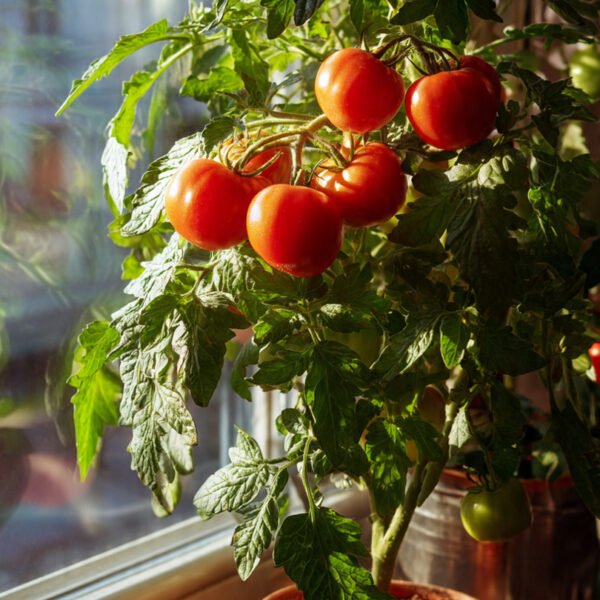
Warning: Plant fennel away from dill, coriander, and tomatoes, as it can cross-pollinate or stunt their growth.

Step 6: Earthing Up (Optional)

When the base of the stem starts to swell into a bulb (around golf-ball size), gently pile soil or mulch around it.

This process, called “earthing up” or blanching, protects the bulb from the sun, keeping it pale white, tender, and sweet.

Step 7: Harvesting Your Fennel

The Fronds: You can snip the feathery green leaves at any time to use as a fresh herb garnish.

The Bulbs: Harvest the bulbs when they are roughly the size of a tennis ball. Cut the bulb at the soil line just above the root, or pull the entire plant up.

Fennel Medicinal and Nutritional Uses

Fennel Medicinal & Nutritional Uses: The Complete Health Guide

Sweet Florence Fennel is more than just a crunchy gourmet vegetable. For centuries, this incredible heirloom plant has been celebrated worldwide for its potent medicinal qualities and exceptional nutritional profile.

Every single part of the fennel plant—the crisp bulb, the feathery green fronds, and the aromatic seeds—is edible and packed with health-promoting compounds.

Here is everything you need to know about the health benefits of adding homegrown fennel to your daily diet.

Key Nutritional Highlights (Per 100g)

Fennel is a low-calorie, nutrient-dense powerhouse.

Consuming fresh fennel provides:

High in Vitamin C: A powerful antioxidant that boosts the immune system and promotes collagen production for healthy skin.

Rich in Potassium: An essential mineral that helps manage blood pressure and supports heart health.

Excellent Dietary Fibre: Supports optimal digestive function and aids in healthy weight management.

Low in Calories: Naturally low in fat and calories, making it a perfect addition to a balanced lifestyle.

Powerful Medicinal Benefits of Fennel

1. Ultimate Digestive Support

Fennel is famously known as a natural remedy for the digestive tract.

The essential oils found in fennel seeds, such as anethole, contain powerful anti-inflammatory and antispasmodic properties.

Relieves Bloating & Gas: Drinking fennel seed tea helps relax the muscles of the gastrointestinal tract, quickly reducing gas, bloating, and stomach cramps.

Eases Indigestion: Fennel stimulates the secretion of digestive enzymes, which helps break down food more efficiently after heavy meals.

2. Loaded with Cell-Protecting Antioxidants

Fennel contains over 28 organic compounds, including powerful polyphenol antioxidants like rosmarinic acid, chlorogenic acid, and quercetin.

These substances neutralise harmful free radicals in the body, lowering chronic inflammation and reducing the risk of lifestyle diseases.

3. Supports Heart Health and Circulation

The high combination of fibre, potassium, and folate in fennel bulbs makes it an excellent vegetable for cardiovascular care.

Manages Blood Pressure: Potassium naturally counteracts the negative effects of sodium, helping to maintain stable blood pressure.

Lowers Cholesterol: The soluble fibre binds to cholesterol in the digestive system, preventing it from absorbing into the bloodstream.

4. Natural Fresh Breath & Oral Hygiene

Chewing on a small spoonful of raw fennel seeds after eating is a traditional practice in many cultures.

Fennel’s natural antibacterial properties eliminate the bacteria that cause bad breath, while its sweet, liquorice-like flavour refreshes the palate instantly.

5. Traditional Respiratory Relief

Historically, fennel has been used as a home remedy for mild respiratory ailments.

The essential oils act as a gentle expectorant, helping to clear congestion, soothe an irritated throat, and calm minor coughs when consumed as a warm herbal infusion.

Quick Ways to Use Fennel for Health

The Daily Crunch: Slice the raw bulb thinly into salads to maximise your intake of live enzymes and fresh Vitamin C.

Soothing Fennel Tea: Crush 1 teaspoon of fennel seeds, steep them in boiling water for 10 minutes, and strain.

Drink after meals to eliminate bloating.

Nutrient Boost: Toss the feathery green fronds directly into green smoothies, soups, or stews for a burst of vitamins and a subtle aniseed flavor.

Fennel Growing Guide

The Ultimate Fennel Growing Guide: From Seed to Harvest

Sweet Florence Fennel (Foeniculum vulgare var. dulce) is a fantastic addition to any South African backyard garden.

Known for its crisp, aniseed-flavoured bulbs and delicate, feathery fronds, this heirloom vegetable is both highly productive and easy to grow from seed.

This comprehensive guide covers everything your customers need to know to grow premium, crunchy fennel bulbs at home.

Quick References

Sowing Seasons: Autumn (Feb–Apr) & Spring (Aug–Oct)

Sunlight Need: Full Sun (6+ hours of direct light)

Sowing Depth: 10mm deep

Seed Spacing: 20cm to 30cm apart

Germination: 10 to 14 days

Days to Harvest: 90 to 110 days

Step 1: When to Plant Fennel in South Africa

Fennel thrives in moderate, cool-to-warm temperatures. Extreme, blistering summer heat can cause the plant to “bolt” (go to seed early), making the bulb tough and bitter.

Temperate & Inland Regions (Highveld): Sow seeds in early spring (August to October) or late summer/autumn (February to April).

Subtropical & Frost-Free Regions (Coastal KZN/Lowveld): Plant during the cooler autumn and winter months for best results.

Winter Rainfall Regions (Western Cape): Autumn sowing is ideal to take advantage of natural winter rains.

Step 2: Preparing the Perfect Garden Bed

Fennel requires loose, fertile soil to allow its underground bulb to expand fully.

Sunlight: Select a permanent spot that receives at least 6 hours of direct sun daily.

Soil Quality: Work a generous layer of organic compost or well-rotted manure into the soil. Ensure the soil is loosened to a depth of at least 30cm.

Drainage: Fennel hates waterlogged conditions. If you have heavy clay, grow your fennel in raised beds or large pots using high-quality potting soil.

Step 3: Sowing the Seeds

Fennel develops a long, sensitive taproot. Because of this, direct sowing into the ground is highly recommended, as transplanting can shock the plant and cause early bolting.

Make shallow rows in your garden bed exactly 10mm deep, leaving 40cm of space between rows.

Drop seeds along the row, keeping them roughly 10cm apart.

Cover lightly with soil and firm down gently to ensure good seed-to-soil contact.

Water thoroughly with a fine mist spray to keep the soil consistently moist until germination.

Tip: If you must start seeds in trays, use biodegradable peat pots or toilet paper rolls so you can plant the entire pot directly into the ground without touching the roots.

Step 4: Thinning and Spacing

When your seedlings reach about 10cm in height, it is time to thin them out.

Gently snip or pull out the weaker seedlings so that the remaining strong plants are spaced 20cm to 30cm apart.

Crowded fennel plants will not have enough physical space to develop thick, fleshy bulbs.

Step 5: Essential Ongoing Care

Watering: Provide consistent, even moisture. Inconsistent watering or allowing the soil to dry out completely will cause the bulb to become stringy, woody, and tough.

Feeding: Fennel is a heavy feeder. Apply a liquid organic fertiliser or a balanced nitrogen-rich fish emulsion every 2 to 3 weeks to support lush foliage growth.

Weeding: Keep the area immediately surrounding your fennel free from weeds, which compete for vital nutrients and moisture.

Step 6: Companion Planting Rules

Fennel is a notorious loner in the vegetable garden. It secretes compounds that can stunt the growth of neighboring plants.

Bad Companions: Do not plant fennel near dill, coriander, caraway, tomatoes, or beans.

Dill and fennel can cross-pollinate, ruining the flavor of both crops.

Good Companions: Fennel does well when planted near peas, lettuce, and sage, or kept completely isolated in its own dedicated patch.

Step 7: How to Blanch the Bulbs (“Earthing Up”)

This optional step produces exceptionally sweet, pale, and tender bulbs.

When the base of the fennel stem starts to swell and reaches roughly the size of a golf ball, gently pile loose garden soil or straw mulch around the base.

This shades the bulb from the sun, keeping it white and crisp.

Step 8: Harvesting Your Bountiful Crop

The Fronds: You can clip the feathery green leaves at any time during the growing season to use as a fresh kitchen herb. Never remove more than one-third of the foliage at once.

The Bulbs: Harvest the bulbs when they are roughly the size of a tennis ball. Use a sharp knife to cut the bulb at the soil line just above the root system, or gently pull the entire plant out of the ground.

Fennel Other Names

The Fennel Other Names Guide: Regional, Culinary, and Botanical Terms

Sweet Florence Fennel is an incredibly versatile heirloom plant grown and loved all over the world.

Because it is used across so many different cultures, cuisines, and languages, it goes by many different names.

If you are looking at international recipes, shopping for traditional remedies, or looking for local variations in South Africa, this quick-reference guide will help you identify exactly what you need.

Botanical and Scientific Names

Understanding the scientific classification helps gardeners ensure they are purchasing the correct variety for crisp, edible bulbs.

Foeniculum vulgare var. dulce: This is the precise scientific name for Sweet Florence Fennel. The dulce (meaning sweet) variety is specifically bred to produce the thick, fleshy, swollen bulb at the base of the stem.

Foeniculum vulgare: This refers to common fennel or wild fennel. This variety is grown primarily for its aromatic seeds and feathery leaves, but it does not form a large, crunchy bulb.

Anethum foeniculum: An older, historical botanical synonym that you might still find in some vintage gardening books or older seed archives.

Common Regional Names

Different English-speaking countries and culinary traditions use various names for the same plant.

Finocchio: This is the traditional Italian name for Florence fennel. Because Italy is the birthplace of many iconic fennel dishes, international cookbooks routinely use “Finocchio” when referring to the crisp vegetable bulb.

Anise / Aniseed: This is a very common source of confusion! While fennel tastes strongly of aniseed, true anise (Pimpinella anisum) is an entirely different plant from the parsley family.

However, in many North American and local supermarkets, fennel bulbs are incorrectly labeled as “Anise.”

Bulb Fennel / Roman Fennel: Descriptive names used globally to distinguish the bulb-forming variety from common herb fennel.

South African Local Names

In South Africa’s diverse, multilingual gardening community, you will often hear fennel referred to by its local names:

Vinkel (Afrikaans): The widely used Afrikaans term for fennel. This word is deeply embedded in local culture, even appearing in traditional idioms like “As die vinkel nie daar is nie, is die koljander daar” (signifying two things that are very similar or always found together).

Imfino (isiZulu / isiXhosa): While imfino is a broad term used for various wild, edible green leafy vegetables and herbs harvested for traditional dishes, fennel fronds are often grouped under this umbrella in local rural communities.

Names in Popular International Cuisines

If you love exploring global flavours, they will find fennel listed under these names:

Fenouil (French): Used in classic French cooking, particularly in Mediterranean fish dishes and stews.

Hinojo (Spanish): Widely used across Spanish and Latin American cooking, both for the raw bulb and the seeds.

Saunf / Sauf (Hindi): In Indian cuisine, fennel seeds are a staple spice. Sugar-coated saunf is famously served after meals as a digestive aid and breath refresher.

Shopping Basket
0
    0
    Your Cart
    Your cart is emptyReturn to Shop
    Scroll to Top