,

Godetia – Over 100 Seeds

R15,00

Excluding shipping

Availability: 10 in stock

Guaranteed Safe Checkout

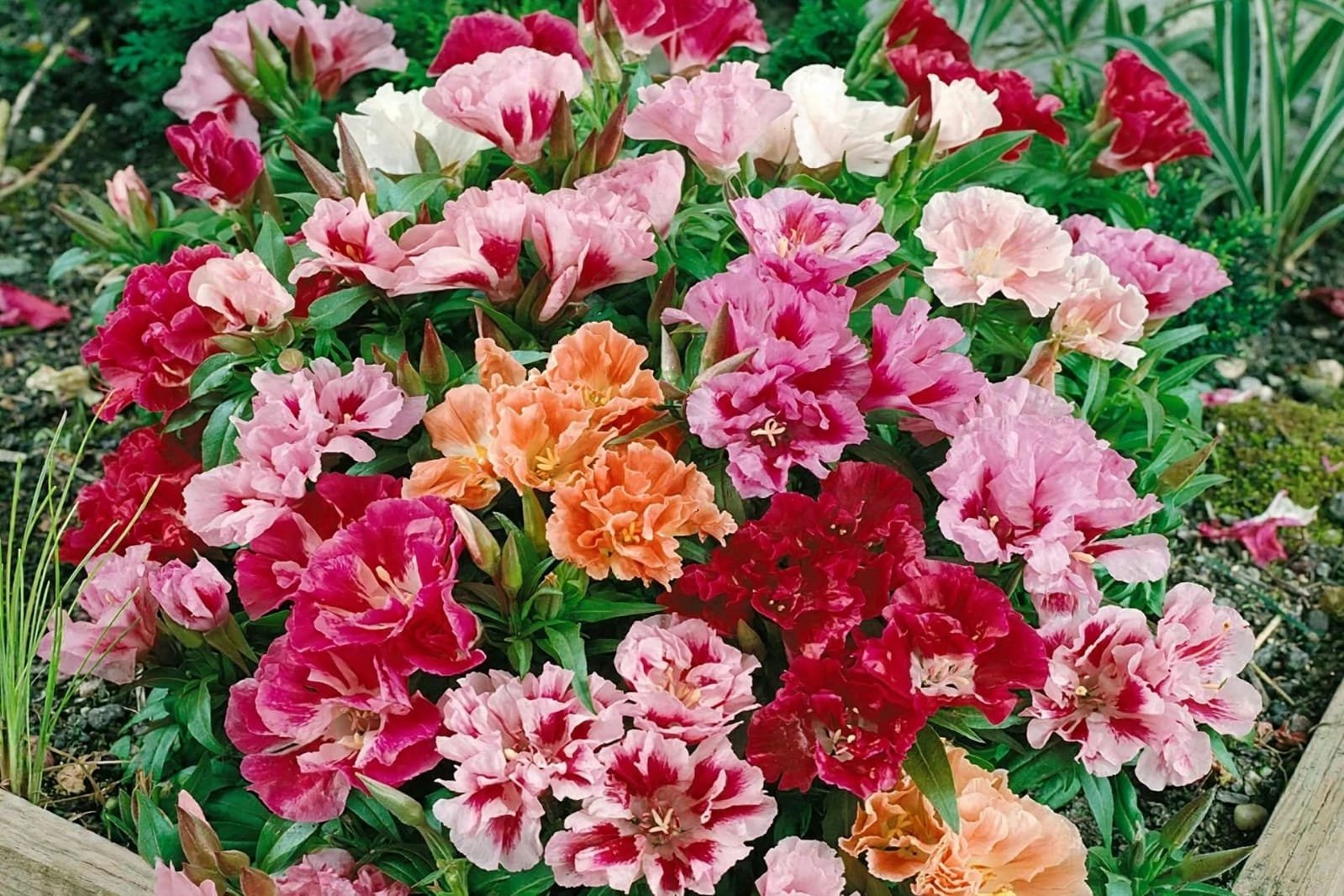
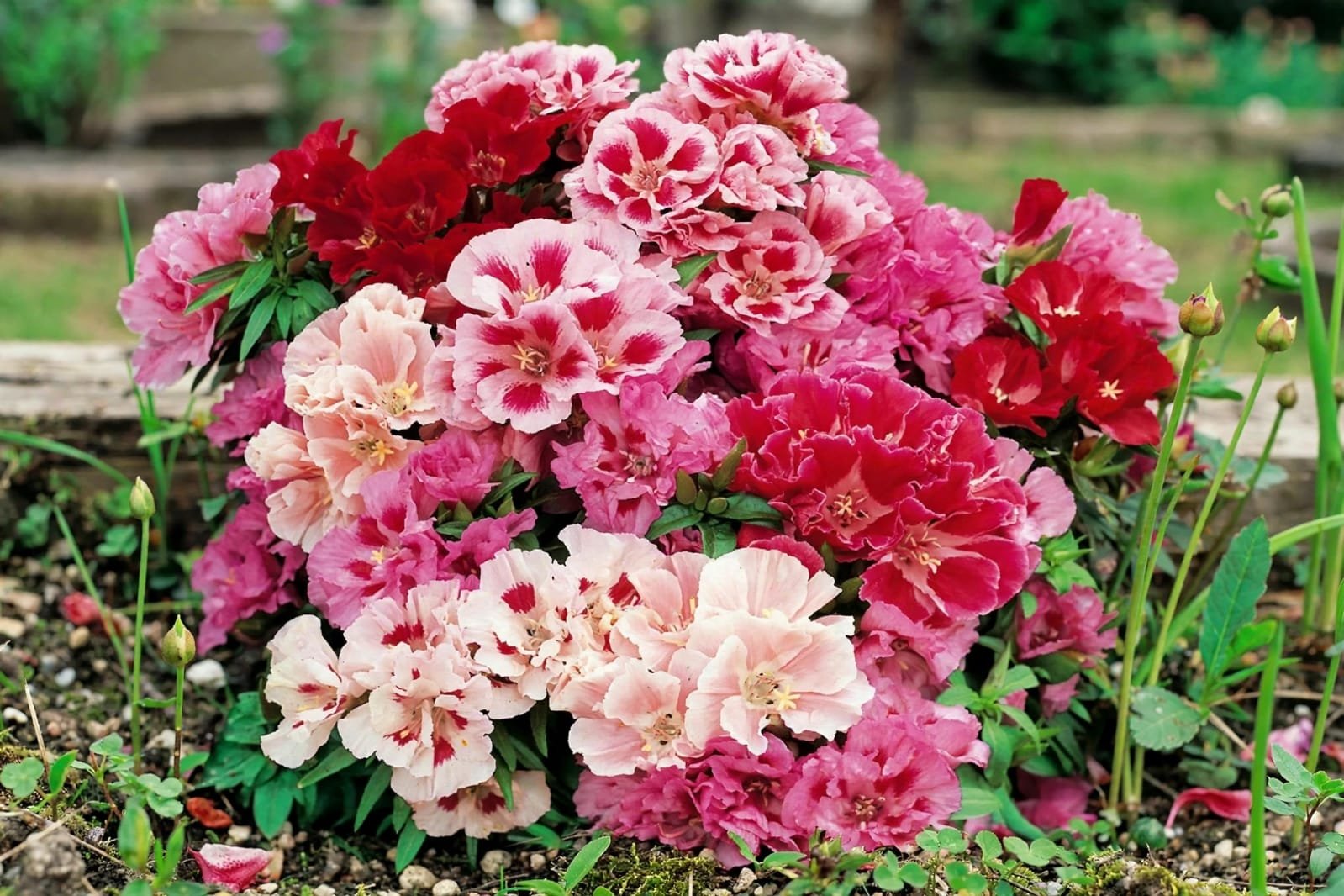
Bring a breath-taking flush of texture and color to your garden beds with our premium Godetia Azalea Flowered Double Mix seeds.

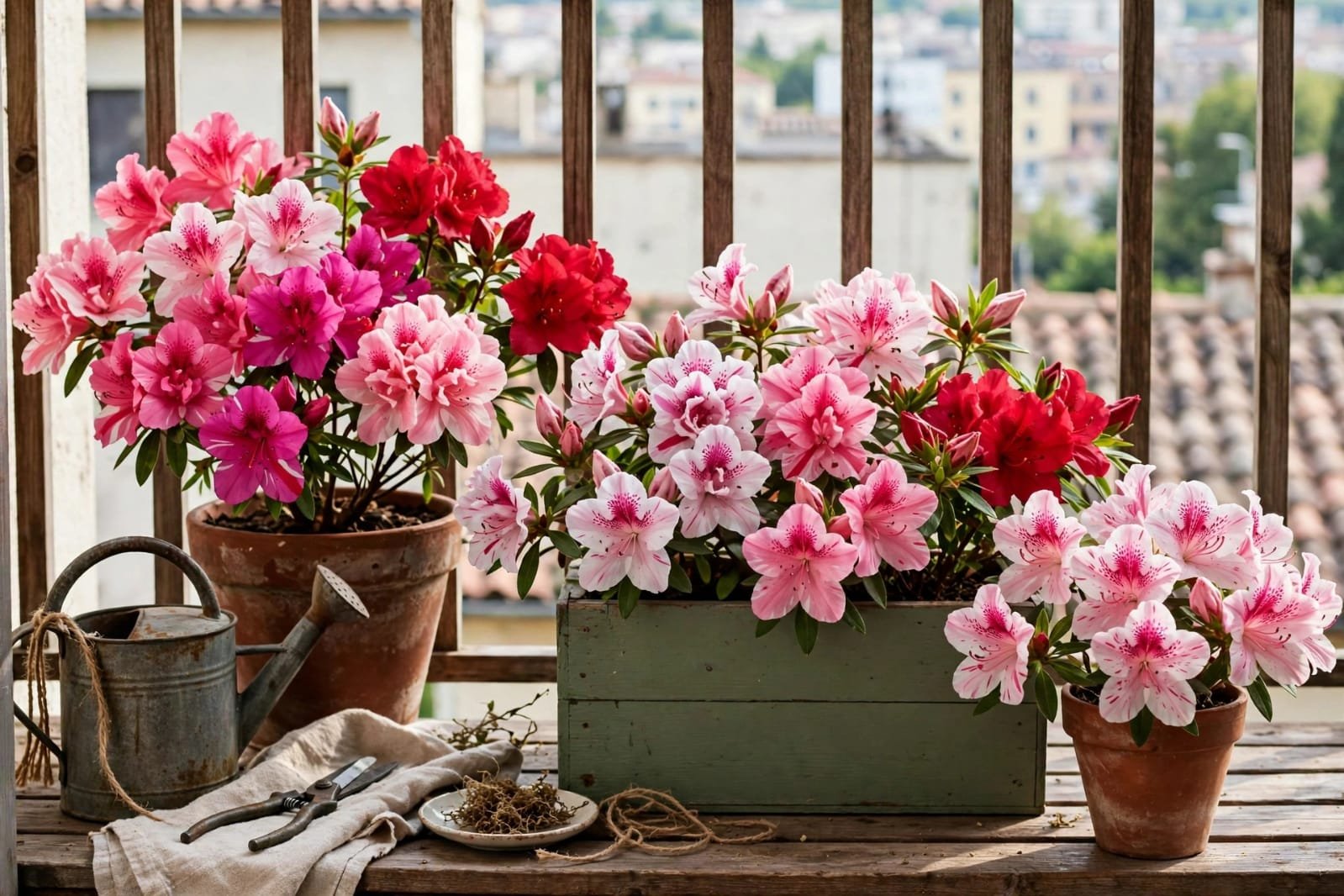
Known affectionately as the Satin Flower or Satynblom, this magnificent cool-season annual produces dense clusters of double and semi-double blooms with delicately ruffled petals that mimic the elegance of azaleas.

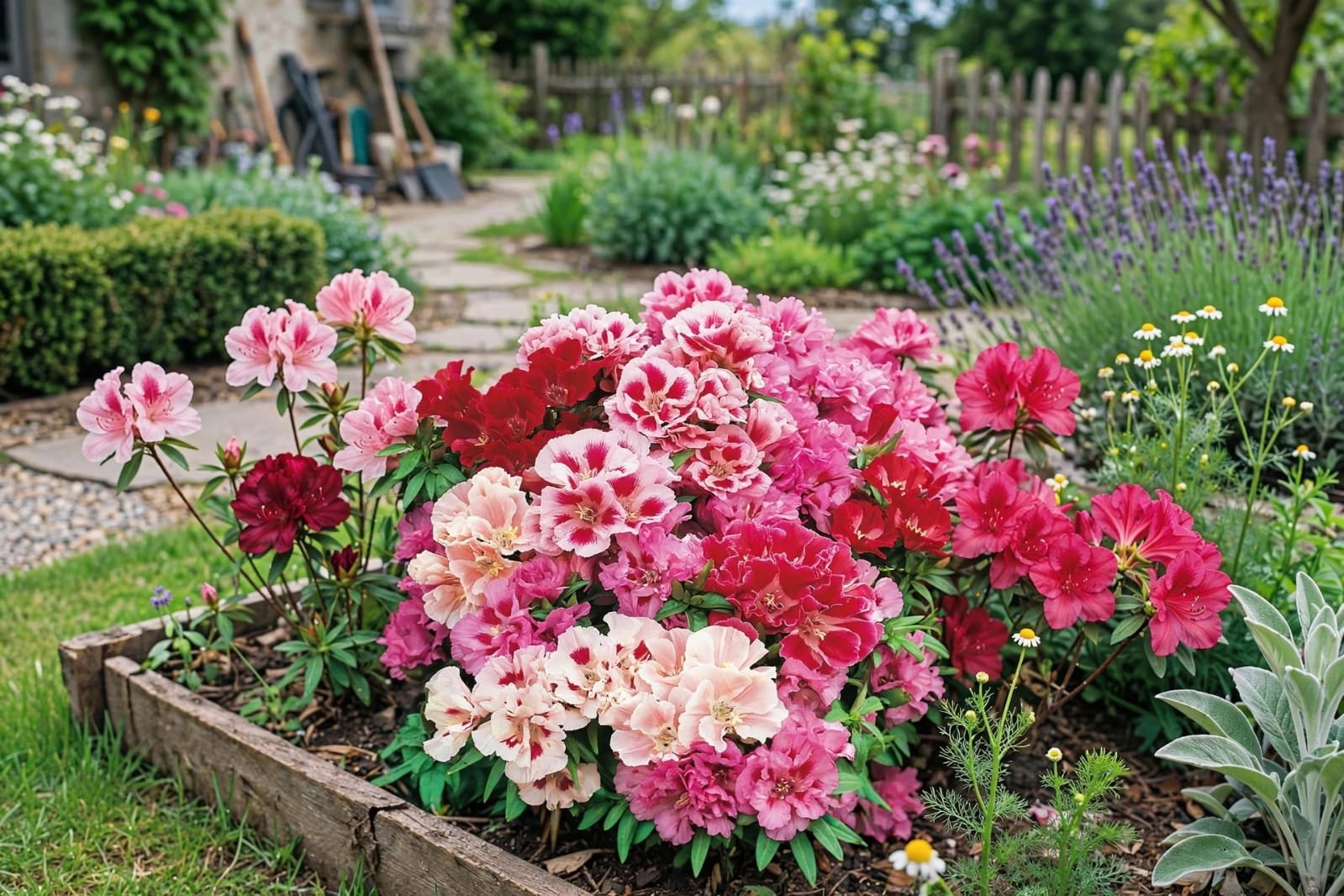
Perfect for South African microclimates, this mix delivers an eye-catching display of shimmering white, soft pink, rose, and brilliant crimson bi-colors, growing to a compact and manageable height of roughly 30 to 40 cm.

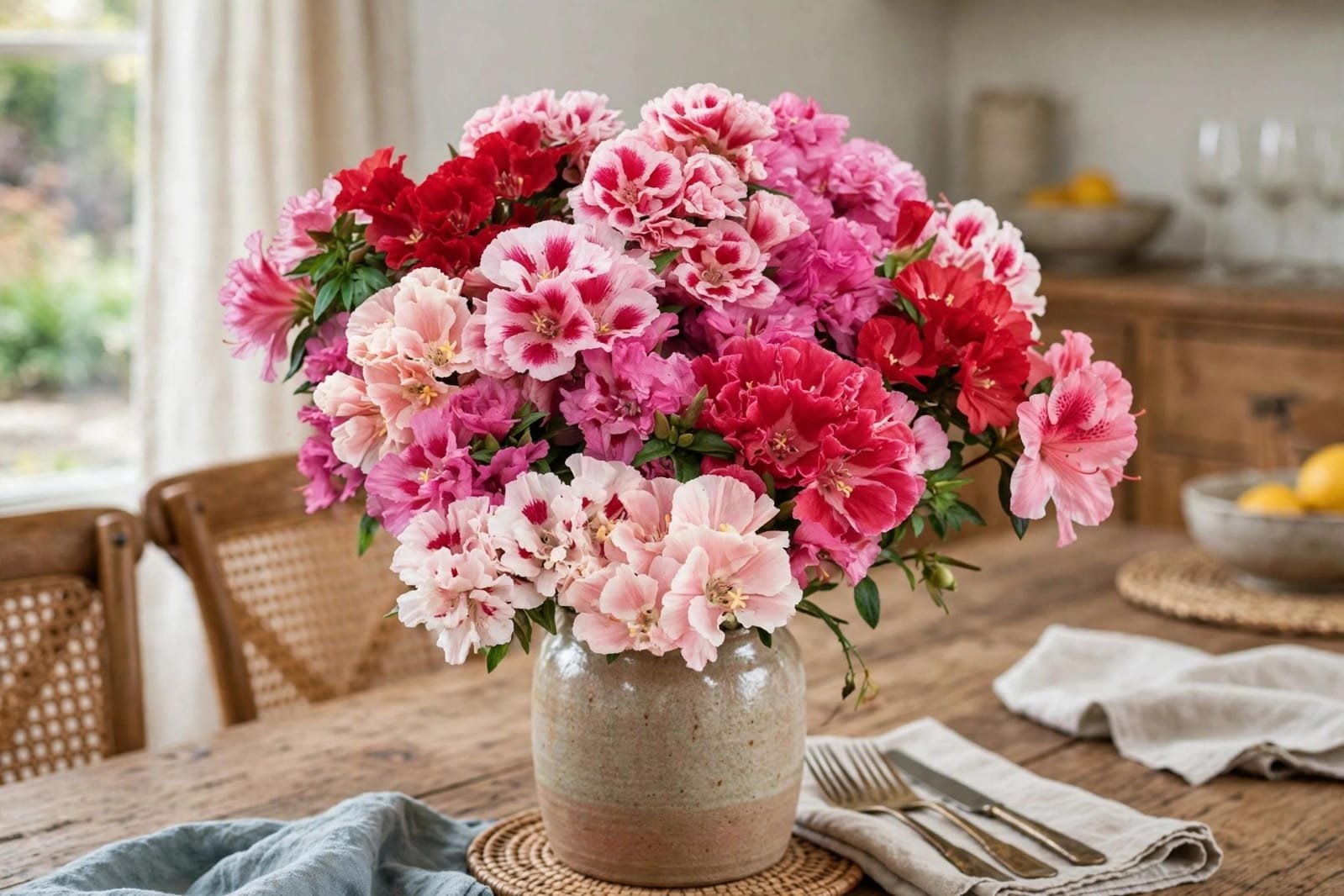
Whether you are looking to create a striking low border, fill up your patio containers, or cultivate long-lasting, show-stopping cut flowers for your vases, this variety is an exceptional choice.

Godetia is highly favored by local gardeners for its fuss-free nature, excellent disease resistance, and reliable drought tolerance once fully established.

Each of our seed packets contains over 100 seeds, giving you plenty of opportunities to cultivate a mass planting for maximum visual impact.

We take pride in sourcing strictly heirloom, non-GMO seeds, ensuring you receive pure, high-quality genetics capable of thriving naturally in your home garden.

South African Sowing and Growing Guide

To achieve the best results in South African conditions, timing your planting is key.

Godetia performs at its absolute peak during cool, bright weather.

Sowing Season: In frost-free or coastal regions (such as the winter-rainfall Western Cape or subtropical districts), sow these seeds in autumn to early winter (April to August) for spectacular late-winter and spring blooms.

For cold, frost-prone inland areas, sow under protection in late winter or directly into beds in early spring once the risk of severe frost has passed.

Position: Choose a spot that receives full sun to very light afternoon shade.

Soil Requirements: Godetia thrives in well-drained, sandy, or moderately fertile soil. Avoid overly rich soils high in nitrogen, as this encourages excessive leaf growth instead of the abundant flower clusters you want.

Sowing Depth: Surface-sow the seeds directly into prepared garden beds or seedling trays, pressing them gently into the soil. Cover with a very fine 3 mm layer of compost or vermiculite. These seeds require light to trigger optimal germination.

Germination and Spacing: Expect to see sprouts emerge within 10 to 14 days when soil temperatures are kept around 18°C to 22°C. Thin or space your final plants 25 to 30 cm apart to ensure excellent airflow and prevent fungal dampening.

Watering: Keep the soil consistently moist but never waterlogged during the early germination phase. Once established, reduce watering and allow the soil to dry out slightly between intervals, as they prefer a leaner water regimen.

Product Specifications

Botanical Name: Clarkia amoena (syn. Godetia grandiflora)

Variety: Azalea Flowered Double Mix

Seed Type: Heirloom, Non-GMO

Package Content: Over 100 seeds per pack

Plant Type: Hardy Annual

Maturity Time: 75 to 90 days from germination
Reviews

There are no reviews yet.

Be the first to review “Godetia – Over 100 Seeds”

Your email address will not be published. Required fields are marked *

How to Grow Godetia from Seed

How to Grow Godetia from Seed: The Ultimate South African Guide

Growing Godetia (Clarkia amoena), traditionally known as the Satin Flower or Satynblom, is one of the most rewarding projects for South African gardeners.

Celebrated for their show-stopping, ruffled blooms that resemble azaleas, these cool-season annuals bring vibrant, shimmering colour to garden beds, borders, and containers.

Follow this comprehensive guide to successfully germinate and grow Godetia from seed in local conditions.

Step 1: Time Your Planting Perfectly

Godetia is a hardy, cool-season annual that thrives in bright, crisp weather and struggles in intense summer heat.

Timing depends heavily on your local South African climate zone:

Winter-Rainfall & Coastal Regions (e.g., Western Cape, Eastern Cape): Sow seeds in autumn (April to June). The plants will establish during the cool winter months and burst into spectacular bloom from late winter through spring.

Frost-Prone Inland Regions (e.g., Highveld, Free State): Sow seeds in late winter or early spring (August to September) once the risk of severe black frost has passed, or start them indoors in seedling trays 4 to 6 weeks before the last frost date.

Step 2: Choose the Ideal Location

To get the most abundant flower clusters, place your Godetia where it will receive full sun to very light afternoon shade.

Select an area with poor to moderately fertile, well-draining soil. A common mistake is planting Godetia in overly rich, highly fertilised soil. Too much nitrogen encourages the plant to produce massive amounts of green foliage at the expense of its signature double flowers. Sandy or gravelly soils are perfect.

Step 3: Sow the Seeds (Direct vs. Trays)

Godetia has a delicate root system and ideally prefers to be sown directly where it is to flower. However, you can easily raise them in seedling trays if you use biodegradable peat pots or plug trays to minimise root disturbance during transplanting.

Prepare the Soil: Rake the garden bed until the soil is fine and crumbly. Ensure the area is completely weed-free.

Sow on the Surface: Godetia seeds are tiny and require light to germinate. Scatter the seeds thinly across the soil surface or seedling mix. Press them gently down so they make good contact with the soil, but do not bury them deeply.

Light Cover: Lightly dust a very fine layer (no more than 3 mm) of fine compost, sand, or vermiculite over the top.

Moisten Gently: Mist the area using a spray bottle or a hose with a fine misting nozzle. Do not flood the seeds, or they will wash away.

Step 4: Germination Care

Keep the soil consistently moist but never waterlogged. At ideal soil temperatures of 18°C to 22°C, you can expect sprouts to emerge within 10 to 14 days.

Step 5: Thinning and Spacing

Once your seedlings develop a few sets of true leaves, they must be thinned out. If left crowded, the plants will become leggy and susceptible to fungal dampening.

Thin direct-sown seedlings to a final spacing of 25 to 30 cm apart. This spacing allows excellent airflow around the base, keeping the stems sturdy and self-supporting as they reach their mature height of 30 to 40 cm.

Step 6: Watering and Maintenance

Watering: Once established, Godetia is remarkably drought-tolerant. Reduce your watering schedule and allow the top few centimetres of soil to dry out between waterings. Overwatering can lead to root rot.

Fertilising: Avoid high-nitrogen chemical fertilisers. If your soil is exceptionally poor, a single application of a diluted, organic, bloom-boosting liquid fertiliser (low in nitrogen) just as buds form is all they need.

Deadheading: Regularly pinch off faded, spent blooms. This prevents the plant from setting seed too early and encourages a continuous flush of fresh flowers.

Pro-Tips for South African Gardeners

Mass Planting: For a jaw-dropping visual impact, sow your pack of over 100 seeds in dense drifts or blocks rather than single rows. This creates a solid carpet of satin-like texture.

Stunning Cut Flowers: Cut the stems for vases just as the lower buds on the stalk begin to open. They will continue to unravel indoors, lasting up to two weeks in clean water.

Godetia Growing Guide

The Ultimate Godetia Growing Guide: From Seed to Spectacular Satin Blooms

Godetia (Clarkia amoena), widely known as the Satin Flower or Satynblom, is a show-stopping, cool-season annual that brings an elegant flush of color to South African gardens.

With blossoms featuring ruffled, delicate petals that mimic the beauty of azaleas, this hardy plant is perfect for creating dense garden borders, vibrant container arrangements, and long-lasting cut flower displays.

This comprehensive growing guide provides all the information you need to successfully cultivate Godetia from seed to full bloom in South African conditions.

Quick Reference Overview

  • Plant Type: Cool-season hardy annual
  • Sunlight Needs: Full sun to light afternoon shade
  • Soil Preference: Poor to moderately fertile, sandy, well-drained
  • Sowing Depth: Surface sow (requires light to germinate)
  • Germination Time: 10 to 14 days
  • Plant Spacing: 25 to 30 cm apart
  • Mature Height: 30 to 40 cm
  • Time to Bloom: 75 to 90 days from germination

Step 1: Choosing the Perfect Location

To get the most vibrant colors and abundant flower clusters, place your Godetia where it will receive full sun. In exceptionally hot inland areas, a spot with very light afternoon shade will protect the delicate petals from scorching.

The secret to thriving Godetia is lean soil. It prefers poor to moderately fertile, well-draining sandy loam. Avoid planting them in heavily composted or highly fertilized garden beds. Too much nitrogen causes the plant to produce massive amounts of green foliage at the expense of its signature double flowers.

Step 2: Optimal Sowing Windows for South Africa

Godetia thrives in bright, crisp, cool weather and struggles in intense summer heat. Timing your planting according to your regional climate zone is crucial:

Winter-Rainfall & Coastal Regions (e.g., Western Cape, Eastern Cape): Sow seeds in autumn (April to June). The plants will establish during the cool, rainy winter months and burst into a spectacular blanket of color from late winter through spring.

Frost-Prone Inland Regions (e.g., Highveld, Free State): Sow seeds in late winter or early spring (August to September) once the threat of severe black frost has passed. Alternatively, start them indoors under protection 4 to 6 weeks before the final frost date.

Step 3: How to Sow Godetia Seeds

Godetia possesses a delicate taproot system and performs best when sown directly into its final growing position. If you choose to start them in seedling trays, use biodegradable peat pots or plug units to minimize root disturbance during transplanting.

Prepare the Bed: Rake the soil until it is fine, crumbly, and entirely weed-free.

Sow on the Surface: Godetia seeds are tiny and strictly require light to trigger germination. Scatter the seeds thinly across the soil surface. Press them gently downward with your hand or a flat board so they make solid contact with the soil, but do not bury them.

Light Cover: Lightly dust an incredibly fine layer (no more than 3 mm) of fine sand or vermiculite over the top to keep them in place.

Water Gently: Mist the area thoroughly using a spray bottle or a hose fitted with a fine misting nozzle. Avoid heavy watering, which can wash the tiny seeds away.

Step 4: Germination and Thinning

Keep the soil consistently moist but never soggy. At ideal soil temperatures of 18°C to 22°C, sprouts will begin to emerge within 10 to 14 days.

Once your seedlings develop two sets of true leaves, thin them out. Crowded plants will become weak, leggy, and highly susceptible to fungal disease.

Thin direct-sown seedlings to a final spacing of 25 to 30 cm apart. This ensures excellent airflow and lets the plants support each other as they reach their mature height.

Step 5: On-Going Maintenance and Care

Watering: Once established, Godetia is remarkably drought-tolerant. Reduce your watering frequency and allow the top few centimeters of soil to dry out between intervals. Overwatering quickly leads to root rot.

Feeding: Do not use high-nitrogen fertilizers. If your soil is exceptionally depleted, a single application of a diluted, organic, bloom-boosting liquid fertilizer (rich in potassium and phosphorus) just as buds form is all they require.

Deadheading: Regularly pinch off faded, spent blooms. This prevents the plant from expending energy on setting seed too early and encourages a continuous flush of fresh flowers.

Expert Gardening Tips

Mass Displays: For maximum visual impact, sow your packet of over 100 seeds in dense drifts or blocks rather than single lines. This creates a striking, seamless carpet of satin texture.

Stunning Cut Flowers: Cut the flower stems for indoor vases just as the lower buds on the stalk begin to unfurl. They will continue to open beautifully indoors, lasting up to two weeks in clean water.

Godetia Other Names

The Ultimate Guide to Godetia: Alternative Names, Synonyms, and Local Terms

When sourcing seeds, designing garden layouts, or researching plant care, you might encounter Godetia (Clarkia amoena) under several different common names, older botanical classifications, and regional terms.

Understanding these alternative names ensures you are buying the correct variety and helps you discover fascinating historical facts about this spectacular annual.

Botanical Names and Scientific Synonyms

In the scientific community, plants are often reclassified as botanists map out genetic relationships. Godetia has a few notable scientific aliases:

Clarkia amoena: This is the current, officially accepted botanical name for Godetia. The genus is named in honour of Captain William Clark (of the famous Lewis and Clark Expedition). The species name amoena is Latin for “pleasing,” “beautiful,” or “charming”—a perfect description of its blossoms.

Godetia grandiflora: This is an older, historical botanical name. While modern botany groups these plants under Clarkia, many traditional seed houses, heirloom cataloguers, and gardening books still use Godetia as either a common name or a scientific synonym.

Clarkia rosea / Godetia rosea: Older terms occasionally used to describe specific pink wild variants before modern cultivated mixes (like our Azalea Flowered Double Mix) were established.

Popular Common Names Worldwide

Depending on where you are in the world, gardeners refer to this plant by a few highly descriptive common names:

Satin Flower: This is the most common English nickname for Godetia. It perfectly describes the texture of the flower petals, which possess a distinct, shimmering, silk-like lustre that catches the sunlight beautifully.

Farewell-to-Spring: In its native habitat of western North America, wild Godetia blooms at a very specific time—right at the tail end of spring and the beginning of hot summer. Its appearance signals the transition of seasons, giving rise to this poetic name.

Herald-of-Summer: Mirroring “Farewell-to-Spring,” this name highlights its role as a seasonal transition marker in northern hemisphere climates.

Local South African Names

To connect with local customers and gardening traditions within South Africa, you will frequently see it listed under Afrikaans terminology:

Satynblom: This is the direct Afrikaans translation of “Satin Flower.” It is widely used by local nurserymen and heritage gardeners across the country to describe the plant’s characteristic shiny, ruffled petals.

Godetia: Used interchangeably in both English and Afrikaans gardening circles as a familiar, easy-to-remember common name.

Confusions and Lookalikes (What Godetia is NOT)

When search engines look for plant names, users occasionally conflate Godetia with other popular flowers due to physical similarities or linguistic mix-ups.

Azalea Flower: Our specific seed variety is named Azalea Flowered Double Mix because the dense, ruffled double blossoms heavily mimic true azaleas.

However, true Azaleas (Rhododendron) are woody evergreen shrubs, whereas Godetia is a soft-stemmed herbaceous annual.

Evening Primrose: Godetia belongs to the Onagraceae (Evening Primrose) botanical family. While it shares some growth habits with true evening primroses (Oenothera), they are distinct genera with completely different landscape uses and seed structures.

Shopping Basket
0
    0
    Your Cart
    Your cart is emptyReturn to Shop
    Scroll to Top