,

Parsley Champion Moss Curled – Over 100 Seeds

R15.00

Excluding shipping
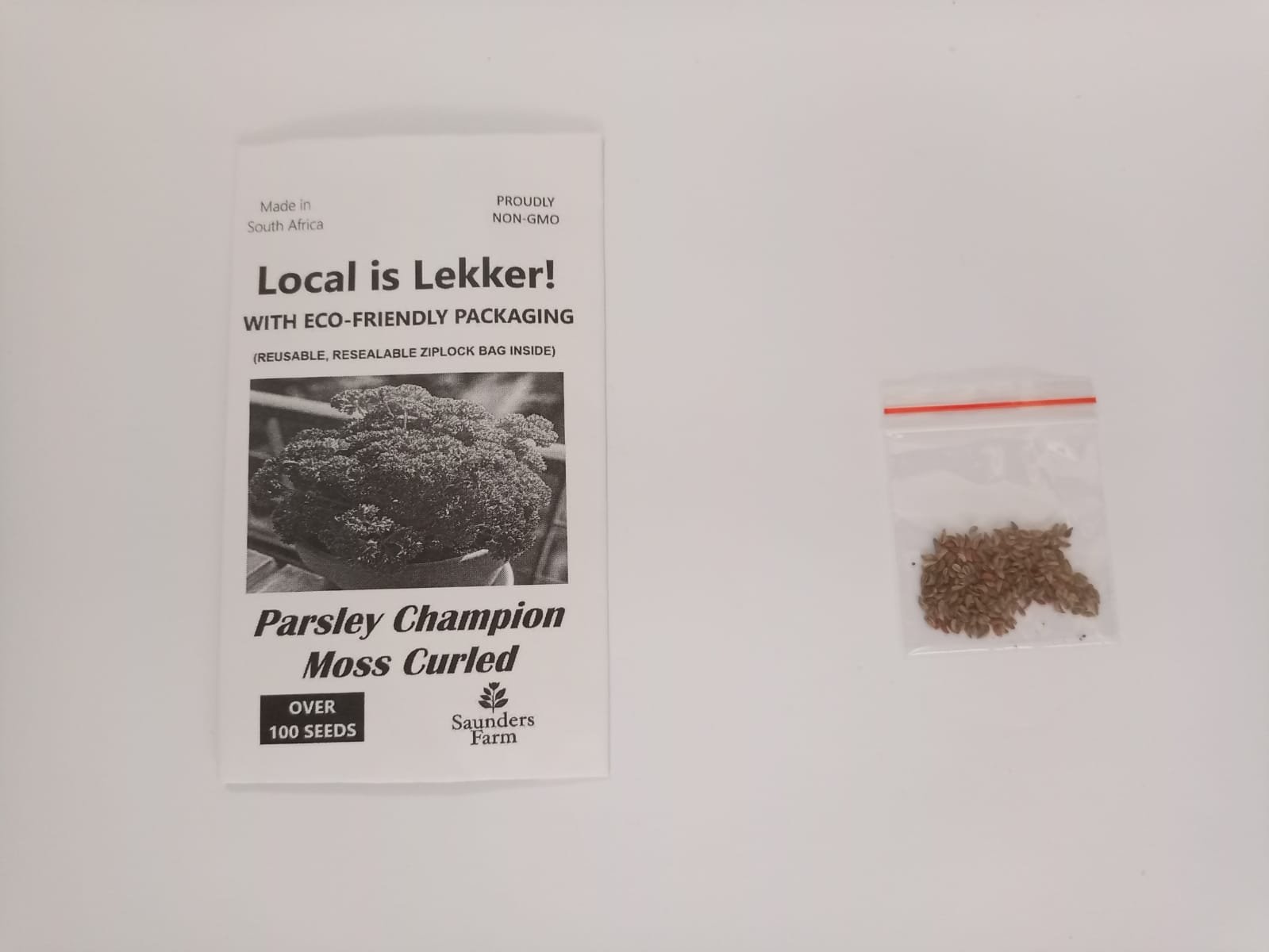
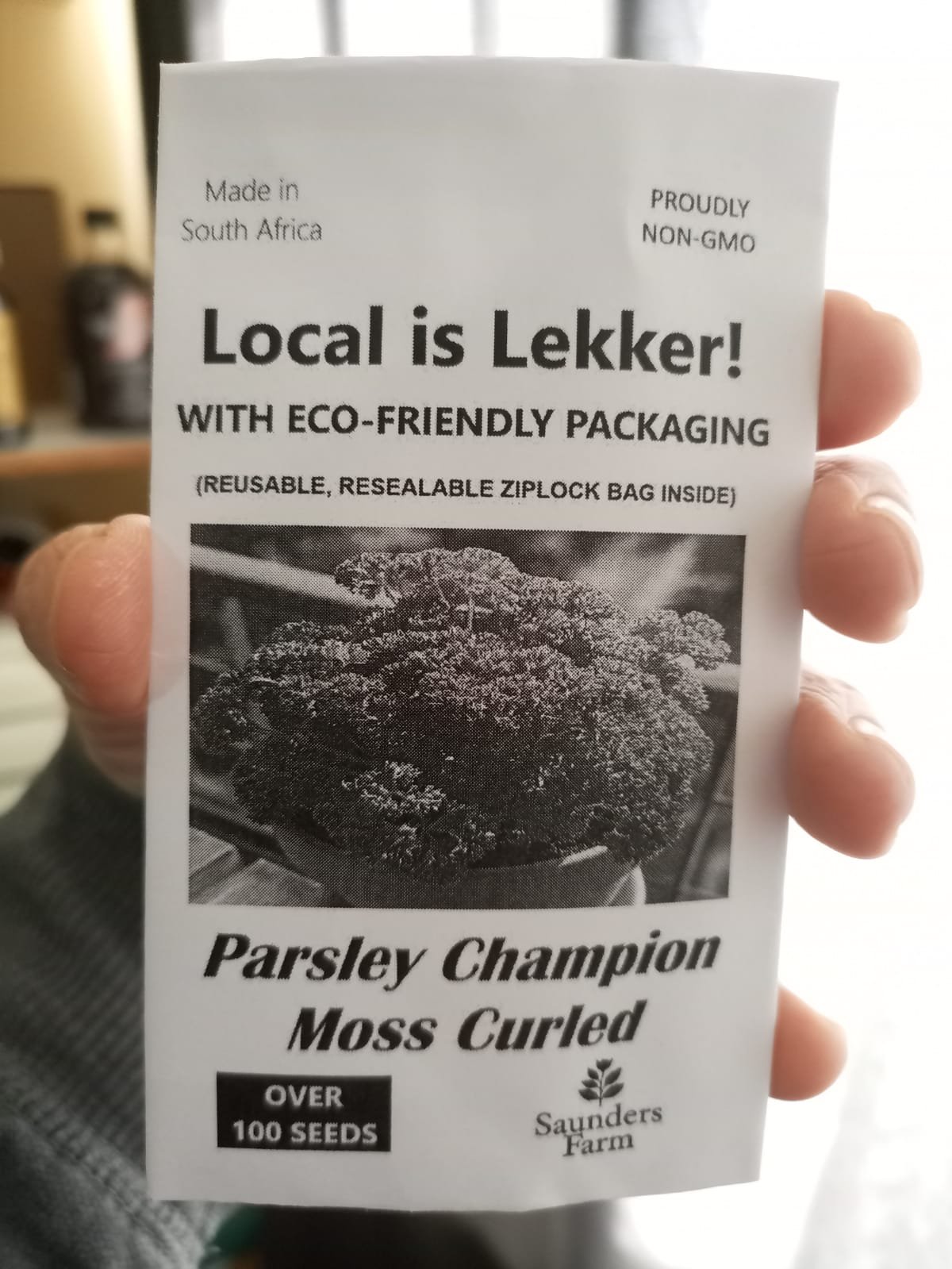
  • Over 100 Parsley (Champion Moss Curled) Seeds
  • Join our WhatsApp Group to see when this product goes on special: https://chat.whatsapp.com/Ly1HQgXpYGXL2ffDGXUl4G
  • Proudly non-GMO
  • ECO-FRIENDLY: Biodegradable packaging with resealable, reusable plastic Ziplock bag inside
  • Made in South Africa, for South Africa

Availability: 120 in stock

Guaranteed Safe Checkout

Heirloom Champion Moss Curled Parsley Seeds (100+ Seeds) | Non-GMO Crisp Parsley

Elevate your home herb garden with our premium Heirloom Champion Moss Curled Parsley seeds (Petroselinum crispum).

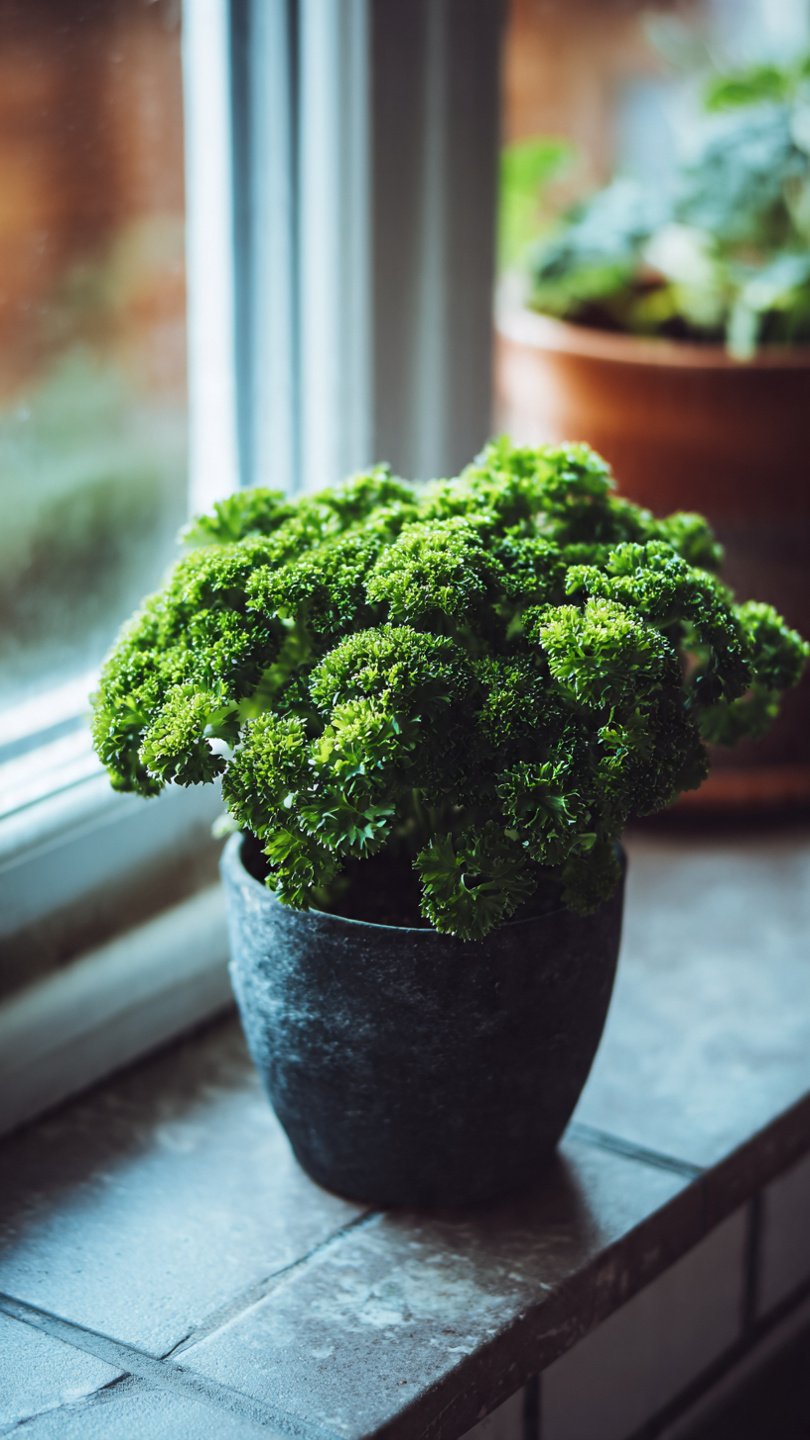
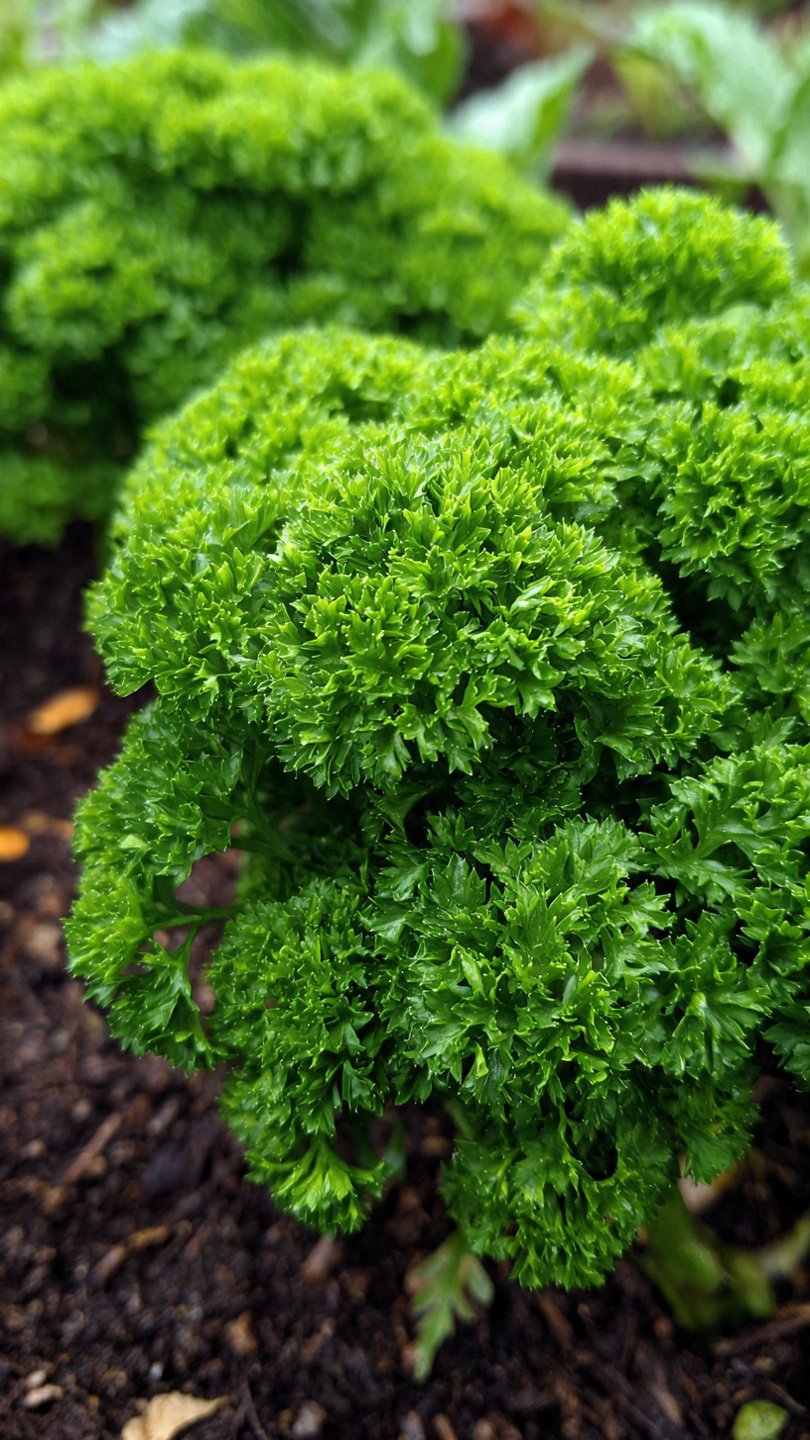
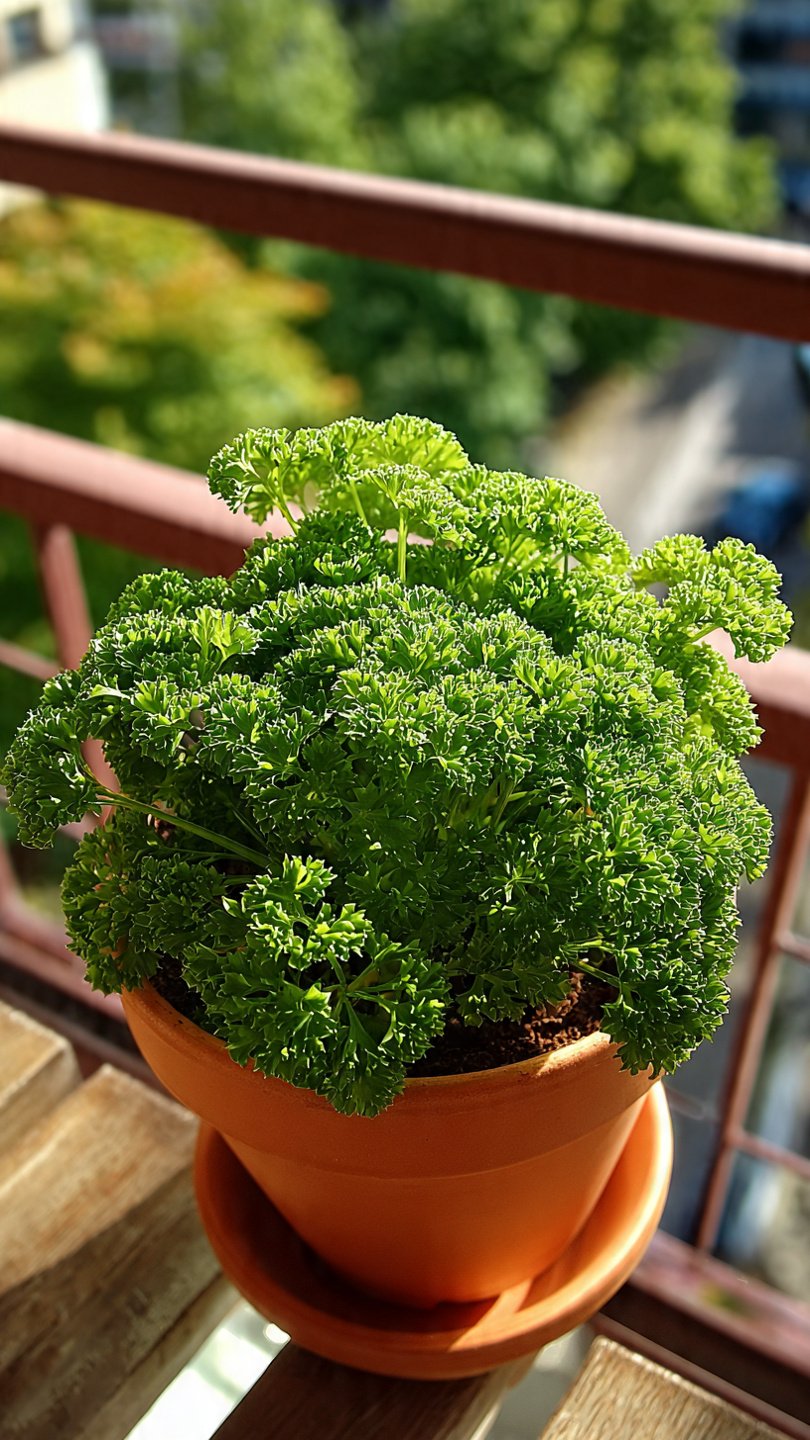
Highly prized by South African gardeners and chefs alike, this variety is famous for its tightly ruffled, dark green leaves and robust, refreshing flavor.

It serves as both a beautiful garden border and a nutrient-dense kitchen staple.

Our seeds are 100% non-GMO, open-pollinated, and exceptionally well-suited to South Africa’s diverse climate zones.

Each pack contains over 100 high-germination seeds, ensuring a continuous harvest of crisp, frilly leaves for garnishes, salads, and stews.

Why You Will Love Champion Moss Curled Parsley

  1. Striking Visual Appeal: Tightly curled, moss-like foliage makes it an attractive ornamental plant for beds and borders.
  2. Excellent Value: Over 100 seeds per pack to start multiple pots or garden patches.
  3. Slow to Bolt: Highly resilient variety that resists going to seed early in hot weather.
  4. Excellent Companion Plant: Enhances the growth of tomatoes, chives, and asparagus when planted nearby.
  5. Pollinator Magnet: If allowed to flower in its second year, it attracts beneficial predatory wasps that destroy garden pests.

Quick Growing Guide for South Africa

When to Plant: Best sown in Spring (September to November) or Autumn (March to May).

Where to Plant: Full sun to partial afternoon shade (especially beneficial in hot inland areas like Gauteng).

Soil Preference: Rich, moist, deeply dug, and well-draining soil with plenty of organic matter.

Sowing Depth: 5mm deep.

Tip: Soak seeds in warm water for 24 hours before planting to speed up slow germination.

Germination Time: 14 to 28 days (be patient, parsley takes its time to sprout!).

Days to Harvest: 70 to 80 days.

Culinary Inspiration

Champion Moss Curled is the ultimate garnishing parsley. Its unique texture adds lift and vibrant color when finely chopped over a classic South African potjiekos, mixed into garlic butter, or tossed through fresh summer salads.

Unlike flat-leaf varieties, its beautiful crunch holds up exceptionally well as a crisp, fresh decorative element on any plate.

Product Specifications

Botanical Name: Petroselinum crispum var. crispum

Common Names: Curled Parsley, Moss Curled Parsley, Champion Parsley

Pack Size: Over 100 Seeds

Seed Type: Heirloom, Non-GMO, Open-Pollinated

Lifecycle: Biennial (grown as an annual)
logo simple

Stop Killing Your Seeds!

5 Germination Mistakes Gardeners Must Stop Immediately

Get this free guide (5 minute read) and The Printable Monthly Growing Guide for South Africa (also free), via email:

We don’t spam! Read our privacy policy for more info.

Reviews

There are no reviews yet.

Be the first to review “Parsley Champion Moss Curled – Over 100 Seeds”

Your email address will not be published. Required fields are marked *

How to Grow Parsley From Seed

How to Grow Champion Moss Curled Parsley From Seed: The Ultimate South African Guide

Growing your own Champion Moss Curled Parsley (Petroselinum crispum) from seed is an excellent way to keep a fresh supply of crisp, tightly ruffled garnishes right at your fingertips.

While parsley has a reputation for being slow to sprout, following this step-by-step guide tailored to South African conditions will guarantee success.

Best Time to Plant Parsley in South Africa

Champion Moss Curled Parsley loves mild weather and is much more frost-tolerant than basil.

Spring & Autumn: The absolute best times to sow are September to November and March to May.

Highveld & Inland Regions: Early autumn sowing works beautifully as the plants will grow steadily through the winter without frost damage.

Winter Rainfall Areas (e.g., Western Cape): Plant in autumn to take advantage of the natural winter rains.

The Secret Trick: Speeding Up Germination

Parsley seeds contain natural germination inhibitors that require time to break down. To cut the germination time in half:

  1. Place your Champion Moss Curled seeds in a bowl.
  2. Pour warm (not boiling) water over them.
  3. Let them soak for 12 to 24 hours before planting.
  4. Drain and sow immediately.

Step-by-Step Planting Guide

Step 1: Choose the Right Location

Sunlight: Parsley thrives in full sun to partial shade.

In scorching hot areas (like the Karoo or Gauteng summers), morning sun and afternoon shade will prevent the leaves from bleaching.

Step 2: Prepare Rich, Deep Soil

In the Garden: Parsley grows a long taproot. Dig your soil deeply (at least 30cm) and mix in plenty of rich organic compost.

Ensure it drains well.

In Pots: Choose a deep pot (minimum 20–25cm deep) filled with premium potting mix so the taproot has space to stretch.

Step 3: Sow the Seeds

Depth: Sow the soaked seeds thinly, about 5mm deep.

Spacing: Space seeds or rows about 20cm apart.

Patience Check: Even with soaking, parsley can take 14 to 28 days to sprout.

Keep the soil consistently damp during this time—never let it dry out completely.

Step 4: Thinning the Seedlings

Once your Champion Moss Curled seedlings reach about 5cm tall, thin them out so the strongest plants are spaced 25cm to 30cm apart.

Ongoing Care for Champion Moss Curled

Watering: Water consistently. Parsley likes its soil to feel like a wrung-out sponge—moist but not muddy.

Feeding: Because you are harvesting the leaves, give your parsley a nitrogen-rich liquid organic fertilizer (like liquid kelp or fish emulsion) every 3 to 4 weeks.

Mulching: Put a layer of mulch around the base of the plants to lock in soil moisture and keep the root system cool.

How to Harvest Without Damaging the Plant

Your Champion Moss Curled parsley will be ready to harvest in about 70 to 80 days.

Always cut or pinch the outermost stems right down near the base of the plant.

Leave the inner, tiny new leaves to keep growing from the center.

Harvesting the outside leaves regularly actually encourages the plant to produce more of its signature frilly, moss-like foliage.

Parsley Medicinal and Nutritional Uses

Parsley Benefits: Medicinal and Nutritional Uses of Champion Moss Curled Parsley

While often viewed simply as a beautiful plate garnish, Champion Moss Curled Parsley (Petroselinum crispum) is a nutritional powerhouse and one of the most potent therapeutic herbs you can grow in your South African garden.

This guide explores the incredible health benefits, nutritional facts, and wellness applications of this crisp, tightly ruffled superfood.

Nutritional Profile of Champion Moss Curled Parsley

Champion Moss Curled parsley is incredibly dense with essential vitamins and protective antioxidants.

Gram for gram, a small handful of fresh, frilly parsley leaves outpaces many common fruits and vegetables in key nutrients.

A single serving provides a massive boost of:

Vitamin K: Essential for healthy blood clotting and bone density.

Vitamin C: A powerful immune booster; fresh parsley contains more Vitamin C than oranges by weight.

Vitamin A: Rich in beta-carotene to protect eye health and boost cellular repair.

Iron & Folate: Crucial for healthy red blood cell production and combatting fatigue.

5 Powerful Health Benefits of Curled Parsley

1. Natural Diuretic and Kidney Support

Parsley has a long history in traditional medicine as a natural diuretic.

It stimulates urine production, which helps flush out the bladder and kidneys.

This cleansing action helps rid the body of excess sodium and toxins, reducing bloating and water retention.

2. Packed with Cellular-Protecting Antioxidants

The deep green color of Champion Moss Curled parsley comes from its high concentration of chlorophyll and volatile oils, alongside flavonoid antioxidants like apigenin and luteolin.

These compounds neutralize harmful free radicals, reducing oxidative stress and inflammation throughout the body.

3. Supports Healthy Digestion

Eating fresh curled parsley helps stimulate digestive enzymes, reducing gas, bloating, and indigestion after heavy meals.

Furthermore, it is a famous natural breath freshener—chewing on a sprig of fresh parsley immediately neutralizes strong mouth odors from garlic or onions due to its high chlorophyll content.

4. Promotes Bone Strength

Just a few tablespoons of fresh curled parsley deliver more than your daily required intake of Vitamin K.

This vitamin is essential for bone metabolism, helping your body absorb calcium properly and lowering the risk of bone fractures.

5. Natural Cardiovascular Support

Parsley is an excellent source of folate (Vitamin B9). Folate helps regulate levels of an amino acid called homocysteine in the blood.

Lowering homocysteine levels is directly linked to a healthier heart and a reduced risk of cardiovascular issues.

How to Use Champion Moss Curled Parsley for Wellness

Nutrient-Dense Green Juices: Toss a generous handful of fresh curled leaves and stems into your morning smoothie or green juice for an instant hit of vitamins and iron.

Cleansing Parsley Tea: Steep 1/4 cup of fresh, washed Champion Moss Curled leaves in boiling water for 10 minutes. Strain and drink with a squeeze of fresh lemon juice to help relieve water retention.

Healthy Chimichurri and Pesto: Finely chop fresh curled parsley with garlic, olive oil, and apple cider vinegar. This creates a raw, enzyme-rich condiment that aids digestion when served alongside grilled meats or potjiekos.

Safe Use and Precautions

While parsley is exceptionally safe when eaten in normal culinary amounts, take note of these guidelines:

Pregnancy: Avoid consuming concentrated parsley supplements or large therapeutic amounts of parsley tea if you are pregnant, as it contains natural compounds that can stimulate uterine contractions.

Kidney Conditions: If you have severe pre-existing kidney disease, consult a doctor before consuming large medicinal doses of parsley due to its mild oxalic acid content.

Parsley Growing Guide

Champion Moss Curled Parsley Growing Guide: From Seed to Harvest

Growing Champion Moss Curled Parsley (Petroselinum crispum) is highly rewarding.

This variety features tightly ruffled, dark green foliage. It serves as both a beautiful garden border and a nutrient-dense kitchen staple.

This comprehensive guide covers everything you need to know to successfully sow, cultivate, and harvest heavy-yielding parsley plants in South African conditions.

Basic Requirements at a Glance

Botanical Name: Petroselinum crispum var. crispum

Plant Type: Biennial (grown as an annual)

Sunlight Needed: Full sun to partial shade (4 to 6+ hours)

Ideal Soil pH: 6.0 to 7.0 (slightly acidic to neutral)

Germination Temperature: 15°C to 22°C

When to Plant Parsley in South Africa

Unlike heat-loving herbs like basil, parsley prefers mild temperatures and easily survives winter frosts.

Highveld & Inland Regions (e.g., Gauteng, Free State): Sow from September to November, or from March to May. Autumn sowing is highly recommended as plants thrive in cooler winter months.

Winter Rainfall Regions (e.g., Western Cape): Plant in autumn (March to May) to maximize growth during the rainy winter season.

Subtropical Regions (e.g., KZN Coast, Lowveld): Plant during the cooler autumn and winter months to avoid intense summer humidity.

Soil and Location Requirements

1. Light Requirements

Position your parsley where it receives morning sun and light afternoon shade. In scorching hot inland summer areas, full afternoon sun can bleach the delicate, frilly leaves.

2. Deep, Rich Soil

Parsley grows a long central taproot.

In the Ground: Dig your soil deeply (at least 30cm). Work in plenty of organic compost to create a loose, rich growing environment.

In Pots: Choose a deep pot (minimum 25cm depth) with functional drainage holes. Fill it with premium, free-draining potting mix.

Sowing Champion Moss Curled Seeds Step-by-Step

Parsley seeds contain natural germination inhibitors. To speed up the slow sprouting process, soak your seeds in warm water for 12 to 24 hours before sowing.

Prepare the Soil: Ensure the soil or seed-starting mix is fine, level, and thoroughly moistened.

Sow the Seeds: Scatter the soaked seeds thinly. Cover them with a light layer of fine soil or vermiculite, roughly 5mm deep.

Moisture Control: Mist the surface gently with a spray bottle. Keep the soil consistently damp like a wrung-out sponge. Never let the soil dry out during the germination phase.

Patience Check: Champion Moss Curled seeds take 14 to 28 days to sprout.

Thinning: Once seedlings develop a few true ruffled leaves, thin them out. Space the final plants 25cm to 30cm apart to ensure good air circulation.

Ongoing Plant Care

Watering: Water deeply at the base of the plant 2 to 3 times a week. Increase watering frequency during hot, dry summer spells.

Feeding: Parsley is grown entirely for its foliage. Feed your plants every 3 weeks with a nitrogen-rich liquid organic fertilizer, such as fish emulsion or seaweed extract.

Mulching: Apply a thin layer of organic mulch around the base of the plants to lock in soil moisture and keep the roots cool.

Companion Planting with Parsley

Champion Moss Curled is an excellent companion plant for your backyard food garden.

Best Companions: Tomatoes, chillies, sweet peppers, chives, onions, and asparagus.

Pest Deterrent: The aromatic oils can help confuse pests, while its flowers (produced in its second year) attract beneficial predatory insects to your garden.

How to Harvest for Continuous Growth

Your Champion Moss Curled parsley will be ready for the kitchen in roughly 70 to 80 days from sowing.

The Outside-In Method: Never cut the plant completely flat or strip the center. Instead, use sharp kitchen shears to cut the outermost stems right at the base of the plant.

Leave the Crown: Keep the central core intact. This encourages the plant to continuously push out new, frilly, moss-like foliage from the center, giving you a continuous harvest for up to two years.

Parsley Other Names

Parsley Other Names: A Global Guide to Varieties and Nomenclature

Whether you are looking through local South African seed catalogs, reading international recipes, or researching traditional herbal remedies, you will find that Parsley (Petroselinum crispum) goes by many different names.

Understanding these alternative names helps you identify the correct plant variety, choose the right seeds, and discover how different cultures utilize this versatile herb.

Botanical Name vs. Common Names

Scientific/Botanical Name: Petroselinum crispum

Primary English Name: Curled Parsley, Common Parsley, Garden Parsley

The botanical name Petroselinum comes from the ancient Greek words petros (meaning “rock”) and selinon (meaning “celery”).

This literally translates to “rock celery,” referencing the plant’s wild ancestors that grew naturally in the rocky terrains of the Mediterranean.

Regional and Linguistic Names

Depending on where a recipe or gardening article originates, parsley may be listed under its local translation.

Here are the most common global names for Parsley:

French: Persil

Italian: Prezzemolo

Spanish: Perejil

Portuguese: Salsa or Salsinha

German: Petersilie

Dutch: Peterselie

Names Based on Varieties and Cultivars

When buying seeds or fresh herbs, you will encounter names that describe the specific physical characteristics of the plant’s leaves:

Moss Curled Parsley: Refers directly to varieties like the classic Champion Moss Curled, known for its heavily ruffled, tightly crimped, dark green leaves that resemble forest moss.

French Parsley: An alternative historical name often used for curly-leaved types in older culinary texts.

Italian Parsley / Flat-Leaf Parsley: (Petroselinum crispum var. neapolitanum) A distinct variety with flat, broad leaves resembling coriander, known for a slightly stronger flavor but lacking the crisp texture of curled types.

Turnip-Rooted Parsley / Hamburg Parsley: (Petroselinum crispum var. tuberosum) A variety grown primarily for its large, edible, parsnip-like root rather than its leaves.

Why Knowing the Names Matters for Shopping

When sourcing seeds online, searching strictly for “parsley” might cause you to confuse flat-leaf varieties with curly ones.

Always look for the specific cultivar tag Champion Moss Curled or Petroselinum crispum var. crispum to ensure you are getting the authentic, tightly ruffled heirloom herb that delivers the exceptional plate presentation and crisp texture required for traditional garnishes and salads.

Shopping Basket
0
    0
    Your Cart
    Your cart is emptyReturn to Shop
    Scroll to Top