The Ultimate Onion Growing Guide for South African Gardeners
Onions (Allium cepa) are a rewarding, space-saving crop that forms the foundation of countless culinary dishes.
While they require a bit of patience, harvesting your own firm, flavorful onions straight from the garden is incredibly satisfying.
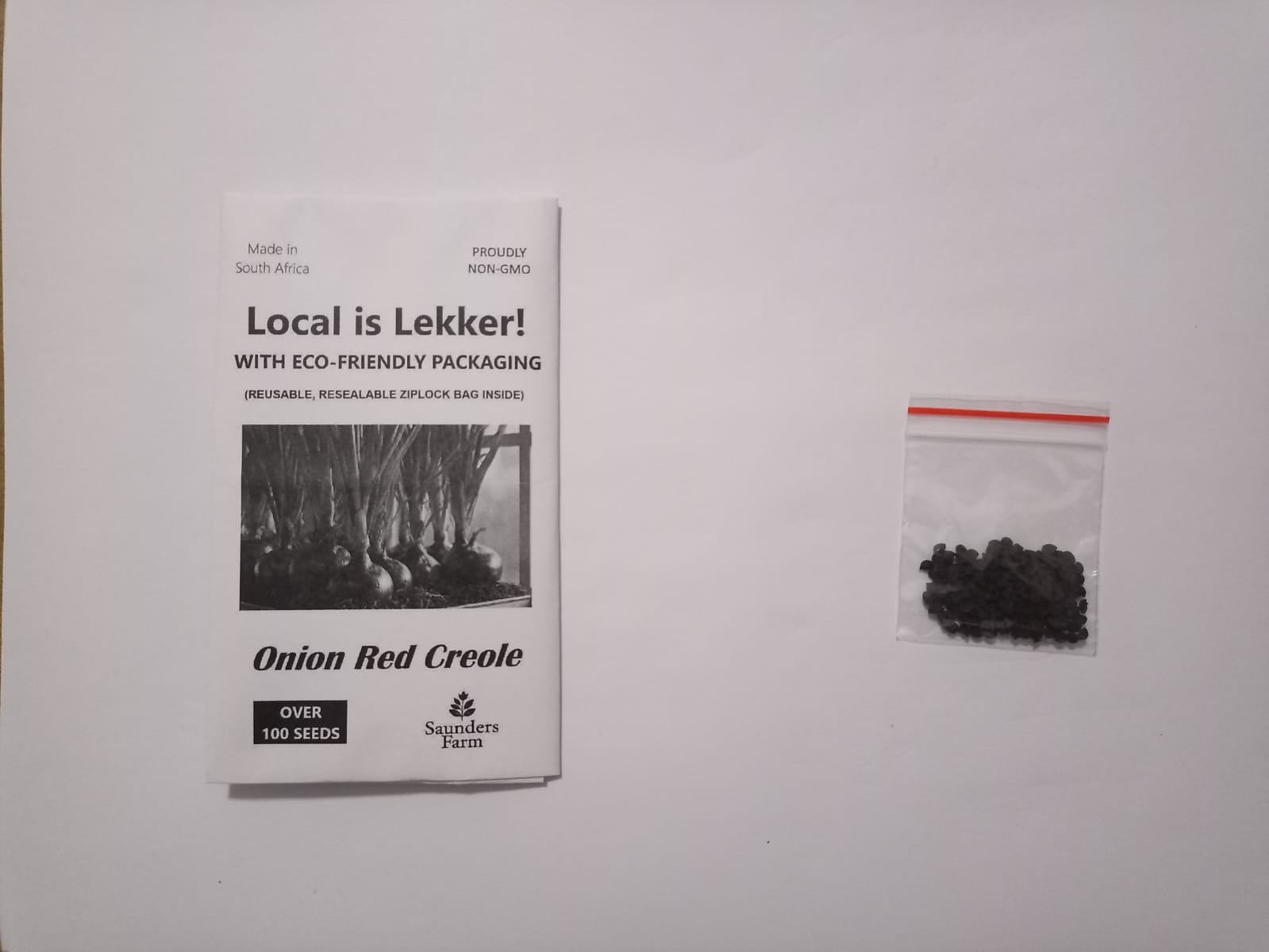
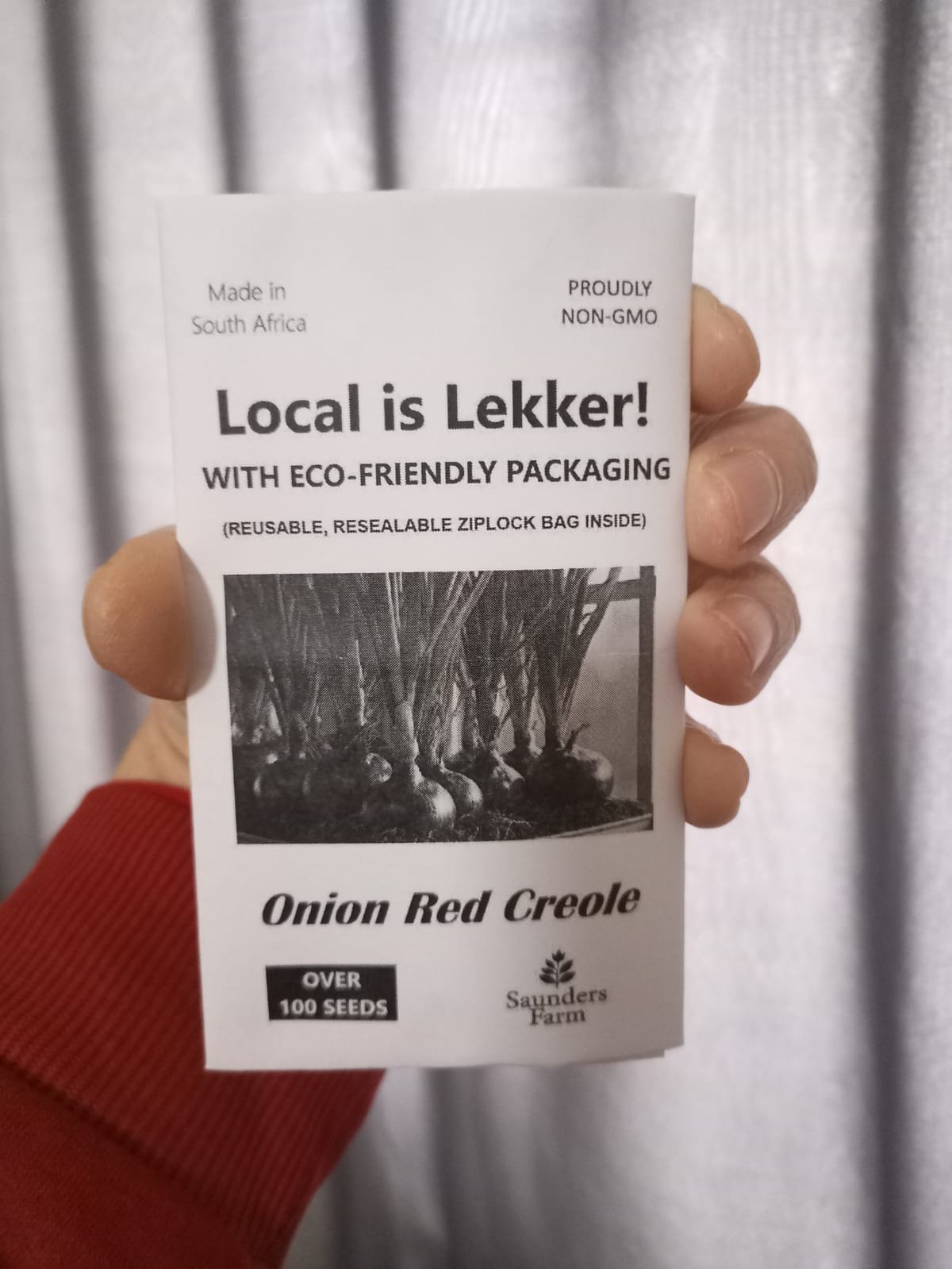
Whether you are planting heirloom Red Creole seeds or starting a fresh veggie patch, this step-by-step growing guide covers everything you need to know from seed to kitchen.
Quick Crop Overview
- Position: Full sun (6–8 hours daily)
- Soil Type: Loose, fertile, well-draining loam
- Soil pH: 6.0 – 7.0 (Slightly acidic to neutral)
- Sowing Depth: 5mmSpacing8–10cm apart (Plants) | 20–30cm apart (Rows)
- Time to Harvest: 160 – 180 days
Step 1: Getting the Timing Right
Onions are highly sensitive to day length, which triggers the bulb-forming process. In South Africa, short-day varieties (like Red Creole) perform best because they bulb up when days are shorter.
Best Planting Window: Sow your onion seeds during autumn and early winter (March to May).
The Cycle: Planting in autumn allows the onion to spend the cool winter months building a robust root system and plenty of green leaves. When the temperatures warm up and days lengthen in spring, the plant stops making leaves and focuses entirely on swelling its bulb.
Step 2: Preparing the Perfect Bed
Onions are shallow-rooted and hate competing with weeds or heavy, compacted soil.
Clear and Dig: Select a spot in full sun. Dig the soil over thoroughly to a depth of 20cm, removing all rocks, sticks, and clay clumps. Obstacles in the soil will cause your onion bulbs to grow deformed.
Feed the Soil: Mix a generous amount of well-composted organic matter or aged manure into the soil. Onions are heavy feeders but dislike fresh manure, which can rot the roots.
Drainage is Key: If you have heavy clay soil, build a raised garden bed or add coarse river sand to improve drainage. Onions sitting in waterlogged soil will quickly rot.
Step 3: Sowing Onion Seeds
Starting onions from seed is highly cost-effective and produces healthier, more disease-resistant crops than using store-bought sets.
Seed Trays: Fill a seed tray with a fine, seed-starting mix.
Sow: Plant seeds 5mm deep, cover lightly with soil, and press down gently.
Moisture: Spray with a fine mist water bottle so you do not displace the tiny seeds. Keep the soil consistently moist but never soggy.
Germination: Expect to see fine, loop-like green shoots emerge within 7 to 14 days.
Step 4: Transplanting into the Garden
Your seedlings are ready to go into their permanent garden beds when they are about 10–15cm tall and roughly the thickness of a pencil (usually 6 to 8 weeks after sowing).
Depth Warning: Plant the seedlings just deep enough to stand upright (about 1.5 to 2cm deep). Do not bury them too deeply, or the bulb will not be able to expand properly above the soil surface.
Spacing: Space individual seedlings 8 to 10cm apart in rows that are 20 to 30cm apart.
Step 5: Onion Plant Care & Maintenance
Watering: Onions need regular, even watering—about 2.5cm of water per week. Uneven watering causes bulbs to split. Reduce watering as the onions reach maturity.
Weeding: Because onions have shallow roots, weeds can easily choke them out and steal their nutrients. Hand-weed carefully around the base of your plants instead of using sharp hoes that could slice the growing bulbs.
Feeding: Top-dress with a nitrogen-rich organic fertilizer every 3 to 4 weeks during the winter leaf-growth stage. Stop fertilizing entirely once you notice the bulbs starting to swell.
Step 6: Harvesting, Curing, and Storage
Your onion crop will be ready for harvest roughly 5 to 6 months after sowing.
Look for the Flop: You will know your onions are mature when the green leaves naturally turn yellow and fall over flat on the ground.
Lifting: Use a garden fork to gently pry the bulbs upward from beneath the soil on a dry, sunny day.
Curing: Lay the harvested onions out in a warm, shaded, well-ventilated area for 2 to 3 weeks. Let them dry until the outer skins turn completely papery and the roots feel brittle.
Storage: Cut the dried tops off (leaving about 2cm of stem) and store your onions in a cool, dark, dry place.
Well-cured heirloom red onions can store successfully for several months!

Reviews
There are no reviews yet.