Calendula Medicinal and Nutritional Uses: The Ultimate Golden Herb Guide
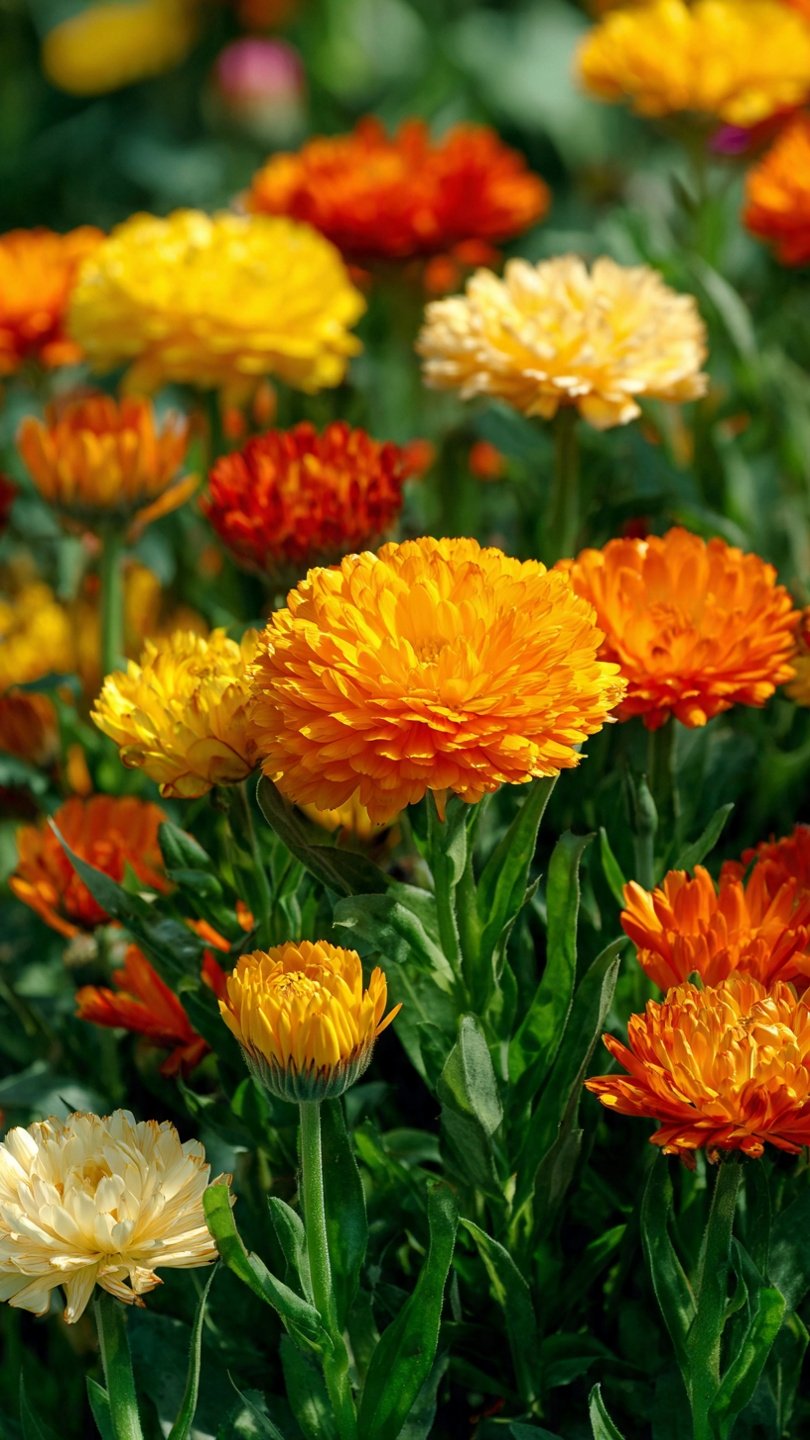
Calendula (Calendula officinalis), widely known as Pot Marigold, is a timeless heirloom plant celebrated for its cheerful orange and yellow petals.
Beyond its striking visual appeal in South African cottage gardens and its role as an elite companion vegetable partner, Calendula is one of the most versatile, deeply researched medicinal herbs in traditional apothecary.
Whether your customers grow the robust Pacific Beauty Mix from seed for home remedies or to brighten their salads, this plant delivers an exceptional array of therapeutic and nutritional benefits.
This comprehensive guide details the safe usage, medical history, and nutritional properties of this golden super-herb.
🥗 Culinary & Nutritional Profile: The Golden Petal Superfood
The vibrant, sun-kissed petals of heirloom, non-GMO Calendula are completely edible. They feature a unique flavor profile—mildly tangy, slightly peppery, and subtly sweet—making them an excellent addition to fresh kitchen recipes.
Elite Antioxidant Profile: The deep orange and brilliant yellow hues of the petals are packed with high concentrations of carotenoids (specifically lutein and beta-carotene) and flavonoids.
These compounds act as fierce antioxidants that shield human cells from environmental oxidative damage and help calm systemic internal inflammation.
The “Poor Man’s Saffron”: Throughout European and early South African history, dried Calendula petals were dropped into soups, stews, rice dishes, and butter to impart a luxurious, rich golden color and a mild, earthy depth of flavor at a fraction of the cost of true saffron.
Essential Trace Minerals: Consuming fresh petals in salads adds small but valuable amounts of essential plant sterols, vitamin C, and trace minerals directly to your daily diet.
Important Safety Note: Only eat Calendula flowers that have been raised organically from seed. Never consume flowers sourced from commercial florists or commercial nurseries, as they are routinely treated with systemic chemical pesticides that cannot be washed away.
🧪 Top 5 Medicinal and Therapeutic Uses
The true value of Calendula lies in its active plant compounds, including triterpenoids, volatile essential oils, and plant mucilage, which provide powerful healing properties.
1. Accelerated Skin Healing and Tissue Repair
Calendula is world-renowned for its ability to dramatically speed up skin regeneration. Topical applications like creams, salves, and infused oils increase blood flow and oxygen to damaged skin tissues.
This stimulates the production of collagen, making it an incredible natural remedy for healing minor burns, cuts, scratches, sunburns, and stubborn eczema.
2. Soothing Severe Diaper Rash and Inflamed Skin
Because Calendula is exceptionally gentle yet powerful, it is a primary ingredient in natural baby care products. Applying a Calendula-infused balm significantly reduces the redness, swelling, and discomfort of painful diaper rashes, chapped lips, and dry, cracked winter skin without the risk of synthetic chemical irritations.
3. Natural Antibacterial and Antifungal Support
The active plant resins and volatile essential oils inside Calendula petals display robust antimicrobial activity.
Lab studies demonstrate that Calendula extracts effectively fight off specific fungal strains, making it a popular traditional wash for mild fungal skin issues like athlete’s foot or ringworm, as well as an antiseptic rinse for cleaning minor surface wounds.
4. Relieving Sore Throats and Improving Oral Health
When brewed into a strong herbal tea and left to cool, Calendula acts as an outstanding natural mouthwash and gargle.
Its astringent and anti-inflammatory properties help soothe painful, swollen sore throats, ease the discomfort of mouth ulcers (canker sores), and reduce the swelling of irritated, bleeding gums (gingivitis).
5. Gentle Digestive Tract Soothing
When consumed internally as a warm herbal tea, Calendula’s natural plant mucilage and anti-spasmodic properties gently coat the lining of the digestive tract.
Traditional herbalists frequently recommend a mild Calendula infusion to help calm minor stomach cramps, alleviate chronic acid reflux, and support the healing of irritated stomach linings.
🧼 How to Make a Simple Calendula Herbal Infusion
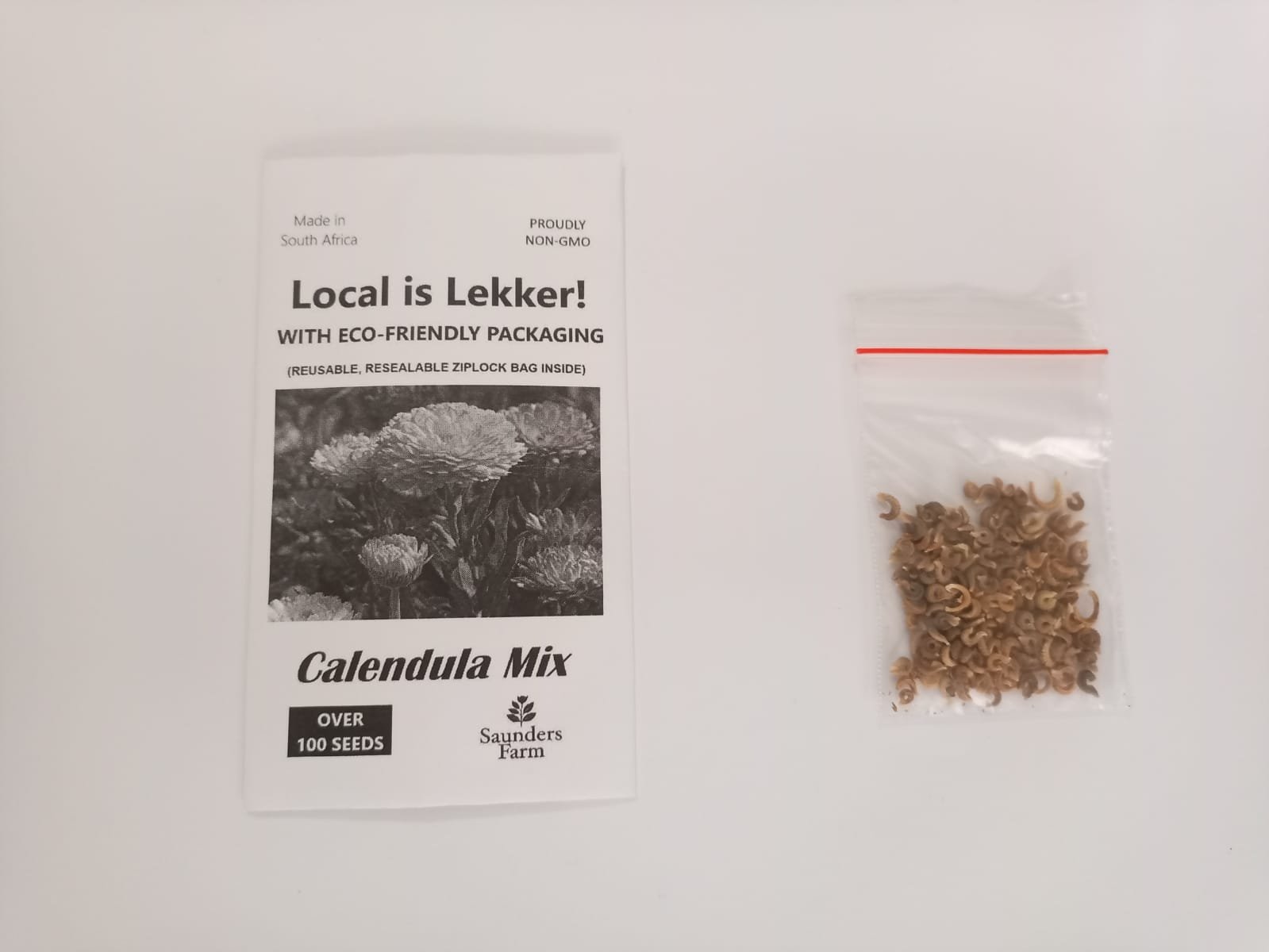
Utilize your bountiful harvests (remember, each of your seed packs contains over 100 seeds, yielding an abundance of flowers!) by making a basic home remedy.
Harvest & Dry: Pick fully opened flower heads in the morning, dry them thoroughly for 2 weeks in a shaded room, and strip the papery petals away from the green base.
Steep: Place 2 tablespoons of dried petals into a mug and pour over 250ml of boiling water.
Cover & Wait: Cover the mug with a small saucer to prevent the medicinal volatile oils from escaping in the steam. Let it steep for 10 to 15 minutes.
Apply or Drink: Strain out the petals. Drink warm as a soothing digestive tea, or let it cool completely to use as a soothing facial skin wash or oral gargle.
⚠️ Important Safety & Allergy Information
While Calendula is incredibly safe for the vast majority of people, it is crucial to display accurate safety guidelines:
The Asteraceae Family Allergy: Individuals who are highly allergic to plants in the Asteraceae/Compositae family (such as ragweed, chrysanthemums, daisies, or standard marigolds) should use Calendula with caution or perform a small skin patch test first, as it can occasionally trigger a mild localized allergic skin reaction.
Pregnancy Caution: While topical skin use is completely safe, pregnant or breastfeeding women should avoid consuming Calendula internally as a tea, as it can traditionally stimulate pelvic blood flow.





Reviews
There are no reviews yet.