,

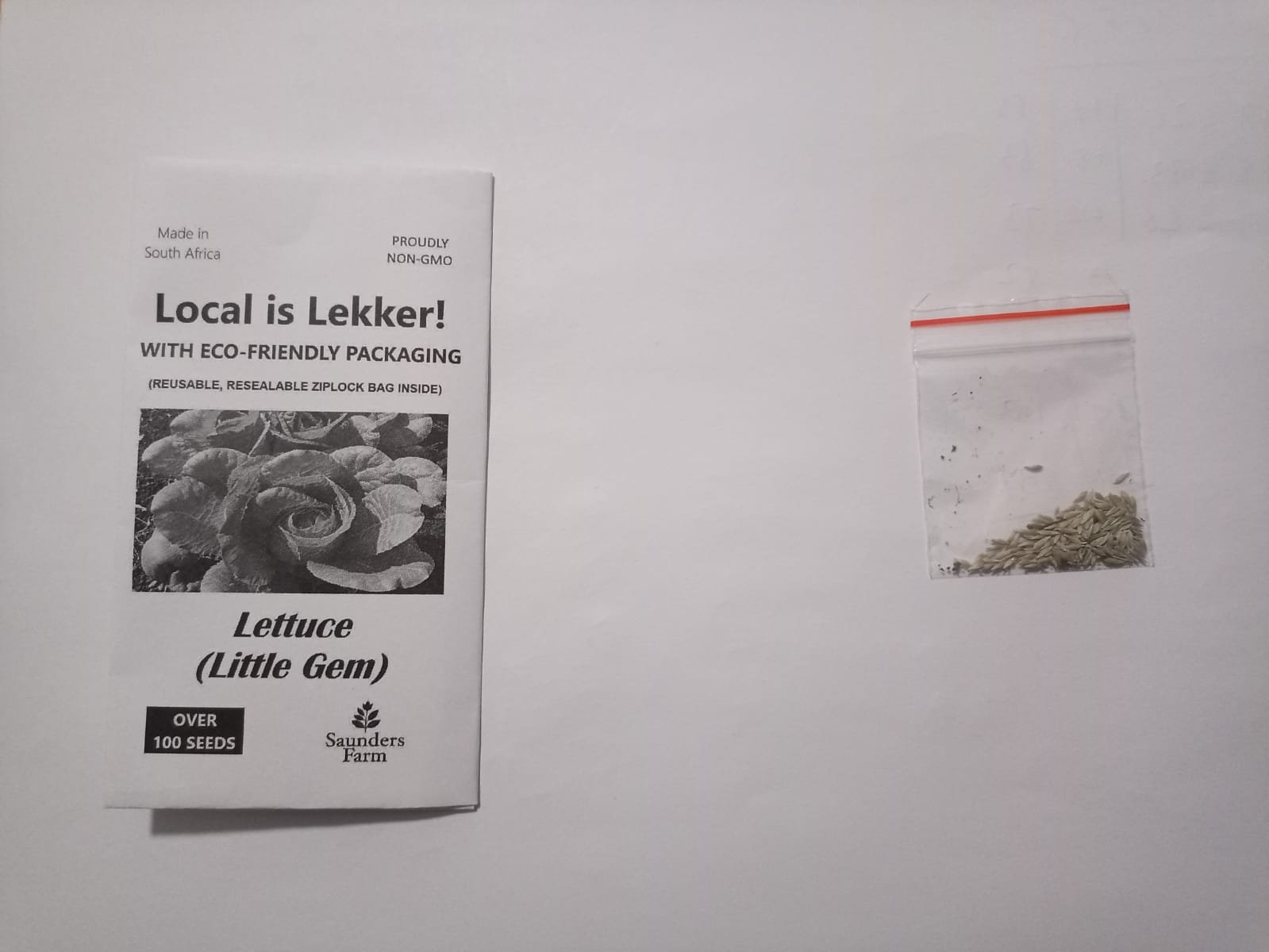
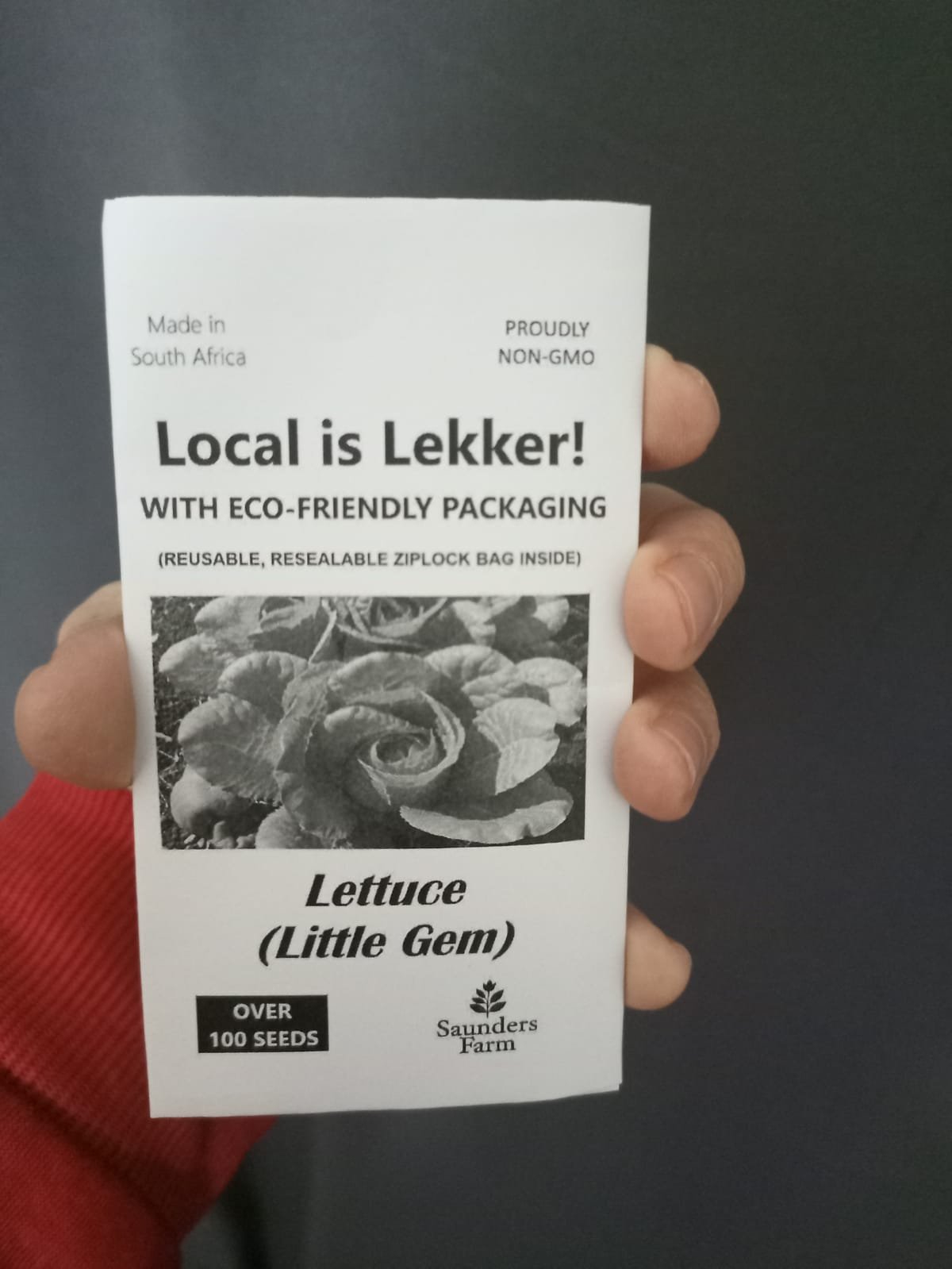
Lettuce Little Gem – Over 100 Seeds

R15.00

Excluding shipping
  • Over 100 Lettuce (Little Gem) Seeds
  • Join our WhatsApp Group to see when this product goes on special: https://chat.whatsapp.com/Ly1HQgXpYGXL2ffDGXUl4G
  • Proudly non-GMO
  • ECO-FRIENDLY: Biodegradable packaging with resealable, reusable plastic Ziplock bag inside
  • Made in South Africa, for South Africa
  • Comment below to sign up for new product alerts

Availability: 80 in stock

Guaranteed Safe Checkout

Lettuce (Little Gem) Seeds – Heirloom & Non-GMO

Upgrade your backyard veggie patch with our premium Little Gem Lettuce seeds.

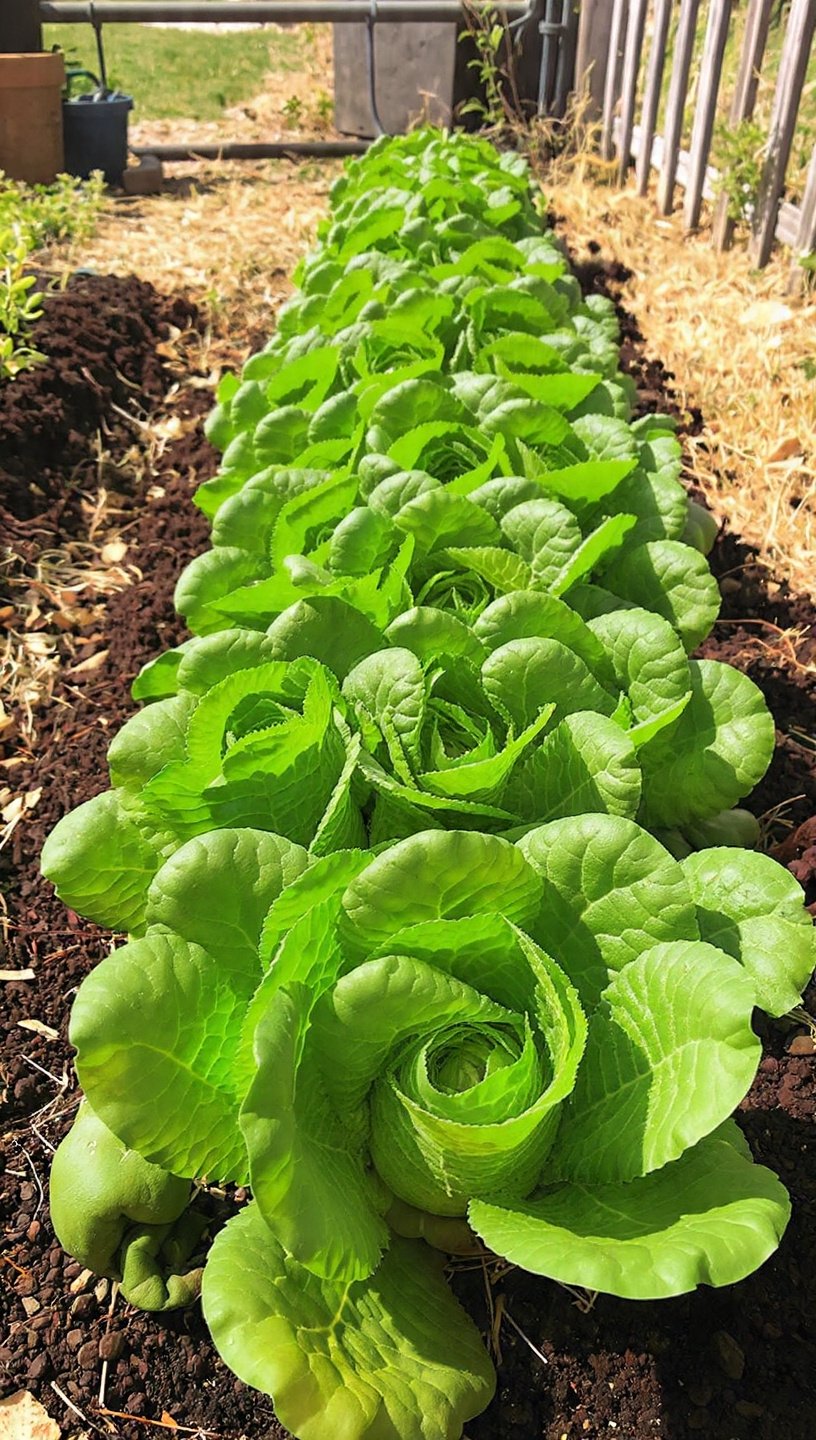
Known globally as the ultimate connoisseur’s lettuce, Little Gem combines the best traits of two favorites: the crisp, satisfying crunch of a Romaine and the sweet, delicate flavor of a Butterhead.

Specially adapted to South African growing conditions, these non-GMO heirloom seeds are perfect for crisp summer salads, healthy wraps, and quick patio container gardens.

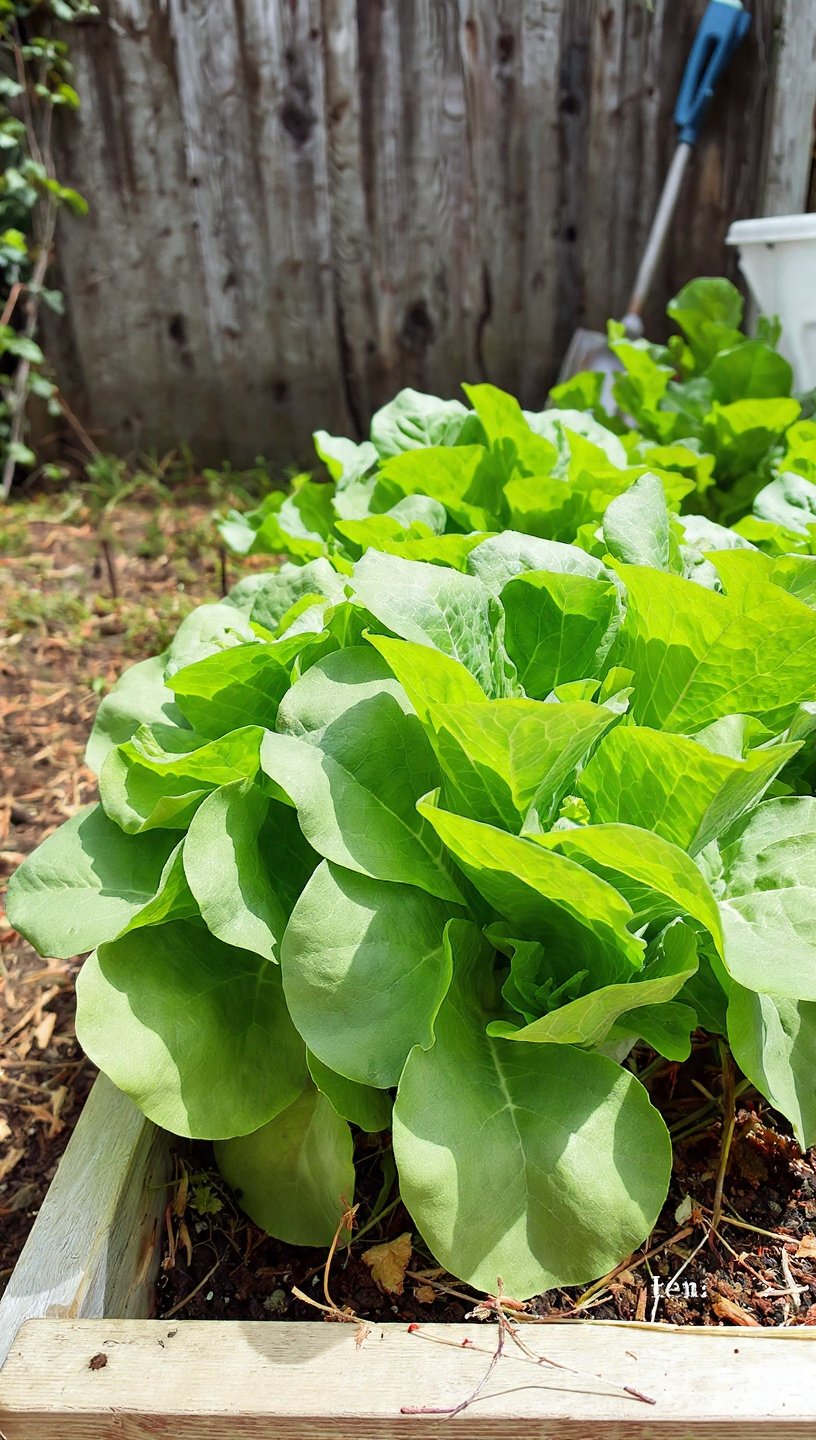
Little Gem is a fast-growing, compact variety that is highly favored by South African home growers because it takes up minimal space while delivering a high yield.

Its tight, dense hearts are naturally resistant to heat and slow to bolt, making it incredibly resilient during our hot summer months.

Whether you are gardening in the humid coastal areas of KZN or a sunny backyard in Gauteng, this hardy lettuce is a reliable staple for your kitchen garden.

Product Features

  1. Premium Quality: Heirloom, non-GMO, and open-pollinated vegetable seeds.
  2. Generous Quantity: Each pack contains over 100 seeds for multiple, successive harvests.
  3. Exceptional Flavor: Sweet, crisp, compact green heads with no trace of bitterness.
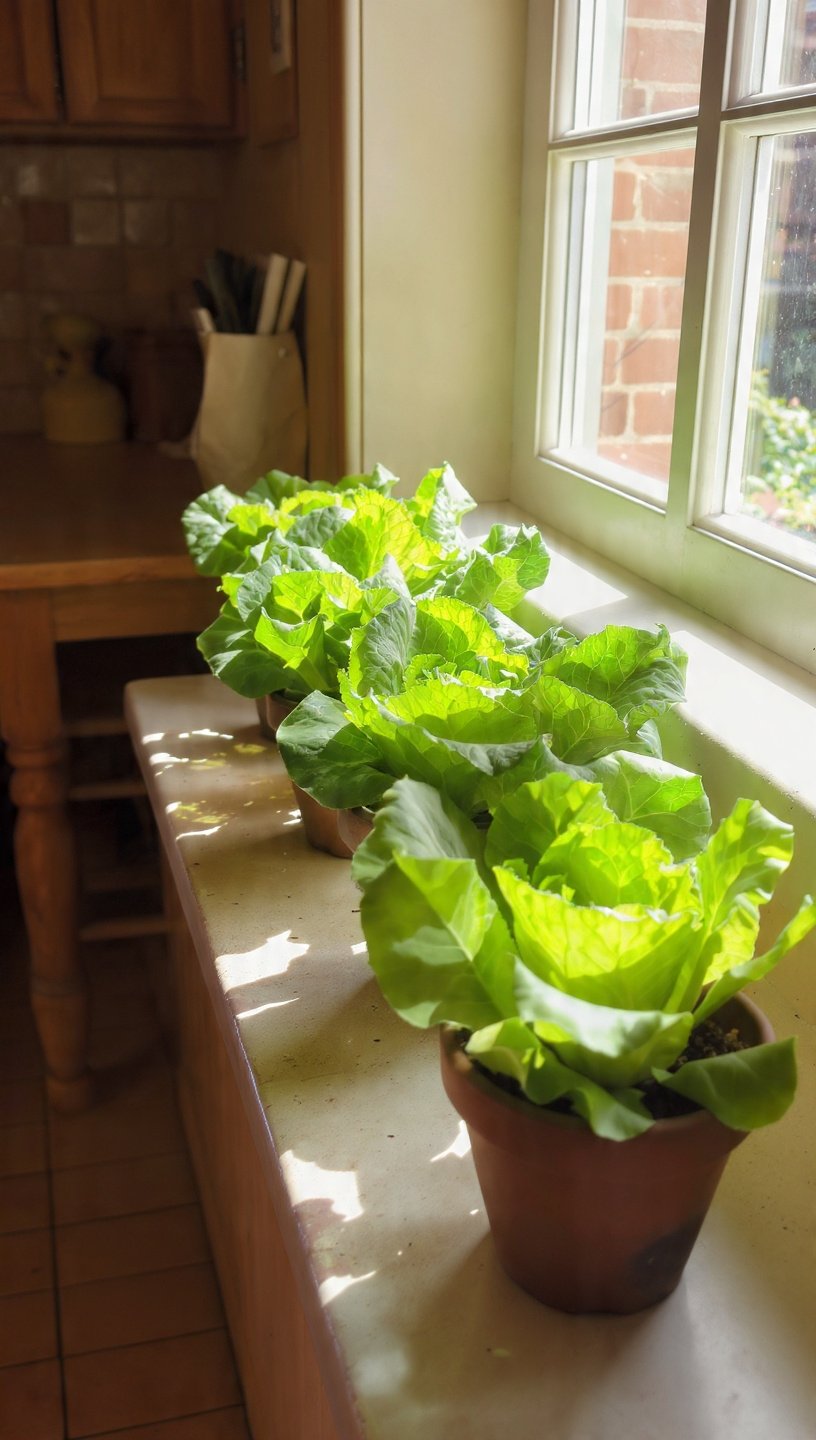
  4. Space-Saving: Ideal for small urban gardens, raised beds, or container planting.
  5. Climate Resilient: Excellent heat tolerance and slow to bolt compared to standard loose-leaf varieties.

Growing Instructions

  • Sowing Depth: 5mm deep in loose, well-draining, nutrient-rich soil.
  • Spacing: Space or thin seedlings approximately 15cm to 20cm apart.
  • Germination: Takes 7 to 10 days under cool, moist conditions.
  • Sunlight: Full sun to partial afternoon shade (highly recommended in peak summer).
  • Watering: Water regularly at the base; keep soil consistently moist to maintain crispness.
  • Harvest: Pick individual outer leaves for a continuous supply, or harvest the entire compact head once firm.
logo simple

Stop Killing Your Seeds!

5 Germination Mistakes Gardeners Must Stop Immediately

Get this free guide (5 minute read) and The Printable Monthly Growing Guide for South Africa (also free), via email:

We don’t spam! Read our privacy policy for more info.

Reviews

There are no reviews yet.

Be the first to review “Lettuce Little Gem – Over 100 Seeds”

Your email address will not be published. Required fields are marked *

How to Grow Lettuce from Seed

How to Grow Lettuce from Seed: A Step-by-Step South African Guide

Growing your own crisp, sweet lettuce from seed is one of the quickest and most rewarding projects for any home gardener.

While store-bought lettuce often turns limp and loses its flavor within days, harvesting fresh leaves directly from your backyard veggie patch ensures maximum crunch and peak nutrition.

By starting with high-quality heirloom varieties like our compact Little Gem, you can enjoy a continuous supply of gourmet greens.

This comprehensive guide walks you through the entire process of growing lettuce successfully under South African conditions.

Understanding Lettuce Preferences

To prevent your crops from turning bitter or running to seed prematurely, it helps to understand what lettuce needs:

  • Climate: Lettuce is fundamentally a cool-season crop. While varieties like Little Gem possess excellent heat tolerance, lettuce generally grows fastest and tastes sweetest during spring, autumn, and mild winters.
  • Sunlight: It loves full sun in the cooler months. However, during blistering South African summers, it absolutely requires partial afternoon shade to prevent the leaves from scorching.
  • Soil: Lettuce requires loose, rich, well-draining soil packed with organic matter. Because it has a shallow root system, the soil must hold moisture easily without becoming waterlogged.

Step 1: Time Your Planting Perfectly

You can easily grow lettuce year-round in most parts of South Africa by managing midday shade, but the optimal sowing windows are:

Inland Regions (Gauteng, Free State, Highveld): Sow from August to November (spring) and again from March to May (autumn). Avoid sowing outdoors during severe mid-winter frosts unless using a frost sleeve.

Winter Rainfall Regions (Western Cape): Autumn, winter, and spring are ideal planting times. The natural winter rains keep the soil perfectly damp.

Subtropical Regions (KwaZulu-Natal coast): Focus your planting during the cooler autumn and winter months (April to August) to avoid the intense humidity and fungal issues of mid-summer.

Step 2: Choose Sowing in Trays vs. Direct Sowing

Because our premium packs contain over 100 seeds, you have plenty of seeds to split between two highly effective growing methods:

Method A: In Seedling Trays (Best for Summer)

Starting seeds in trays allows you to protect the delicate sprouts from harsh sun, heavy rain, and hungry birds.

Fill a tray with a fine, moist seed-starting mix. Press seeds gently into the soil surface and cover with a paper-thin 3mm layer of mix. Keep the tray in a warm, bright area out of direct, burning sun.

Method B: Direct Sowing (Best for Autumn & Spring)

Dig plenty of well-rotted compost into your garden bed or a shallow patio container (at least 15cm deep). Create shallow rows about 5mm deep. Scatter the seeds thinly along the rows and cover lightly with soil.

Step 3: Germination Care

The Golden Rule: Never let the top layer of soil dry out. Because lettuce seeds are planted shallowly, a single afternoon of dry soil can kill the emerging sprouts. Use a spray bottle or a hose nozzle set to a very fine mist.

Patience: Under ideal conditions, your lettuce seeds will sprout quickly, usually within 7 to 10 days.

Step 4: Thinning and Spacing

If you plant lettuce seeds too closely together, they will fight for nutrients and grow into weak, spindly leaves instead of tight, crisp heads.

When to Thin: When your seedlings reach about 5cm tall, use sharp scissors to snip the weaker plants away at soil level. Do not pull them up, as this can disturb the shallow roots of the remaining plants.

Final Spacing: For compact heading varieties like Little Gem, aim for a final spacing of 15cm to 20cm apart.

Step 5: Ongoing Care for Crisp, Sweet Leaves

The Secret to Sweetness: Consistent Water

The secret to crisp, sweet lettuce with zero bitterness is rapid growth, and rapid growth requires consistent water.

Water your lettuce deeply at the base of the plant every 2 to 3 days. If the weather is exceptionally hot, you may need to water container-grown lettuce daily.

If lettuce suffers from drought stress, it will immediately protect itself by becoming bitter and tough.

Feeding

Lettuce is grown strictly for its leaves, meaning it is a heavy consumer of nitrogen. Feed your plants every 3 to 4 weeks with a liquid organic fertilizer, such as fish emulsion or liquid kelp, to promote rapid leaf development.

Mulching

Spread a thin layer of organic mulch (like clean straw or fine bark chips) around your lettuce plants. Mulch keeps the soil cool, retains critical moisture, and prevents mud from splashing onto your clean leaves when watering.

Step 6: Harvesting Options

You do not have to wait for a full head of lettuce to mature before you can start eating it!

The “Cut-and-Come-Again” Method: Snip off individual outer leaves as soon as they are large enough to use. Leave the inner core untouched, and the plant will keep pushing out fresh leaves for weeks.

Whole Head Harvest: For varieties like Little Gem, wait until the center head feels firm and compact to the touch. Slice the entire plant off at ground level with a sharp knife, or pull it up by the roots.

Lettuce Medicinal / Nutritional Uses

Lettuce Medicinal and Nutritional Uses: A Guide to Health Benefits and Herbal Traditions

When home gardeners add varieties like our crisp Little Gem Lettuce to their veggie patches, they are usually looking forward to fresh, crunchy summer salads.

However, lettuce (Lactuca sativa) is much more than a simple culinary base. Cultivated for thousands of years, this resilient leafy green has a rich history in traditional wellness and boasts a highly concentrated modern nutritional profile.

Eating fresh, home-grown lettuce directly from your garden ensures you harvest maximum nutritional value.

This comprehensive guide breaks down the science-backed health benefits, nutritional profiles, and traditional uses of lettuce.

The Nutritional Profile of Fresh Garden Lettuce

Because lettuce has a high water content, it is an exceptionally low-calorie food, making it an excellent staple for weight management and hydration. However, packed within those crisp leaves are vital vitamins and minerals.

A standard serving of fresh green lettuce provides:

Vitamin K: Crucial for blood clotting and maintaining optimal bone density and strength.

Vitamin A (Beta-Carotene): An essential antioxidant that the body converts into Vitamin A to promote sharp vision, eye health, and cellular repair.

Folate (Vitamin B9): Vital for DNA synthesis, healthy cellular division, and red blood cell production.

Vitamin C: A potent antioxidant that boosts the immune system, aids iron absorption from plant foods, and supports skin collagen production.

Essential Minerals: Contains baseline amounts of potassium, iron, calcium, and magnesium to support cardiovascular health.

Note: Compact heading varieties like our heirloom Little Gem feature darker green inner hearts than standard iceberg lettuces, meaning they contain a significantly higher concentration of these vital vitamins.

Key Health and Wellness Benefits

1. Rich in Protective Antioxidants

Lettuce is packed with bioactive compounds, including flavonoids, phenolic acids, and anthocyanins. These natural antioxidants neutralise unstable free radicals in the body.

By reducing oxidative stress, a diet rich in fresh greens helps lower the long-term risk of chronic illnesses and supports healthy aging.

2. Supports Optimal Hydration

Maintaining cellular hydration can be a challenge during scorching South African summers.

Fresh lettuce is made up of roughly 95% water. Incorporating crunchy garden greens into your meals is an excellent, natural way to boost your daily fluid intake while flushing out excess toxins.

3. Promotes Smooth, Healthy Digestion

Fresh lettuce leaves are rich in dietary fiber. Fiber adds bulk to the digestive tract, encouraging regular bowel movements and preventing constipation.

Furthermore, dietary fiber acts as a prebiotic, feeding the beneficial bacteria in your gut microbiome, which is highly linked to a strong immune system.

4. Heart Health and Cholesterol Management

The combination of Vitamin C and beta-carotene in fresh lettuce prevents cholesterol from oxidizing in the bloodstream.

Oxidized cholesterol can build up in arterial walls, increasing cardiovascular risks. The natural potassium in lettuce also helps regulate blood pressure by balancing out dietary sodium.

The Fascinating History of “Lactucarium” (Traditional Herbal Use)

If you research the historical or medicinal uses of lettuce, you will quickly encounter stories of ancient Roman, Egyptian, and European herbalists using lettuce as a natural sleep aid and sedative.

The Science of the Sap: When you slice a mature lettuce plant off at its base, you will notice a thick, milky white sap oozing from the stem. This fluid contains bitter compounds called lactucin and lactucopicrin, collectively known historically as lactucarium.

The Calming Effect: In traditional folk medicine, concentrated wild lettuce sap was collected, dried, and used to brew bitter tonics to treat insomnia, calm nervous anxiety, and soothe persistent coughs.

Modern Garden Lettuce: While common garden lettuces like Little Gem still contain small traces of these calming compounds (especially when the plant begins to maturity and “bolt”), they have been intentionally bred to be sweet and crisp rather than intensely bitter.

Eating garden lettuce won’t make you fall asleep instantly, but its light, clean nature makes it a perfect, stress-free addition to a relaxing evening meal.

Safe and Organic Harvesting Tips

To ensure your home-grown greens remain perfectly safe and healthy for your family, always follow these core gardening practices:

Go Organic: Never apply harsh synthetic chemical pesticides or systemic fungicides to leafy greens meant for ingestion.

Wash Thoroughly: Always wash your garden-harvested leaves in cold, clean water to remove any lingering soil, garden debris, or insects before serving.

Successive Plantings: With over 100 seeds per pack, sow a few seeds every two weeks to ensure a continuous, year-round supply of fresh, nutrient-dense health food.

Lettuce Growing Guide

Little Gem Lettuce Growing Guide: From Seed to South African Crunch

Little Gem Lettuce (Lactuca sativa var. longifolia) is universally prized by home chefs as the ultimate gourmet green.

Combining the best characteristics of two favorites, it offers the sweet, delicate flavor of a Butterhead and the crisp, satisfying crunch of a Romaine.

This compact, fast-growing heirloom variety is highly favored by South African gardeners because it delivers a massive yield while taking up minimal space.

Its dense, tightly folded hearts are naturally resistant to heat and highly slow to bolt, making it exceptionally resilient under our local sun.

Whether you are planting a small urban window box, a raised bed, or a backyard veggie patch, this definitive guide provides the exact steps needed to secure a continuous, crunchy harvest.

Quick Reference Facts

  • Botanical Name: Lactuca sativa var. longifolia ‘Little Gem’
  • Common Names: Little Gem Lettuce, Sucrine, Baby Romaine
  • Plant Type: Cool-season leafy green vegetable
  • Sun Exposure: Full sun (cooler months) to partial afternoon shade (hot summer)
  • Soil Requirements: Rich, loose, moist, and well-draining soil mixed with compost
  • Ideal Soil pH: Slightly acidic to neutral (6.0 to 6.8)
  • Sowing Depth: Shallow (3mm to 5mm deep)
  • Germination Time: 7 to 10 days
  • Spacing: 15cm to 20cm apart
  • Time to Harvest: 50 to 60 days from sowing

When to Plant Lettuce in South Africa

You can successfully grow lettuce year-round in most parts of South Africa by managing your afternoon shade.

However, planting during the optimal regional seasonal windows makes ongoing maintenance effortless:

Inland Highveld Regions (Gauteng, Free State): Sow from August to November (spring) and again from March to May (autumn). Avoid planting out into open, unprotected beds during intense mid-winter frosts unless using a protective frost sleeve or greenhouse cloth.

Winter Rainfall Regions (Western Cape): Autumn, winter, and spring are ideal planting times. The natural cool winter rains keep the shallow root systems perfectly moist.

Subtropical Regions (KwaZulu-Natal coast, Limpopo): Focus your planting during the cooler, milder autumn and winter months (April to August) to avoid the extreme humidity and fungal issues of mid-summer.

Step 1: Choosing Your Sowing Method

Because our premium heirloom packs contain over 100 seeds, you have plenty of seeds to split between successive plantings.

You can choose to raise them in seedling trays or sow them directly into the ground.

Method A: Starting in Seedling Trays (Highly Recommended for Summer)

Starting seeds in a controlled environment allows you to protect the delicate sprouts from scorching hot sun, heavy crushing rain, and hungry garden birds.

Fill a clean seedling tray with a fine, moist seed-starting mix. Press the tiny seeds gently onto the soil surface. Cover them with a paper-thin 3mm layer of mix or fine vermiculite.

Lettuce seeds need a little ambient light to break dormancy. Keep the tray in a warm, bright area out of direct, burning sun.

Method B: Direct Sowing in the Garden (Best for Autumn & Spring)

Turn over the top 15cm of soil in your garden bed or a shallow patio container (at least 15cm to 20cm deep). Mix in a generous layer of well-rotted organic compost.

Create straight, shallow rows about 5mm deep. Space the rows 20cm apart. Scatter the seeds thinly along the rows and cover lightly with loose soil.

Step 2: Germination Care

The Golden Rule: Never let the top layer of soil dry out. Because lettuce seeds are planted exceptionally shallowly, a single hot afternoon of dry soil can kill the emerging sprouts.

Use a spray bottle or a hose nozzle set to a very fine mist.

Patience: Under ideal conditions, your lettuce seeds will sprout quickly, usually within 7 to 10 days.

Step 3: Thinning and Spacing

If you let lettuce seedlings grow too closely together, they will fight for nutrients and light. This causes them to grow into weak, spindly, loose leaves instead of developing tight, crisp, signature hearts.

When your seedlings reach about 5cm tall, use sharp scissors to snip the weaker plants away at ground level. Do not pull them up by the roots, as this can easily disrupt the fragile, shallow root systems of the remaining healthy plants.

Aim for a final spacing of 15cm to 20cm apart.

Step 4: Ongoing Care for Sweet, Crisp Leaves

The Secret to Sweetness: Consistent Water

The secret to crisp, sweet lettuce with zero bitterness is rapid growth, and rapid growth requires consistent water. Water your lettuce deeply at the base of the plant every 2 to 3 days. If the weather is exceptionally hot or windy, you may need to water container-grown lettuce daily.

If lettuce suffers from drought stress, it will immediately protect itself by becoming bitter, tough, and running to seed.

Feeding and Nutrition

Lettuce is grown strictly for its leaves, meaning it is a heavy consumer of nitrogen.

Feed your plants every 3 to 4 weeks with an organic liquid fertilizer, such as fish emulsion or liquid kelp, to promote rapid leaf development.

Mulching

Spread a thin layer of organic mulch (like clean straw or fine bark chips) around your lettuce plants.

Mulch keeps the shallow soil cool, retains critical moisture, and prevents muddy water from splashing onto your clean leaves when watering.

Step 5: Harvesting Your Little Gem

You do not have to wait for a full head of lettuce to mature before you can start eating it!

The “Cut-and-Come-Again” Method: Snip off individual outer leaves as soon as they are large enough to use in a sandwich. Leave the inner core untouched, and the plant will keep pushing out fresh leaves for weeks.

Whole Head Harvest: For the true Little Gem experience, wait until the center head feels firm and compact to the touch (usually 50 to 60 days). Slice the entire plant off at ground level with a sharp knife, or pull it up by the roots.

Companion Planting Tips

Maximize your garden space by planting lettuce alongside great companion plants:

Radishes & Carrots: Radishes grow quickly and can be harvested before the lettuce needs room to spread. Carrots grow deep, while lettuce stays shallow, meaning they never fight for root space.

Chives & Garlic: The strong natural scent of alliums helps deter common garden pests like aphids away from your sweet lettuce leaves.

Avoid Brassicas: Keep lettuce away from cabbage, broccoli, and Brussels sprouts, as they can compete heavily for the same nutrients.

Lettuce Other Names

A Guide to Lettuce’s Other Names: Botanical, Global, and South African Terms

When shopping for heirloom vegetable seeds like our crisp Little Gem online, navigating the different names used in recipes and gardening blogs can sometimes feel confusing.

Depending on whether you are reading a French culinary magazine, a British gardening guide, or chatting with local farmers in your home province, this beloved leafy green goes by several different names.

Understanding these alternative names ensures you buy the exact compact, crunchy variety you want for your backyard veggie patches and patio pots.

This quick guide breaks down the botanical, common, and local terms for this essential kitchen staple.

1. The Botanical Name (Scientific Classification)

Official Name: Lactuca sativa var. longifolia ‘Little Gem’

The Breakdown: The genus name Lactuca is derived directly from the Latin word lac (meaning milk). If you have ever snapped a mature lettuce stem, you have likely seen the thick, milky white sap that oozes out.

This sap gives the plant family its scientific identity. The species name sativa translates to “cultivated,” distinguishing it from wild, unpalatable weeds.

The variety marker longifolia refers to the elongated, upright leaf structure that gives this plant its characteristic Romaine-style shape.

2. Common Global and Culinary Names

Because the Little Gem variety is an international favorite, it has picked up a few highly descriptive common names across different culinary traditions:

Baby Romaine / Baby Cos: Because Little Gem grows into a tight, elongated upright head, it is frequently referred to as a miniature or “baby” version of classic Romaine (or Cos) lettuce. It delivers the same satisfying crunch but in a much sweeter, compact package.

Sucrine: This is the traditional French name for Little Gem. Derived from the French word for sugar (sucre), it highlights the exceptionally sweet, mild flavor of this heirloom variety, which completely lacks the bitter aftertaste found in standard commercial lettuces.

Sugar Cos: A popular old-world English gardening name that combines its botanical leaf shape (Cos) with its naturally sweet flavor profile.

3. Local South African Names and Plant Variations

In South Africa’s diverse agricultural and gardening communities, names often shift depending on the language spoken or the specific market you are browsing:

Kopslaai (Afrikaans): This is the general Afrikaans term for heading lettuce types. When looking specifically for compact, premium heading varieties, local gardeners will often look for klein kopslaai or kop-slaai seeds.

Isilayidi / I-Lettuce (isiZulu & isiXhosa): These phonetic adoptions are widely used in home gardens and community farming projects across the country to describe standard cultivated salad greens.

The Wild Lettuce Distinction (Lactuca virosa): This is a critical distinction for online shoppers looking into natural remedies. If you are researching traditional sleep aids online and see references to the medicinal uses of “Wild Lettuce” or “Bitter Lettuce,” this does not refer to your garden salad greens.

Wild lettuce is an uncultivated, intensely bitter cousin that contains concentrated sedative latex. Common garden lettuces like Little Gem have been bred to be sweet, crisp, and entirely safe for everyday eating.

Why Choose Heirloom Little Gem Seeds?

No matter what name you prefer to use, our premium heirloom seeds are selected for their incredible genetic resilience.

Unlike modern mass-produced lettuces that easily bolt and turn bitter in the harsh South African sun, the dense, tightly folded hearts of Little Gem naturally shield themselves from the heat, keeping your harvests sweet and crunchy for longer.

Note: Each of our premium packs contains over 100 seeds, giving you more than enough to stagger your plantings and enjoy a continuous, year-round supply of fresh gourmet greens.

Shopping Basket
0
    0
    Your Cart
    Your cart is emptyReturn to Shop
    Scroll to Top