Little Gem Lettuce Growing Guide: From Seed to South African Crunch
Little Gem Lettuce (Lactuca sativa var. longifolia) is universally prized by home chefs as the ultimate gourmet green.
Combining the best characteristics of two favorites, it offers the sweet, delicate flavor of a Butterhead and the crisp, satisfying crunch of a Romaine.
This compact, fast-growing heirloom variety is highly favored by South African gardeners because it delivers a massive yield while taking up minimal space.
Its dense, tightly folded hearts are naturally resistant to heat and highly slow to bolt, making it exceptionally resilient under our local sun.
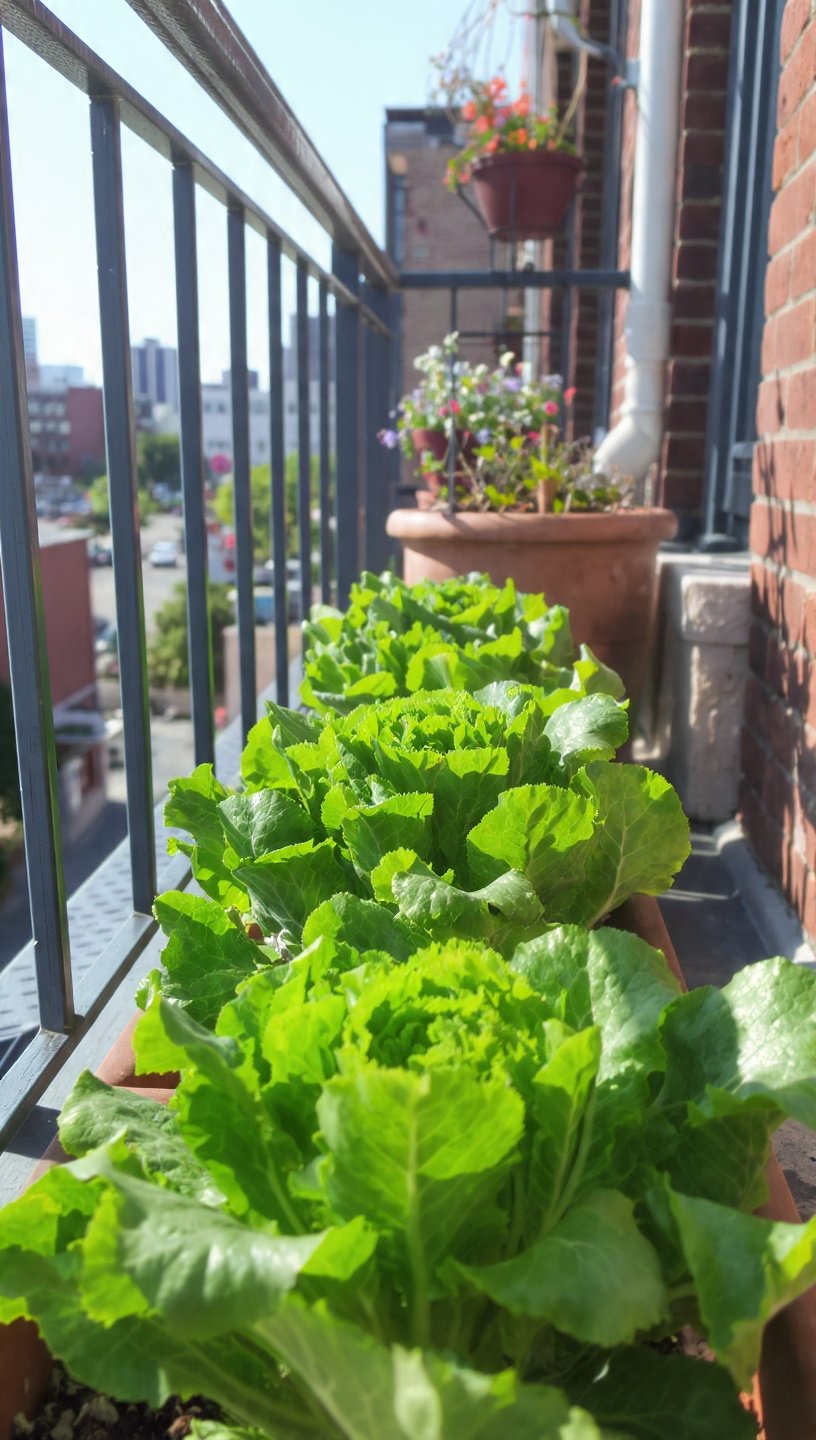
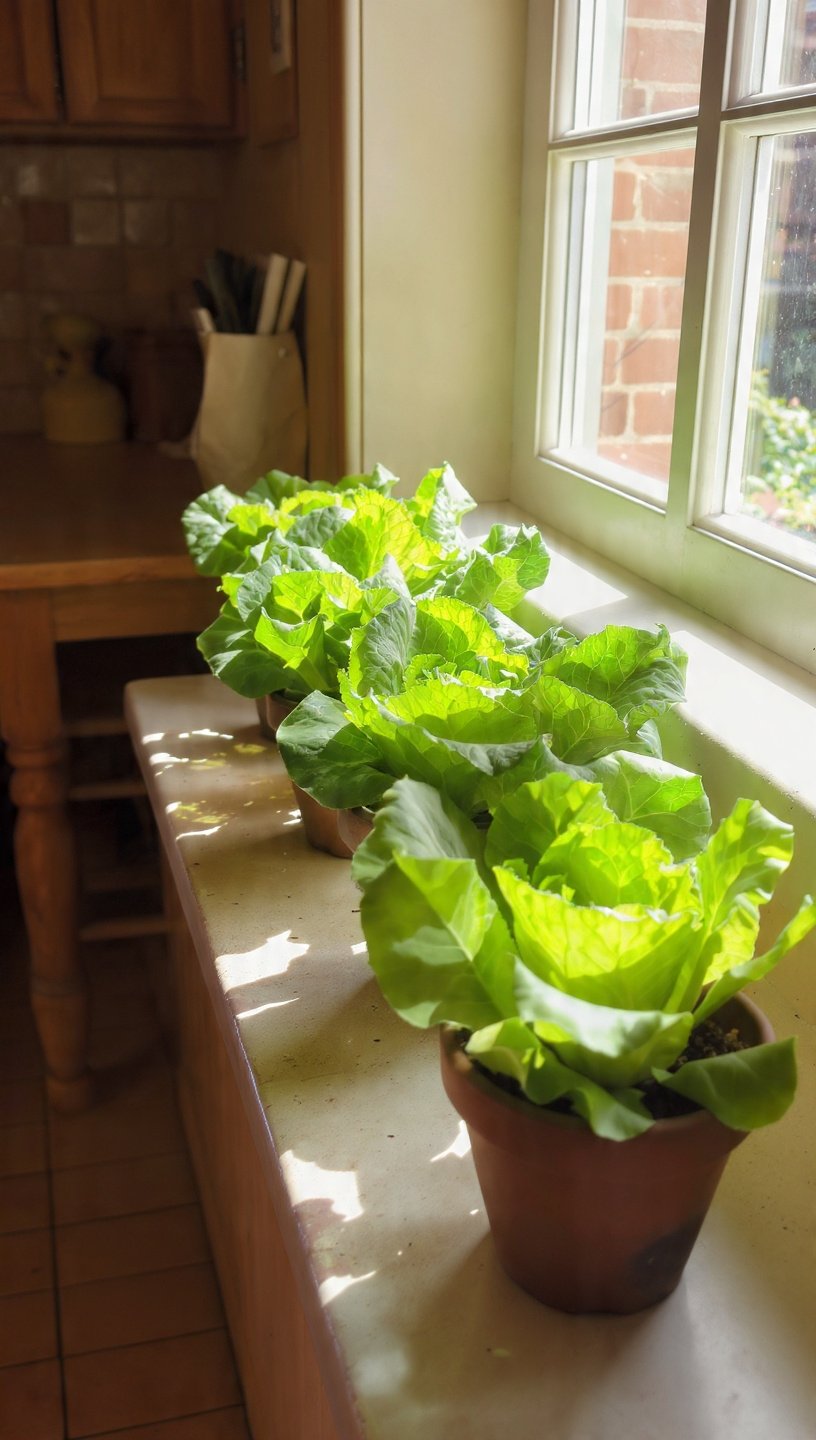
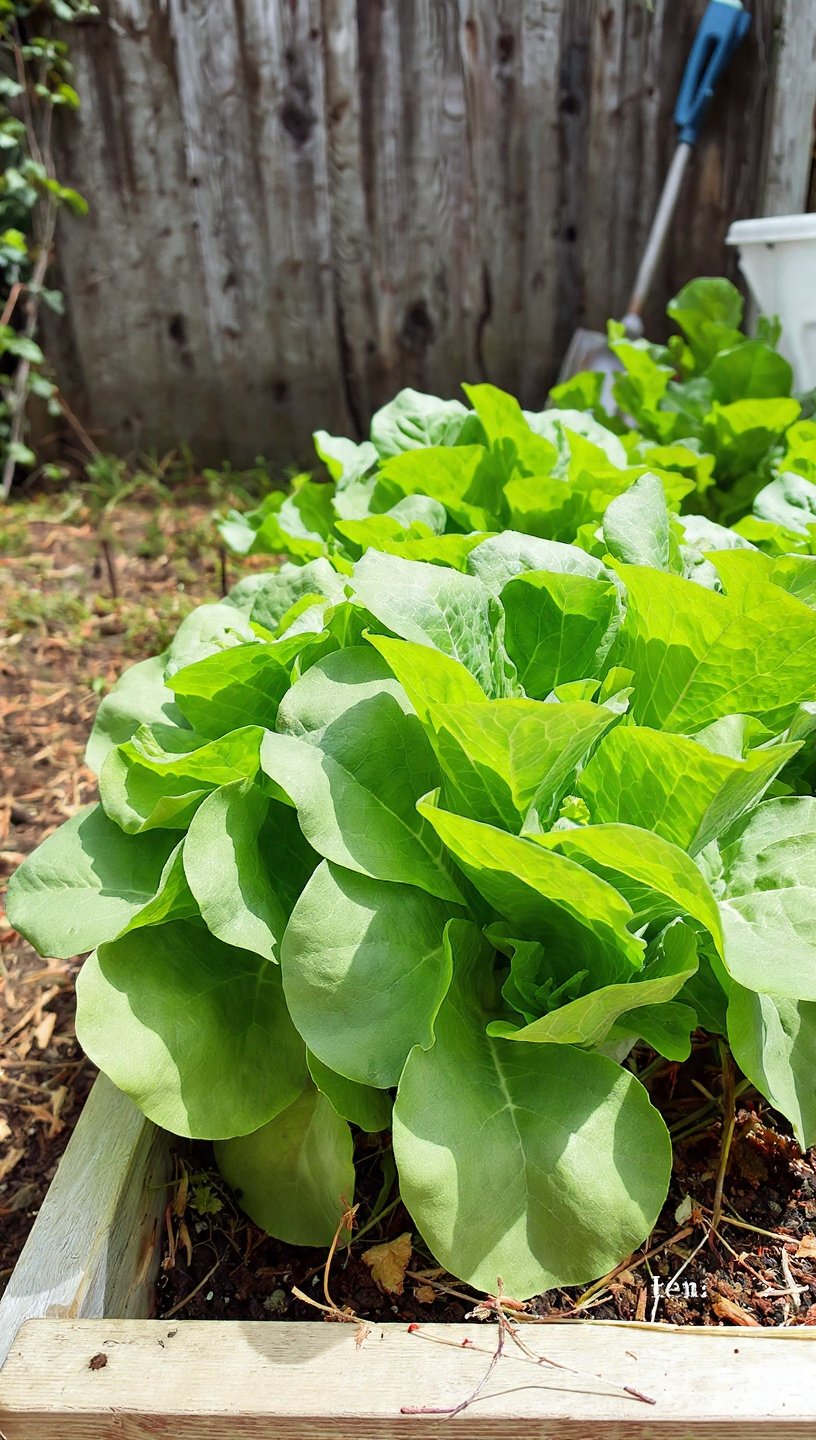
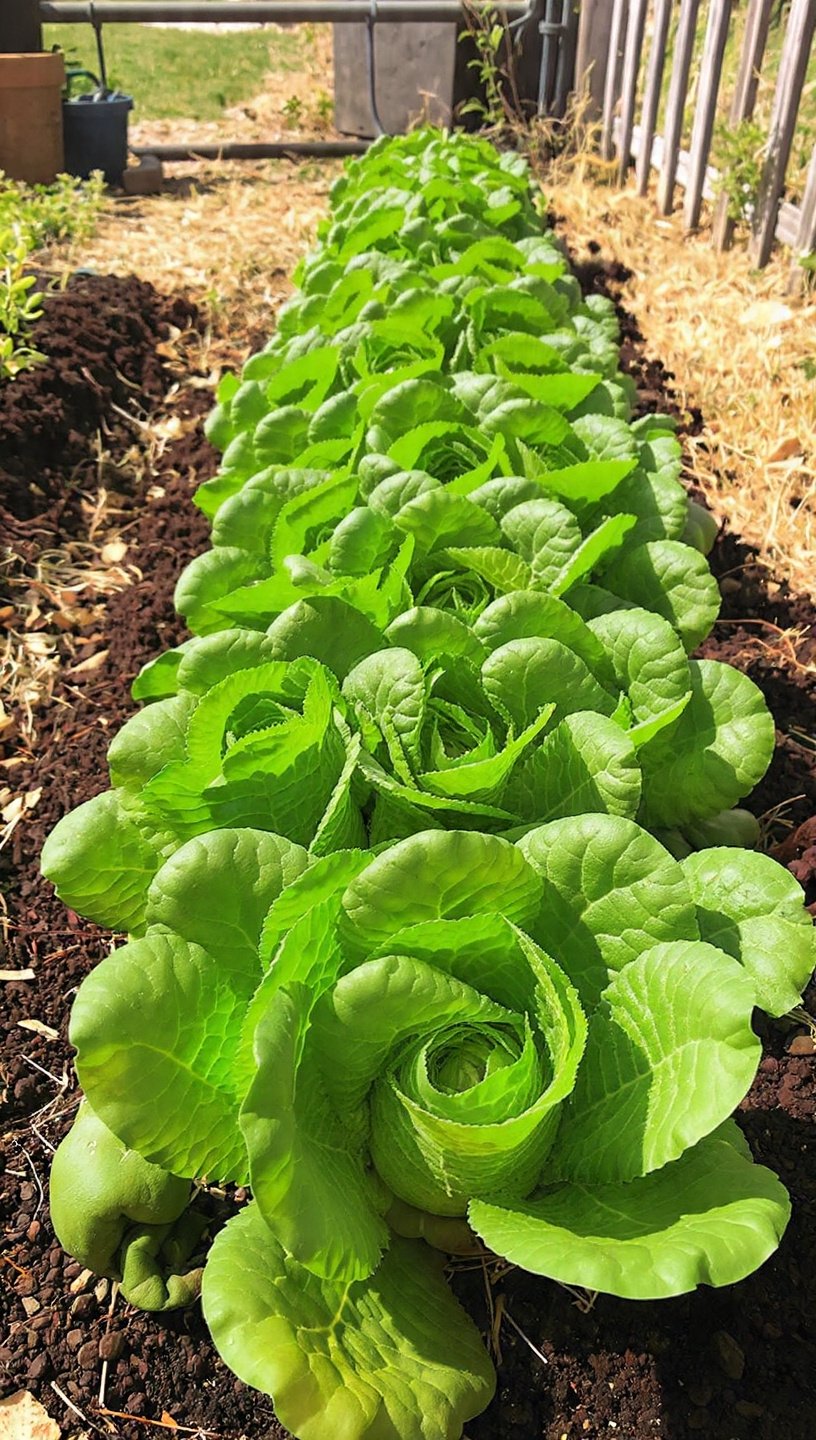
Whether you are planting a small urban window box, a raised bed, or a backyard veggie patch, this definitive guide provides the exact steps needed to secure a continuous, crunchy harvest.
Quick Reference Facts
- Botanical Name: Lactuca sativa var. longifolia ‘Little Gem’
- Common Names: Little Gem Lettuce, Sucrine, Baby Romaine
- Plant Type: Cool-season leafy green vegetable
- Sun Exposure: Full sun (cooler months) to partial afternoon shade (hot summer)
- Soil Requirements: Rich, loose, moist, and well-draining soil mixed with compost
- Ideal Soil pH: Slightly acidic to neutral (6.0 to 6.8)
- Sowing Depth: Shallow (3mm to 5mm deep)
- Germination Time: 7 to 10 days
- Spacing: 15cm to 20cm apart
- Time to Harvest: 50 to 60 days from sowing
When to Plant Lettuce in South Africa
You can successfully grow lettuce year-round in most parts of South Africa by managing your afternoon shade.
However, planting during the optimal regional seasonal windows makes ongoing maintenance effortless:
Inland Highveld Regions (Gauteng, Free State): Sow from August to November (spring) and again from March to May (autumn). Avoid planting out into open, unprotected beds during intense mid-winter frosts unless using a protective frost sleeve or greenhouse cloth.
Winter Rainfall Regions (Western Cape): Autumn, winter, and spring are ideal planting times. The natural cool winter rains keep the shallow root systems perfectly moist.
Subtropical Regions (KwaZulu-Natal coast, Limpopo): Focus your planting during the cooler, milder autumn and winter months (April to August) to avoid the extreme humidity and fungal issues of mid-summer.
Step 1: Choosing Your Sowing Method
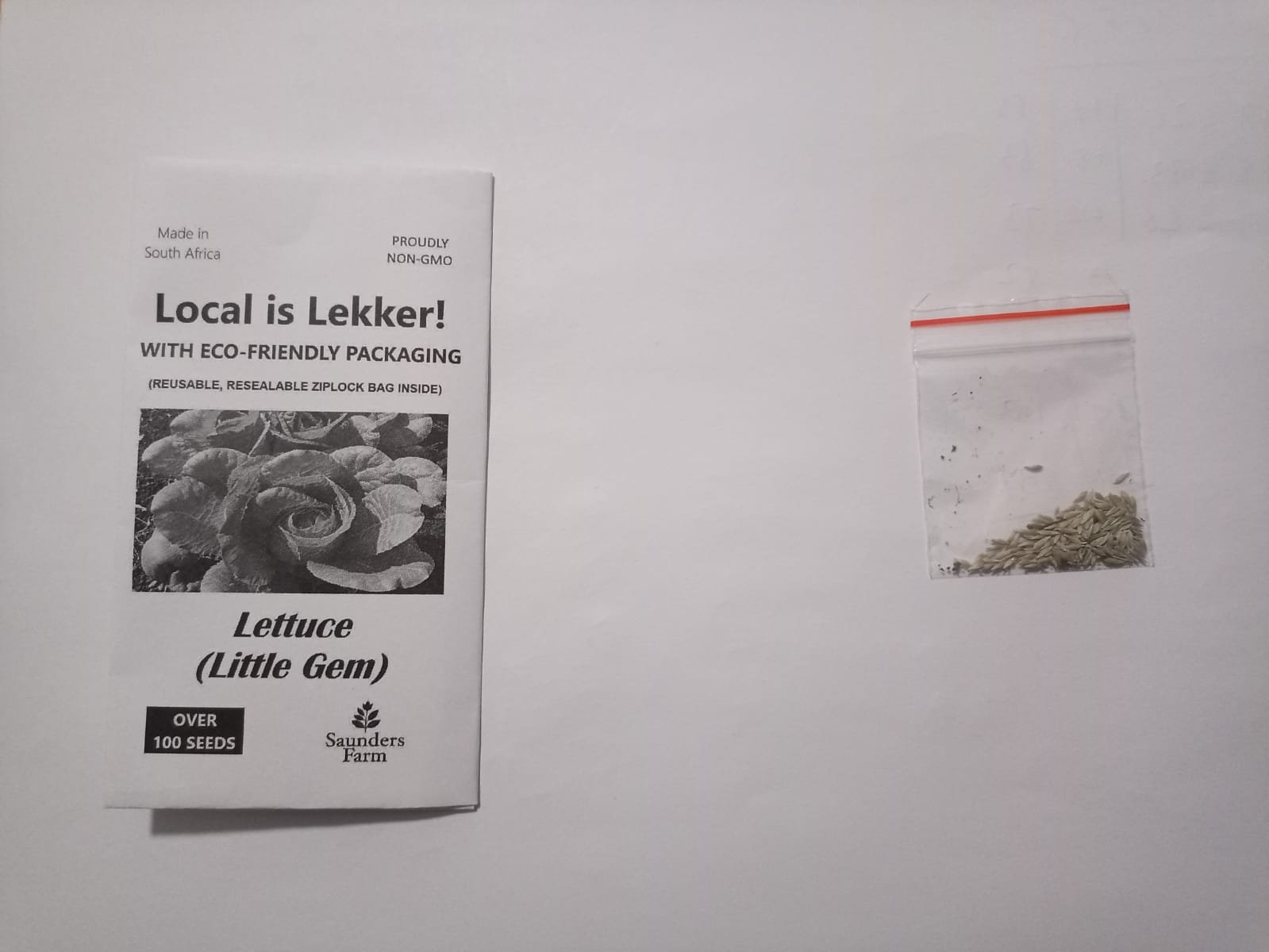
Because our premium heirloom packs contain over 100 seeds, you have plenty of seeds to split between successive plantings.
You can choose to raise them in seedling trays or sow them directly into the ground.
Method A: Starting in Seedling Trays (Highly Recommended for Summer)
Starting seeds in a controlled environment allows you to protect the delicate sprouts from scorching hot sun, heavy crushing rain, and hungry garden birds.
Fill a clean seedling tray with a fine, moist seed-starting mix. Press the tiny seeds gently onto the soil surface. Cover them with a paper-thin 3mm layer of mix or fine vermiculite.
Lettuce seeds need a little ambient light to break dormancy. Keep the tray in a warm, bright area out of direct, burning sun.
Method B: Direct Sowing in the Garden (Best for Autumn & Spring)
Turn over the top 15cm of soil in your garden bed or a shallow patio container (at least 15cm to 20cm deep). Mix in a generous layer of well-rotted organic compost.
Create straight, shallow rows about 5mm deep. Space the rows 20cm apart. Scatter the seeds thinly along the rows and cover lightly with loose soil.
Step 2: Germination Care
The Golden Rule: Never let the top layer of soil dry out. Because lettuce seeds are planted exceptionally shallowly, a single hot afternoon of dry soil can kill the emerging sprouts.
Use a spray bottle or a hose nozzle set to a very fine mist.
Patience: Under ideal conditions, your lettuce seeds will sprout quickly, usually within 7 to 10 days.
Step 3: Thinning and Spacing
If you let lettuce seedlings grow too closely together, they will fight for nutrients and light. This causes them to grow into weak, spindly, loose leaves instead of developing tight, crisp, signature hearts.
When your seedlings reach about 5cm tall, use sharp scissors to snip the weaker plants away at ground level. Do not pull them up by the roots, as this can easily disrupt the fragile, shallow root systems of the remaining healthy plants.
Aim for a final spacing of 15cm to 20cm apart.
Step 4: Ongoing Care for Sweet, Crisp Leaves
The Secret to Sweetness: Consistent Water
The secret to crisp, sweet lettuce with zero bitterness is rapid growth, and rapid growth requires consistent water. Water your lettuce deeply at the base of the plant every 2 to 3 days. If the weather is exceptionally hot or windy, you may need to water container-grown lettuce daily.
If lettuce suffers from drought stress, it will immediately protect itself by becoming bitter, tough, and running to seed.
Feeding and Nutrition
Lettuce is grown strictly for its leaves, meaning it is a heavy consumer of nitrogen.
Feed your plants every 3 to 4 weeks with an organic liquid fertilizer, such as fish emulsion or liquid kelp, to promote rapid leaf development.
Mulching
Spread a thin layer of organic mulch (like clean straw or fine bark chips) around your lettuce plants.
Mulch keeps the shallow soil cool, retains critical moisture, and prevents muddy water from splashing onto your clean leaves when watering.
Step 5: Harvesting Your Little Gem
You do not have to wait for a full head of lettuce to mature before you can start eating it!
The “Cut-and-Come-Again” Method: Snip off individual outer leaves as soon as they are large enough to use in a sandwich. Leave the inner core untouched, and the plant will keep pushing out fresh leaves for weeks.
Whole Head Harvest: For the true Little Gem experience, wait until the center head feels firm and compact to the touch (usually 50 to 60 days). Slice the entire plant off at ground level with a sharp knife, or pull it up by the roots.
Companion Planting Tips
Maximize your garden space by planting lettuce alongside great companion plants:
Radishes & Carrots: Radishes grow quickly and can be harvested before the lettuce needs room to spread. Carrots grow deep, while lettuce stays shallow, meaning they never fight for root space.
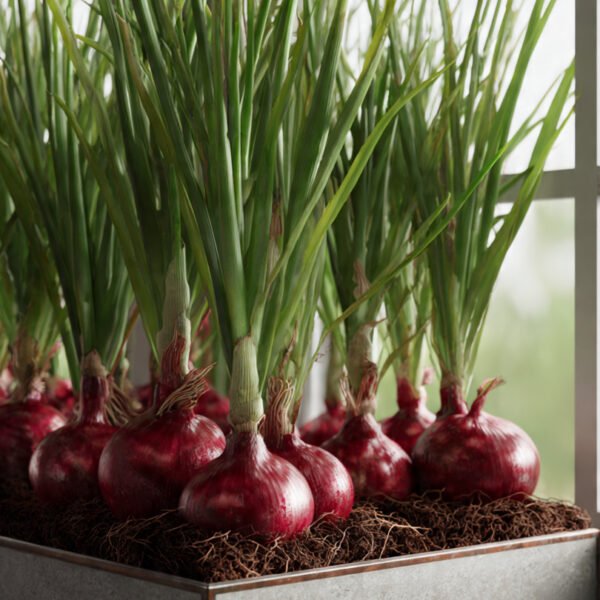
Chives & Garlic: The strong natural scent of alliums helps deter common garden pests like aphids away from your sweet lettuce leaves.
Avoid Brassicas: Keep lettuce away from cabbage, broccoli, and Brussels sprouts, as they can compete heavily for the same nutrients.


Reviews
There are no reviews yet.